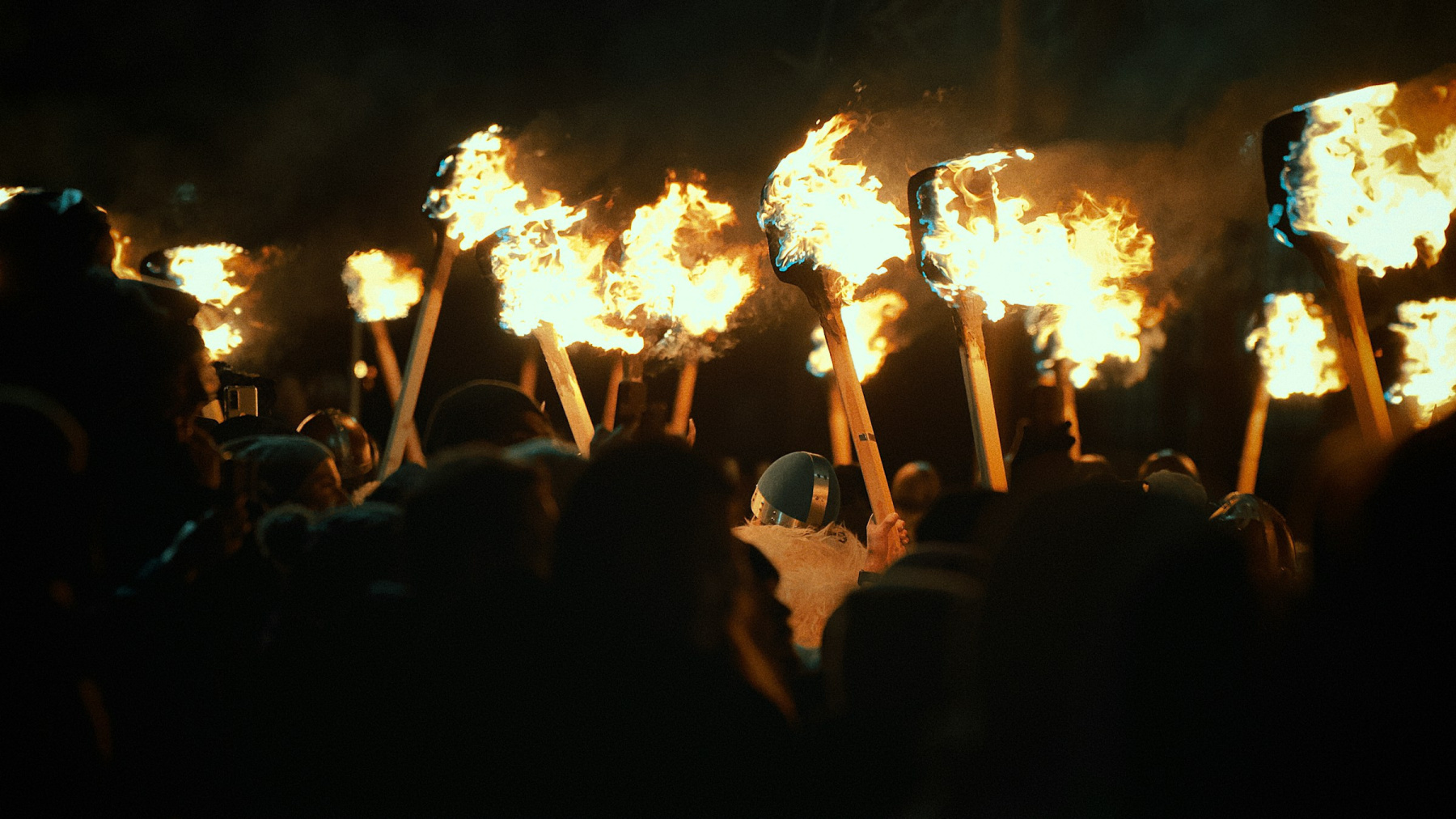
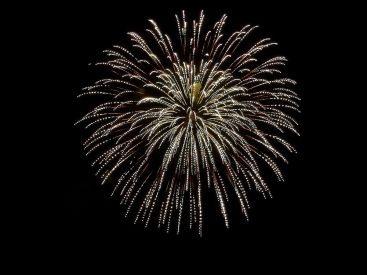
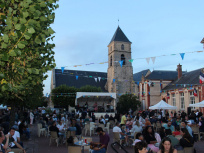
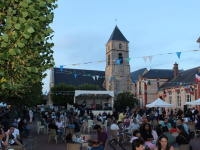
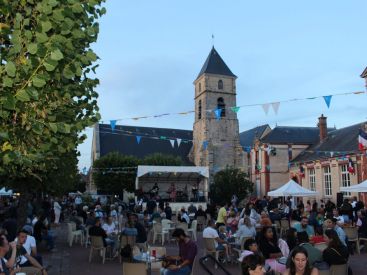
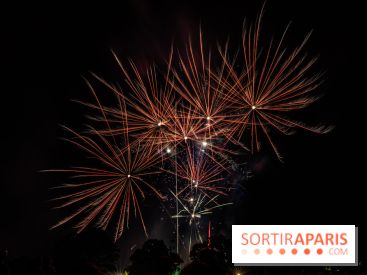
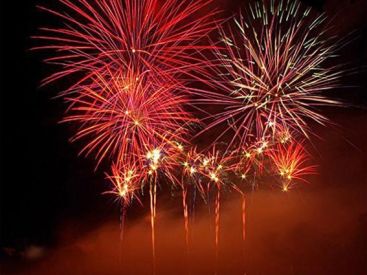
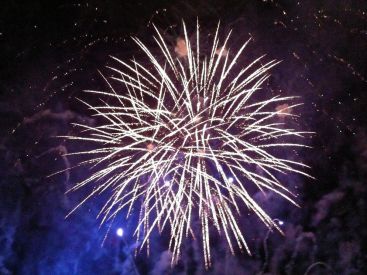
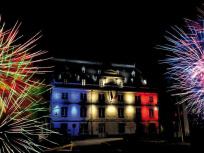
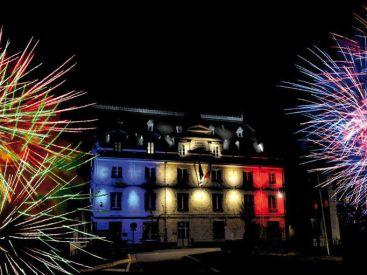
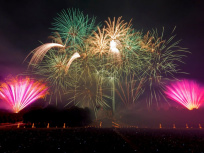
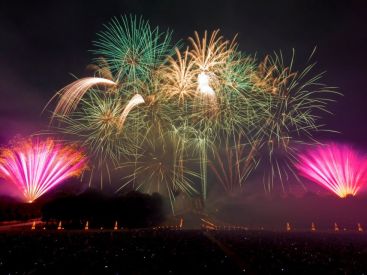
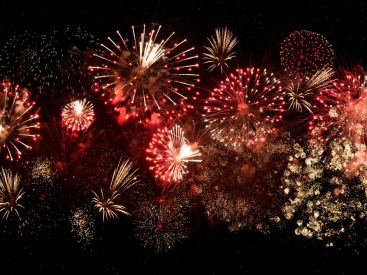
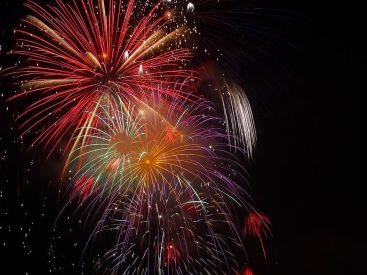
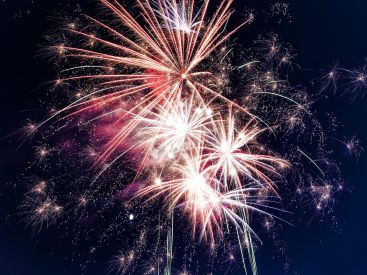
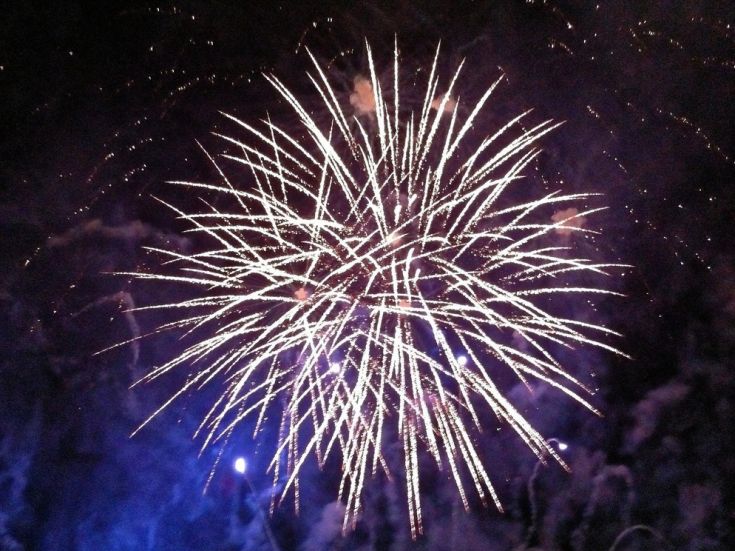
Every year, the 13 and 14 July kick off one of summer’s flagship public events. Across the four corners of the Île-de-France, towns celebrate the National Day with concerts, balls, ceremonies, shows and, often, a fireworks that lights up the evening. Some choose to organise festivities the eve of the holiday, others on July 14, but the spirit remains the same: sharing a convivial moment in public space. Among these time-honoured traditions spanning generations is the torch-lit procession, a gathering eagerly awaited by families. At nightfall, children and adults meet, torch or lantern in hand, to walk the streets in a warm atmosphere that often signals the start of the evening festivities.
Contrary to what its name might suggest, the torchlit procession is nothing like a military ceremony of today. The tradition traces back to the old night marches carried out by soldiers, lit by torches as they returned to their quarters. Over time, this practice detached from its military context to become a popular spectacle associated with public celebrations, notably around the National Day. Today, real torches have given way to paper lanterns, lanterns or LED torches, but the principle remains the same: marching together through the streets at dusk, often behind a marching band, a musical group, or local elected officials. In many Île-de-France municipalities, this stroll marks the transition from the end of the day to the evening festivities, before a concert, a ball, or a fireworks display.
Whether it winds through the lanes of a village, along the banks of a river, or down the avenues of a big city, the torchlit procession still holds a special place in the celebrations of the 14 July. Its enduring appeal lies as much in its intergenerational character as in its simplicity: all you need is a lantern, a few steps, and a desire to share the moment with others. While the forms have evolved over the years, this tradition remains a symbol of summer festivities in France. In Île-de-France, it still accompanies many celebrations and offers a different way to experience the National Holiday, before eyes turn to the first lights of the fireworks or the dance floor comes alive to the sound of the bal populaire.
This page may contain AI-assisted elements, more information here.
Dates and Opening Time
From July 13, 2026 to July 14, 2026