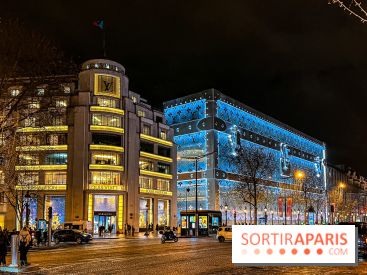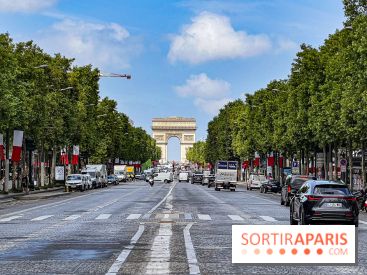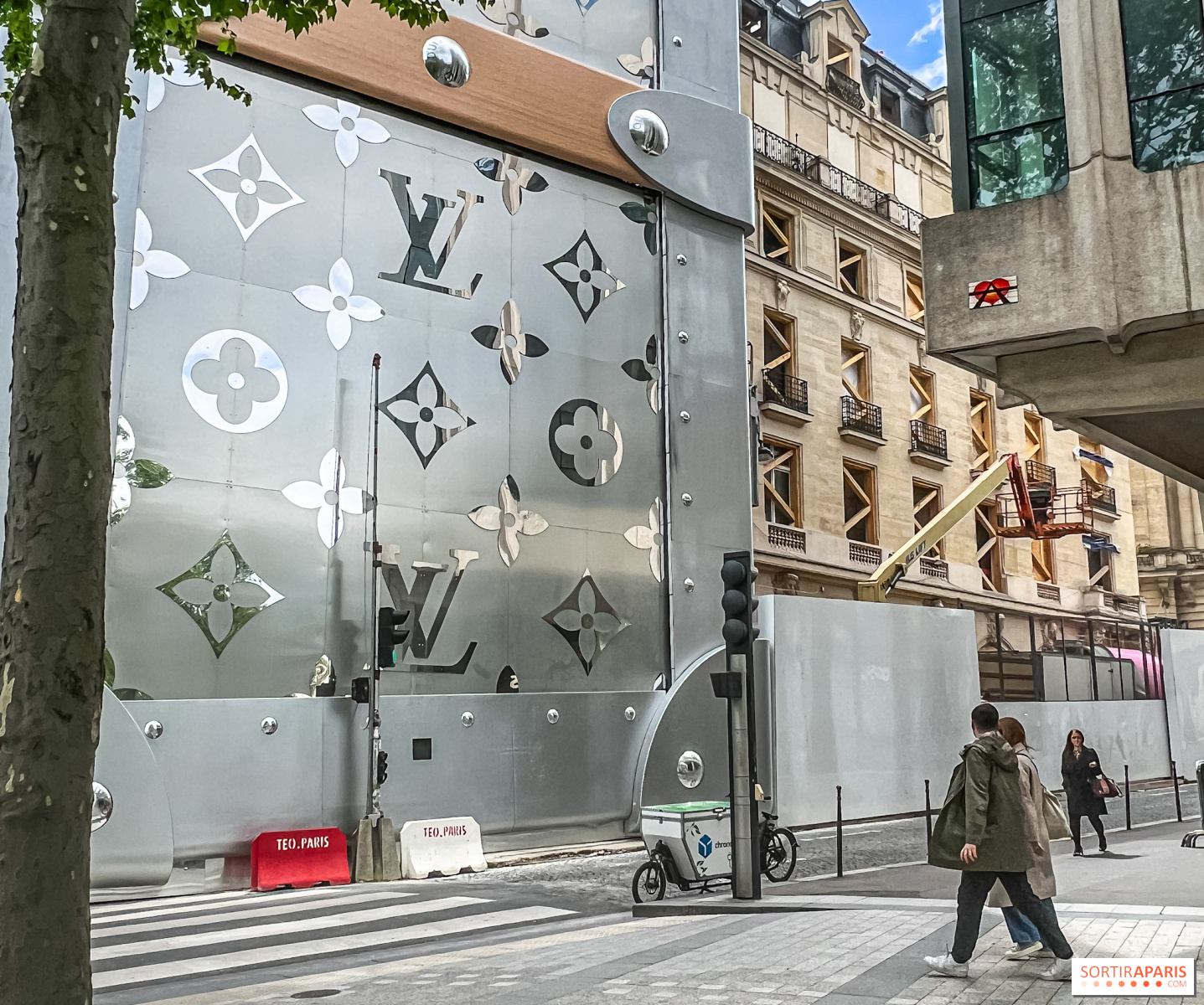
Some find it beautiful, while others cry scandal! One thing's for sure: the monumental Vuitton trunk on the famous Champs-Élysées avenue, which conceals the construction of the first Louis Vuitton hotel, leaves no one indifferent. Especially not the ecologist members of the Paris Council and the associations SOS Paris and Résistance à l'agression publicitaire (RAP), who are determined to make their voices heard, as Le Parisien reveals.
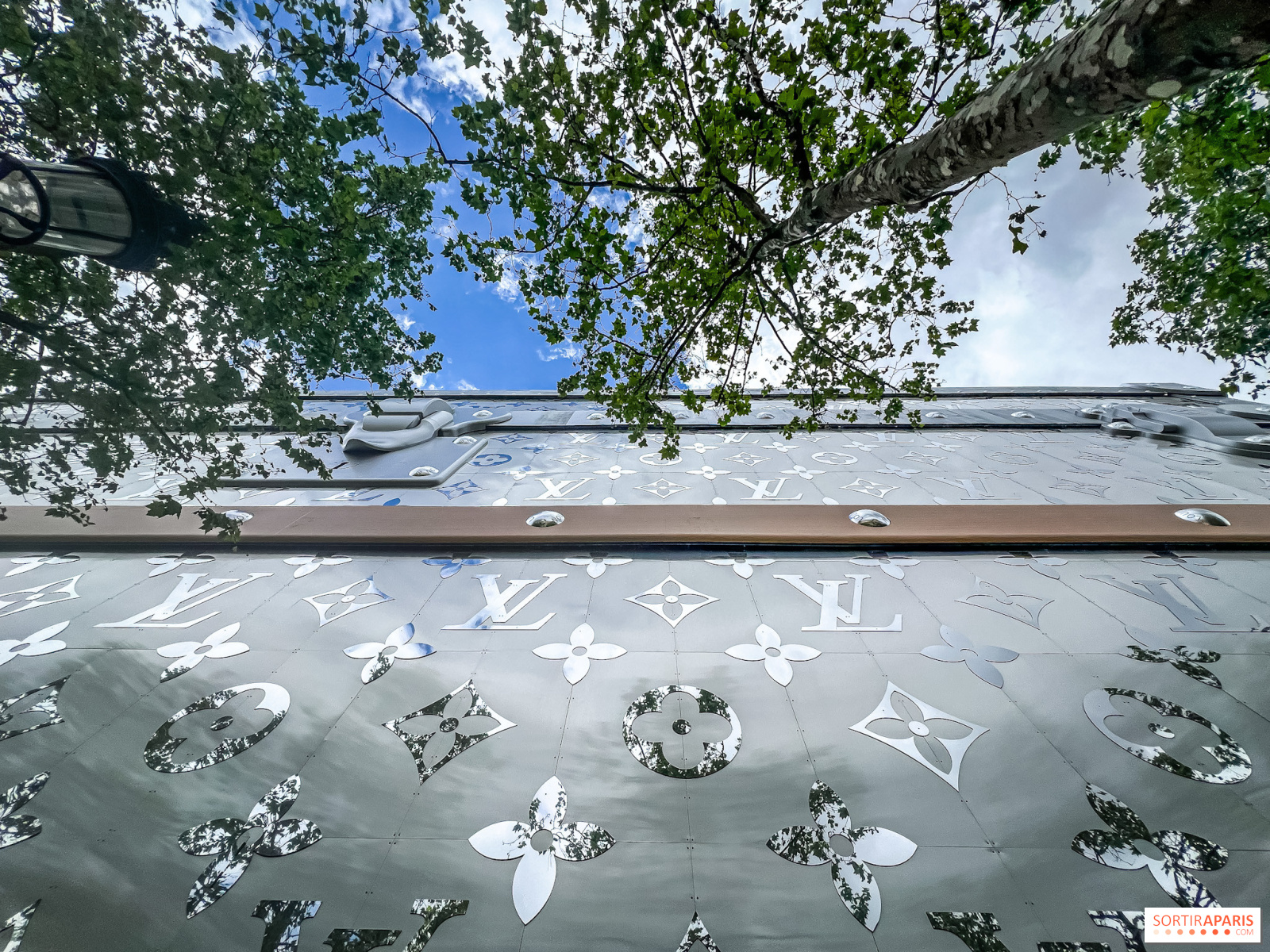
Since its installation in November 2023, this huge trunk, emblazoned with the brand's famous monogram, has concealed work on the brand's first luxury hotel, scheduled to open in 2027. While some passers-by see it as a tourist attraction, others see it as " illegal advertising in disguise ". Opponents believe that the structure contravenes regulations on advertising signs, notably because of its size and duration of exposure. They are therefore asking the Mayor of Paris to review the authorization granted, failing which they plan to take the matter to court.
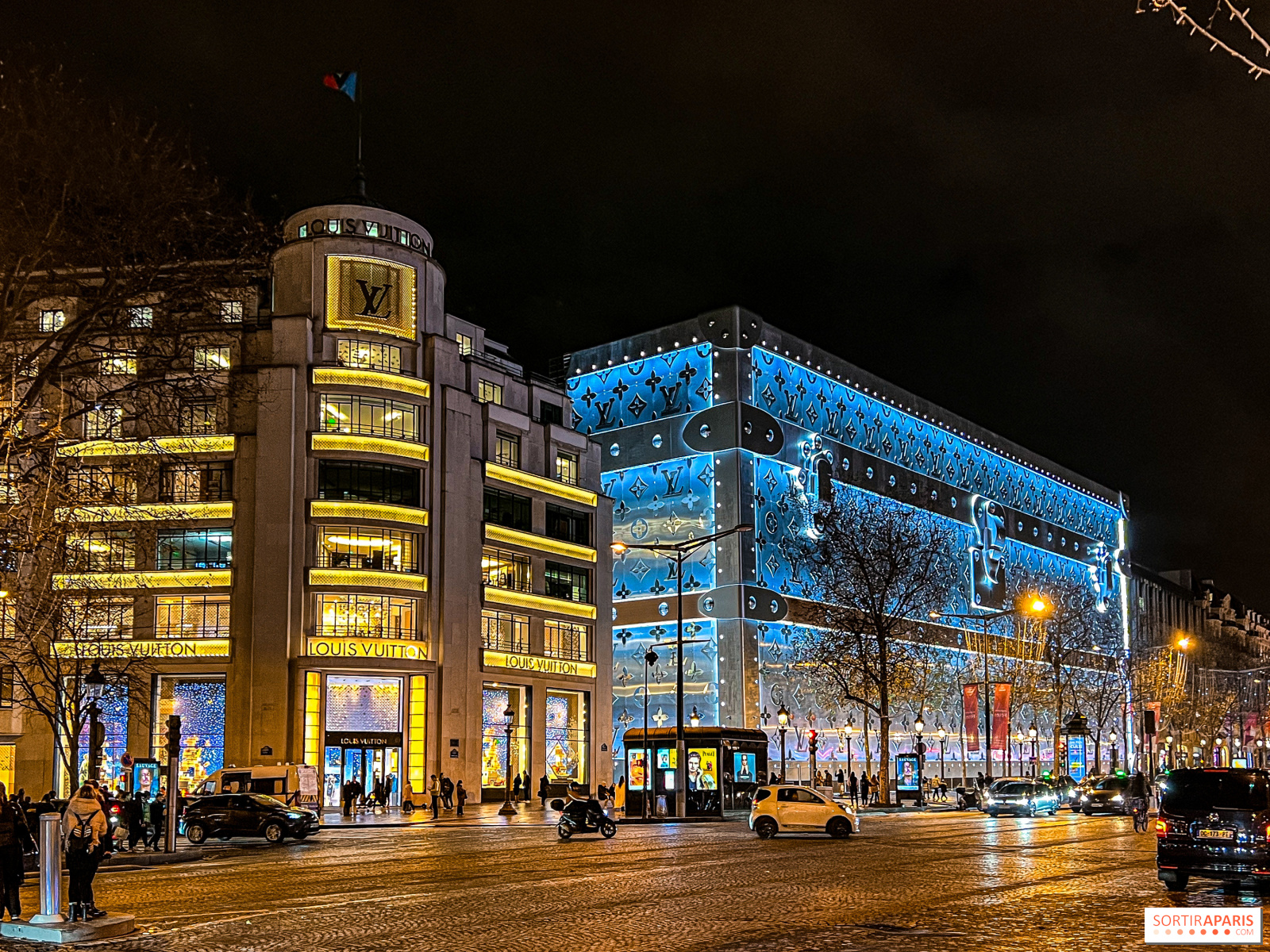
The City of Paris considers this installation to be a temporary real-estate sign, in compliance with current regulations. As the building is a listed historic monument, the Architectes des Bâtiments de France have given their approval. In addition, the installation will generate a royalty of 1.7 million euros for the City over the planned duration.
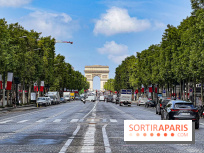
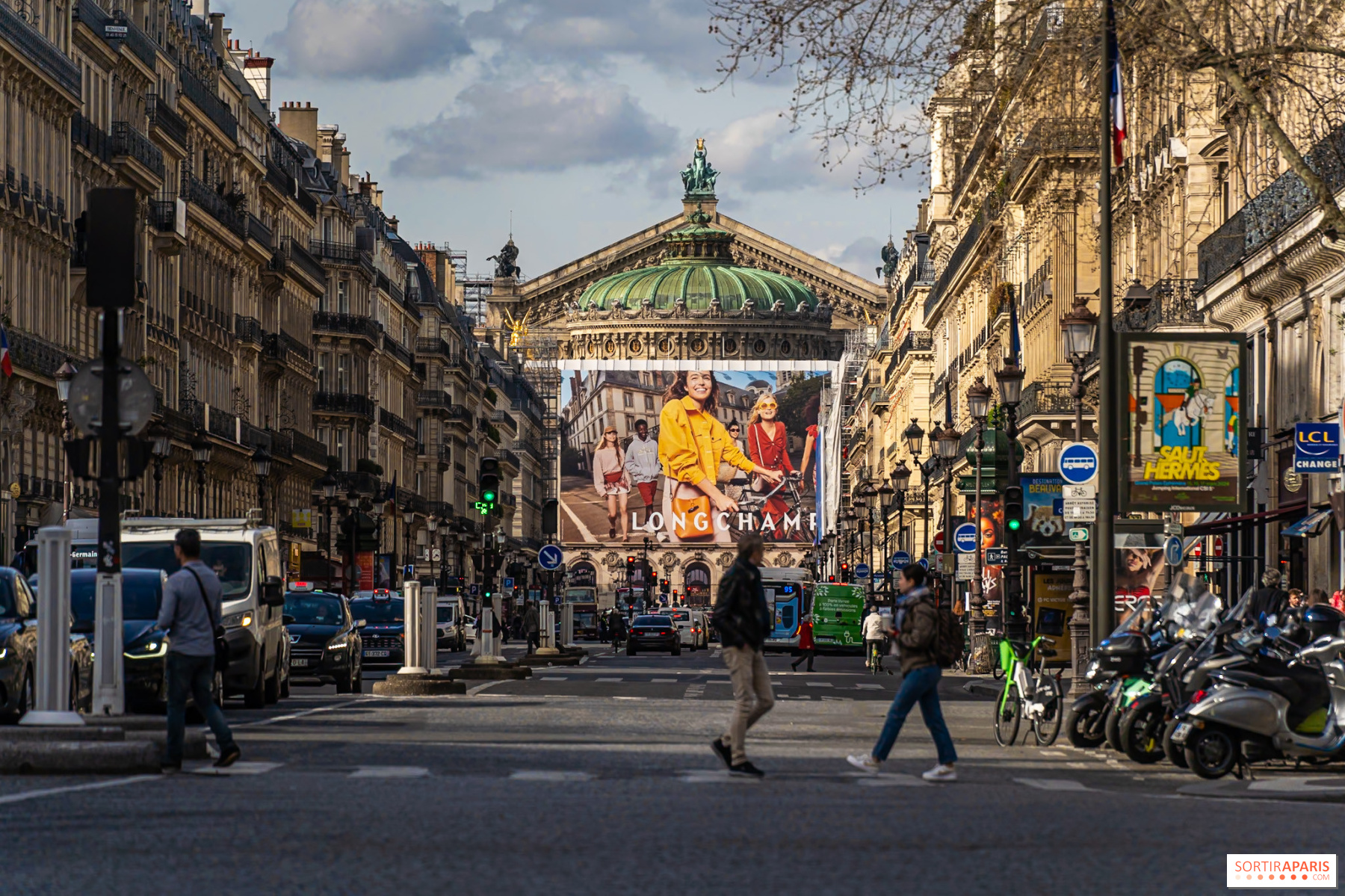
This debate is part of a wider reflection on the place of advertising in Parisian public space, particularly on emblematic sites such as the Champs-Élysées. Elected ecologists point out that the overabundance of advertising contributes to a culture of over-consumption and spoils the city's architectural beauty. Another example is the Opéra Garnier, which has become a veritable billboard.
Pending a possible court decision, Louis Vuitton's giant trunk continues to attract the attention of passers-by and tourists alike, becoming in spite of itself the symbol of a debate between commercial enhancement and preservation of urban heritage.
Recommended age
For all