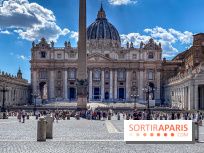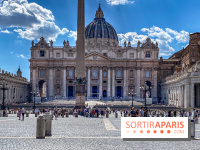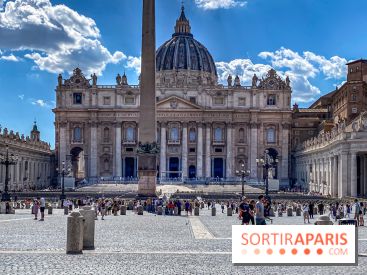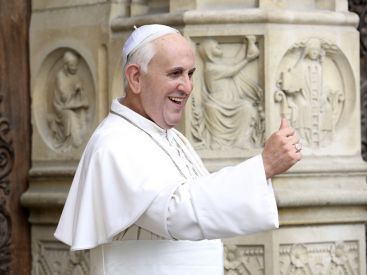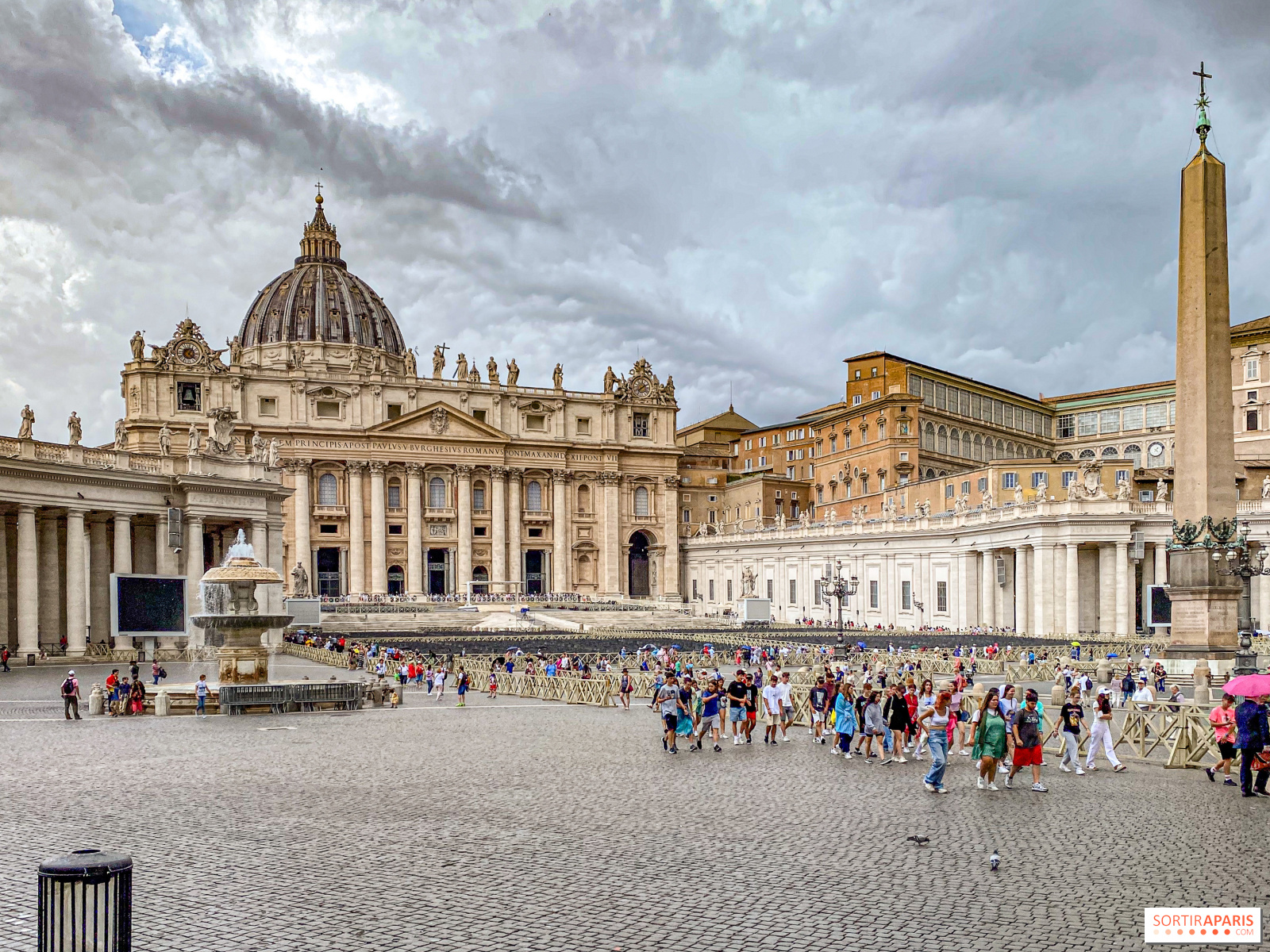
Pope Francis is no more... The pontiff died on Monday, April 21, 2025, at the age of 88, following respiratory complications in February. The Holy See is now entering a period of vacancy, governed by a strict protocol. In the fifteen to twenty days following his death, the cardinal electors meet behind closed doors in the Sistine Chapel to elect his successor.
No sooner has the pope died than several figures are already being mentioned in religious circles as " papabili", those cardinals deemed suitable to occupy the throne of St. Peter's. Who are they? Here's the list!
At 70, the current Vatican Secretary of State is being touted as one of the favorites. An experienced diplomat, he knows the inner workings of the Roman Curia. This Italian cardinal is considered a man of compromise, appreciated for his discretion. Nevertheless, some feel that he embodies an overly institutional line, far removed from aspirations for renewal. He is also criticized for " taking too much of a back seat to the Supreme Pontiff ".
Pro-Prefect for Evangelization, the 67-year-old Filipino cardinal is often cited for his ideological link with Francis. Described as a warm and committed man, he is active on social and environmental issues. However, his distance from Rome's decision-making circles could work against him. He was once dubbed " Asia's little Francis ", despite having " no direct experience of Roman government ".
The French cardinal, archbishop of Marseille, was created a cardinal in 2022. Aged 66, he is regarded as a figure of dialogue, particularly on migration and interreligious issues. A theologian and linguist, he is seen as a progressive figure. He embodies a " welcoming Catholicism, rooted in the Mediterranean " and could appear as a credible option, even if France rarely weighs in the conclave's choices.
Close to the Sant'Egidio community and president of the Italian bishops, Matteo Zuppi, 69, represents a humanist profile. He has worked in several mediation missions. He appeals to reformist currents while reassuring moderates. Some observers point to a continuity with Francis, in a form of active pastoral care focused on the peripheries.
Latin Patriarch of Jerusalem, the 59-year-old Italian cardinal is mentioned as a pastoral voice linked to the geopolitical realities of the Middle East. An expert on Eastern Christians, he is respected but has yet to consolidate a solid network in Rome. He is, however, increasingly quoted " in Roman discussions ".
Primate of Hungary, Cardinal Erdő (72) is a discreet and conservative intellectual. Attached to tradition, he could take a more reserved doctrinal line on internal reforms. His age and cautious stance make him a consensus hypothesis, albeit one with little enthusiasm.
At 57, theArchbishop of Brasília represents one of the youngest options. Cardinal since 2022, he is appreciated for his closeness to the faithful and his grounding in Latin American realities. However, his youth could hold him back from election, even if the conclave sometimes holds surprises.
Born in Guinea in 1945, this traditionalist figure was his country's first cardinal and, at 34, the world's youngest bishop. A former president of the Pontifical Council Cor Unum, he has distinguished himself in numerous humanitarian missions, notably among refugees and populations in distress. A figure renowned for his courage and doctrinal firmness, he embodies a conservative line within the Church. His social commitment, international experience and moral stature make him a papabile, although his ideological rigor can be an obstacle to the more reformist cardinals.
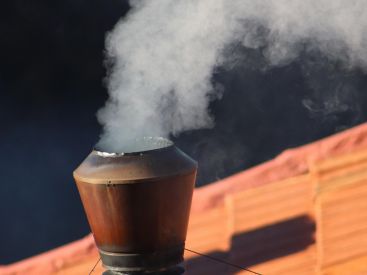
The conclave will open in the next few days, in an atmosphere marked by high spiritual and political expectations. The Church is faced with a strategic question: whether to maintain the momentum of Pope Francis or opt for a return to a more traditional order. The Sistine Chapel is about to make its voice heard. The world will wait, once again, for the white smoke.
This page may contain AI-assisted elements, more information here.