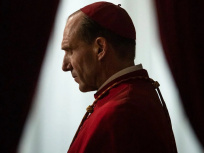
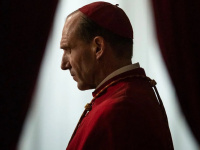
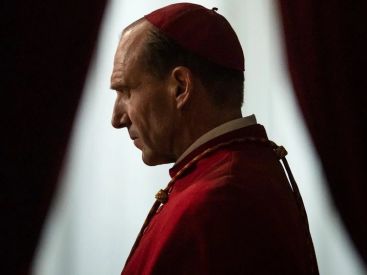
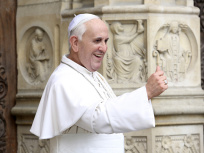
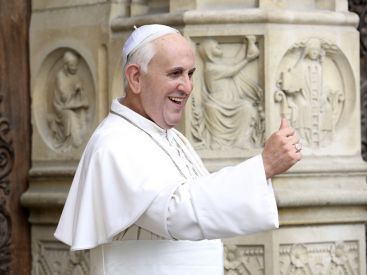
The Vatican in mourning... Pope Francis died on Monday April 21, 2025 at the age of 88, after appearing particularly weak during the Easter mass held the day before. And after all the funeral protocol comes the conclave, during which a new pontiff is elected by a College of Cardinals. But when is the conclave due to take place?
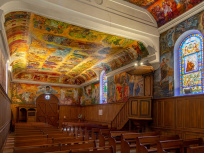
The conclave for the election of the next pope will take place between 15 and 20 days after the death of Pope Francis, as part of the protocol provided for in periods of sede vacante. We will therefore have to wait between May 6 and May 11, 2025 to hope to see the start of this meeting of the College of Cardinals, held behind closed doors in the Sistine Chapel at the Vatican, and aimed at designating the 267ᵉ sovereign pontiff in history. Waiting for this deadline allows the cardinal electors, aged under 80, to reach Rome. To date, 138 are able to take part in the ballot.
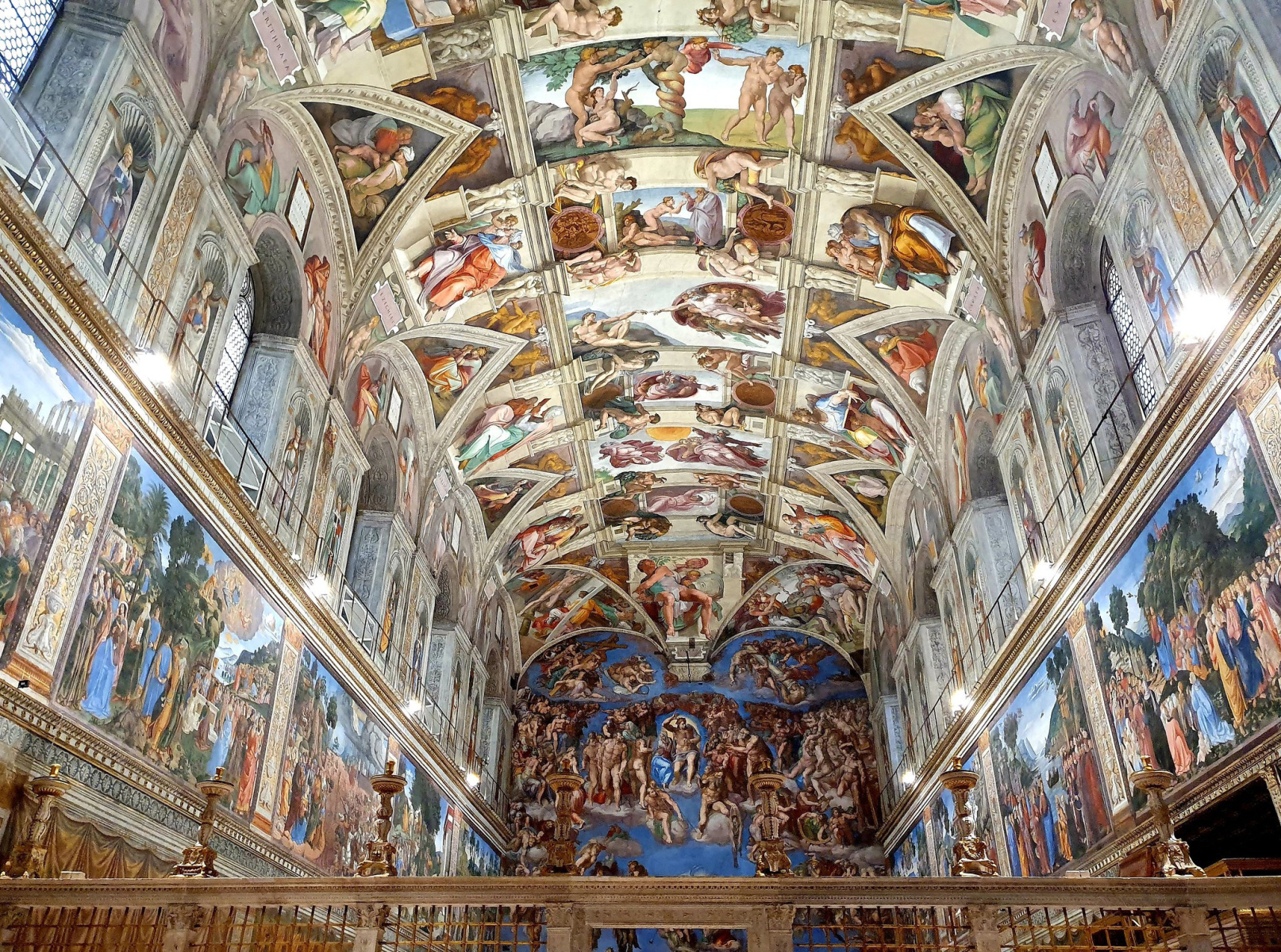
During this period of vacancy in the Holy See, the cardinals meet daily in general congregation to discuss the challenges facing the Church and to set the date for the opening of the conclave. We'll have to wait for an official announcement from the College to know when the conclave will begin.
Day-to-day business is managed by the Cardinal Camerlingue, currently Kevin Farrell, who is also responsible for overseeing the process. The word conclave comes from the Latin cum clave ([ferm] à clé in French), in reference to the once locked room where this election was held.
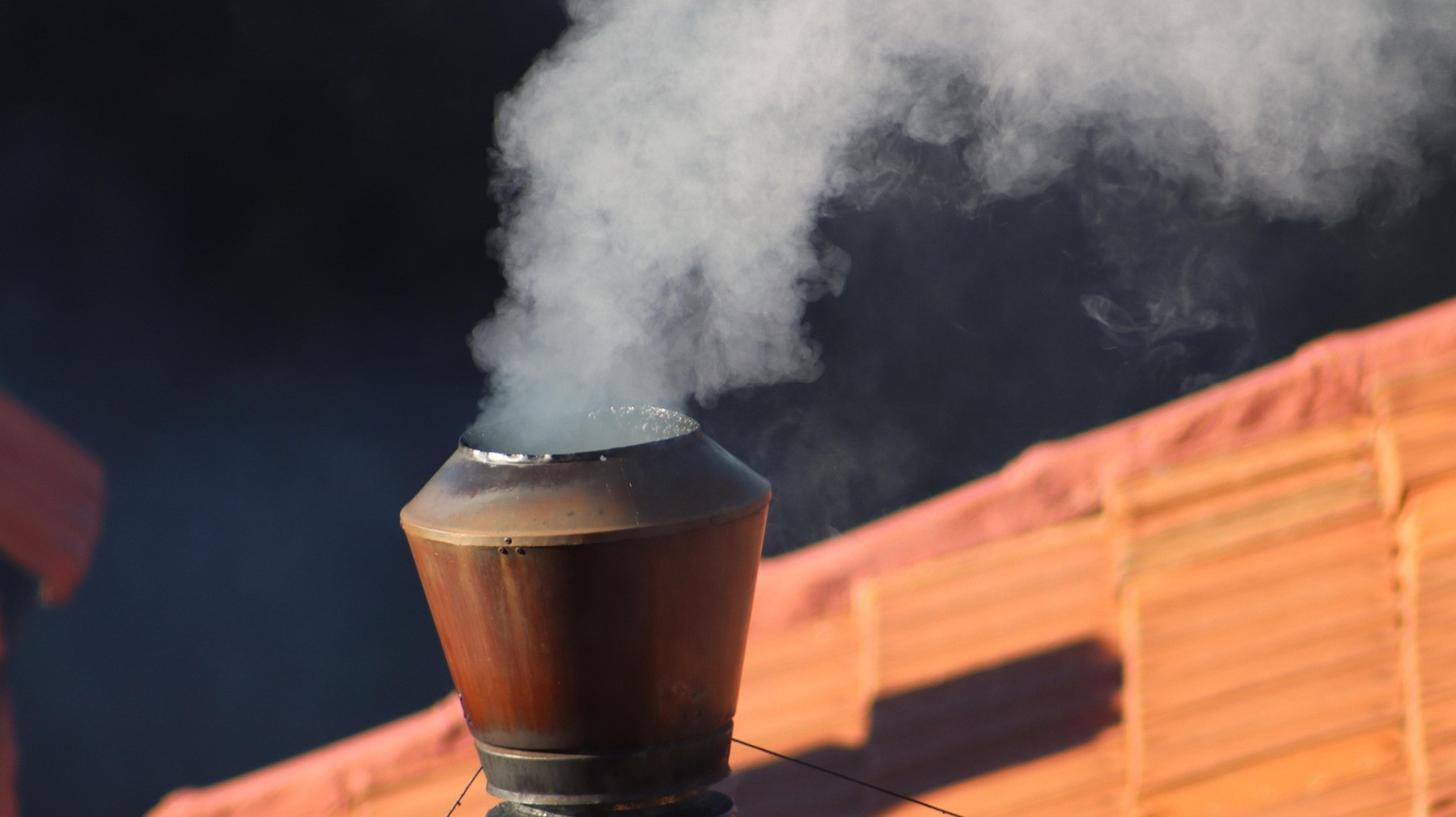
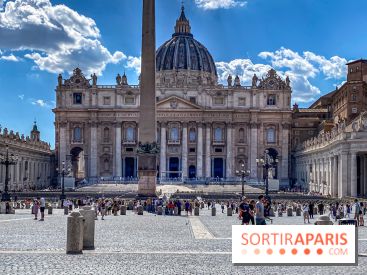
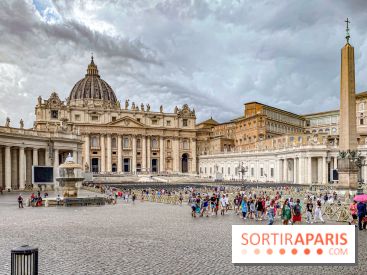
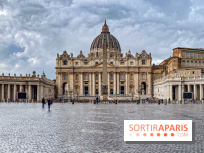
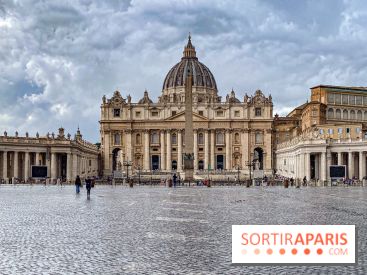
During the conclave, the cardinals take the oath and proceed to four ballots a day (two in the morning, two in the afternoon). At the end of each round, the ballots are burned. If no candidate receives two-thirds of the vote, the smoke produced is black. In the event of an election, only the ballots are burned, producing the famous white smoke. This signal is accompanied, from the balcony of St. Peter's Basilica, by the announcement: Habemus papam, pronounced by the cardinal protodiac, currently Dominique Mamberti.
The new pope then appears, announces the name of his chosen reign(qui sibi nomen imposuit), and pronounces the Urbi et Orbi blessing. This ritual ends the period of sede vacante.
In 2013, the election of Pope Francis required two days and five rounds of voting. The longest conclave dates back to 1271, when Gregory X was elected after three years.
It's official! In a first vote on the morning of April 28, the cardinals gathered for the occasion in general congregation set the date for the next conclave, to elect the next pope after the death of Francis. The first vote will take place behind closed doors in the Sistine Chapel on May 7, 2025.
The choice of date is not insignificant, since it shows that the cardinals intend to take a little time to meet beforehand and get to know each other better, with the aim of choosing the right person to replace Pope Francis, who died on April 21. A warm-up round too, to see who stands out and moves from"papabili" to"preferiti" status. Note that the first vote will take place mid-afternoon and will be the only vote of the day, after a new, more traditional round the following day (on condition that the Pope is not elected in this first round).
This page may contain AI-assisted elements, more information here.