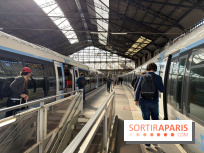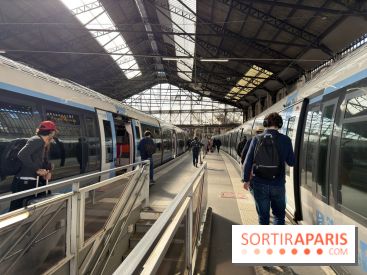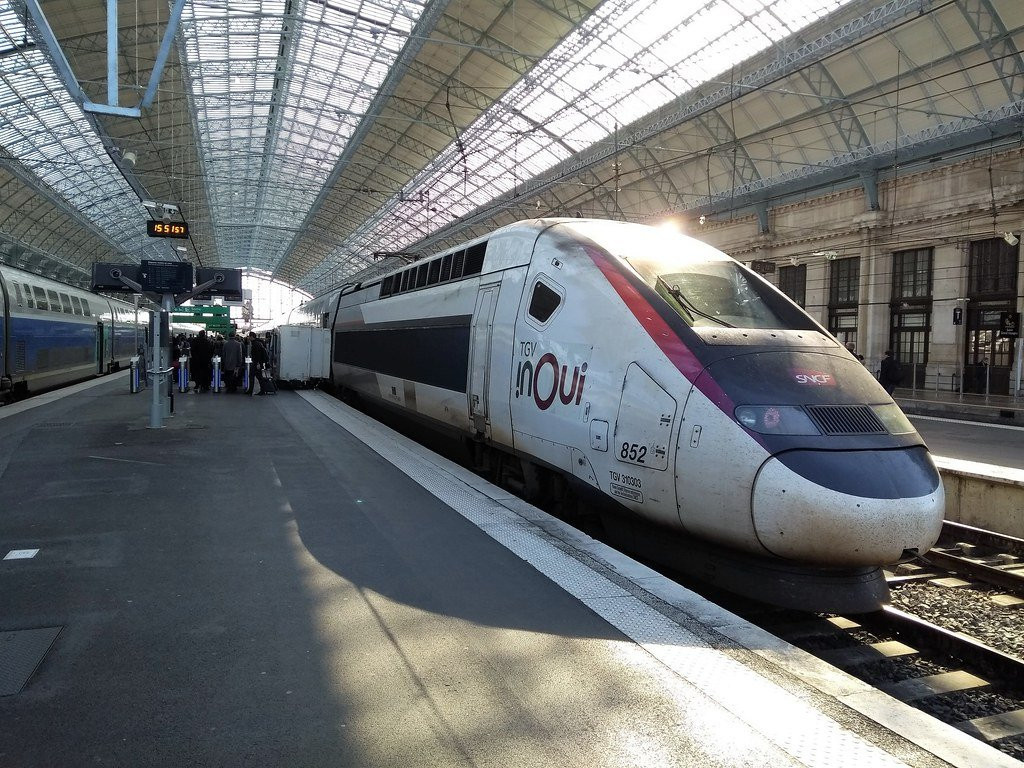
If you frequently travel on a TGV Inoui, you’ll notice a change in the seat labels. The SNCF took the weekend of December 13-14 to roll out a new seat numbering system across its fleet of 364 trains. Gone are the two-digit numbers; now, a three-digit system is in place, designed to make it easier to find your seat and speed up boarding. This update affects all TGV Inoui trains operating in France and across Europe, including international routes to Germany, Spain, Italy, and Switzerland with TGV Lyria.
Over 400 SNCF volunteers dedicated their weekend to successfully carrying out this large-scale operation. They removed outdated labels and reprogrammed the LED displays across all train cars. This new system adopts the same logic introduced by Ouigo back in 2013, ensuring a consistent numbering system across all TGV trains operated by SNCF Voyageurs. For frequent travelers departing from major Parisian stations such as Paris-Montparnasse, Paris-Gare de Lyon, or Paris-Est, this upgrade promises to make boarding less stressful.
The principle is straightforward. Each seat now has a three-digit number. The first digit indicates the car number (more specifically, the units digit of the car number). The next two digits specify the seat's position within that car. For example, if you're in car 5 at seat 23, your seat number will be 523. This system makes it quick and easy to identify which car to board and exactly where your seat is located.
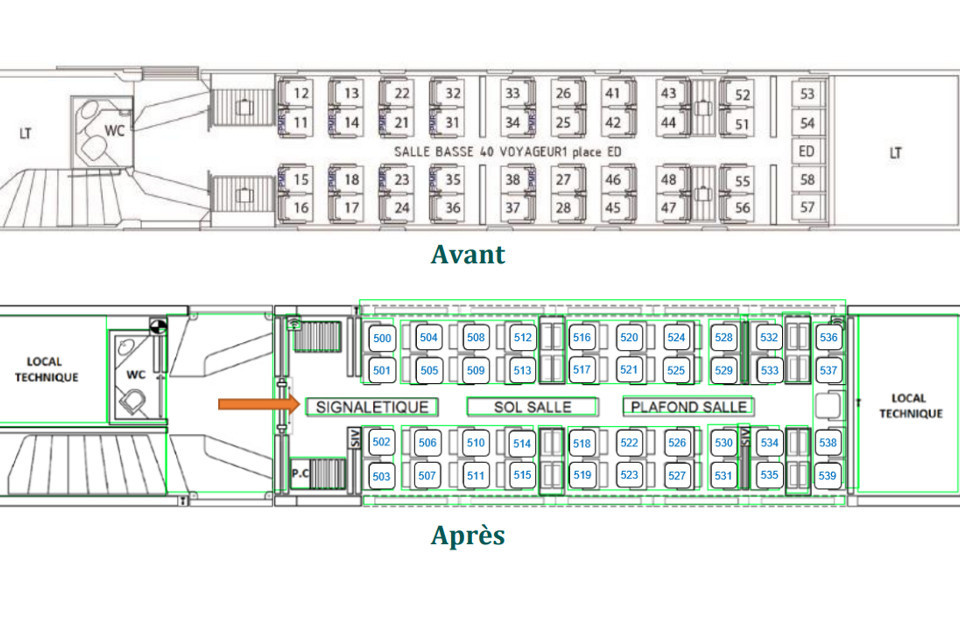
For TGV Inoui trains consisting of two connected units (known as multiple-unit trains), the seat numbering system has been thoughtfully updated. Cars 1 to 8 in the first section follow the traditional method, where the first digit indicates the car number. However, for cars 11 to 18 in the second section, the first digit corresponds to the second digit of the car number. Therefore, in a train with two sections, it’s possible to have two seats with the same number (for example, 245 in car 2 and 245 in car 12). That’s why the car number is always printed on your ticket to prevent any confusion.
Inside the train cars, seat numbers follow a logical sequence from left to right, starting at the entrance of each car. For double-decker trains (the Duplex models), the numbering is seamless: seats on the lower level are numbered 1 to 39 in order, then the numbering continues from 40 for the upper level. This new system replaces the old one, which often divided the car into compartments without a clear or intuitive progression.
This reform aims to tackle several practical issues. Travelers frequently criticized the complexity of the current system, which often caused stress and delays during boarding. At busy stations like Lyon Part-Dieu, where multiple trains arrive simultaneously on the same platforms, confusion over seat numbers led to chaotic boarding processes. The new system is designed to improve efficiency and punctuality.
The SNCF is also gearing up for the rollout of the new TGV M trains, scheduled for 2026, which will feature the same numbering system from the moment they enter service. Standardizing the fleet now helps anticipate this transition and gradually acclimate travelers. This consistency will also streamline maintenance and fleet management, especially when reorganizing train sets in case of disruptions.
The alignment with the Ouigo model, already familiar to millions of travelers, also makes things easier to understand. Instead of dealing with two different systems depending on the type of train, passengers now enjoy a single, straightforward interface across all high-speed trains operated by SNCF.
If you booked your ticket before December 14th, there's no need to worry. Your ticket, whether in paper form or stored digitally in the SNCF Connect app, now displays an updated three-digit seat number. Train station display boards and public address announcements have also been refreshed to reflect this new seating arrangement.
For seasoned travelers who knew their preferred car by heart, it may take a few days to adjust. However, the system’s logic is designed to make memorization easier in the long run. Just remember: the first digit indicates your train car, and you're all set. Your ticket clearly displays the car number to prevent any mix-ups, especially on trains made up of two linked carriages.
In short, while this change may seem confusing at first, it will soon make your on-board experience much simpler. No more juggling between the train car number and the seat number—this information is now easy to read at a glance. For any additional questions, you can visit the SNCF Connect website, which features a dedicated section on this new numbering system, or contact customer service at 3635. Official details are also available on the SNCF Voyageurs site and on the Service-Public.fr portal.