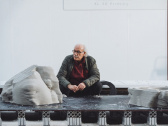
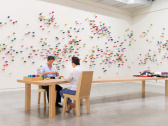
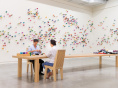
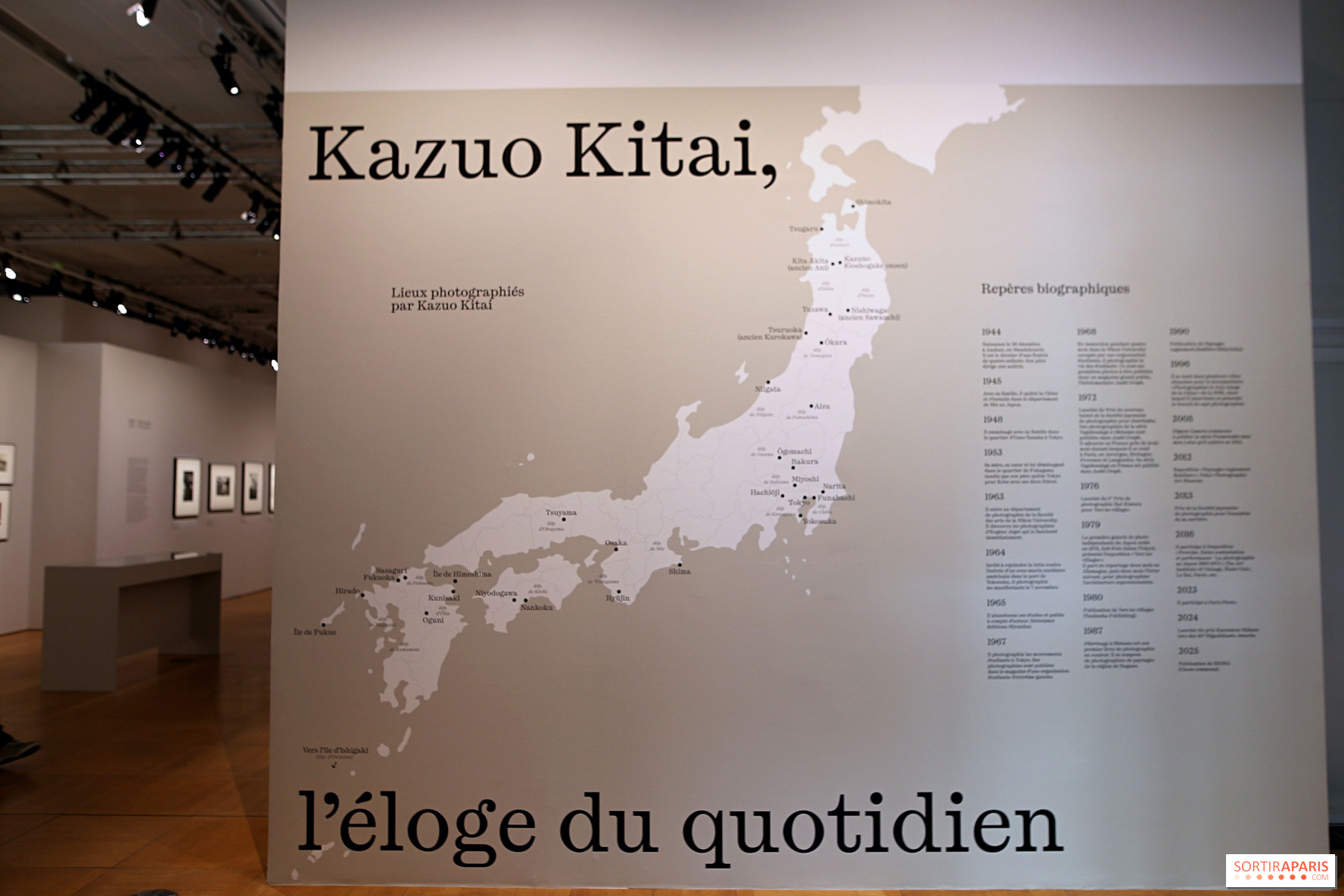
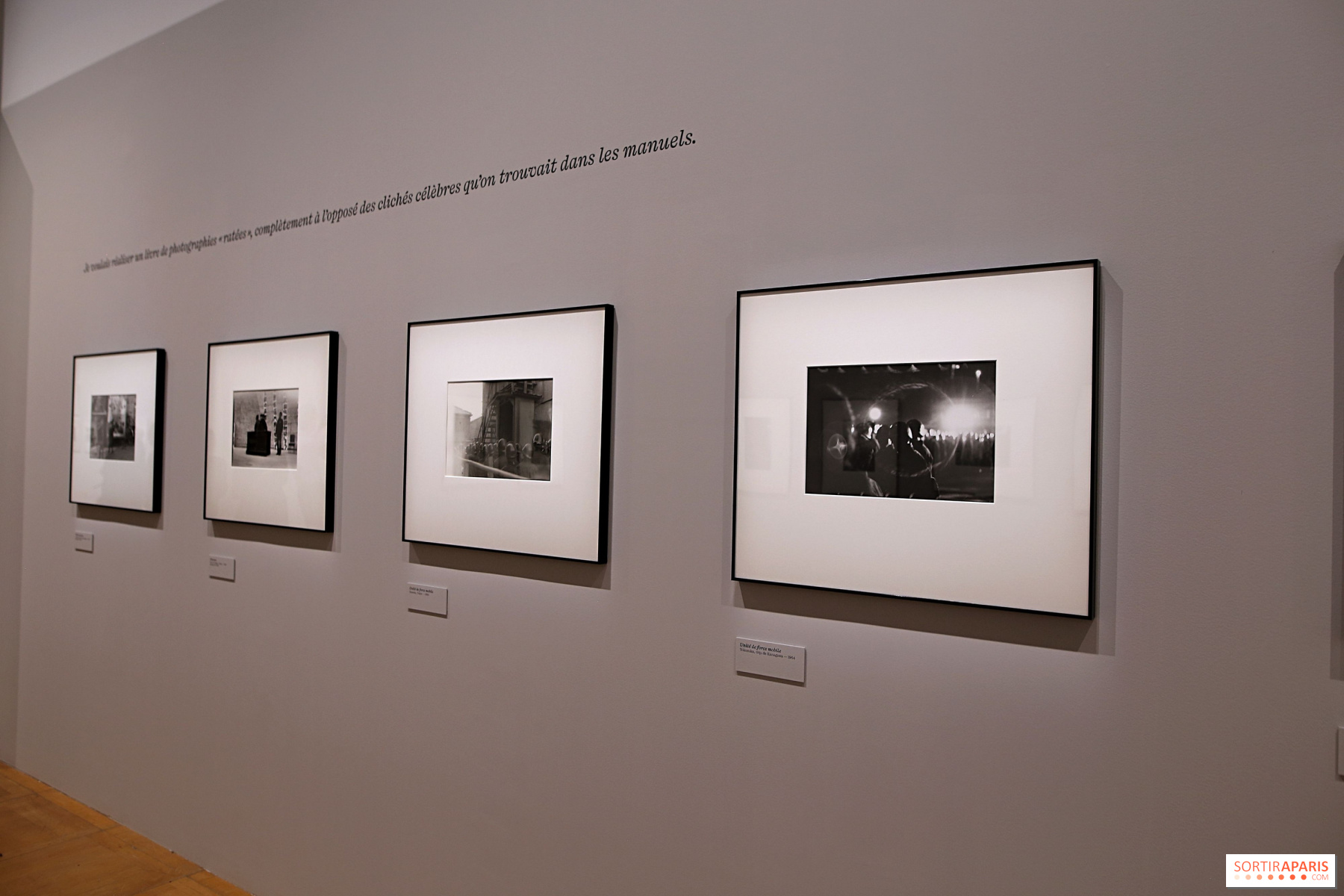
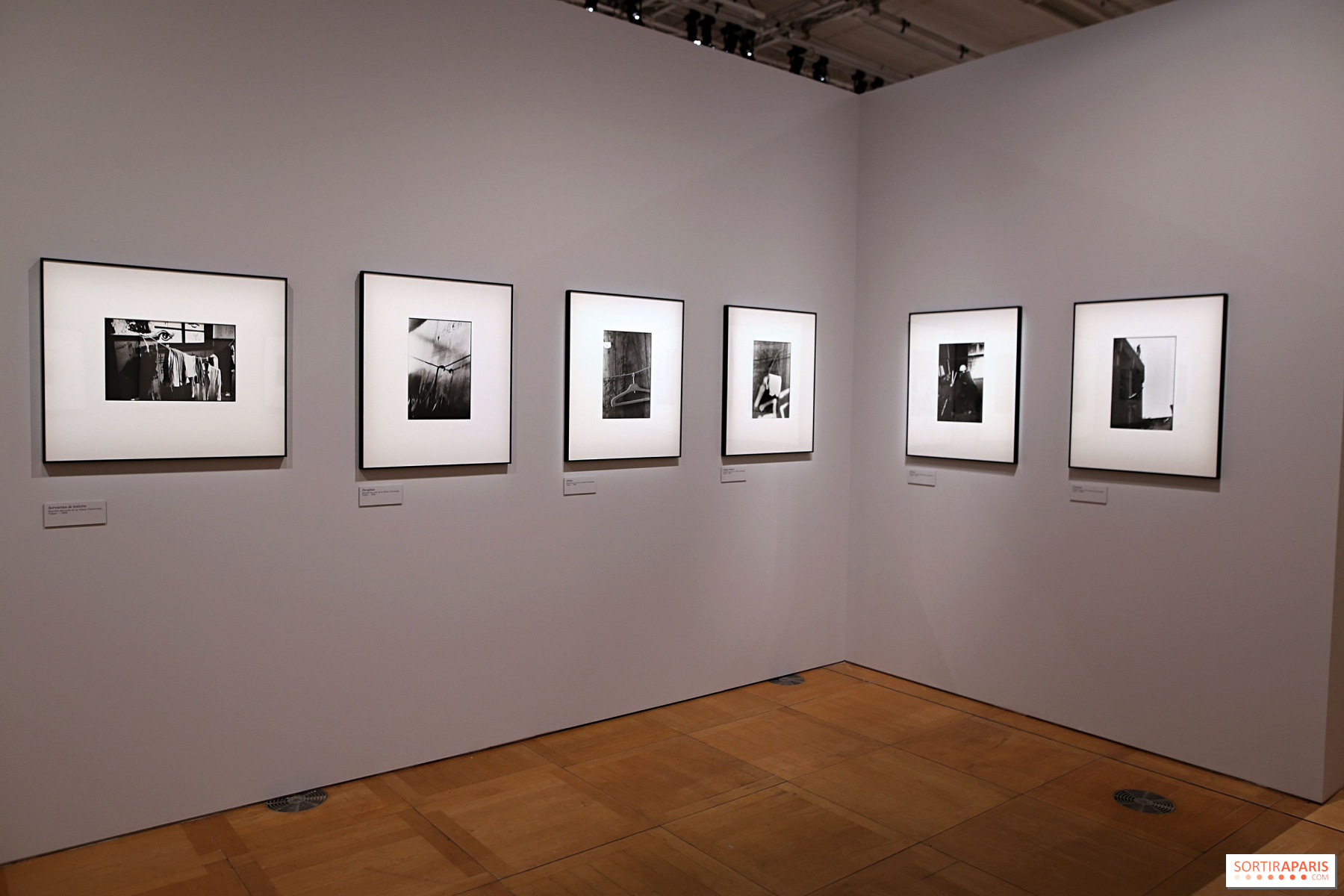
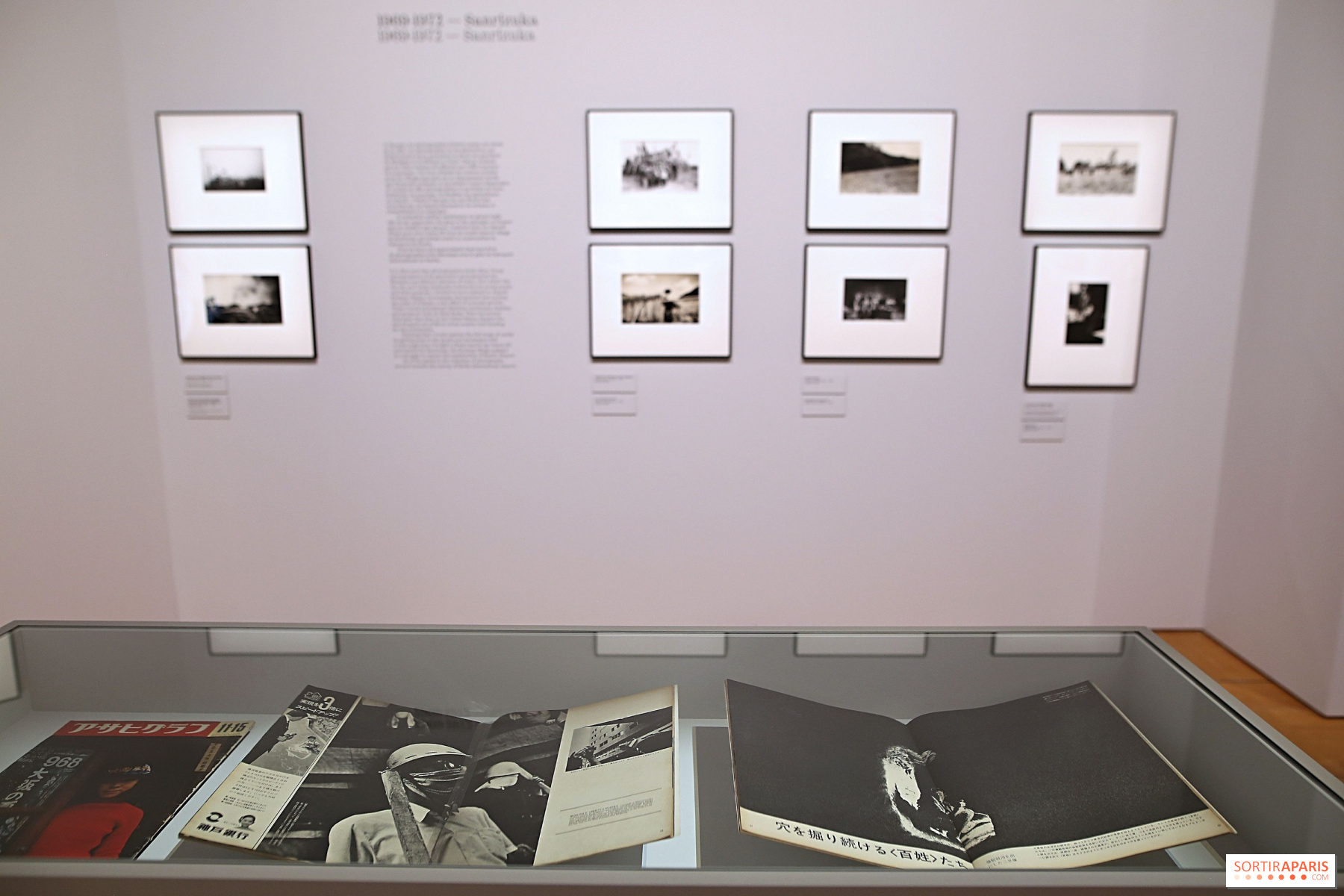
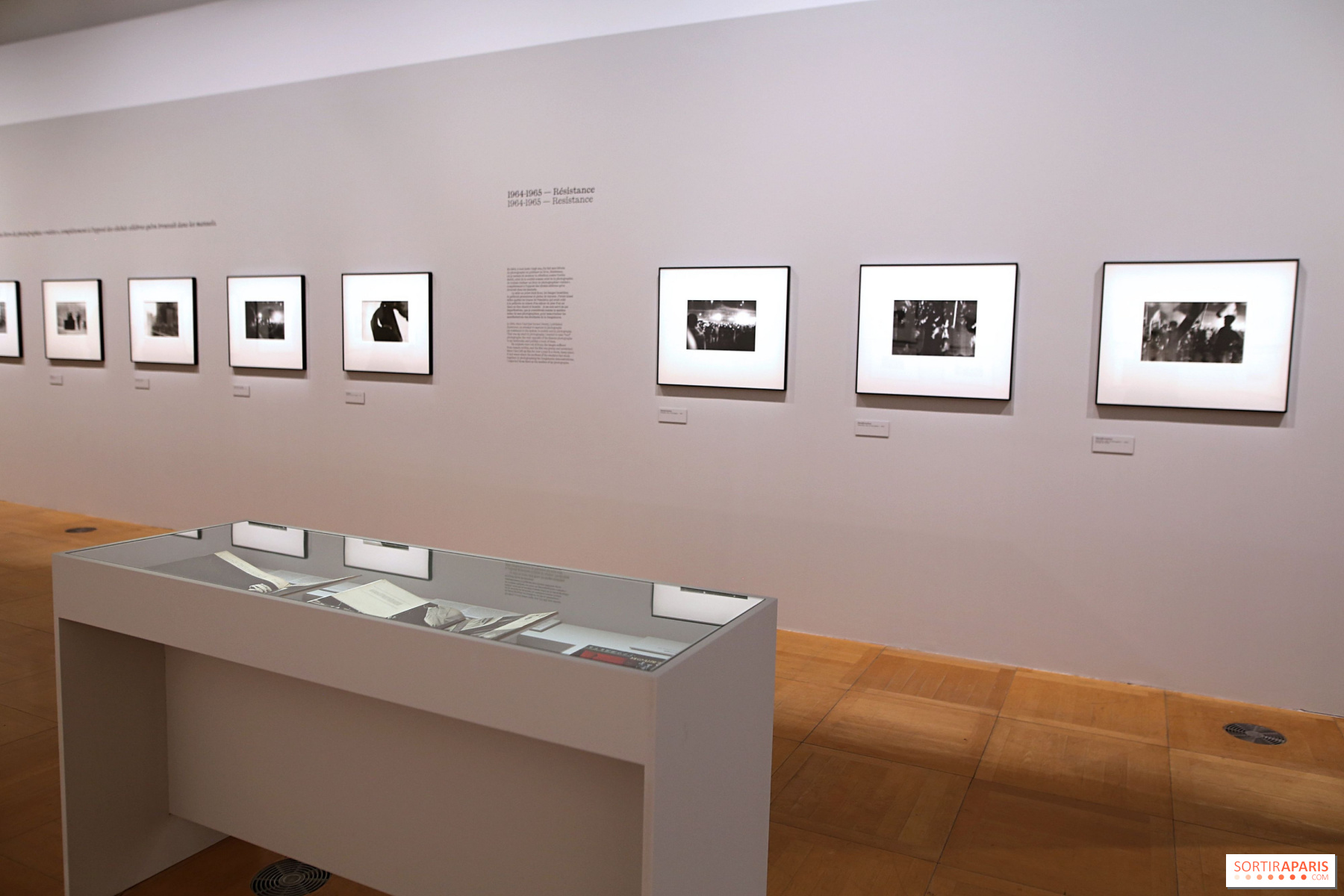
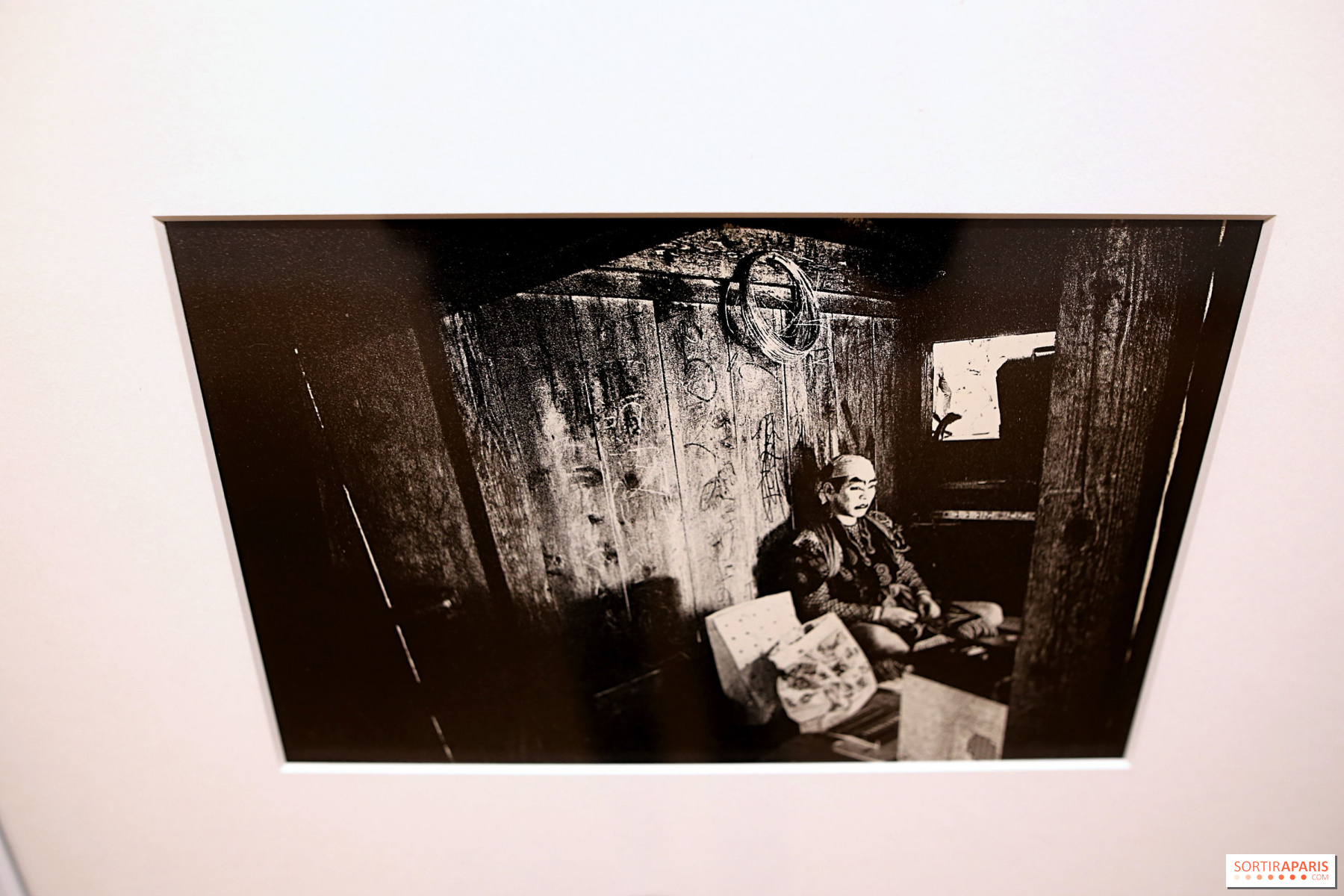
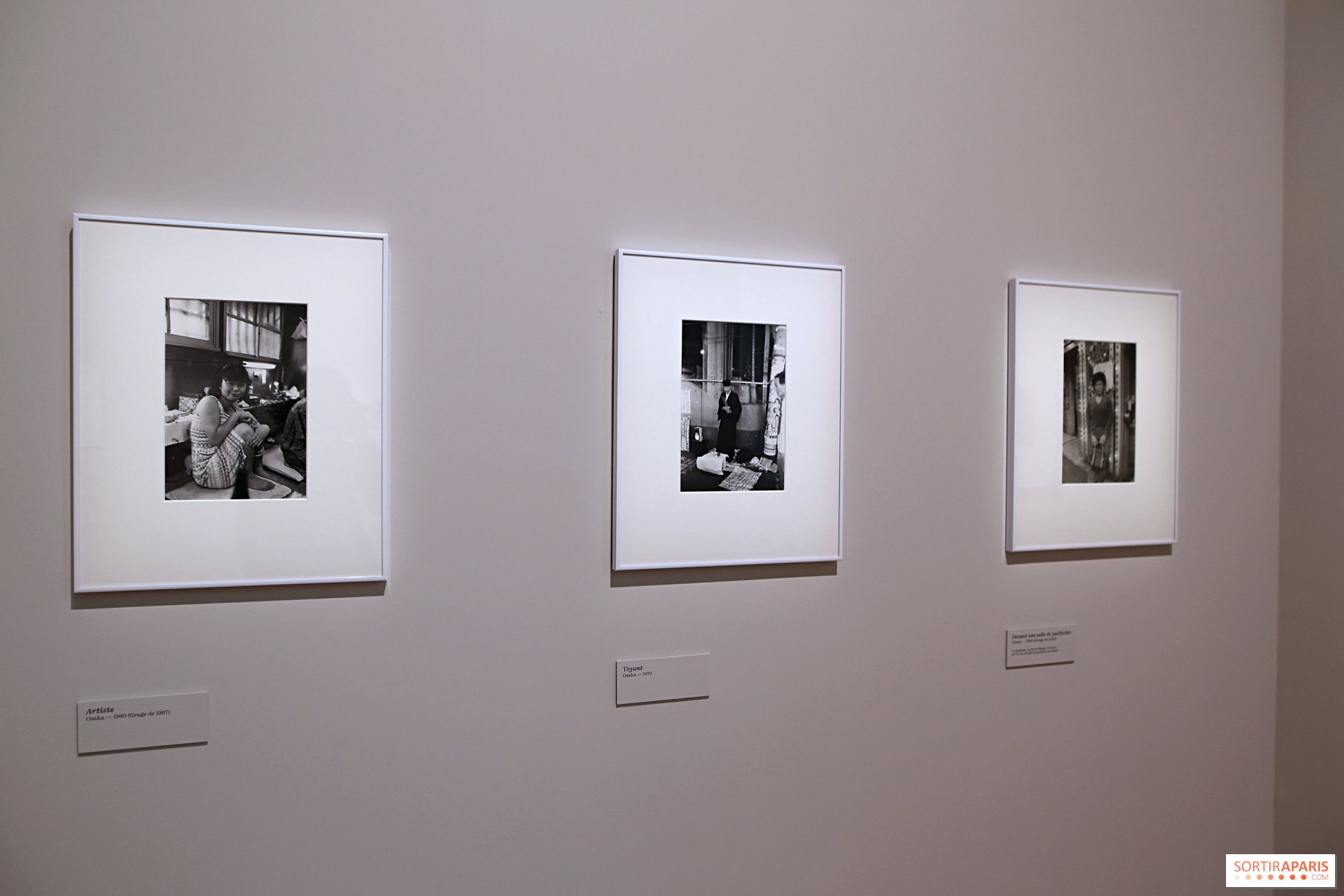
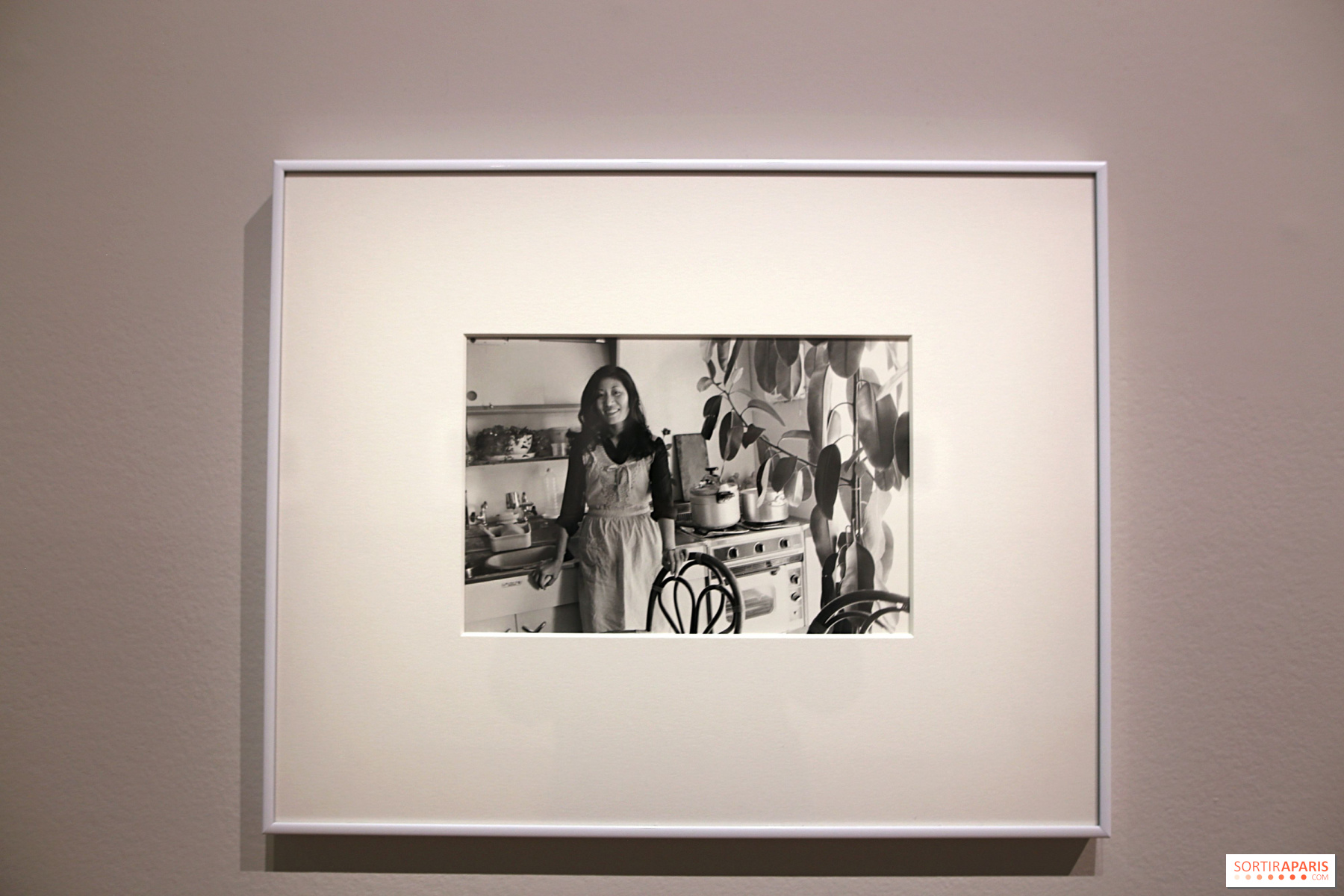
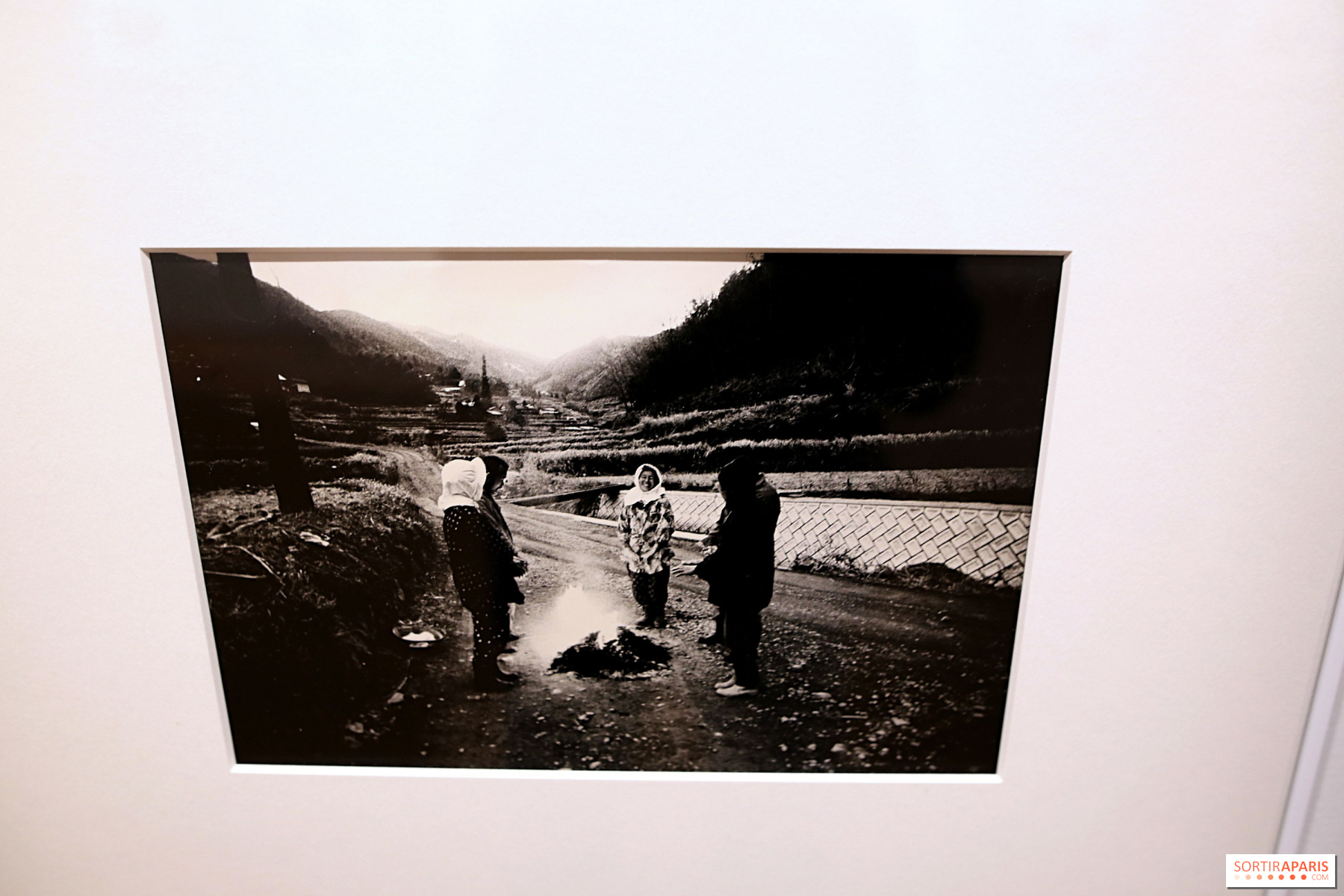
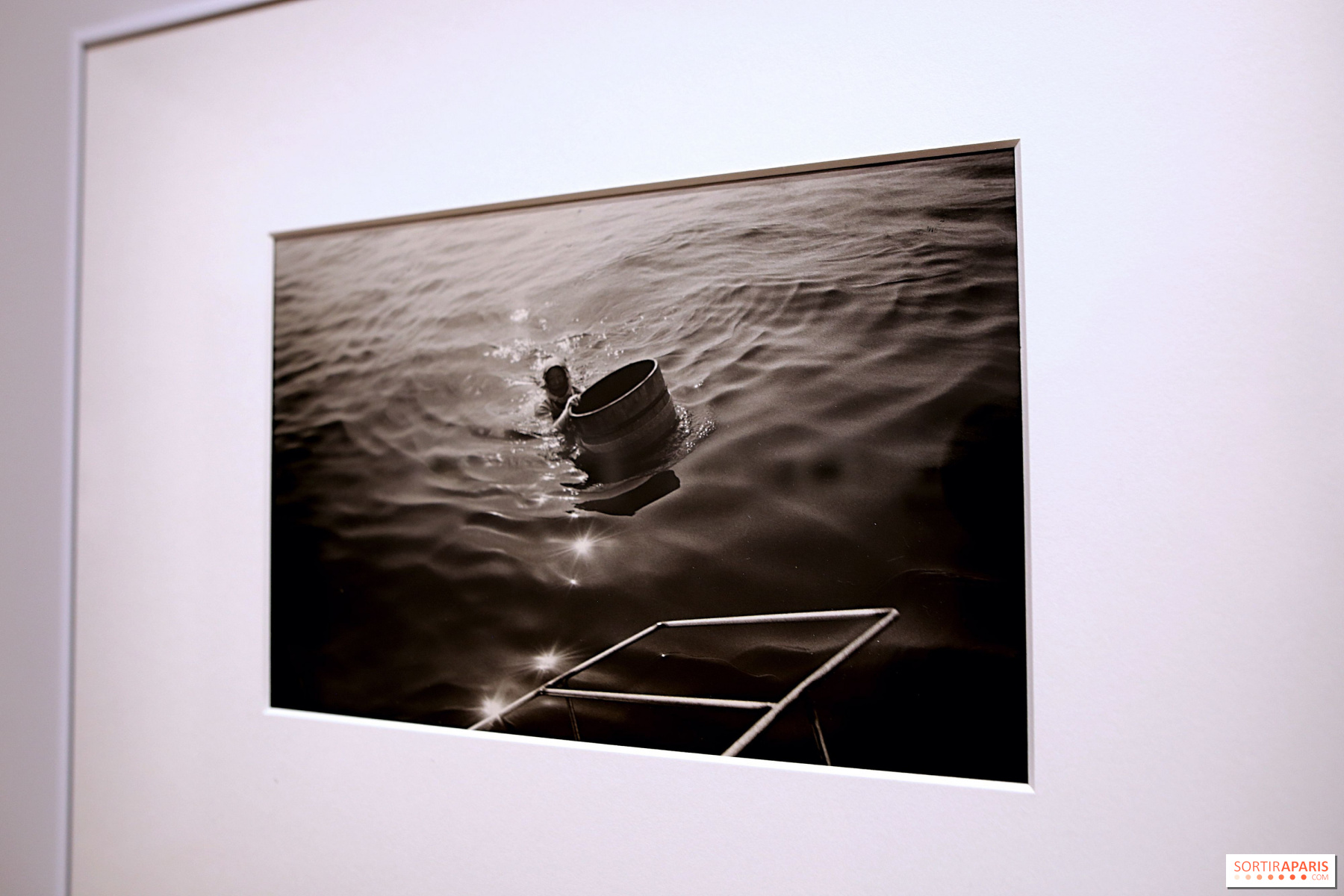
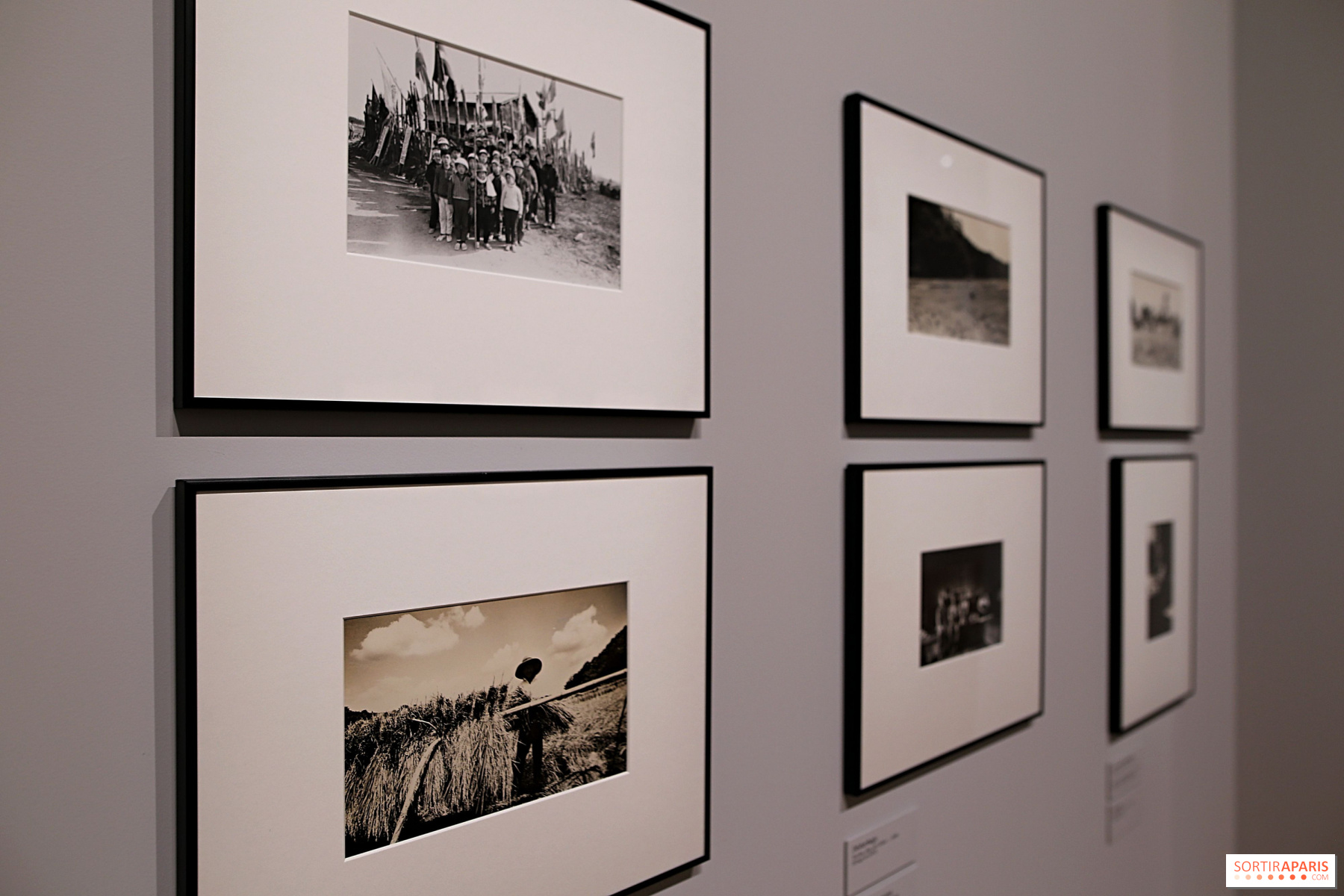
For its new temporary exhibition, the Maison de la culture du Japon in Paris turns its attention to the humanist body of work of Kazuo Kitai. Little known in France and across Europe, Kitai is nevertheless regarded in the Land of the Rising Sun as one of the great masters of postwar Japanese photography. From April 30 to July 25, 2026, the Maison de la culture du Japon in Paris is dedicating an exhibition to him. Entitled "Kazuo Kitai, Eulogy of Everyday Life," this installation aims to reveal to visitors the photographer born in 1944's substantial body of work, which highlights student movements, peasant struggles, transforming rural landscapes, and even everyday scenes in Japan, such as Ama divers, rice harvests, funerals, and the Ekin and Bodhisattva festivals.
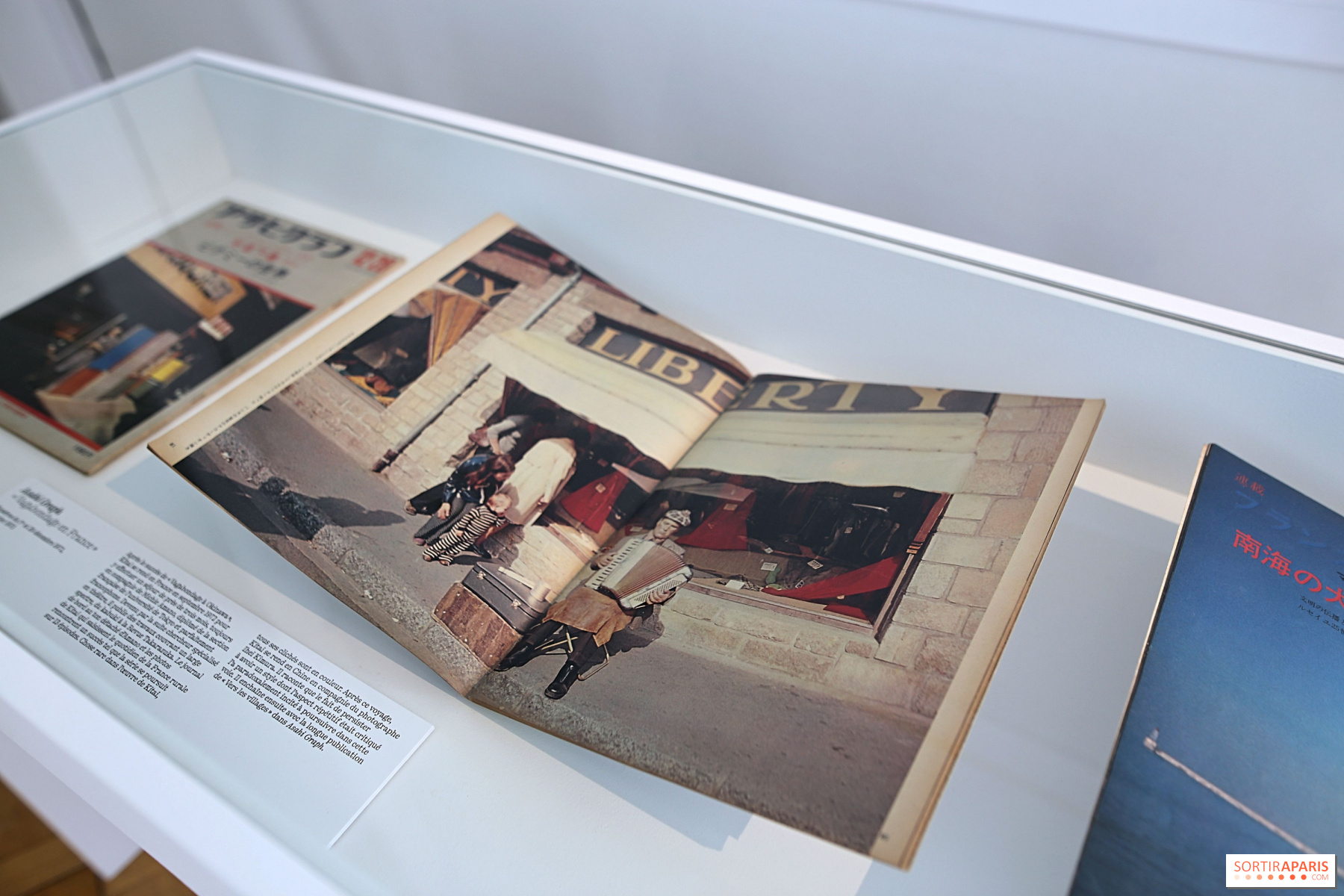
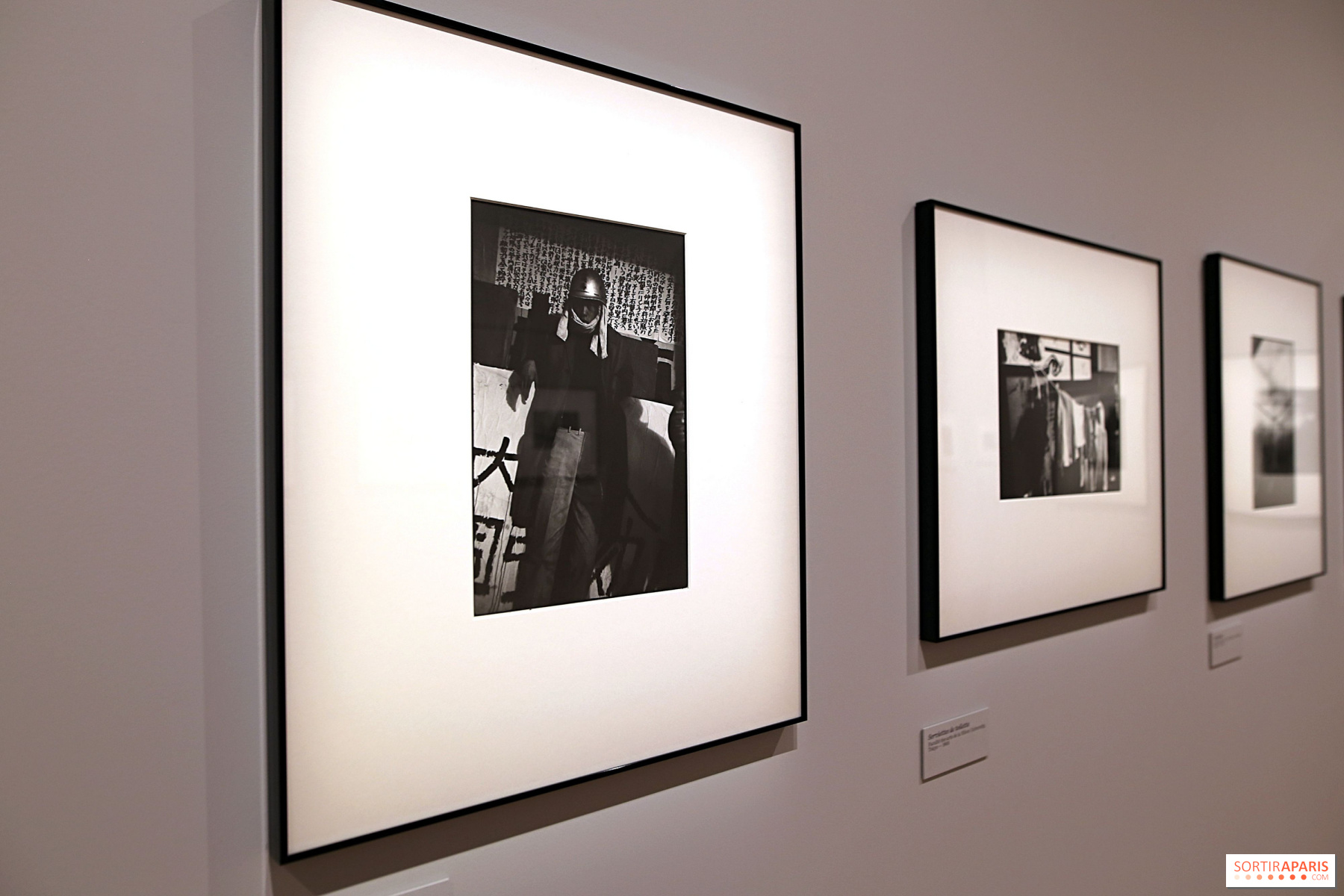
Known for his humanist body of work, Kazuo Kitai made his mark in the late 1960s with documentary series such as "Barricade" and "Sanrizuka". In the 1970s, Kazuo Kitai photographed villages on the edge of disappearance in "Vers les villages" and "Paysages vaguement familiers", followed in the 1980s by "Funabashi Story" and, more recently, "Promenade avec mon Leica" and "IROHA", explorations of everyday Japanese life. A testament to his standing, Kazuo Kitai has received several awards, including the Ihei Kimura Prize in 1975 and the Hidano Kazuemon Prize in 2024.
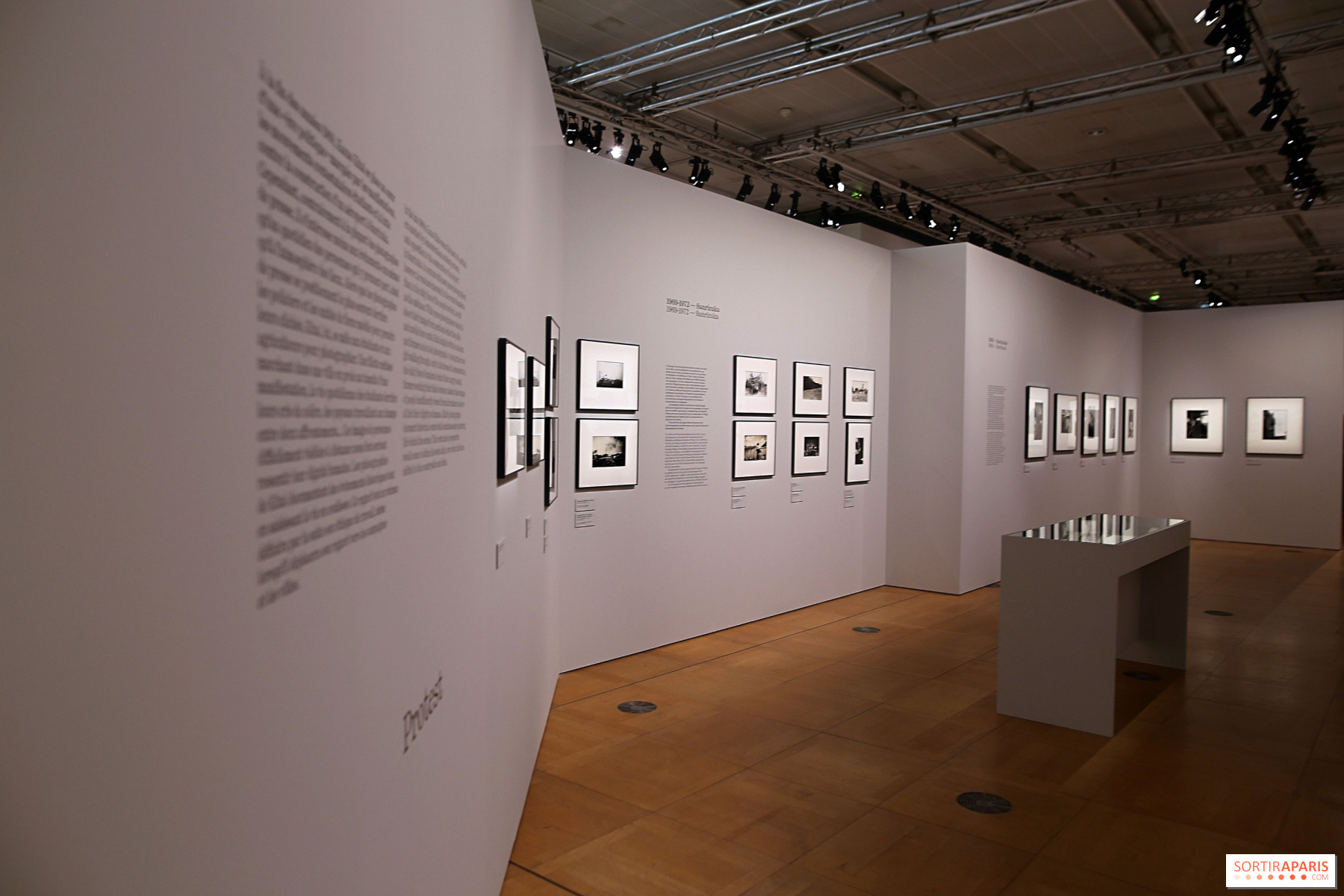
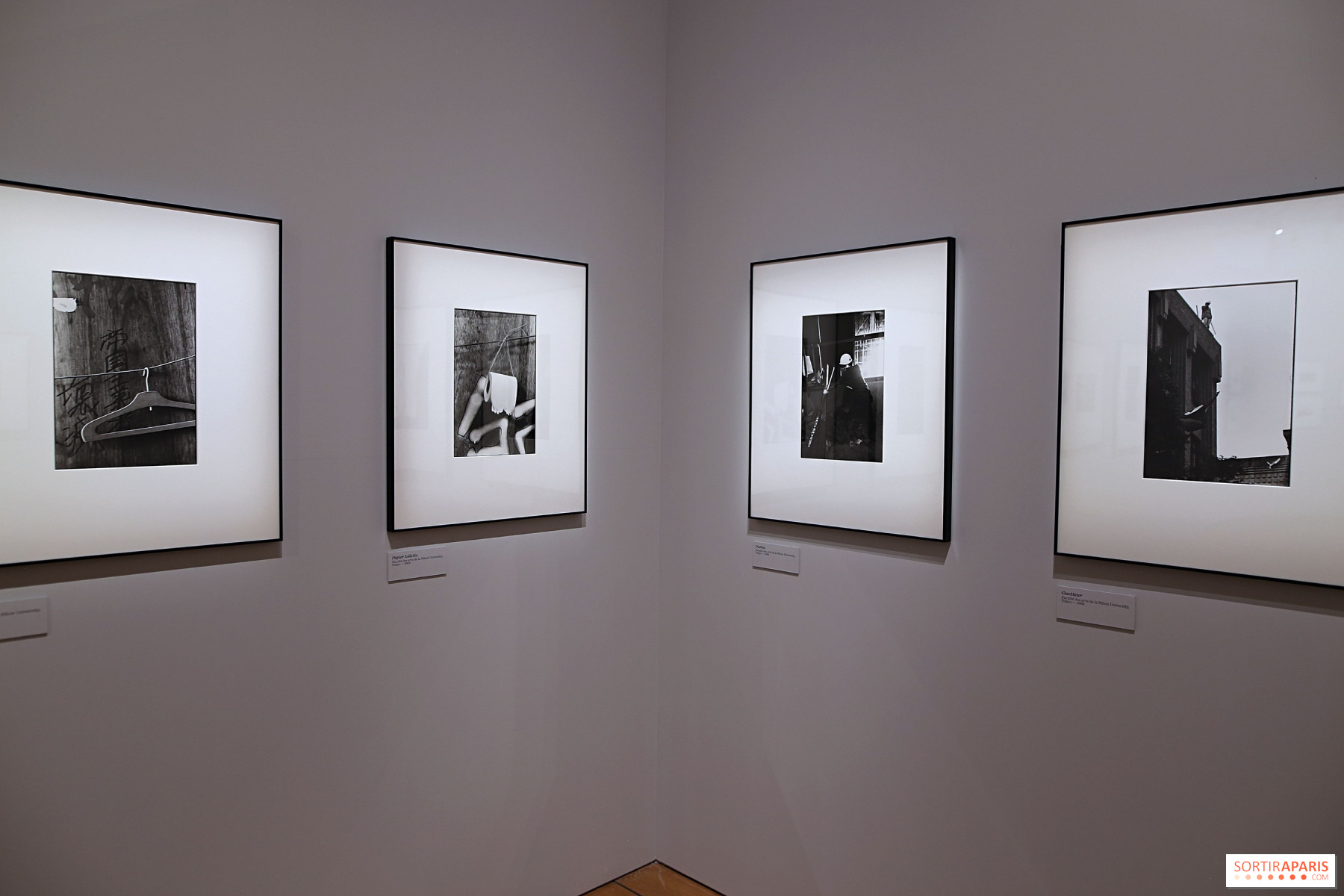
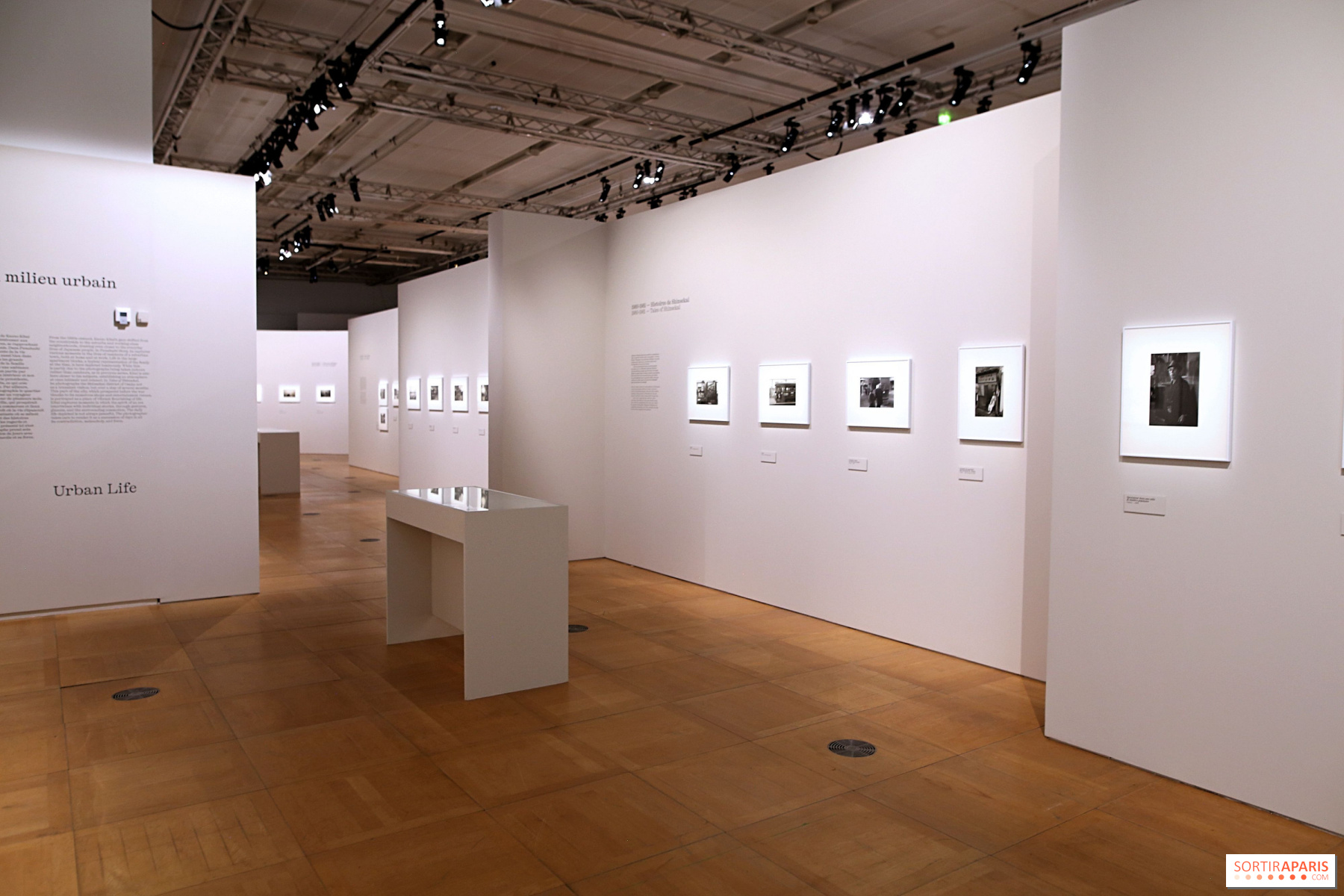
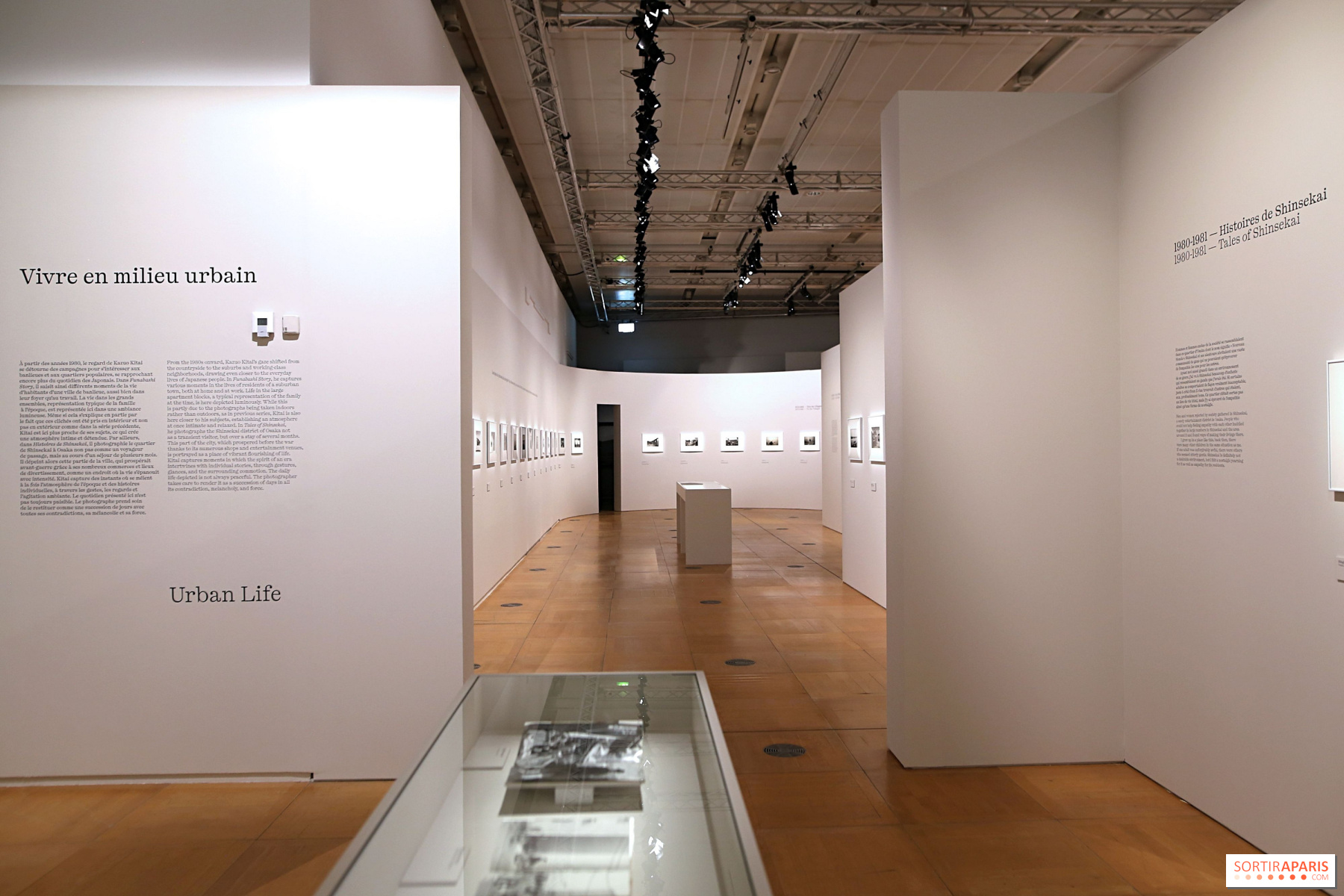
To showcase the humanist work of Kazuo Kitai, spanning six decades, the Japan House presents nearly 130 photographs from April 30 to July 25, 2026. The installation invites visitors on a comprehensive journey through the photographer’s body of work, from the militant series of the 1960s–70s to his most recent pieces made at home.
The exhibition, arranged chronologically, is divided into four sections. The first revisits the photographer’s early work and the student protests, while the second plunges visitors into the melancholy of rural Japan in the 1970s. In the third section, the Maison de la culture du Japon turns its attention to the daily life of the middle class in the bedroom towns on the outskirts of Tokyo in the 1980s.
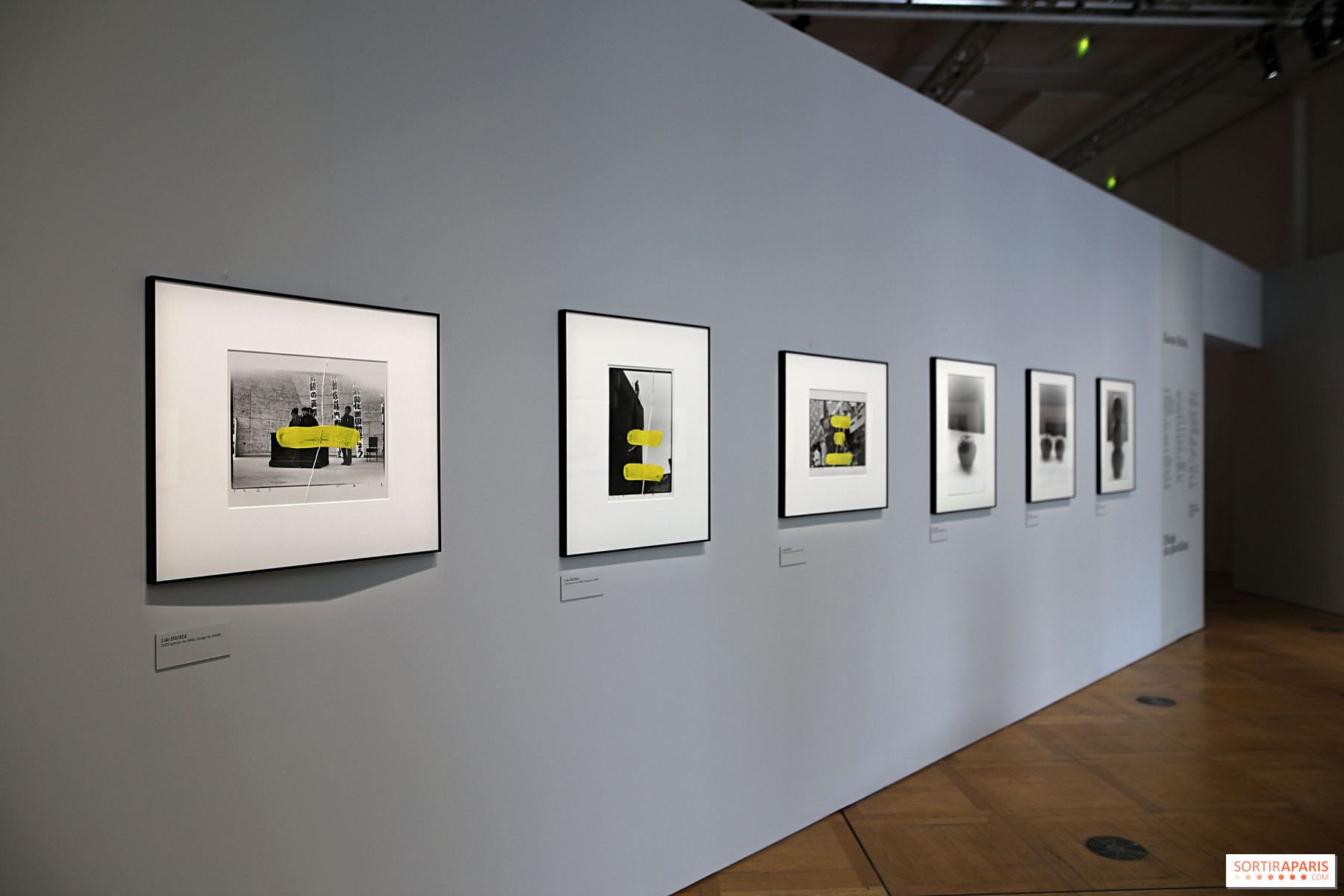
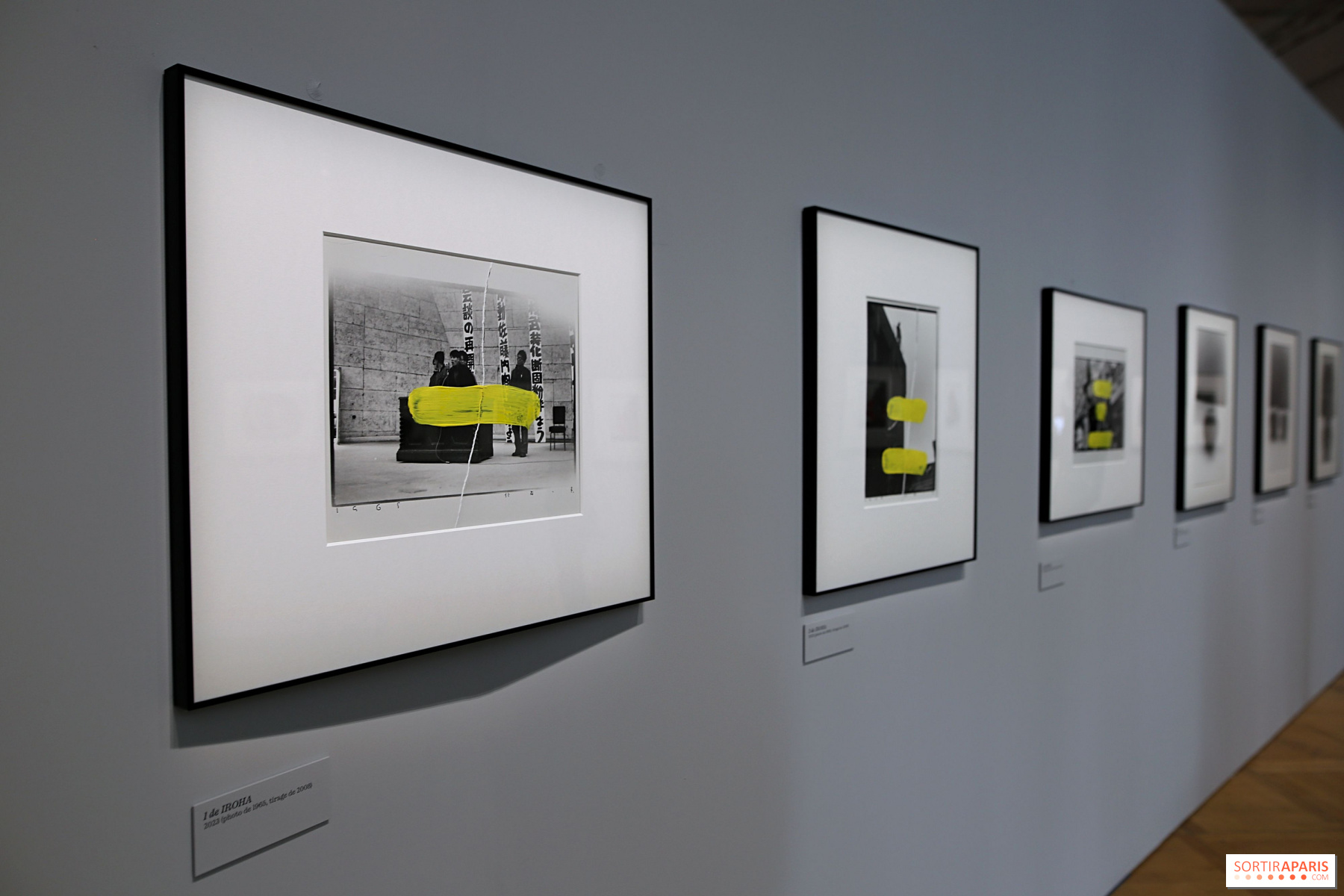
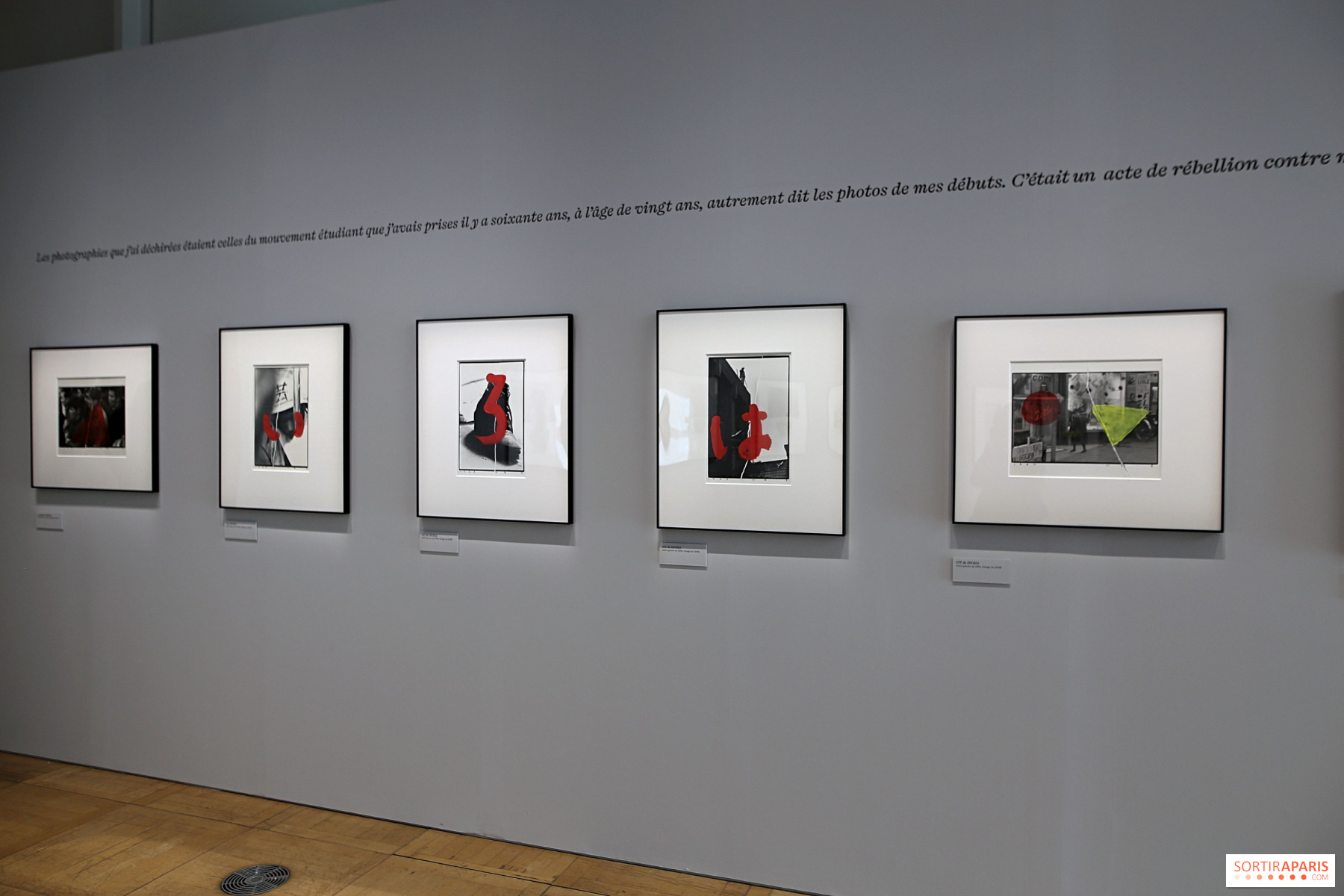
The final section of the exhibition focuses on the photographer's more intimate work and his latest pieces. While all the works on display are in black and white, Kazuo Kitai introduces here, in his series "IROHA", touches of color created with paint. Upon closer look, you’ll notice that the prints from his early series "Résistance" have been deliberately torn. "The photographs I tore were from the student movement I photographed sixty years ago, when I was twenty—in other words, the photos from my beginnings. It was an act of rebellion against myself," reads one of the walls. Through these final works, Kazuo Kitai shows that at 81, he remains able to create and to surprise us.
With a regular entry price of just 5 euros, this exhibition is a must for photography enthusiasts. Note that all the photographs on display are in black and white, even the newer ones. But the installation should also win over fans of Japanese culture who want to learn more about life in Japan after the war. A quick tip: follow the chronological path and read all the wall labels and introductory texts in each section to better understand the work and the artistic evolution of Kazuo Kitai. And don’t miss the special offer for the Nuit européenne des musées; on Saturday, May 23, entry is free and no reservation required from 7 p.m. to 10 p.m.!
To explore the photographs by Kazuo Kitai and his largely insider’s look at Japan’s transformations, head to the Maison de la culture du Japon from April 30 to July 25, 2026.
Dates and Opening Time
From April 30, 2026 to July 25, 2026
Location
House of Japanese Culture
101B Quai Branly
75015 Paris 15
Prices
Tarif réduit: €3
Plein tarif: €5
Official website
www.mcjp.fr
More information
Exhibition Hall (Level 2)