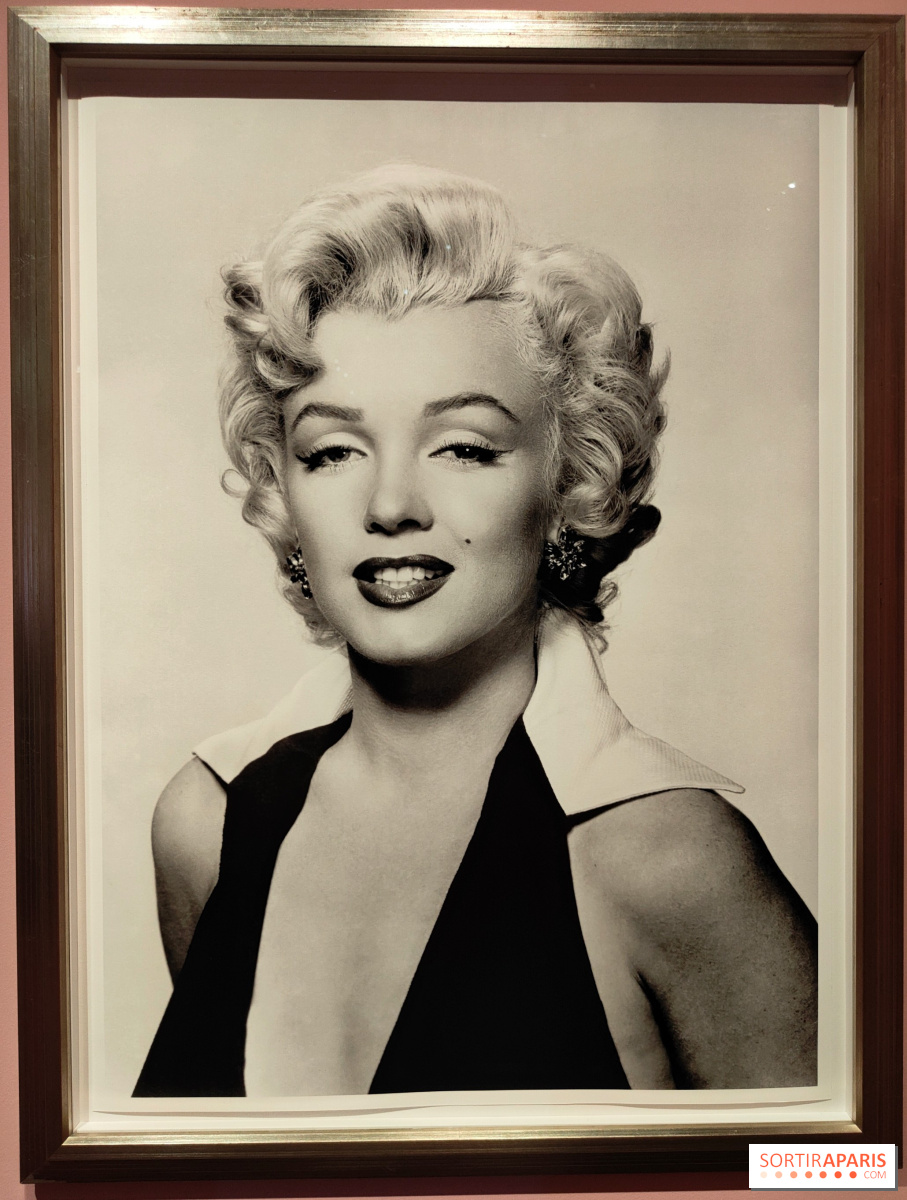
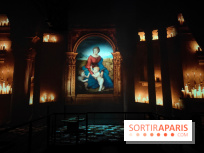
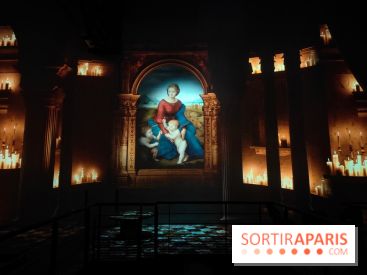
Norma Jeane Baker, better known as Marilyn Monroe, rose to fame in a meteoric ascent—an achievement as memorable as it is cursed—and left behind a controversial, lasting legacy. The American actress, who died at the age of 36, is being honored at the Cinémathèque française.
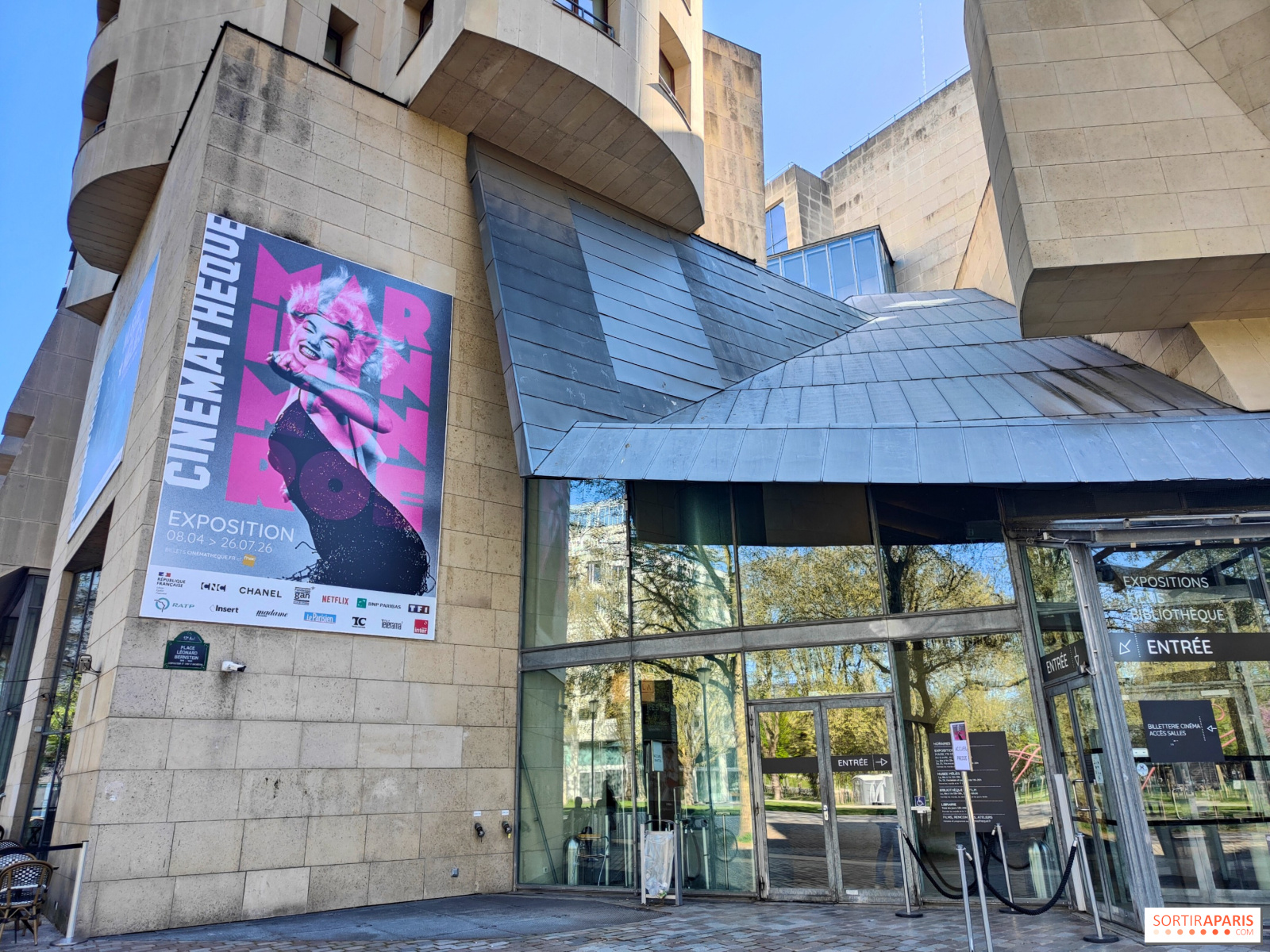
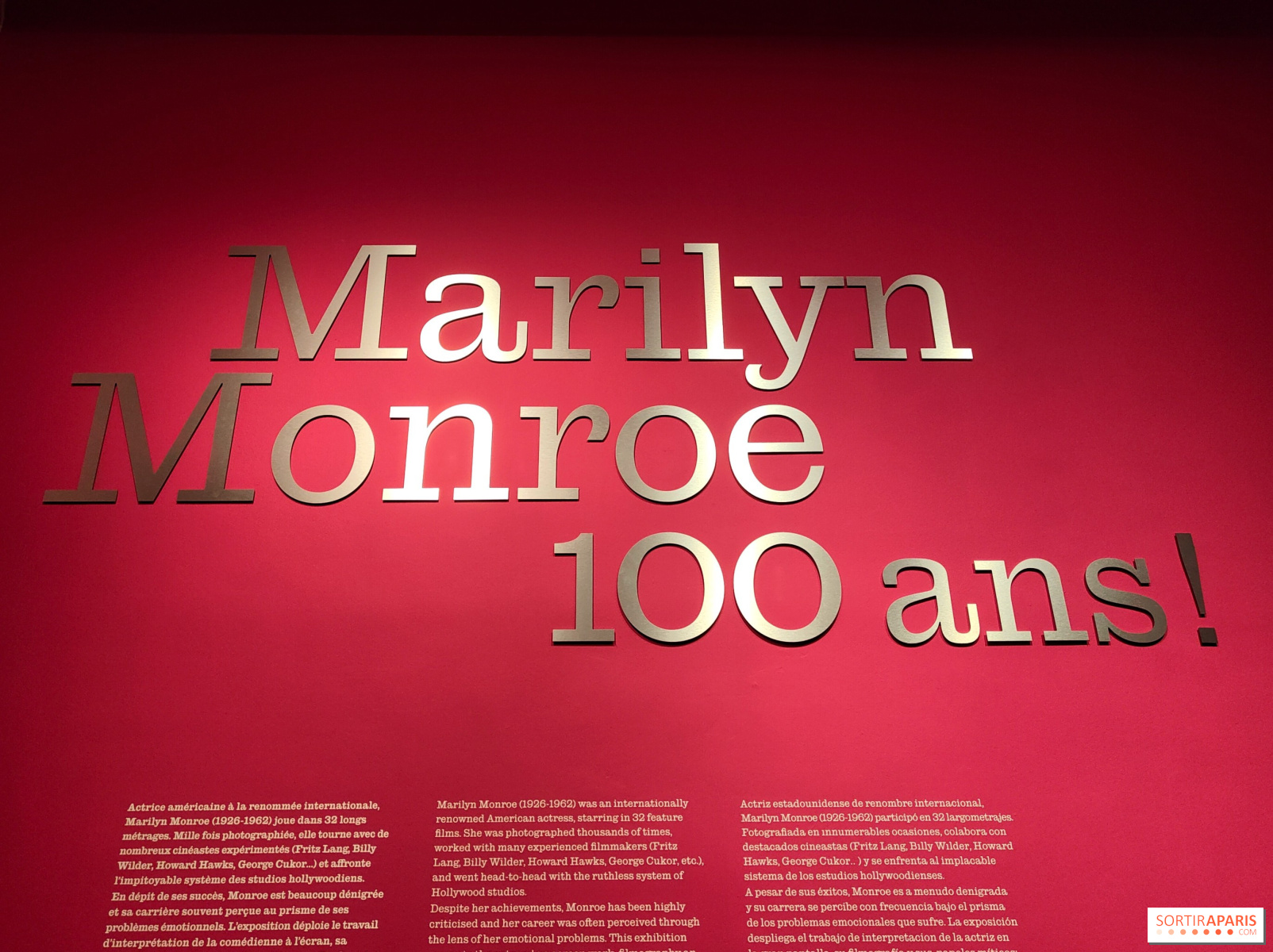
The Paris museum is staging a major exposition dedicated to Marilyn Monroe, timed to mark the 100th anniversary of her birth. From April 8 to July 26, 2026, this exhibition revisits the career and the talent of the star, with the aim of restoring the image of an actress who was too often mocked and disparaged. The museum interrogates the clichés and rumors of the tabloid press to redefine the artist’s true value. The exhibition journey focuses on Monroe’s acting work and the performances that punctuated her brief Hollywood career.
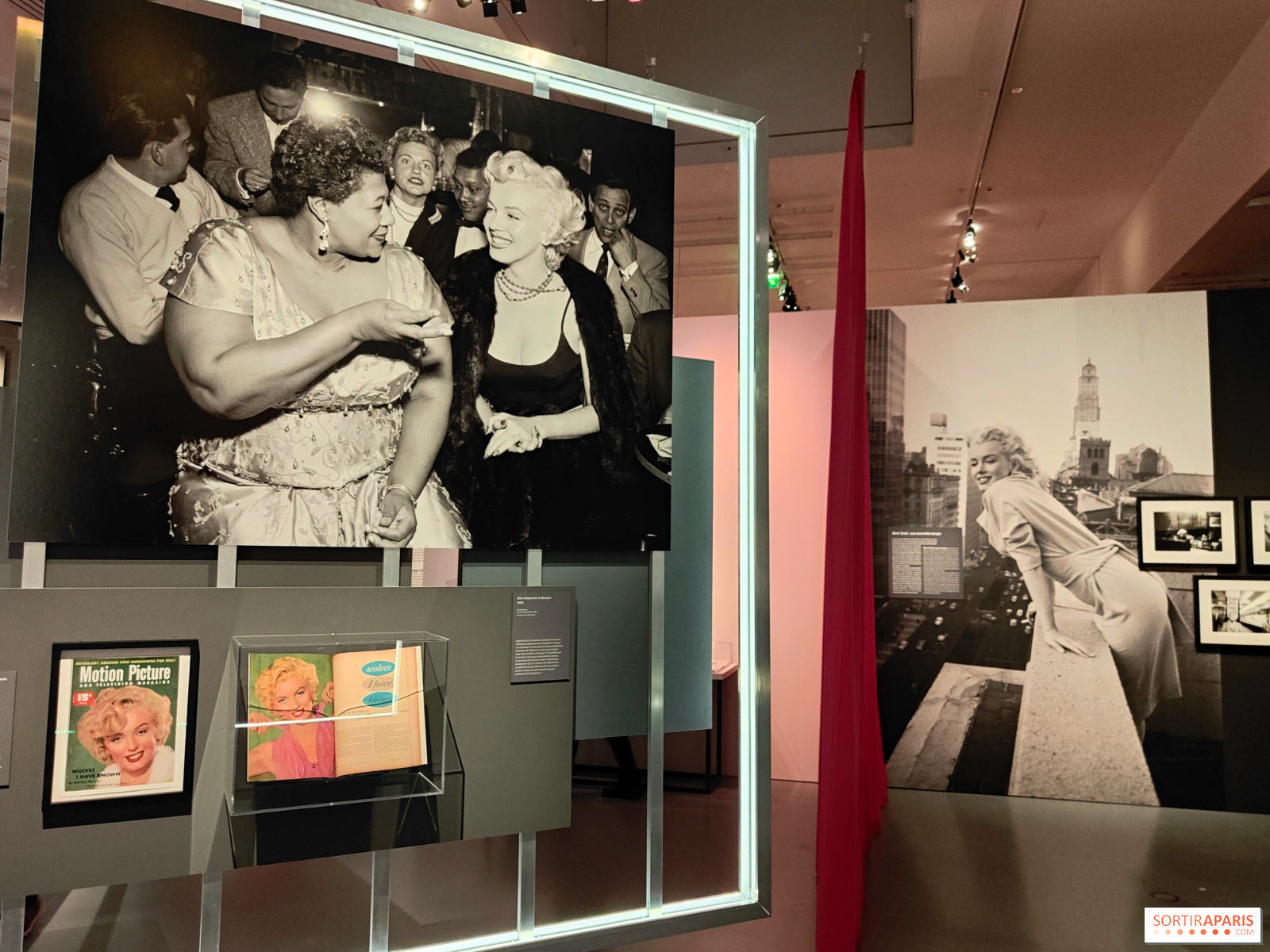
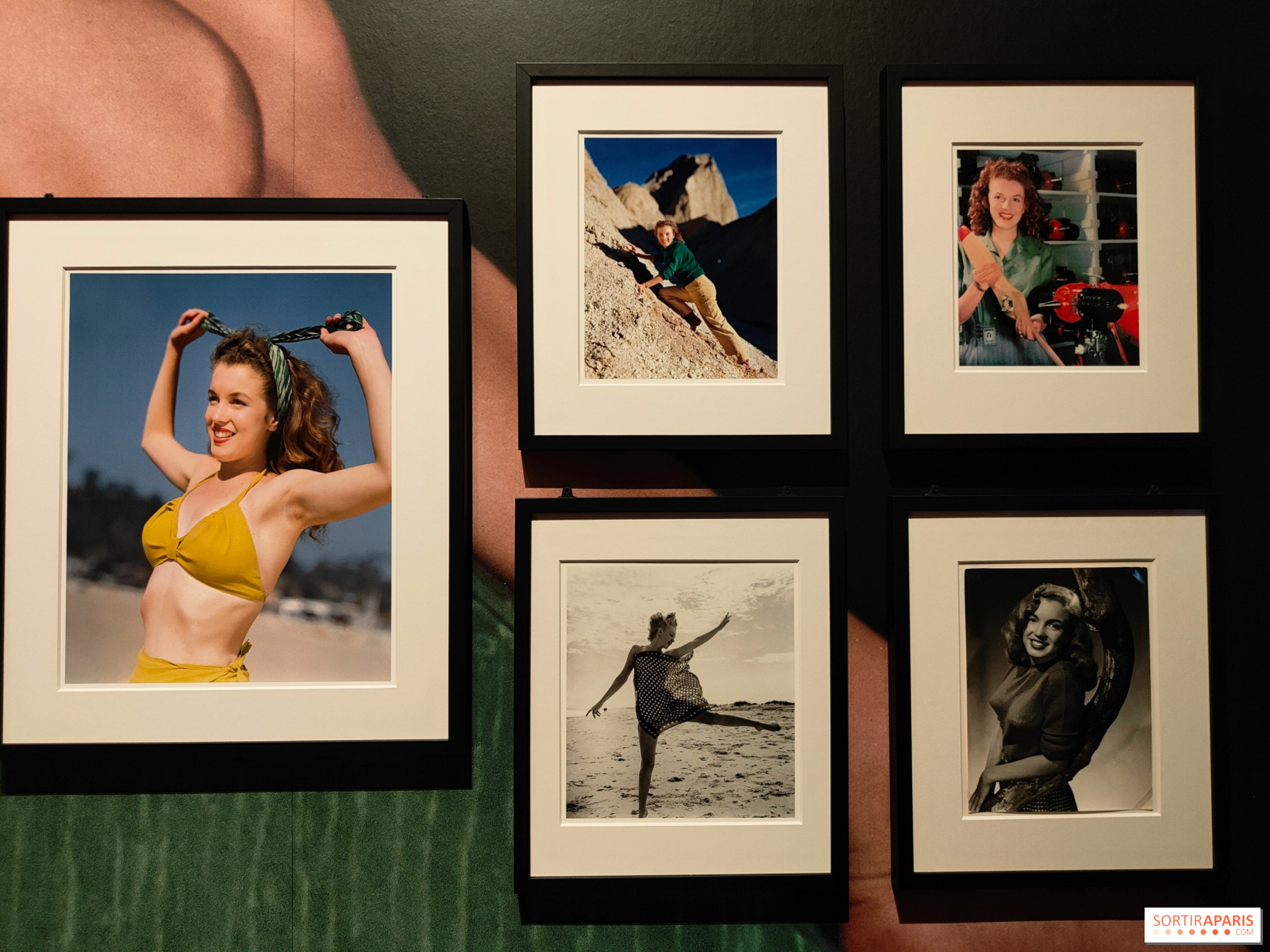
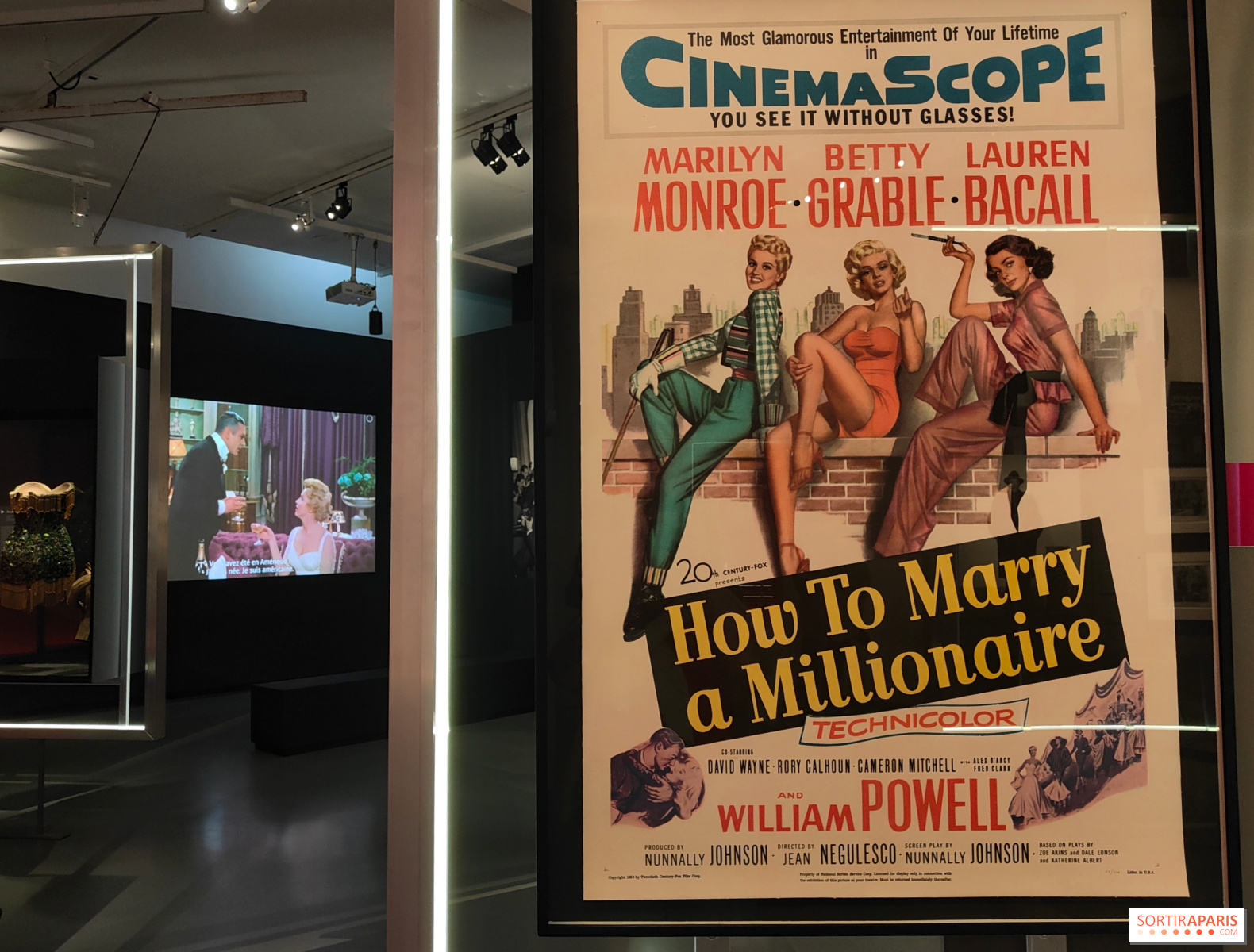
Born on June 1, 1926, into a troubled and dysfunctional household, Marilyn Monroe faced numerous challenges from an early age. Initially aspiring to build a career as a model, her star began to rise when she was discovered by actor Ben Lyon at just 20 years old. By the mid-1940s, she was gracing the pages of various magazines, and taking her first steps into cinema with her debut in How to Marry a Millionaire.
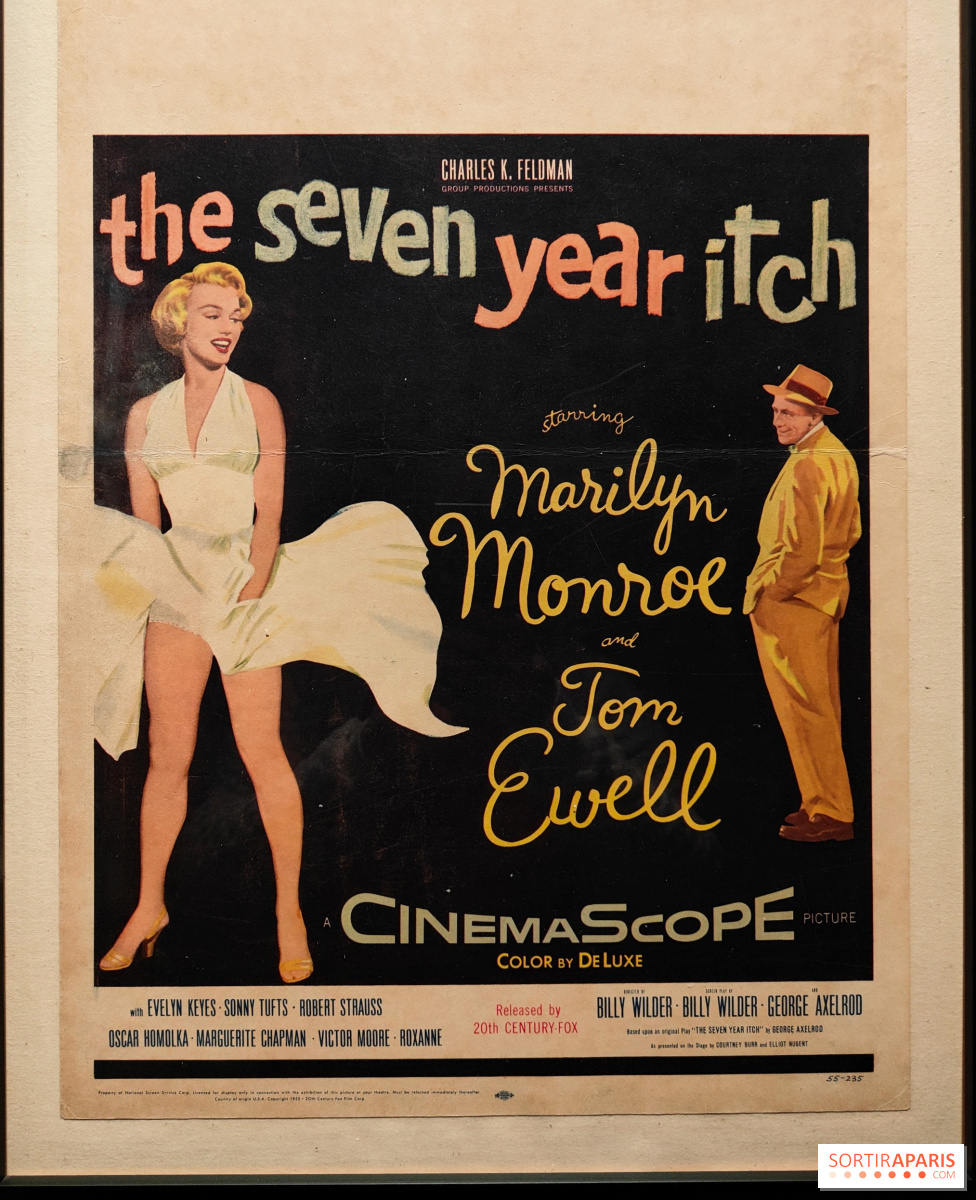
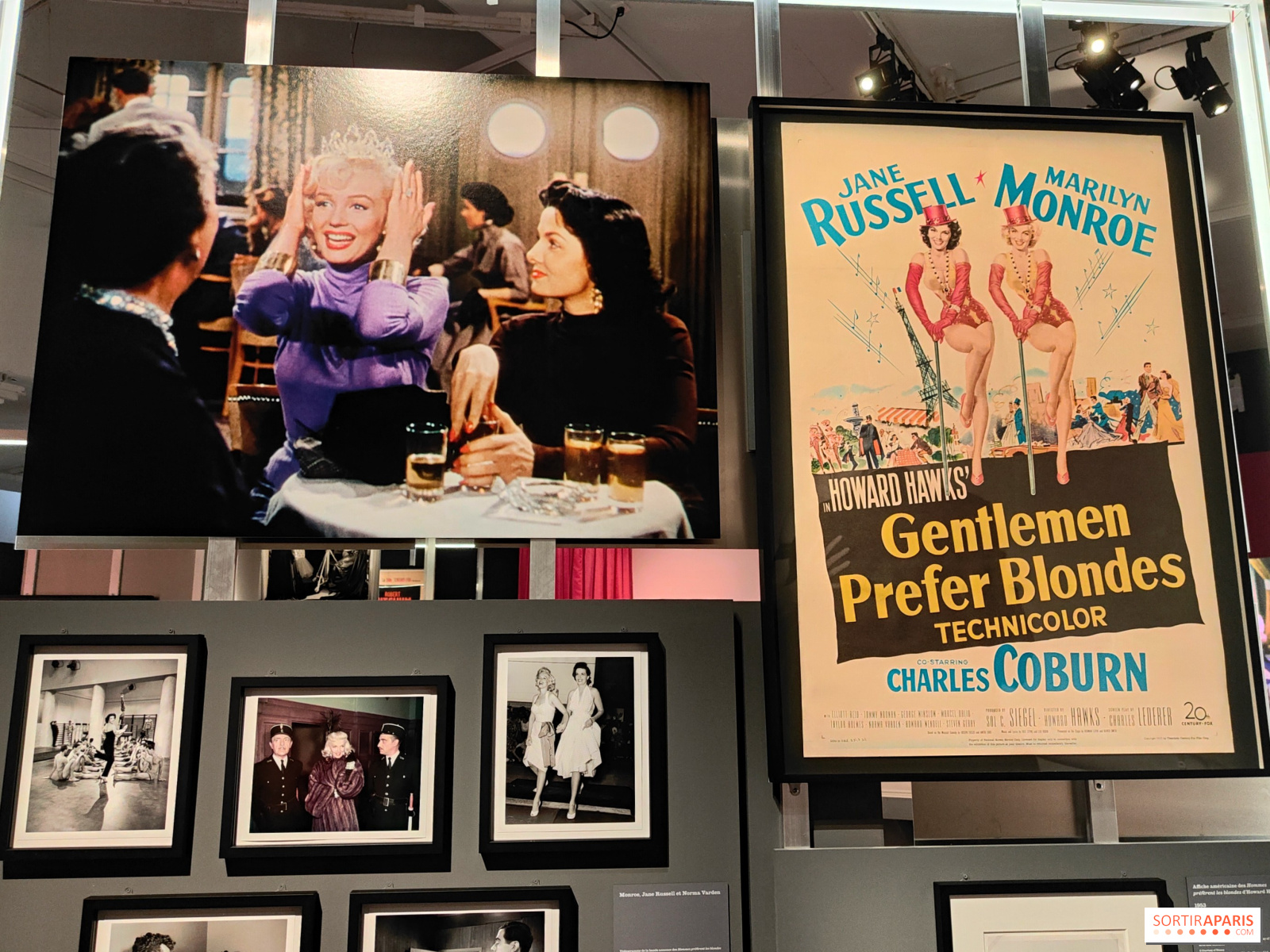
She quickly moves from one film to the next, leaving a lasting impression with several classics, including Gentlemen Prefer Blondes, Some Like It Hot, The Seven Year Itch, The Prince and the Dancer…
Symbol of beauty and femininity, she also came to embody the archetype of the "femme fatale" and sexual freedom—at a time when society struggled to break free from the constraints of the old world. These labels imposed on Marilyn Monroe by the media and the public weighed heavily on her. The actress faced sexist attacks from Hollywood and the press, fighting against the fantasies, rumors, and emotional abuse that grew more frequent around her.
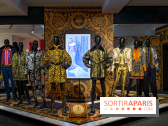
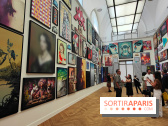
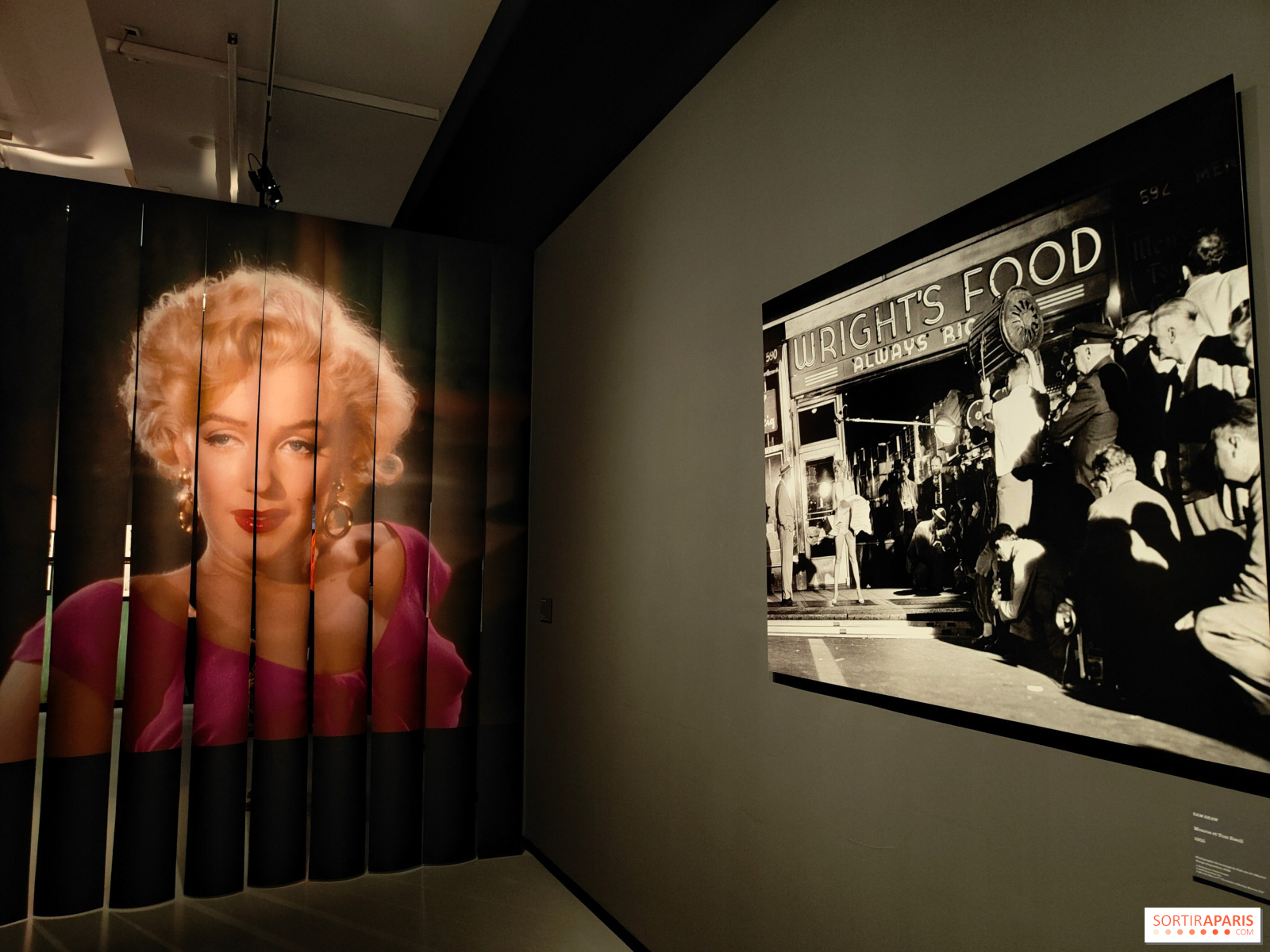
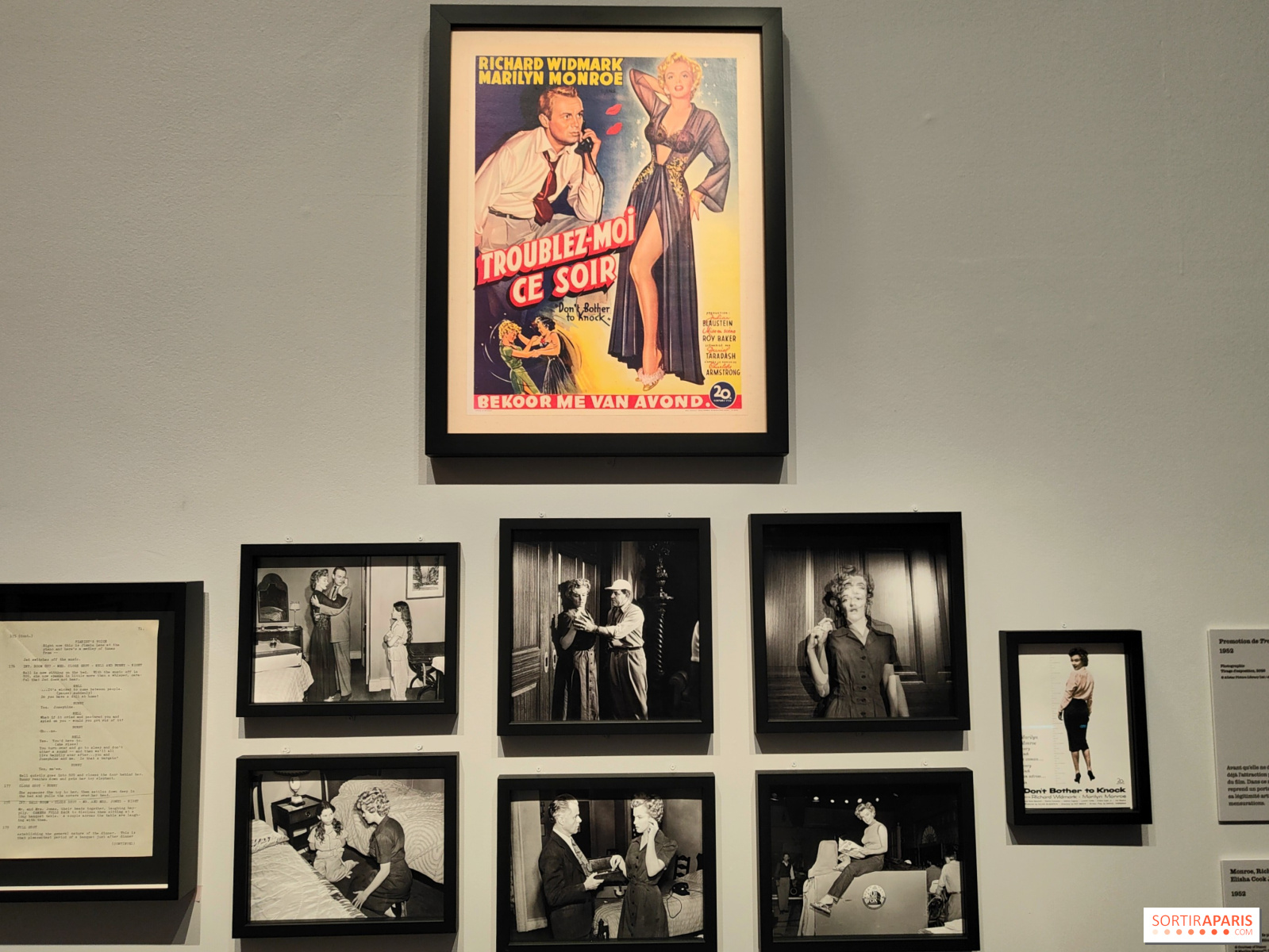
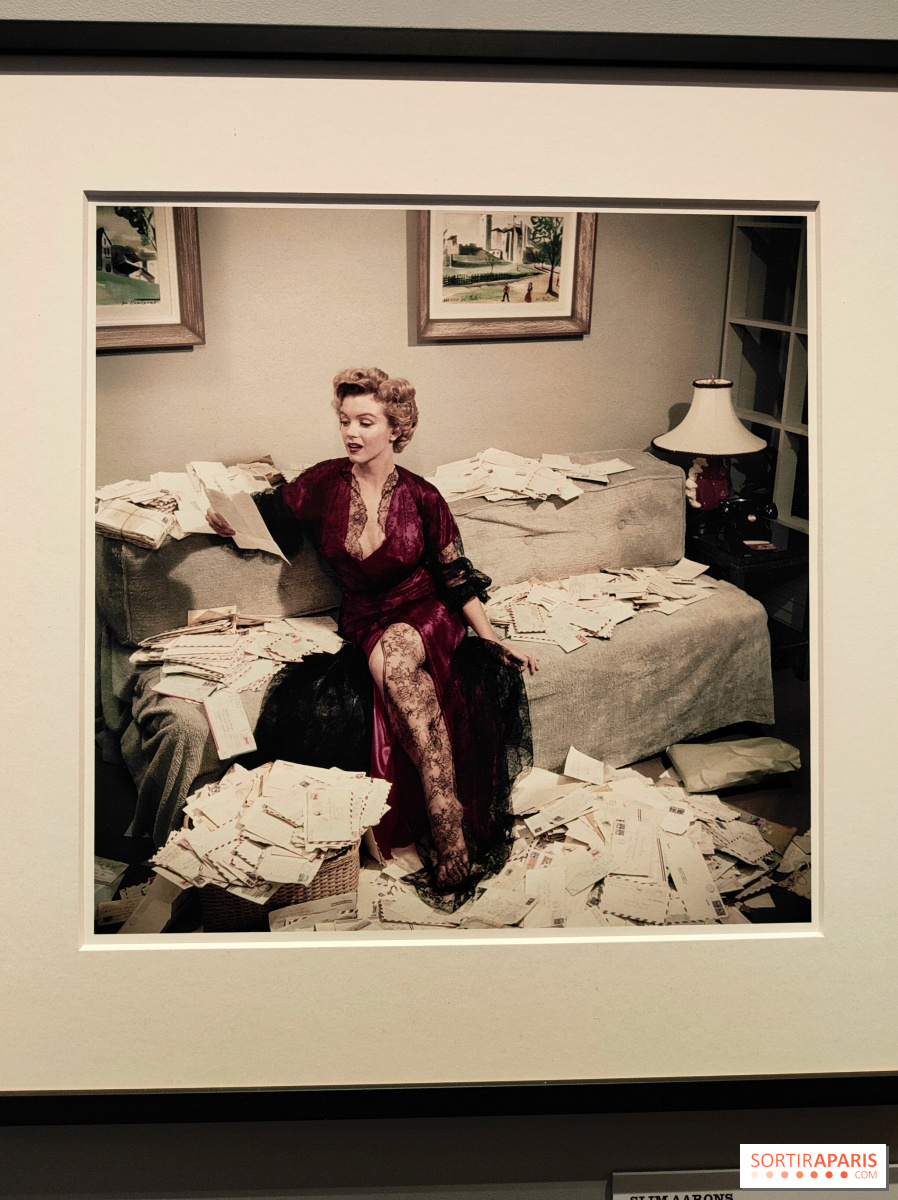
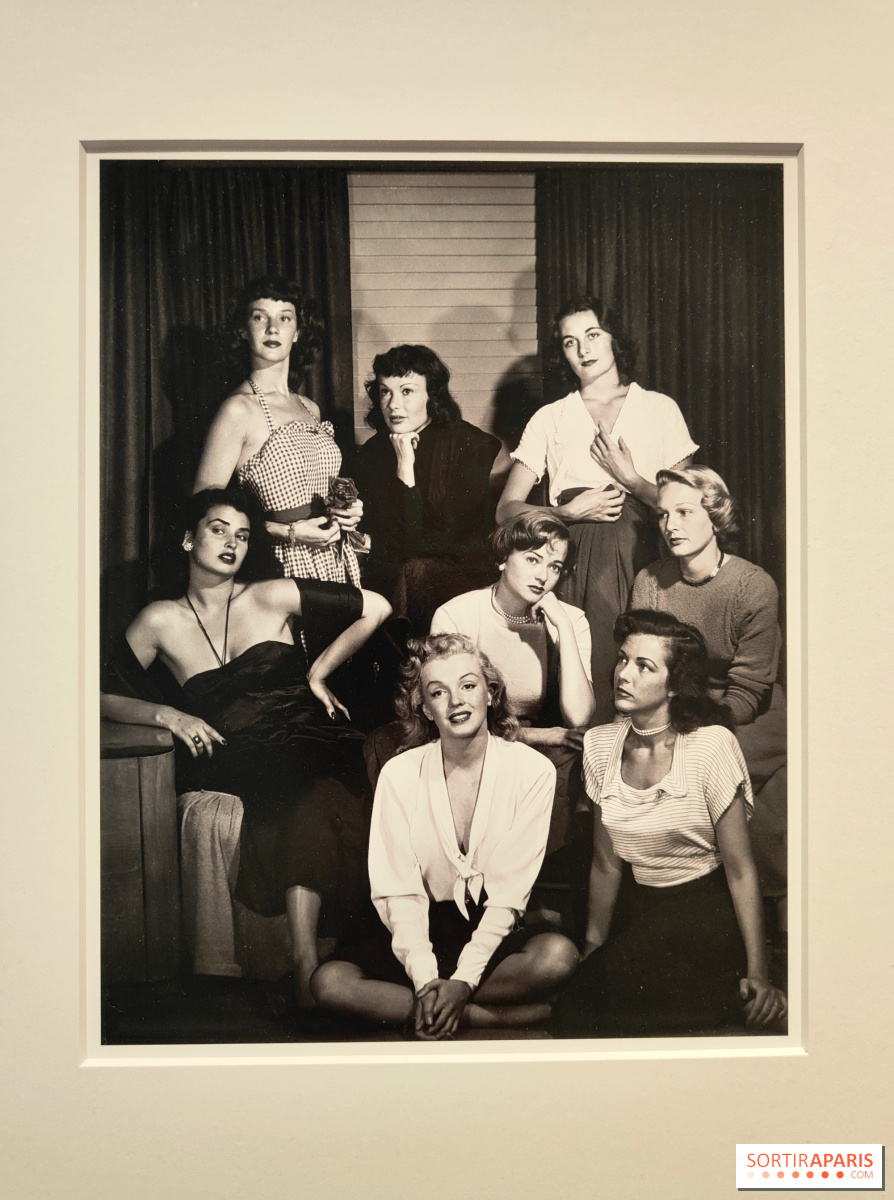
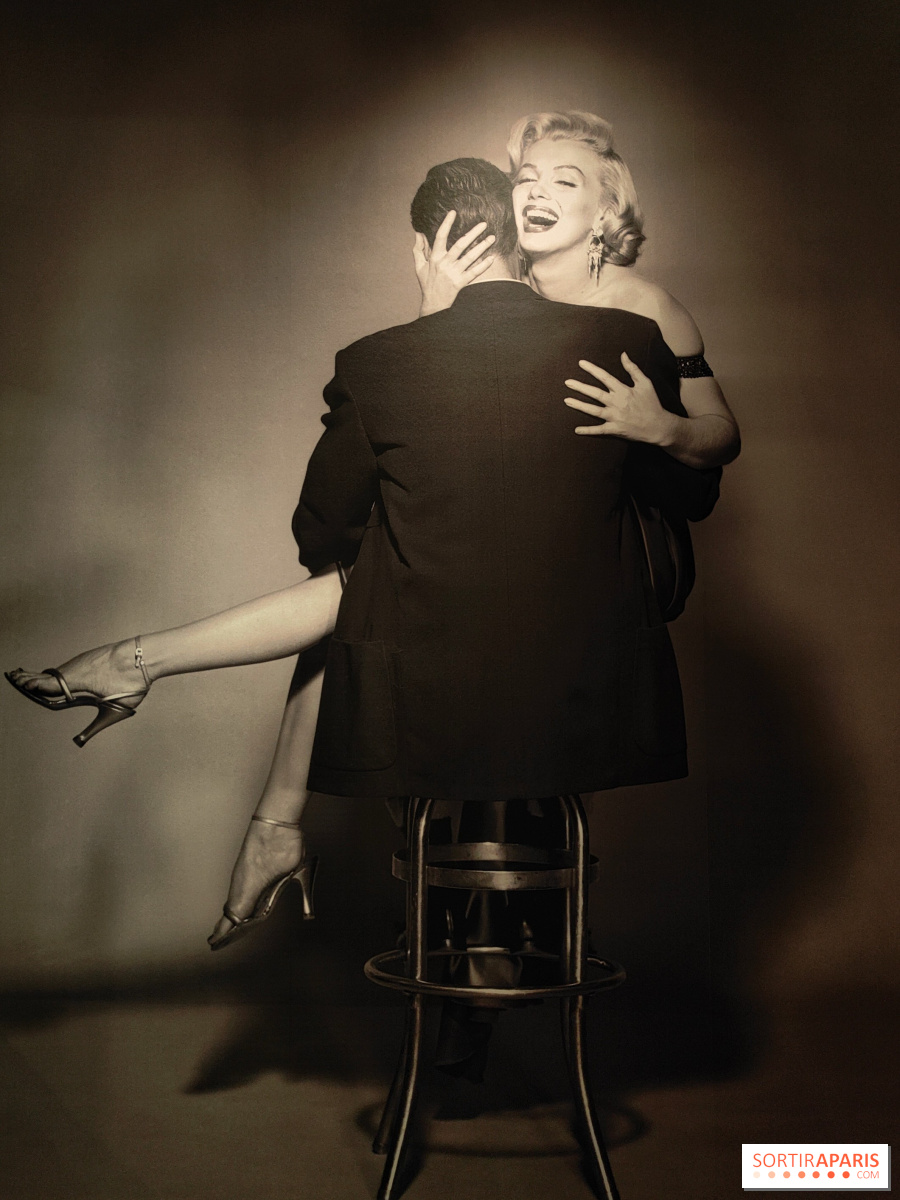
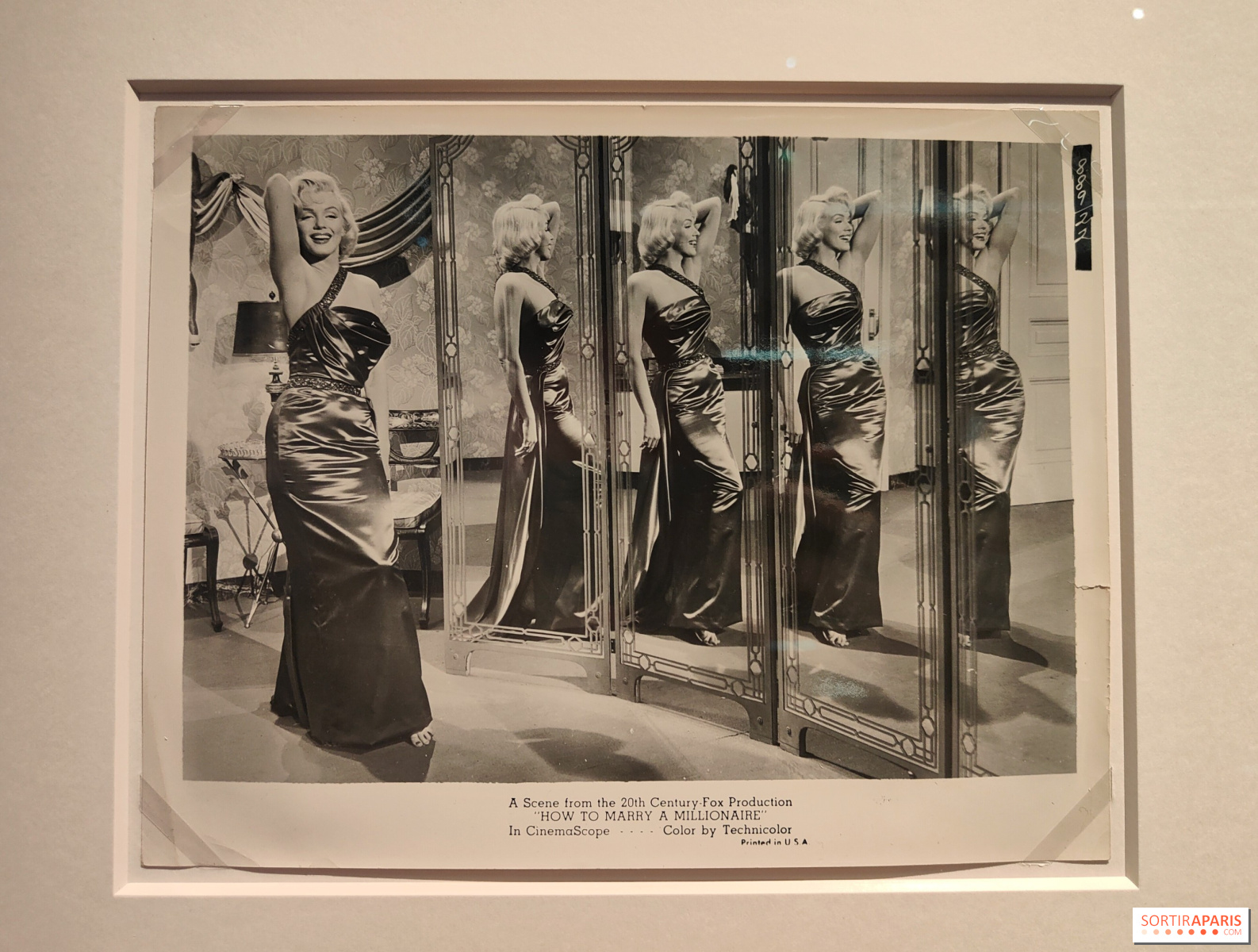
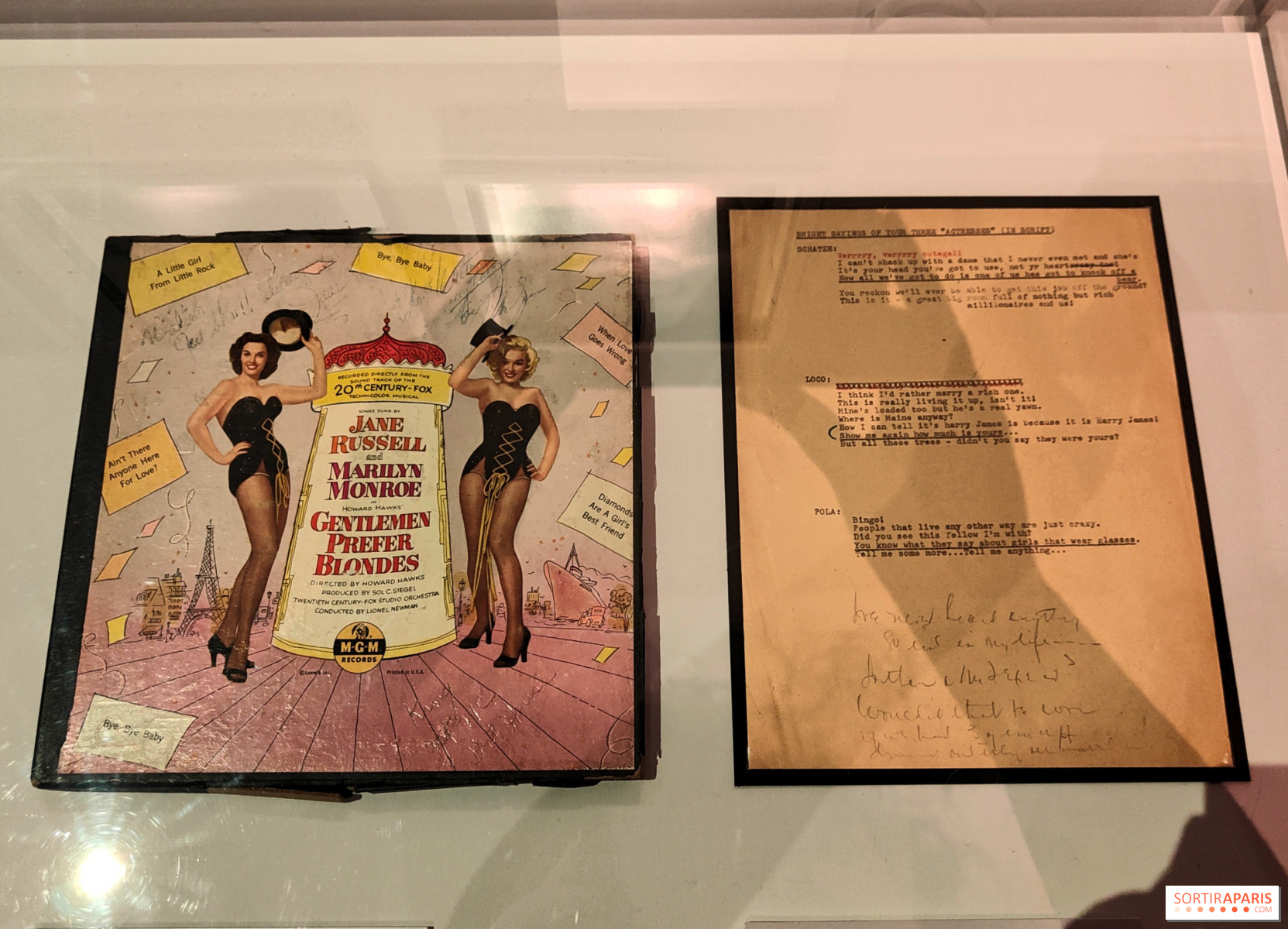
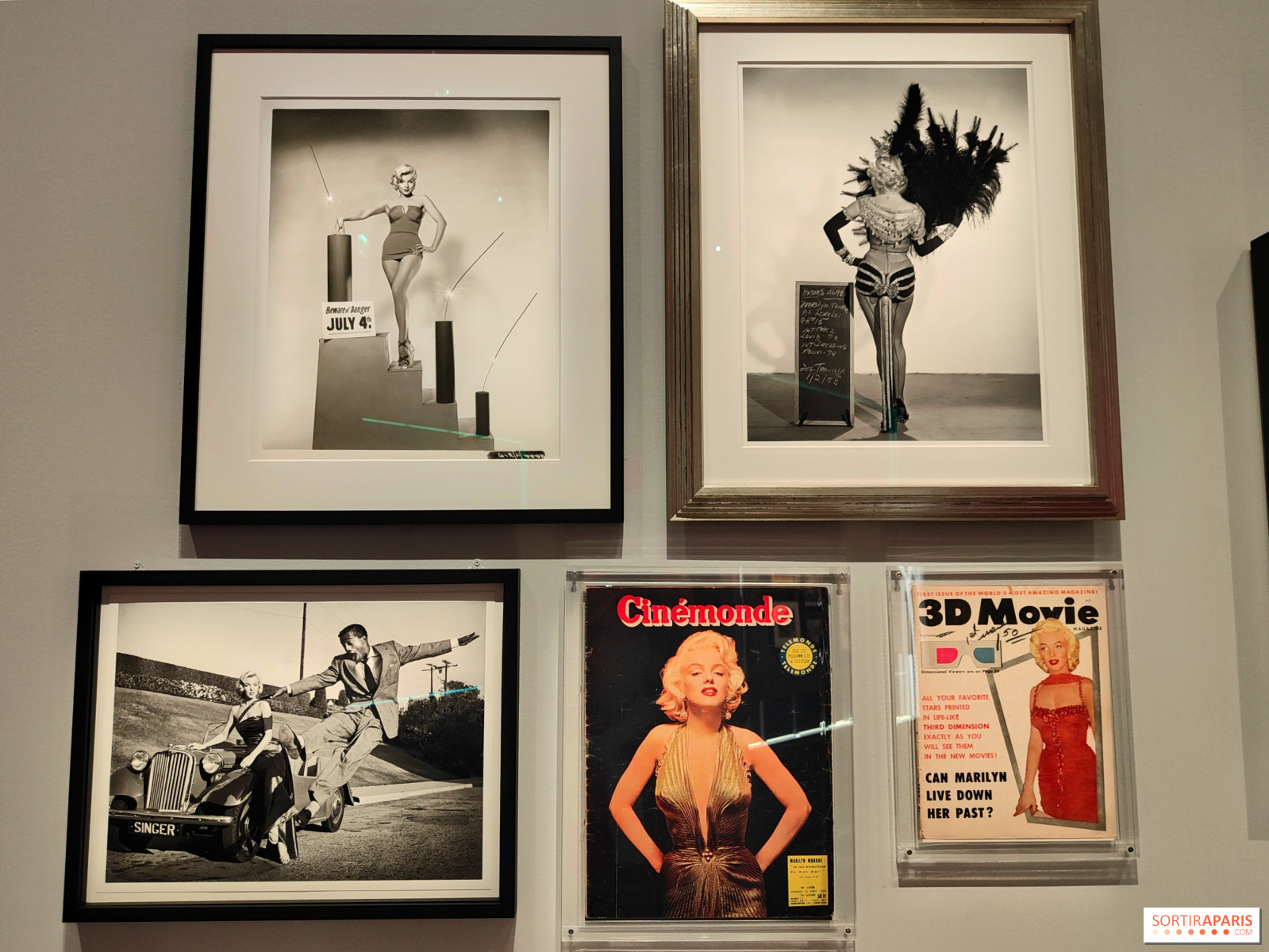
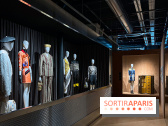
From her early days to her untimely end, the exhibition places the actress front and center, highlighting how she studied and toiled to sharpen her craft and earn recognition for her talent. It features film clips, photographs, and posters that underscore Marilyn Monroe's dedication to her art.
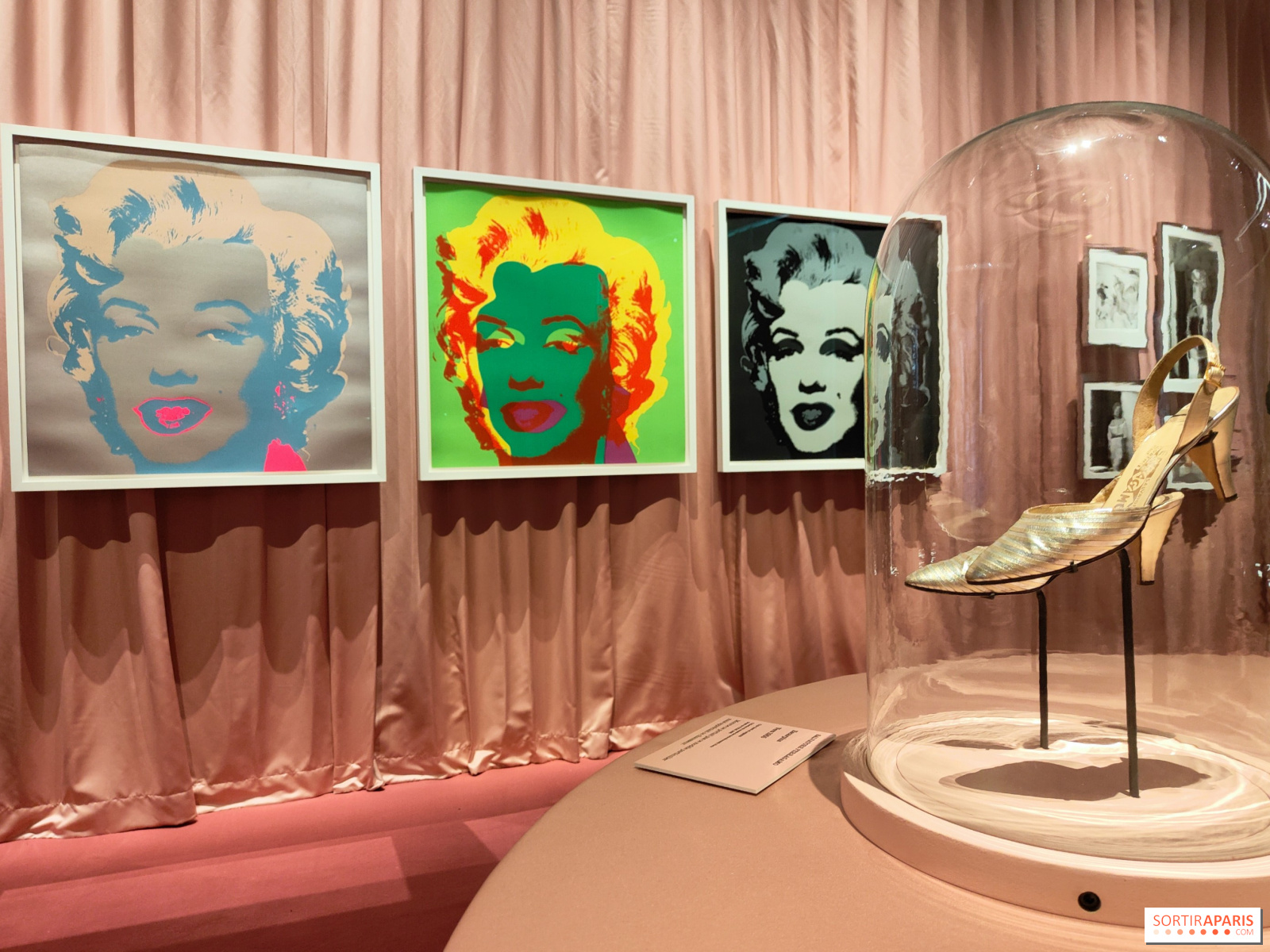
Images from her films recall the glamour and the beauty icon she embodied. The room captions shed light on her struggles, not always evident in the pieces on display. In this way, one discovers her social commitments, notably alongside African American artists. The Cinémathèque emphasizes Marilyn Monroe’s hunger for independence, her fight to defend and redefine her image against the Hollywood studios, against the public, and against the media.
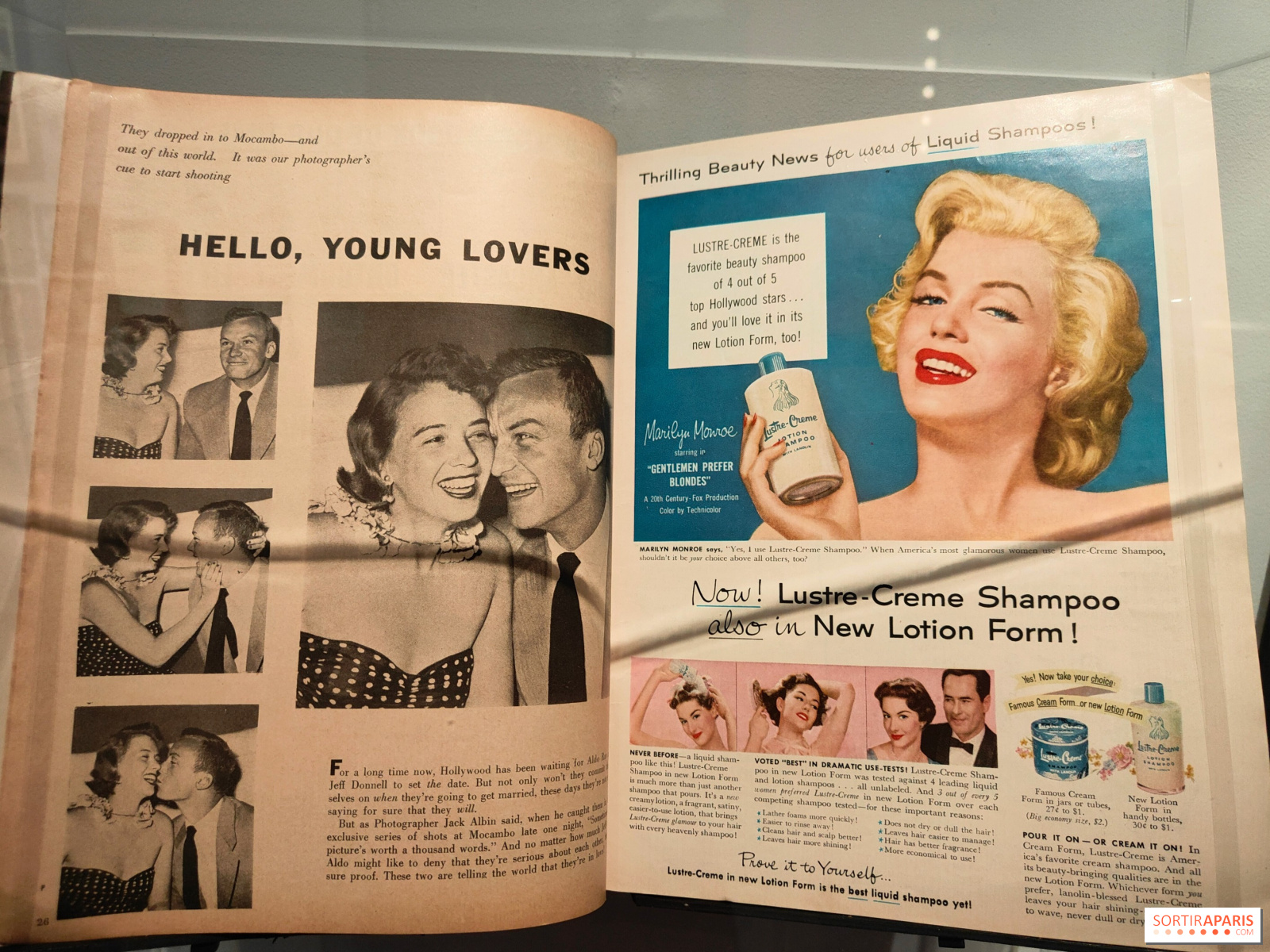
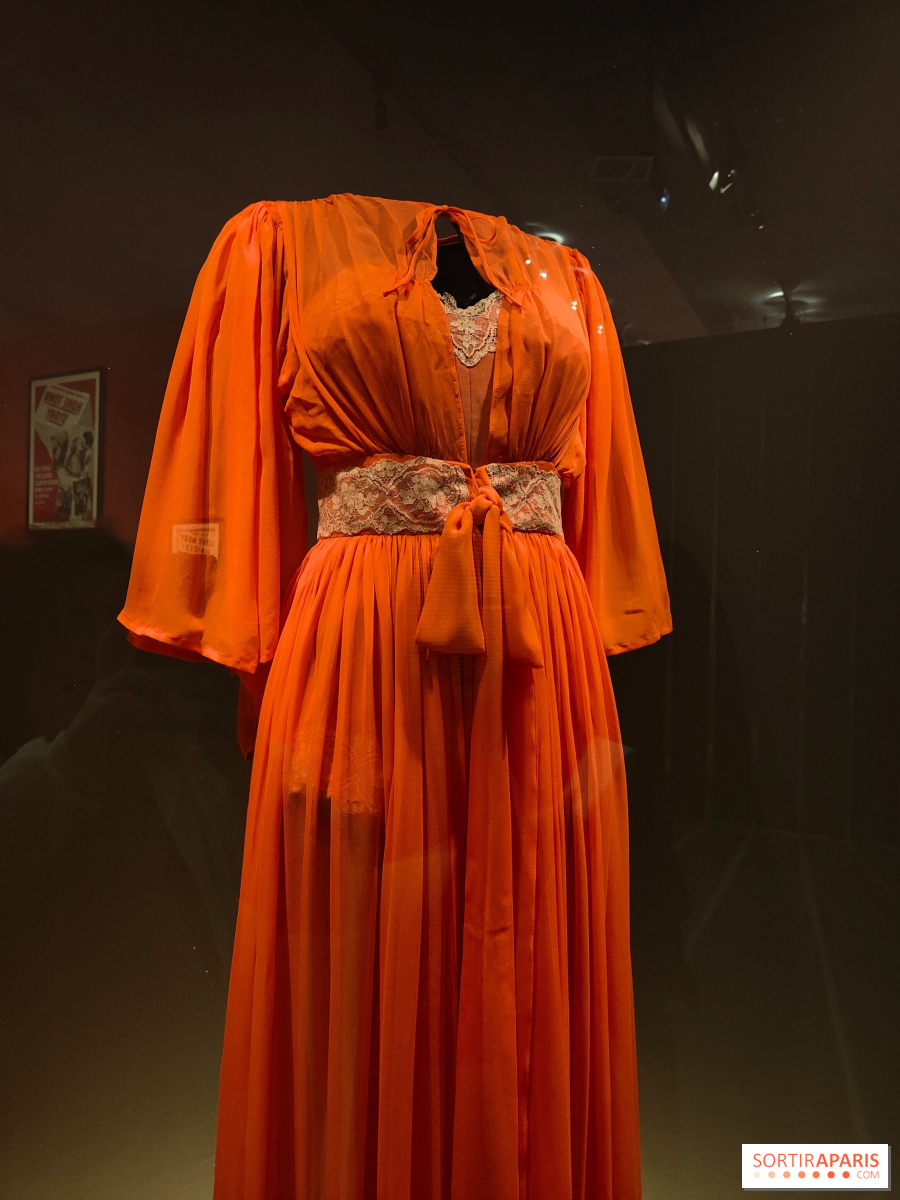
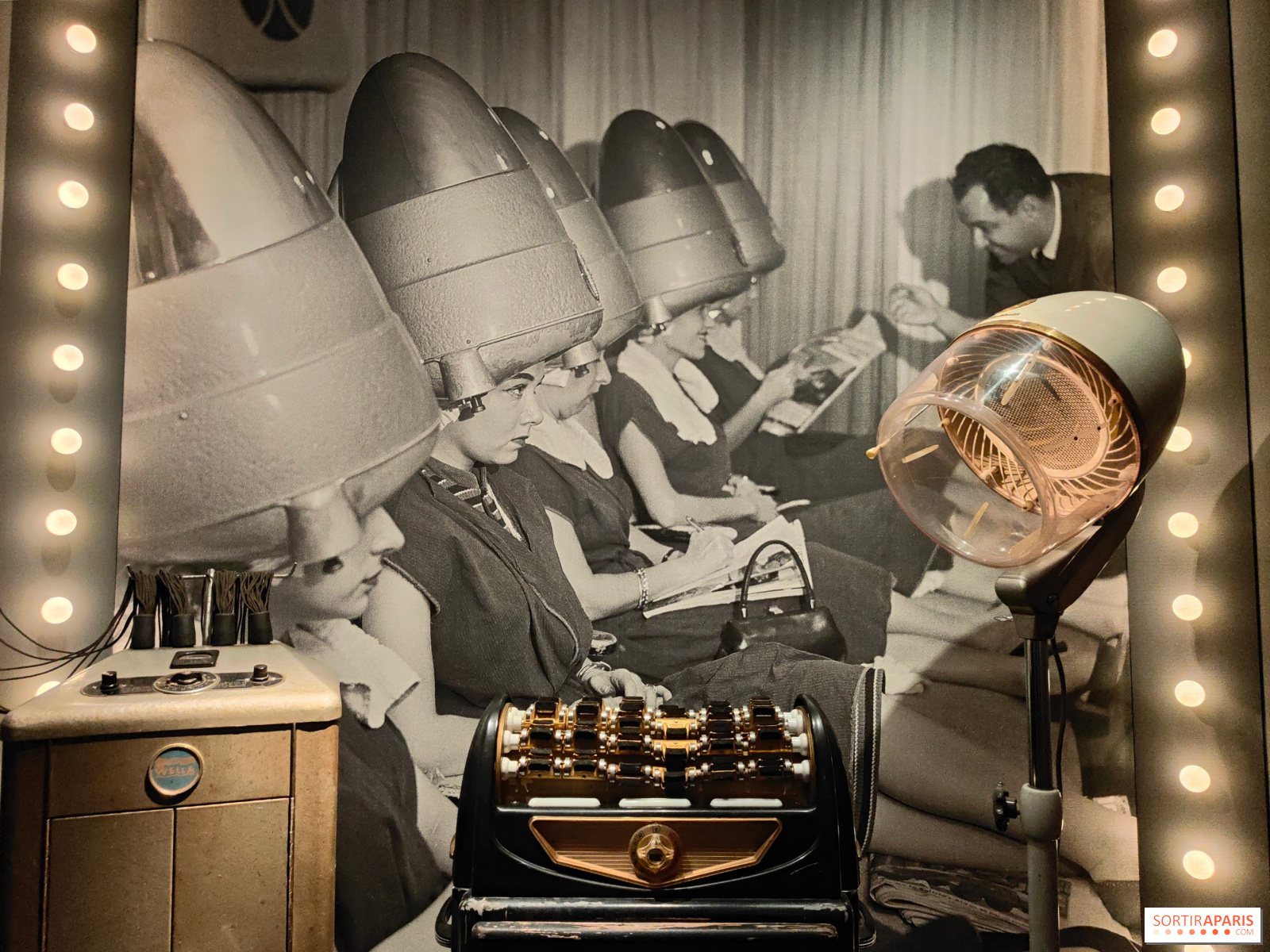
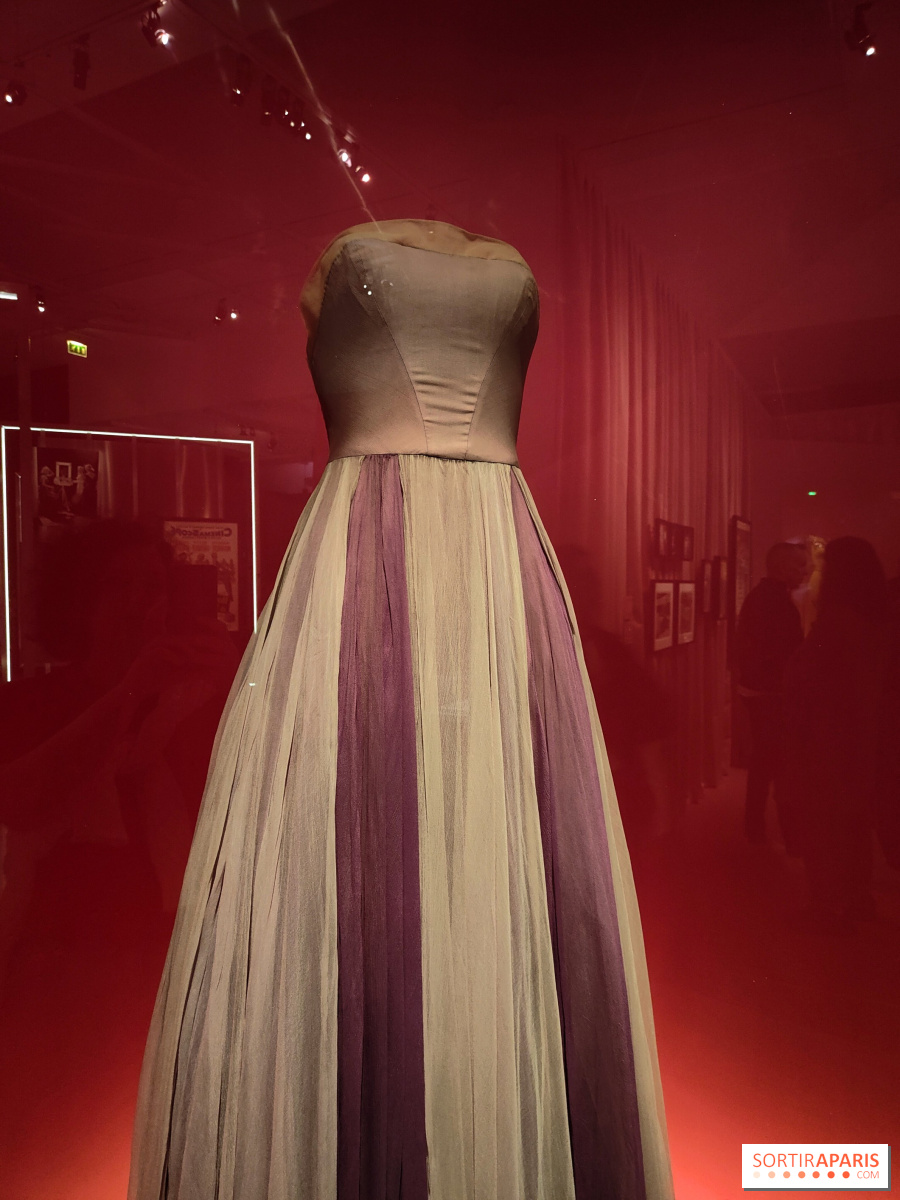
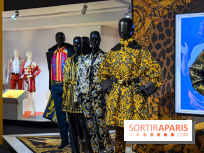
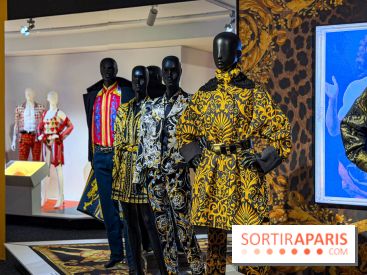
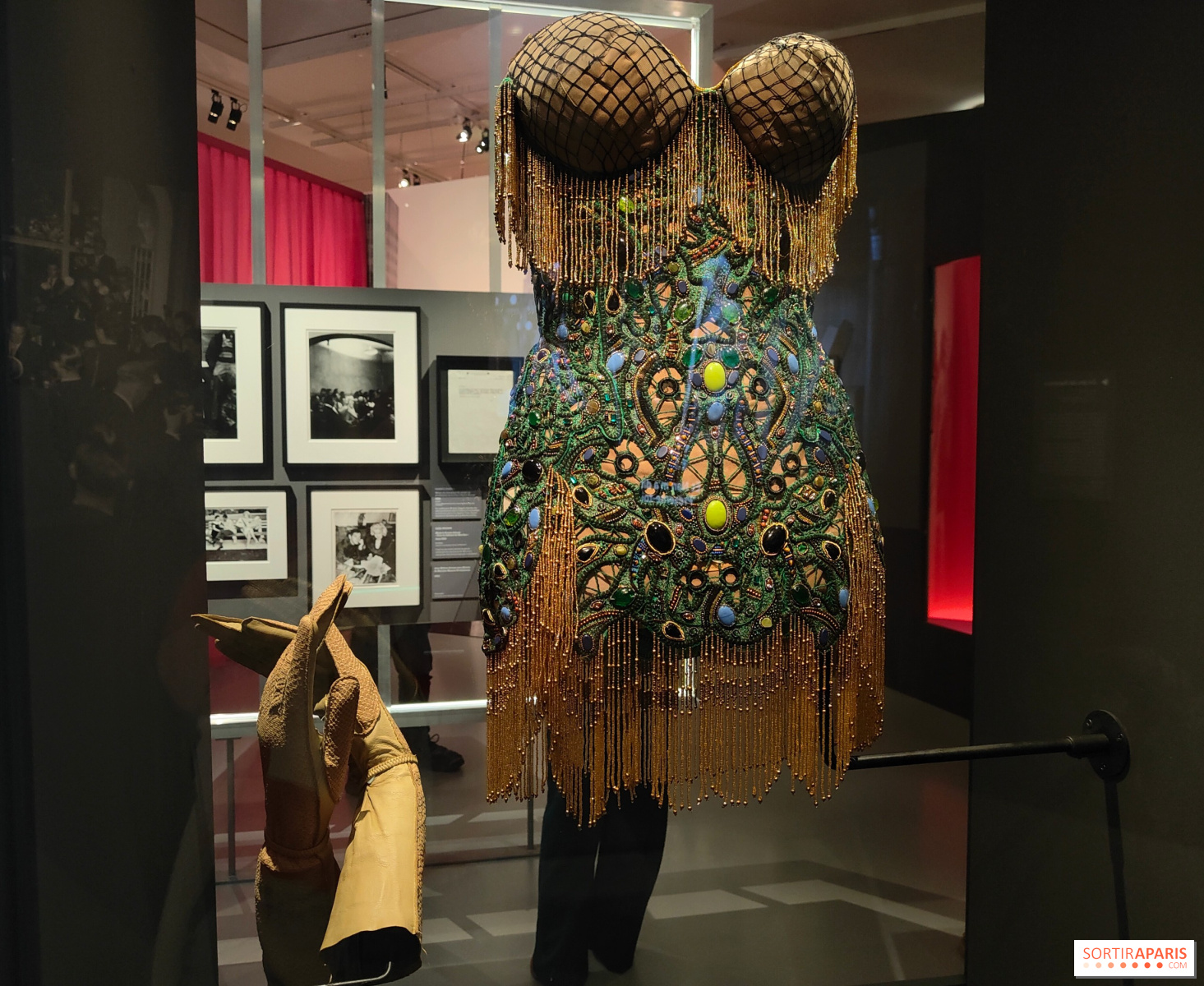
While the exhibit offers some striking film stills, you’re left wishing for more personal artifacts from the actress herself. Many objects on display are used to illustrate the era’s fashion and Monroe’s style, but few actually belonged to her. The woman behind the star remains surprisingly unfamiliar; the captions spell out and debunk clichés, yet the real Marilyn is not significantly highlighted. The Cinémathèque foregrounds the actress’s work, but it struggles to move beyond media narratives in order to present a more authentic portrait of a woman full of surprises.
The icon is thus in the spotlight at the Cinémathèque, for an unprecedented anniversary exhibition. A must-see in the spring, in Paris.
This test was conducted as part of a professional invitation. If your experience differs from ours, please let us know.
Dates and Opening Time
From April 8, 2026 to July 26, 2026
Location
Cinémathèque Française
51 Rue de Bercy
75012 Paris 12
Route planner
Accessibility info
Access
Metro Bercy (lines 6 and 14)
Official website
www.cinematheque.fr