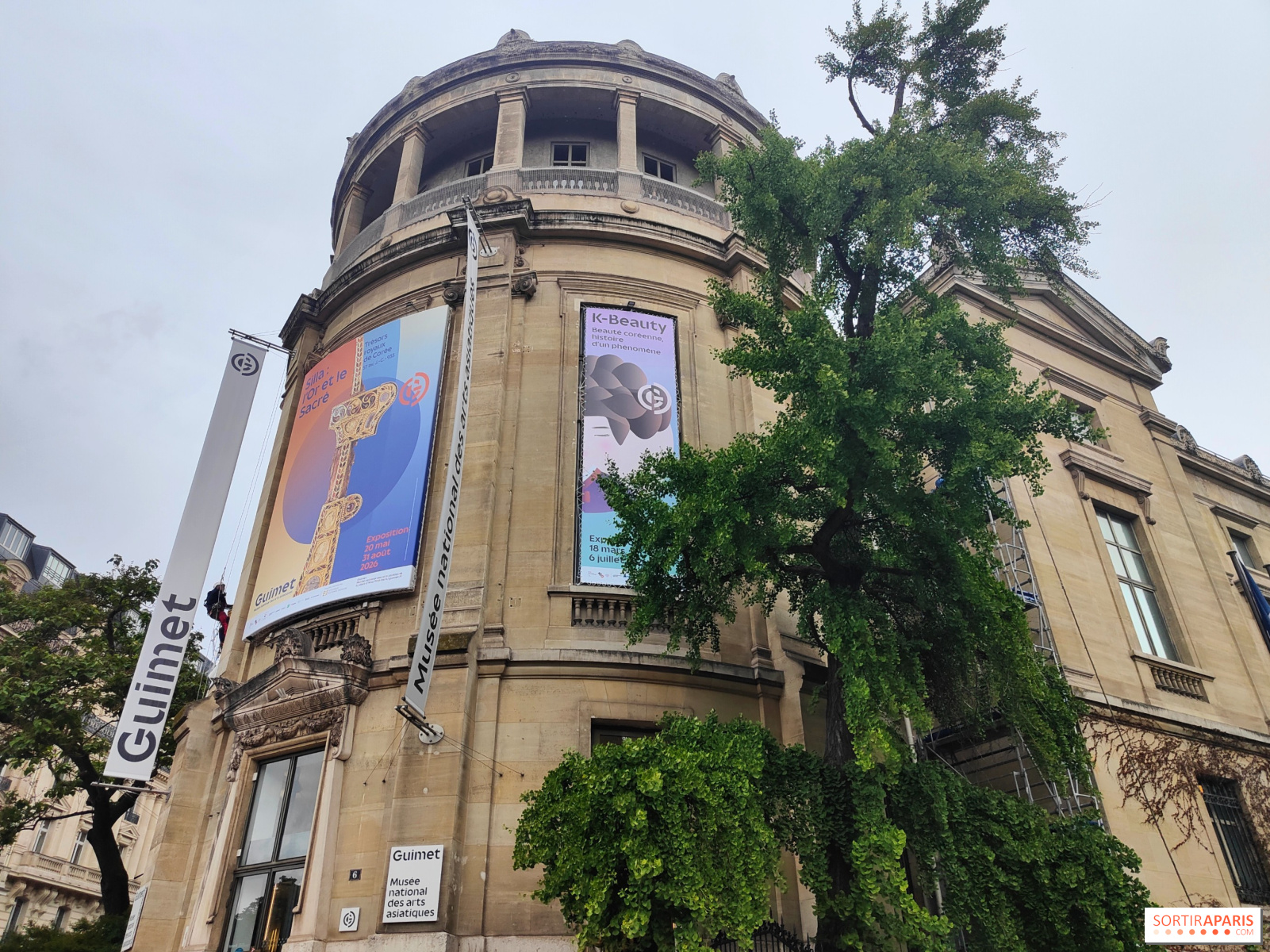
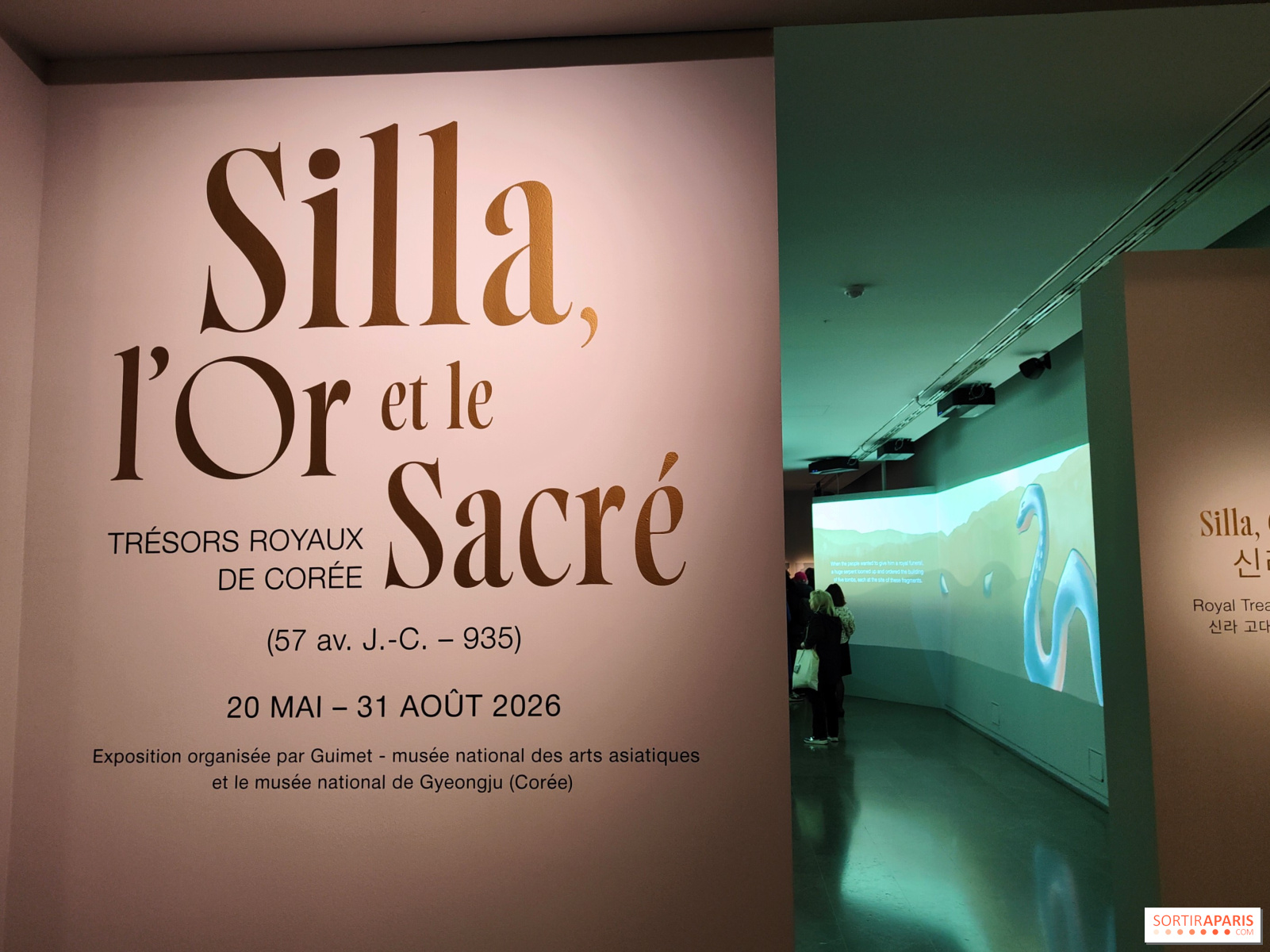
Themusée Guimet takes us to discover a very ancient and highly significant period in the history of the Corée du Sud. Discover the royaume de Silla, a powerful kingdom that lasted from 57 BCE to 935 CE. Silla, its archaeological remains, its ideological heritage, and its artisanal treasures unfold from May 20 to August 31, 2026 at the musée des arts asiatiques.
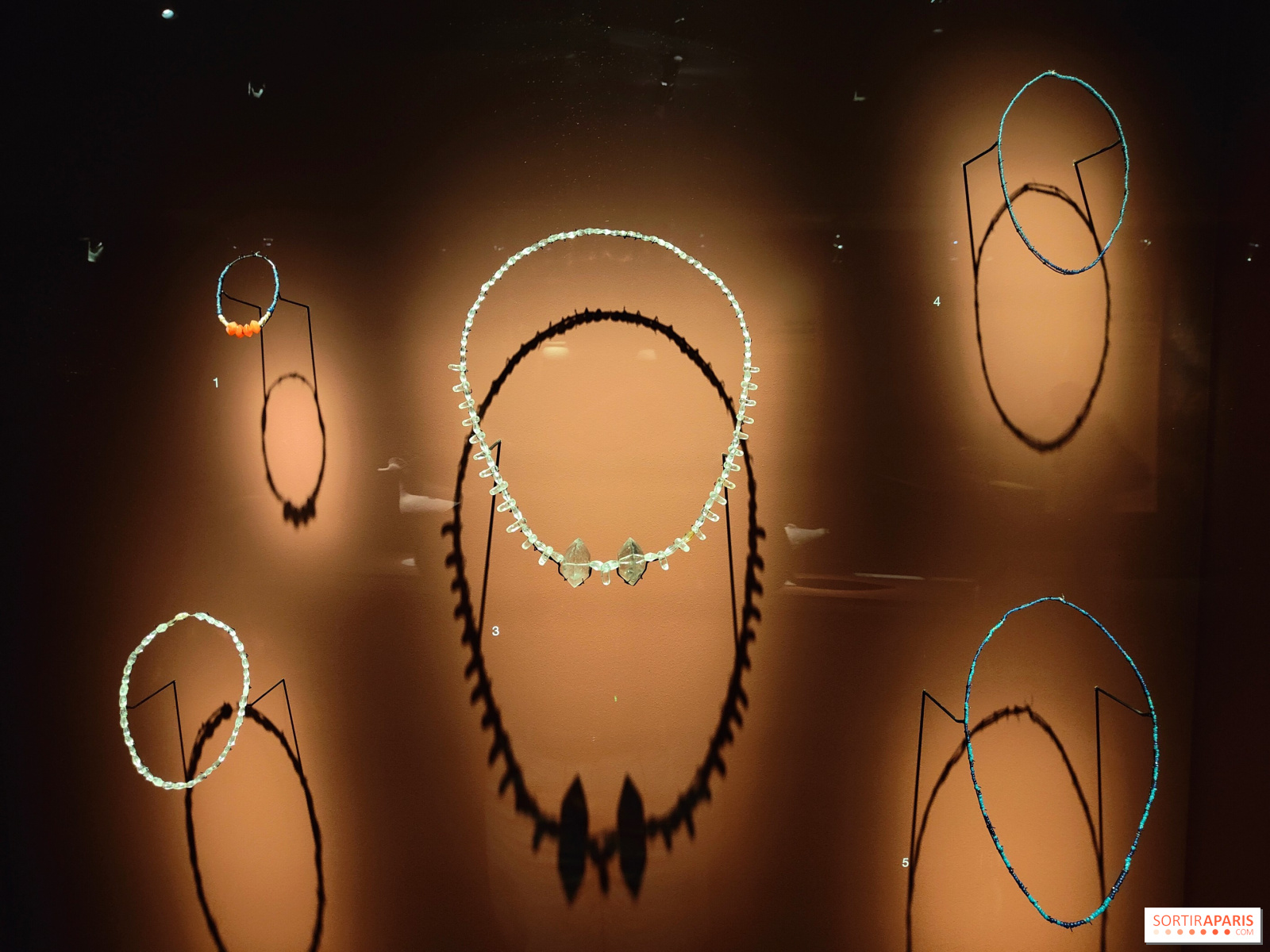
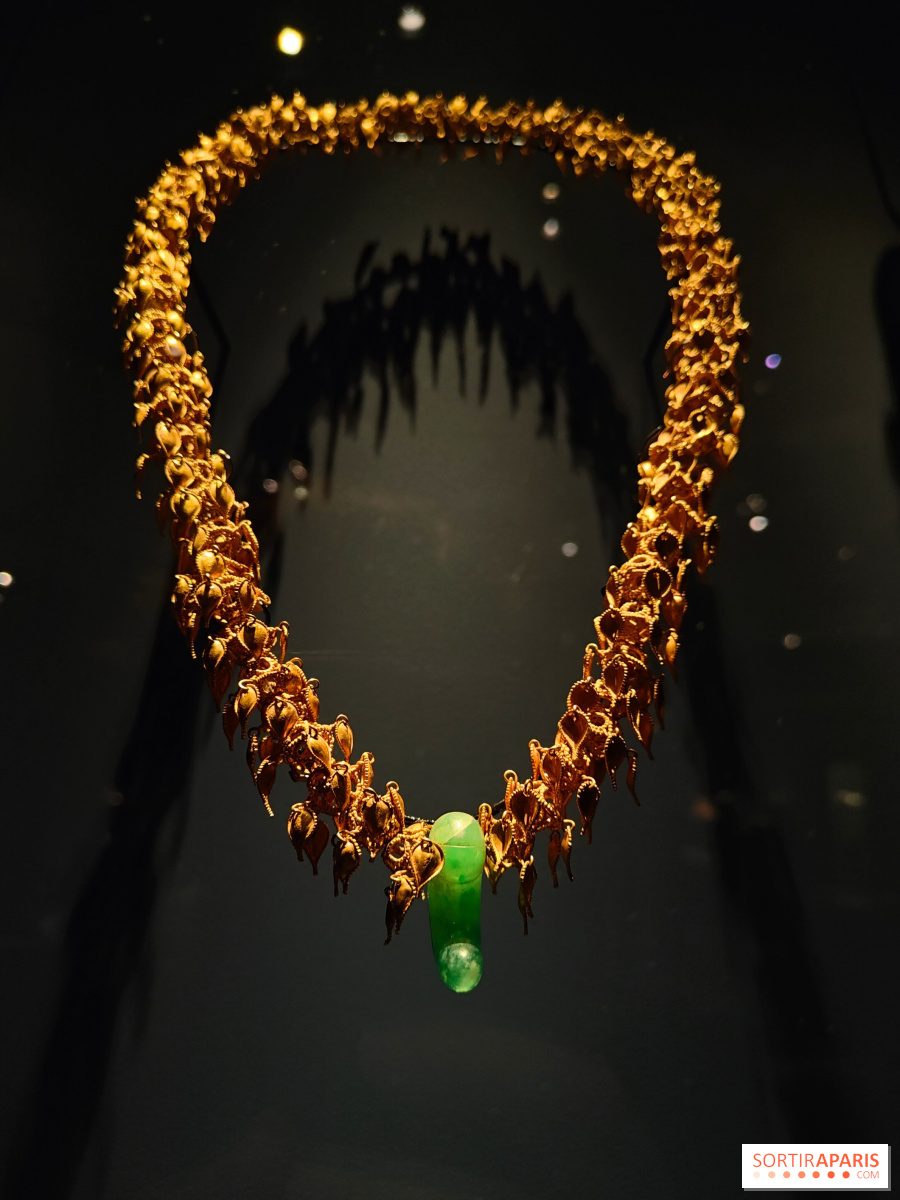
The exhibition Silla: Gold and the Sacred offers a glimpse into centuries of history. Silla was one of the three kingdoms that made up the period known as the "Three Kingdoms of Korea." From this distant era, we have left behind medieval chronicles, temples, tombs, the spread of Buddhism, as well as magnificent treasures—gold, jade, jewelry, and exquisite goldsmith works—discovered through archaeological excavations.
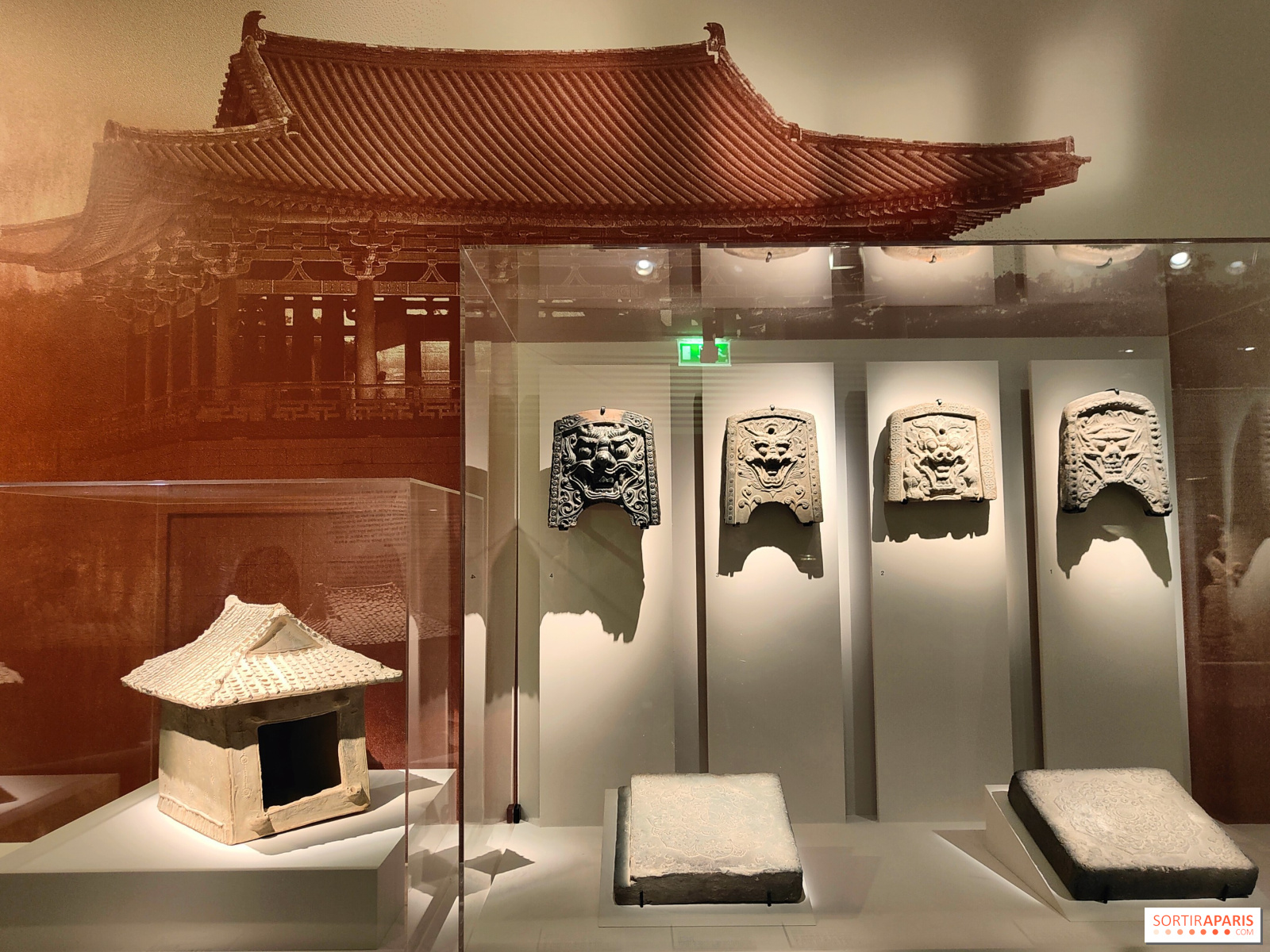
Thanks to its longevity and strength, the kingdom of Silla has played a lasting role in shaping the identity of South Korea. Its influence continues to resonate today, and this heritage is carefully preserved and celebrated.
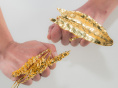
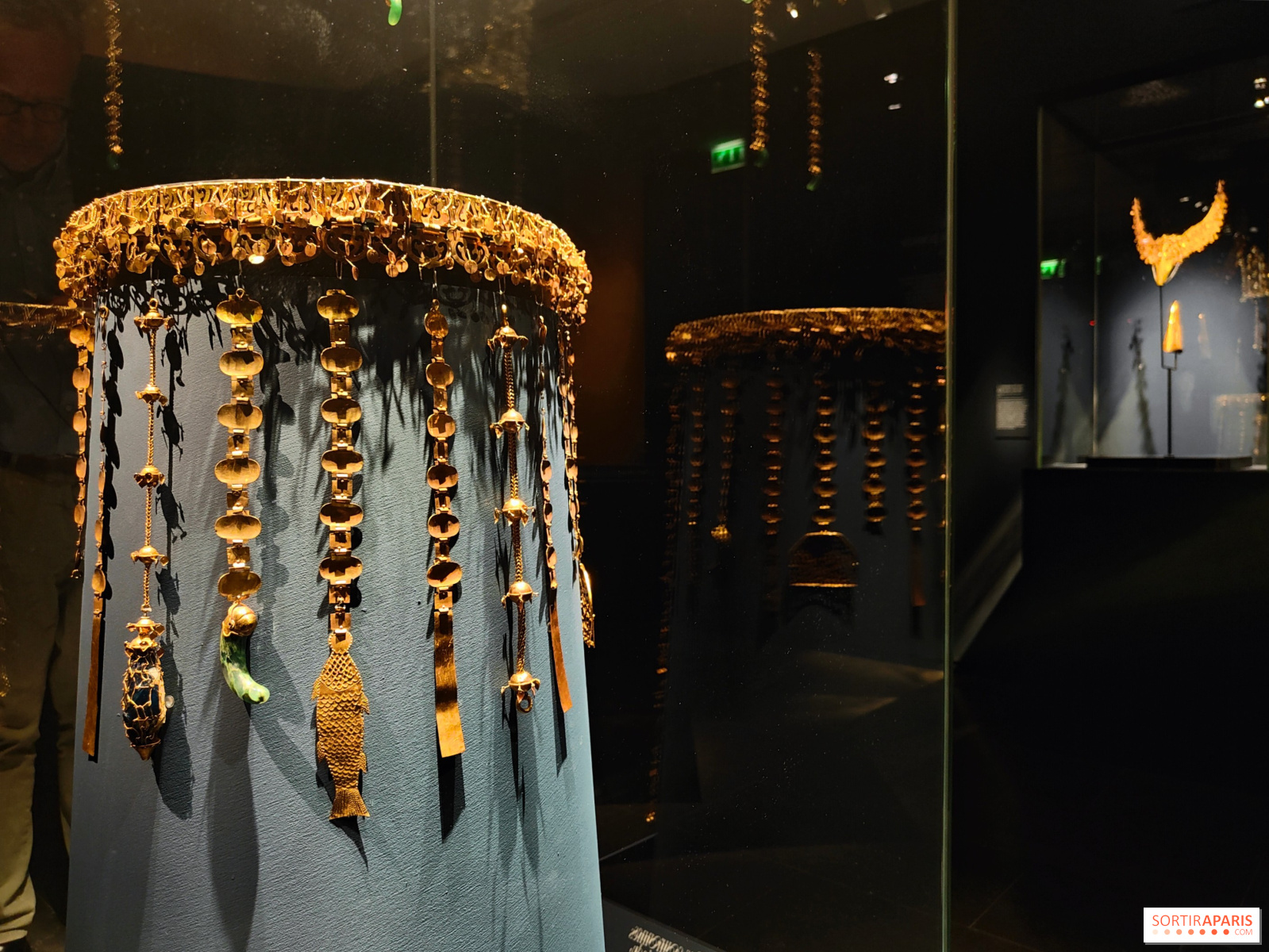
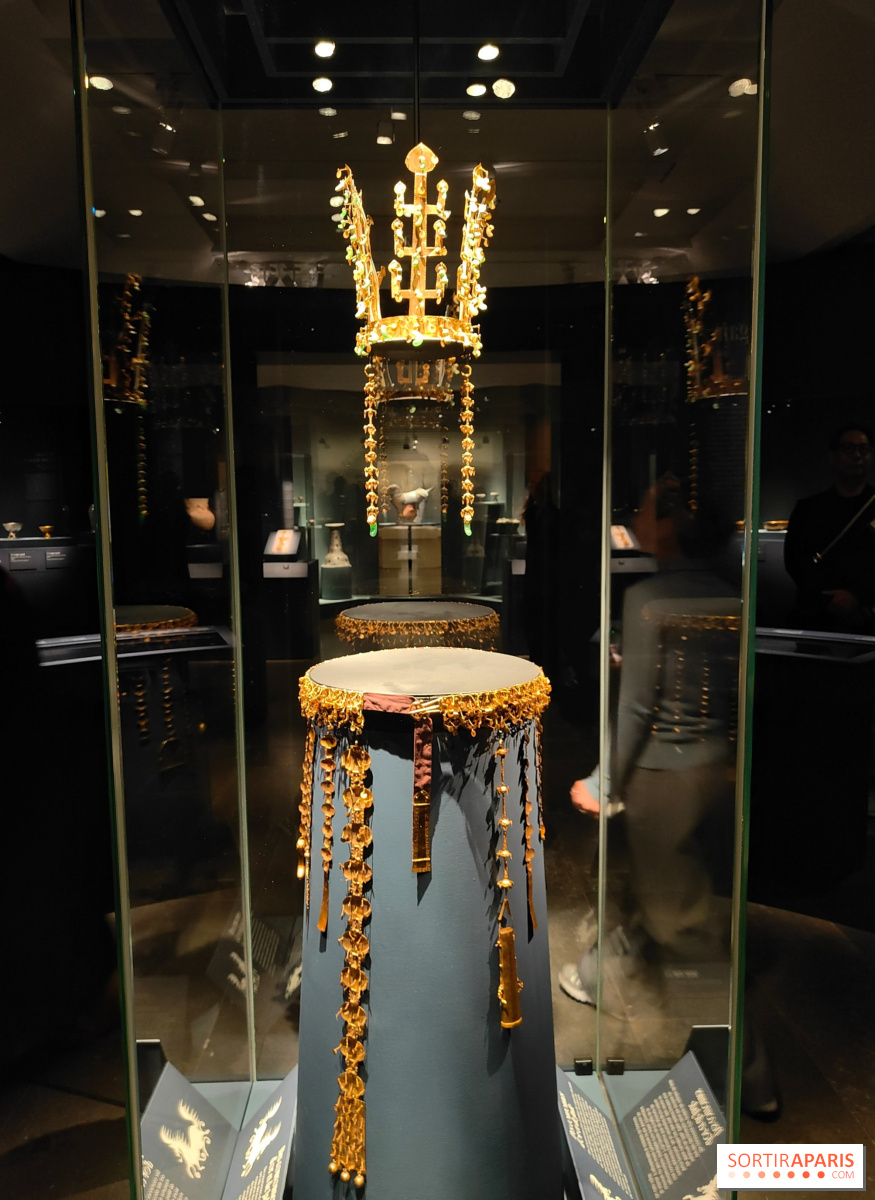
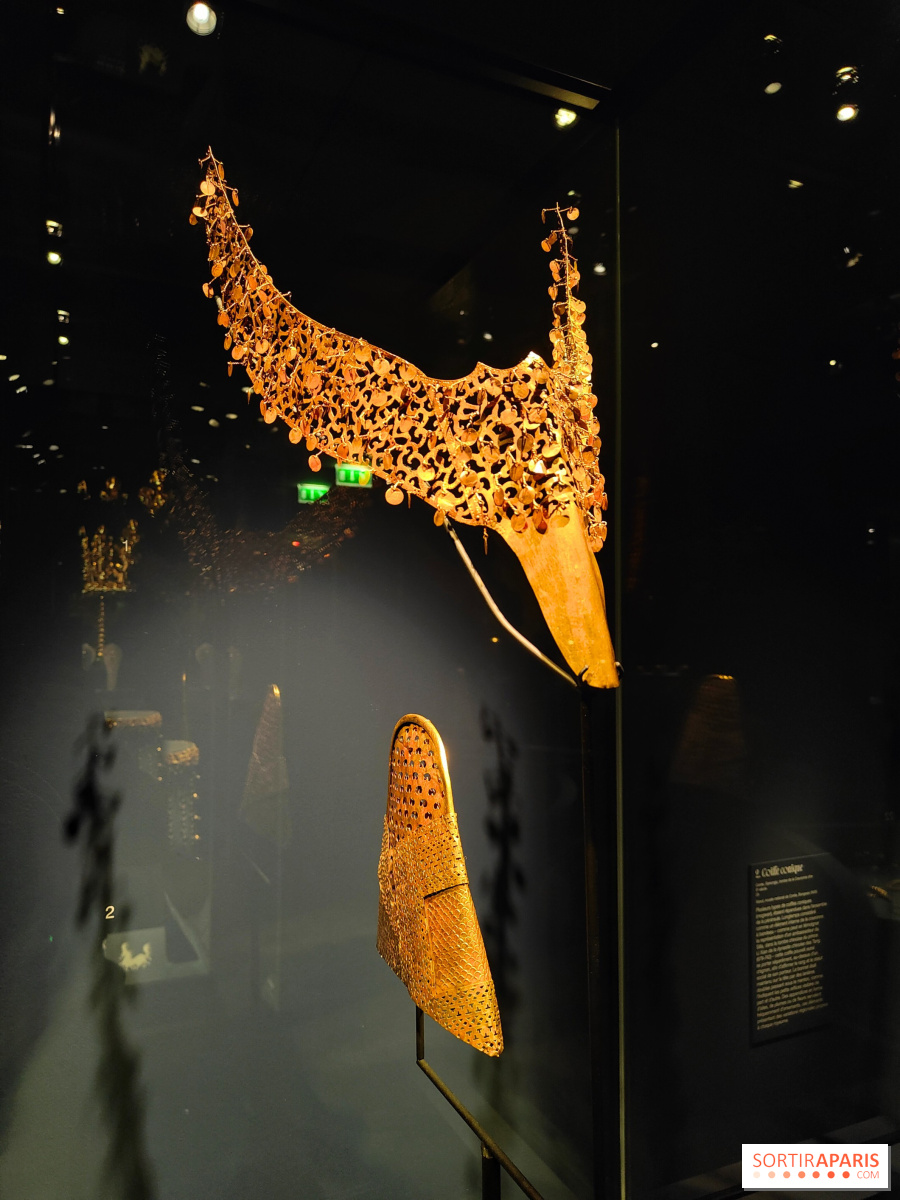
The exhibition at the Guimet Museum offers a glimpse into a people originating from the mountains, who settled in the southern part of the peninsula. Several temples and spiritual sites from this era are still preserved. Over time, the kingdom gradually expanded, developing and asserting its influence. From the 4th century onward, Silla rose to prominence and extended its reach, earning fame for its gold, craftsmanship, and exquisite works of art. Tombs of royalty have revealed stunning crowns, elaborate jewelry adornments, and other finely decorated, precious objects. Gold and other precious metals were highly valued, and the royal crowns are considered true masterpieces of their time.
These historical artifacts showcase the craftsmanship of artisans from the era, but also highlight the economic, trade, and cultural connections the kingdom maintained with its neighbors. They serve as evidence of the ties that linked Silla with China, Japan, and even Mediterranean civilizations.
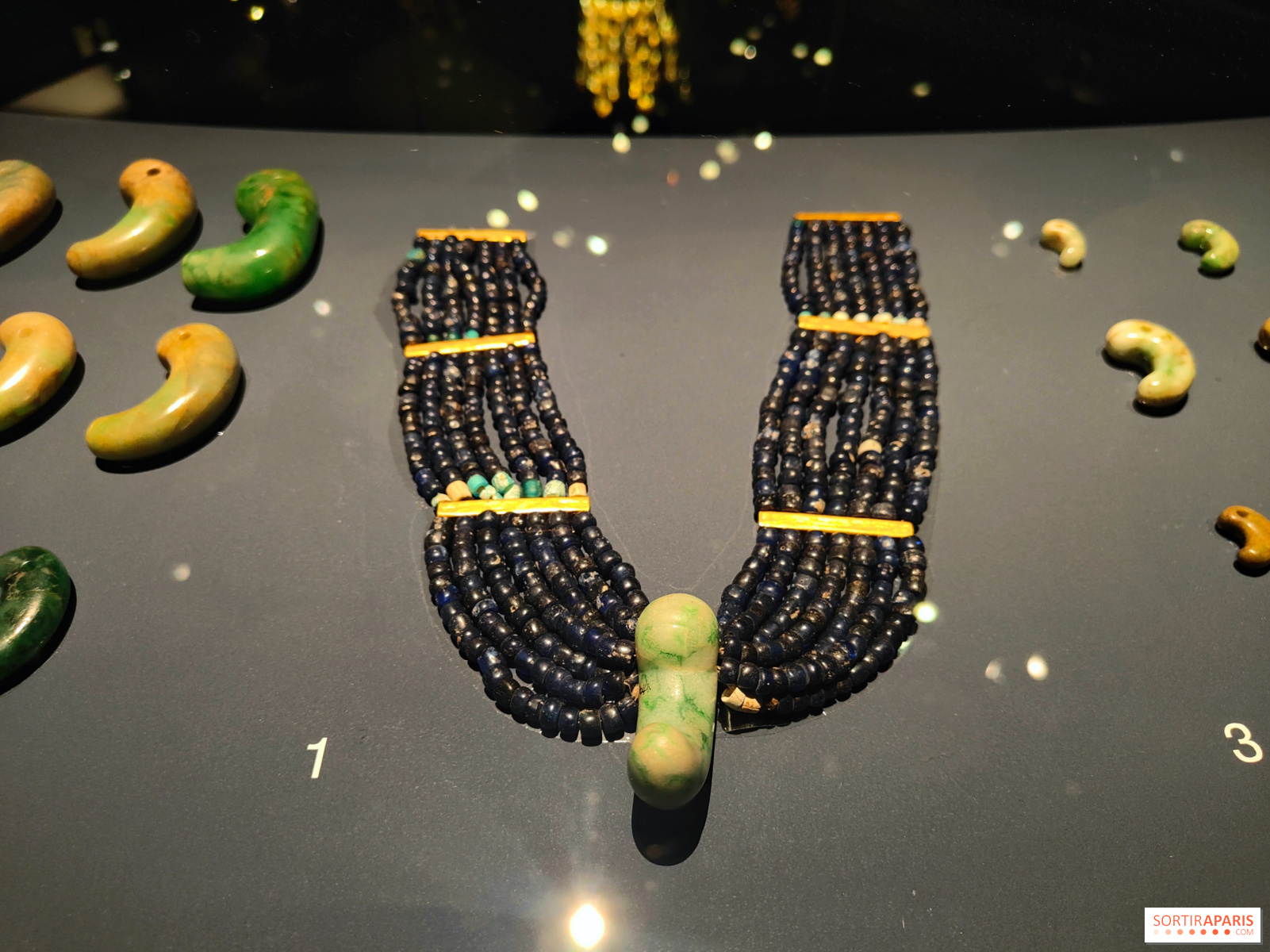
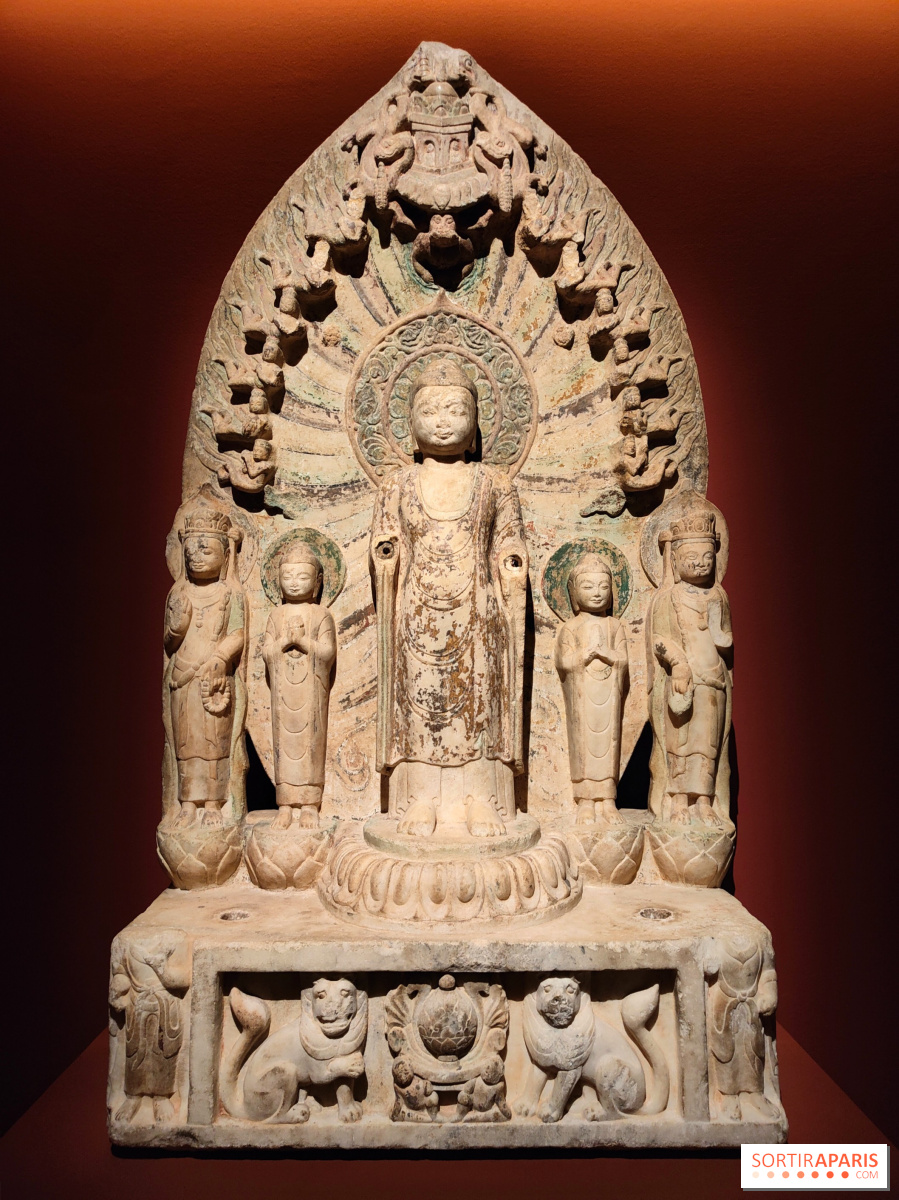
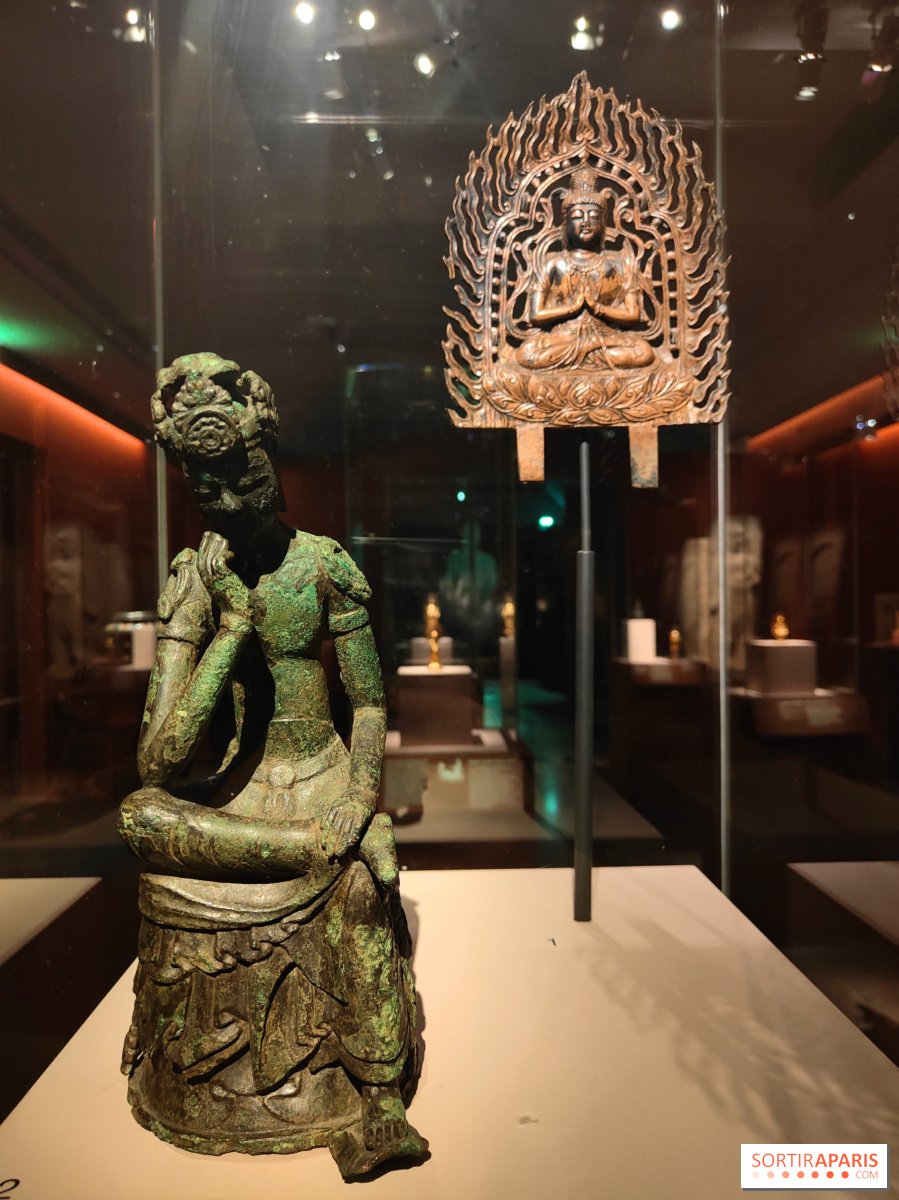
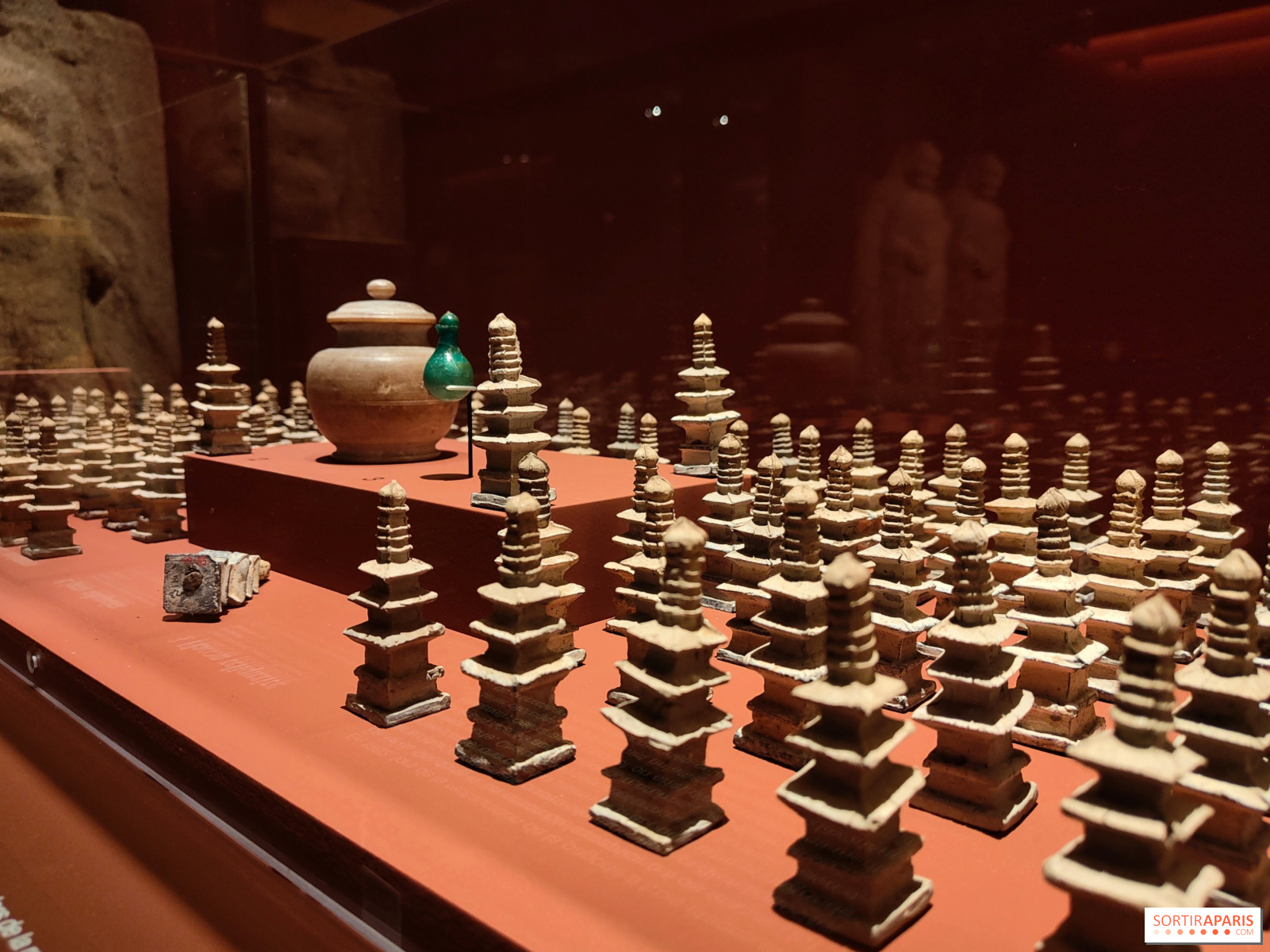
Centuries pass, and Silla increasingly asserts itself as a major power in East Asia. Monasteries, pagodas, temples, and reliquaries bear witness to the religious and spiritual authority that unites the kingdom. The arrival of Buddhism unifies the territory and fosters a new form of art.
The Guimet Museum has gathered several exceptional ancient pieces, including national treasures that have never before been displayed outside South Korea. Through these historic works, the museum charts a rich and vibrant chapter in the country’s history.
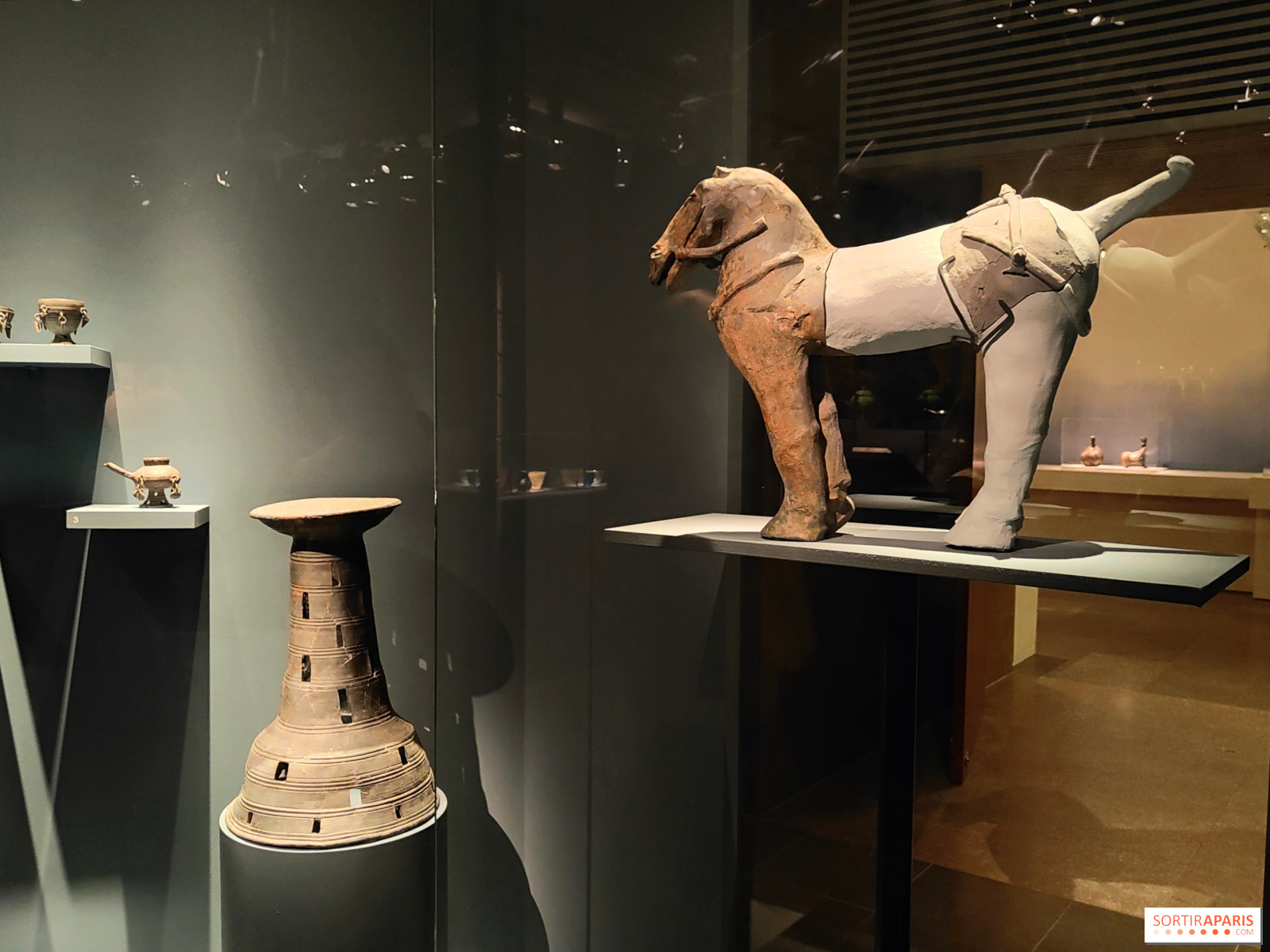
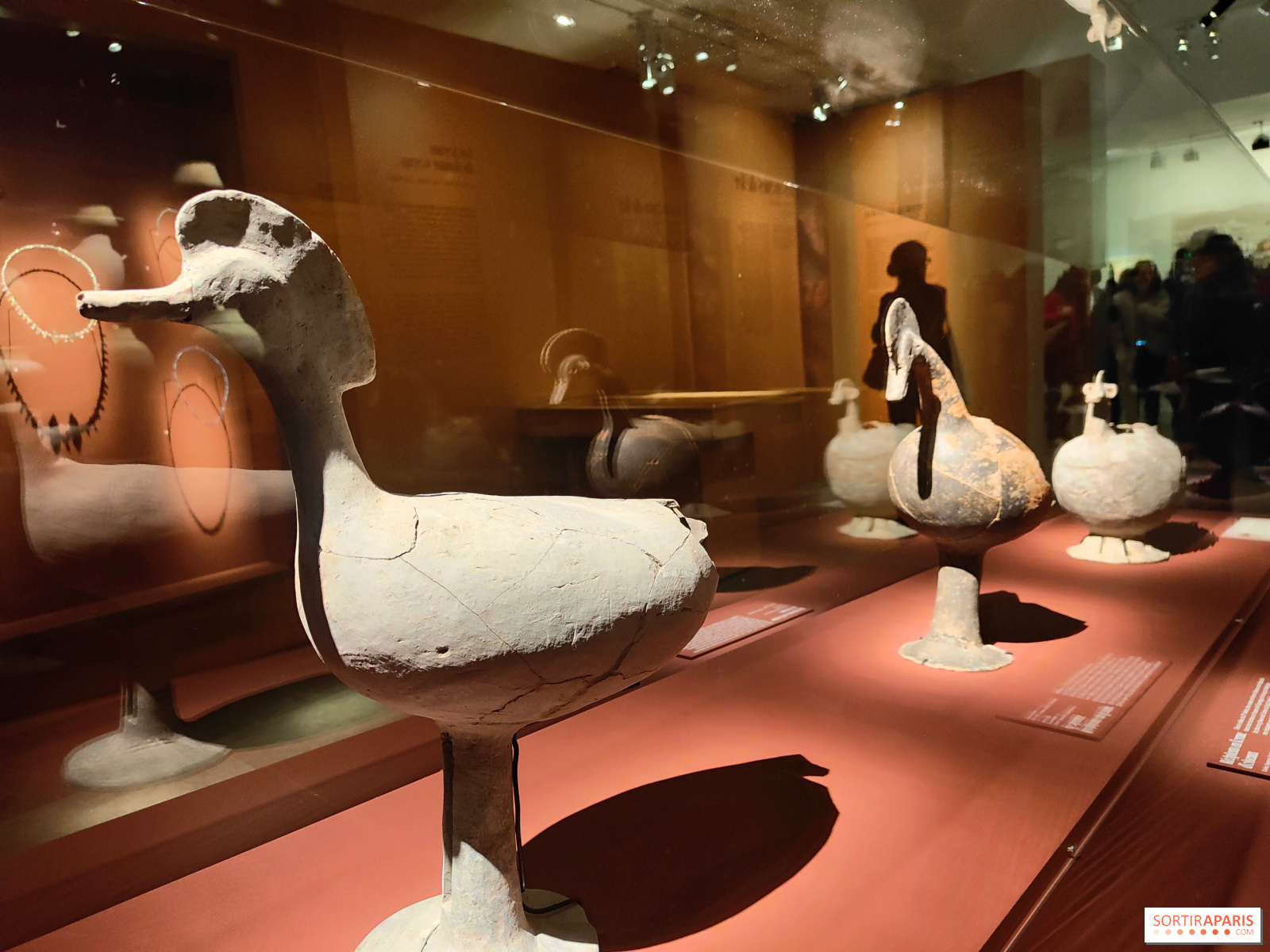
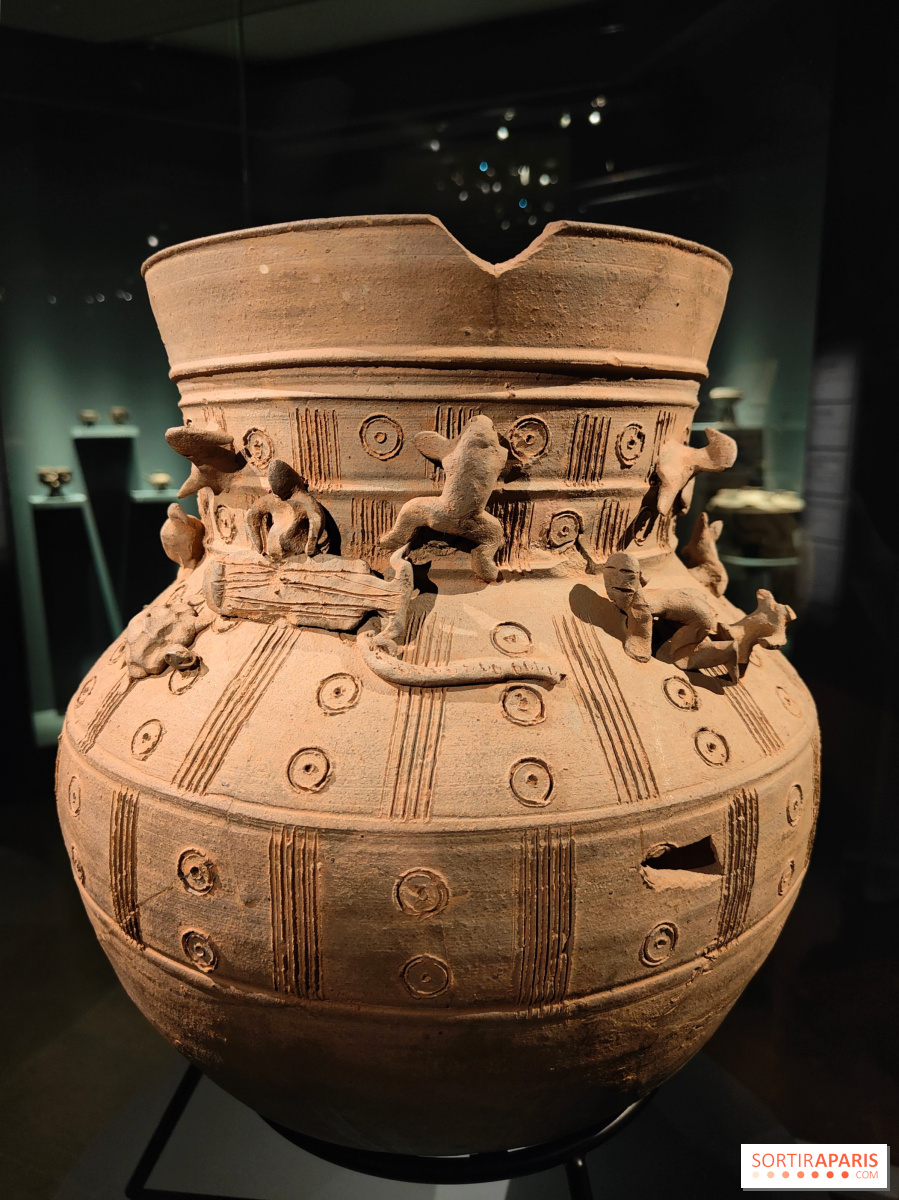
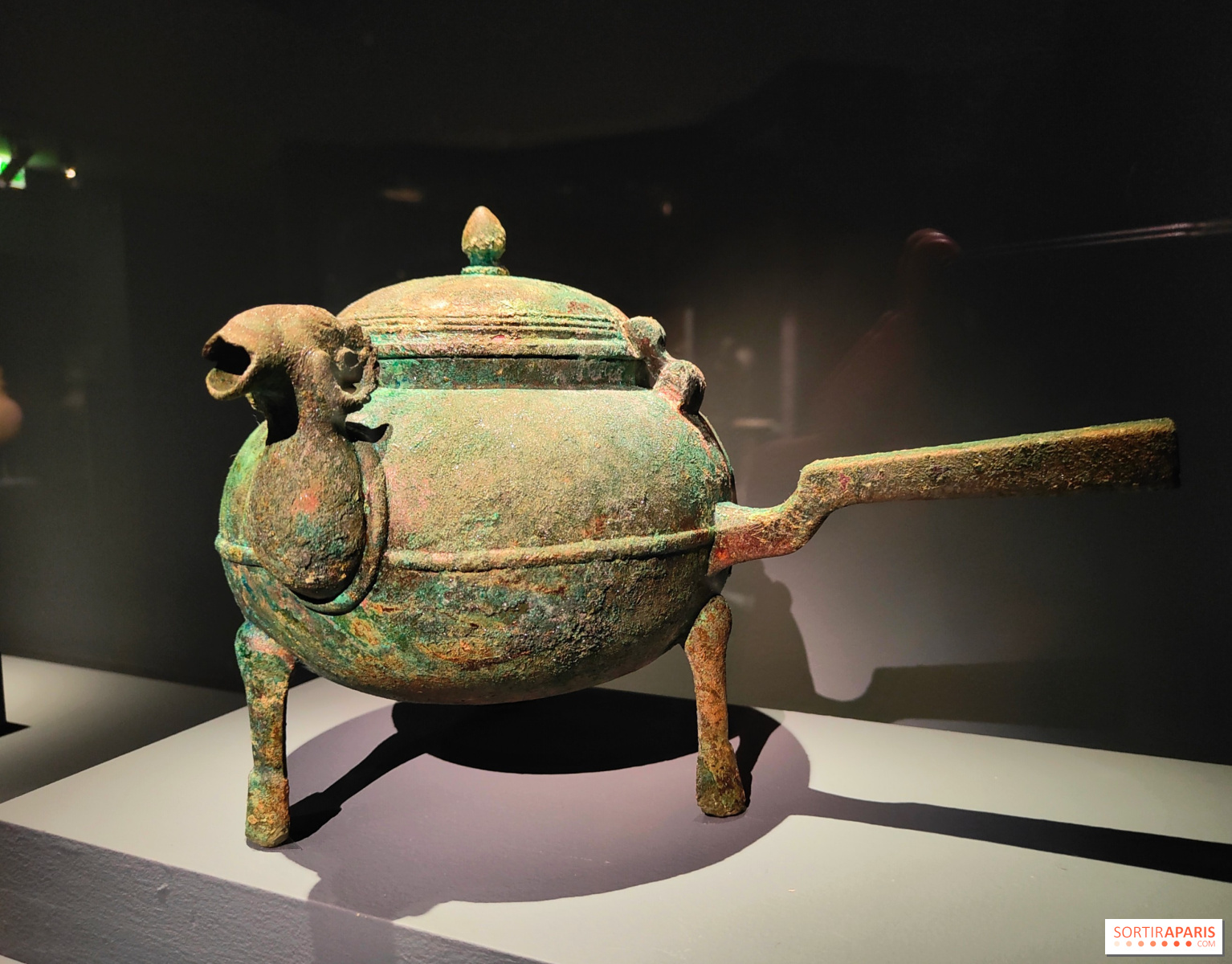
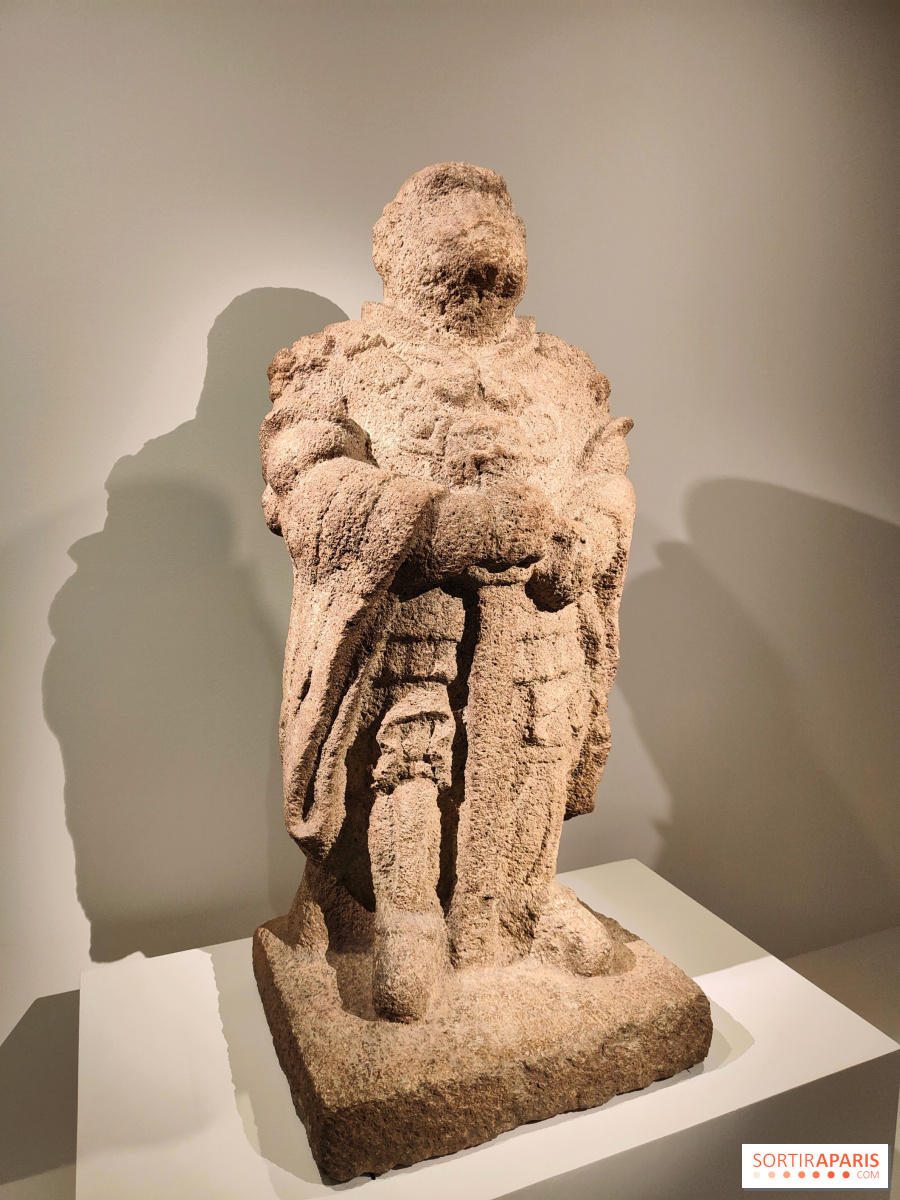
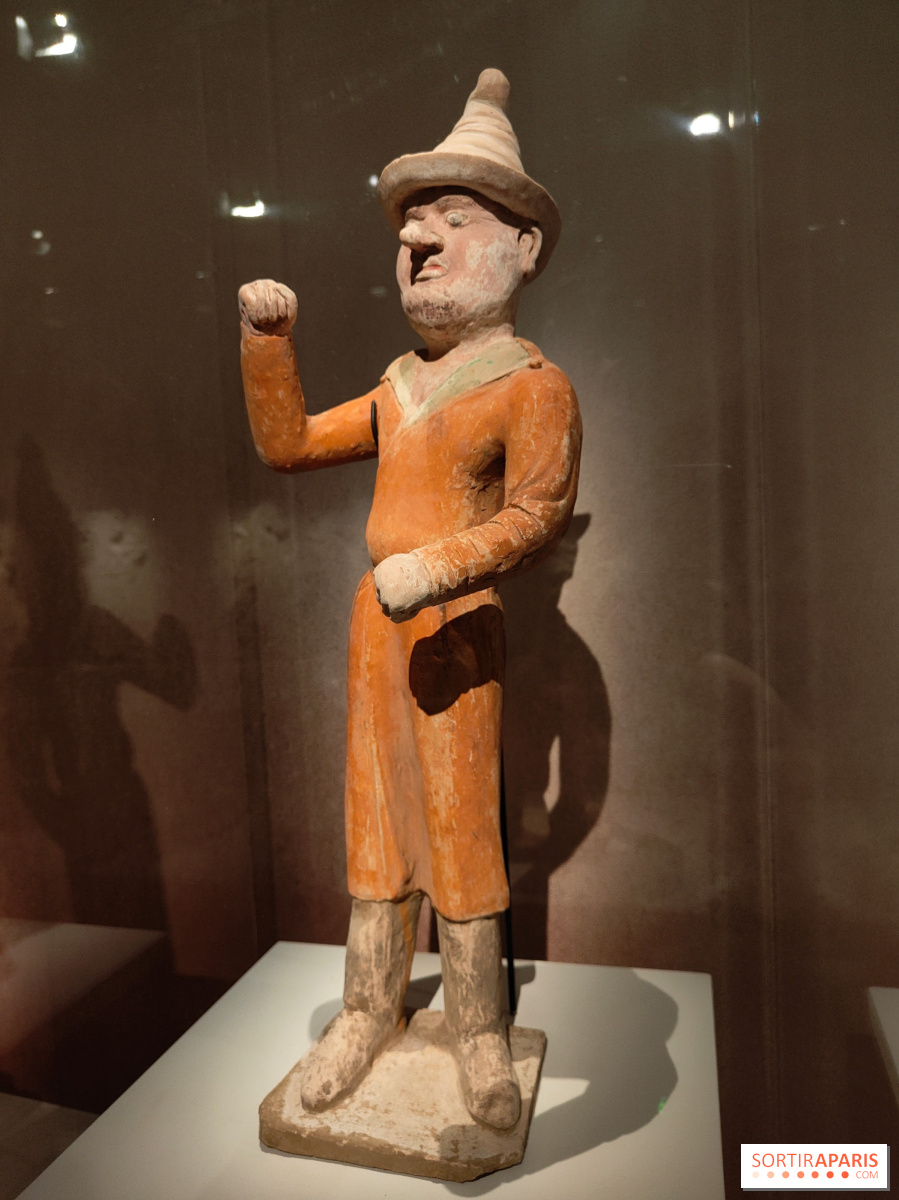
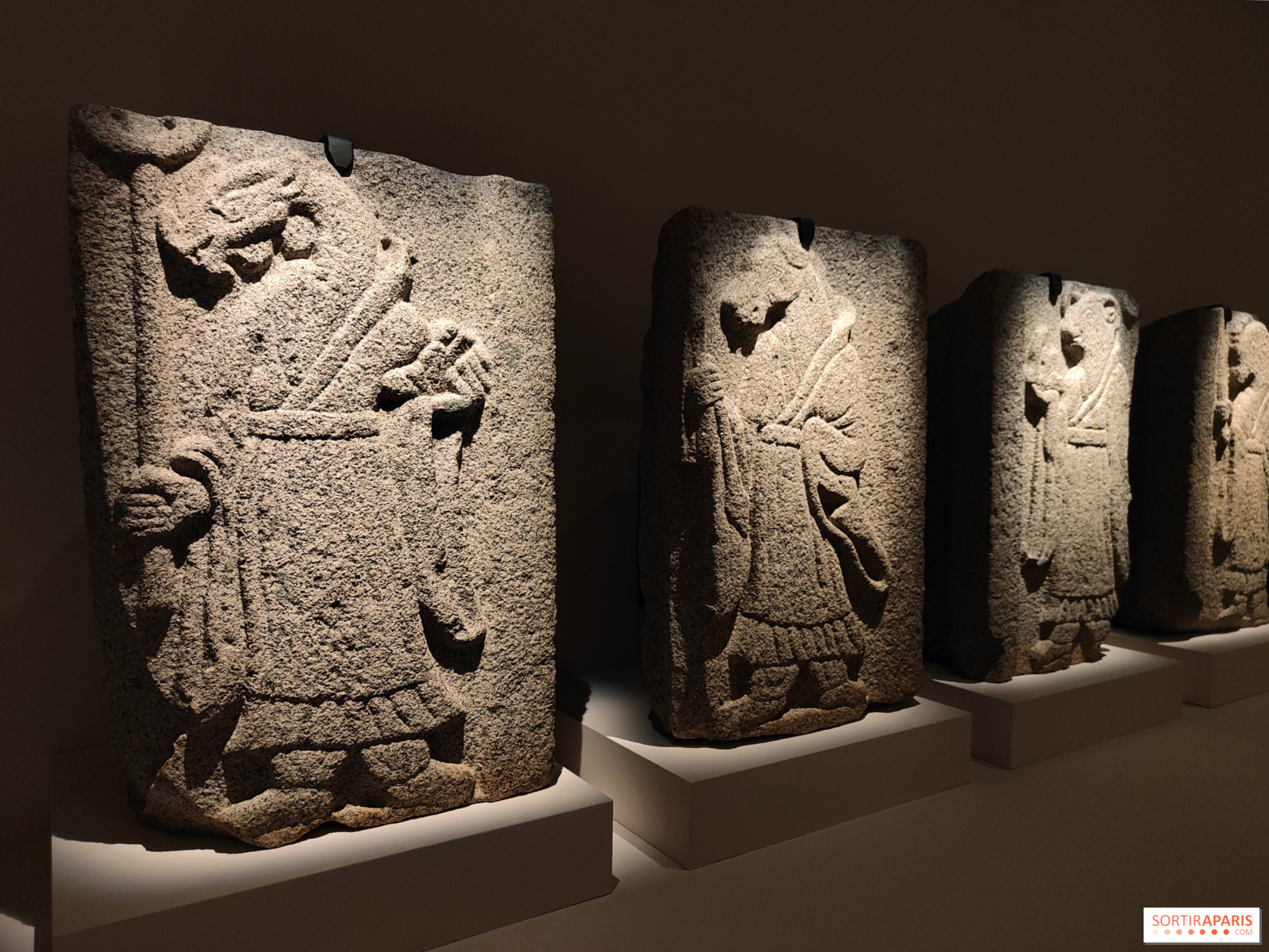
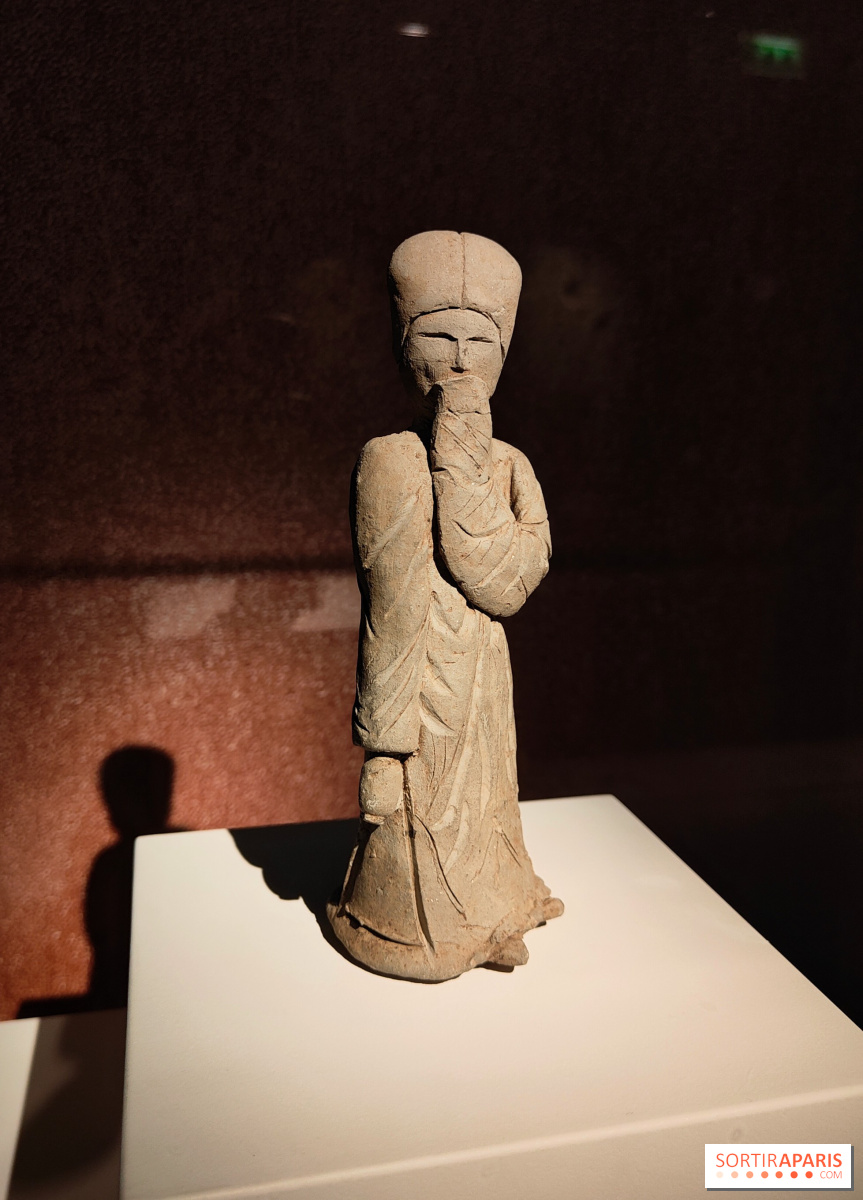
This exhibition opens a window on a history and a civilization that are still largely unfamiliar to audiences in France. The wall texts guide us and help unlock more about the Silla kingdom, its customs, and its significance. The route mixes practical artifacts (axes, vases, pieces of armor) with spiritual works. Don’t be fooled by the apparent simplicity of some vases or sculptures: the labels reveal that these millennia-old pieces are extraordinarily precious. Other objects, gilded and inlaid with gems, catch the eye at once—and they, too, hide a wealth of information about this bygone civilization.
The parcours is thematic, tracing the story of an entire region of Asia. The exhibition should especially appeal to history enthusiasts who relish archaeological discoveries and remarkably ancient treasures. It’s also an opportunity to glimpse a chapter of South Korean history — one that differs quite a bit from the narrative most people know today.
This exhibition runs throughout the summer at the Guimet Museum in Paris.
This test was conducted as part of a professional invitation. If your experience differs from ours, please let us know.
Dates and Opening Time
From May 20, 2026 to August 31, 2026
Location
Musée National des Arts Asiatiques Guimet
6, place d´ Iéna - 19, avenue d´ Iéna
75116 Paris 16
Route planner
Accessibility info
Access
Metro line 9 "Iéna" station
Prices
Tarif réduit: €12
Plein tarif: €15
Official website
www.guimet.fr











































![[En attente d'infos] Exposition Magie à la Cité des Sciences : quand l’illusion devient une expérience scientifique](https://cdn.sortiraparis.com/images/1021/66131/1294743-exposition-magie-a-la-cite-des-sciences-quand-l-illusion-devient-une-experience-scientifique.jpg)
![[En attente d'infos] Exposition Magie à la Cité des Sciences : quand l’illusion devient une expérience scientifique](https://cdn.sortiraparis.com/images/1022/66131/1294743-exposition-magie-a-la-cite-des-sciences-quand-l-illusion-devient-une-experience-scientifique.jpg)
![[En attente d'infos] Exposition Magie à la Cité des Sciences : quand l’illusion devient une expérience scientifique](https://cdn.sortiraparis.com/images/1023/66131/1294743-exposition-magie-a-la-cite-des-sciences-quand-l-illusion-devient-une-experience-scientifique.jpg)
![[En attente d'infos] Exposition Magie à la Cité des Sciences : quand l’illusion devient une expérience scientifique](https://cdn.sortiraparis.com/images/1024/66131/1294743-exposition-magie-a-la-cite-des-sciences-quand-l-illusion-devient-une-experience-scientifique.jpg)