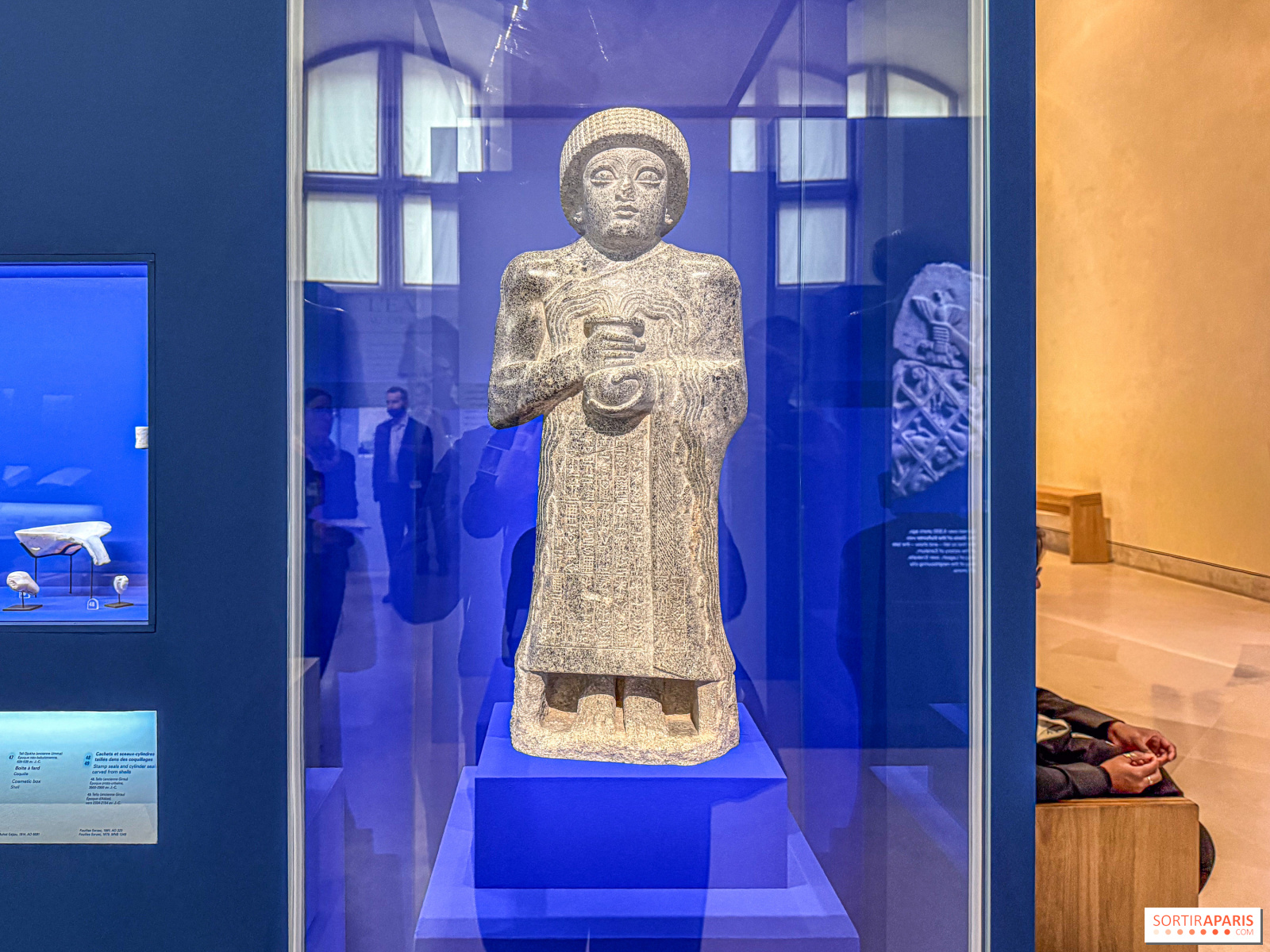
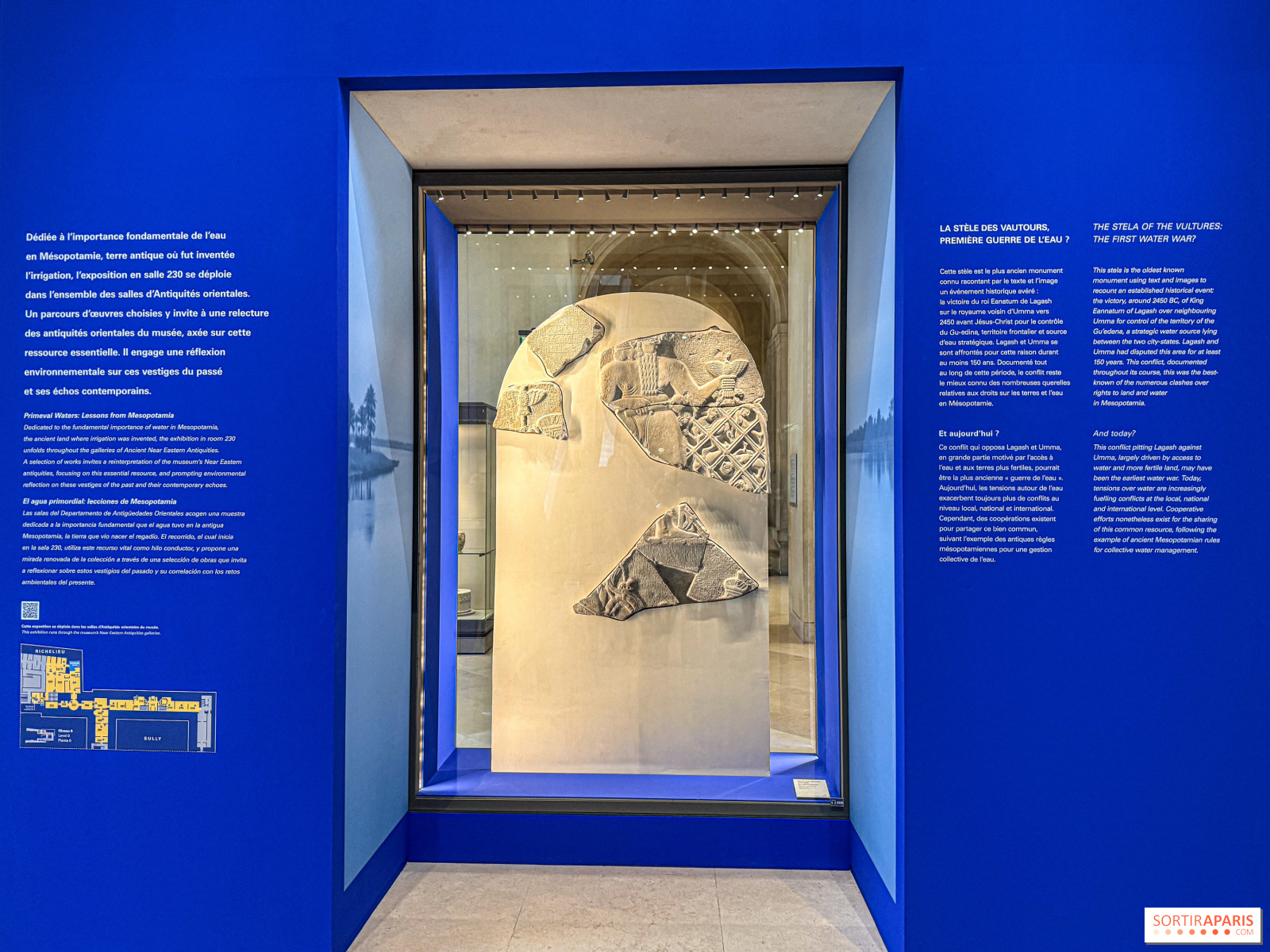
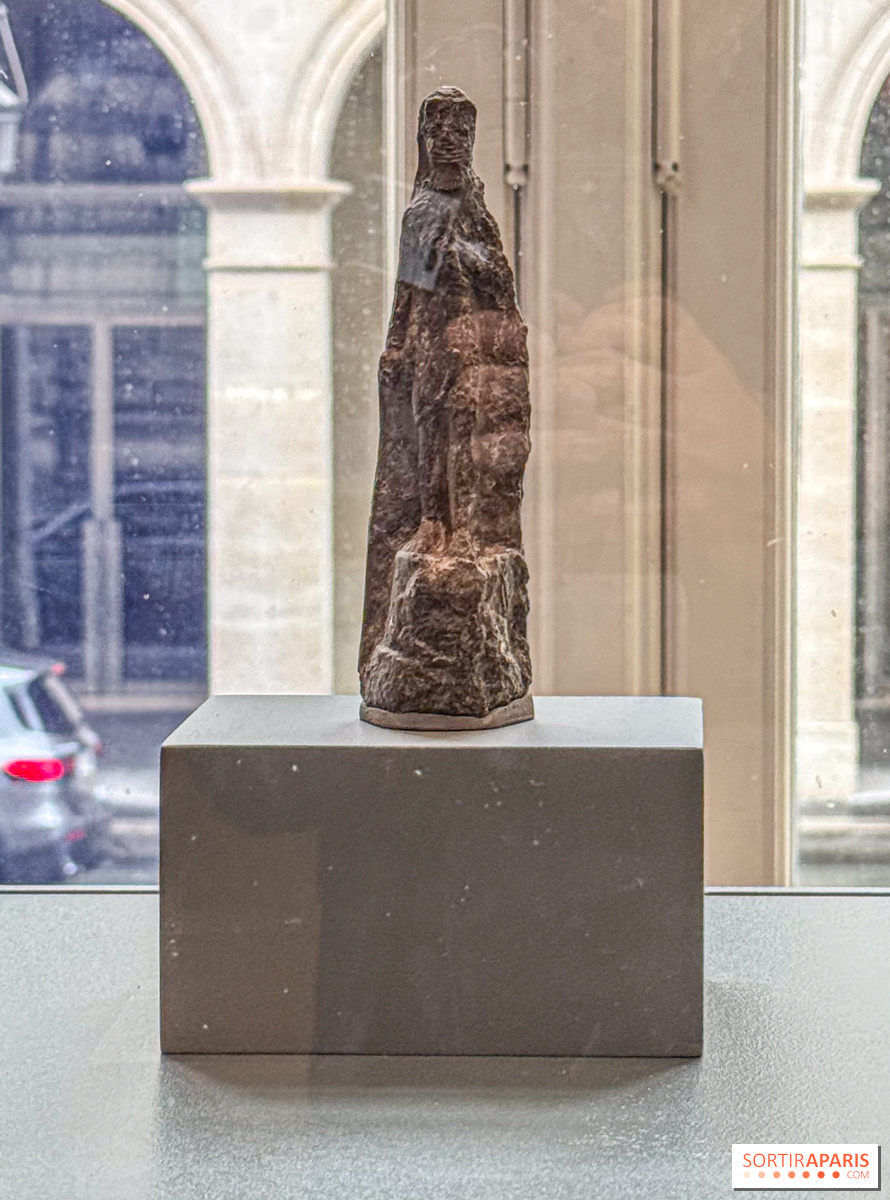
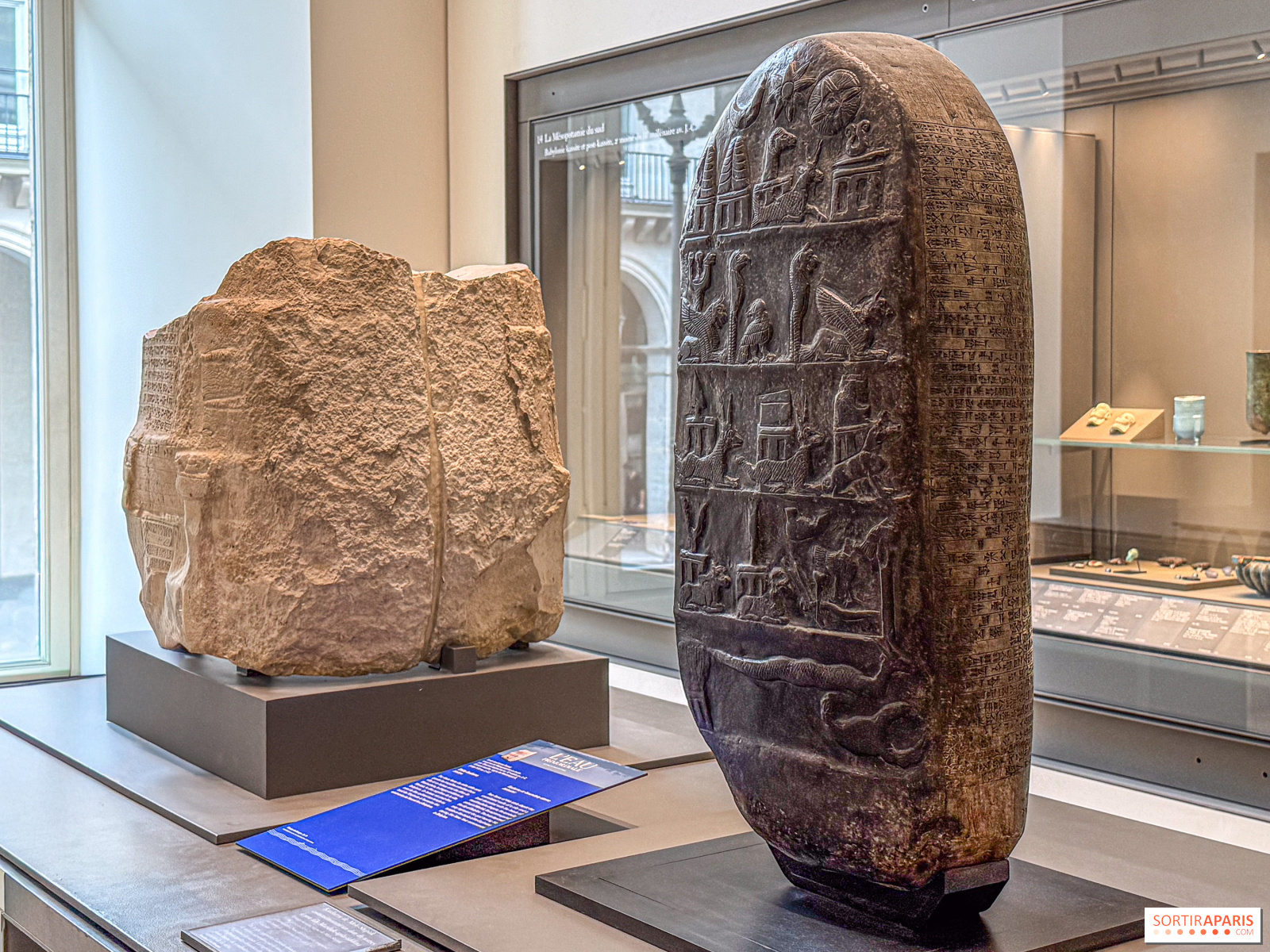
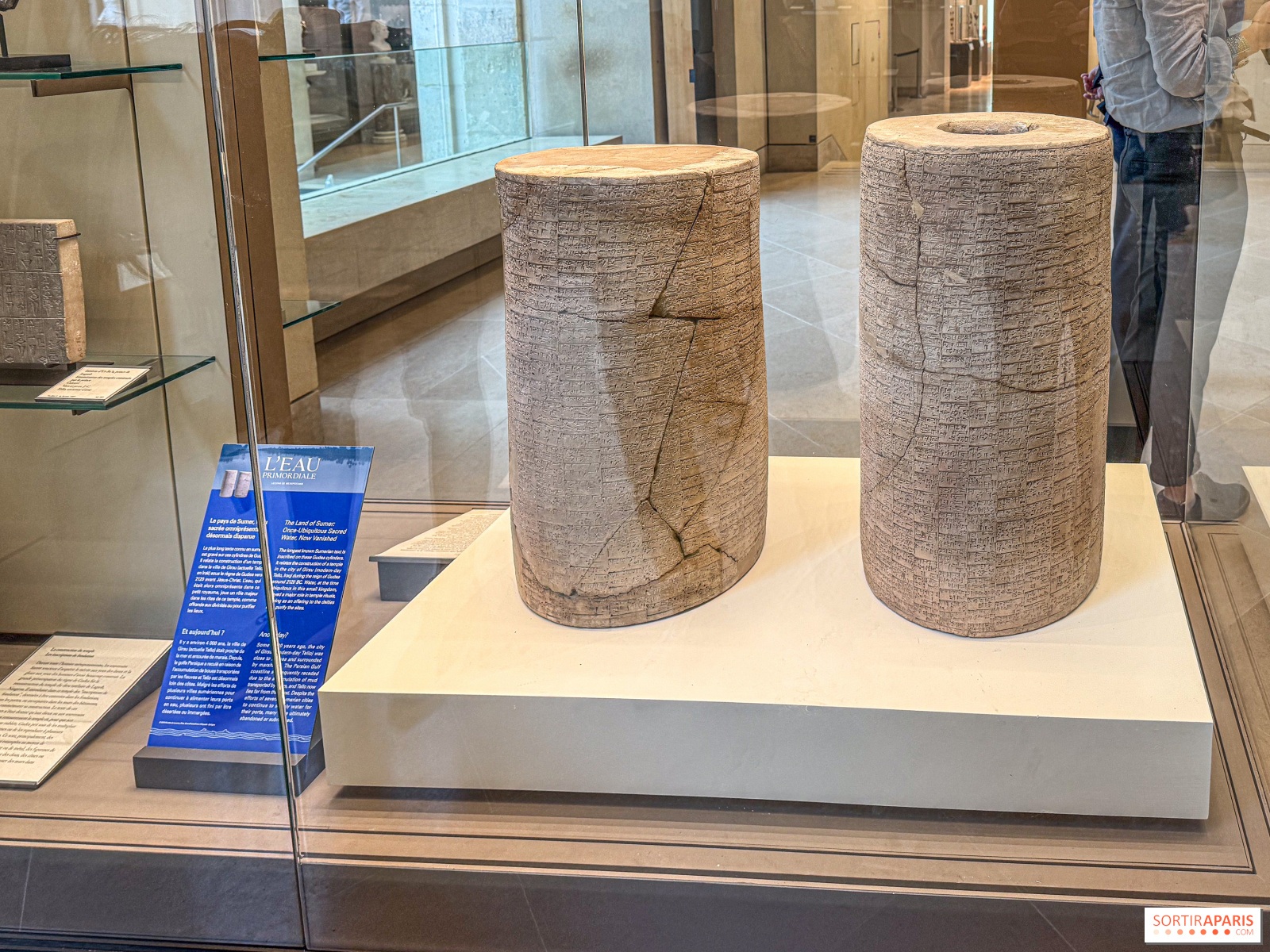
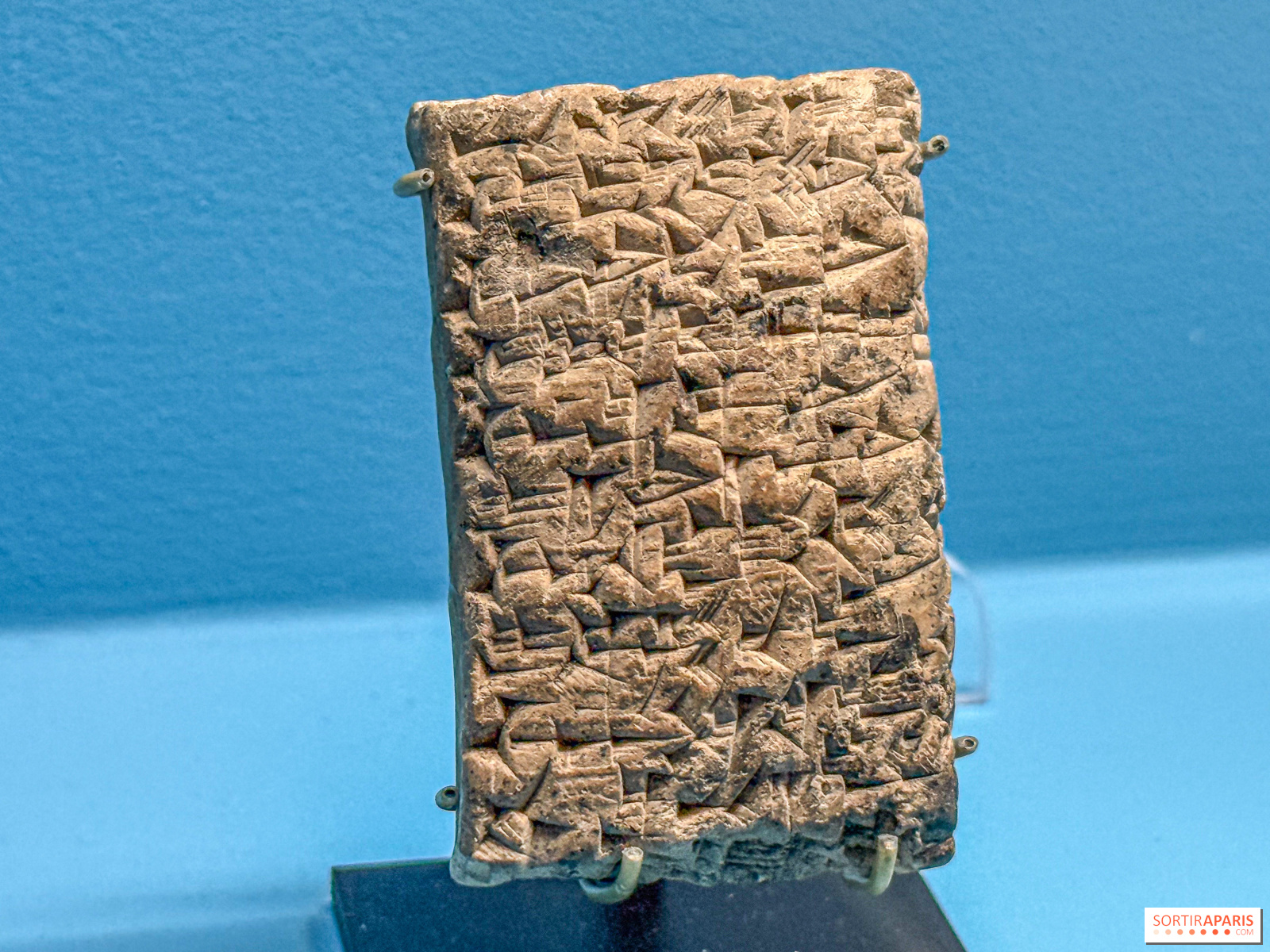
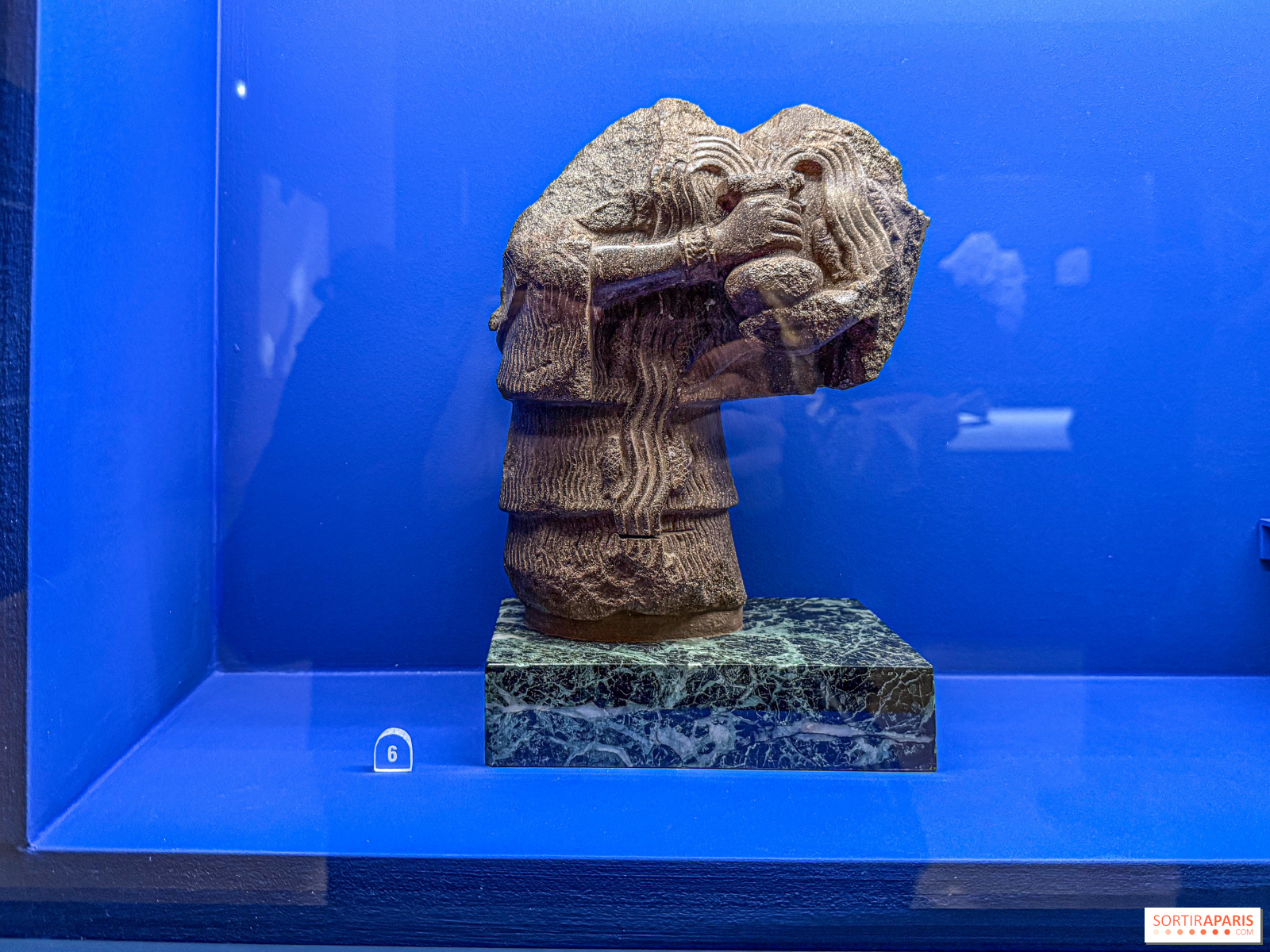
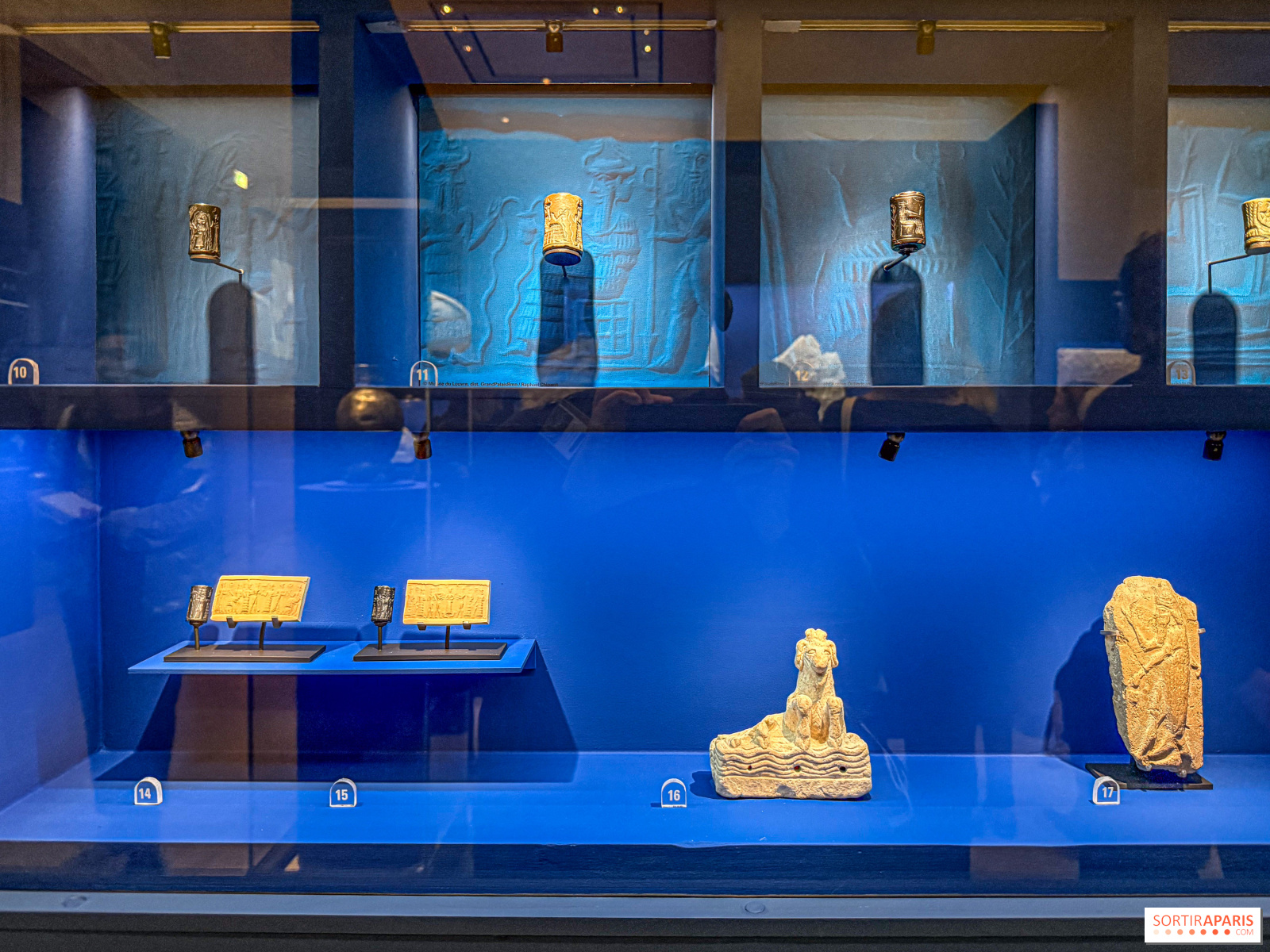
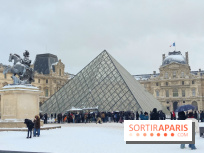
And if the history of Mesopotamia could also be read through its rivers? With Primordial Water, Lessons from Mesopotamia, the Louvre Museum presents an exhibition dedicated to the role of water in one of the great ancient civilizations, running from May 20, 2026 to March 15, 2027. The display unfolds in the Department of Near Eastern Antiquities, between the Richelieu Wing and the Sully Wing, with a anchor point in Gallery 230. From mythic tales to early irrigation technologies, the show reveals how Mesopotamian societies navigated rivers, soils, and environmental resources through legal texts, a variety of objects, and administrative contracts.
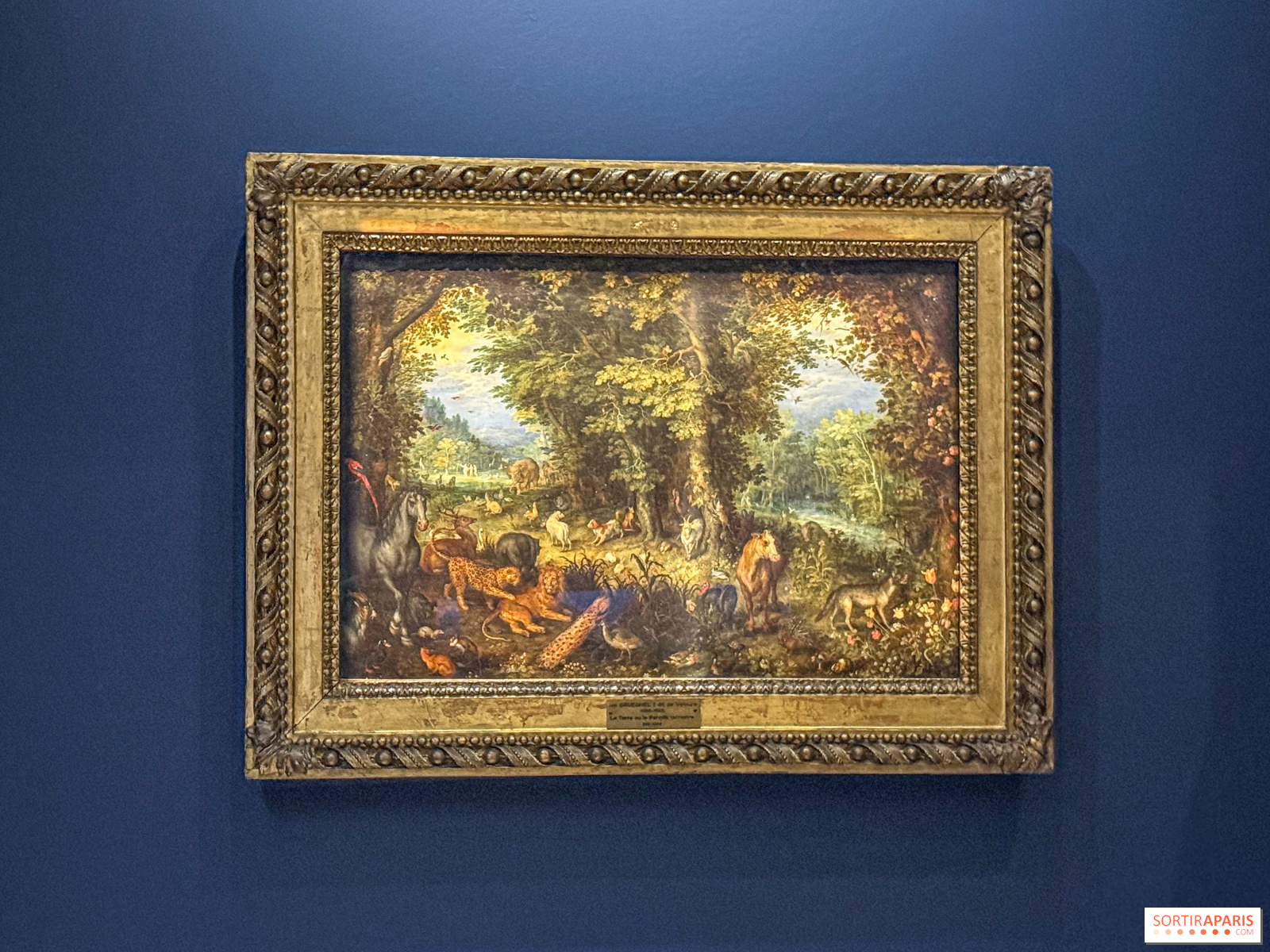
Riven by the Tigris and Euphrates, two rivers long linked with the biblical idea of paradise, ancient Mesopotamia gave rise to the world’s earliest large-scale irrigation networks. The exhibition revisits this watery landscape where water was everywhere, in stark contrast to some regions today marked by severe drought. It highlights the canals, levees, bridges, aqueducts, piping networks and artificial lakes that dramatically reshaped the landscape and the way societies were organized.
Located at the heart of the Department of Oriental Antiquities, the exhibit guides visitors through how control of water underpinned the rise of Mesopotamian cities. These systems, designed to irrigate, move people and goods, enable trade, or shield communities, brought prosperity and power — while also revealing their long-term limits. They testify to humanity’s deliberate reshaping of the natural world, with enduring consequences for the land and its people.
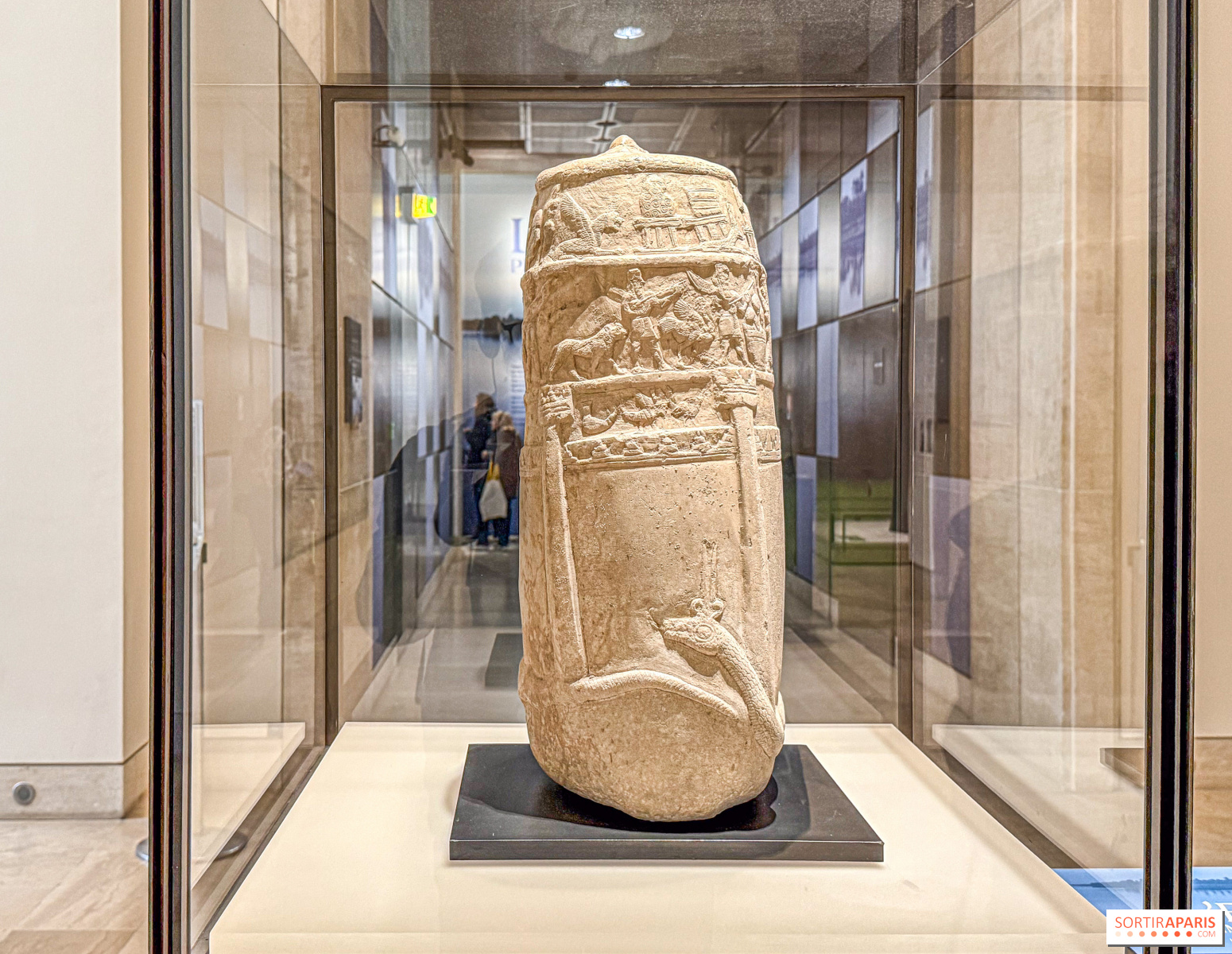
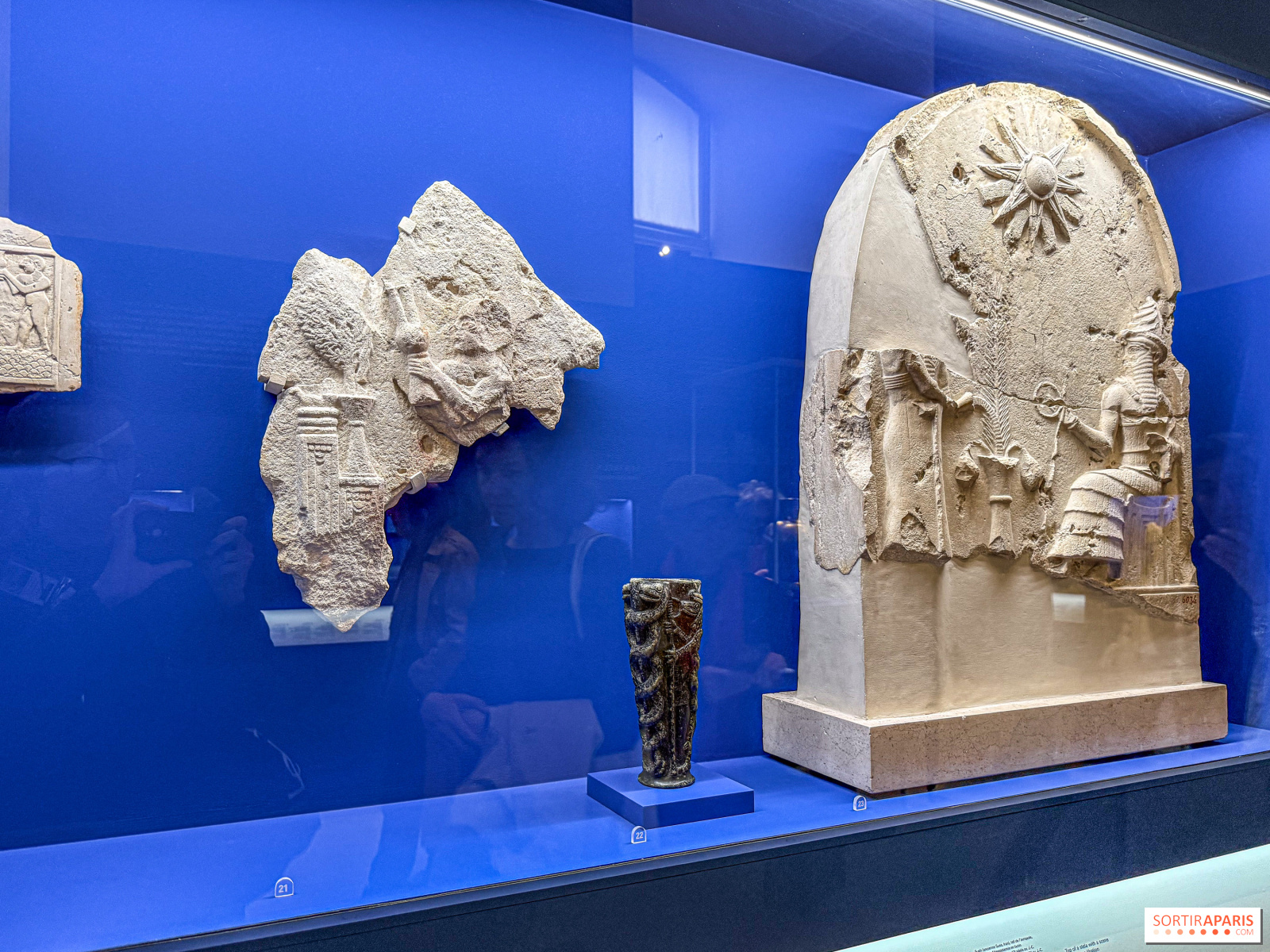
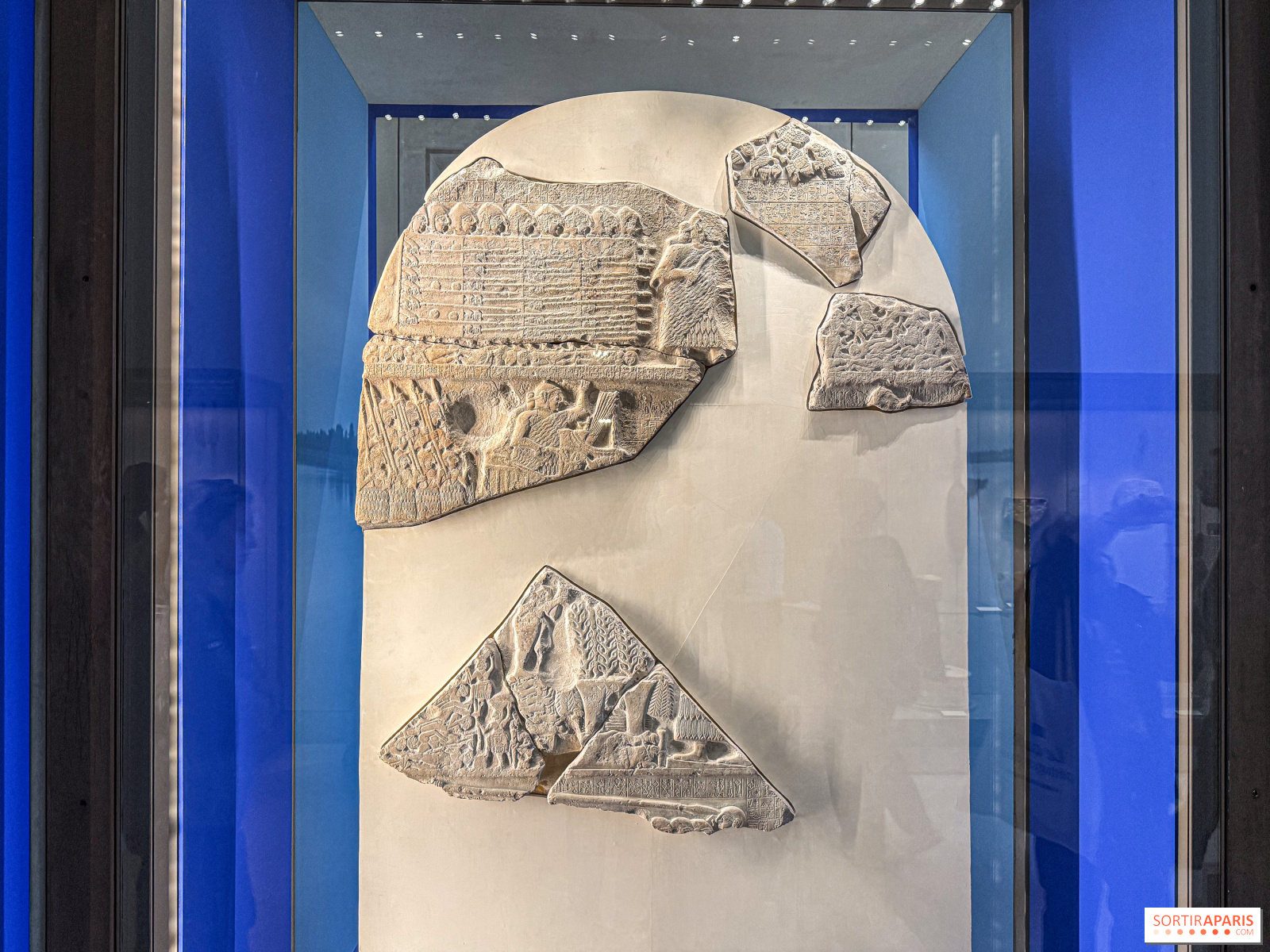
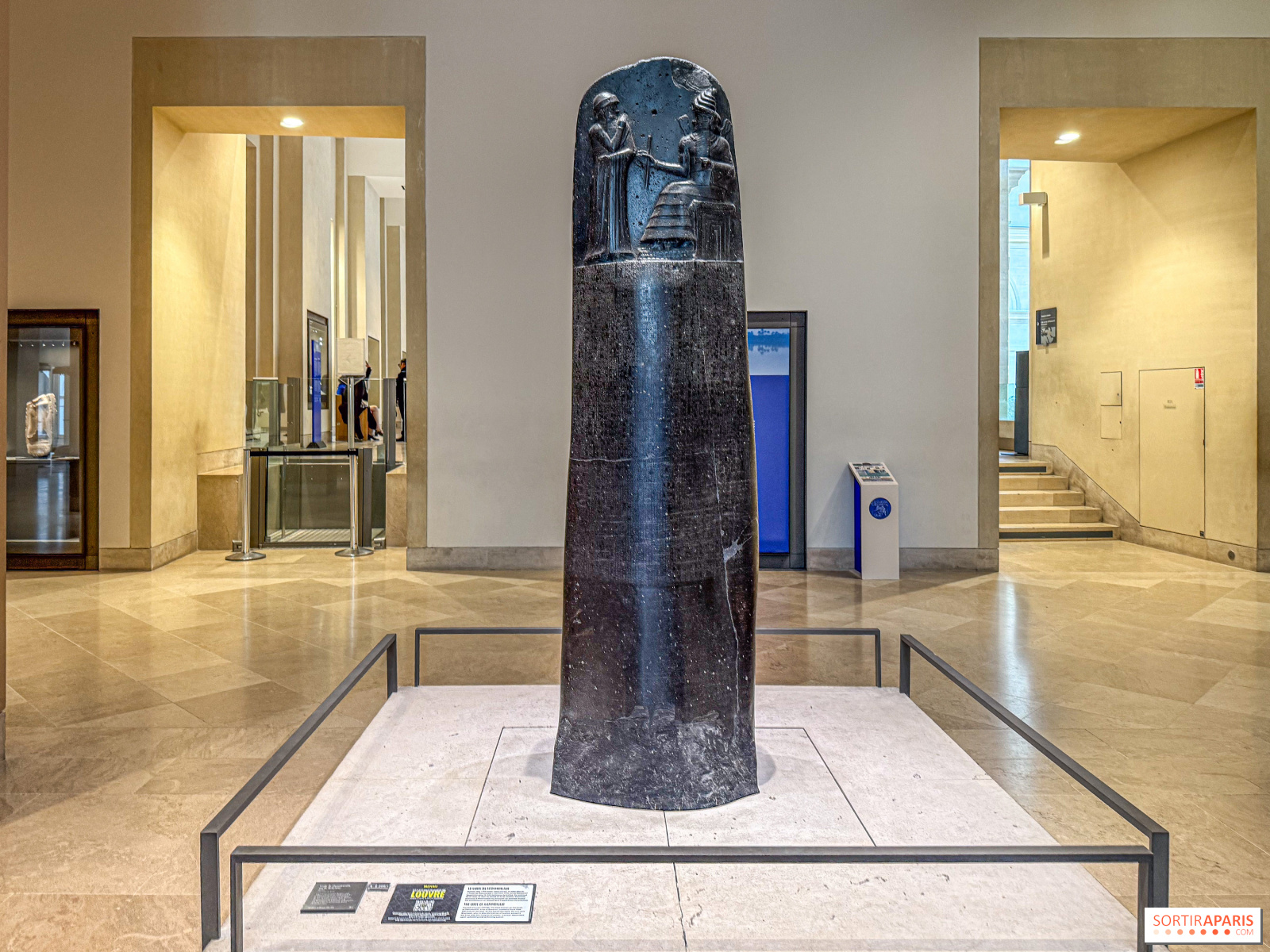
Another key piece in this reflection: the Hammurabi Stele, housed at the Louvre Museum. It was created in Mesopotamia during the reign of King Hammurabi of Babylon, dating from 1792–1750 BCE. Unearthed at Susa, in Iran, during the French excavations of 1901–1902, it is engraved in cuneiform and written in Old Babylonian, an early form of Akkadian.
Known today as one of the great ancient-law texts, it also reveals a great deal about how the Mesopotamians related to water—covering dam maintenance, canal management, and the damage irrigation could cause to fields when poorly controlled. Behind these rules you can see that water bore responsibility for everyone. It sustained the land, but could also fuel disputes when it overflowed, ran short, or was mismanaged. The stele thus reminds us that in Mesopotamia, running a city also meant organizing access to this vital resource.
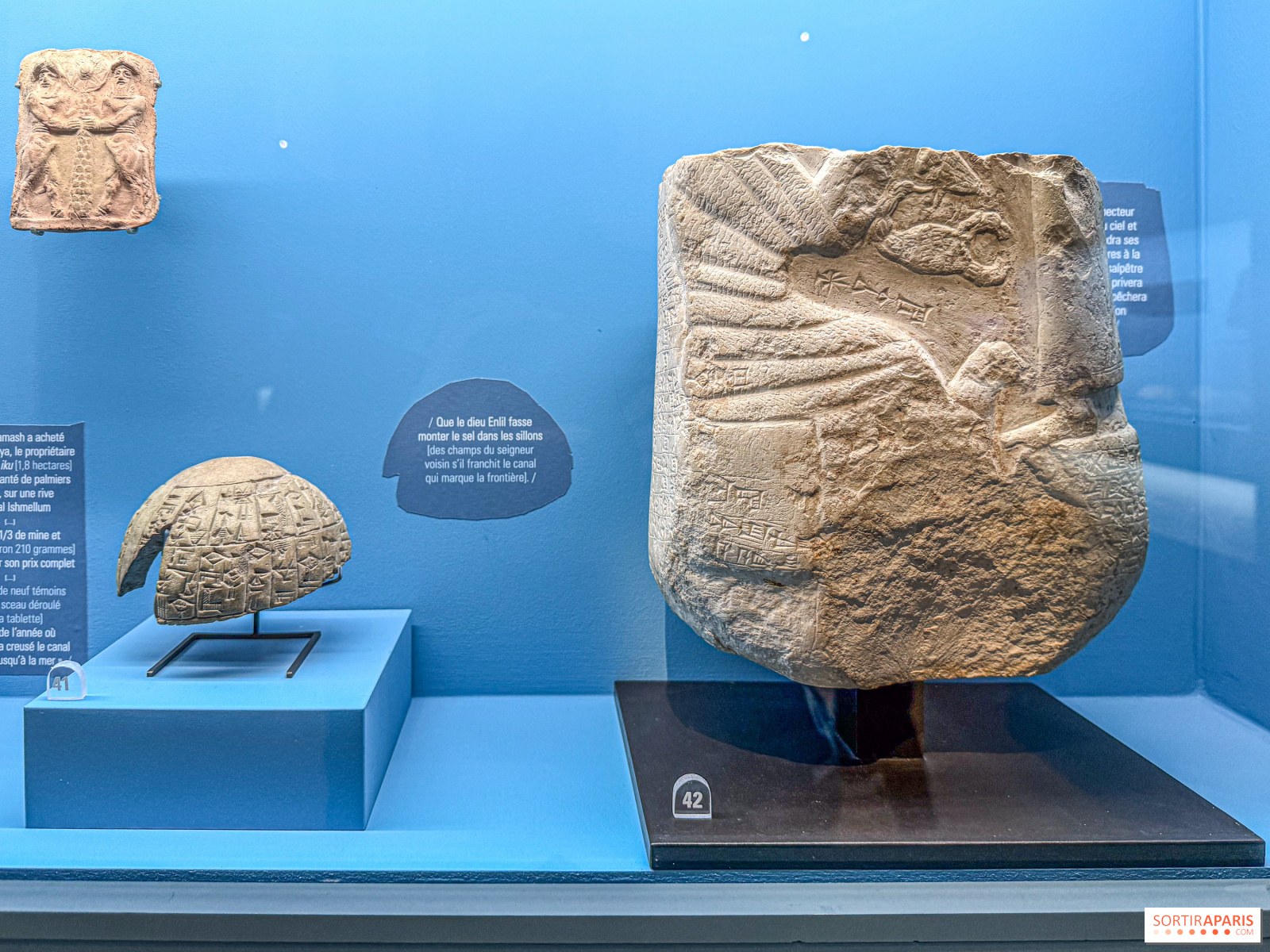
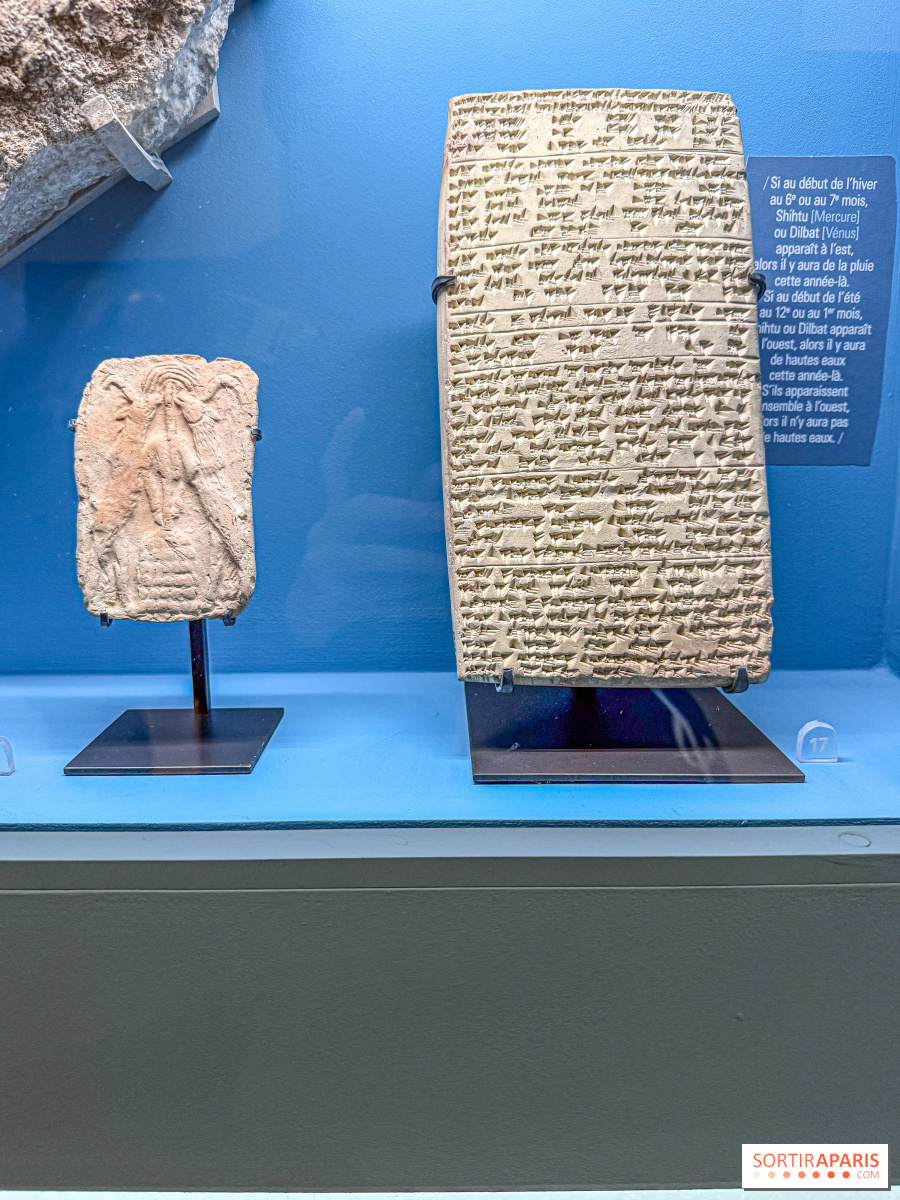
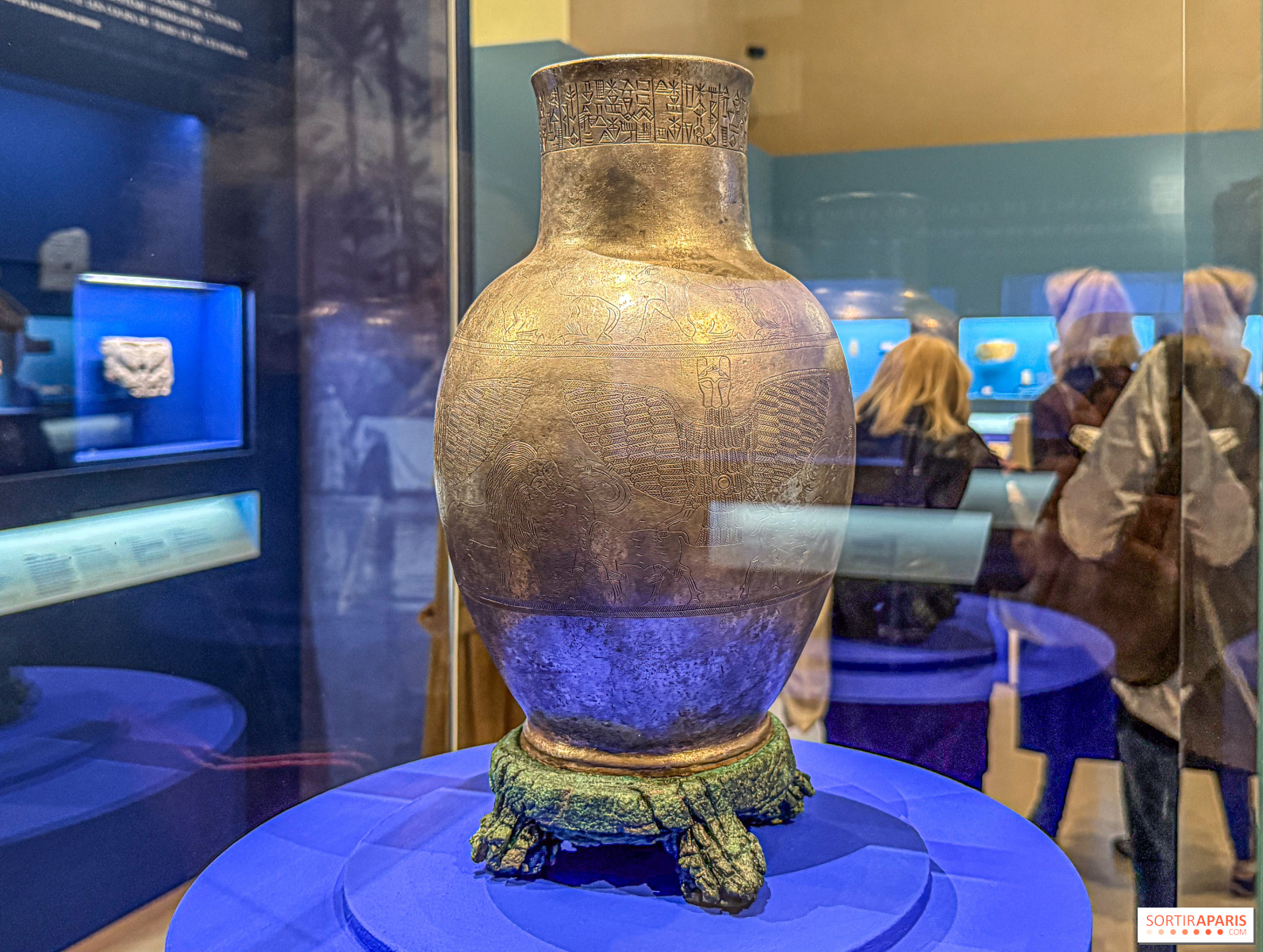
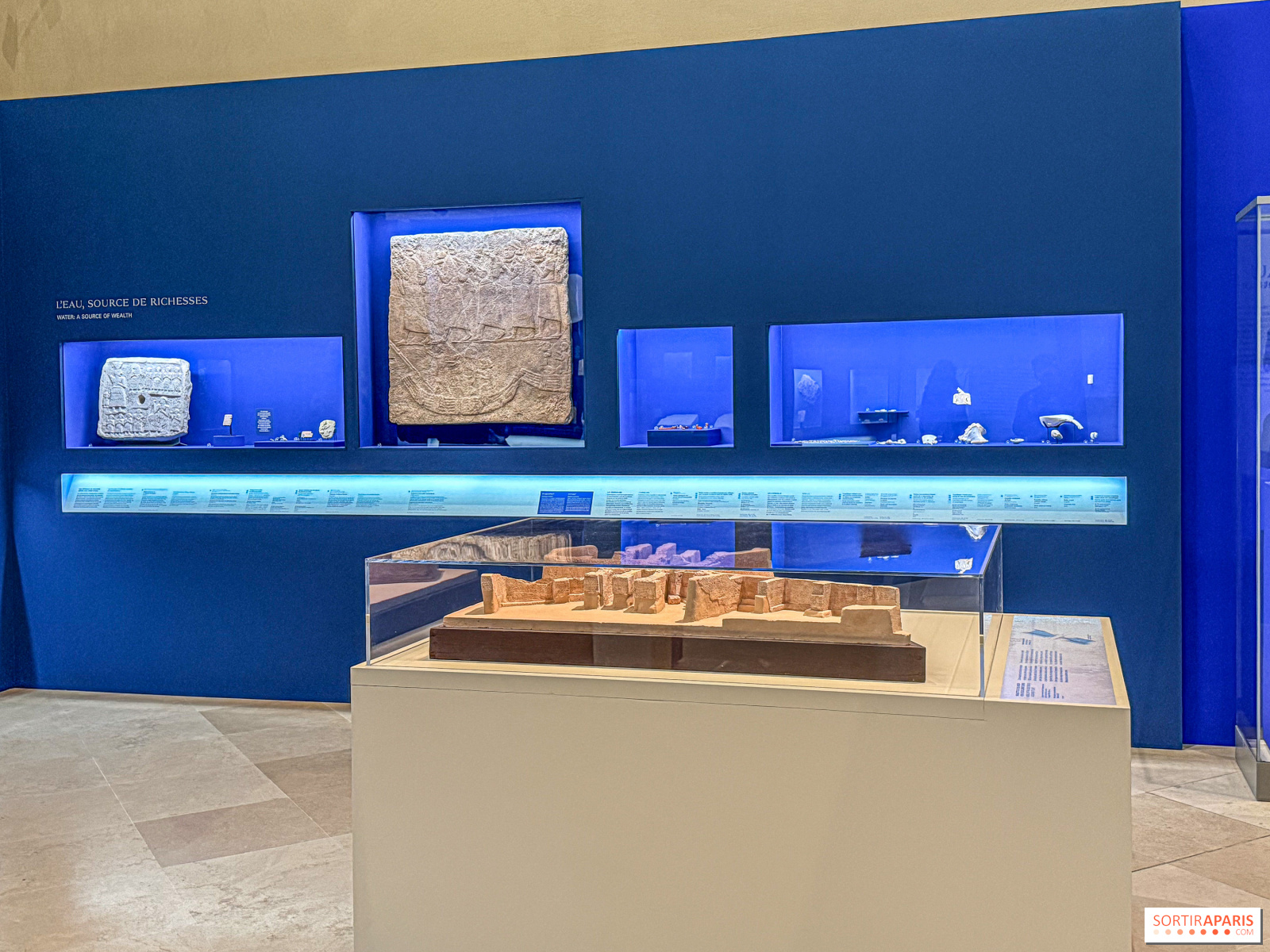
In an effort to be eco-conscious, the Musée du Louvre has chosen to design this exhibition from its own collection of Oriental antiquities. The salle 230 brings together around a hundred Mesopotamian works, while the route continues into the department’s permanent galleries. Spanning nearly eight thousand years, from Central Asia to the Mediterranean, 27 pieces are presented to visitors from a renewed perspective, centered on water and environmental questions.
In Mesopotamian imagination, water sits at the heart of both the divine realm and human life. A vital, sacred and regenerating element, it appears in several creation myths, yet it can also become a destructive force. The dangers of floods and inundations notably fed the Flood stories, present in several traditions of the ancient Near East.
The exhibition thus presents water as a double-edged element: a source of life, prosperity and civilization, but also a driver of chaos, death and disorder. Fresh or salty, subterranean or celestial, present in rituals or feared in its excesses, it underscores the fragility of human civilization, dependent on a constant balance between drought and flood.
The discussion stretches to present-day concerns: access to water, dwindling resources, climate upheaval, and disputes over control. The exhibition draws a parallel between the solutions devised in antiquity and today’s challenges, especially in regions now grappling with drought. It invites us to learn from the Mesopotamians’ relationship with water, without reducing that history to a mere reflection of the present.
The Mesopotamia, whose name in Greek means "the land between the rivers," was a region of striking ecological diversity. Mountains where rivers began, irrigated plains, marshes, the coastline of the Arab-Persian Gulf: water shaped the landscapes and ways of life. In the 3rd and 2nd millennia BCE, the sea extended farther north than today, while cities like Lagash or Larsa formed true ancient "Venices," where travel was mainly by boat.
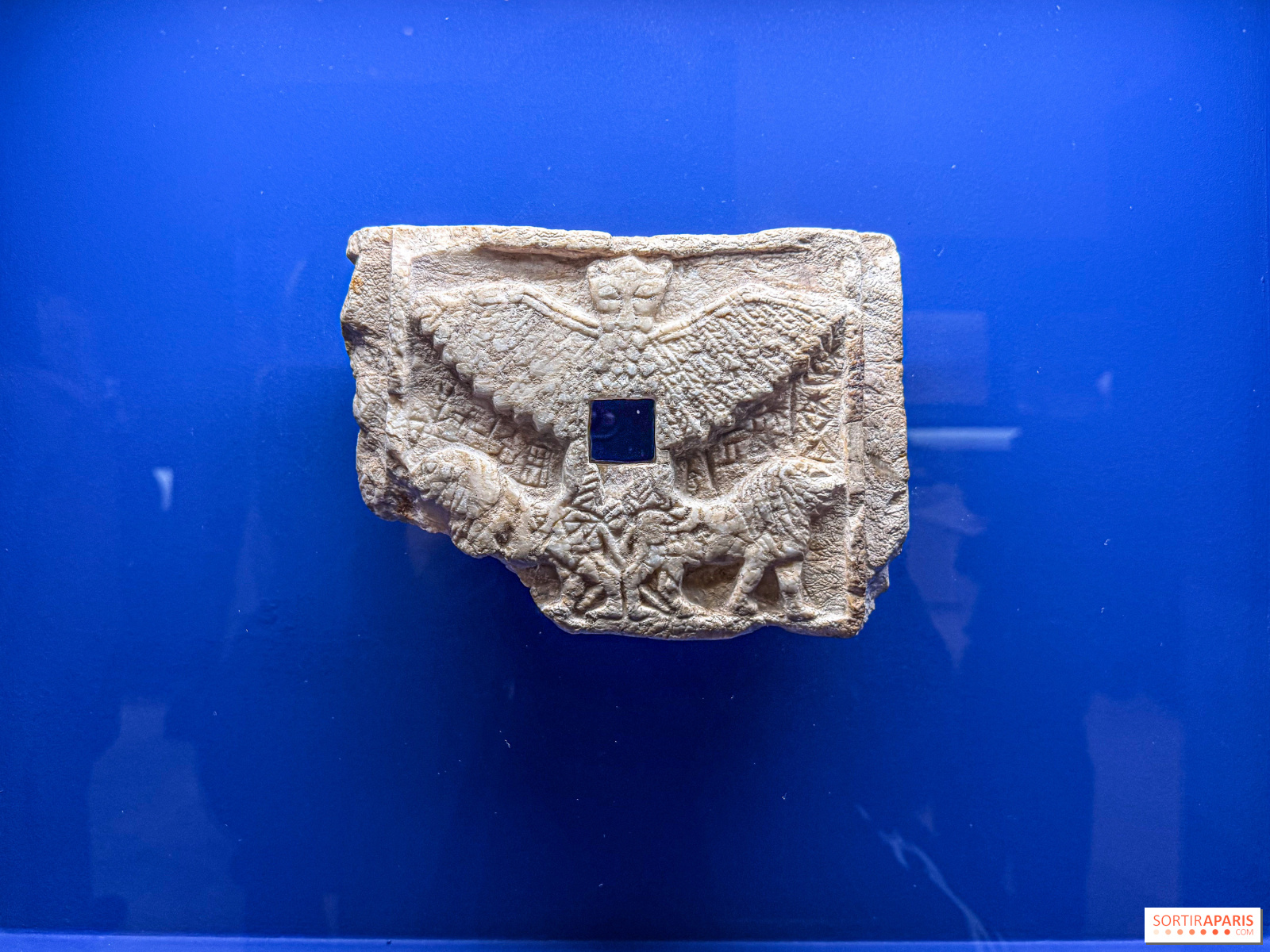
The exhibition also reveals how water stood at the center of power. Seen as a divine gift, it legitimized the authority of kings responsible for maintaining canals, levees, and crossing works. It fostered river and maritime trade, yet could also become a border, a strategic stake, or even a weapon when redirected to weaken a neighboring city. "This exhibition will take us into the heart of water as creator and destroyer in Mesopotamia, a primordial element not only sacred but also a crucial lever in water policies, a source of life and power as much as a driver of conflict," the museum explains.
By presenting L’Eau primordiale, the Musée du Louvre offers an interpretation that is archaeological, environmental, and political in its look at an element that runs through civilizations. Under the curatorship of Ariane Thomas, director of the Department of Oriental Antiquities, with Barbara Couturaud and Grégoire Nicolet as associate curators, the exhibition invites us to view Mesopotamian works in a new light. It opens a space for reflection on what ancient societies can still teach us—not as models to imitate, but as reference points for better interrogating our own way of inhabiting the world.
This page may contain AI-assisted elements, more information here.
Dates and Opening Time
From May 20, 2026 to March 15, 2027
Location
Louvre Museum
musée du louvre
75001 Paris 1
Route planner
Accessibility info
Access
Metro Palais Royal - Musée du Louvre
Prices
Tarif ressortissants européens: €22
Tarif ressortissants hors UE: €32
Official website
www.louvre.fr
Booking
Book your tickets with Paris je t'aime here
More information
Open on Mondays, Thursdays, Saturdays, and Sundays from 9 a.m. to 6 p.m., and on Wednesdays and Fridays from 9 a.m. to 9 p.m.