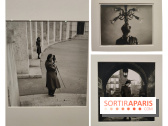
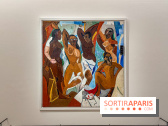
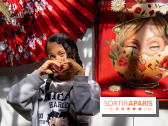
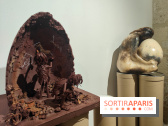
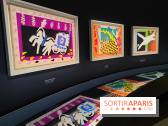
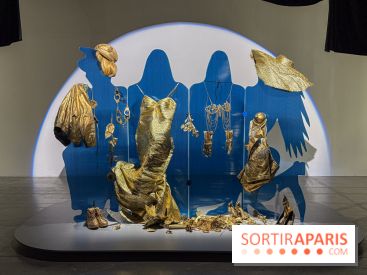
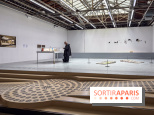
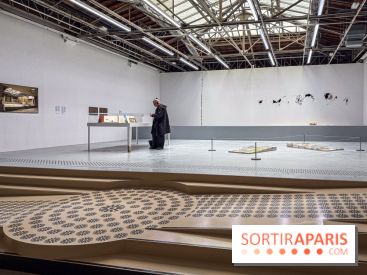
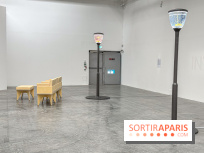
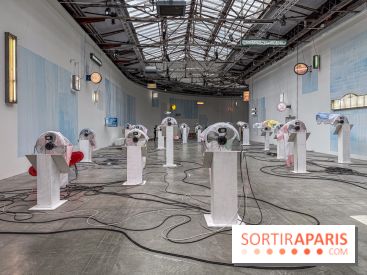
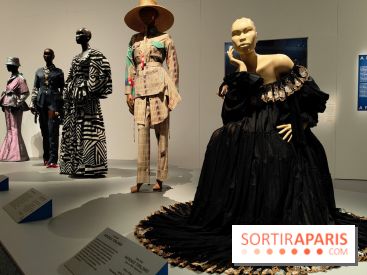
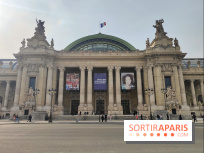
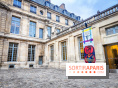
In Paris, the Palais de Tokyo presents a group exhibition centered on Cheryl Marie Wade from April 3 to September 13, 2026. Dedicated to this poet and a leading figure in Berkeley's crip scene, the program blends archives, performances and contemporary installations. A way to reclaim space for an artistic voice where poetry, activism and the memory of disability converge.
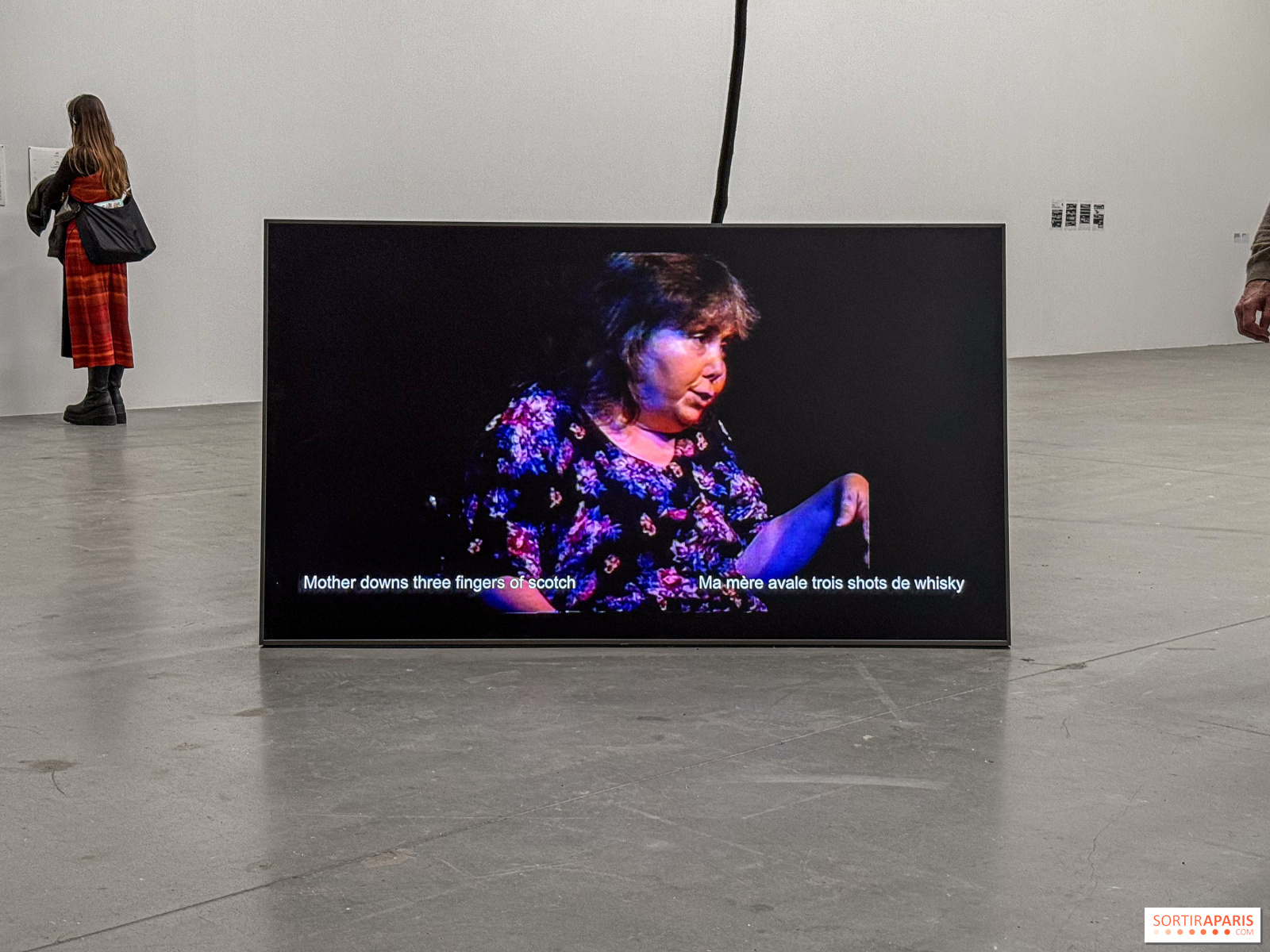
Drawing on documentary footage that remained largely unused for over twenty years, this exhibition offers a fresh look at the literary and performative world of Cheryl Marie Wade, a disabled artist from California who remains relatively unknown to the French public today. The project originated from footage shot in 2000 by Diane Maroger, a filmmaker and activist, initially intended for broadcast on France 3.
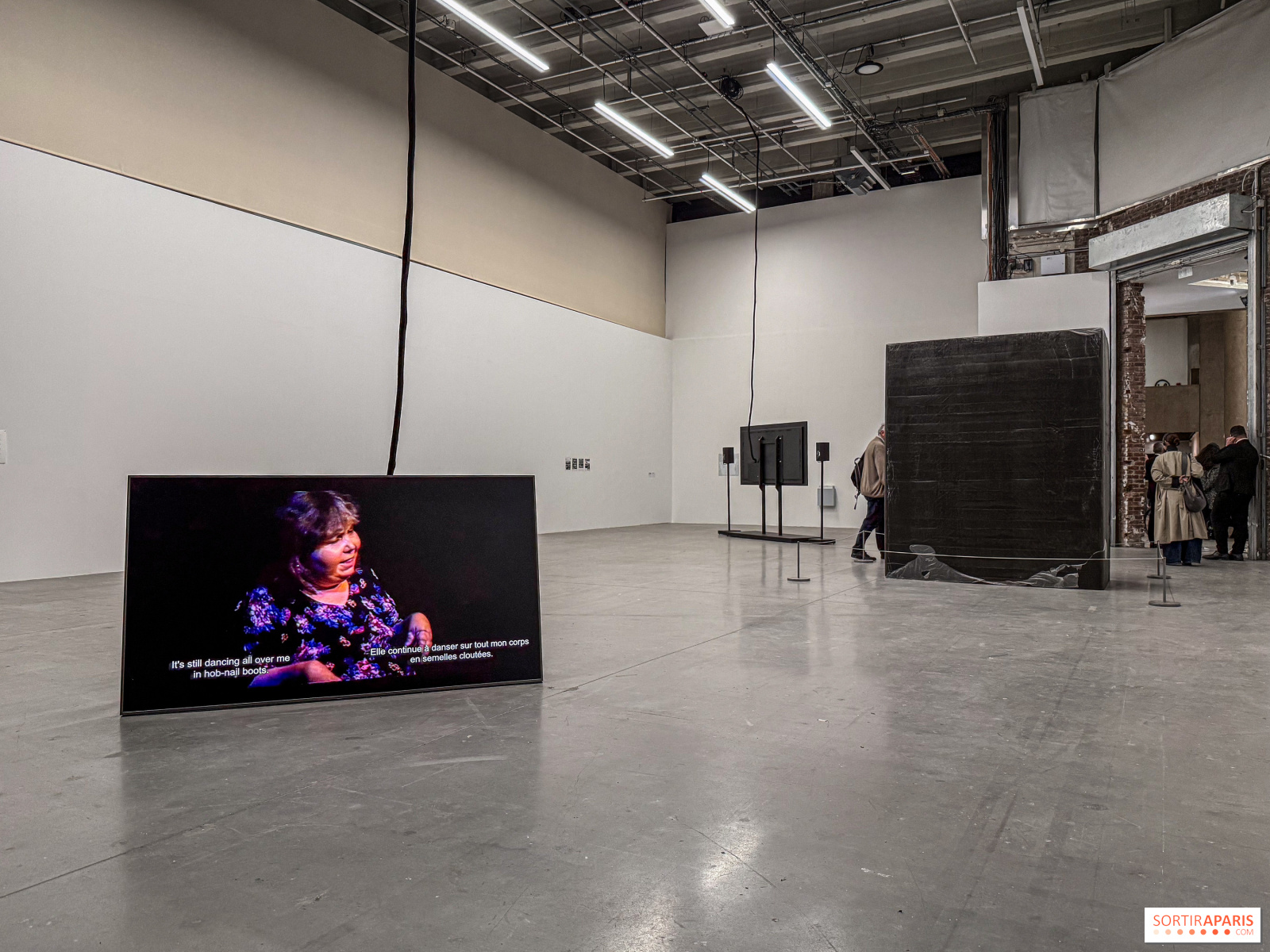
Since the program was never realized, the documentary collection gathered in Berkeley around the early 2000s now forms the core of this exhibition. It weaves together these visual archives with a curated selection of contemporary works that explore themes of disability, care, and committed poetry.
Through a series of videos, texts, installations, and readings, the exhibition aims to position disability as a lived experience within the artistic space. The poems of Cheryl Marie Wade, initially shared in women’s support groups and later performed publicly through one-woman shows or distributed on VHS, explore themes such as sexuality, physical pain, vulnerability, and bodily memory. Known as The Queen-Mother of Gnarly, Wade championed the use of the term "crip"—a reclaimed version of the pejorative "cripple"—as a tool for reclaiming identity within a burgeoning activist community that emerged in Berkeley during the 1980s.
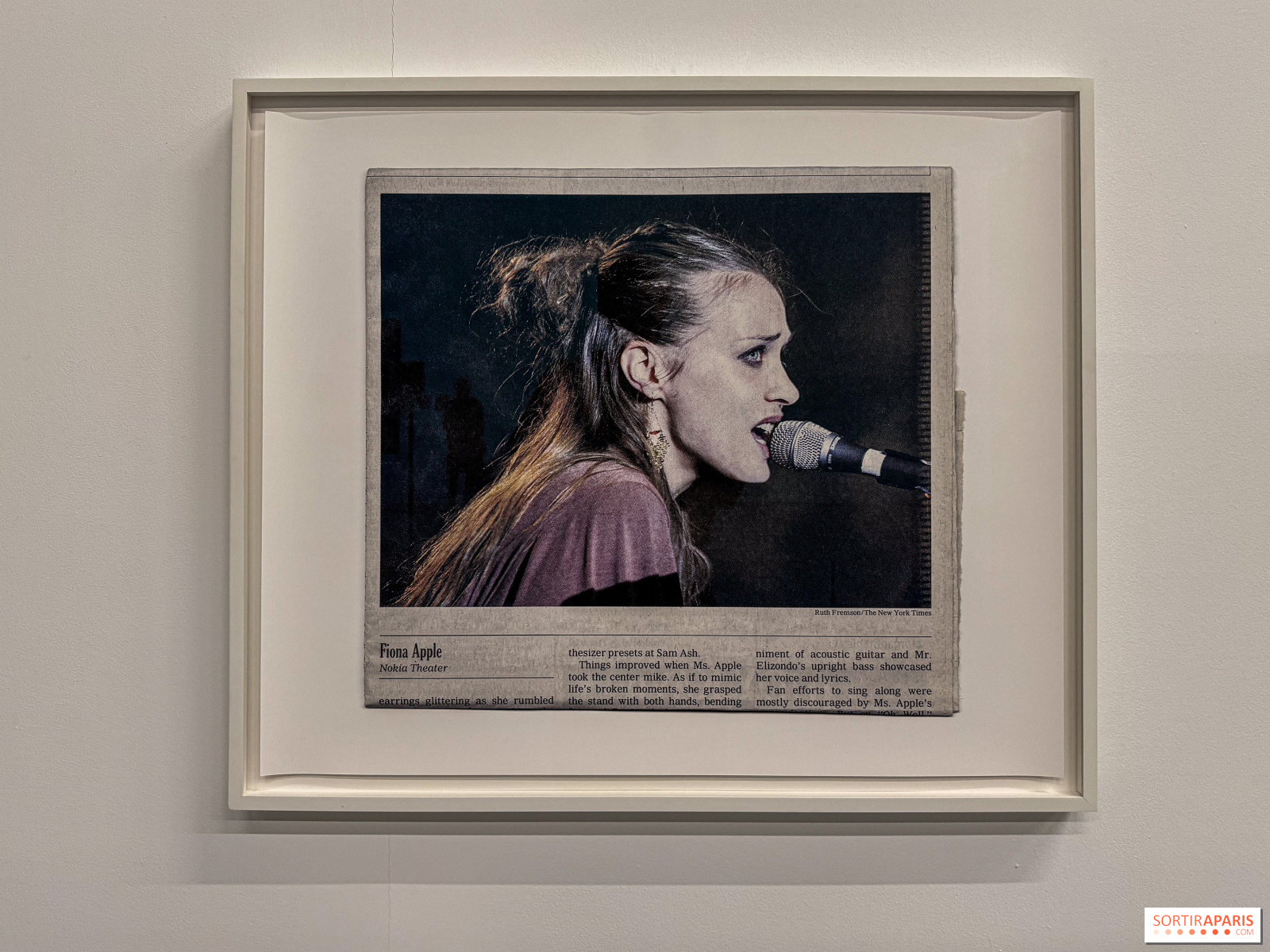
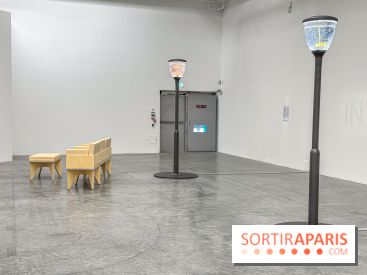
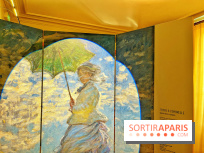
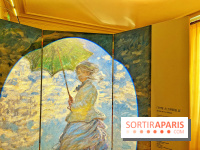
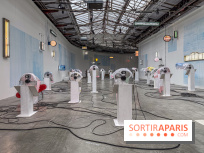
The Palais de Tokyo offers a broad exploration of this contemporary art scene by bringing together artists who, directly or symbolically, engage with issues raised by the American crip community. Archival footage is integrated into the exhibition space as a series of narrative fragments, each representing an effort to build a collective story about disability—one born from the voices and experiences of the very individuals at the heart of the conversation.
Few works by Cheryl Marie Wade have been published or translated into French to date. Her archives, held at Berkeley University, remain largely untapped. This lack of dissemination stands in stark contrast to the significant influence her writings and performances have had on the early development of Disability Studies in the United States. The exhibition at the Palais de Tokyo builds on this editorial gap by creating a space for listening, reading, and reflection—linking it to current debates surrounding care, mental health, and new forms of self-representation.
Alongside the exhibition, a poetry and performance festival dedicated to the French-speaking crip scene will take place at the Palais de Tokyo. This performative segment will give audiences the chance to engage with artists who explore, in their own unique ways, how disability can serve as a powerful force for artistic expression, social critique, or reshaping aesthetic standards.
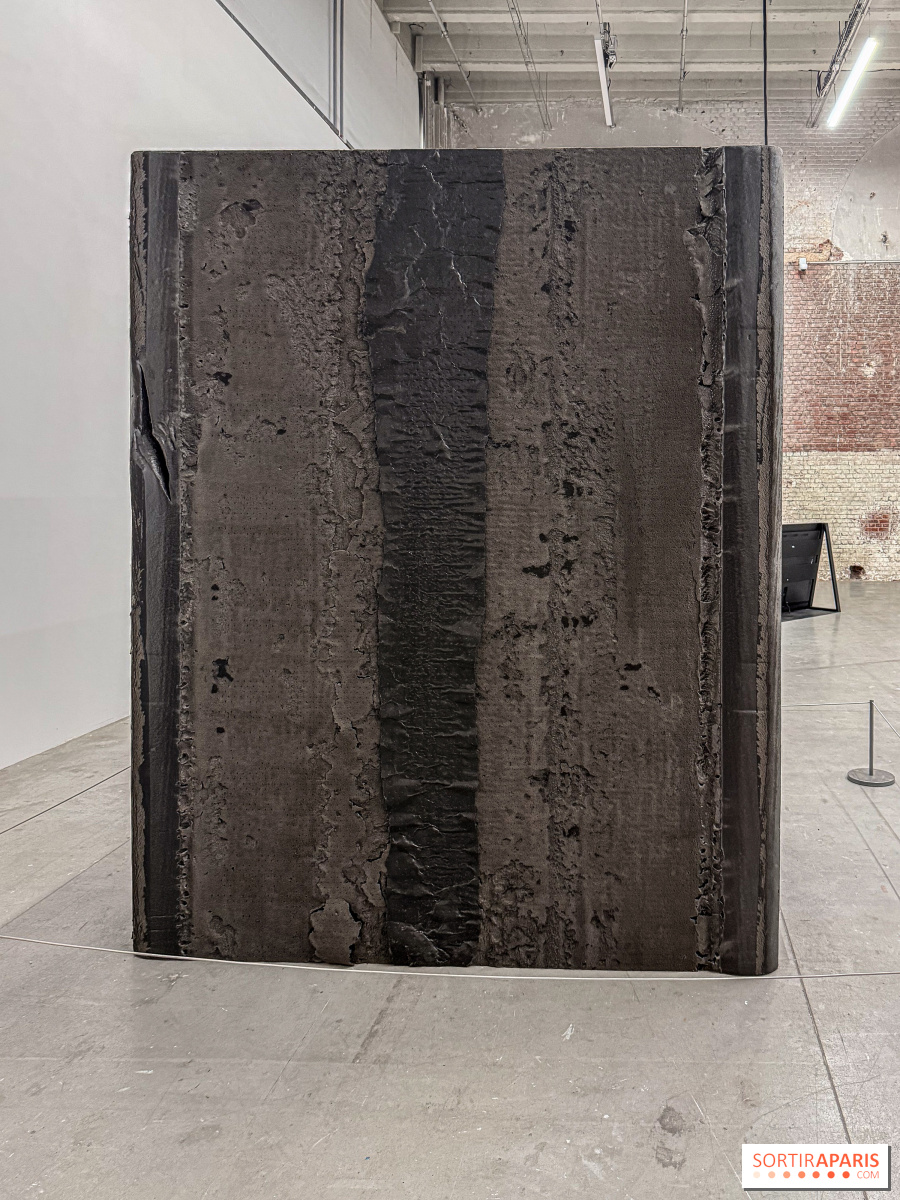
The work of Diane Maroger, conducted over several years in Berkeley, provides a fresh perspective on how marginalized experiences are conveyed within cultural institutions. The filmed footage, collected poems, and recorded testimonies create a layered landscape where personal history, activism, and artistic expression intertwine. These elements interact with the contemporary pieces on display, weaving a complex tapestry of visual and discursive echoes.
By combining unpublished archival materials, works by contemporary artists, and a dynamic programming schedule, the Palais de Tokyo crafts a space where knowledge and stories intersect. It tackles themes—artistic, social, and political—that are still rarely addressed in exhibitions across France. This collective effort opens new avenues for research and storytelling, shedding light on the vibrant culture of crip art and the creative expressions emerging from it, hinting at future explorations in this field.
This page may contain AI-assisted elements, more information here.
Dates and Opening Time
From April 3, 2026 to September 13, 2026
Location
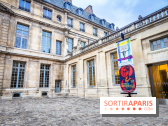
Palais de Tokyo
13, avenue du président Wilson
75116 Paris 16
Access
Metro line 9 "Iéna" or "Alma-Marceau" station
Prices
Tarif réduit: €9
Plein tarif: €13
Official website
palaisdetokyo.com
More information
Open daily from 12 p.m. to 10 p.m., except Tuesdays.