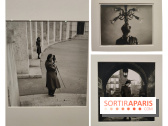
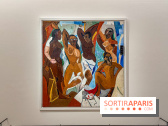
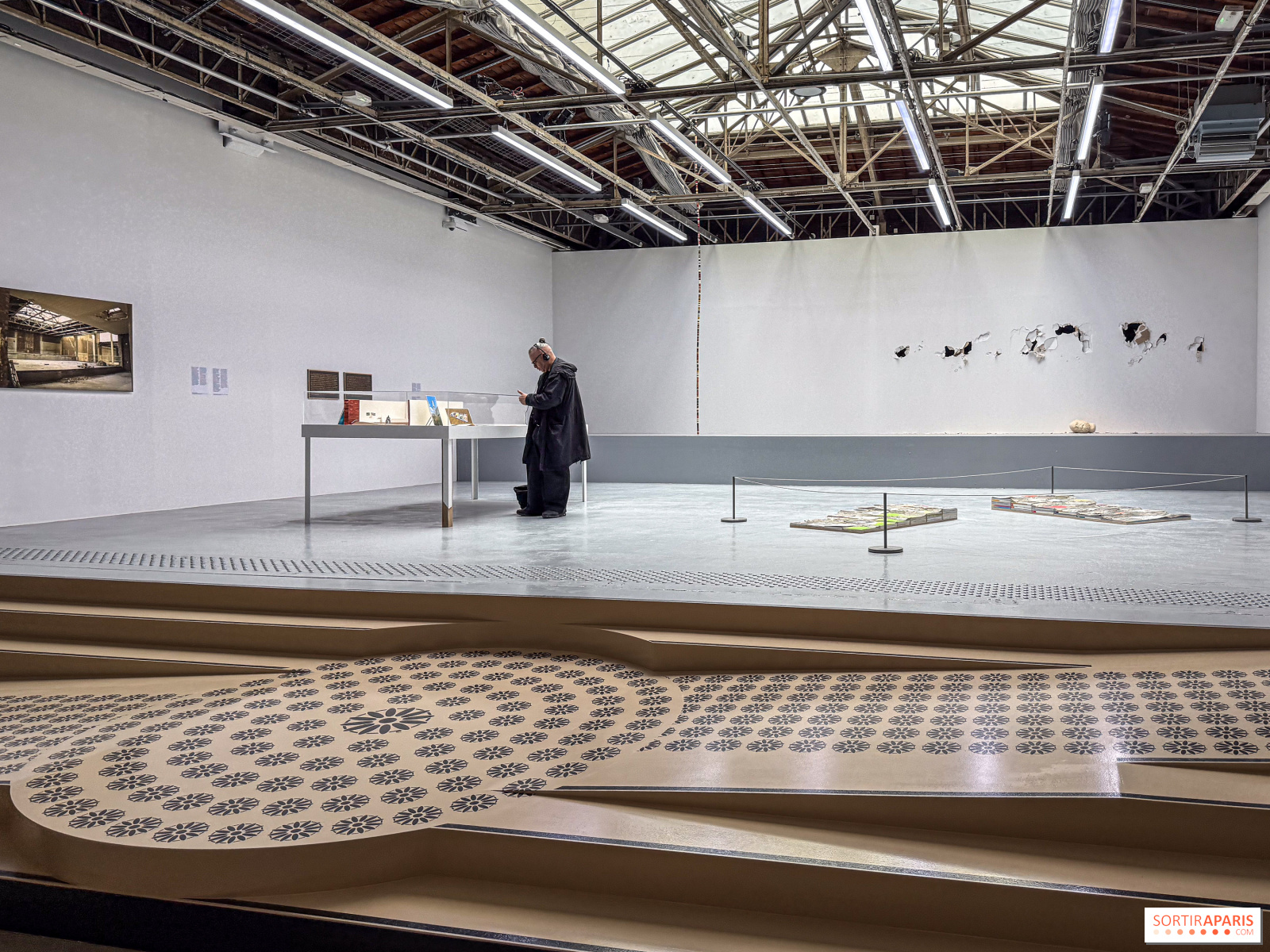
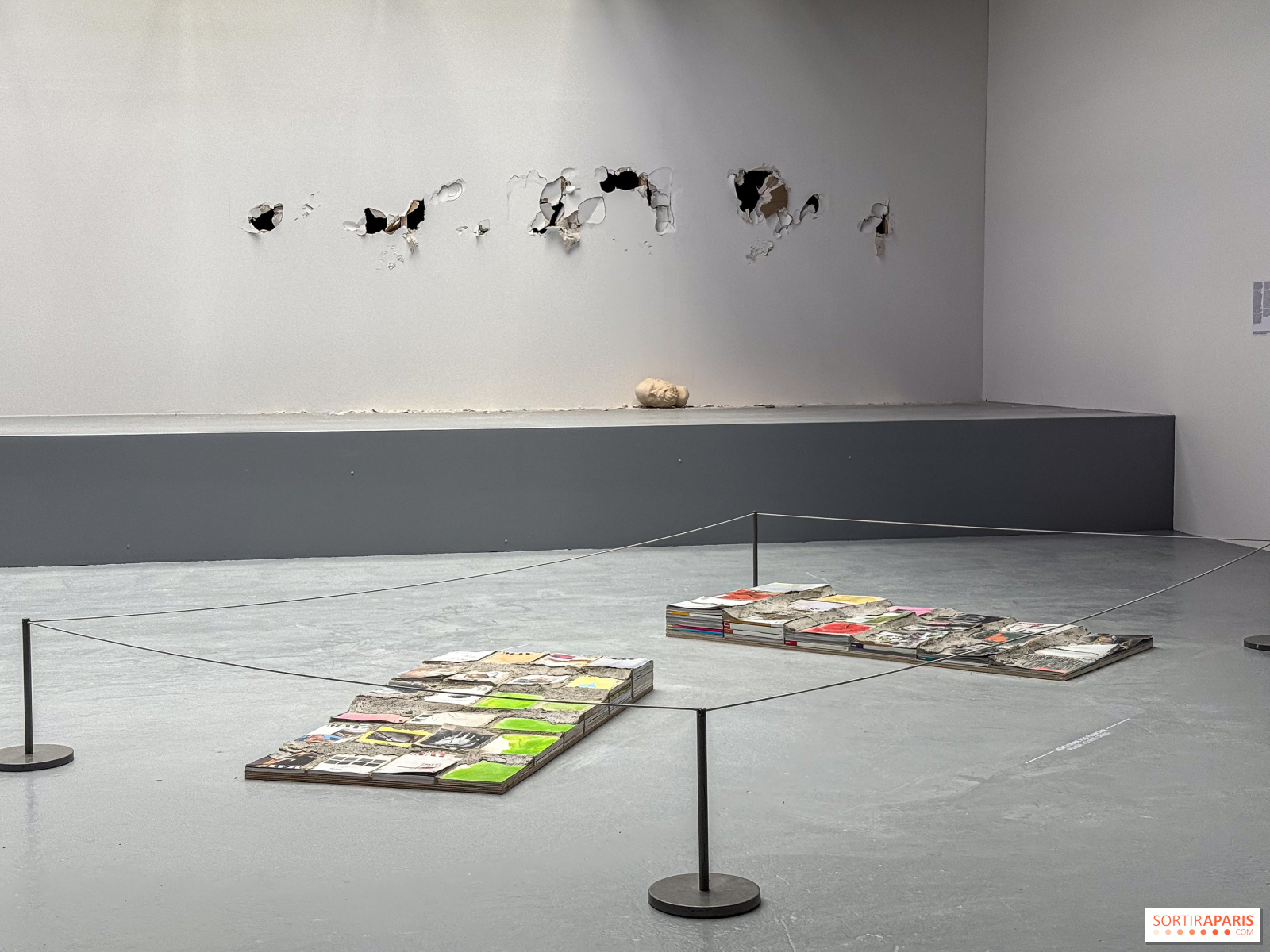
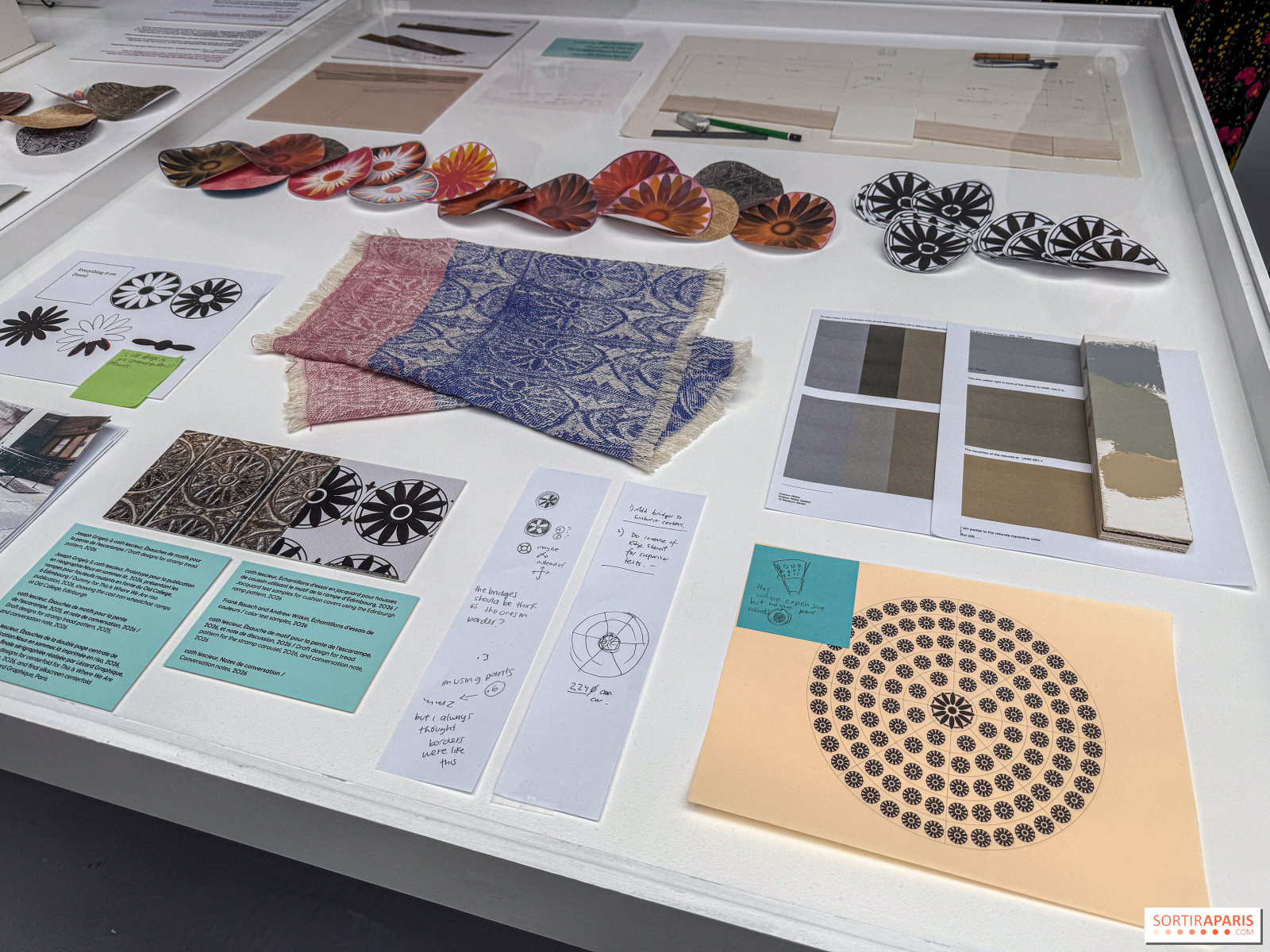
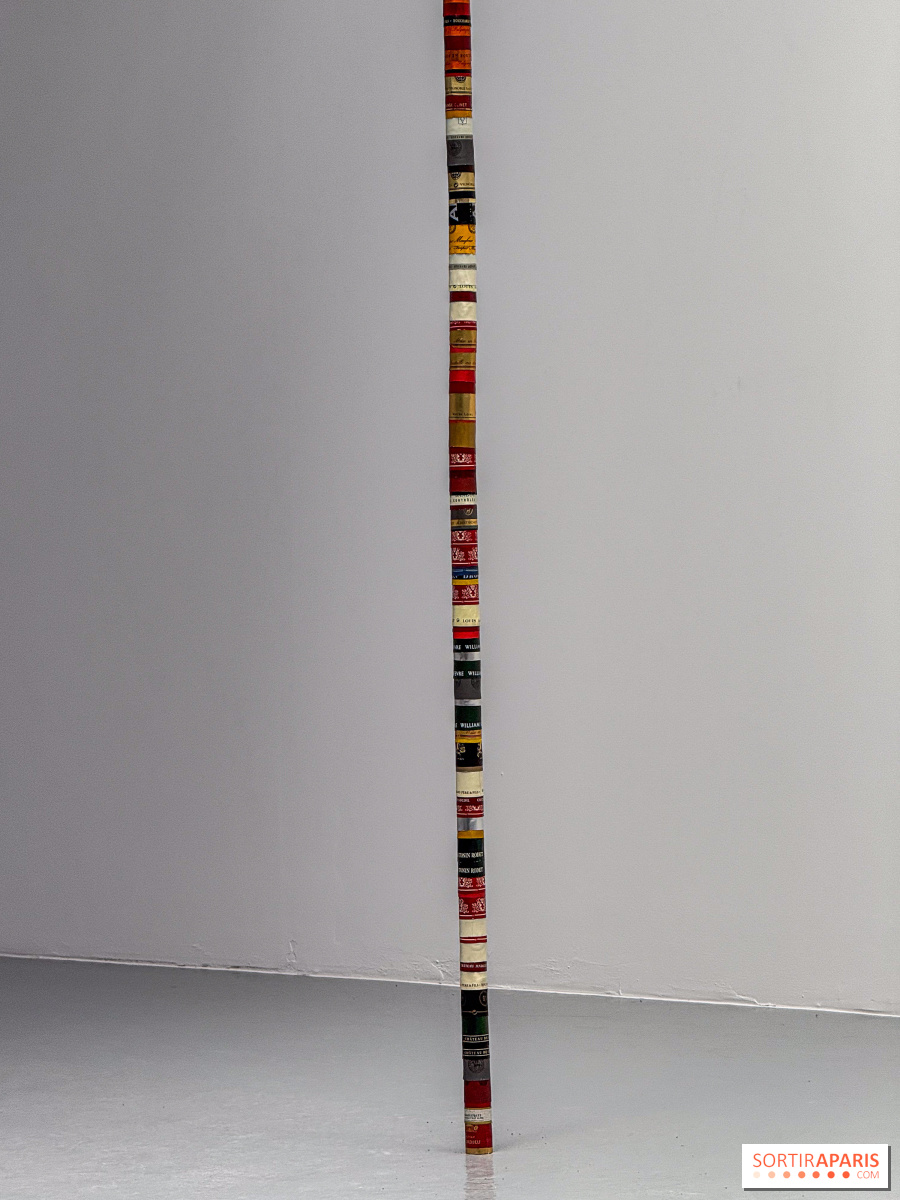
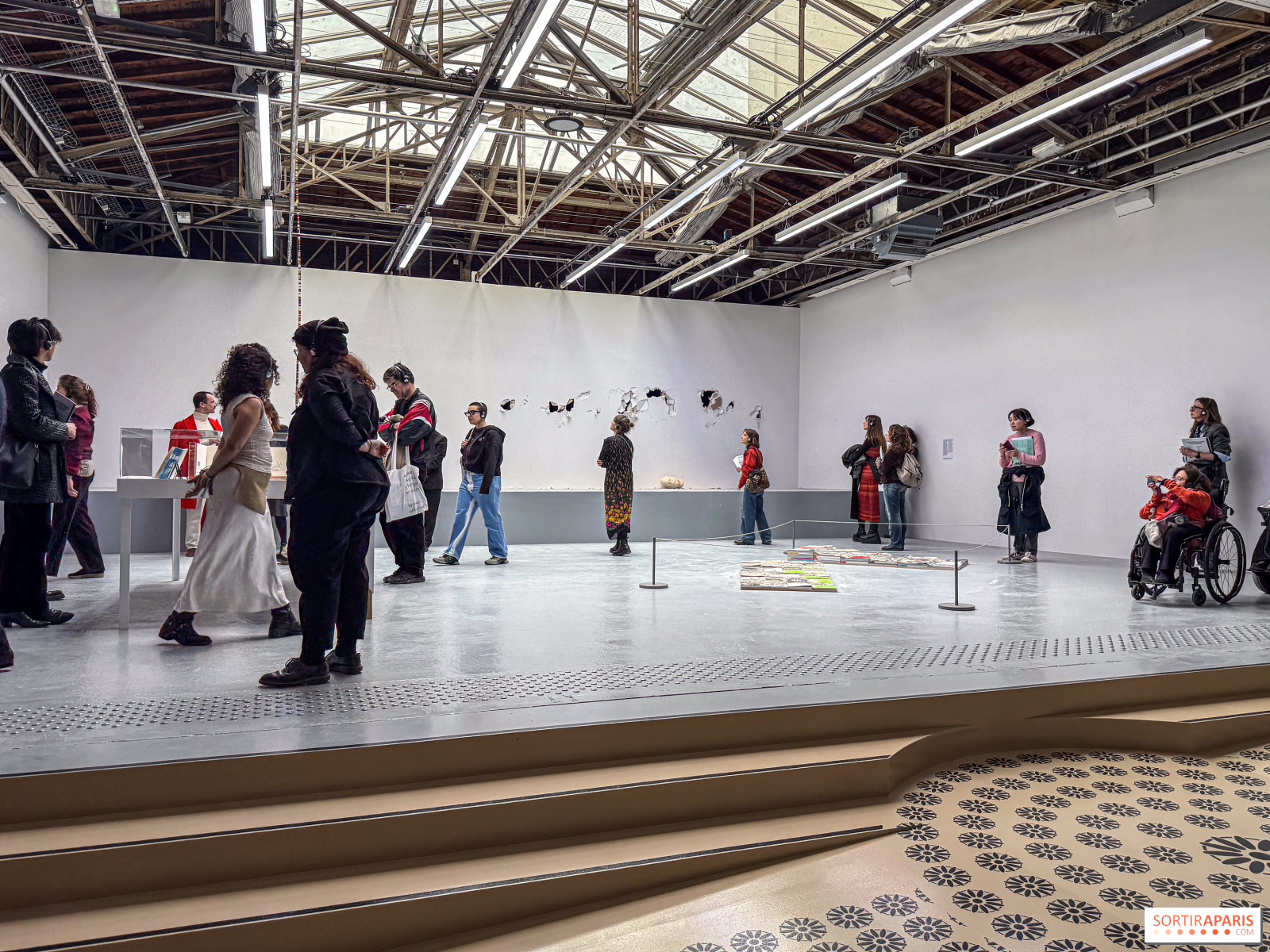
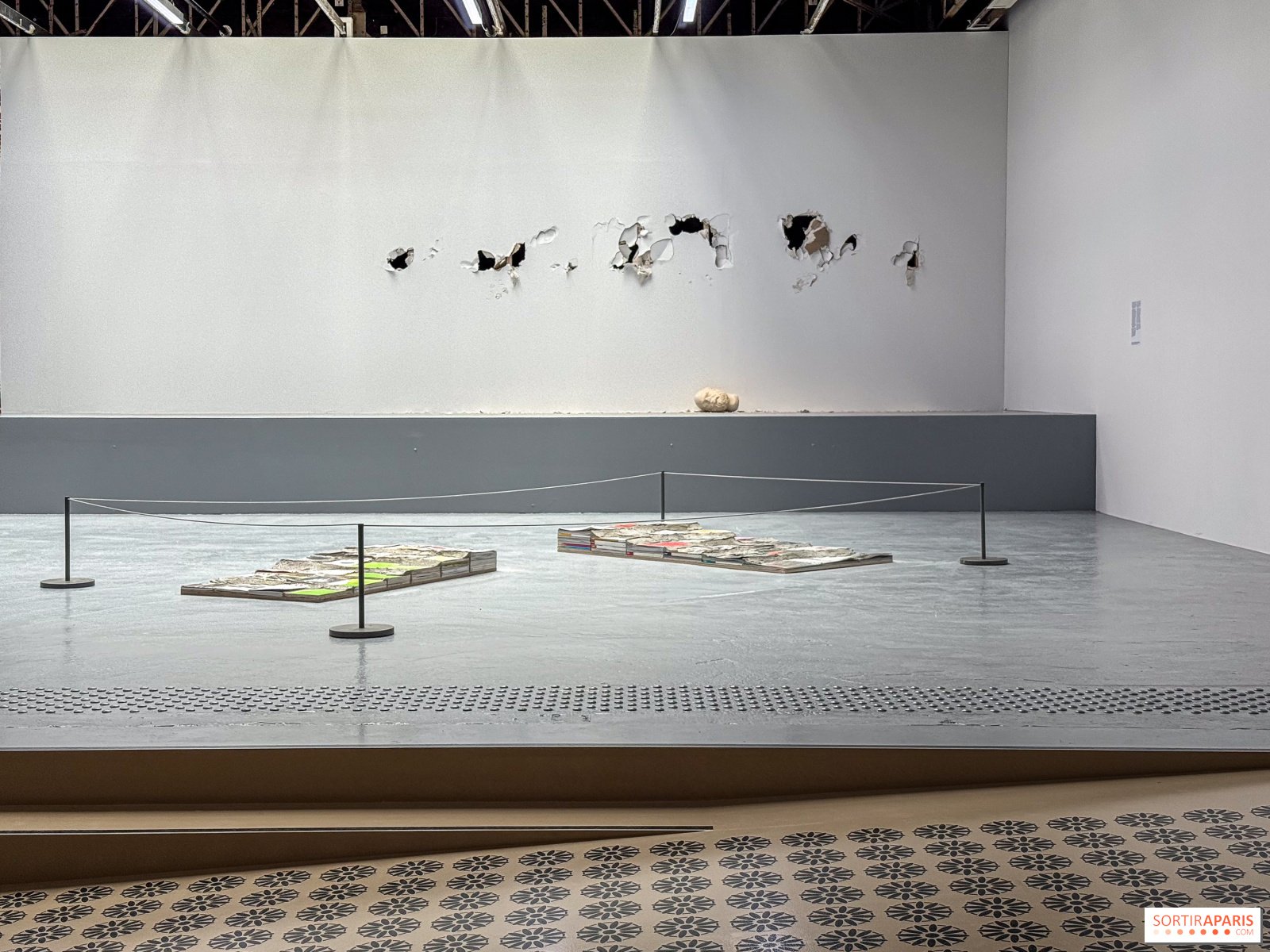
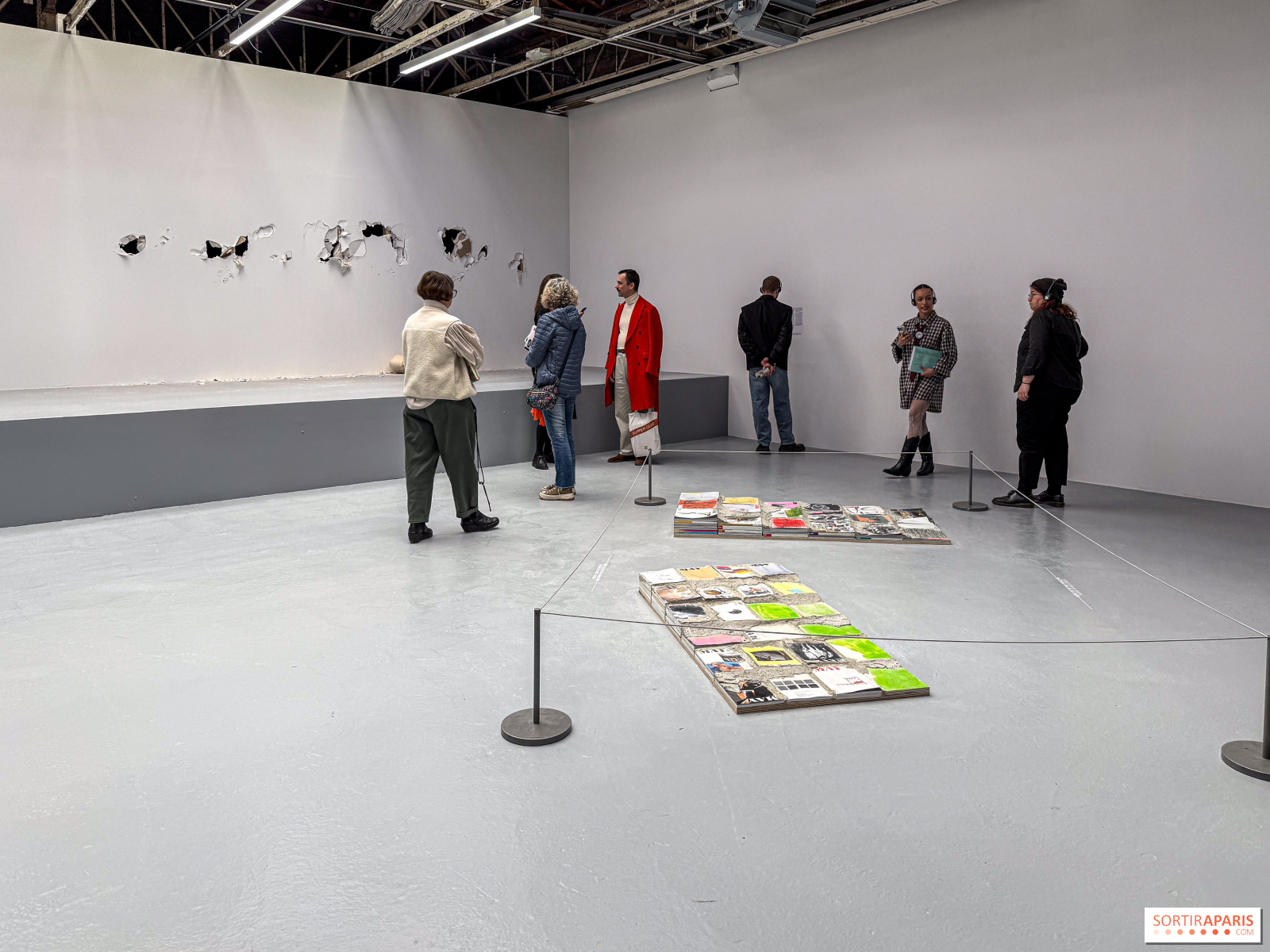
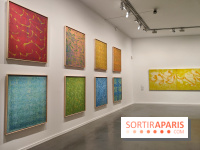
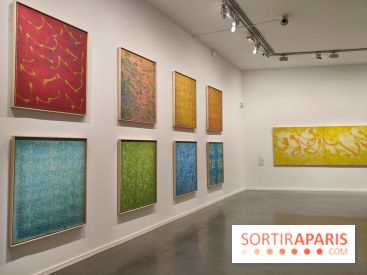
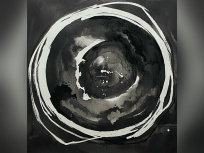
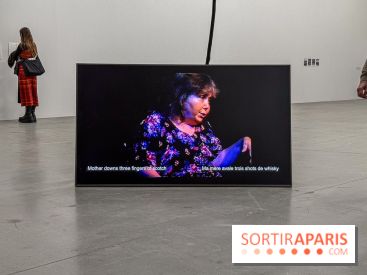
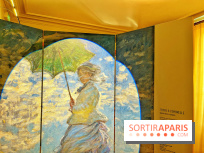
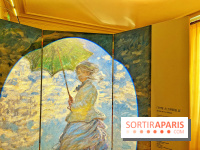
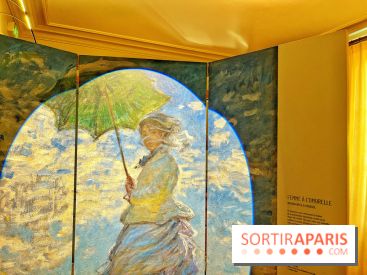
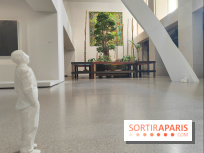
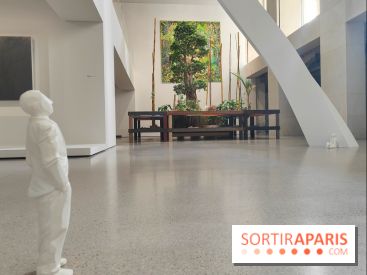
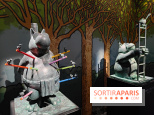
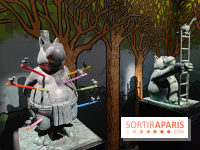
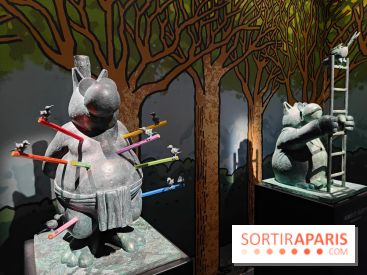
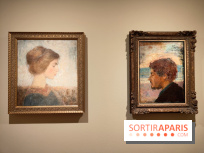
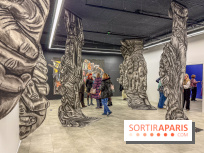
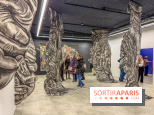
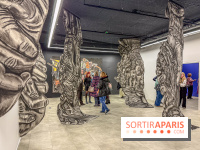
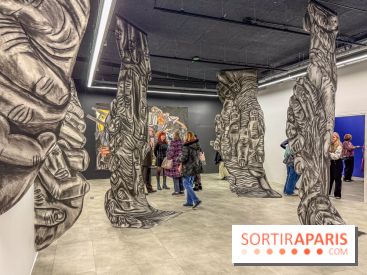
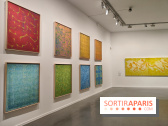
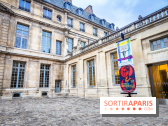
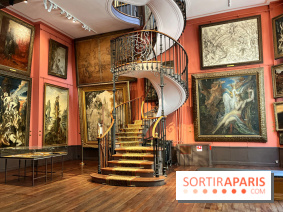
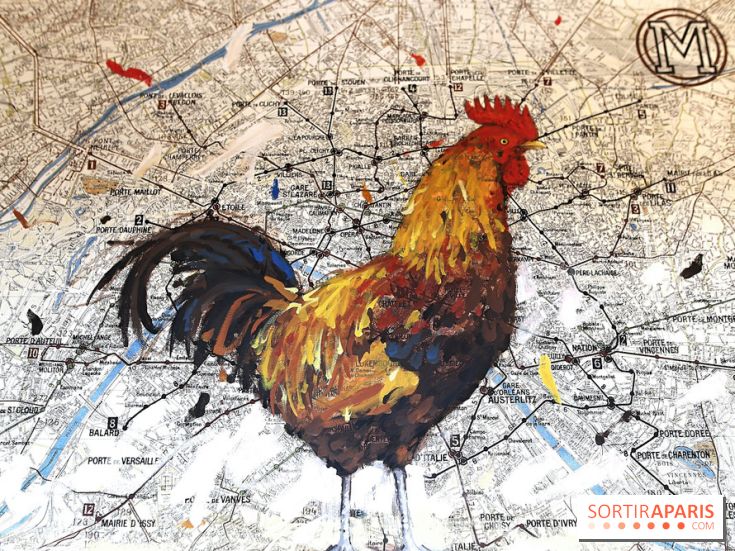
The Palais de Tokyo, in Paris, presents We are here – This is where we are, an exhibition by Joseph Grigely opening from April 3 to September 13, 2026. An American artist who has been deaf since childhood, he tackles the question of accessibility in cultural spaces from a museum area that is hard to reach. With this installation, he shows how architecture can include, hinder, or exclude parts of the public. Between visual works and risograph publishing, the exhibition offers a concrete reflection on how spaces are conceived and experienced.
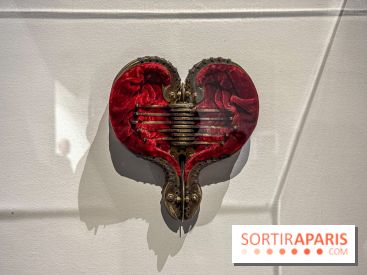
In a space where navigating is not always straightforward, Joseph Grigely turns the visitor's experience into a staged encounter. He questions the very possibility of accessing an art venue when it is designed with exclusivity in mind. The project highlights the existence of different, often invisible, and frequently restrictive pathways that require certain individuals to make extra efforts just to enter the same space. In response, the artist develops what he calls an "access prosthesis"—both a conceptual device and a tangible proposal—designed as a tool to foster dialogue between the body and the architecture.
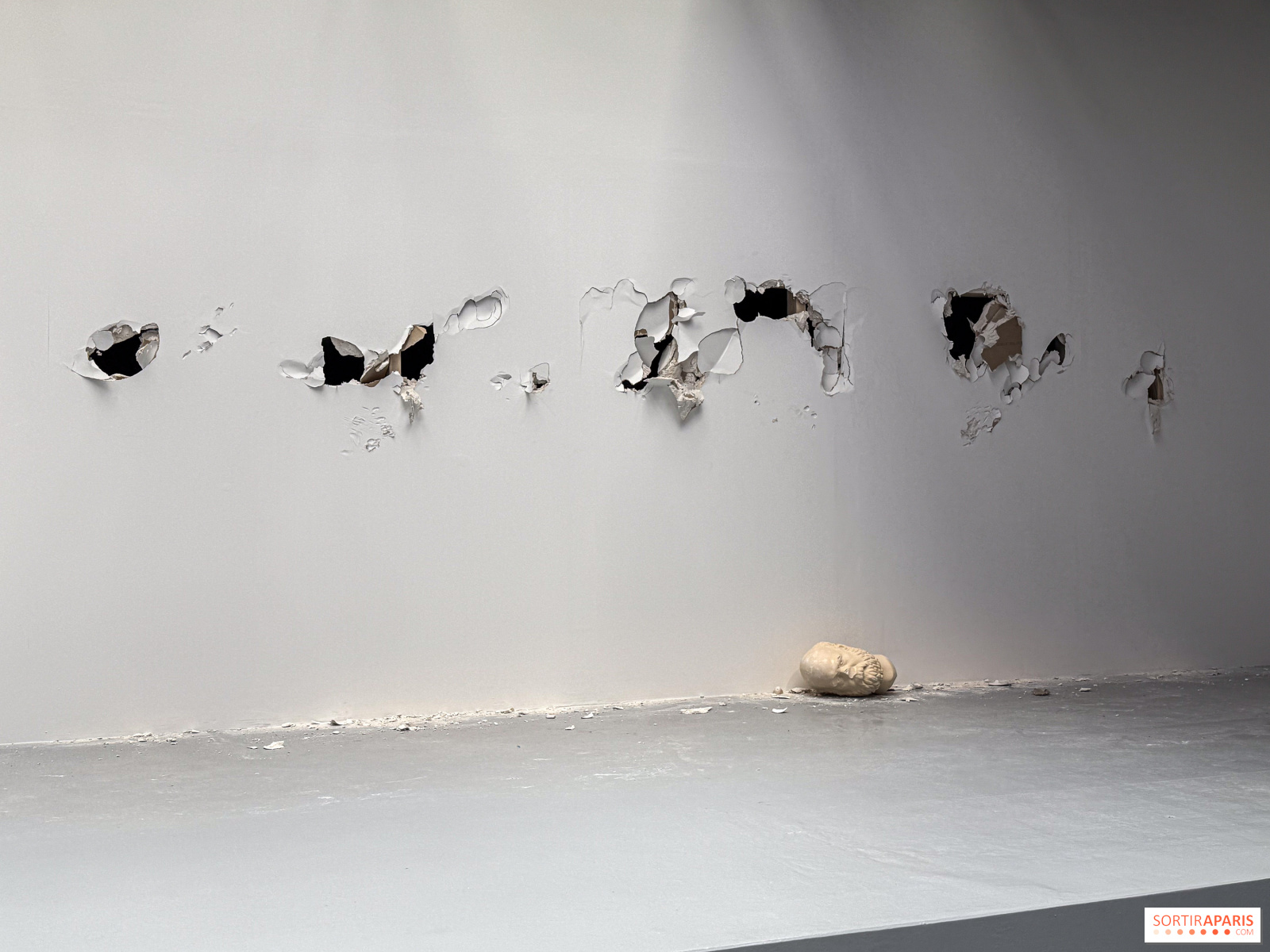
The installation goes beyond merely highlighting an issue. It invites an active reflection on how cultural institutions approach audience engagement, challenging their current limitations. Joseph Grigely examines the history of these structures and the ongoing persistence of segregationist attitudes, even in cases where efforts are made to foster inclusion. The exhibition title, We Are Here, conveys this snapshot of the current situation—neither judgmental nor self-congratulatory—but with the intention of sparking a collective dialogue.
This project continues the ongoing exploration by Joseph Grigely that he has been pursuing for over thirty years. His work delves into questions of otherness, language, and communication across various media. His most renowned piece, Conversation Pieces, features collections of handwritten notes used to communicate with hearing individuals. These fragments of dialogue, artistically rearranged, challenge notions of speech, written records, and modes of interaction. The exhibition at Palais de Tokyo expands on these themes by framing them within an institutional context.
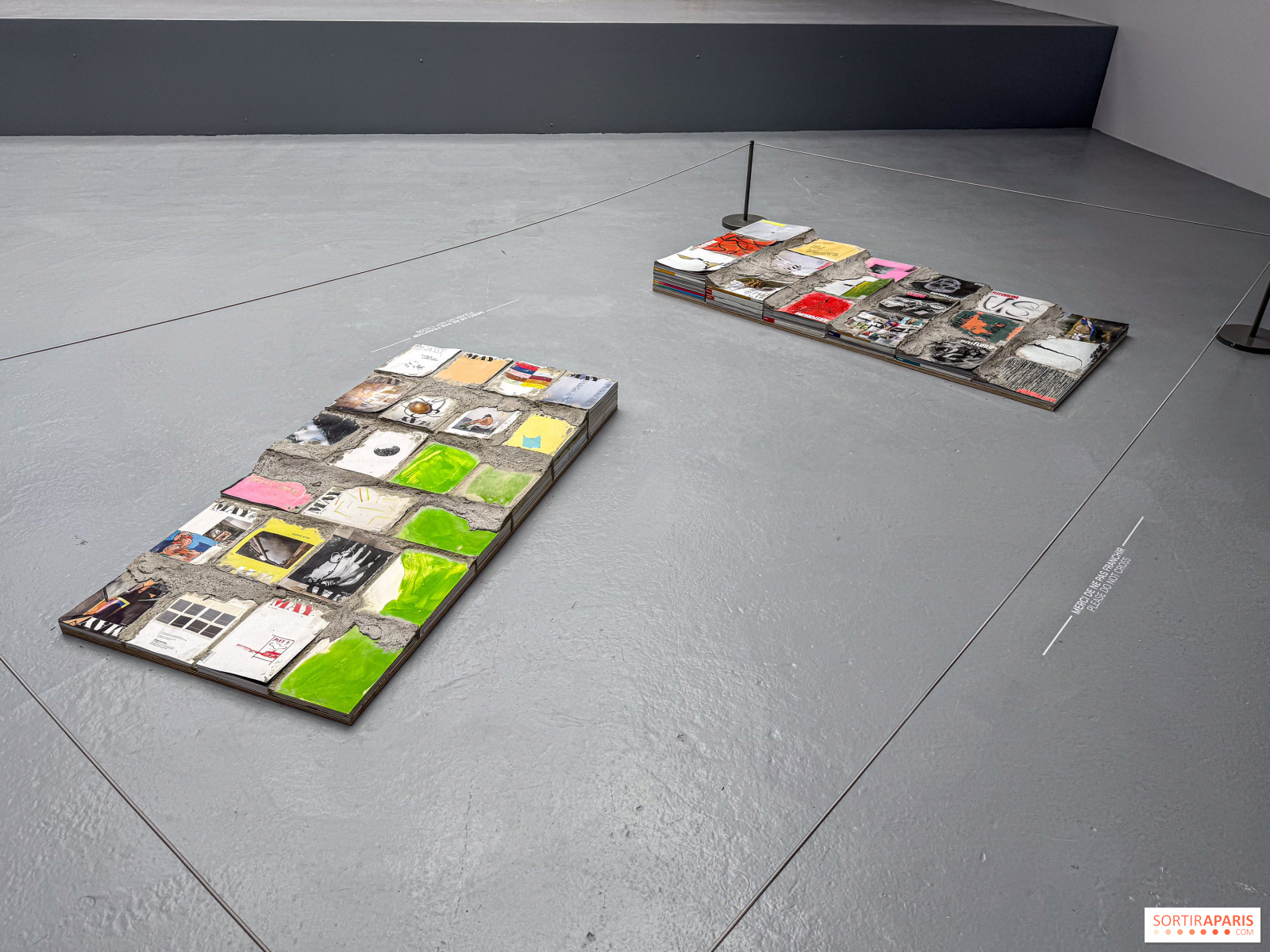
What Joseph Grigely offers here goes beyond mere functional adaptation. He explores the idea that accessibility can be conceived as an artistic medium — a true form in the creation of a work. The installation then transforms into a space where established rules clash with the realities of the body, where architectural intent meets practical use. It raises a series of questions about everyone’s place in public space and the mechanisms that, intentionally or not, limit that space.
The audience is therefore encouraged to consider not only the displayed space itself but also the conditions under which it is accessed. This approach is deliberate and methodical, avoiding emotional appeal or oversimplification. It highlights the notion that spatial exclusion is not merely due to isolated oversights, but stems from a deeper, structural organization of spaces and practices—a challenge to change without a fundamental reassessment of priorities.
It's a chance to reflect on the role each person can play within cultural spaces through an exhibit that challenges the relationship between architecture and everyday use. Fancy a visit to the Palais de Tokyo?
This page may contain AI-assisted elements, more information here.
Dates and Opening Time
From April 3, 2026 to September 13, 2026
Location
Palais de Tokyo
13, avenue du président Wilson
75116 Paris 16
Access
Metro line 9 "Iéna" or "Alma-Marceau" station
Prices
Tarif réduit: €9
Plein Tarif: €13
Official website
palaisdetokyo.com
More information
Open daily from 12 PM to 10 PM, except on Tuesdays.