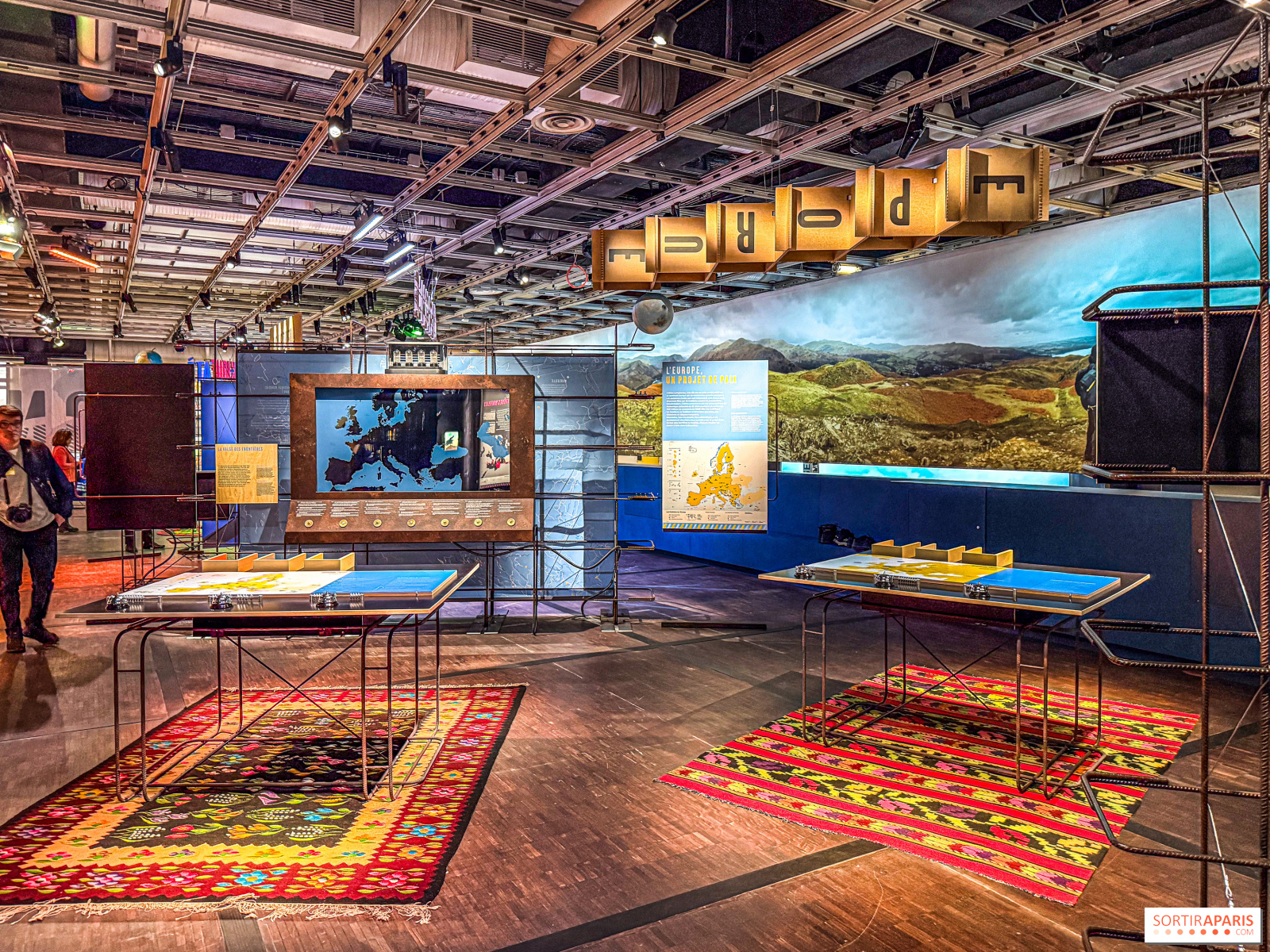
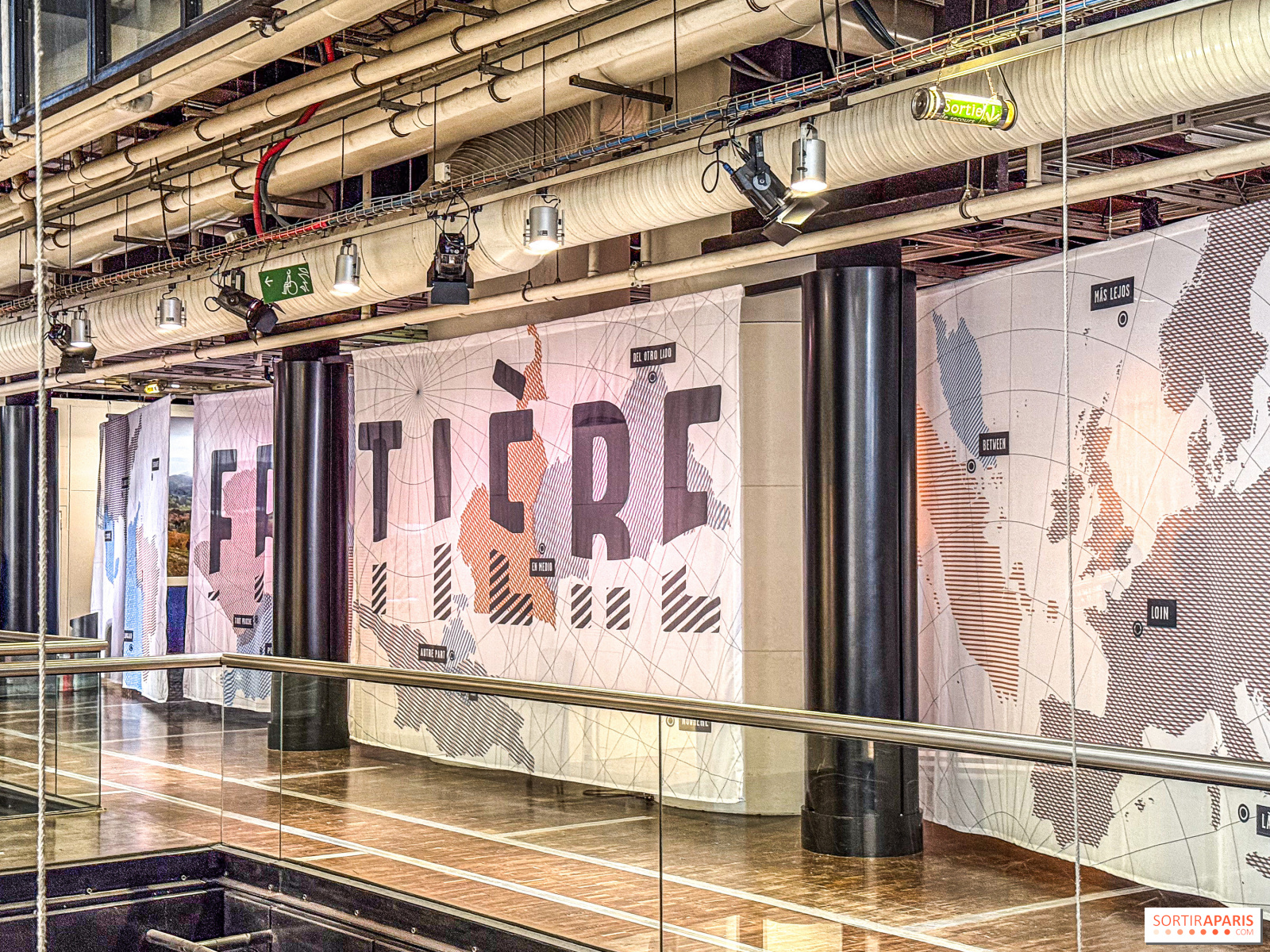
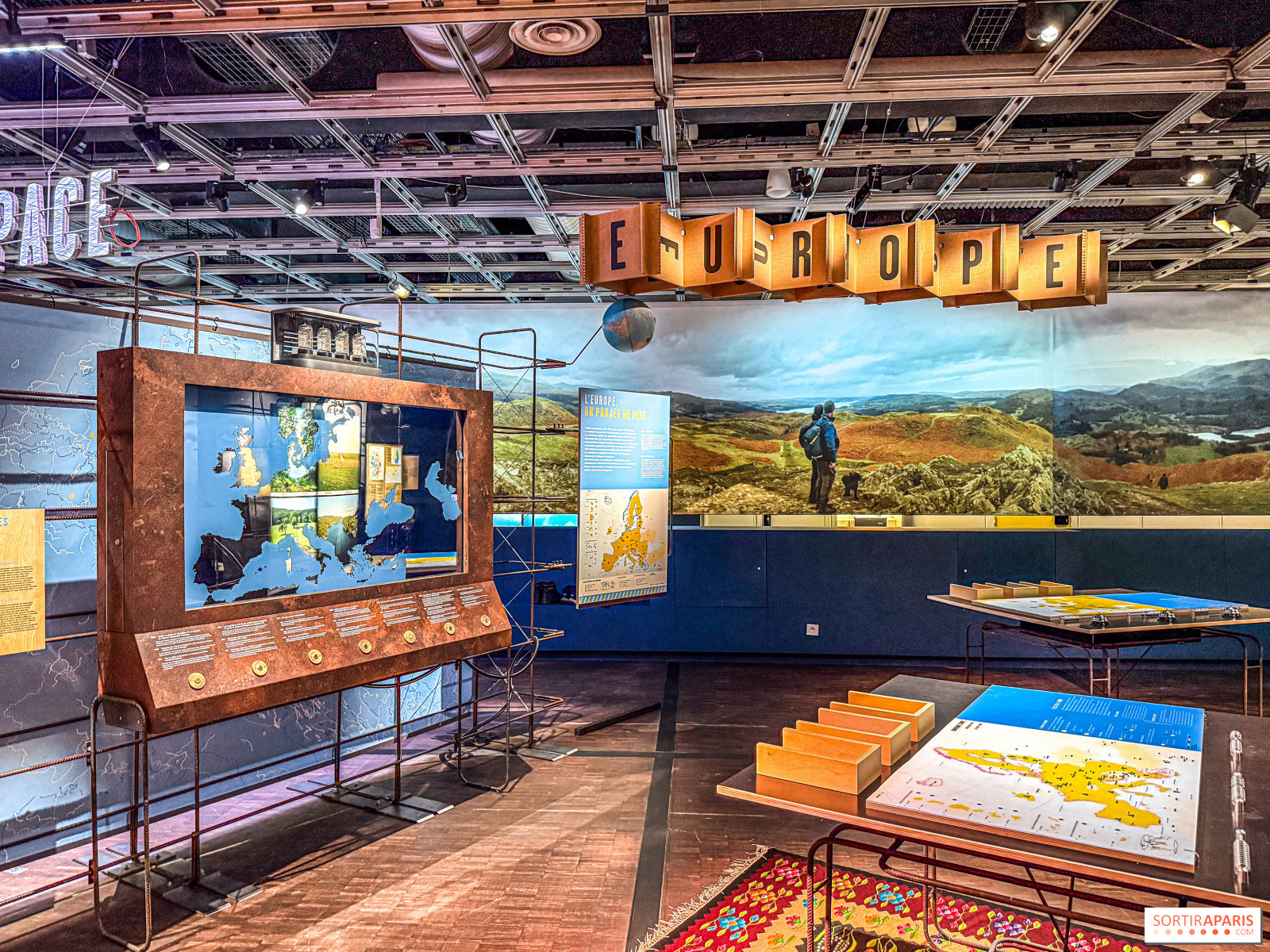
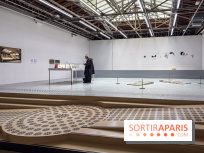
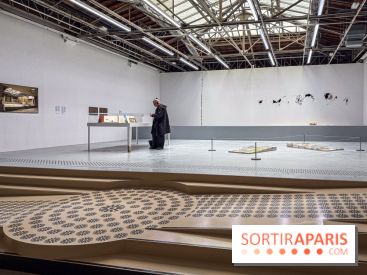
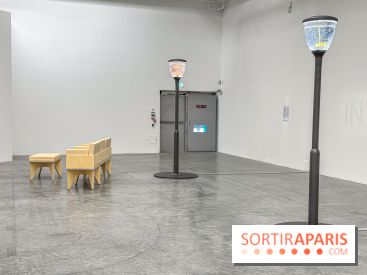
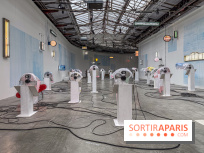
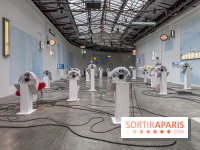
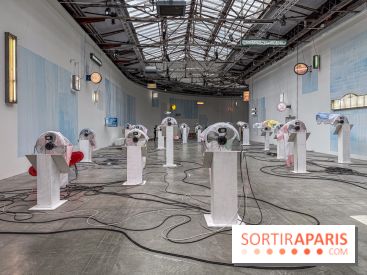
A single line on a map, and an entire world tilts. In Paris, the Cité des sciences et de l’industrie presents Frontière, an exhibition devoted to borders in the contemporary world, running from April 14, 2026 to January 2, 2028. Created with the Université Grenoble-Alpes, this show questions borderlines in all their forms — geographic, political, digital, maritime, or symbolic — through a path that blends cartography, the humanities, artistic creation, and interactive installations. At a moment when migration, control, territory and movement dominate global news, Frontière provides concrete interpretive tools to understand how these visible and invisible lines shape our relationship with the world.
The border here is never merely a line on a map. The exhibition at the Cité des sciences also opts for the singular: Frontière (no plural). This choice is far from incidental, because it isn’t about listing every border on the globe; it’s about asking what a border is, what it produces, what it reveals, and what it transforms in our societies. A place of movement, resources, screening of people, data surveillance, tensions or coexistence, the border here is presented as a political and geographic construct—never as a natural given.
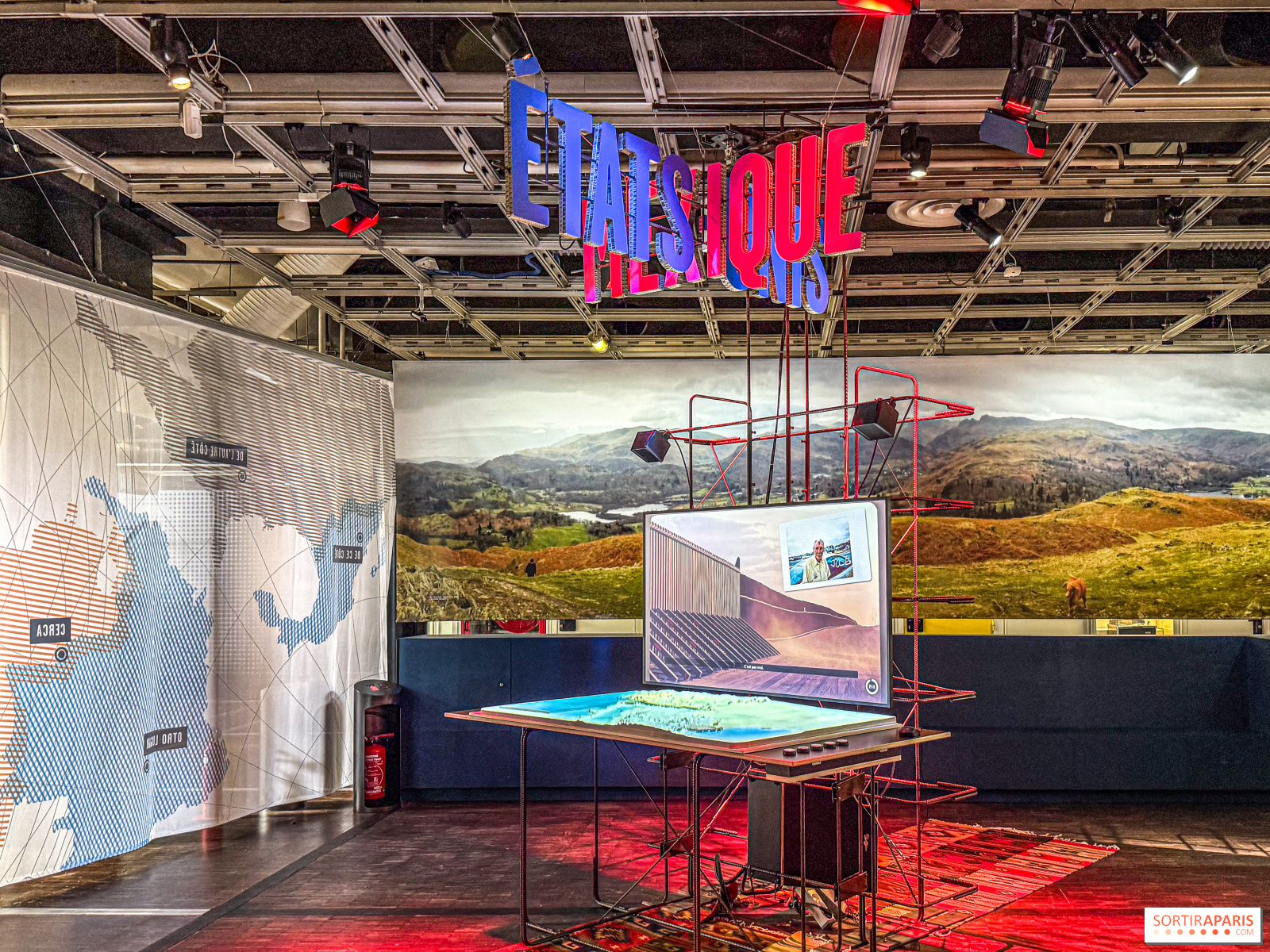
From the very outset, you are invited to view these lines—often imagined as fixed—differently. Yet, depending on context, power relations and territories, they move, harden, dematerialize or fade away without disappearing entirely. The exhibition thus crosses maps, photographs, testimonies, art installations, scientific analyses and interactive devices to reveal the full complexity of this object at the heart of contemporary debates. The route fully answers the essential questions: who draws the borders, what do they delimit, where do they operate, when do they rearrange, and how do they concretely influence human lives?
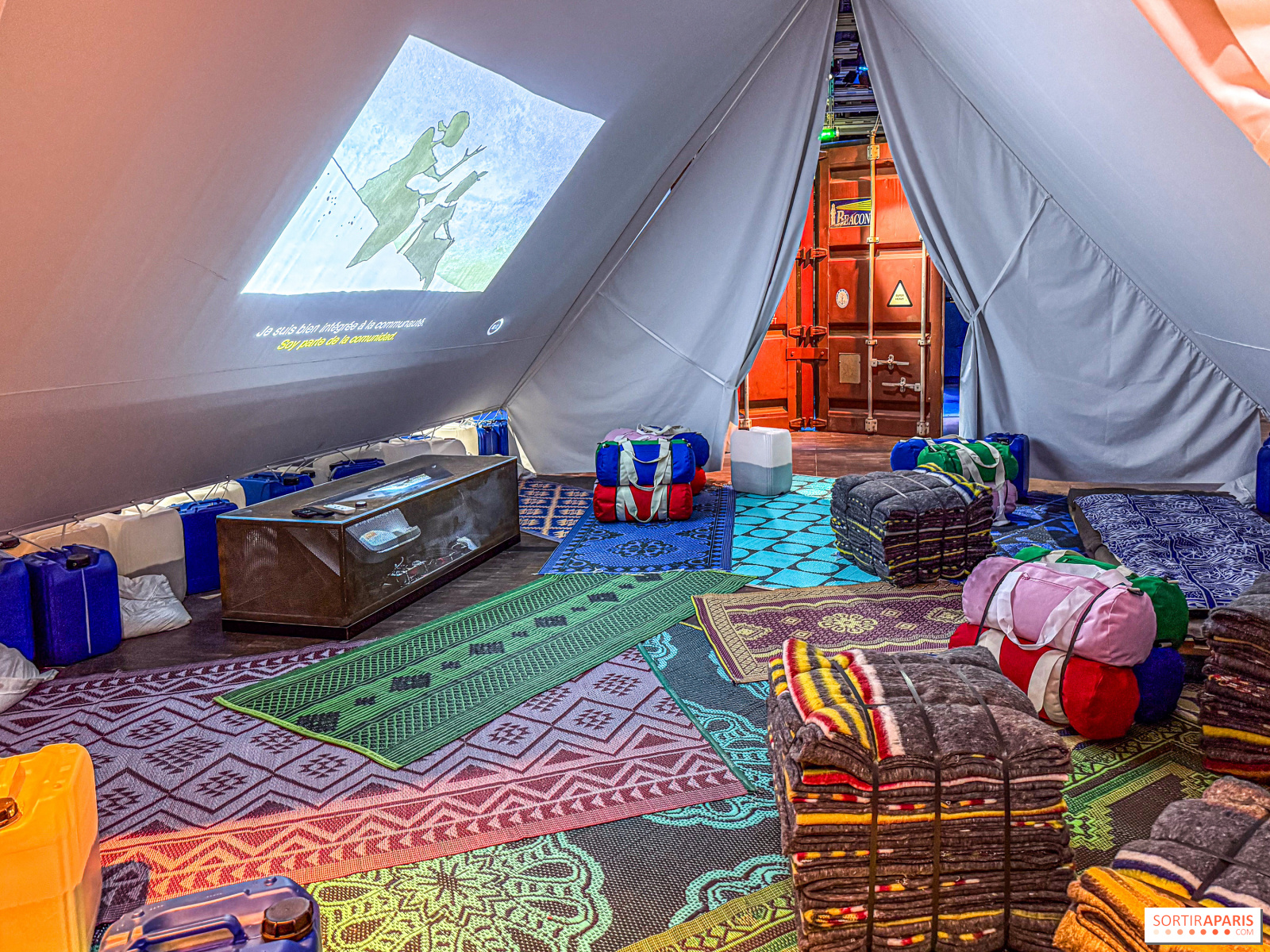
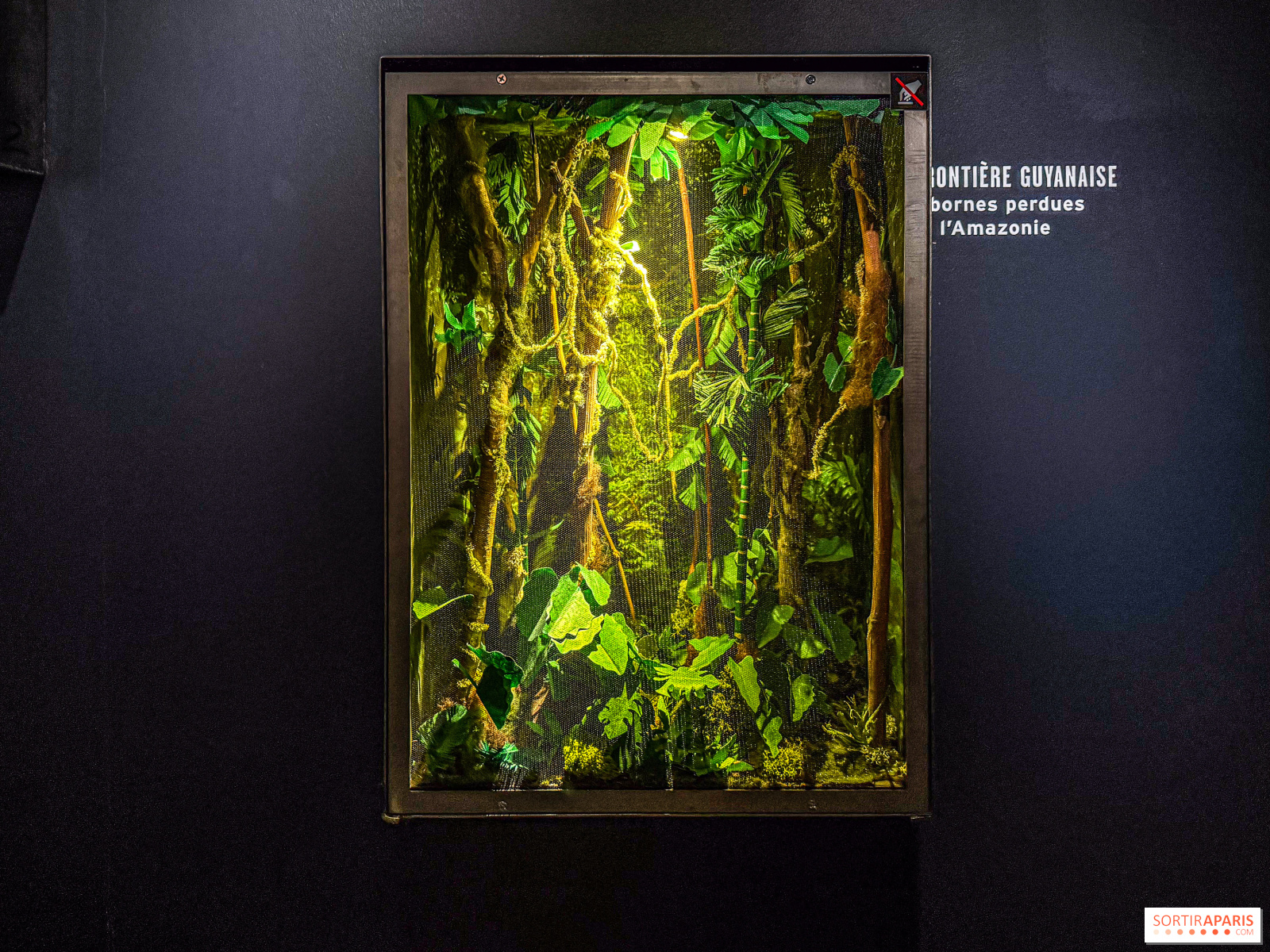
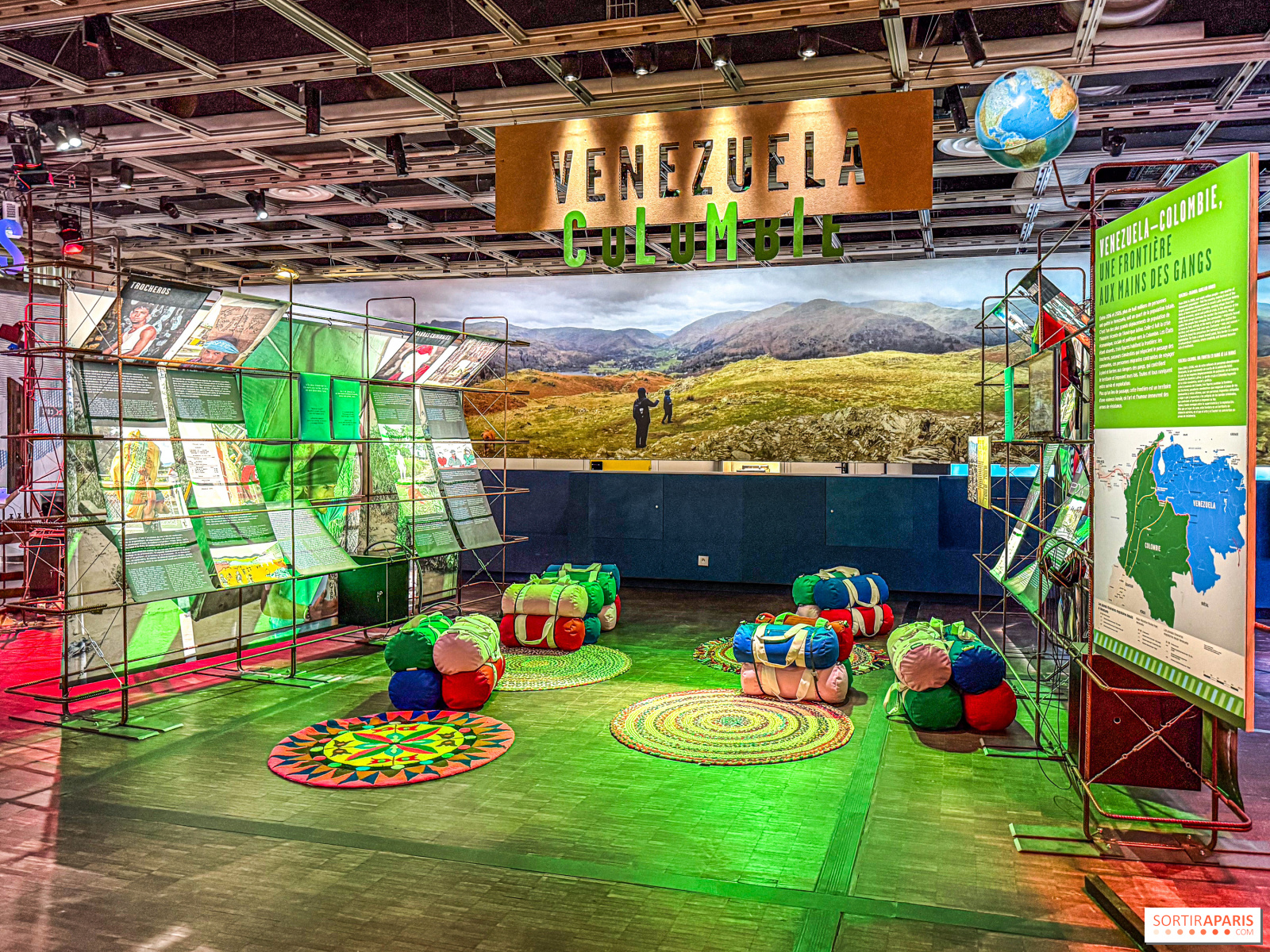
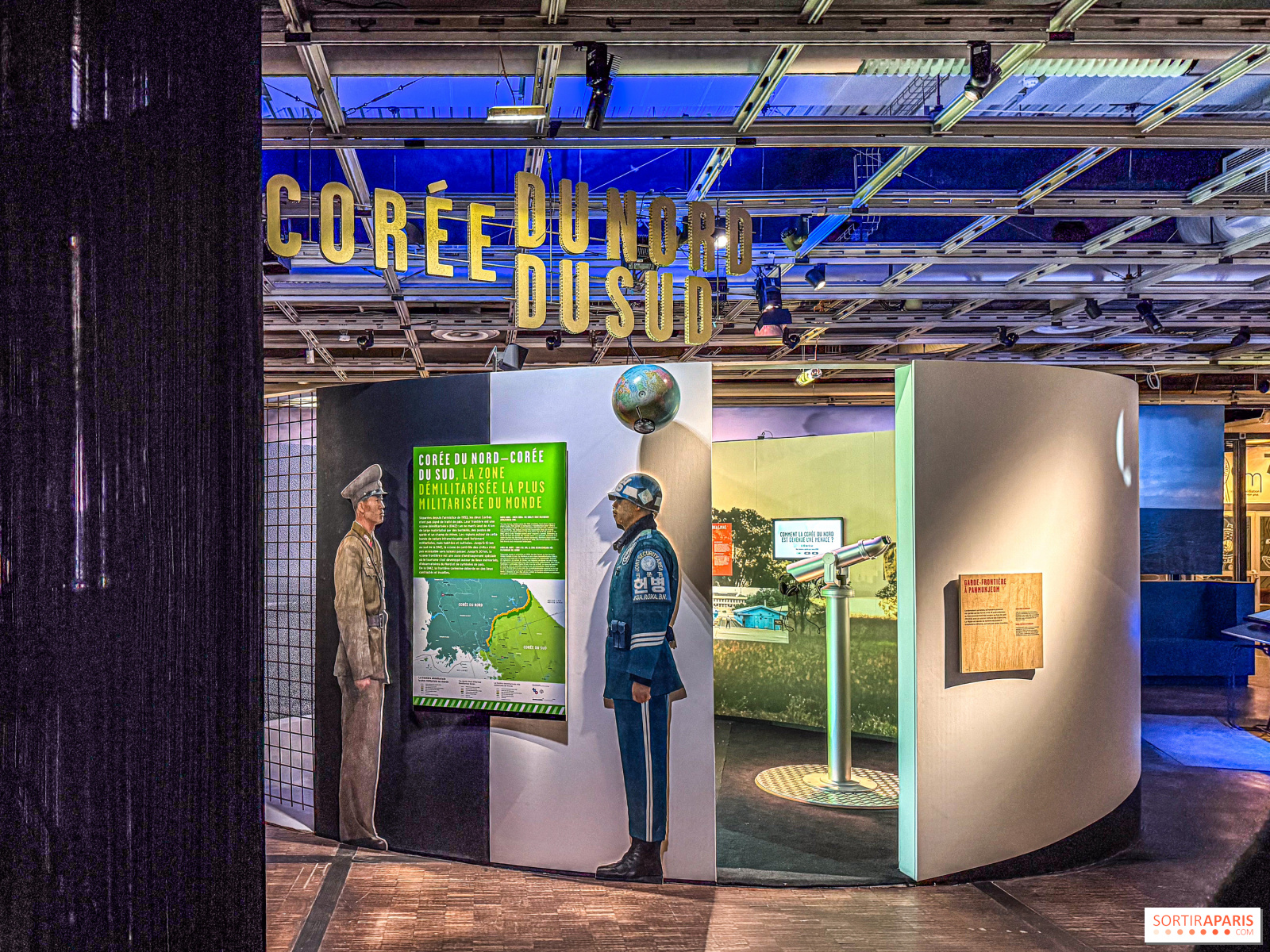
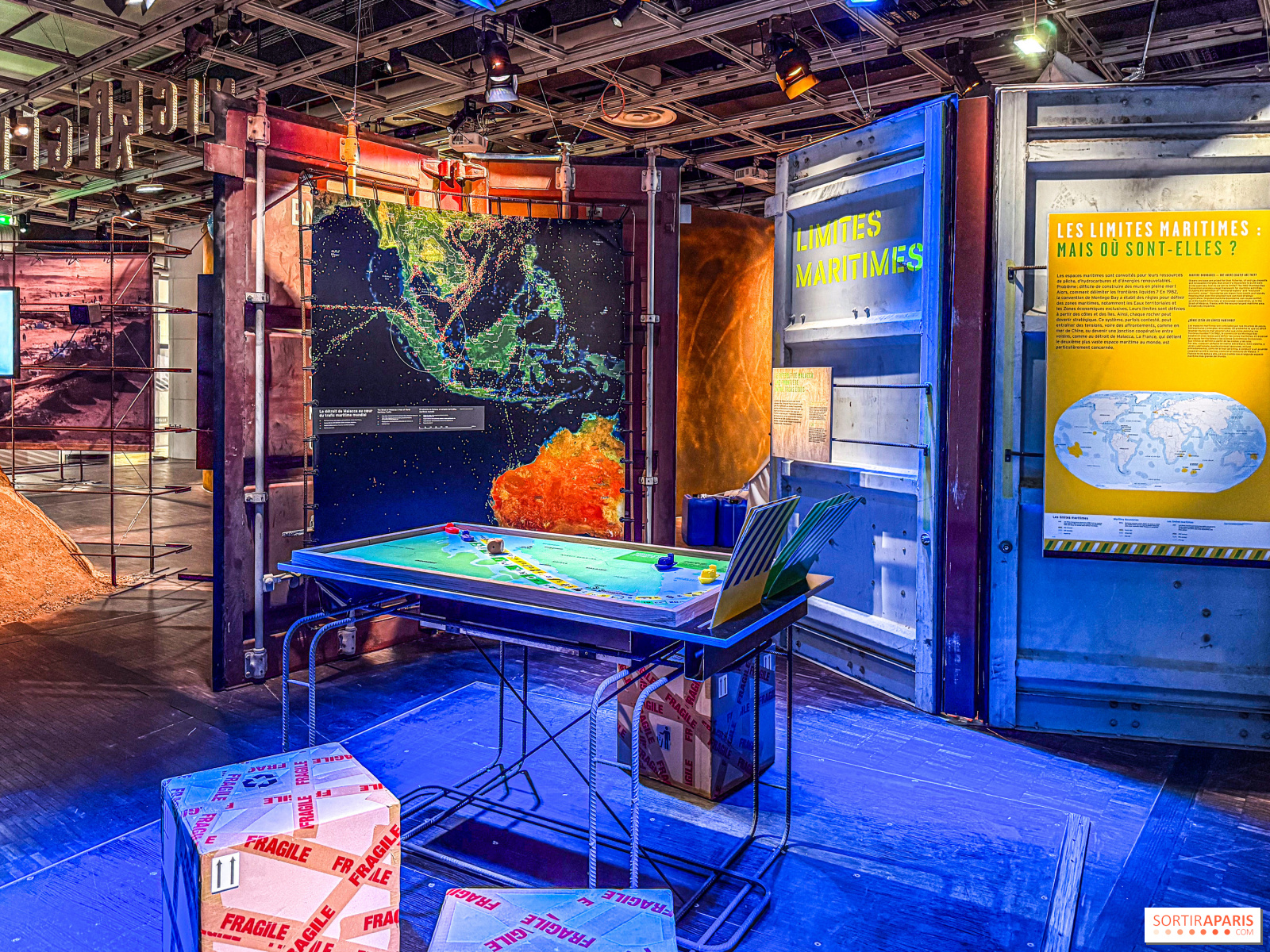
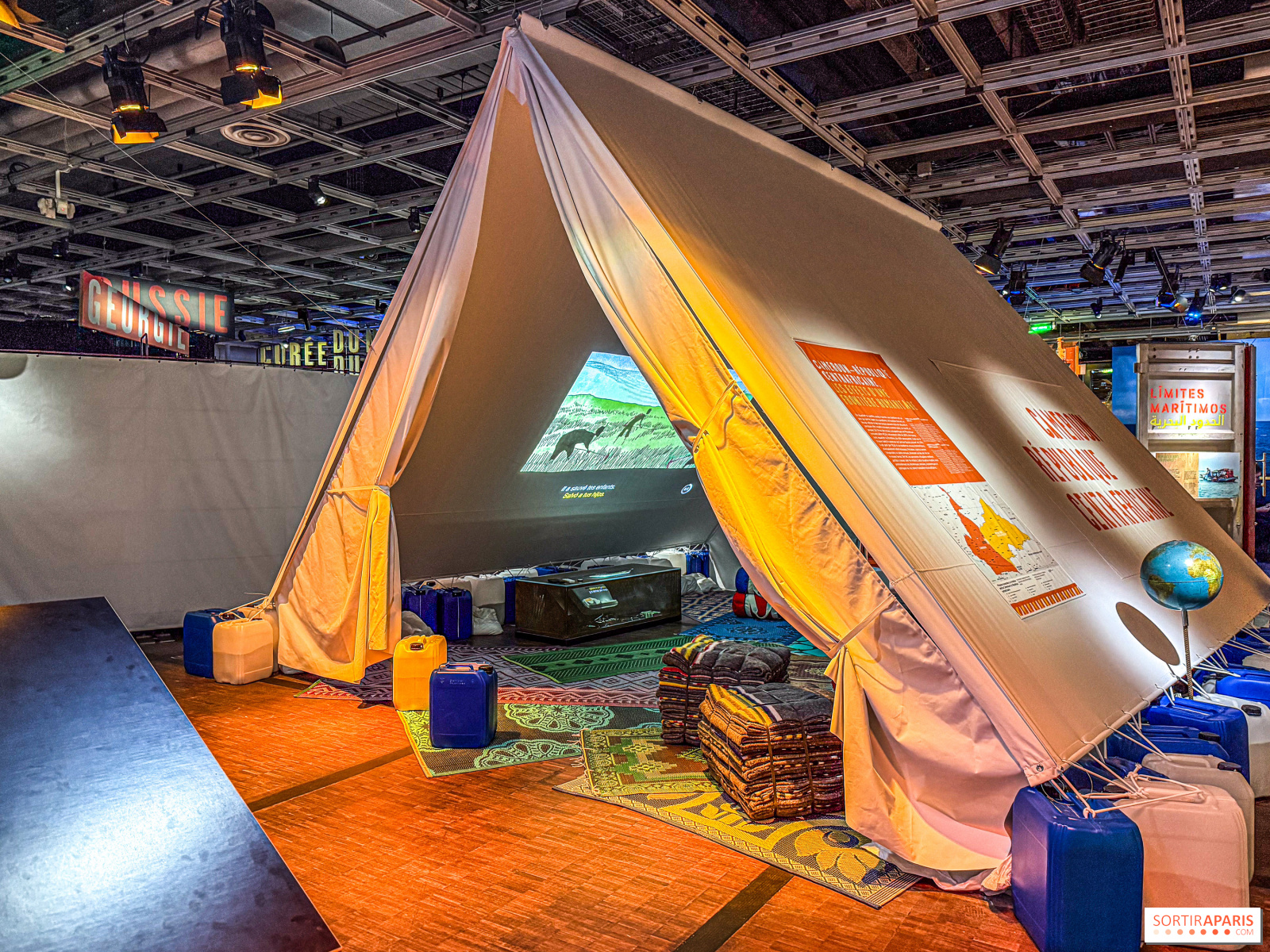
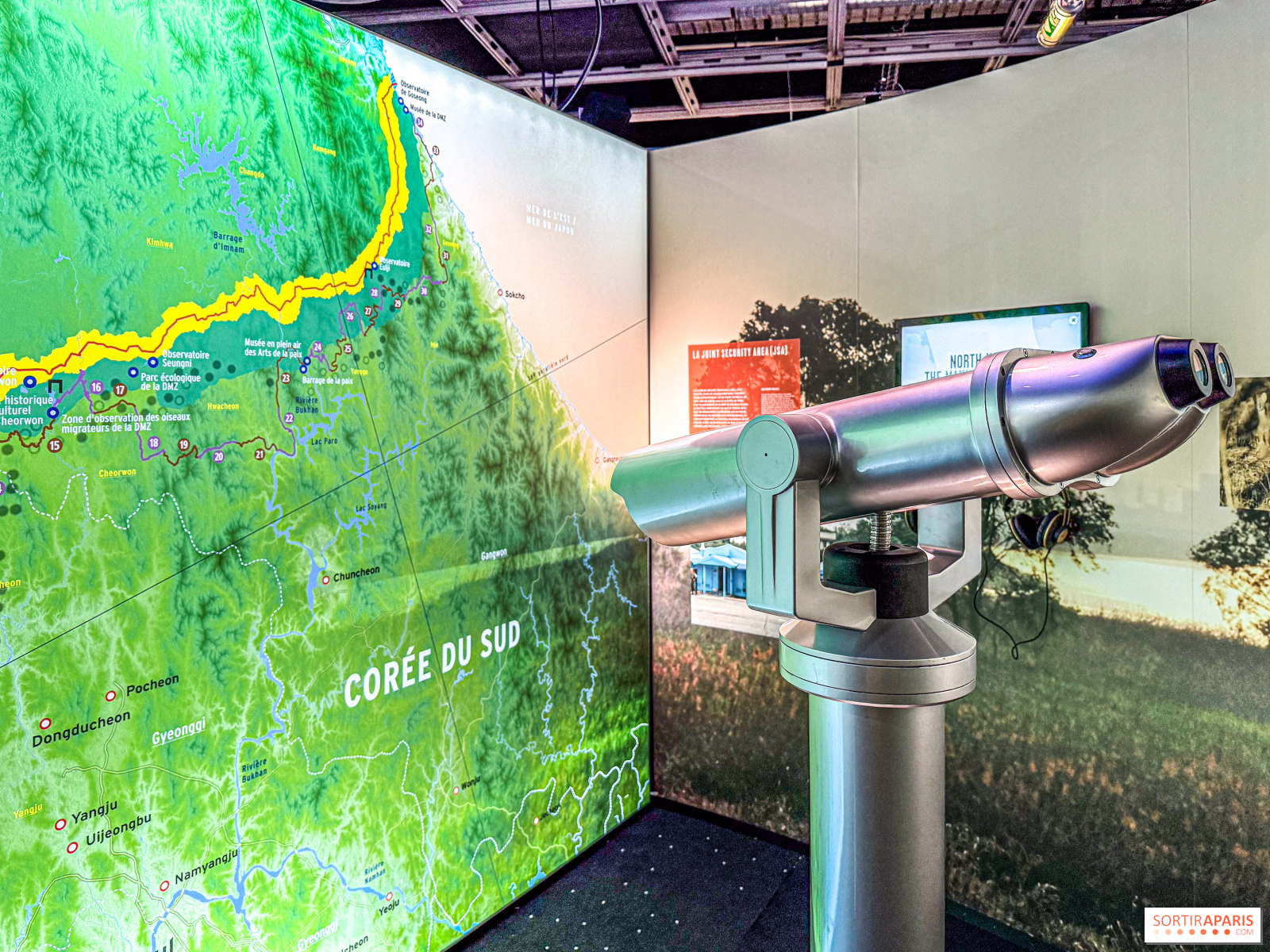
Picture yourself before a border: should you cross it, go around it, endure it, wait for it, or watch it? That is exactly what Frontière stages through dix îlots thématiques that form the heart of the exhibition. Each one unfolds a distinct reality, with its own staging, its media, and its stakes. This fragmented approach lets you glide from one territory to another while understanding that the border can be material, symbolic, maritime, digital, or humanitarian.
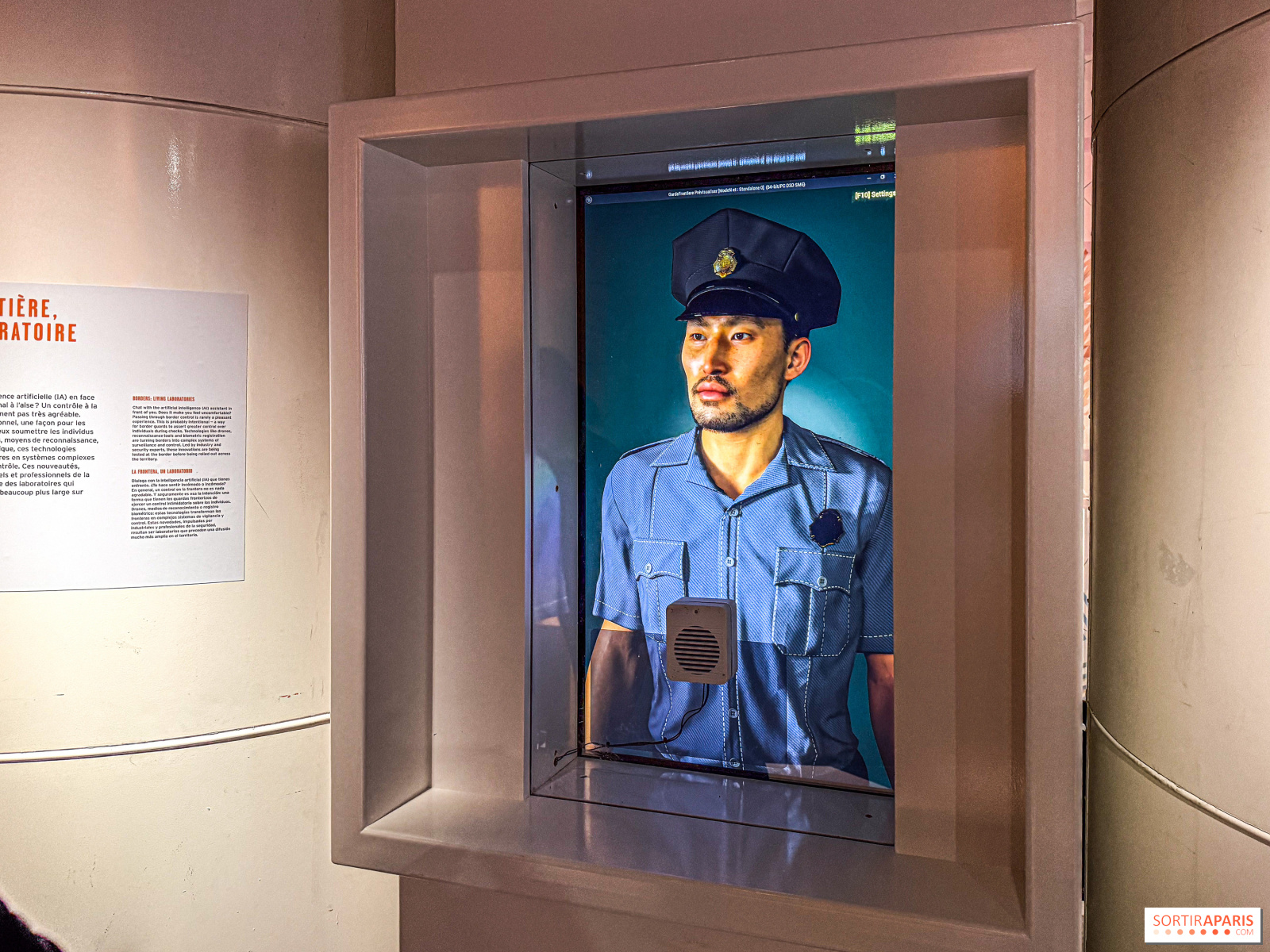
From the moment you step inside, the mood is established with a simulated border-control experience led by an AI-powered guard. Across the screen, you interact with a deliberately unsettling 3D character, crafted to evoke the arbitrariness, tension, and discomfort that some control technologies can generate. This opening sequence immediately sets a disquieting atmosphere and foregrounds the ethical and political stakes of the topic.
The route then unfolds across ten thematic hubs:
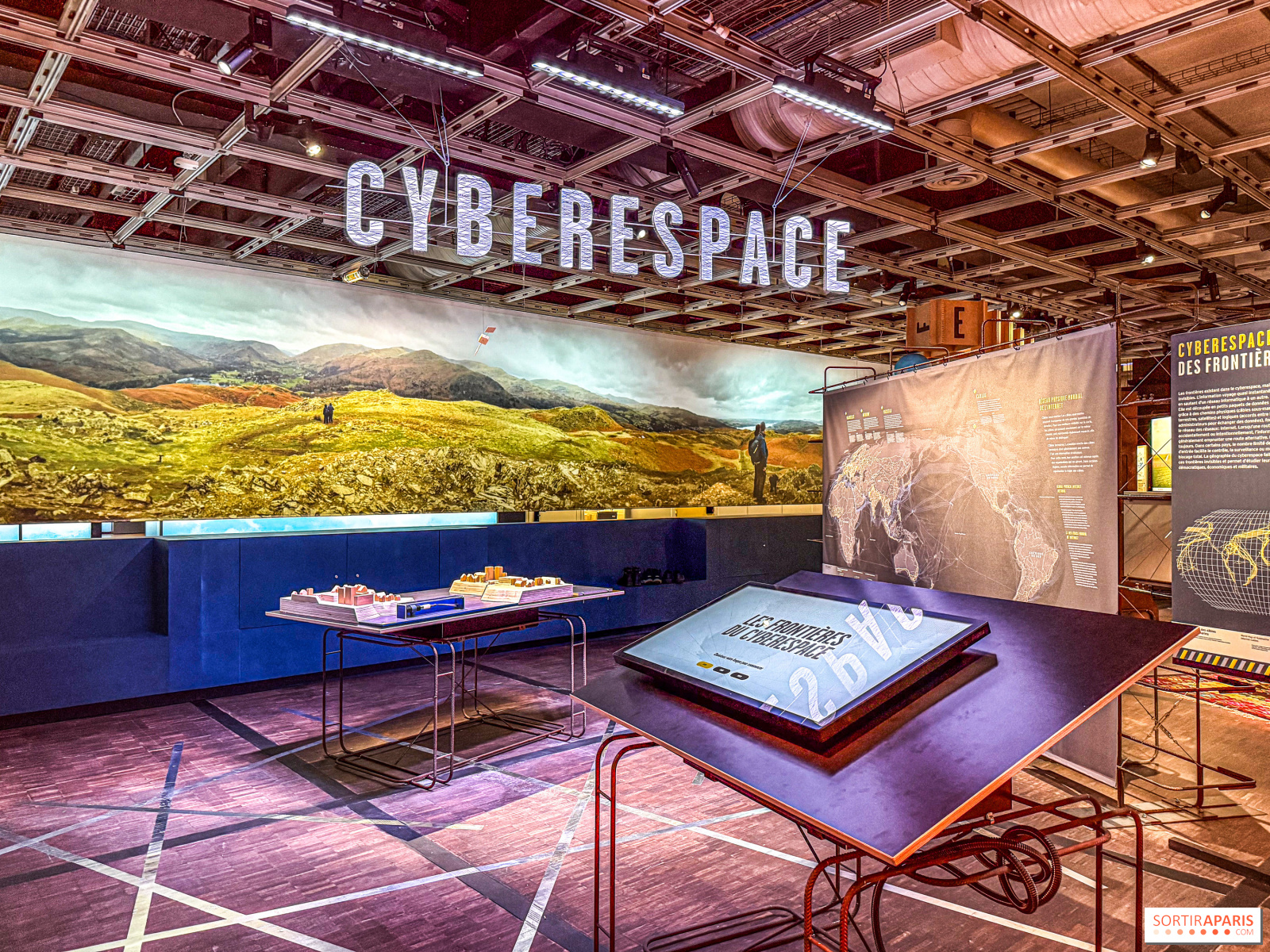
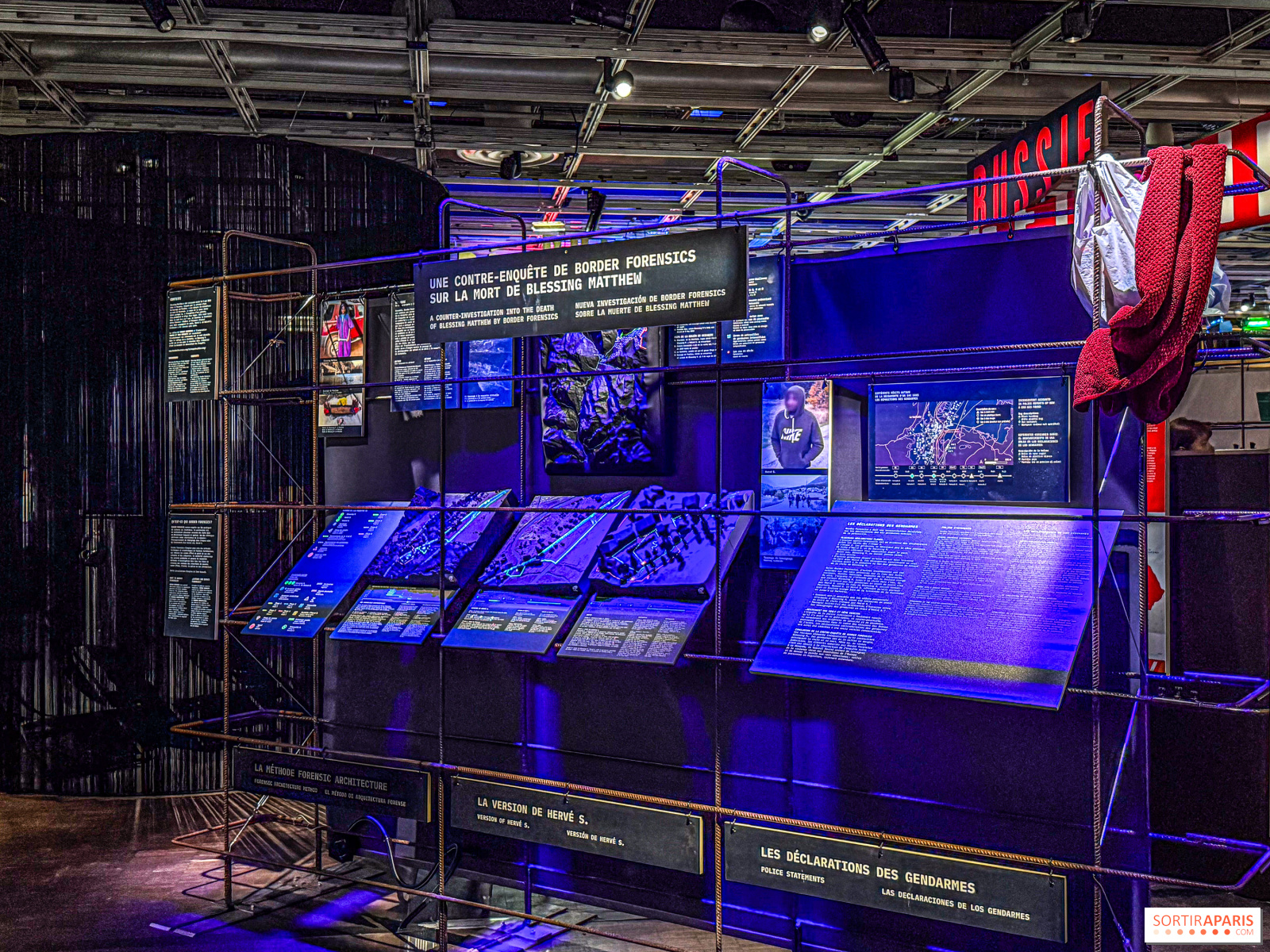
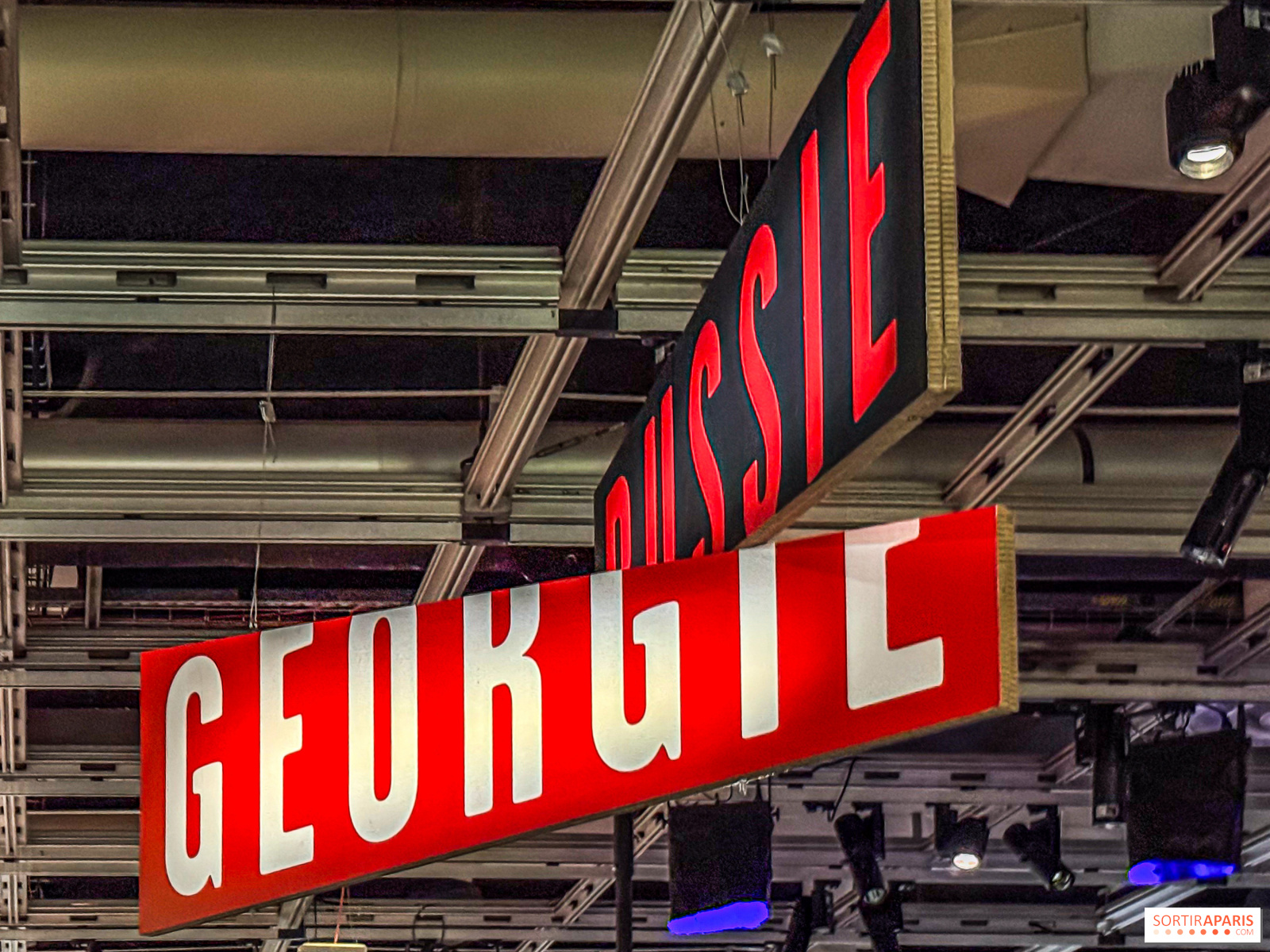
The issue of borders runs through political discourse, public debate, and today’s geopolitical upheavals. Here, it is approached with perspective and without oversimplification. The exhibition takes time to show that a border can be a line, a zone, a network, an interface, a lock, or a passage.
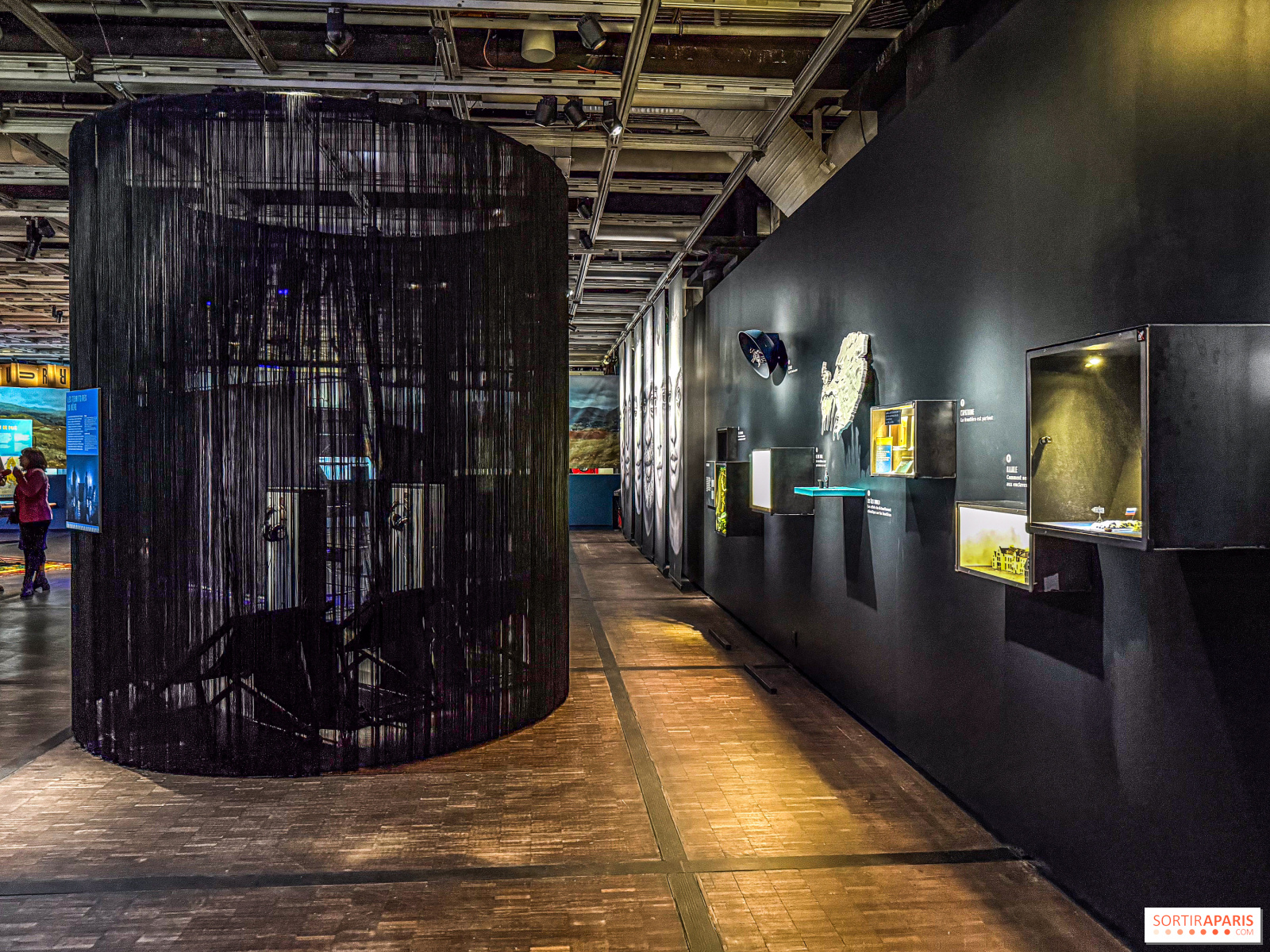
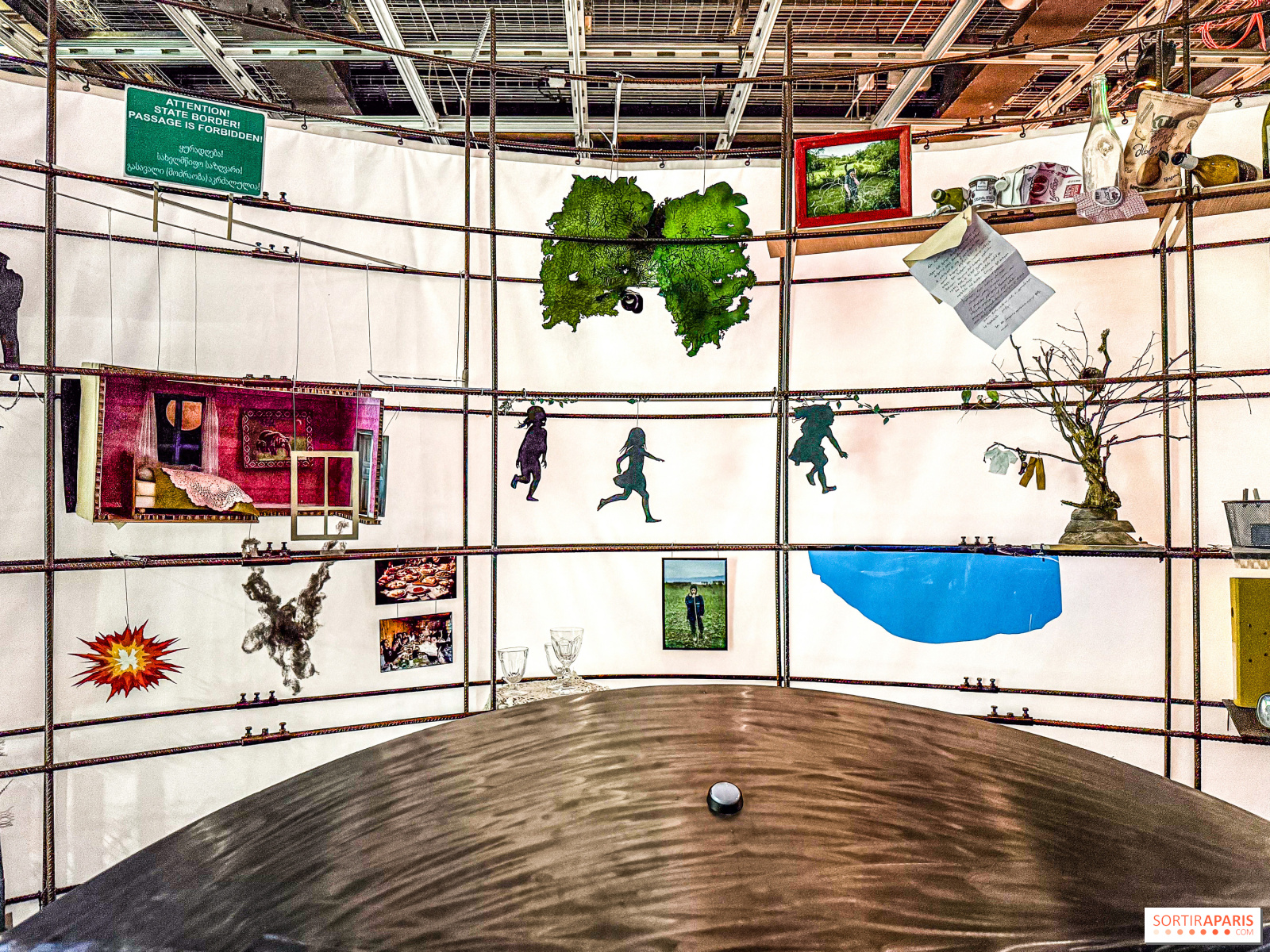
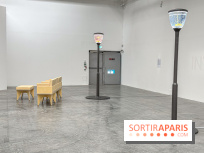
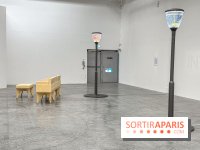
She gives equal weight to on-the-ground realities and their representations, giving a voice to geographers, artists, researchers, and also the residents of these borderlands. The exhibition design supports this approach by using raw materials that evoke walls, obstacles, and the harshness of borders, while varying textures and forms to convey the range of situations. The concept also incorporates a sustainability angle, with durable materials and joinery designed for reuse.
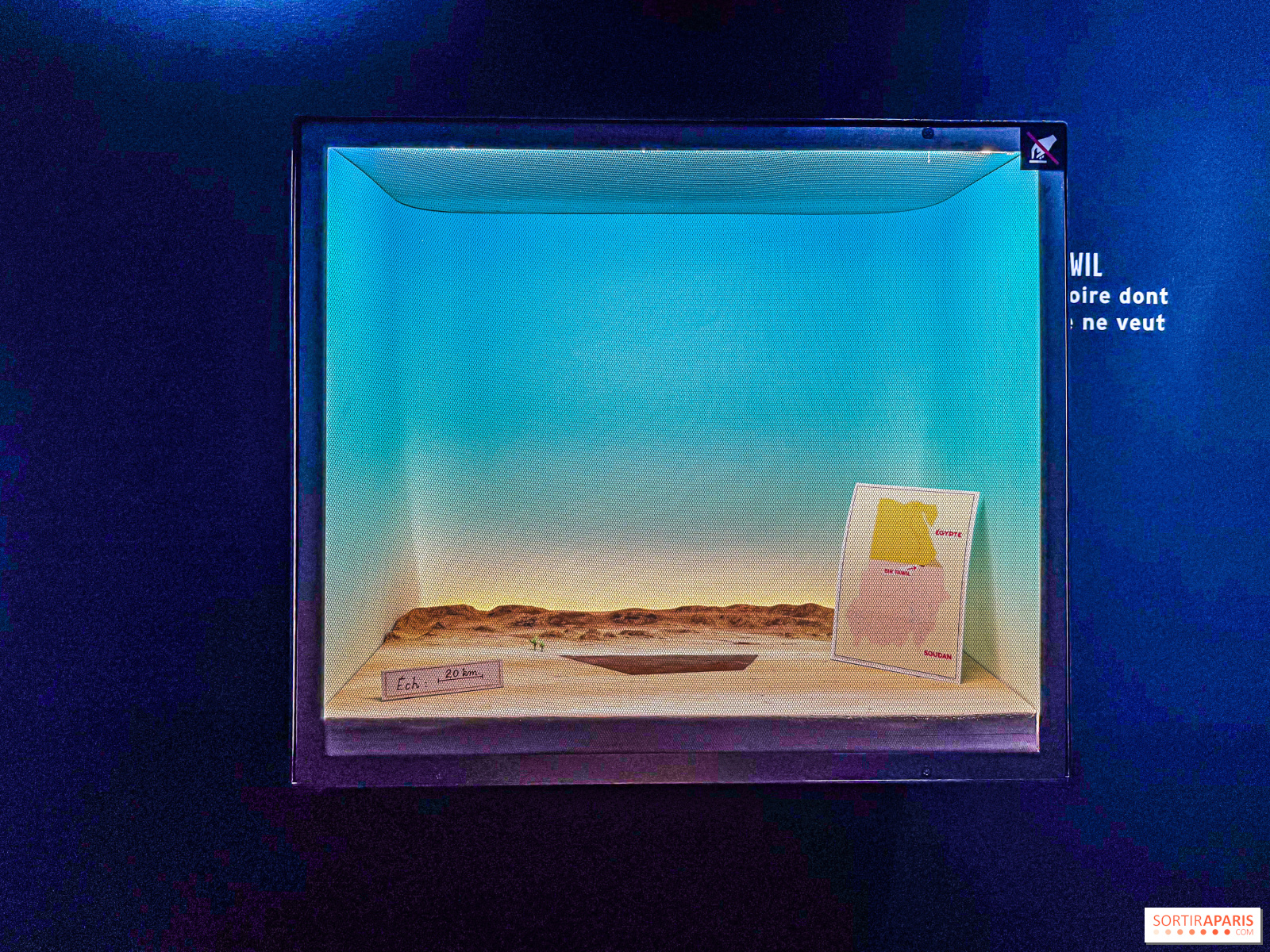
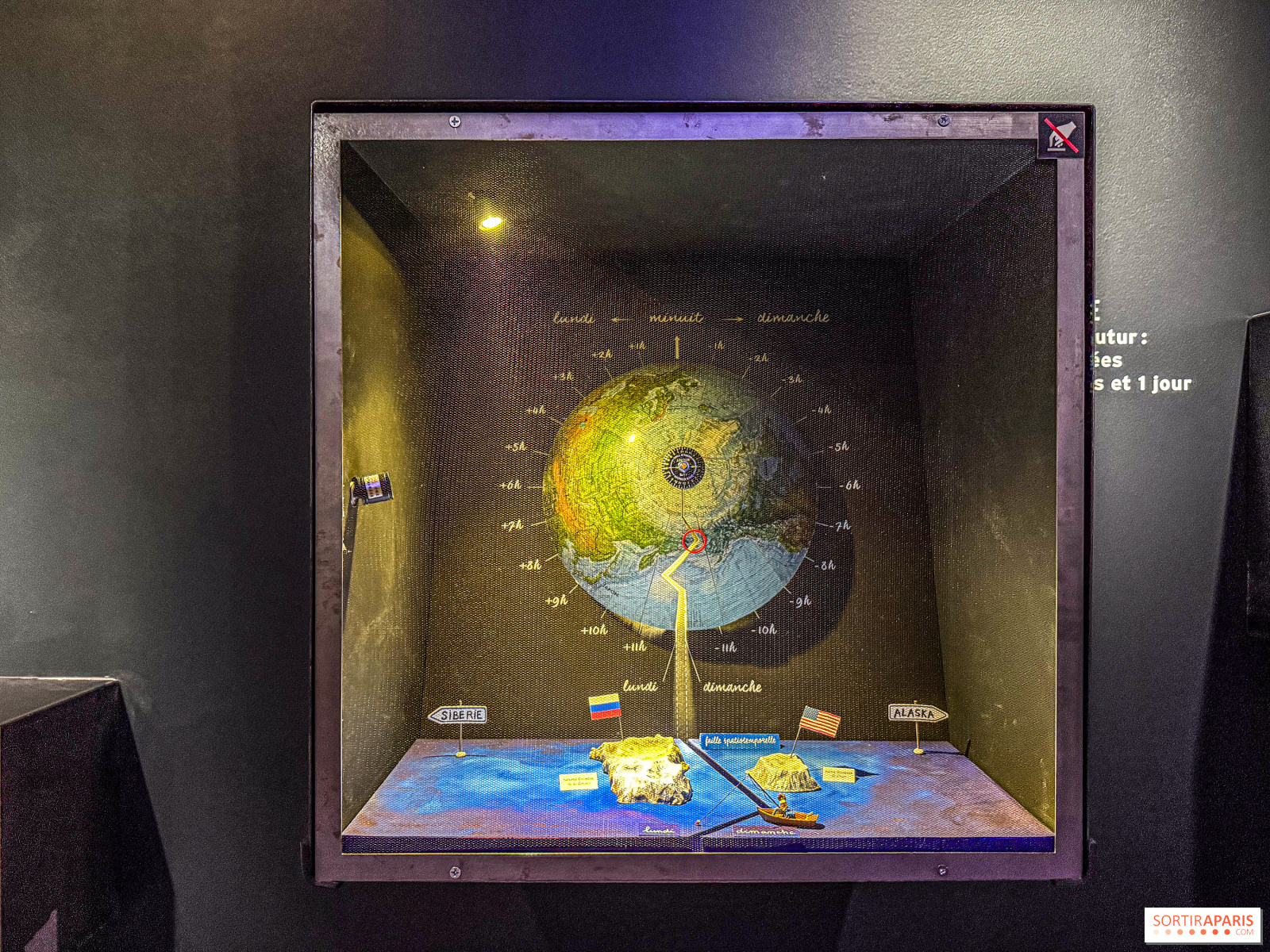
After the ten islets, the exhibition also dwells on the strange borders, in a focus that deserves attention. Presented as dioramas, these more unexpected cases reveal situations sometimes bewildering, sometimes almost absurd, which show how borders can produce singular realities.
You will encounter, for example, Bir Tawil, a territory between Egypt and Sudan that no state wants to claim sovereignty over, the l’île des Faisans between France and Spain that changes hands every six months, or Baarle, straddling Belgium and the Netherlands and famed for its labyrinth of enclaves.
Other examples push the reflection further toward the Diomede Islands, the pair of isles that sit between the United States and Russia—two lands that belong to both nations, just a few kilometers apart yet lying in two vastly different time zones (they’re 21 hours apart). Apatridism, territories threatened with disappearance in the Tuvalu archipelago, or even space itself, envisioned as a new pioneering frontier. You thought a border was simply a continuous line? This detour says otherwise.
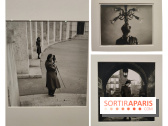
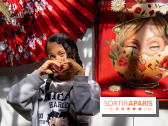
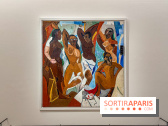
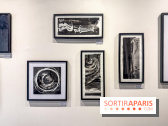
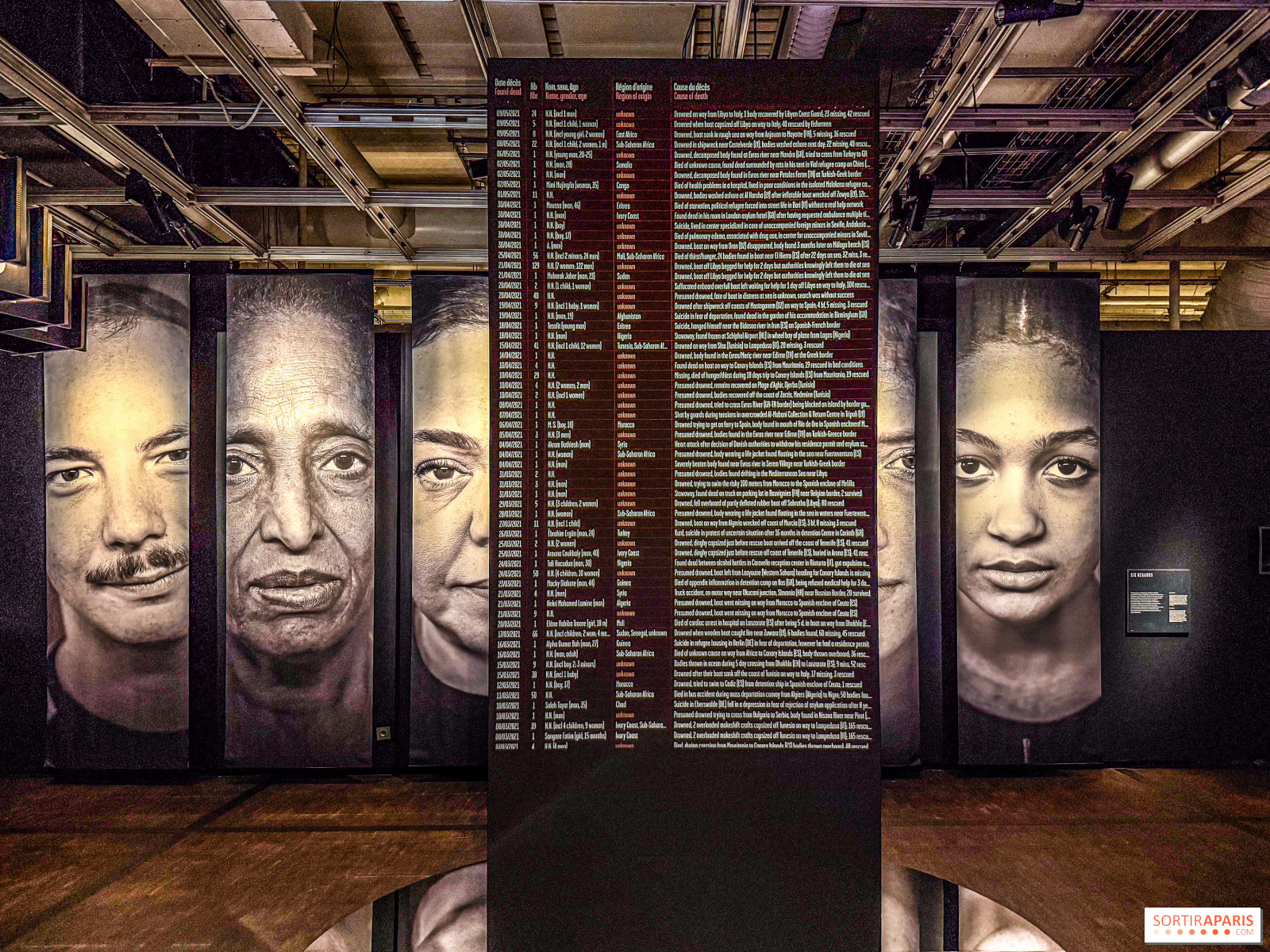
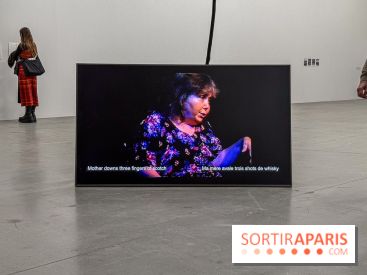
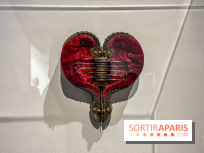
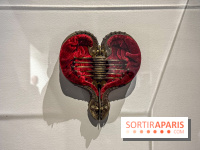
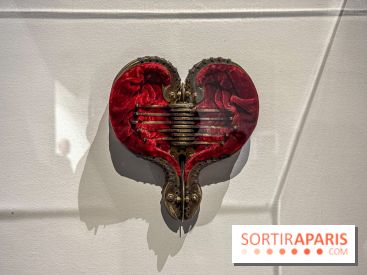
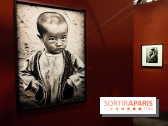
The exhibition also foregrounds artistic creation. Valerio Vincenzo’s photographs of the old European borders that have become spaces of movement, the large-format portraits by Frédéric Choffat featuring people facing Europe’s deadly borders, the sound installation Territoires du Rêve by Kristoff K.Roll, and the numerous interventions by the collective Les chevreaux suprématistes enrich the itinerary with a sensitive, narrative dimension. These works aren’t there to illustrate the argument from a distance: they extend the reflection in other ways—through image, sound, fiction, and staging.
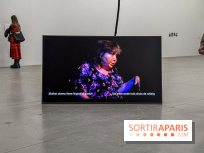
The visit concludes with a 23-minute film, crafted as a piece in eight acts, weaving together the fragments of the route and reactivating the ideas uncovered along the rooms. This final segment lets you catch your breath, cross viewpoints, and better understand what borders reveal about our era. You might leave with a different reading of the world, viewing these lines not as mere separations but as spaces rich with stories, power dynamics, memories, and projections. Shall we head to the Cité des Sciences?
This page may contain AI-assisted elements, more information here.
Dates and Opening Time
From April 14, 2026 to January 2, 2028
Location
Cité des sciences et de l'industrie
30 Avenue Corentin Cariou
75019 Paris 19
Access
Metro: line 7, Porte de la Villette station. Bus: lines 139, 150, 152, Porte de la Villette station. Tramway: T3b, Porte de la Villette station.
Prices
Tarifs réduits: €4 - €12
Plein tarif: €15
Official website
www.cite-sciences.fr
Booking
Book your tickets with Paris je t'aime here
More information
Open Tuesday to Saturday from 9:15 AM to 6:00 PM, and on Sundays from 9:15 AM to 7:00 PM.