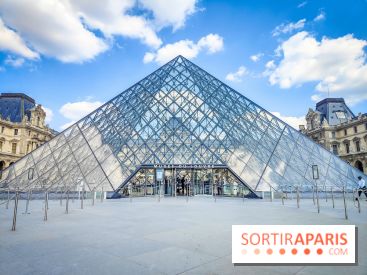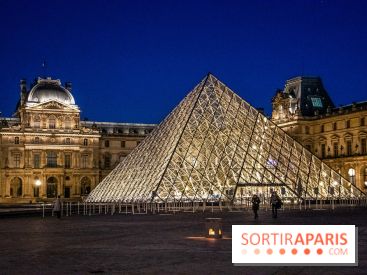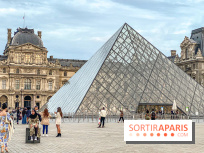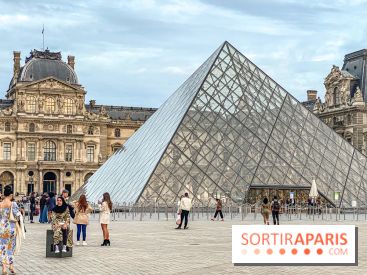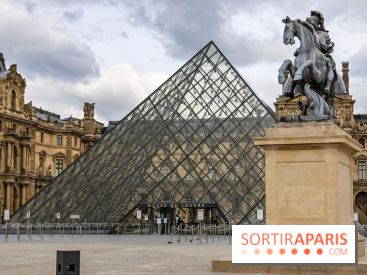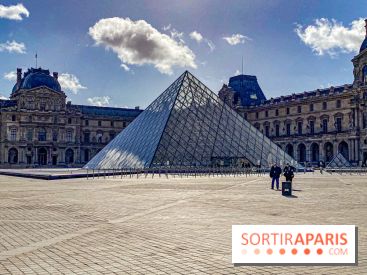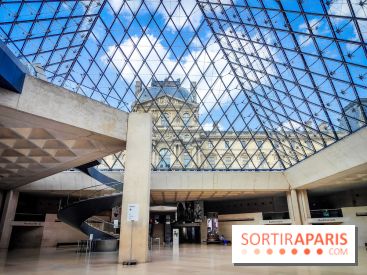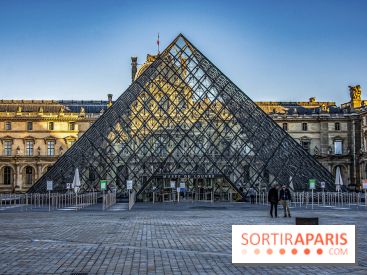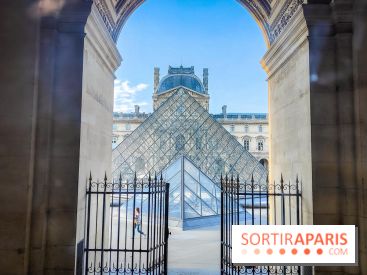
The security of the Louvre is under greater scrutiny than ever before... The Louvre Museumhas announced a series of emergency measures following the burglary on October 19, 2025, an event that led to the theft of several jewels from the heart of the Parisian museum. Appearing beforethe National Assembly on Wednesday, the Louvre's president and director, Laurence des Cars, discussed the burglary and the decisions taken to strengthen security at the site. Her eagerly awaited speech, which attracted significant media attention, underscored the importance of the challenges surrounding the security of the world's most visited monument.
Speaking to members of parliament, Laurence des Cars detailed the circumstances that may have led to the robbery and presented a series of immediate actions designed to prevent such an event from happening again. In particular, she indicated that the museum would acceleratethe installation of cameras around the building, as reported by our colleagues at 20 Minutes. "We will speed up the deployment of perimeter cameras [...] to ensure complete protection of the museum's surroundings. One hundred cameras will be installed by the end of 2026," she said. This measure aims to address a shortcoming that was highlighted the day after the theft.
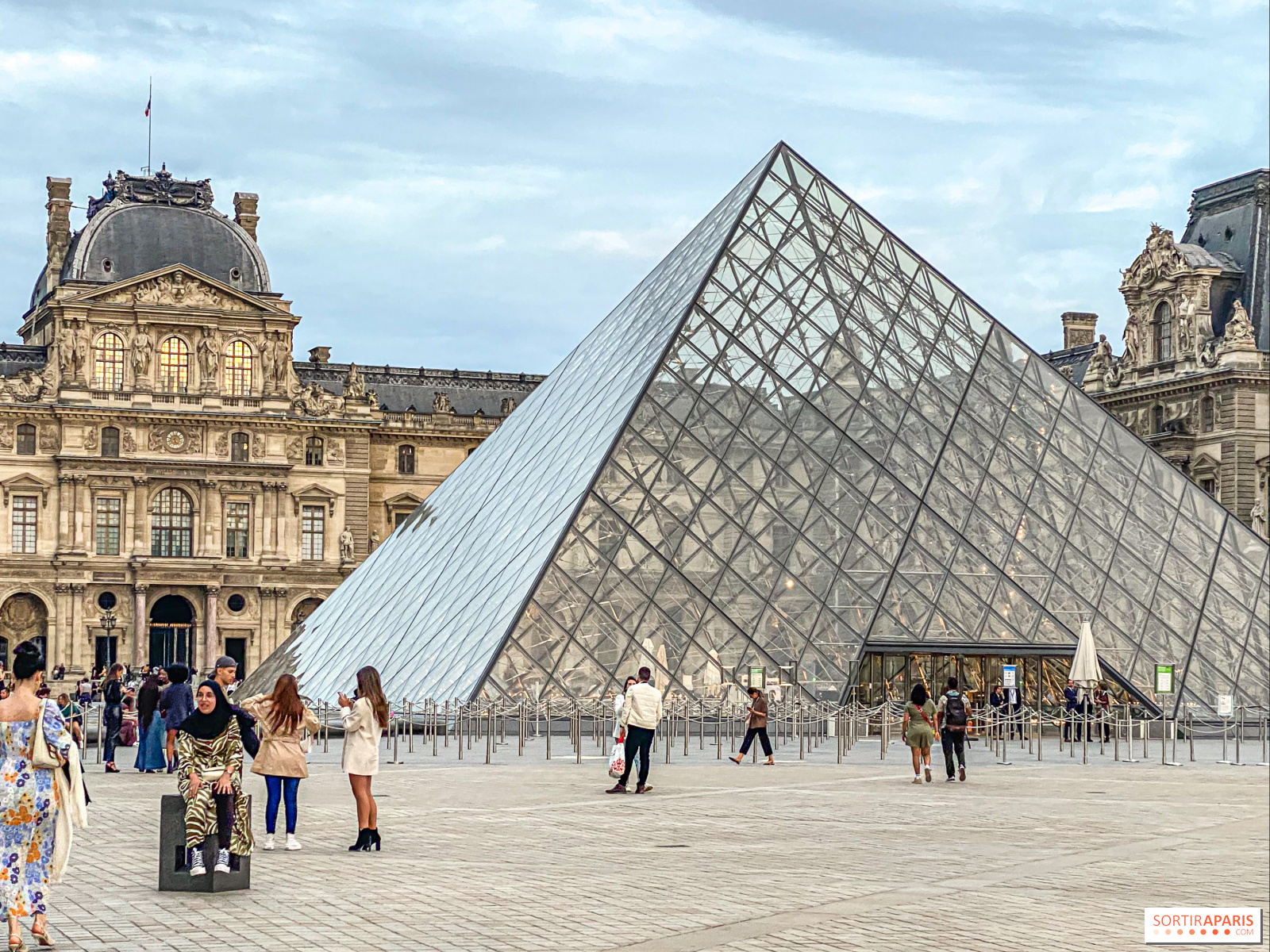
In addition to this increased surveillance, Laurence des Cars has announced the upcoming installation of a "mobile outpost of the national police [...] within the Louvre grounds." This internal police presence is intended to address the shortcomings identified after the intrusion of criminals, who were able to steal eight Crown Jewels in broad daylight. Despite the indictment and incarceration of four suspects, the stolen items, estimated to be worth €88 million, remain untraceable.
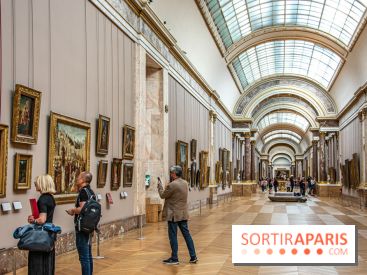
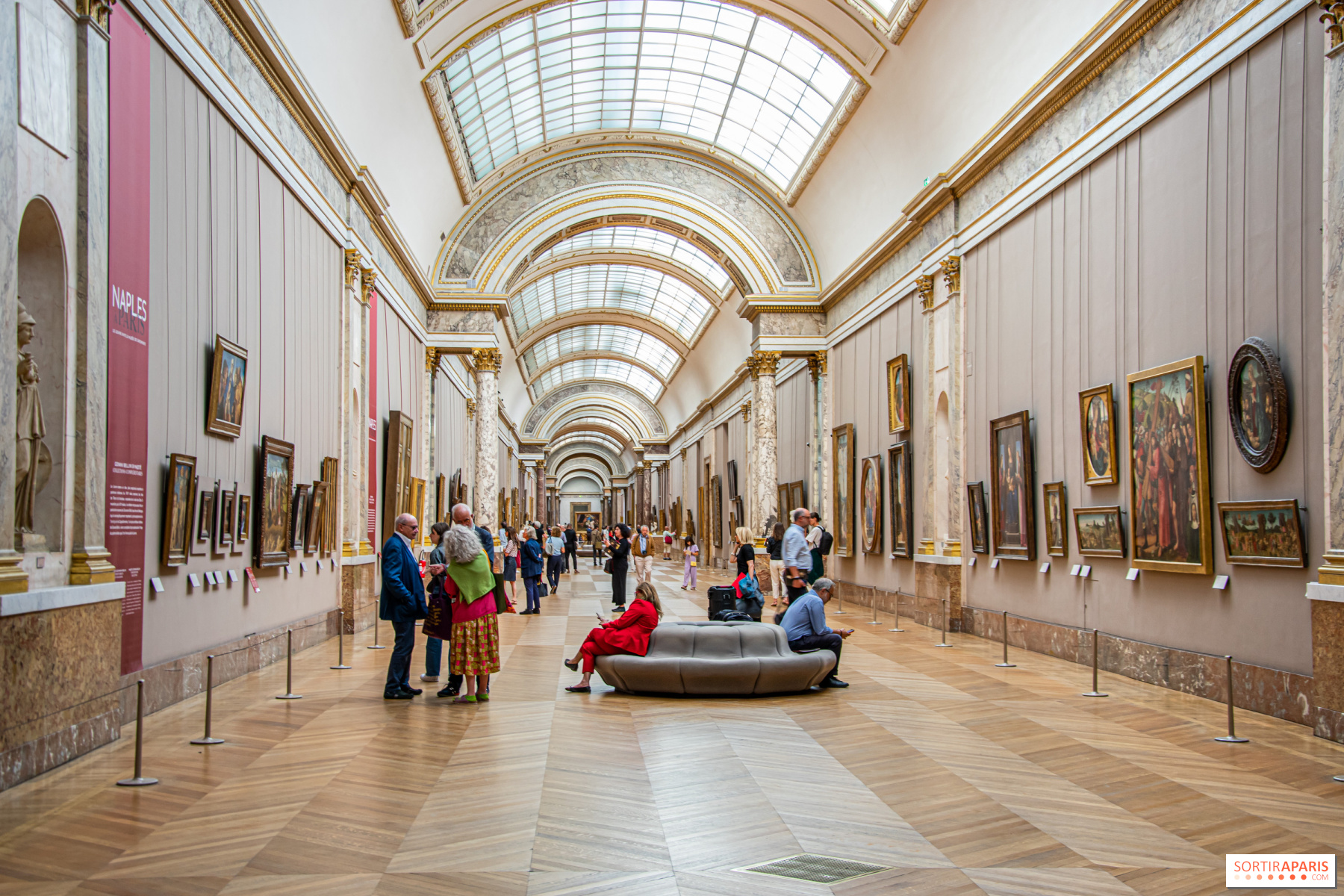
These announcements also come amid institutional criticism. In a recent report, the Court of Auditors stated that the museum had "prioritized visible and attractive operations at the expense of security." During the hearing, MP Alexis Corbière pointed out the "considerable delays in bringing the technical infrastructure up to standard and restoring the palace." These remarks add to the recurring warnings from trade unions about understaffing affecting the surveillance of a 73,000 m² site housing nearly 35,000 works of art.
Beyond the measures directly related to the robbery, the Louvre Museum also faces structural concerns. On Monday, the institution announced the temporary closure of the Campana Gallery, comprising nine rooms dedicated to ancient Greek ceramics, due to the "particular fragility" of certain beams. This decision follows the conclusions of a technical report recently submitted, revealing a risk related to the condition of the building.
This closure, presented as a "precautionary measure," highlights another major challenge for the museum: the maintenance and restoration of a historic building, part of which requires urgent intervention. These factors serve as a reminder that security at the Louvre is not limited to preventing intrusions, but also encompasses the protection of the building and the works it houses.
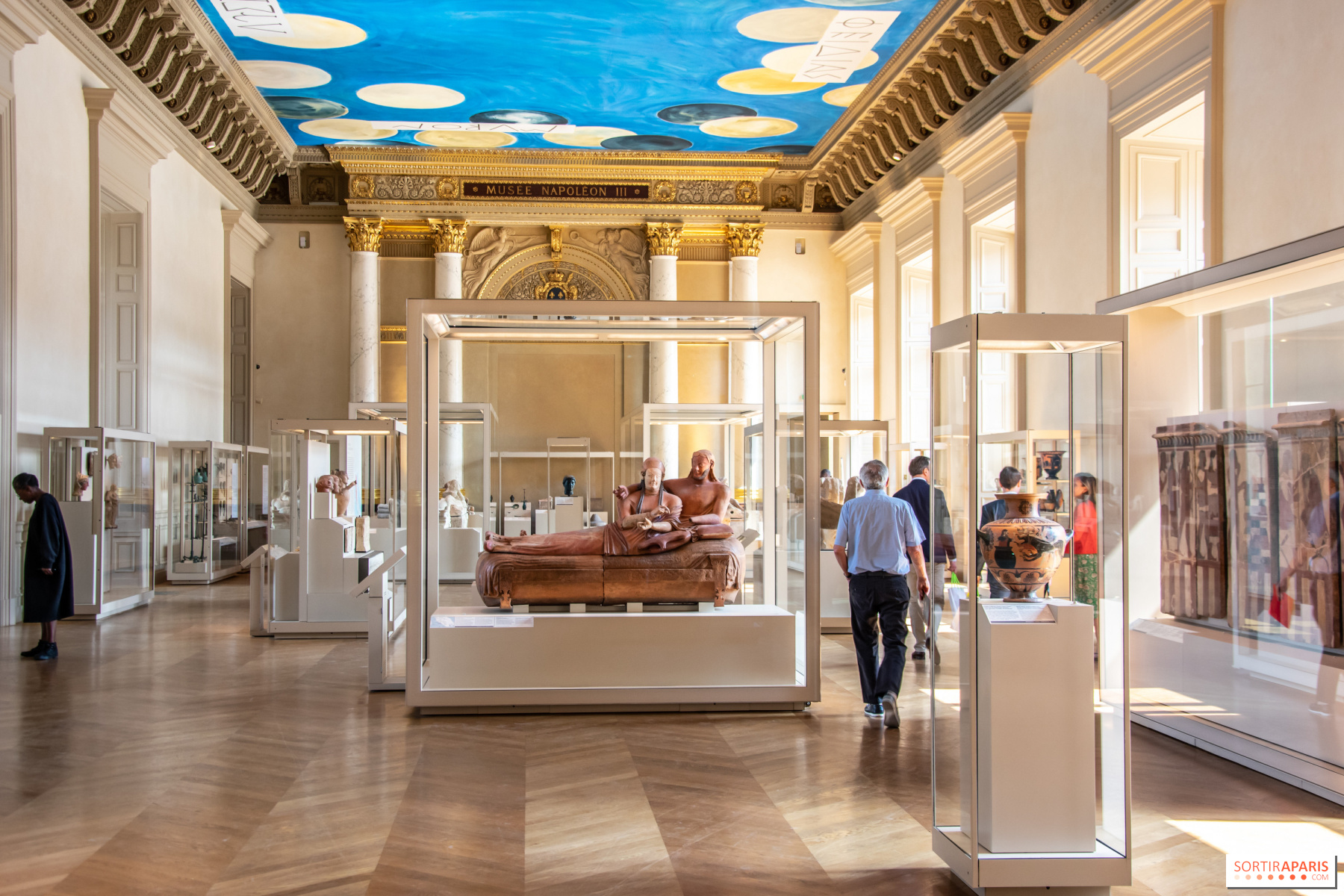
Following the theft on October 19, Laurence des Cars offered her resignation, which was ultimately refused. Between securing the surrounding area, increasing staff numbers, and bringing the museum up to technical standards, the Louvre's management is facing a major undertaking to restore confidence in the management of the world's largest museum.
The measures announced are the first responses to a situation that many institutional players consider to be worrying. They are part of a broader strategy aimed at ensuring the protection of the museum, its heritage, and its visitors at a time when the security of cultural institutions is a central topic of public debate.
This page may contain AI-assisted elements, more information here.