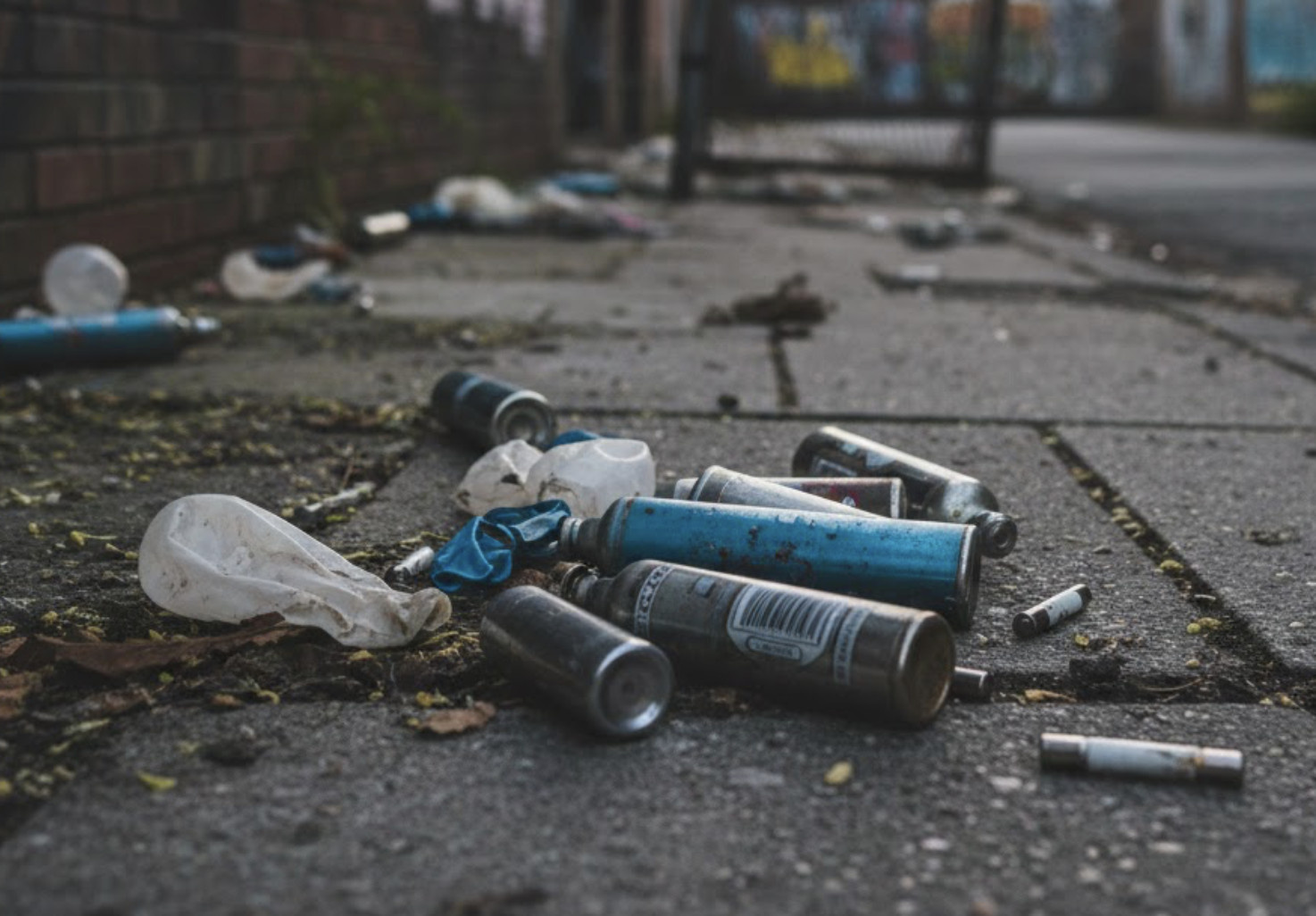
The Seine-Saint-Denis is taking proactive steps to address a serious issue. From December 20, 2025, to January 20, 2026, the Seine-Saint-Denis prefecture has imposed a complete ban on the sale of nitrous oxide to individuals within the department. This stringent measure aims to curb the misuse of the laughing gas, which in 2025 ranked as the third most commonly consumed toxic substance among young people in Paris, due to its recreational effects. An administrative order that took effect on December 20 extends beyond previous restrictions in an effort to stem this problem during the festive season.
If you live in Seine-Saint-Denis, be aware that the ban extends beyond just sales. The departmental order is particularly strict, prohibiting the possession, transportation, and use of this gas across the entire territory. It goes far beyond the 2021 national legislation, which already limited sales to minors and restricted sales in bars and tobacco shops. Here, regardless of your age, you cannot buy, possess, or consume nitrous oxide for the duration of this one-month ban.
This decision by the prefecture is driven by concerns over the health risks associated with inhaling nitrous oxide. While this gas is commonly used in the culinary world—for whipping cream—or in the medical field as an anesthetic, it has become increasingly popular as a recreational drug among youths. However, the dangers are very real. Occasional users risk dizziness, fainting, and cold burns during inhalation. In the long run, the potential effects are even more worrying, with the possibility of serious neurological issues developing over time. The prefecture emphasized in their statement that “inhaling nitrous oxide poses a serious danger to both users and others around them.” The French National Agency for Medicines and Health Products Safety (ANSM) has also issued multiple warnings highlighting neurological risks linked to the misuse of this substance.
The holiday season wasn't chosen by chance. In recent months, nitrous oxide has been increasingly linked to serious or deadly accidents, particularly on the roads. The numbers are staggering: road incidents connected to recreational inhalation are on the rise in Île-de-France. The danger lies in the fact that side effects can occur within 30 to 45 minutes after inhalation, making driving especially risky. To make matters worse, traces in the bloodstream disappear after just 30 minutes, complicating sobriety tests and roadside inspections.
This temporary ban is aimed at protecting the public during a period when gatherings and travel are at their peak. With New Year's Eve, family celebrations, and nights out with friends, opportunities for substance use increase—and so do the associated risks. The authorities have decided to take strong measures to restrict access to these products and raise awareness about the dangers involved. The Interministerial Mission for the Fight Against Drugs and Addictive Behaviors (MILDECA) supports such local initiatives to prevent risky consumption.
While Seine-Saint-Denis sets an example with its strict new regulation, the debate extends far beyond the department's borders. Some organizations, such as Addictions France, are calling for tighter national legislation to better address the growing issue. Others are advocating for stricter controls on sales to professionals, similar to the measures currently enforced by the prefecture of the 93rd district. The key question remains: should the sale of nitrous oxide be completely banned, or is it enough to improve oversight of its distribution?
Currently, there are no precise figures establishing a direct link between nitrous oxide use and road accidents, making it difficult to assess the true scope of the issue. However, authorities are not waiting for alarming statistics to take action. In the meantime, residents of Seine-Saint-Denis will need to forego nitrous oxide during the holiday season, whether they are individuals or professionals. The Paris Addiction Surveillance Center continues to monitor cases of intoxication to better understand the scale of the problem.
This measure will be in effect until January 20, 2026, and may be extended or expanded to other departments in the Île-de-France region if the results are promising. The Ministry of Health and prevention agencies regularly remind the public of the risks associated with using psychoactive substances. Those who violate these regulations risk facing penalties outlined in the public health code. For any questions, you can visit the Seine-Saint-Denis prefecture website, which details all the provisions of this order, or contact Drogues Info Service at 0 800 23 13 13 for free information and support.
This page may contain AI-assisted elements, more information here.
Dates and Opening Time
From December 20, 2025 to January 20, 2026