The Aïd el-Kébir 2026, or Eid al-Adha, marks one of the Muslim calendar’s most significant moments. This year, the festival starts on this Wednesday, May 27 and runs through May 30, coinciding with the conclusion of the pilgrimage to Mecca. In France, the Muslim community numbers between 5 and 6 million adherents, and the day is defined by collective prayer, the ritual sacrifice, and large family gatherings. But this 2026 edition has a twist: it unfolds under unusually early heat, with a peak expected precisely on Wednesday, May 27.
The Arabic name Aïd al-Adha literally means "festival of sacrifice." In French, it is more commonly referred to as Aïd el-Kébir, or "the great festival," in contrast with Aïd el-Seghir, another name for Eid al-Fitr that marks the end of Ramadan. In Sub-Saharan Africa, it is also known as Tabaski. The Conseil Français du Culte Musulman (CFCM) officially confirmed on Monday, May 18, 2026, that the celebration would be held on Wednesday, May 27, corresponding to 10 Dhul Hijja 1447 AH.
The festival commemorates one of the most powerful episodes of the Abrahamic faith: the test God set for the prophet Ibrahim (Abraham). According to the Qur'an, Allah commanded Ibrahim to sacrifice his beloved son. Ibrahim was ready to obey when God, satisfied with his absolute submission, sent the angel Jibril (Gabriel) to substitute the child with a ram. This story, widely shared in outline by the three monotheistic religions, places faith and obedience at the heart of the celebration. Eid al-Kevir spans three days and is above all a major moment of family gathering, prayer and solidarity that today brings together more than 2 billion believers around the world.
The day begins with a collective prayer in mosques or on grounds set aside for the event. When the local community is too large to fit inside the mosques, prayers are held in spacious outdoor venues: community halls, gyms, parks. In France, some cities schedule multiple time slots to ensure every worshipper can attend.
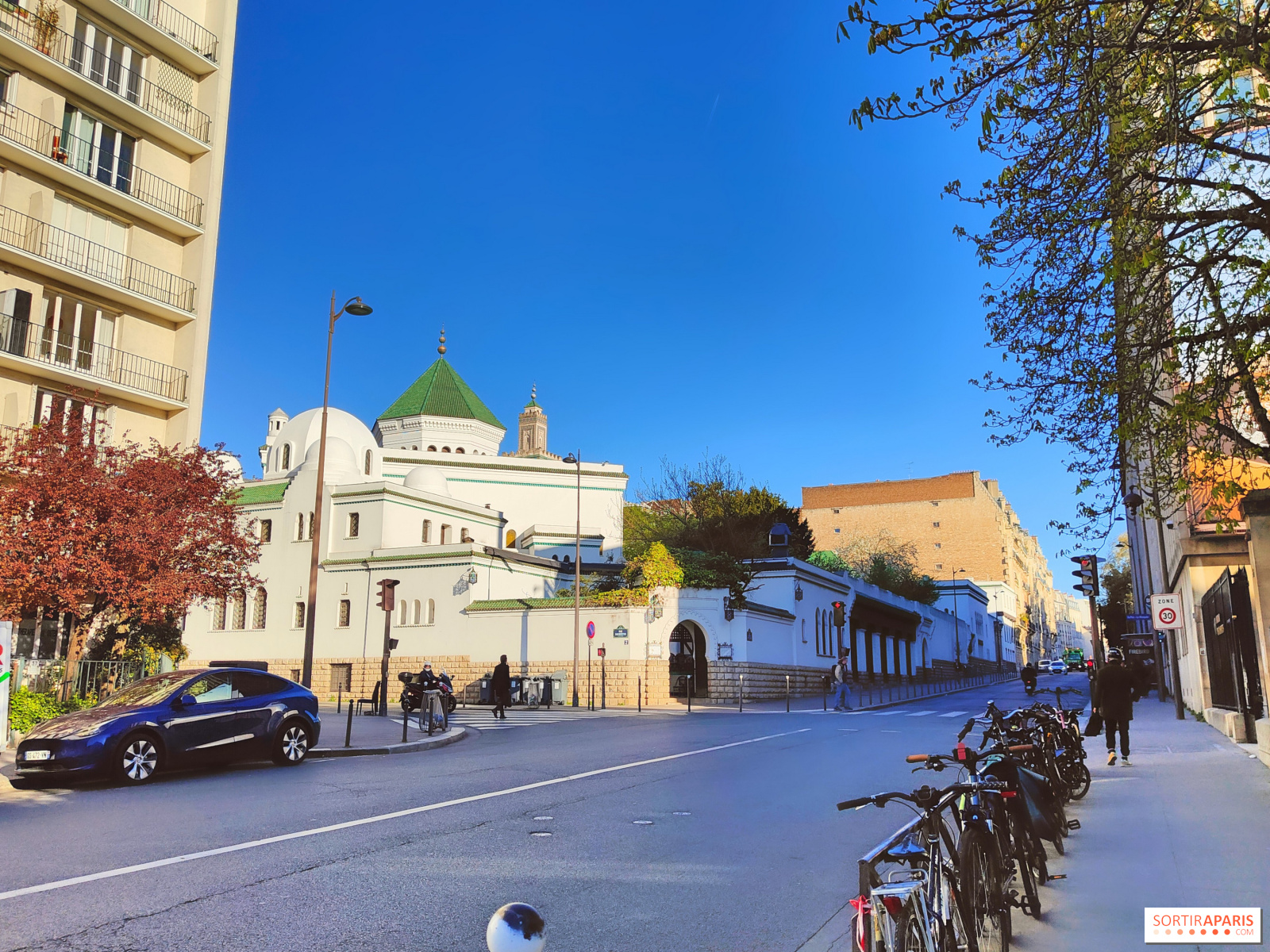
In Paris, the Grand Mosque of Paris (5th arrondissement, Place du Puits de l'Ermite) will host worshippers for two prayers on Wednesday, May 27, 2026: the first at 7:30 a.m. and the second at 8:15 a.m.
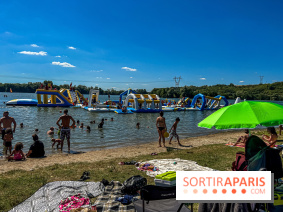
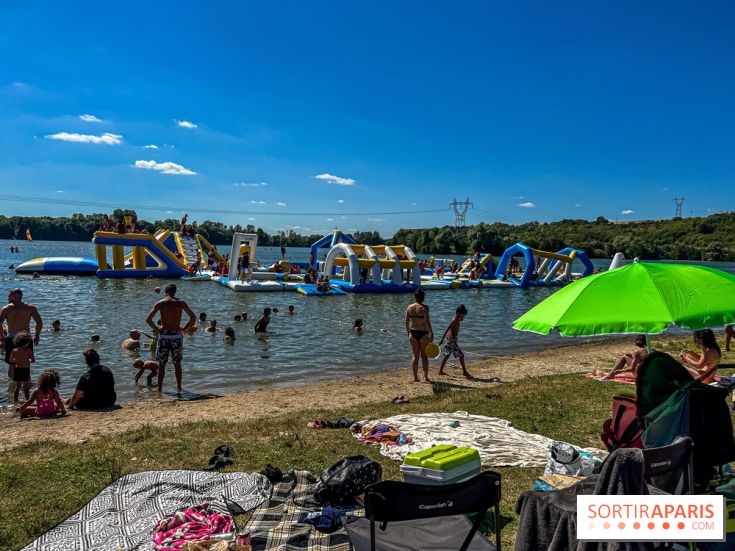
This year, organizers face an additional hurdle. In Paris, the thermometer climbs to 33°C in the afternoon, and this heatwave pattern resumes this Wednesday, May 27, under a completely clear sky. Since May 21, 2026, a powerful anticyclone has kept temperatures 9 to 12 degrees above the seasonal norms, creating a true heat dome over France. For crowds gathering outdoors at dawn, precautions are essential. The elderly, young children, pregnant women, and isolated individuals are particularly at risk. It is advised to stay well hydrated before heading out, cover your head, and keep a close eye on the most vulnerable among the gathering.
After the prayers, those who can afford it carry out the ritual sacrifice. The meat is then distributed according to a traditional split: one third for the family, one third for relatives and neighbors, and one third for those in need. In France, strict slaughter regulations require sacrifices to take place in licensed abattoirs, and local authorities collaborate with Muslim communities to ensure compliance with health standards. The Ministry of Agriculture provides a practical guide to help families navigate the process. For those who prefer to delegate, organizations like Secours Islamique France redistribute the meat to the most vulnerable populations in France and abroad.
This celebration is primarily aimed at the Muslim community, but it also offers everyone the chance to gain a deeper understanding of one of the most vibrant traditions in the Île-de-France cultural scene. A wonderful moment of coming together, to be enjoyed with caution this year in the face of intense heat.
Dates and Opening Time
On May 27, 2026
Location
Paris Mosque
2bis Place du Puits de l'Ermite
75005 Paris 5