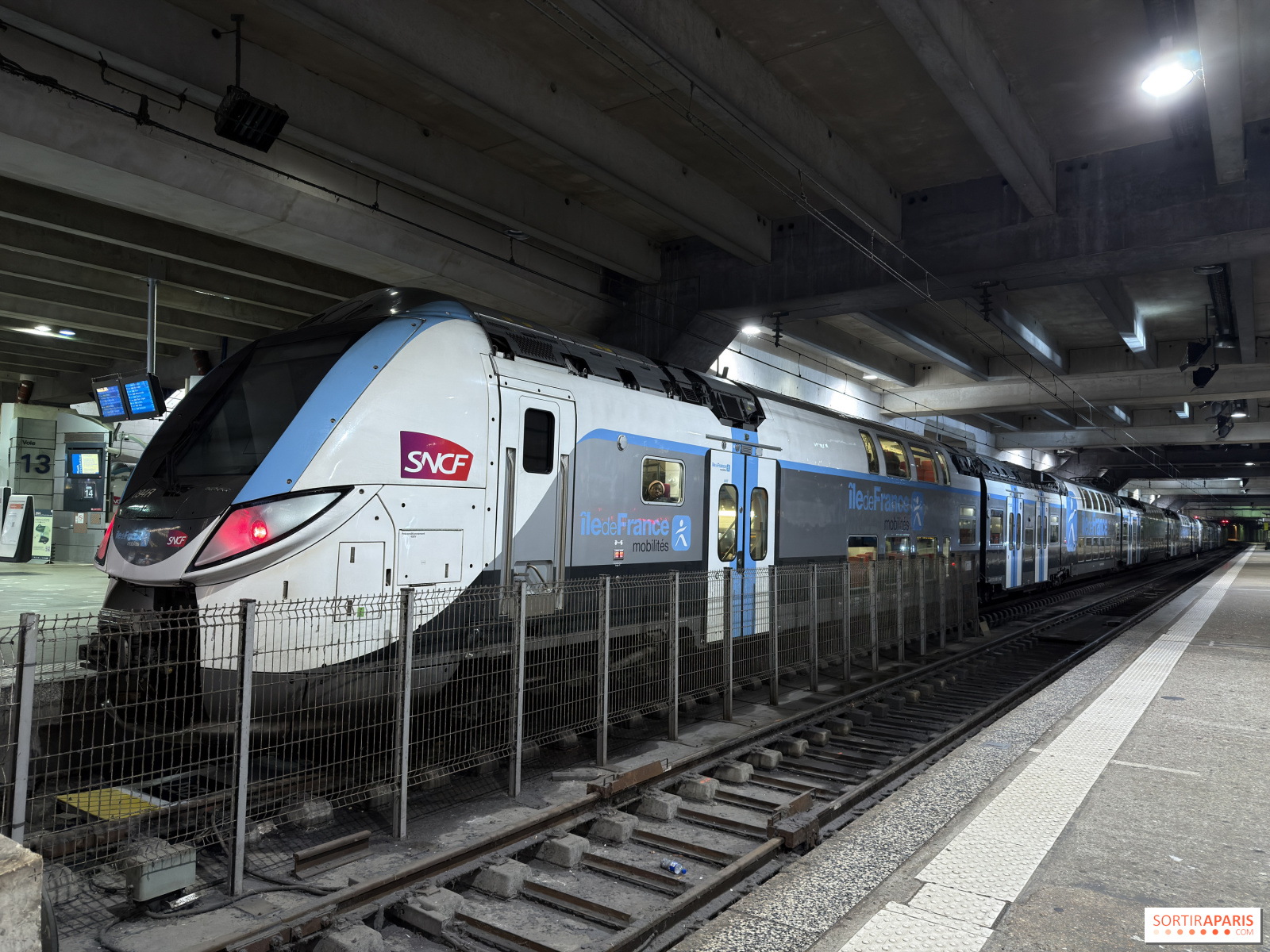
Facing the exceptional heatwave sweeping the country, the SNCF is asking the most vulnerable travelers to defer their train journeys this Sunday, June 21, 2026. L'Île-de-France is among the regions placed under red alert by Météo-France, alongside the Centre-West and Aquitaine, with peaks expected around 41°C. From Montparnasse station in Paris (14th arrondissement), the head of the Jean Castex group provided an update on services and reassured on the mobilization of staff.
“They are advised to postpone their trip, or at least to avoid, during this heat wave, taking the train,” said the former prime minister. In his view, this serves as a preemptive safeguard for the most vulnerable, even as disruptions on the rail network cannot be ruled out.
The railway network is indeed “strongly affected” by these extreme temperatures, he concedes. Delaying his journey, therefore, helps him avoid getting stranded on a platform or inside a train car in the event of a sudden disruption.
Several elements of the network struggle to cope with such heat. The rails risk warping and expanding, while the catenaries can sag and loosen, to the point of being torn away as trains pass.
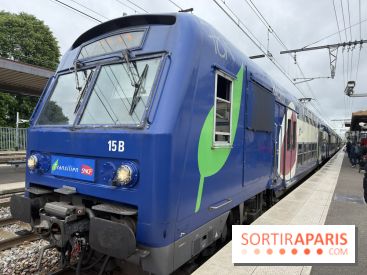
To limit these risks, some trains are running at reduced speeds and the transport plan has been slimmed down. 71 Intercités trains have already been canceled on several routes (Paris-Orléans-Limoges-Toulouse, Paris-Clermont-Ferrand and Bordeaux-Marseille).
Jean Castex promises a full mobilisation of the SNCF Group to keep services as normal as possible under conditions he describes as extreme and exceptional. About 3,500 people are on duty around the clock to inspect the infrastructure and ensure traffic flows.
The transport plan has largely remained in place since the outset of the episode, but has been scaled back in coordination with authorities when the rolling stock is not suited to the heat.
On his side, Transport Minister Philippe Tabarot acknowledged a difficult situation, while stressing that the French “cannot give up their travels.” He urged vulnerable individuals to avoid, where possible, risky situations, and he assured that the country is “not blocked,” while highlighting an aging network.
Before you board, we advise checking your trip in real time on SNCF Connect and tracking alert updates on the Météo-France vigilance map, which on Sunday labels Île-de-France as red.
In the Île-de-France region, as in other parts of the country, sensible habits still apply: stay hydrated, avoid the hottest hours, and check on the most isolated loved ones. To go further, the government lays out its heatwave recommendations, and the Île-de-France Regional Health Agency restates the steps to take. The Canicule Info Service hotline (0 800 06 66 66) also answers all questions, from 9 a.m. to 7 p.m.