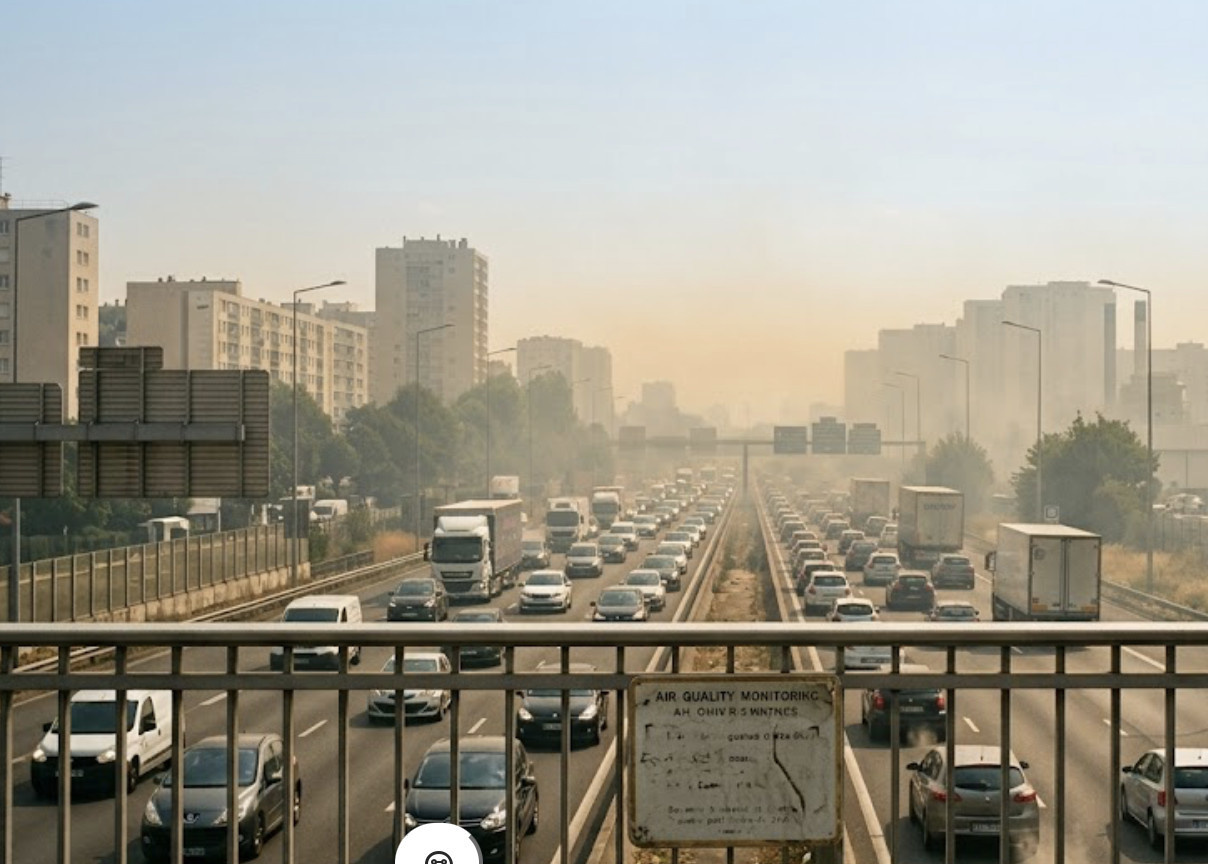
Poor air quality, heatwaves and ozone pollution: the Île-de-France and a large part of the country are facing deteriorating air this Monday. According to Airparif, ozone levels remain high in the Île-de-France region, driven by strong sunshine, high temperatures and local pollutant emissions. In response to this episode, health authorities urge people to adjust their activities, especially for the most vulnerable.
The deterioration in air quality observed on Monday is mainly due to higher ozone concentrations. Unlike fine particles, ozone is not directly emitted by cars or factories. It forms in the atmosphere when certain pollutants react under the influence of sunlight and heat.
Airparif says the air quality is poor across the entire Île-de-France, with ozone levels elevated by current weather conditions. To track changes hour by hour, residents of Île-de-France can consult the pollution en direct en Île-de-France map.
The phenomenon is not confined to the Paris region. National forecasts from Atmo France show that several areas in the North, the Centre, the East and the South-East are also experiencing degraded or poor air quality.
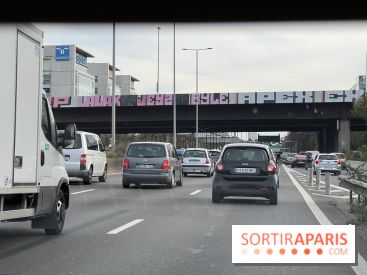
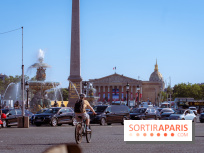
The entire Île-de-France region is affected by this episode. Paris, as well as the inner and outer suburbs, are experiencing elevated ozone levels, particularly in areas most exposed to traffic and heat.
In recent days, several measures have already been rolled out in Île-de-France. Sortiraparis in particular reported the activation of the information-and-recommendations system to address ozone pollution, as well as the guidelines issued to residents.
The site also outlined the differentiated traffic restrictions in Île-de-France, introduced during past episodes to curb pollutant emissions.
Ozone is an irritating gas. When it concentrates near the ground, it can irritate the eyes, nose, and throat, trigger coughing, cause breathing difficulties, or a sensation of chest tightness. The effects are usually more pronounced during physical activity, as breathing becomes faster and deeper.
The Ministry of Health warns that vulnerable groups must stay especially vigilant during pollution episodes. This includes children, the elderly, pregnant women, people with asthma, and those with respiratory or cardiovascular diseases.
People who are sensitive don’t necessarily have to stay indoors all day, but they should limit their exposure. The ARS Île-de-France recommends avoiding prolonged outdoor activities during the hottest parts of the day, especially in the afternoon when ozone levels tend to be highest.
If you experience breathing difficulties, wheezing, an unusually persistent cough, palpitations or abnormal fatigue, you should seek medical advice. People already undergoing treatment for a chronic condition should continue taking their medication as usual, unless advised otherwise by a health professional.
The answer depends on the level of effort. A gentle walk or a short outing remains achievable for most people. However, sustained exertion is not advised, especially in the middle of the afternoon.
The Ademe advises postponing intense physical activities during ozone peaks, favoring the least-exposed time slots, especially in the morning or evening. Running, competitive cycling, group workouts, or races can lead to higher inhalation of pollutants.
For children, it’s best to avoid very physically demanding outdoor play during the hottest hours. Schools, leisure centers, and sports clubs can adapt activities, prioritizing moderate exertion.
Several simple precautions can help reduce risks during a pollution episode:
Contrary to a common belief, you don’t need to eliminate ventilation in the home altogether. Indoor air can also contain pollutants from cleaning products, cooking, scented candles, or building materials. It’s therefore advisable to air out the home early in the morning or late in the evening, when heat and ozone levels are lower.
During pollution episodes, authorities may take steps to curb emissions from road traffic. These can include lowering speed limits, implementing differentiated traffic schemes, or adjusting fares in public transport.
Sortiraparis has recently reported the activation of the anti-pollution pass in Île-de-France, proposed during an earlier phase to encourage residents to prioritise public transport, from June 19 to 21, 2026.
Before hitting the road, drivers are advised to check the current rules with the prefecture, Airparif, or regional transport authorities. Restrictions can change rapidly depending on the severity of the episode.
To stay abreast of real-time conditions, residents can check Airparif’s forecasts for Île-de-France, Atmo France’s national map, or the bulletins from regional air-quality monitoring associations.
These tools let you plan around the peak exposure hours, adjust your travel, and postpone certain activities. In heat waves, this monitoring becomes especially valuable, as ozone levels can climb quickly as the day progresses.
Ozone pollution episodes are tightly linked to heat and sunshine. The higher the temperatures, the more favorable the conditions for forming this pollutant. As heat waves arrive earlier and occur more often, these episodes could become more common in spring and summer.
As air quality remains uncertain, officials are sticking to straightforward guidance: scale back intense physical activity, protect vulnerable populations, heed official alerts, and adjust travel plans. These steps don’t eliminate pollution, but they help limit exposure and reduce health risks.
Dates and Opening Time
On June 22, 2026
Location
Paris and the Île-de-France region
Paris
75 Paris