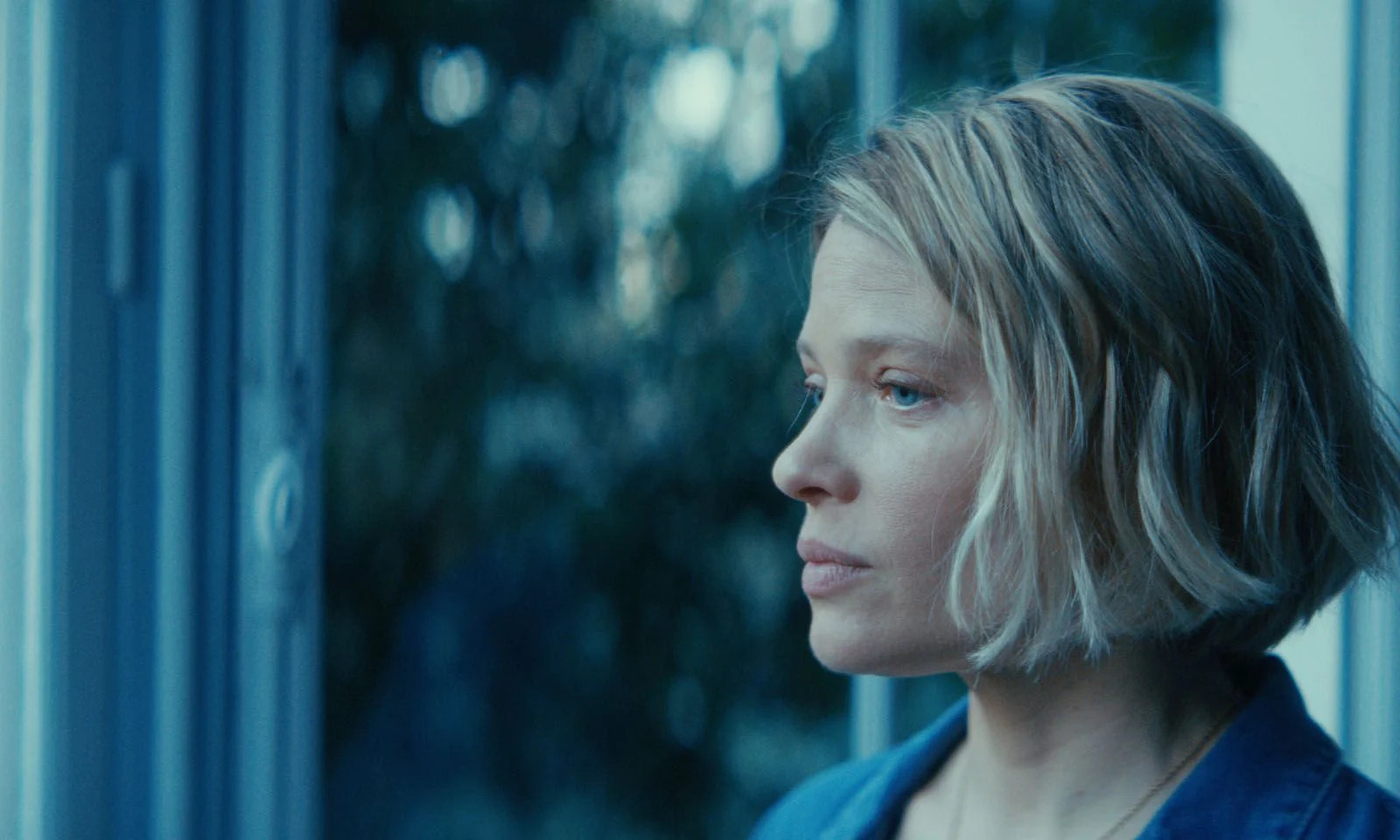
The Woman of, the new feature from David Roux, hits cinemas on April 8, 2026. This drama, led by Mélanie Thierry, Eric Caravaca and Arnaud Valois, follows a woman who has settled into a large bourgeois family, until the return of a fragment of her past begins to crack the balance she has gradually submitted to.
The Woman of
Film | 2026
Cinema release: 8 April 2026
Drama | Runtime: 1h33
Directed by David Roux | Starring Mélanie Thierry, Eric Caravaca, Arnaud Valois
Nationality: France
The film adapts the novel Son nom d'avant by Hélène Lenoir, brought to the director’s attention by producer Candice Zaccagnino after L’Ordre des médecins. The filmmaker sees in it material for a portrait of a woman hindered by circumstance, set within a tangled web of family, social, and marital life where words eventually lose their grip.
Marianne first presents herself as the perfect wife, admired, a devoted mother, and a woman fully rooted in her social circle. The story follows what that status implies: a fade into the background, sustained by routines, duties, and material comfort. When a shadow from the past reemerges, another life path becomes imaginable again, with all the rupture and personal price that entails.
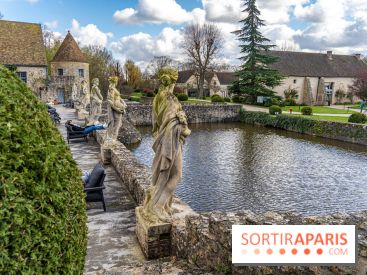
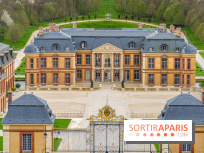
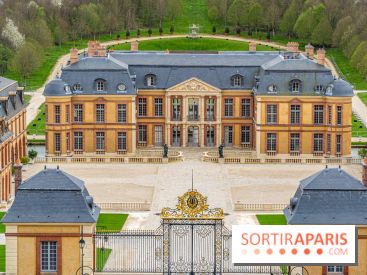
David Roux and Gaëlle Macé set this story within the world of provincial Catholic industrial bourgeoisie, but not as a mere social exhibit. The backdrop matters for what it does to the characters: a logic of inheritance, of maintaining appearances, and of a fixed place in society. The family home, found near Angers, expands this idea. Its architecture, conceived as a symbol of time-honored, self-confident wealth, gives the film a space that is both protective and oppressive.
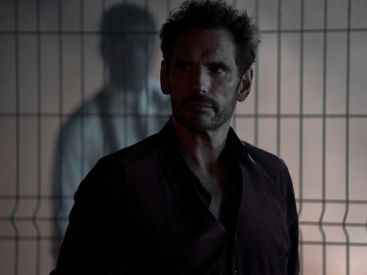
Mélanie Thierry’s selection sheds light on this line. David Roux says he had her in mind after Emmanuel Finkiel’s The Pain, seeking an actress capable of carrying a reserved character, whose inner movement unfolds through restrained tension rather than flashes of brilliance. Eric Caravaca embodies the husband, with the explicit aim of not reducing male figures to one-note silhouettes. Arnaud Valois completes the announced main trio for the release.
Among the contextual details offered by the director, the photographer character Johann Sameck holds a special place. Partly inspired by Bernard Plossu, he introduces a slower, more discreet, more observant relationship to the world. Subtly, this presence underscores the rigidity of the frame in which Marianne moves and the possibility, even fragile, of movement.
To extend your in-theatre experience, check out the April cinema releases, the current must-see films, and our year’s drama picks.
This page may contain AI-assisted elements, more information here.