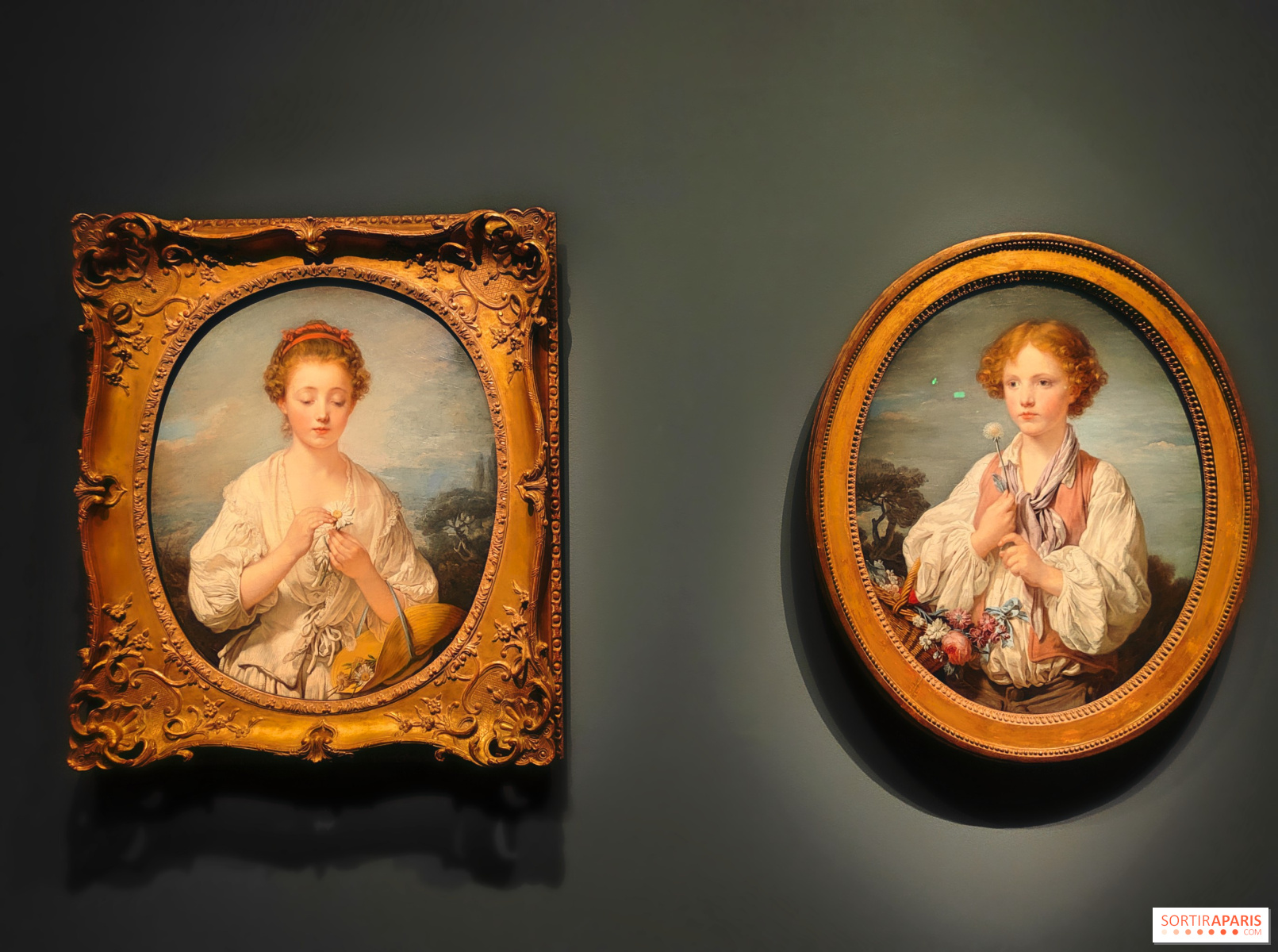
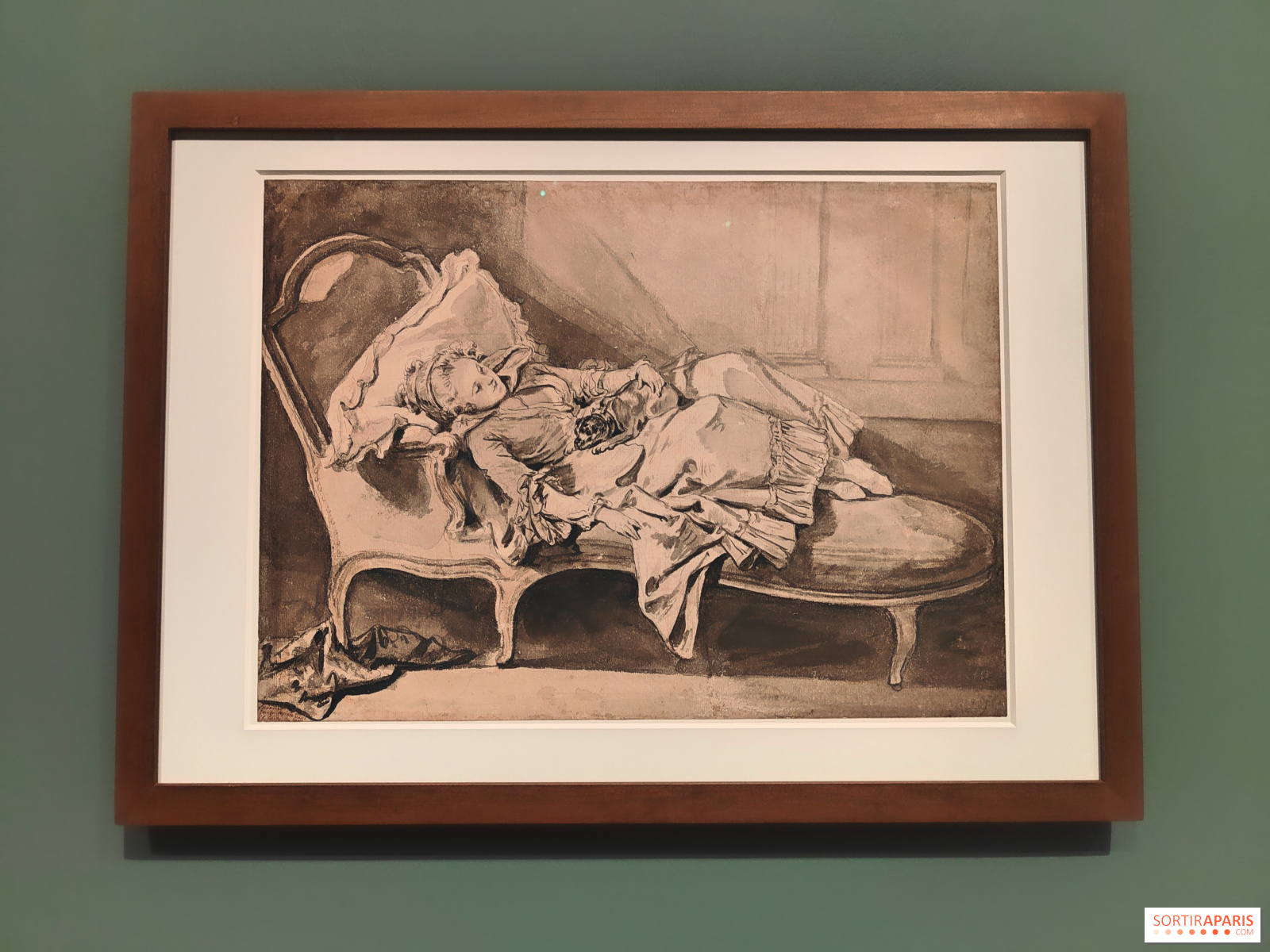
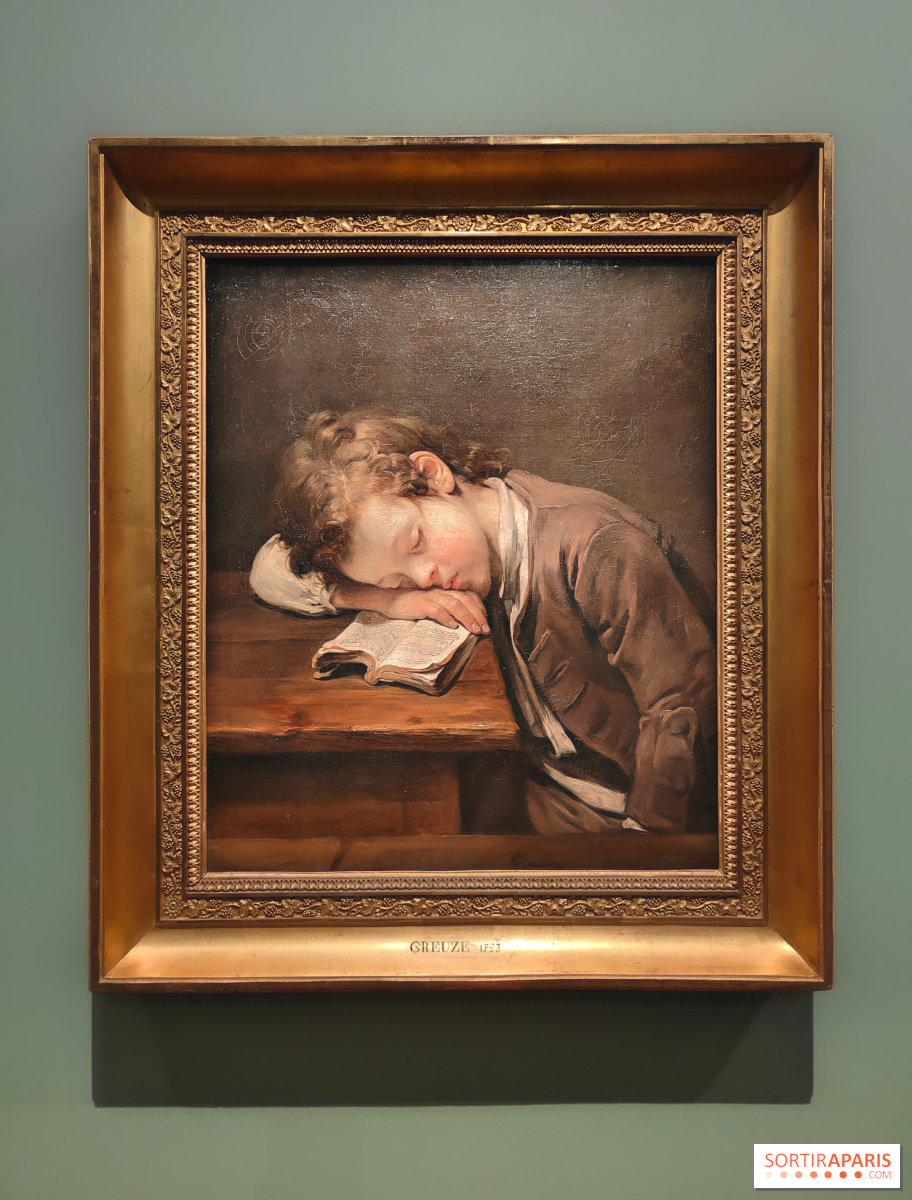
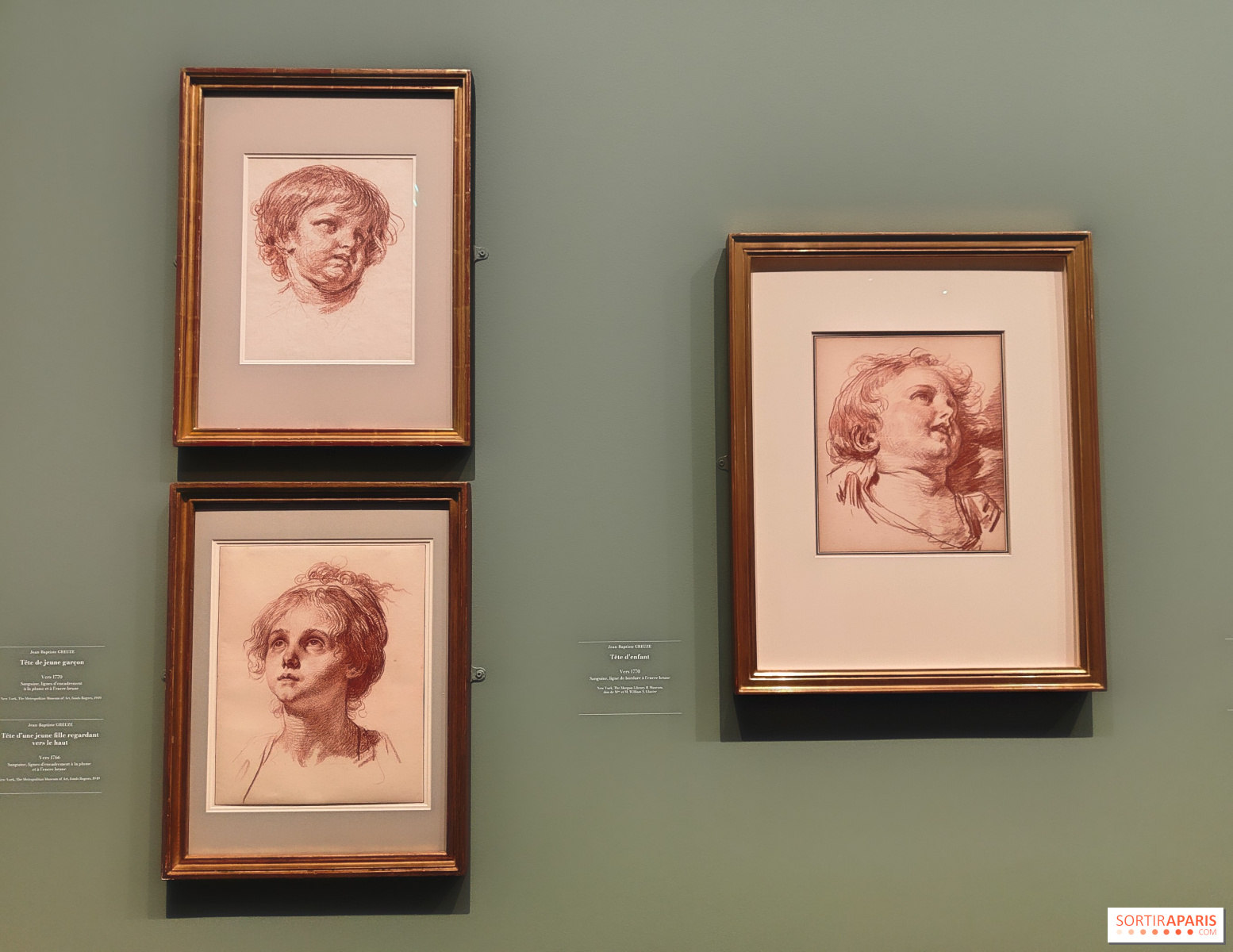
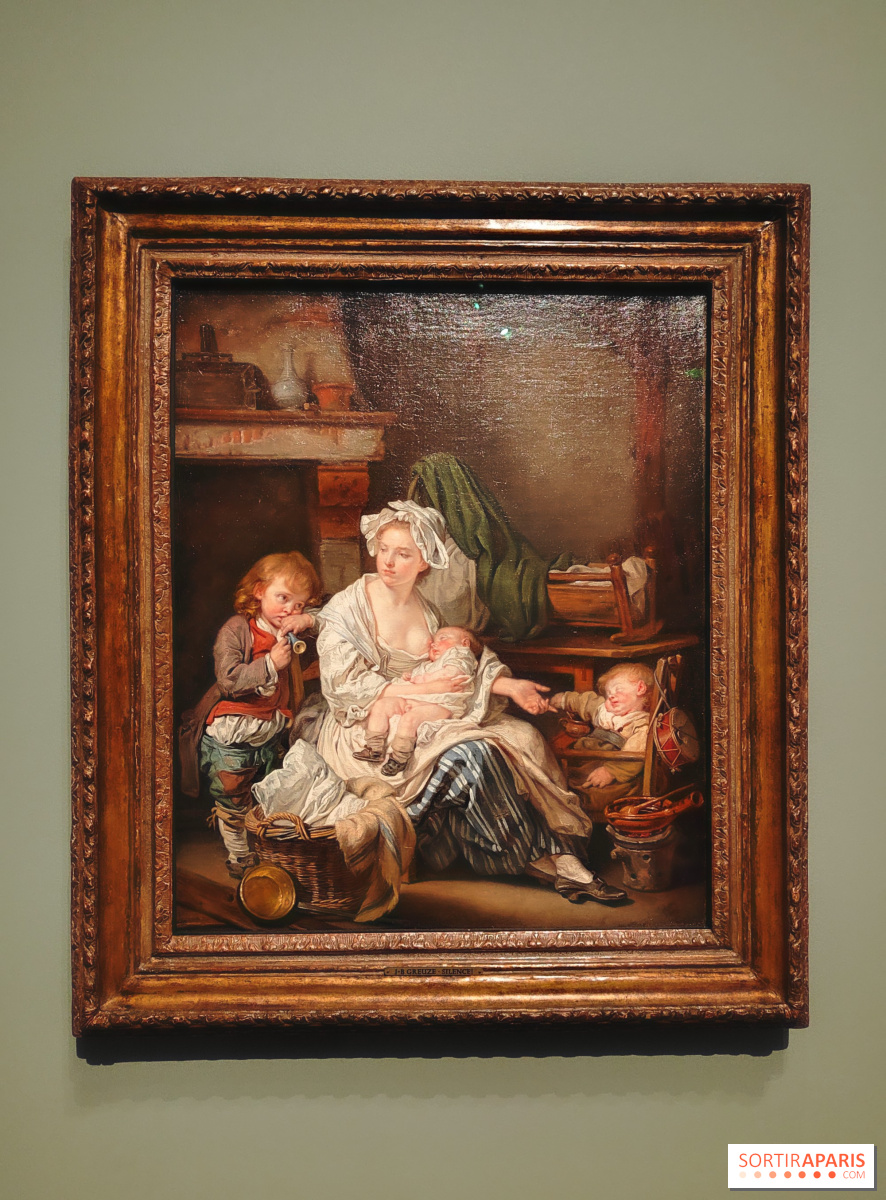
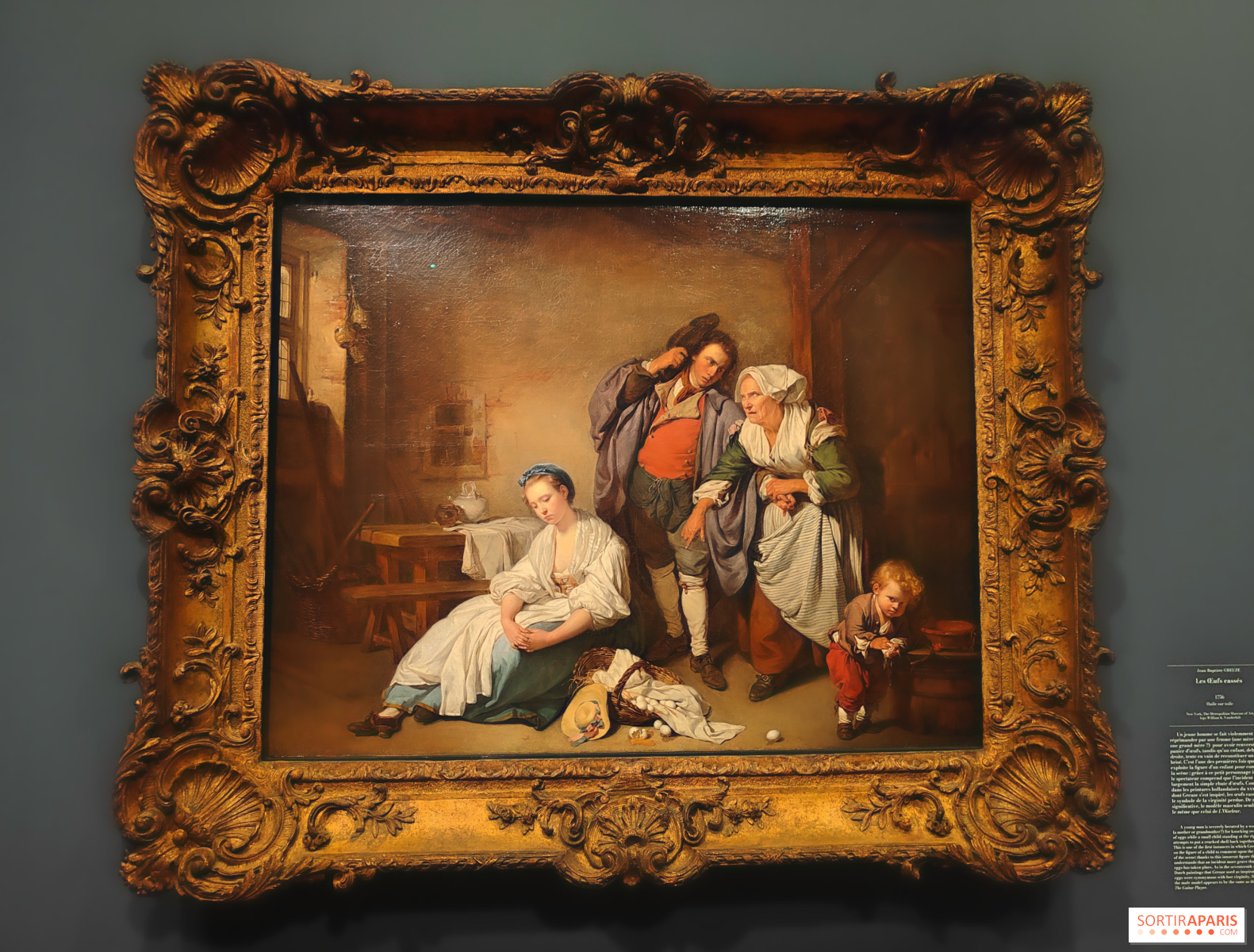
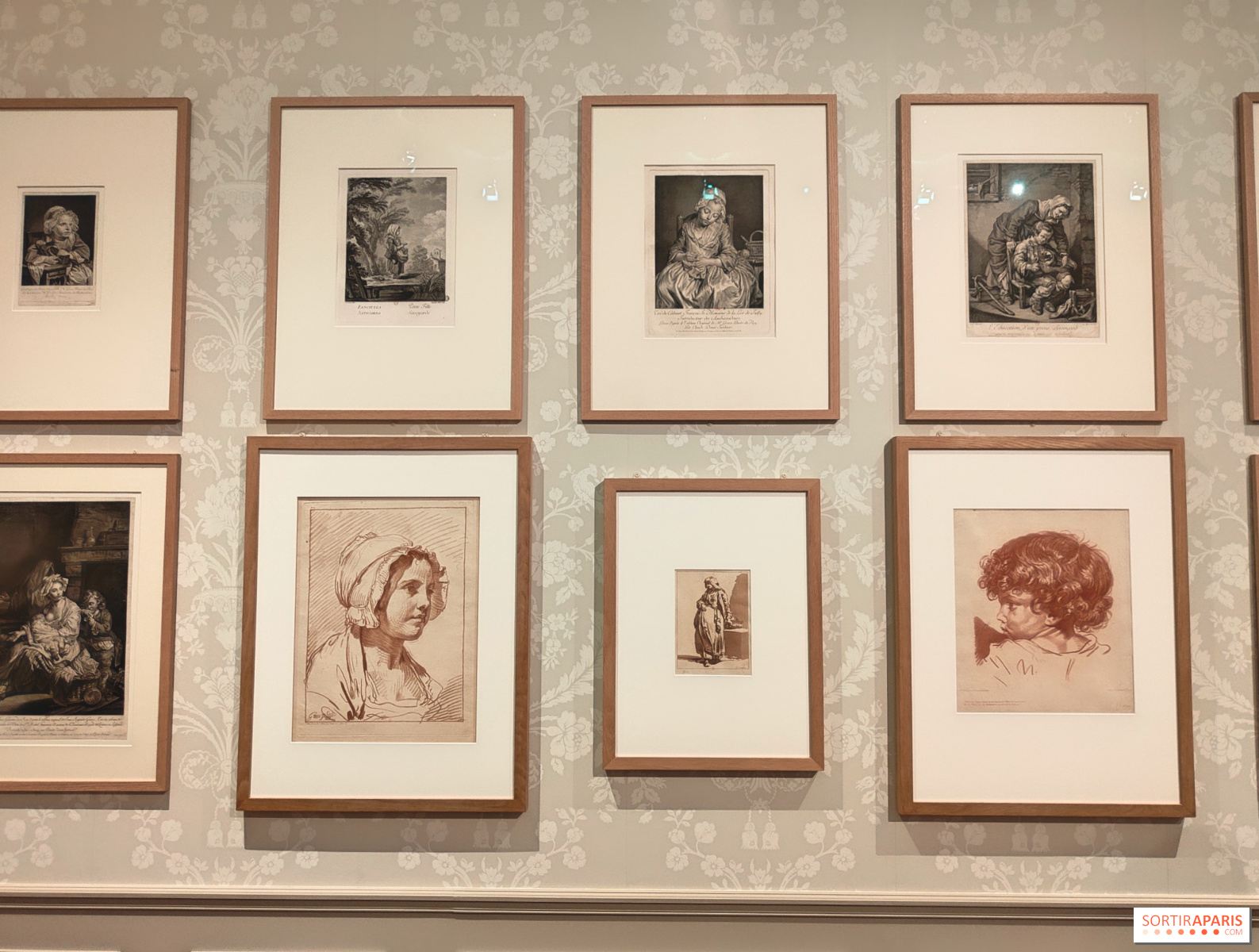
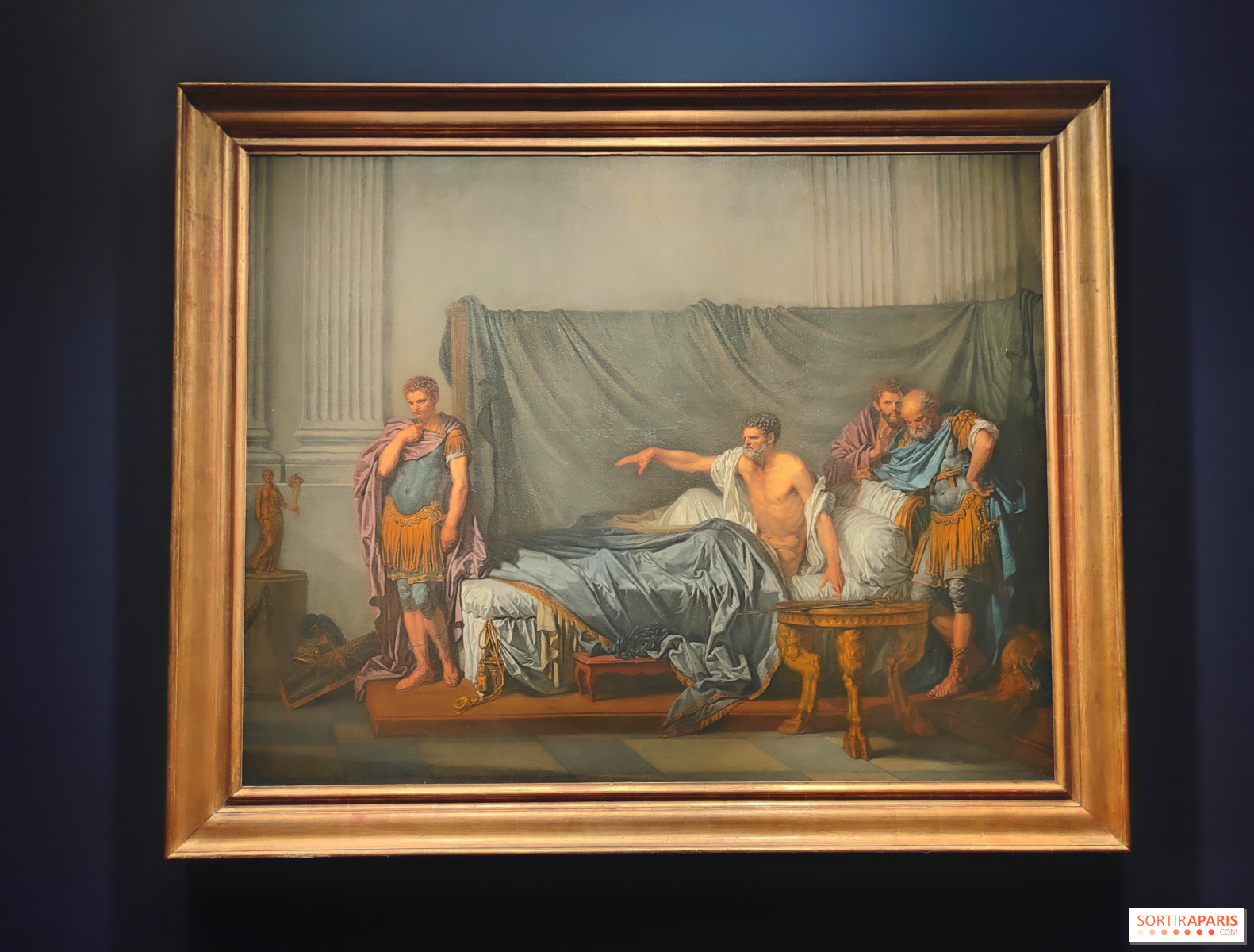
Born in 1725 in Burgundy-Franche-Comté, Jean-Baptiste Greuze was a well-known and appreciated painter and draughtsman of his time. He produced mainly portraits and genre scenes, which stand out for their play of light and choice of colors. He liked to convey messages in his paintings, notably to educate and propagate "good morals" among viewers. Although very famous in the 18th century, he is largely unknown today.
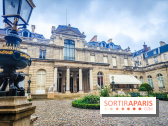
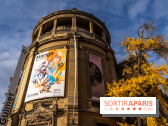
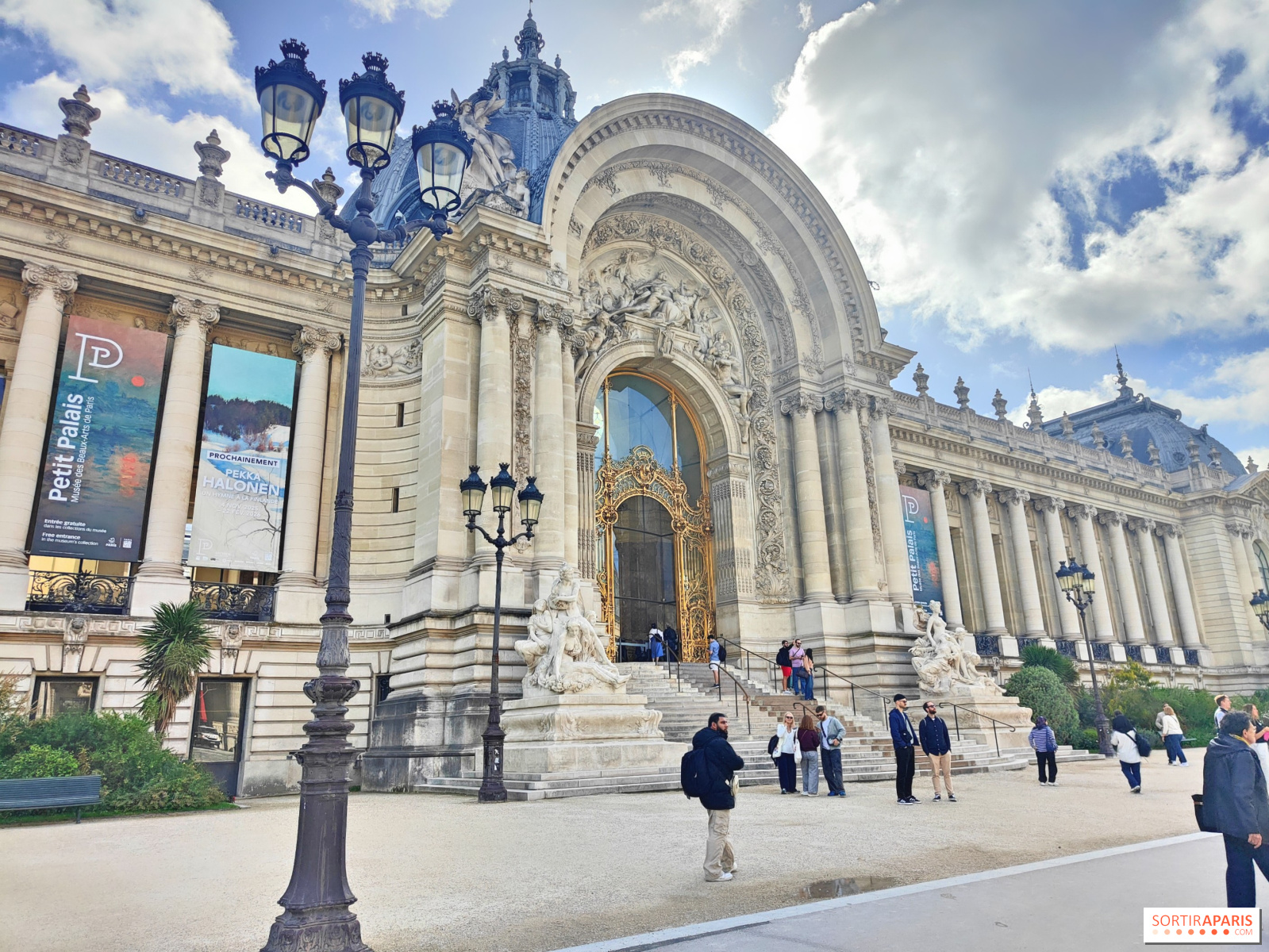
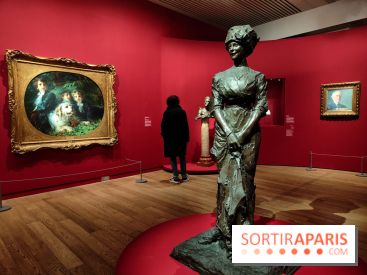
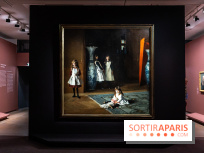
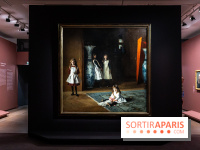
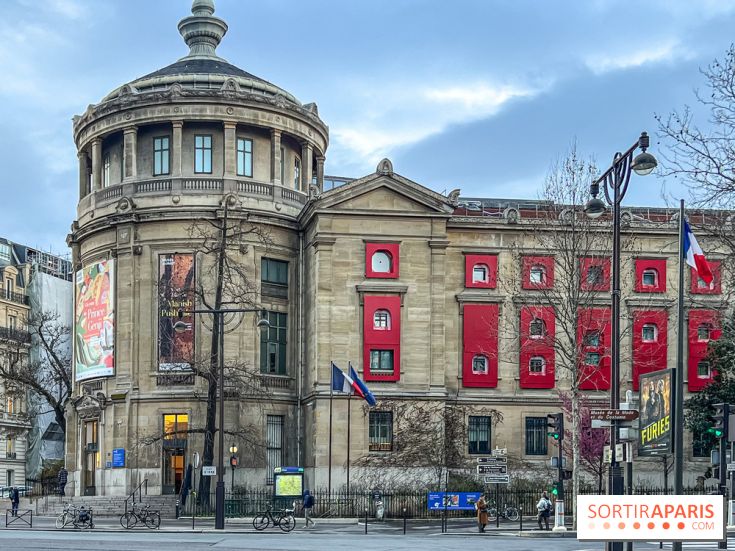
The Petit Palais has therefore decided to pay tribute to this painter, and bring him back into the spotlight, with a major exhibition from September 16, 2025 to January 25, 2026. Entitled L'enfance en lumière (Childhood in the spotlight), the exhibition brings together some one hundred of the artist's paintings, drawings and prints on the theme of childhood, a recurring motif in Jean-Baptiste Greuze's art.
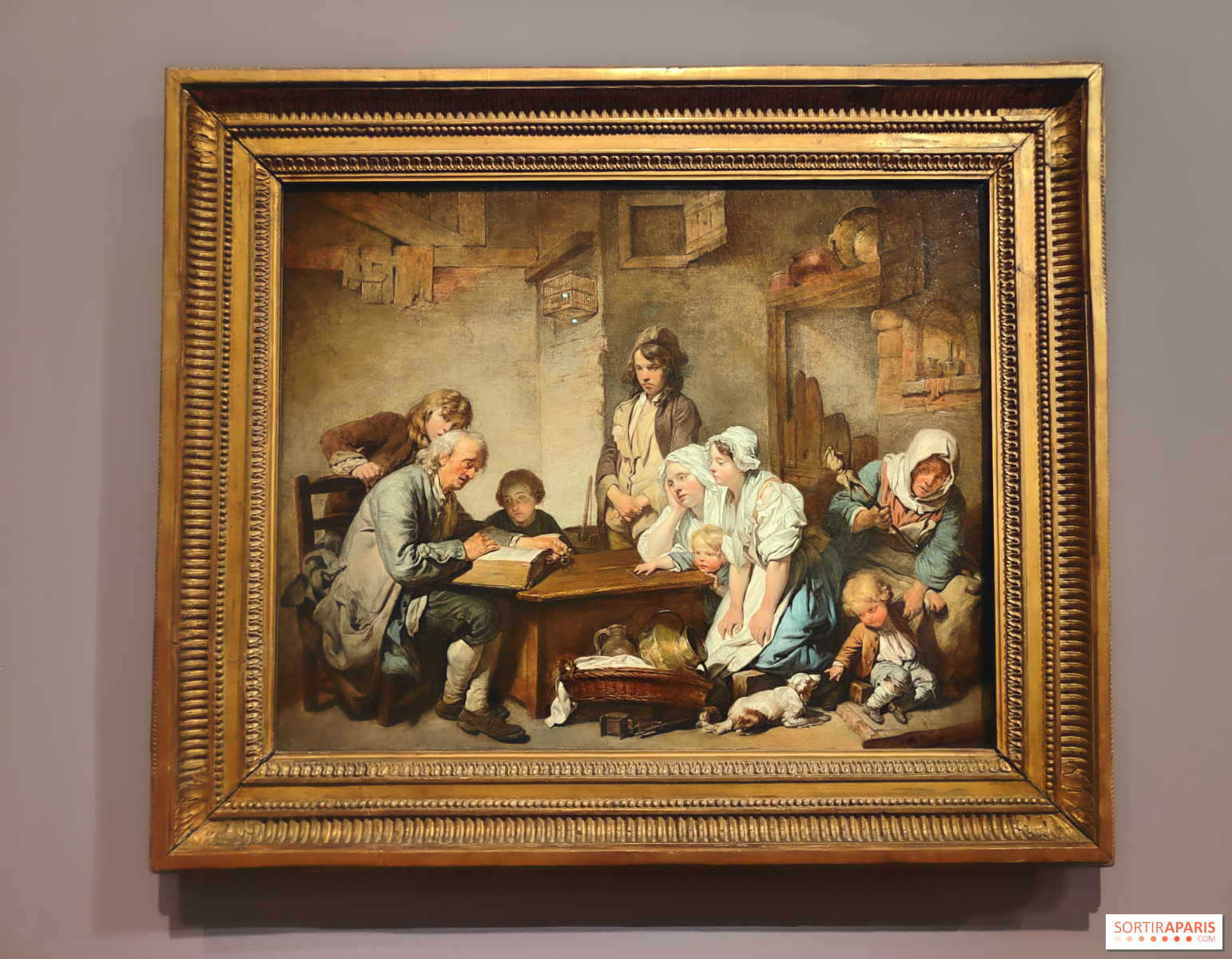
In the 18th century, artists and philosophers sought to determine the role and place of the child in the family. Diderot, Rousseau and Condorcet wrote extensively on the subject. Greuze joined these debates in his own way. In his paintings, the painter explores different facets of childhood, questioning the role of parents, how to educate the young, and how children gradually become adults.
Through his works, Greuze wanted to hold up a mirror to society, to show how children live, to prompt the viewer to ask: are the behaviors of adults and children good, are they justified? In keeping with the morality of his time, the painter's approach to human relationships is a complex one. Through exaggerated expressions, emphases of light and color, he creates real stories for the viewer.
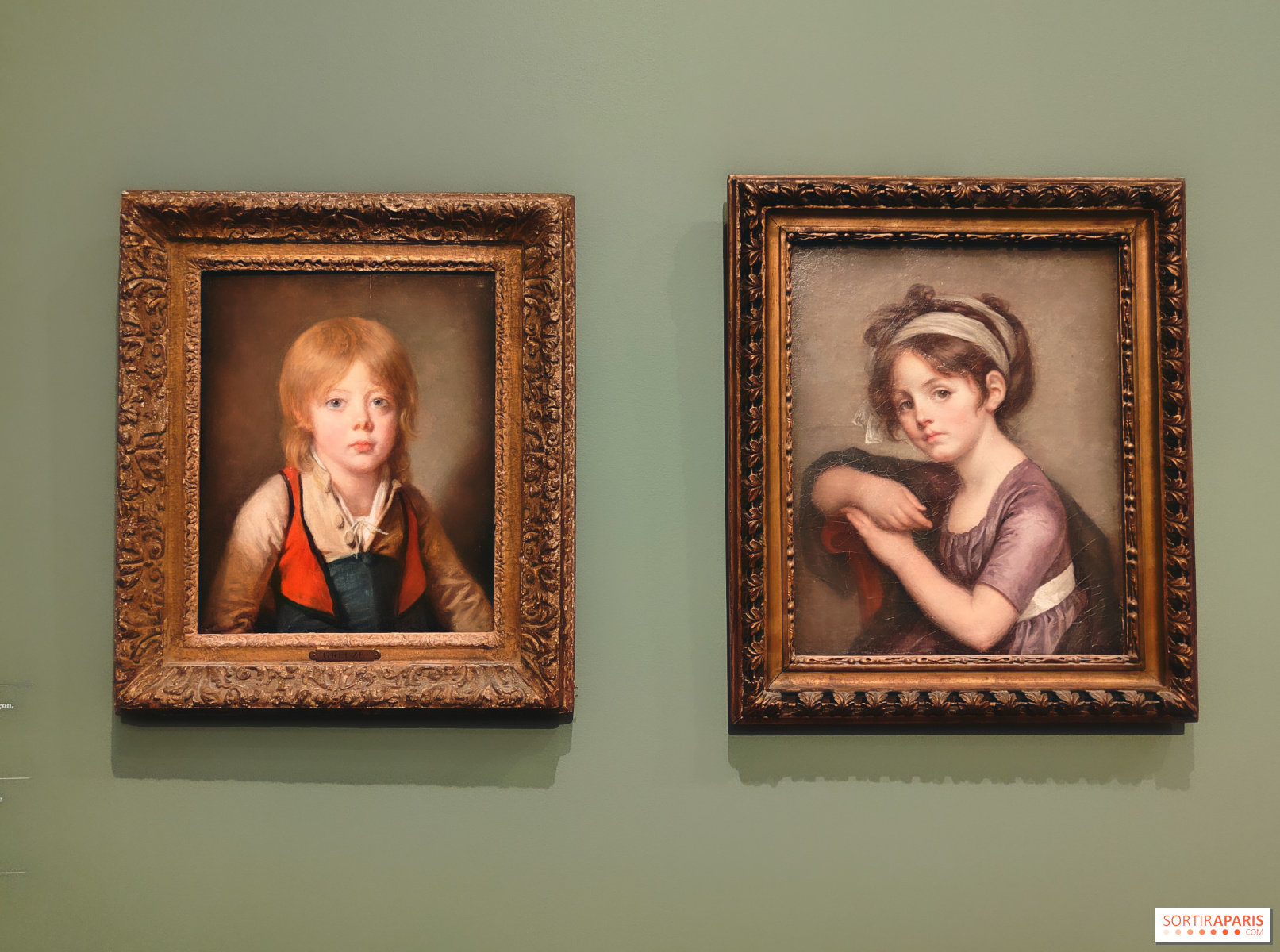
In Greuze's time, children were not yet individuals in their own right. By making children the main subjects of his paintings, Jean-Baptises Greuze emphasizes their emotions, their innocence, and the role they must play in family and society. The artist does not hesitate to denounce the bad behavior of parents, who contribute to the degradation of society by raising bad people.
Greuze's commitments and stances are astonishing: he seems very modern to us! He defended children, insisted on the importance ofeducation and instruction, and admitted that parents, especially fathers, could be at fault. He also painted several pictures depicting the violence and aggression that young girls can suffer. This taboo subject, which society at the time refused to recognize and deal with, was denounced by the painter, who portrayed men as predators.
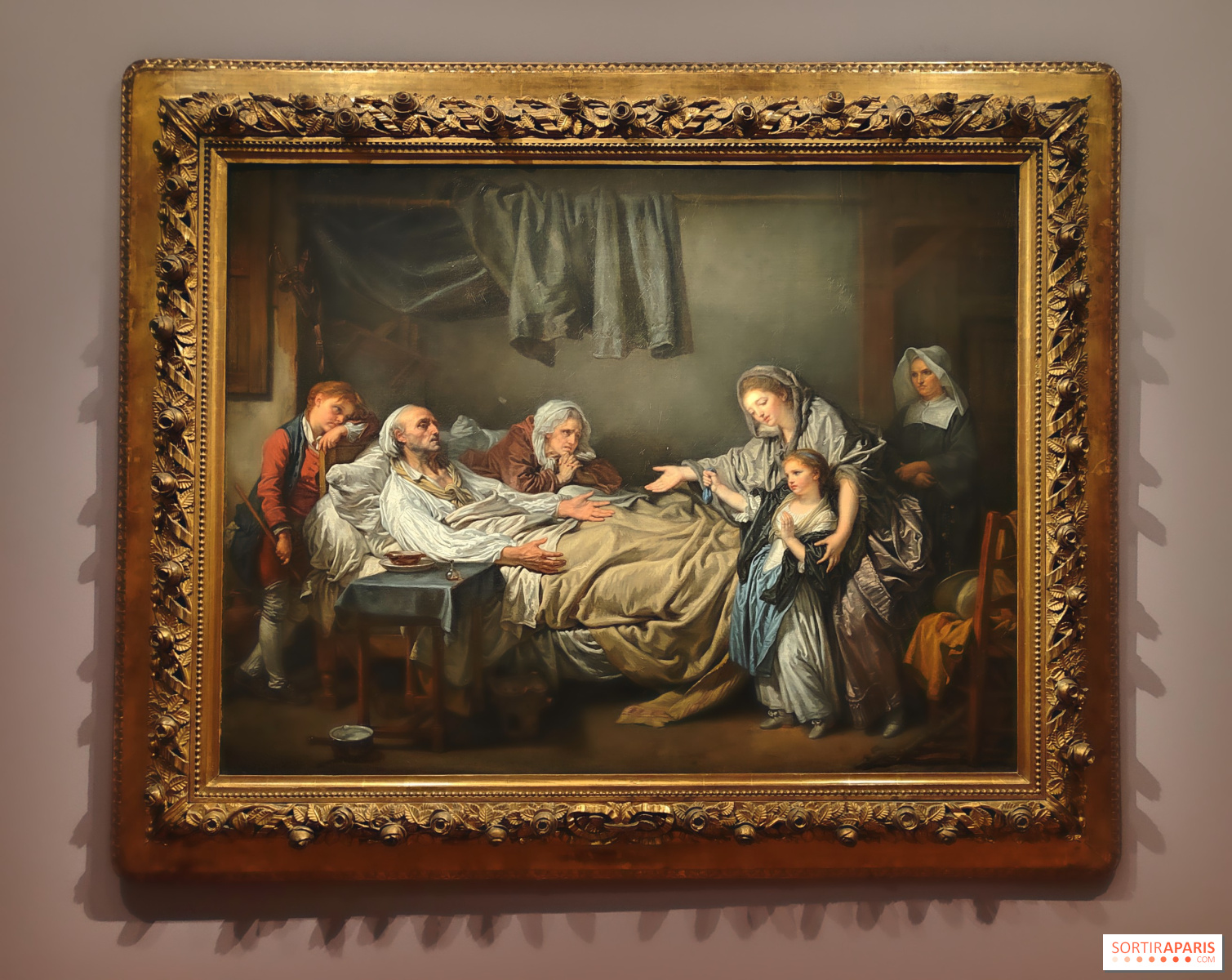
Greuze's strength lies not only in his bold, innovative subjects, but also in his talent as a painter: with impressive realism, Greuze reproduces the emotions and behaviors of men and women. He captures in great detail the play of light, the textures of clothing and the gestures that betray the thoughts of his subjects.
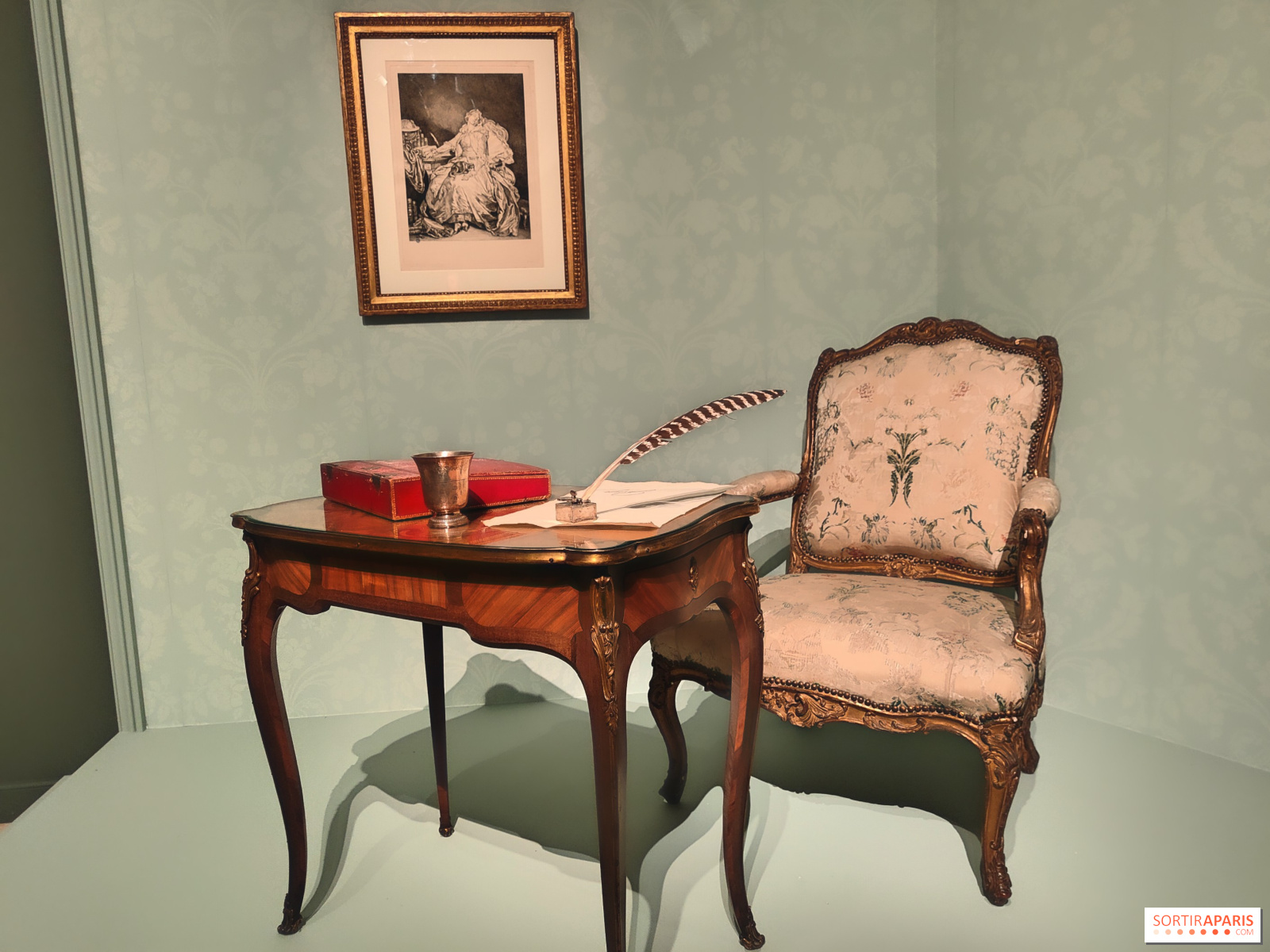
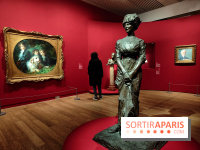
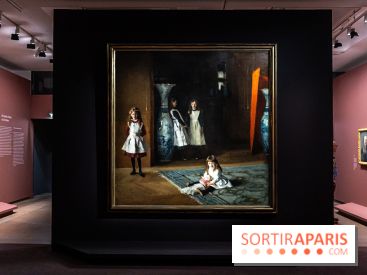
The paintings on display are of the utmost delicacy. The portraits and scenes of life are filled with hundreds of tiny details, telling a whole story for those who know how to decipher these 18th-century codes. The exhibition also recounts the turbulent and committed life of an artist who refused to submit to academic rules.
In this way, Jean-Baptiste Greuze offers us a veritable window onto 18th-century France, its morals and codes. Through his works, we rediscover ancient debates, codes and mores of the time. A fascinating exhibition for art lovers, who can admire an artist renowned for his talent, and history buffs alike.
This test was conducted as part of a professional invitation. If your experience differs from ours, please let us know.
Dates and Opening Time
From September 16, 2025 to January 25, 2026
Location
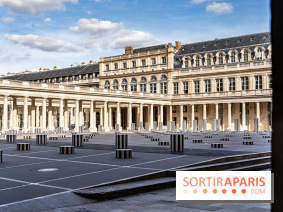
Petit Palais
Avenue Winston Churchill
75008 Paris 8
Prices
Moins de 18 ans: Free
Tarif réduit: €12
Plein tarif: €14
Official website
www.petitpalais.paris.fr