What if the story of medicine is also a story of dialogue between civilizations? The Arab World Institute is hosting an exhibition exploring the transmission of medical knowledge across cultures, titled The Great Journey of Medical Knowledge. Running from October 13, 2026, to January 10, 2027, the exhibit is curated by Dr. Philippe Abastado, a cardiologist and researcher in medical epistemology. The Great Journey of Medical Knowledge takes visitors on a chronological and thematic tour through key milestones in the evolution of medicine, from antiquity through to the modern era.
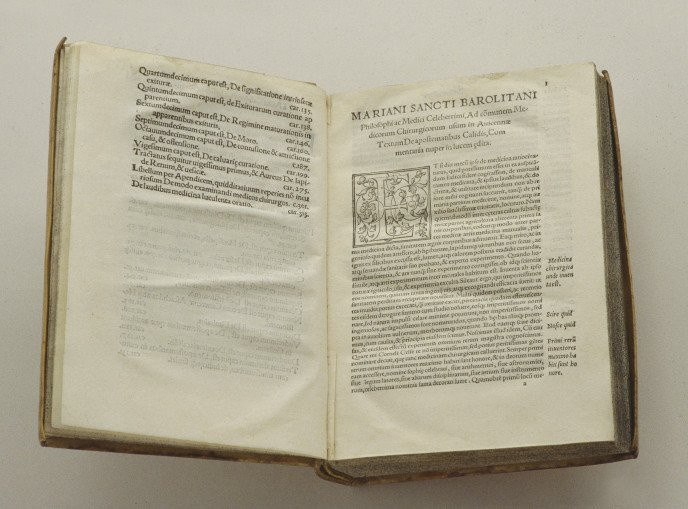
Organized around five main themes – translate, transmit, debate, experiment, heal – the exhibition highlights the history of a science shaped by centuries of cross-cultural exchanges that transcend borders—geographical, religious, or political. The narrative is built around a collection of ancient manuscripts, incunabula, illustrated books, and medical objects used in pharmacy and surgery. This approach encourages a historical perspective on the intellectual blending that has fueled medical knowledge through the ages.
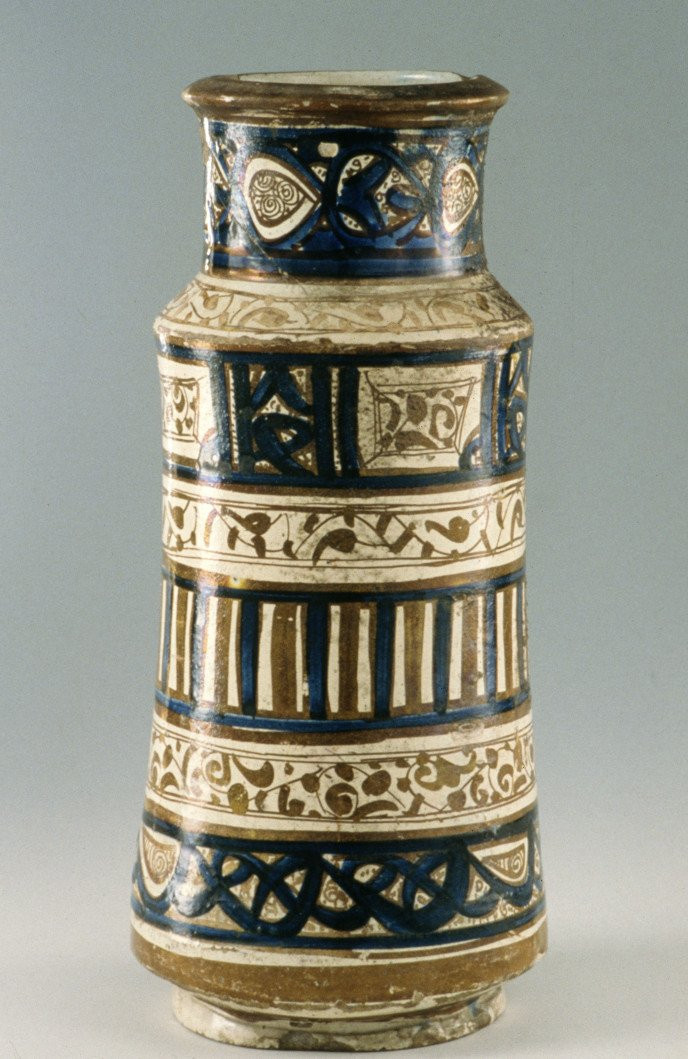
The visitor embarks on a journey from Ancient Greece to Imperial Rome, passing through Alexandria, crossing Baghdad, and ultimately reaching Padua. At each stage, the medical book is showcased as the primary vessel for preserving and disseminating knowledge. The displayed works, often annotated in multiple languages, reflect the contributions of generations of practitioners and illustrate the gradual evolution of medical practices and theories.
The period from the 7th to the 16th century is given special prominence, a time when the Arab-Muslim world played a key role in shaping medicine. This era was marked by a significant linguistic shift: initially from Greek to Arabic, and later from Arabic to Latin. These translation phases sparked vibrant intellectual and scientific debates, which heavily influenced the medical knowledge of the time.
Building on the heritage collection, the exhibition incorporates innovative digital features. These interactive displays enable visitors to explore the global network of medical exchanges, learn about key figures in the field, and gain insights into their perspectives on the human body, health, and medical treatments.
Among the topics covered are medical consultations, hygiene recommendations, and the preparation of medicinal remedies. These are explained through reproductions, translated excerpts, and illustrations. Visitors are encouraged to view ancient medicine not as a static body of knowledge, but as a field that continually adapted to changing contexts.
One of the main goals of the exhibition is to portray medicine as the result of a long history of intellectual and human exchanges. In an era characterized by the growing specialization of knowledge and rising identity tensions, this perspective highlights that medical science has evolved within a context of cross-cultural collaboration, often despite historical conflicts.
Examining old medical texts, care practices, and professional ethics helps shed new light on contemporary concepts. The exhibition goes beyond a purely historical perspective, inviting visitors to reflect on how scientific knowledge is collectively built and the various ways it has been passed down through generations.
The Great Journey of Medical Knowledge at the Institut du Monde Arabe offers a well-organized experience structured around a chronological journey and accessible scientific explanations. It highlights the evolution of medical ideas through the centuries while providing visitors with a broad perspective on how medical knowledge has been transmitted and inherited. Whether you're a science enthusiast, a history buff, or interested in cross-cultural exchanges, this exhibition opens new ways to see the heritage of medicine in a fresh light.
This page may contain AI-assisted elements, more information here.
Dates and Opening Time
From October 13, 2026 to January 10, 2027
Location
Arab World Institute
1 Rue des Fossés Saint-Bernard
75005 Paris 5
Route planner
Accessibility info
Access
Metro Jussieu line 7, line 10
Official website
www.imarabe.org
More information
Open Tuesday to Friday from 10 a.m. to 6 p.m., and on weekends and public holidays from 10 a.m. to 7 p.m.


























![[En attente d'infos] Exposition Magie à la Cité des Sciences : quand l’illusion devient une expérience scientifique](https://cdn.sortiraparis.com/images/1021/66131/1294743-exposition-magie-a-la-cite-des-sciences-quand-l-illusion-devient-une-experience-scientifique.jpg)
![[En attente d'infos] Exposition Magie à la Cité des Sciences : quand l’illusion devient une expérience scientifique](https://cdn.sortiraparis.com/images/1022/66131/1294743-exposition-magie-a-la-cite-des-sciences-quand-l-illusion-devient-une-experience-scientifique.jpg)
![[En attente d'infos] Exposition Magie à la Cité des Sciences : quand l’illusion devient une expérience scientifique](https://cdn.sortiraparis.com/images/1023/66131/1294743-exposition-magie-a-la-cite-des-sciences-quand-l-illusion-devient-une-experience-scientifique.jpg)
![[En attente d'infos] Exposition Magie à la Cité des Sciences : quand l’illusion devient une expérience scientifique](https://cdn.sortiraparis.com/images/1024/66131/1294743-exposition-magie-a-la-cite-des-sciences-quand-l-illusion-devient-une-experience-scientifique.jpg)