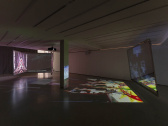
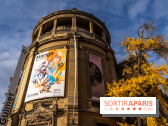
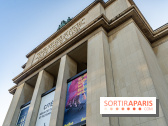
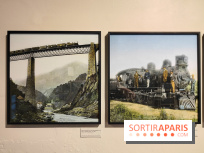
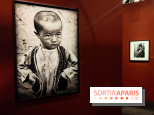
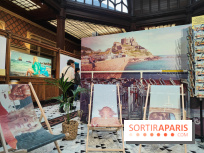
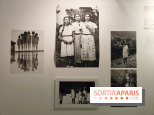
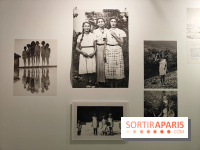
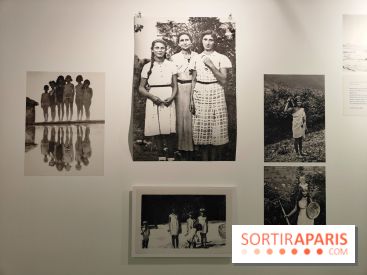
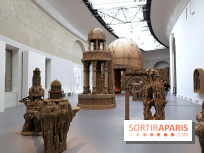
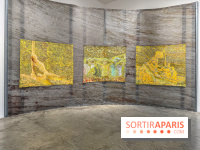
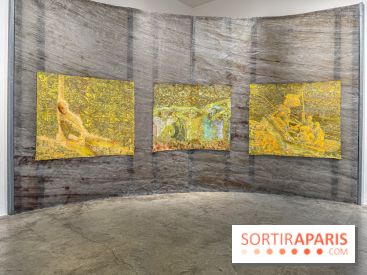
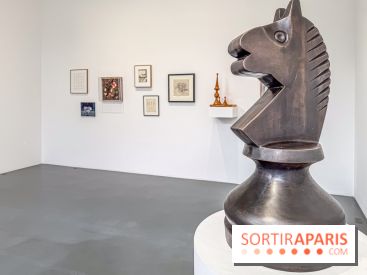
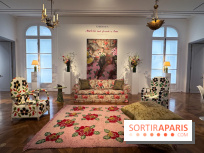
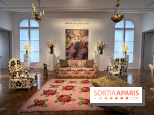
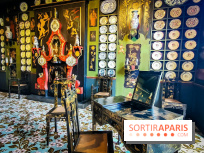
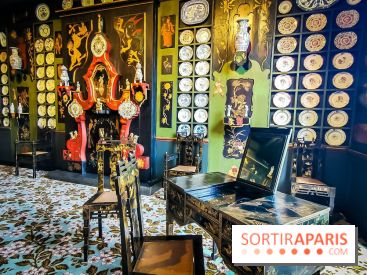
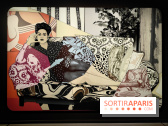
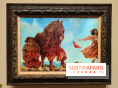
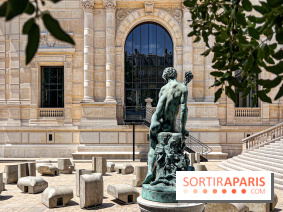
A sensory journey through transgressive bodies, ambiguous rituals, and reimagined mythologies... The Palais de Tokyo in Paris is dedicated to a comprehensive exhibition showcasing the work of French artist Pauline Curnier Jardin, running from April 3 to September 13, 2026. Blending video, installation, drawing, music, and performance, this immersive showcase offers a unique glimpse into the artist’s distinctive visual and narrative universe. Developed in collaboration with Madrid’s Museo Reina Sofía, the exhibition features both existing works and new productions. Designed as a space for experimentation and reinterpretation, the parcours pushes the boundaries of social and bodily representations. In an immersive, fragmented environment, the show invites visitors to question norms, desires, and the contradictions of contemporary life.
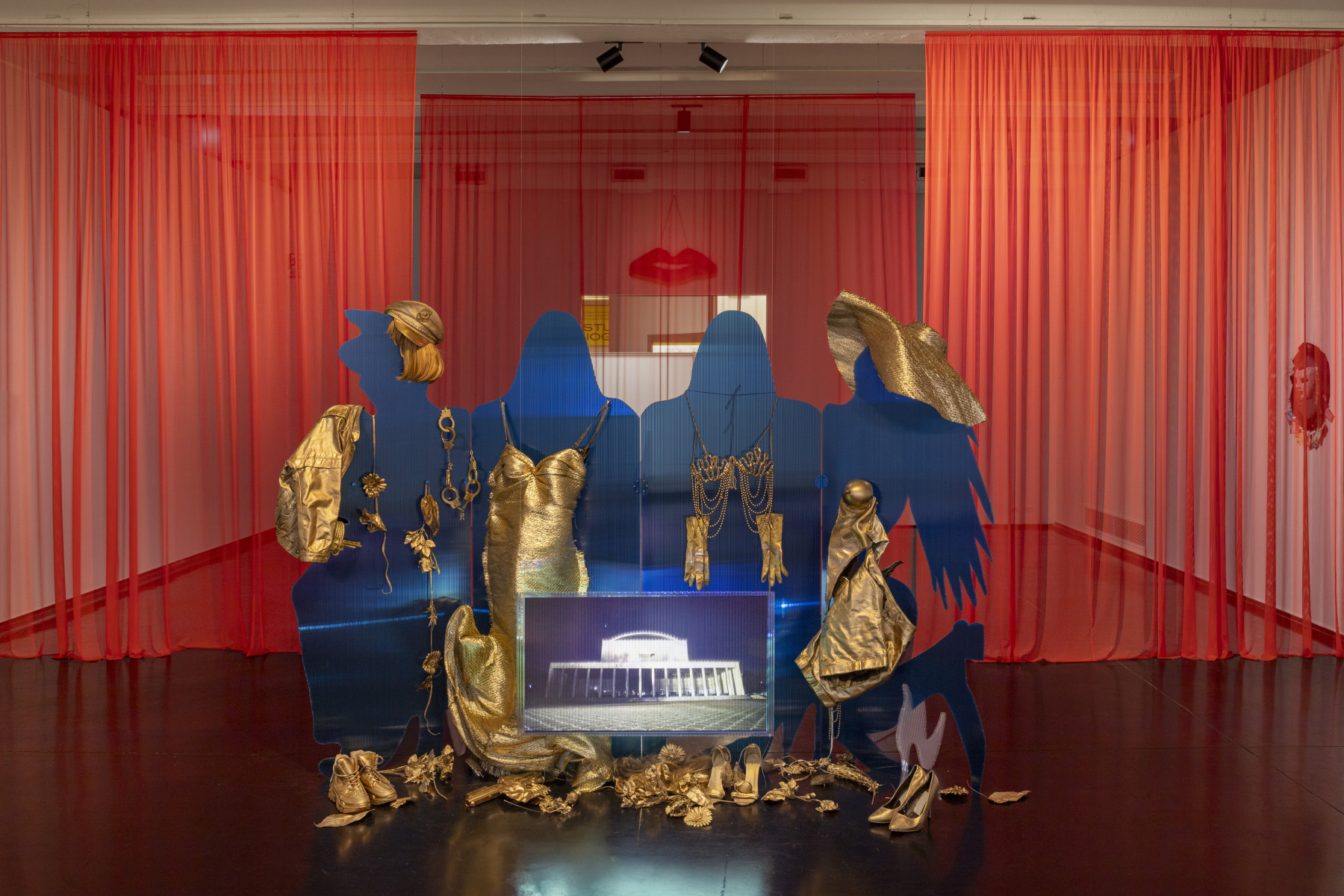
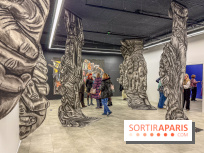
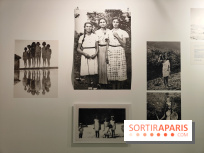
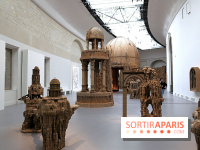
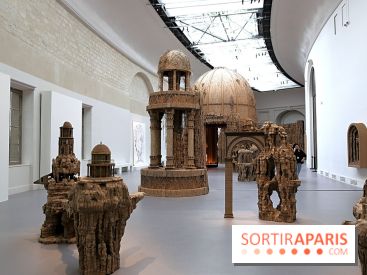
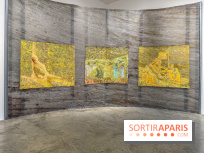
This artistic event showcases a series of immersive installations infused with mythological, folkloric, and ritualistic influences. Set within environments inspired by religious architecture, forested landscapes, or urban outskirts, the exhibits create a visceral experience. Recent or previously unseen films punctuate the journey, offering a fragmented, theatrical narrative that can sometimes verge on the grotesque. Central to this exploration is the female body, examined in its vulnerability as well as its strength. Collectively, these works form a web of interpretations—images that move, overflow, and continually spill beyond boundaries, never settling into one form.
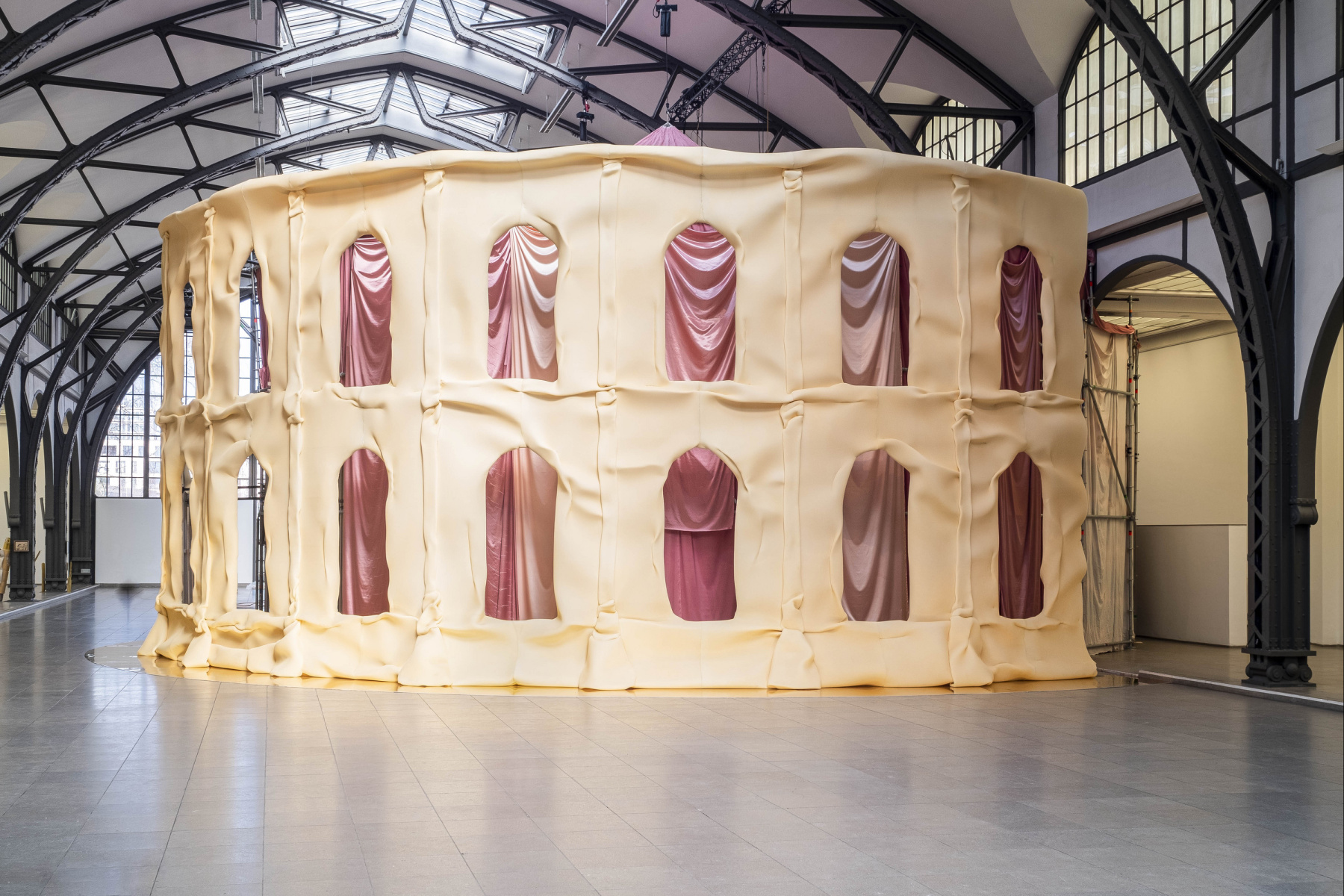
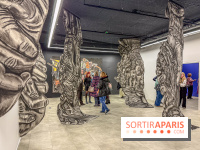
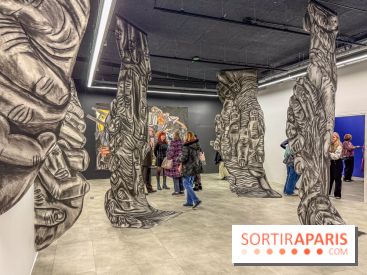
Inside the Palais de Tokyo, visitors are immersed in a deliberately disorienting world, filled with rebellious characters and scenographic architectures designed as "playgrounds." These environments do not tell a straightforward story but unfold as a succession of visual, auditory, and physical experiences. The approach is highly sensory: light, movement, and sound work together to craft an atmosphere where you're not merely observing but passing through. A tension runs throughout each installation, balancing spectacle with intimacy, sacred with mundane.
The references invoked blend Christian iconography, ancient myths, and popular stories, creating a tapestry where traditional cultural hierarchies become blurred. The artist delves into the ritualistic aspects of performance and the vibrant imagery of carnival traditions, offering a critical perspective on social stereotypes—especially those related to gender, sexuality, and symbolic violence. Through her work, Pauline Curnier Jardin invites viewers to confront and question established representations head-on.
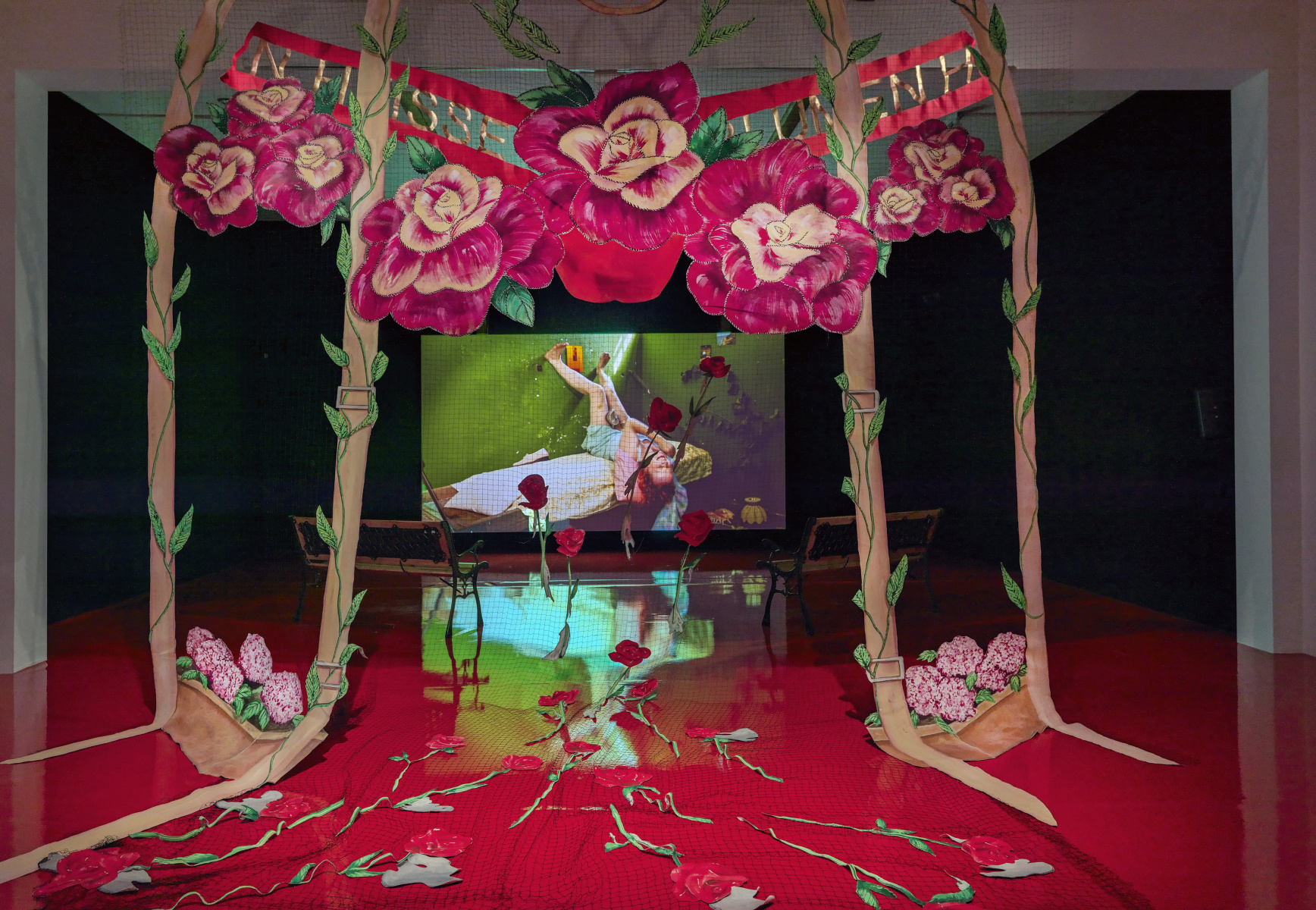
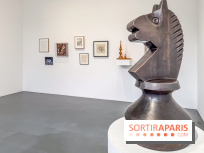
Having previously been featured in two group exhibitions at Palais de Tokyo – Dynasty in 2010 and Anticorps in 2020 – Pauline Curnier Jardin now occupies the space with works alongside other artists. Within her section, narrative elements flow from one piece to another: masked figures, ambiguous objects, hybrid costumes… all serve to forge links and create deliberate interruptions between segments. The artist doesn’t aim to convey a singular message; instead, she constructs a perceptual landscape where viewers are encouraged to lose themselves. The exhibition’s labyrinthine structure fosters a sense of mystery, inviting interpretations grounded in doubt and the unknown.
Through a deliberately bold aesthetic, Pauline Curnier Jardin explores themes of domination, social norms, marginalized bodies, and systems of control. Each installation functions as a critical and sensory experience, where symbolic language takes precedence over explicit statements. Religious syncretism and ritual gestures serve as materials to blur the boundaries between sacred and secular, between oppression and liberation.
By exploring the fluidity of social roles and identities, the project highlights the potential to reshape perceptions. It doesn’t present itself as a manifesto, but rather offers a series of ideas and tensions. The intricate, formal nature of the collection isn’t aiming to persuade but to create spaces for introspection and shifting viewpoints. Visitors encounter works that neither communicate a single, clear message nor offer straightforward solutions.
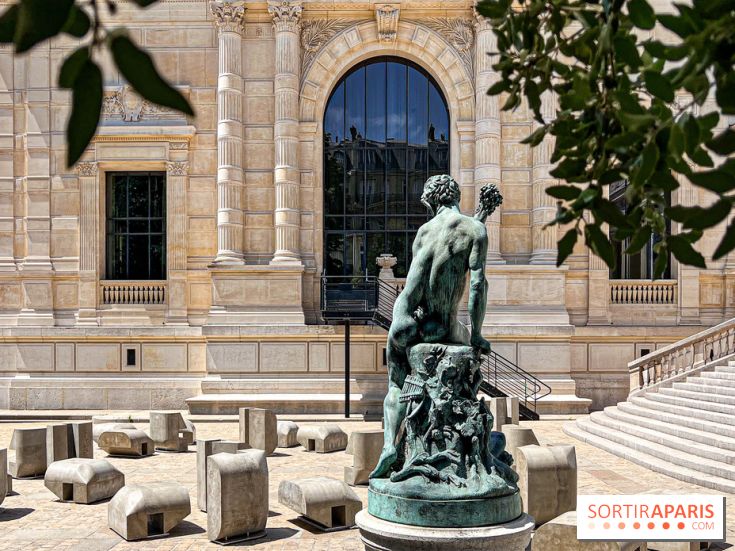
Note that this project will be revisited in the fall of 2027 at the Museo Nacional Centro de Arte Reina Sofía in Madrid, in an updated and reimagined version. In Paris, the exhibition finds an ideal setting that supports its narrative twists and fluid forms — a space where contemporary art engages in a dialogue with history and the tensions of the present era.
This page may contain AI-assisted elements, more information here.
Dates and Opening Time
From April 3, 2026 to September 13, 2026
Location
Palais de Tokyo
13, avenue du président Wilson
75116 Paris 16
Access
Metro line 9 "Iéna" or "Alma-Marceau" station
Prices
Tarif réduit: €9
Plein tarif: €13
Official website
palaisdetokyo.com
More information
Open daily except Tuesdays, from 12 PM to 10 PM.