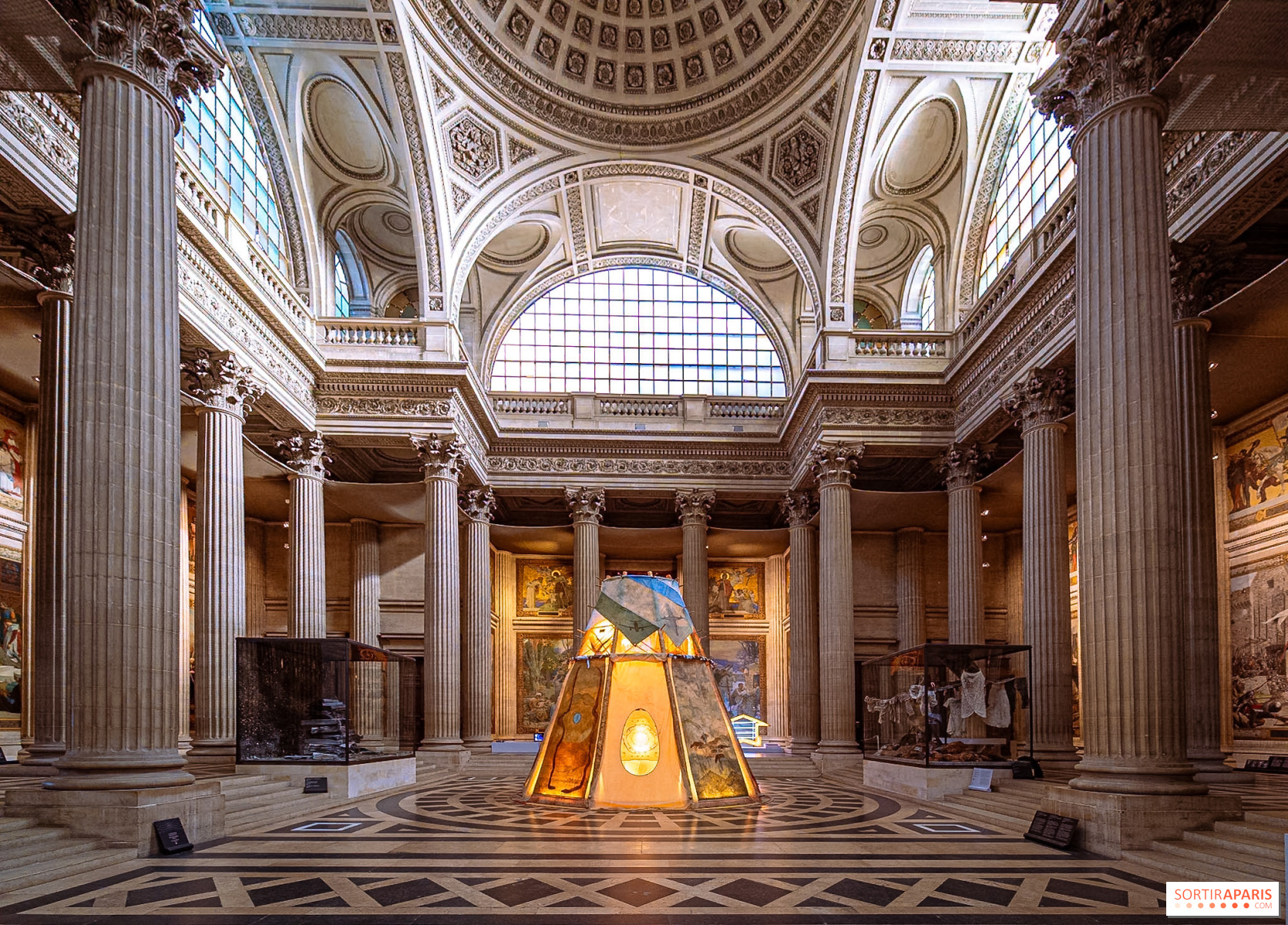
We’re taking you beneath the Panthéon’s nave, in Paris’s 5th arrondissement of Paris, where the Centre Pompidou and the Centre des monuments nationaux present Small Lives, from September 24, 2026 to January 31, 2027.
The idea is bound to surprise. In this monument dedicated to the nation’s great men and great women, this time it’s the quiet, fragile, or forgotten lives that speak. With this contemporary art exhibition, the CMN joins the Constellation of the Centre Pompidou, the program that moves the museum’s collections around during its closure for renovations.
The title is borrowed from Pierre Michon's book, published in 1984 by Gallimard. The writer gathers eight portraits of strangers, distant relatives, or fleeting encounters, from which he weaves his own biography. A way of offering a poetic tomb to those whom time tends to erase without a murmur.
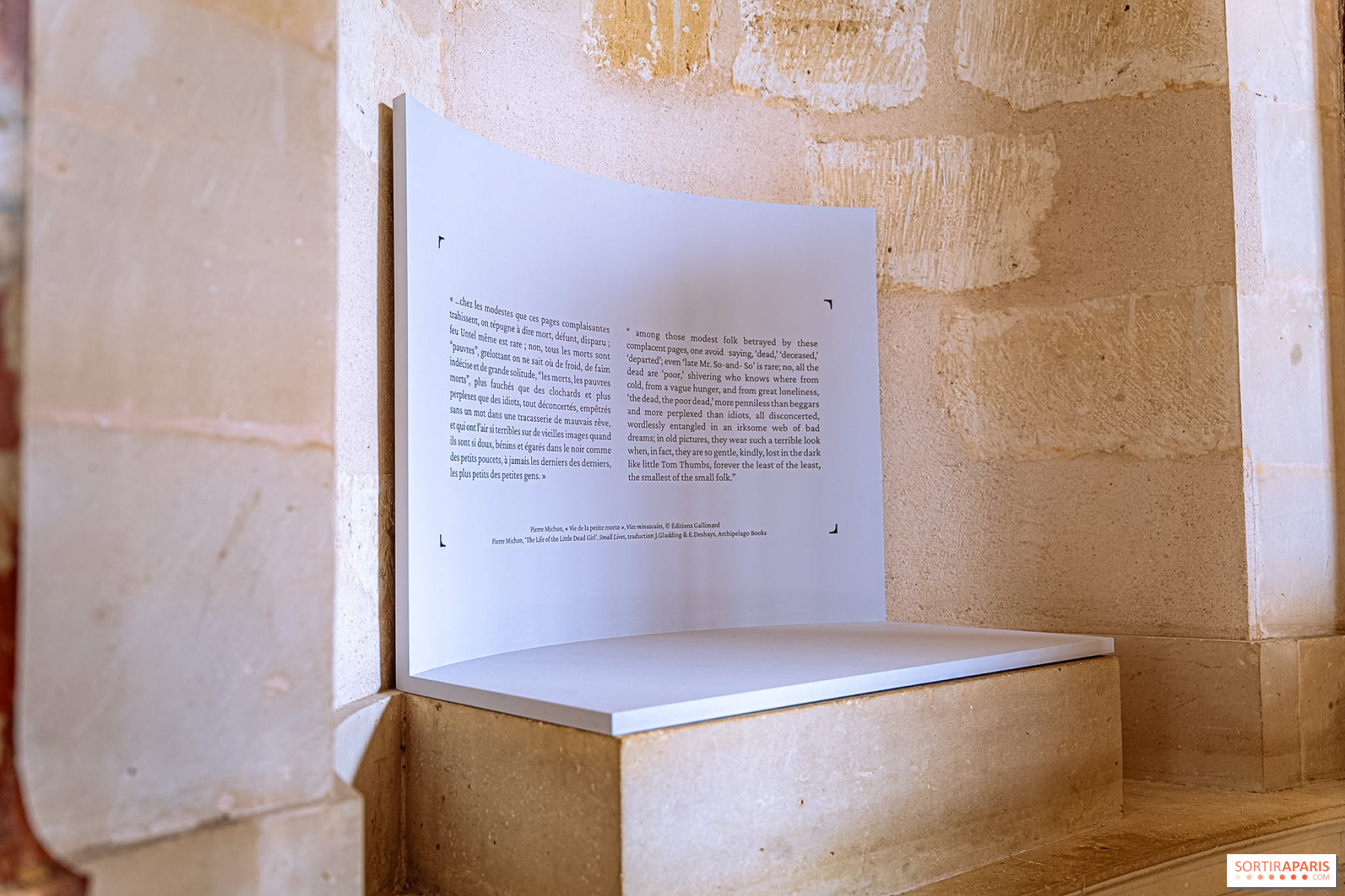
The idea sprang from a contrast. At the pediment of the monument sits the motto "To great men, the homeland owes them a debt of gratitude." The curators, Eva Barois De Caevel, Mathieu Potte-Bonneville and Aurélien Bernard, wondered whether 20th‑century artists might also have sought to create "grateful" works for the forgotten figures of history.
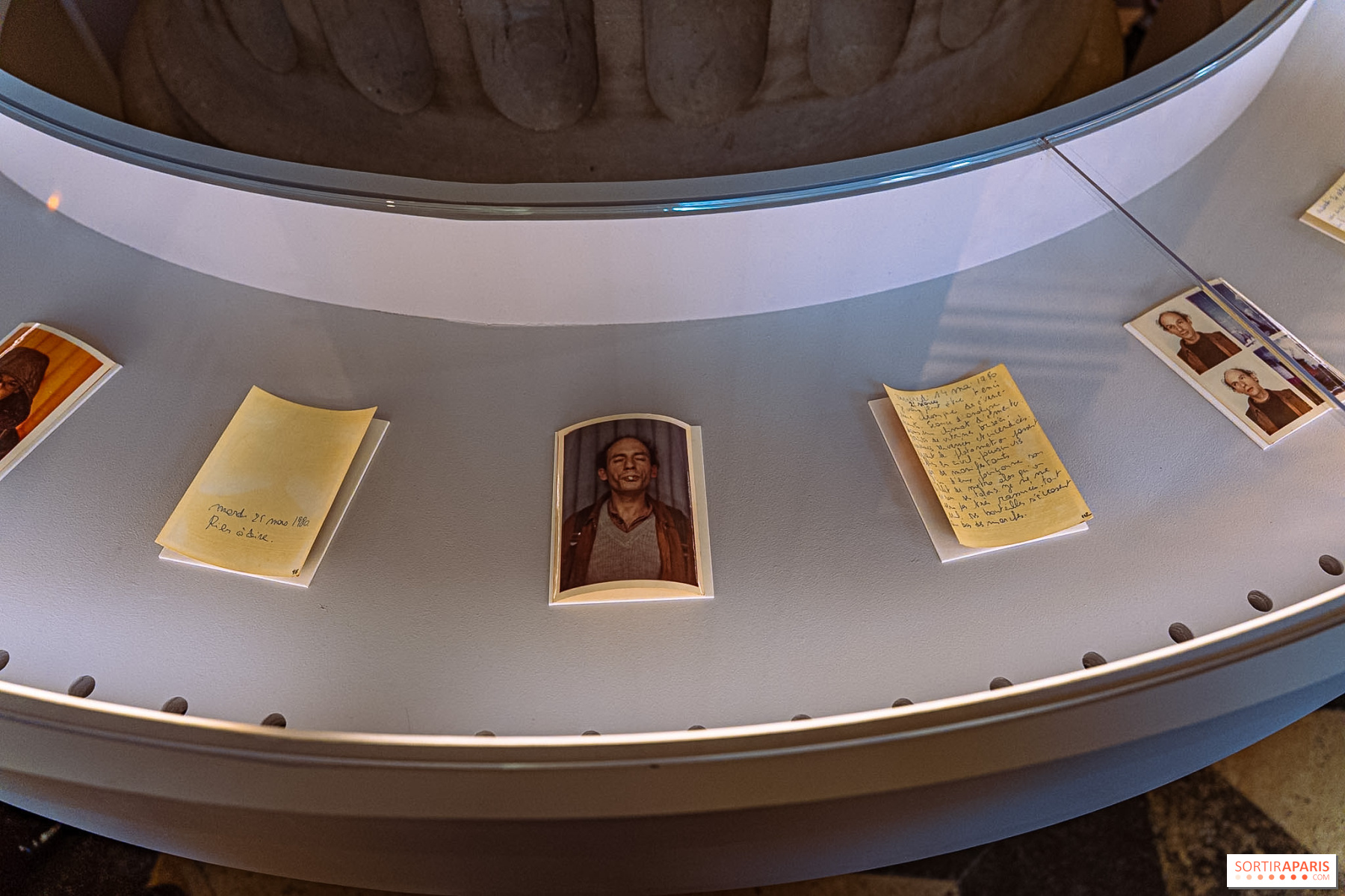
A neat nod for literature lovers: during a visit to his home in the Creuse, Pierre Michon entrusted visitors with the manuscript of the first chapter of his book—the only one he didn’t destroy. A small notebook, written in graphite, in a single take, with no corrections. Facsimiles are on display in the room where the Panthéon model sits.
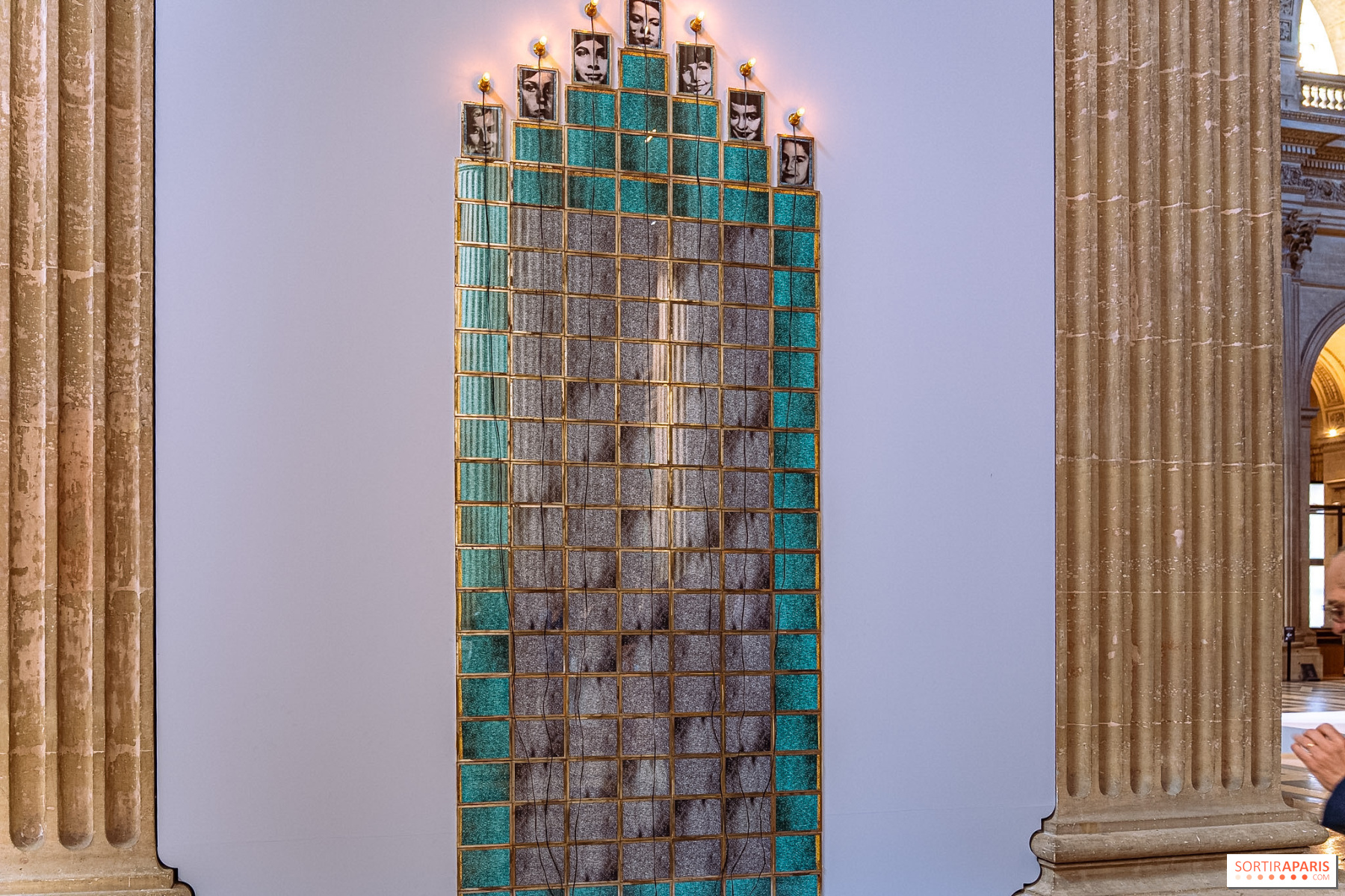
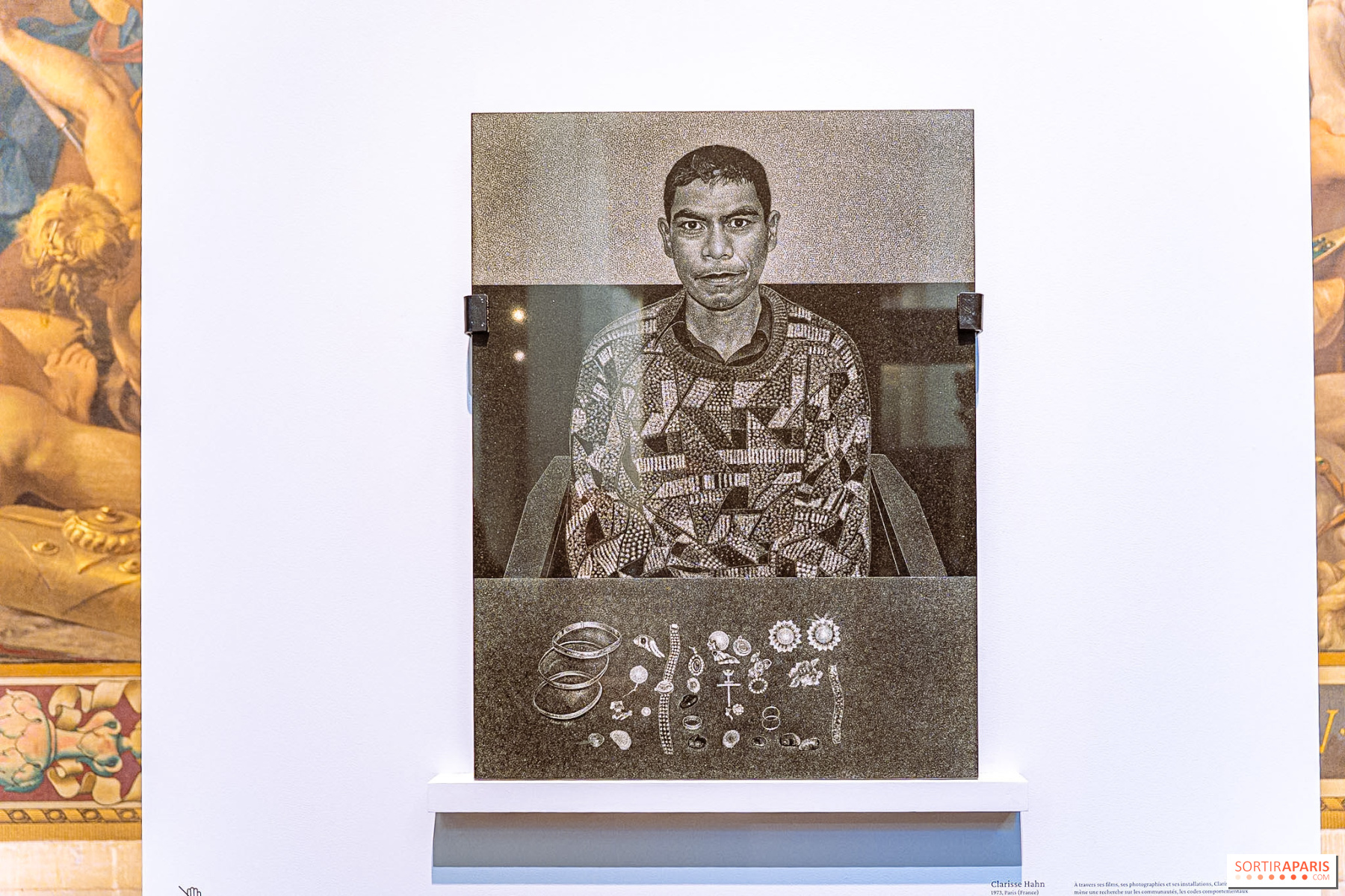
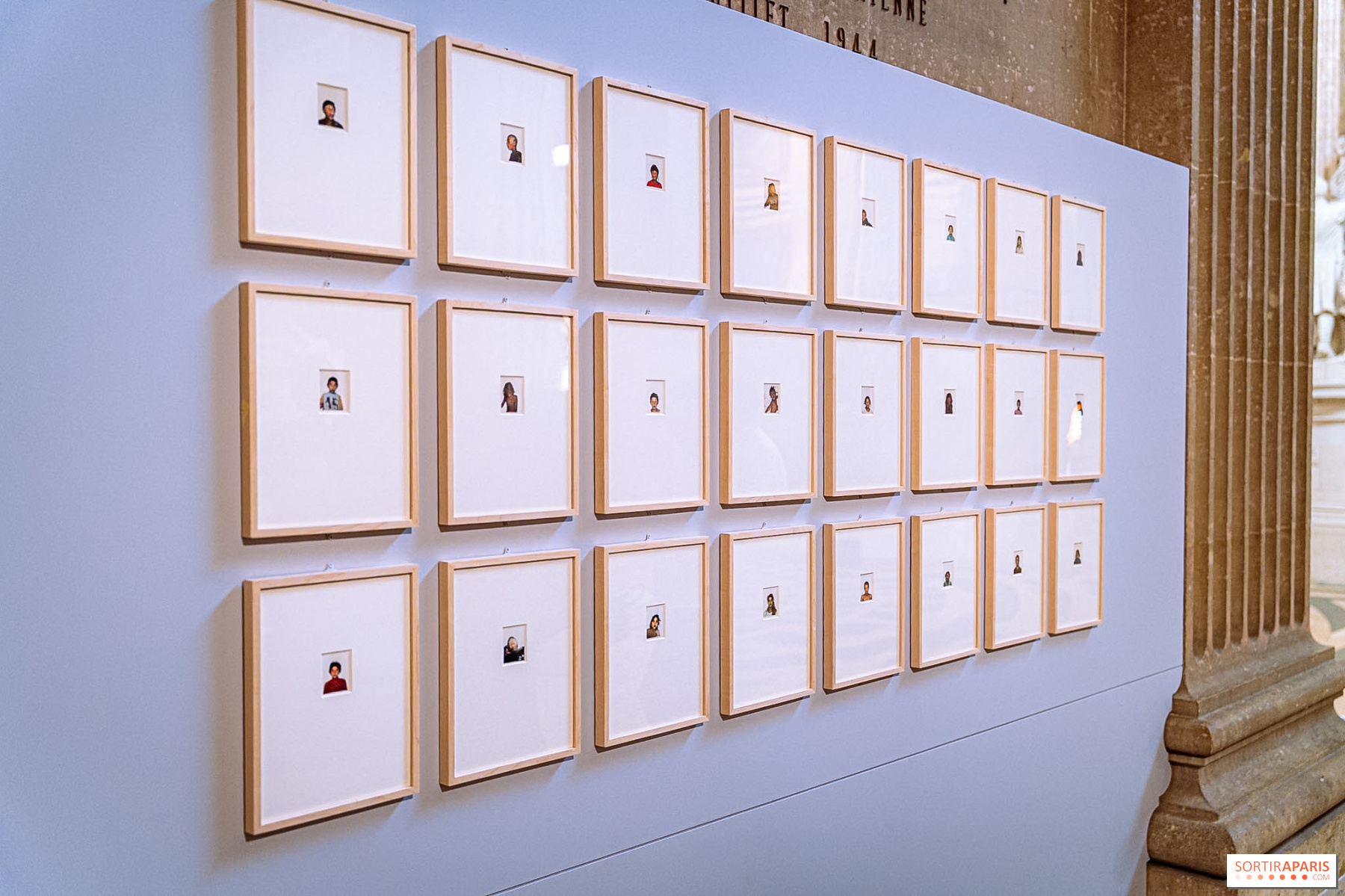
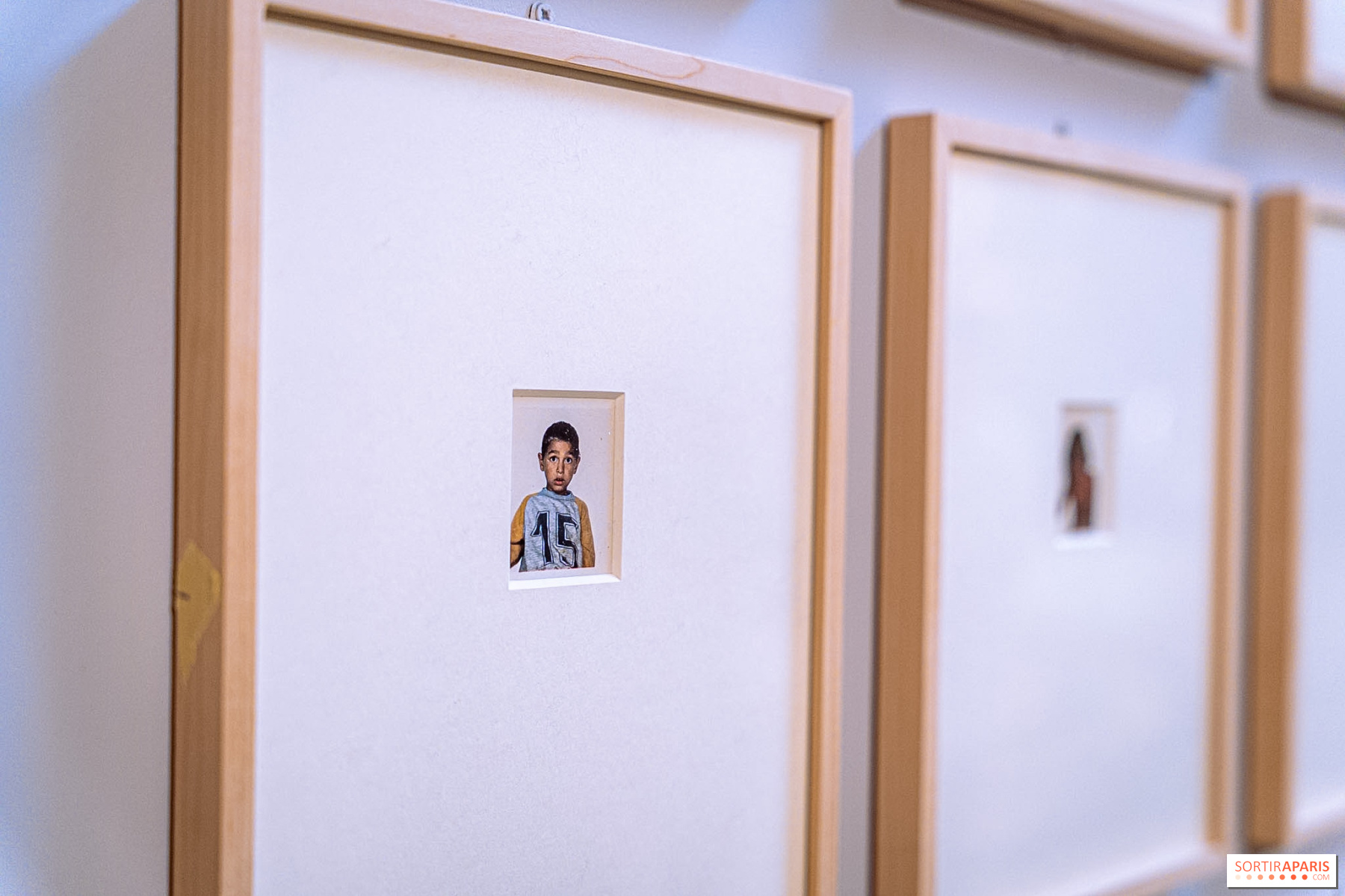
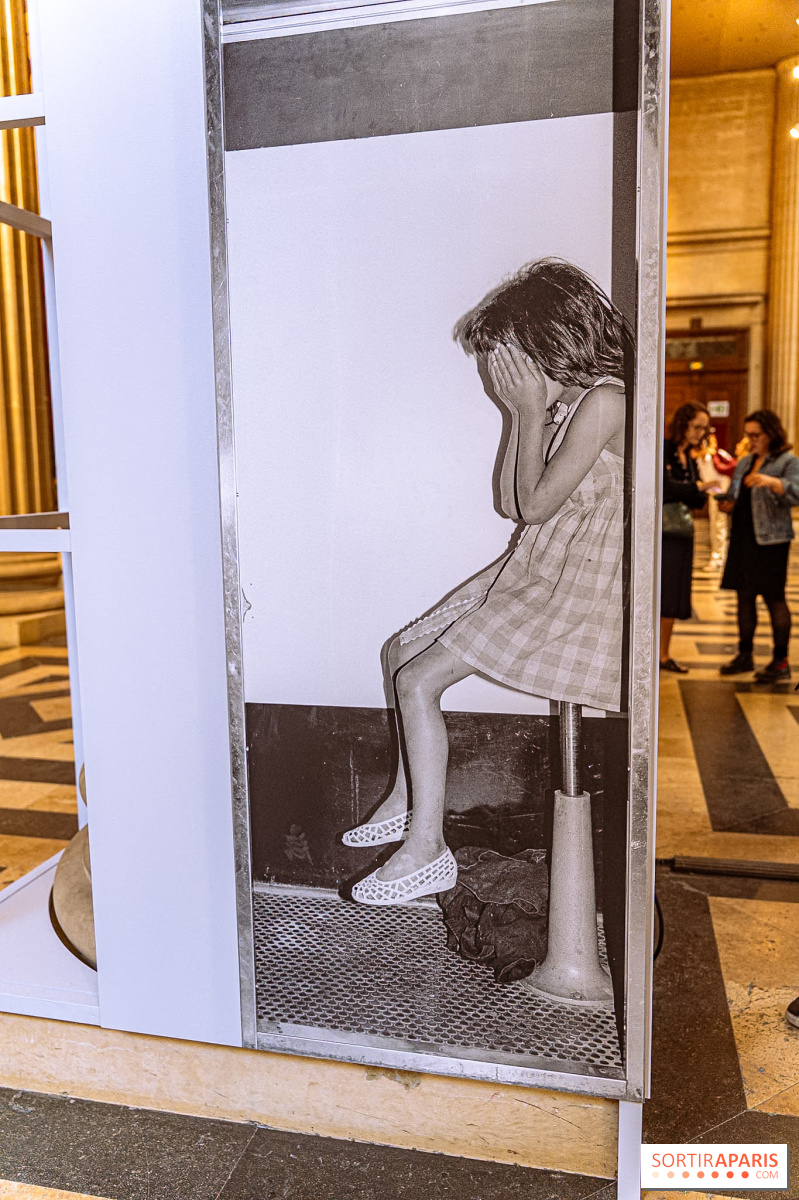
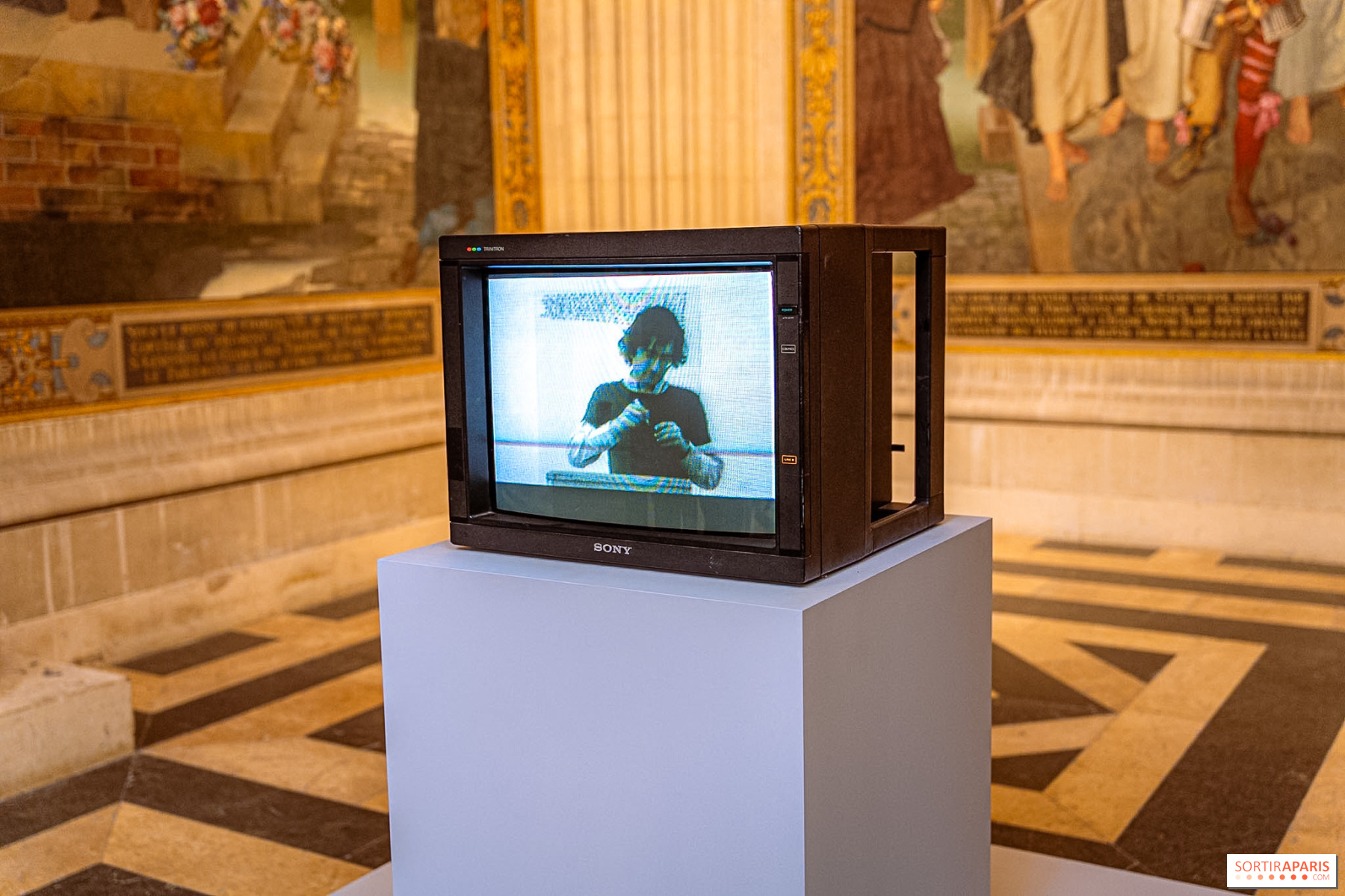
Drawn from the Centre Pompidou’s collections, the exhibition brings together a trentaine d'artistes and spans more than a century of creation, from František Kupka to Jumana Manna. There you encounter the installation Monument (1986) by Christian Boltanski, seven faces of children arranged as an altar, the Photomatons series by Mathieu Pernot, two films by Teo Hernández, and the sculpture Pierre by Clarisse Hahn.
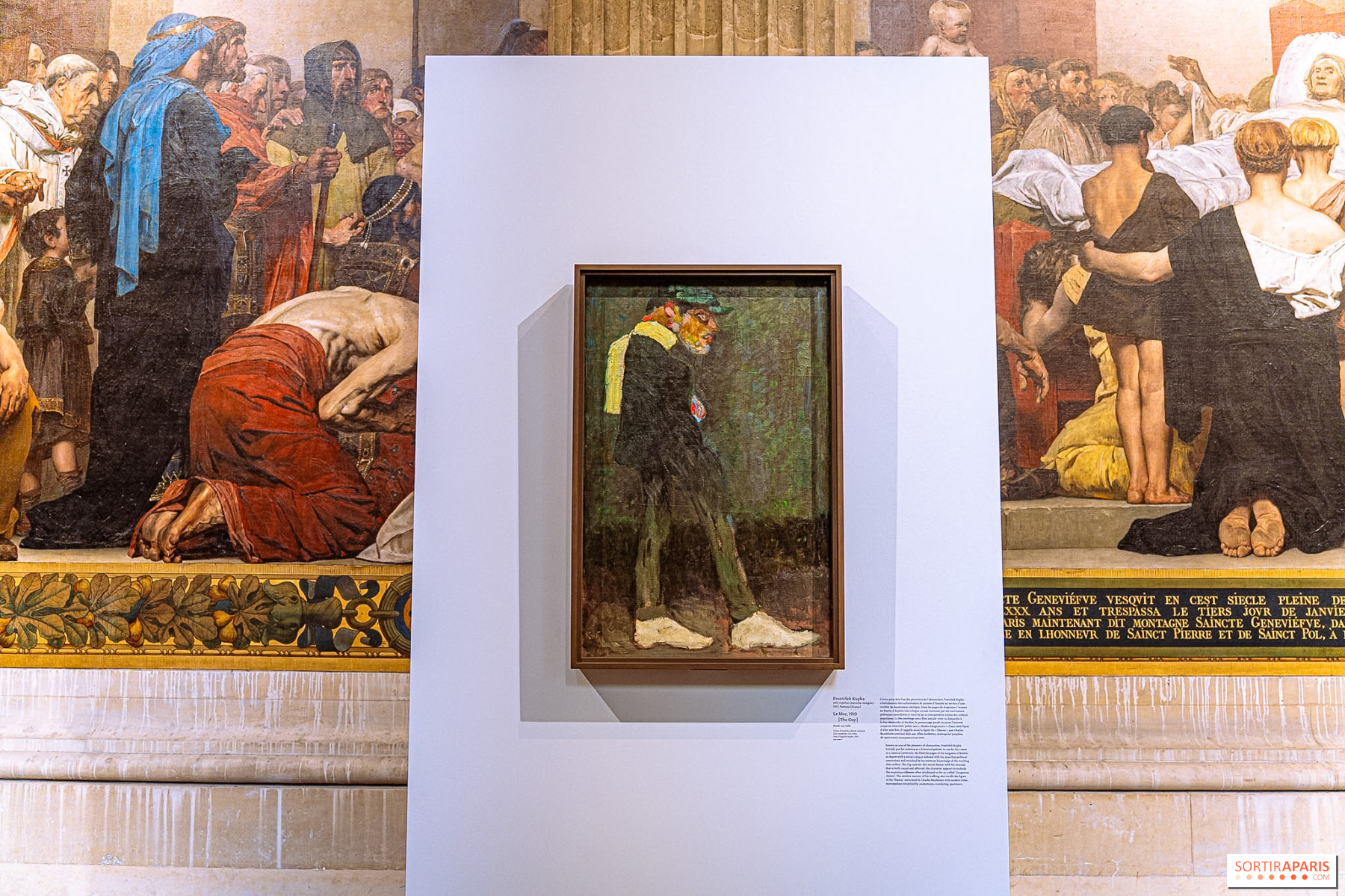
Among our favorites is Le Mec (1910) by František Kupka. Before becoming one of the pioneers of abstraction, the painter sketched the working-class scene for the satirical magazine L'Assiette au beurre. His character moves forward with a casual, slightly defiant stride, like a Baudelairean flâneur lost in the modern city. We walk away feeling as though we've brushed shoulders with a passerby from a century ago.
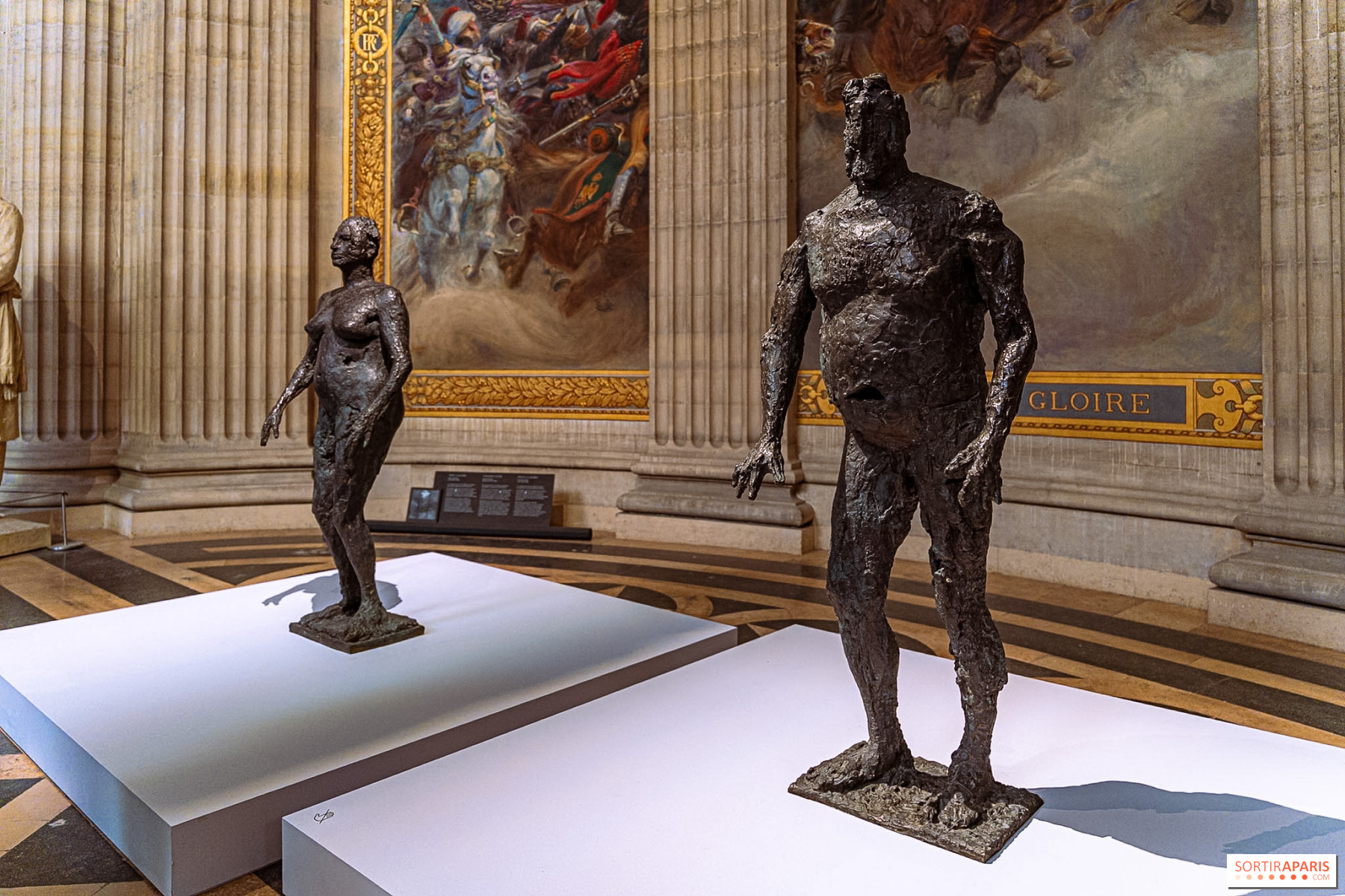
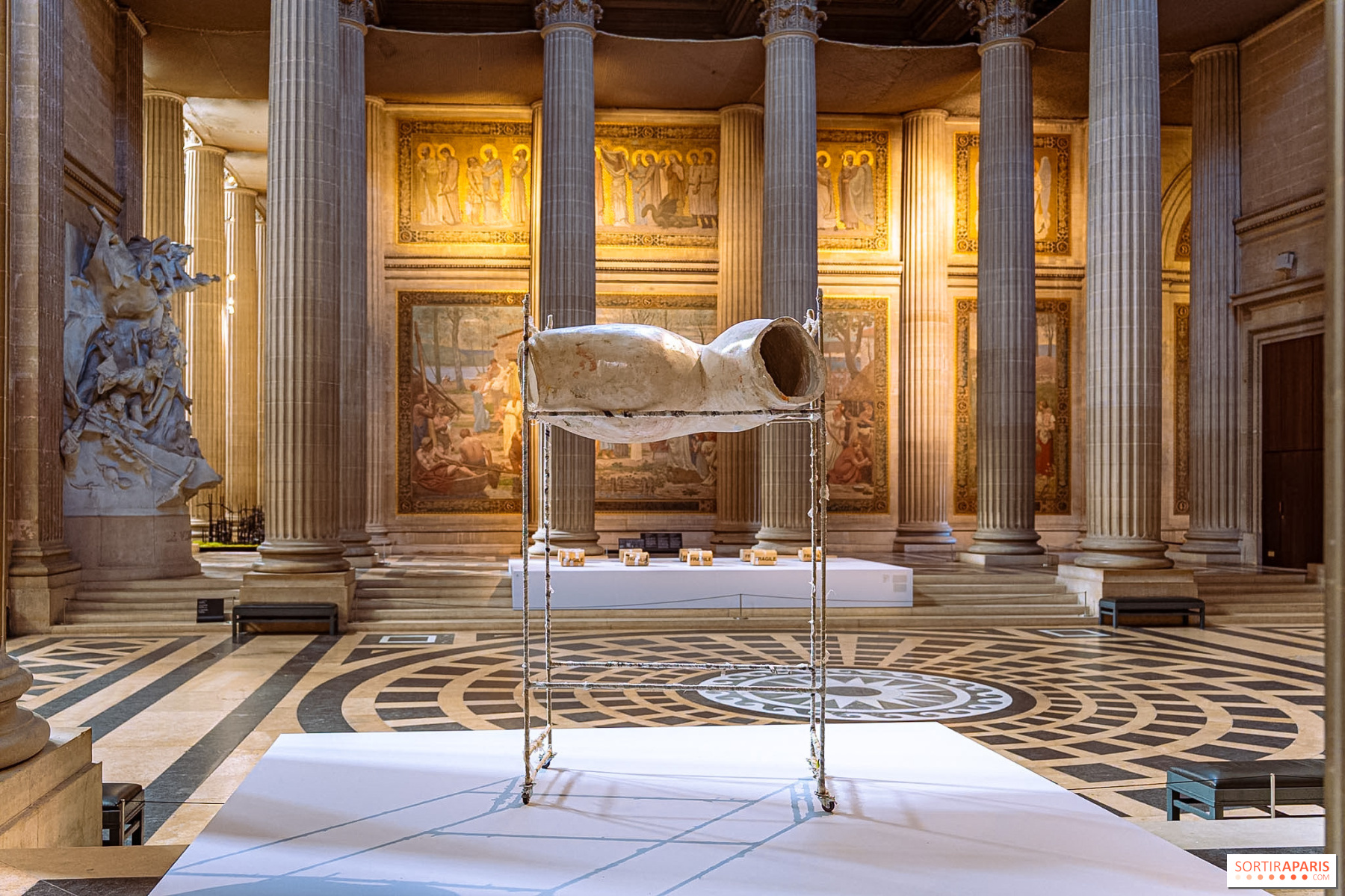
Another striking stop, in the Fragments, Ruins section: Bicep (2015) by Palestinian artist Jumana Manna. A giant plaster muscle laid directly on the floor, without a pedestal, powerful in appearance yet hollow and fragile inside. In this temple of heroic statues, the piece feels like a colossus toppled from its pedestal. It probes the masculine representations of monumental sculpture and how heritage can also be used to erase.
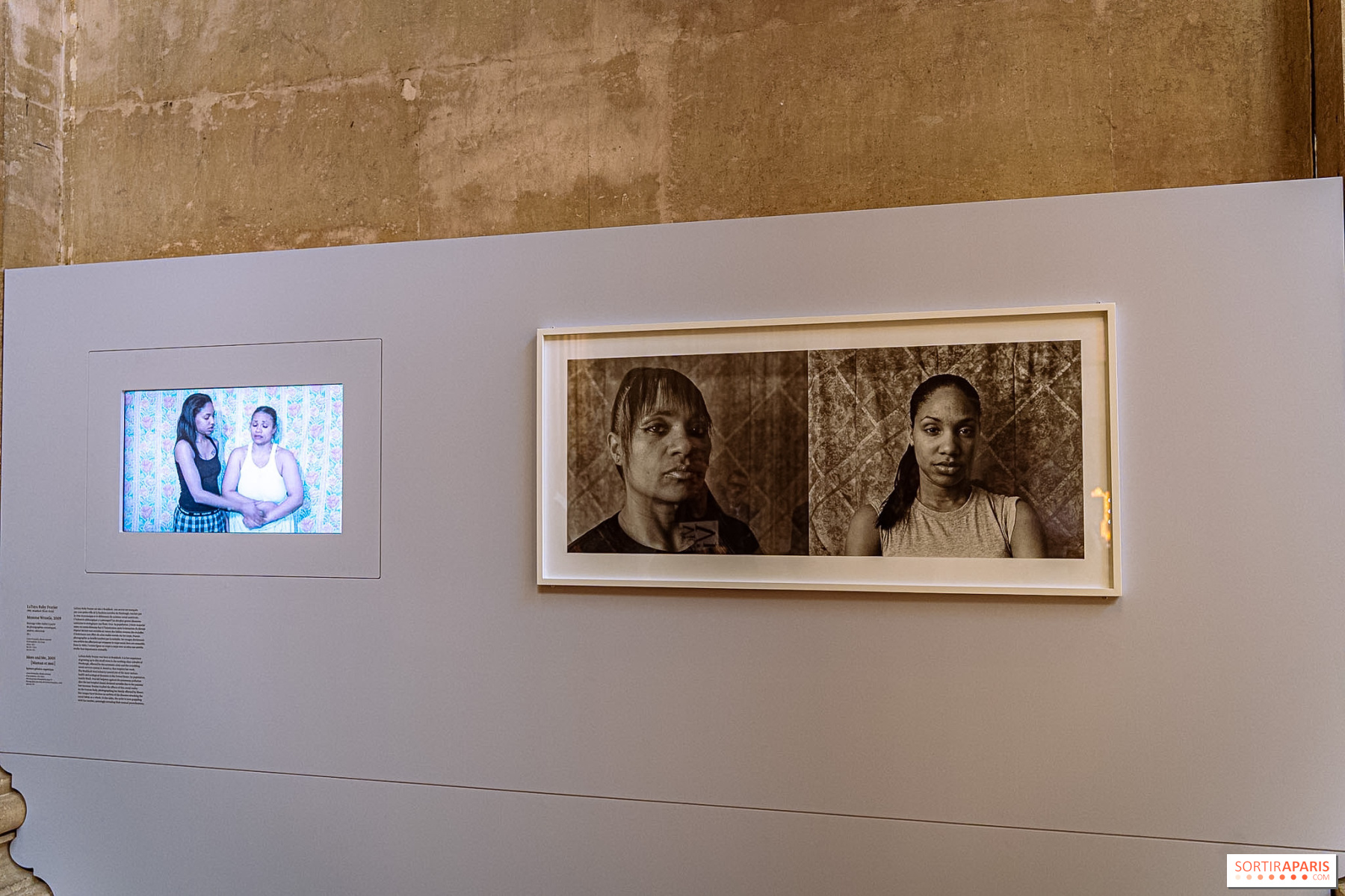
The route also brings a range of other encounters: Nil Yalter’s video in which Portuguese workers share their daily lives in France, LaToya Ruby Frazier’s family photographs from Braddock, or La tarte au citron by Joël Bartoloméo, a family meal filmed without edits. Small details that, when put together, end up weighing heavily.
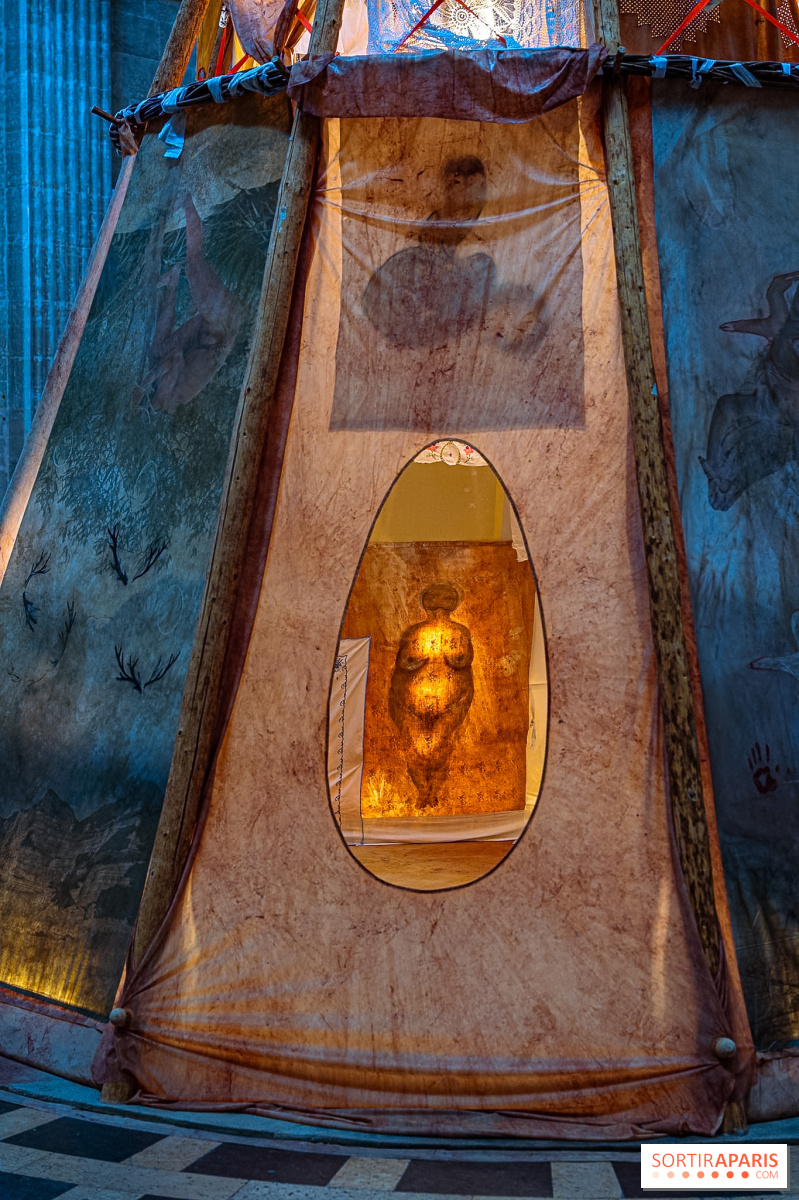
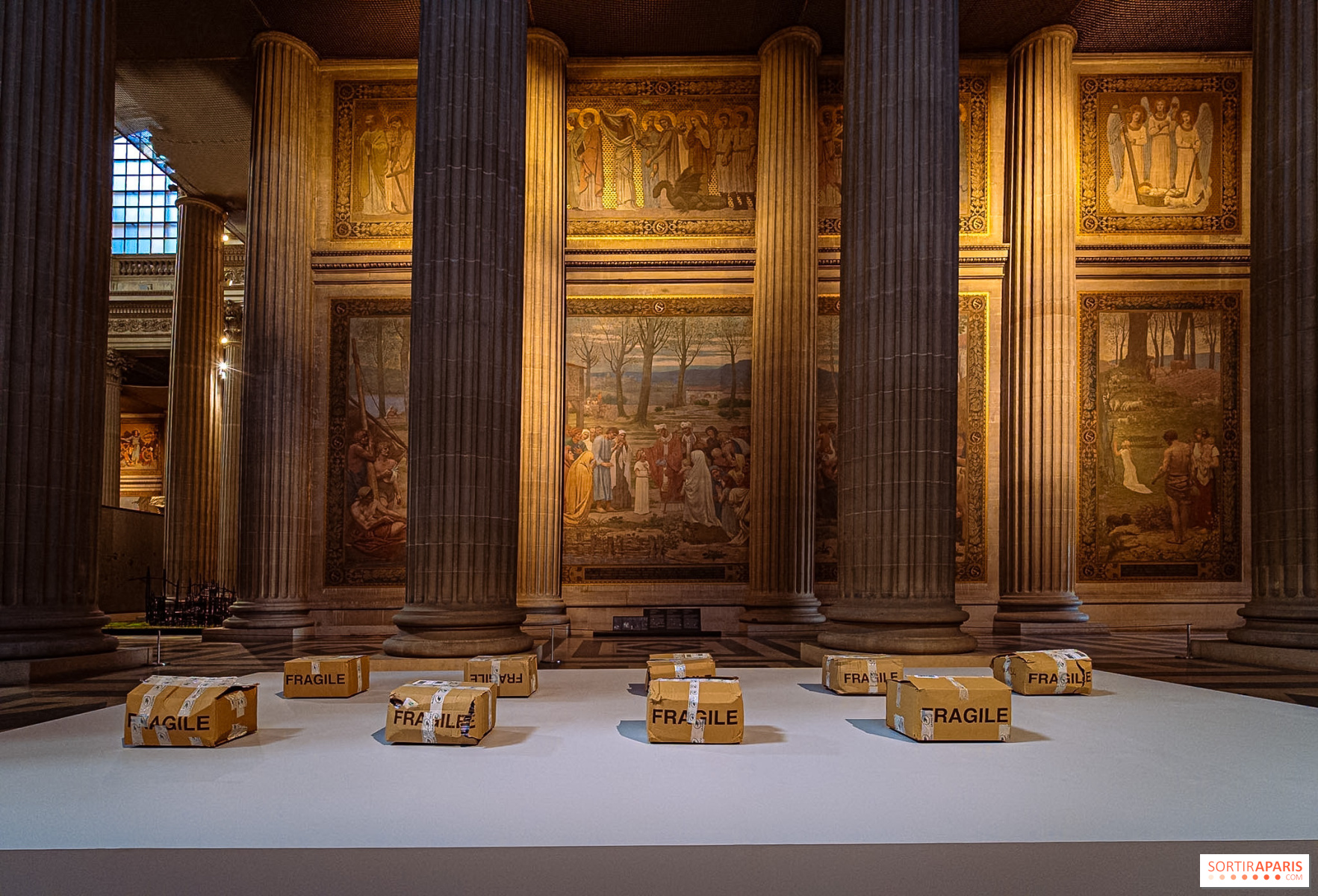
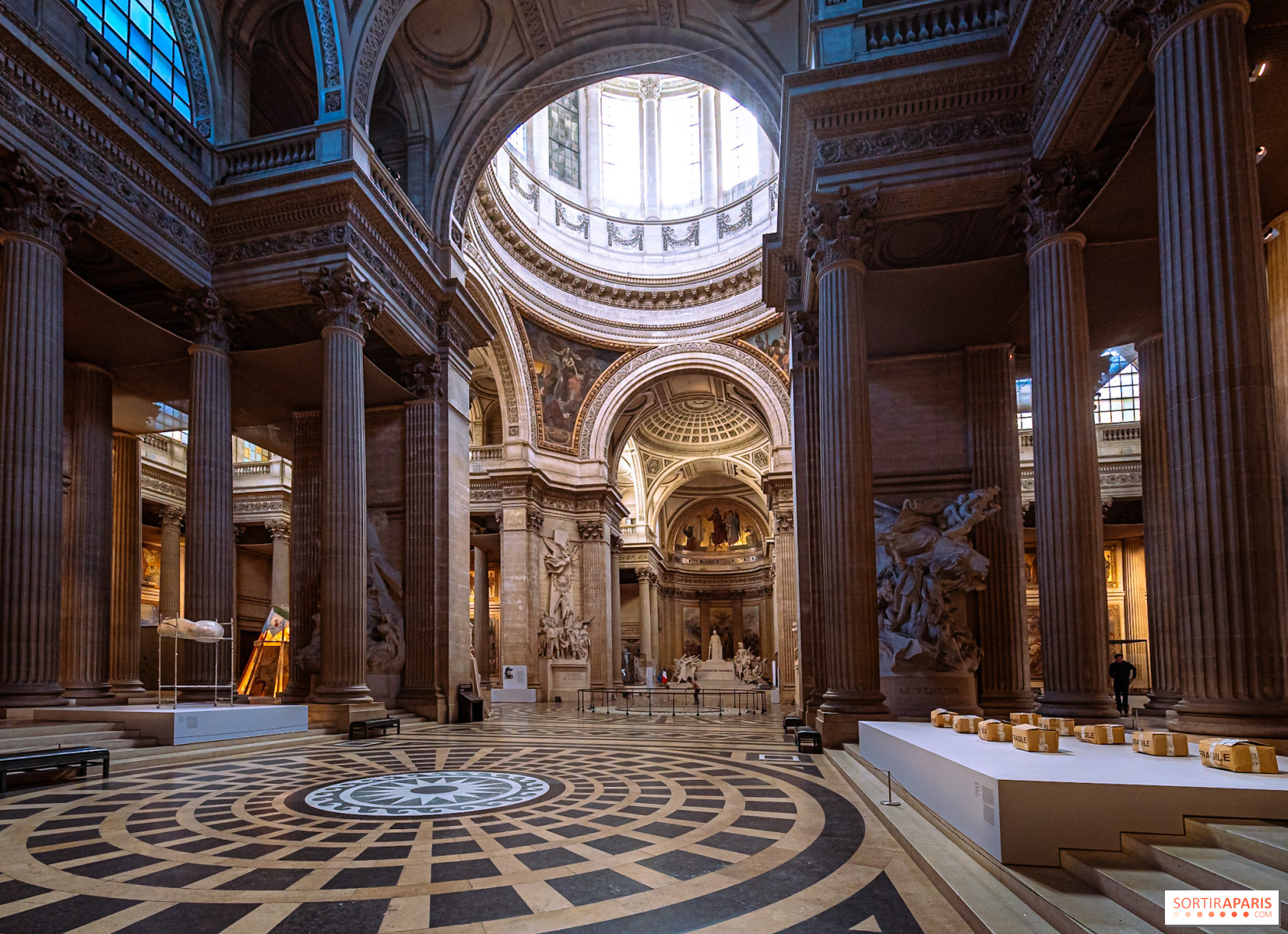
Three works have been conceived for the occasion. Adrianna Wallis presents The Ordinary Letters, bundles of lost mail that La Poste has been returning to her since 2017: letters of love, friendship, and family stories. Adéla Součková installs in the north transept a wooden and painted fabric structure, like a soft tent planted amid the stone. Sara Favriau imagines an intertwining of miniature wooden walkways, covered in petrified wood and moss, an homage to the little hands.
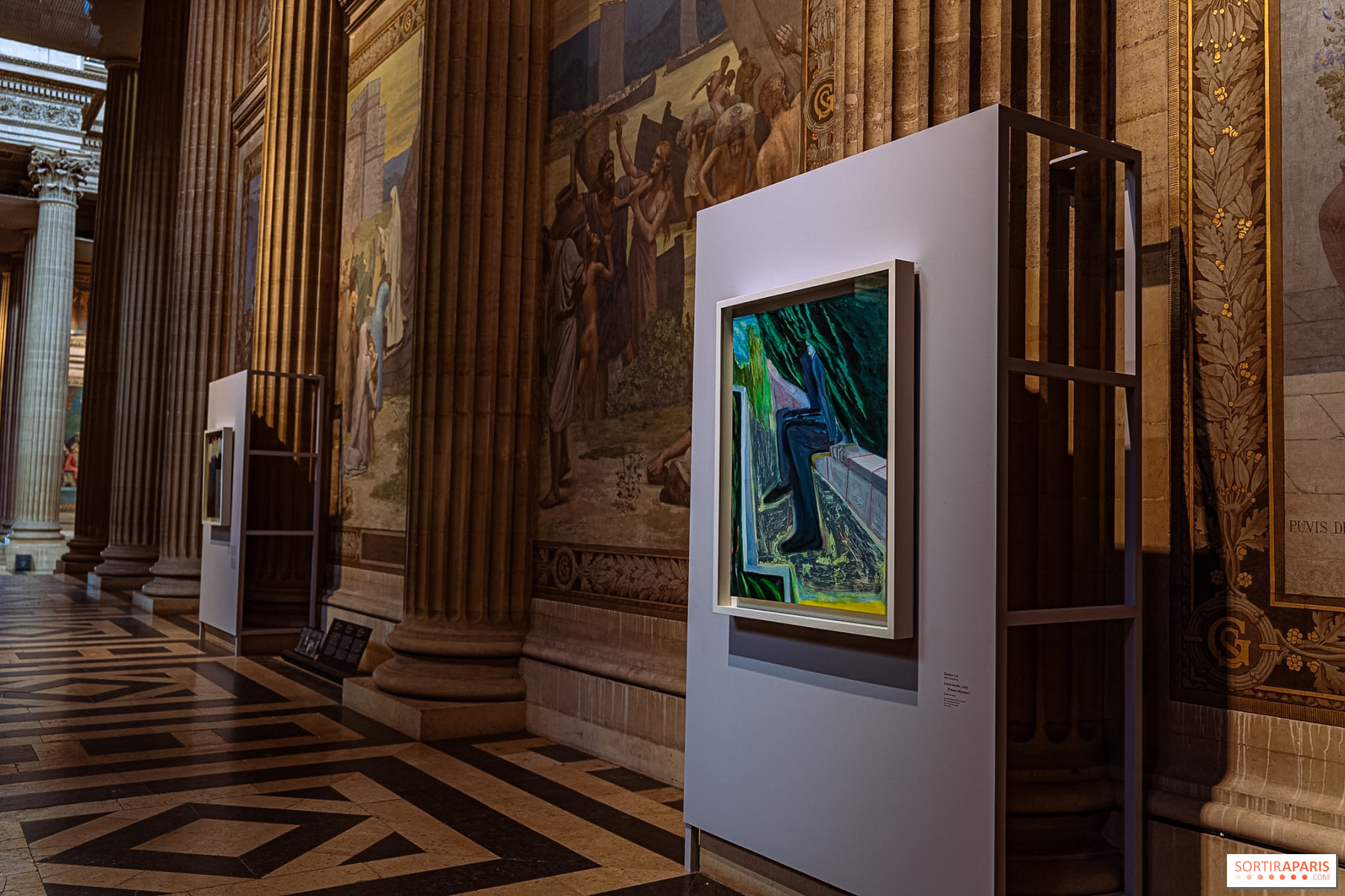
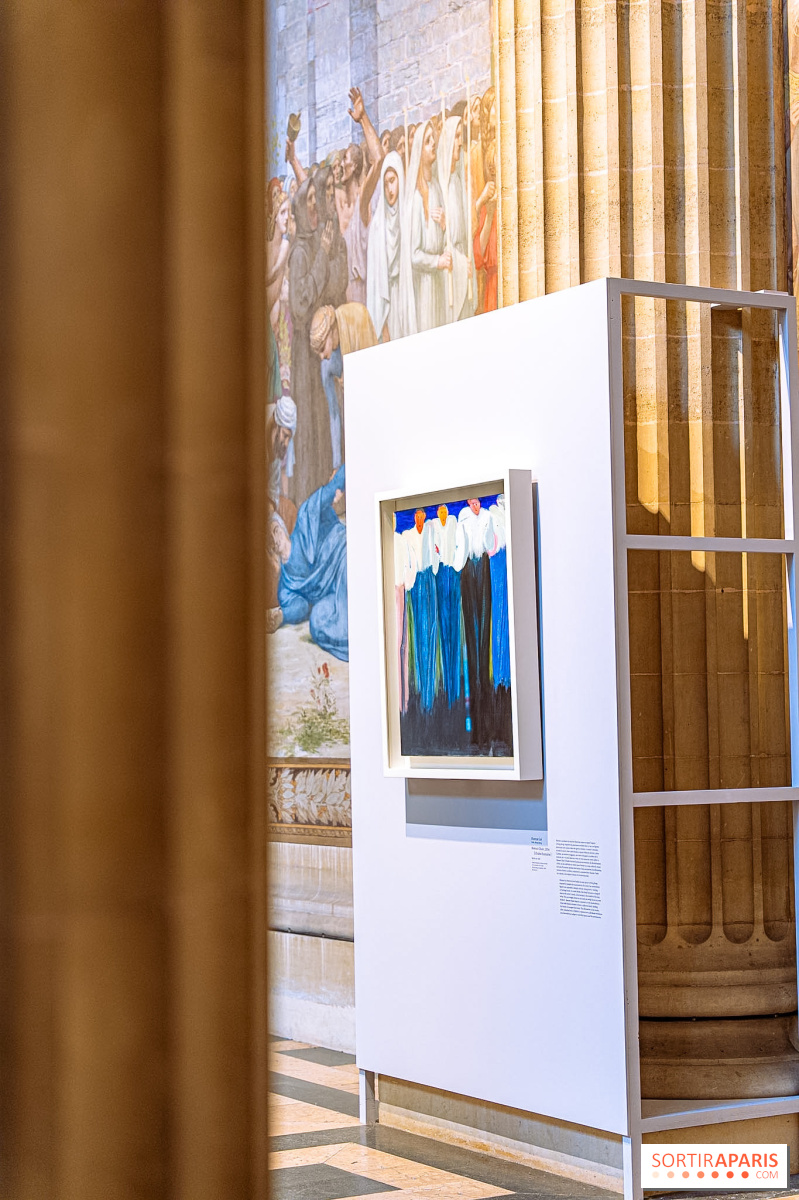
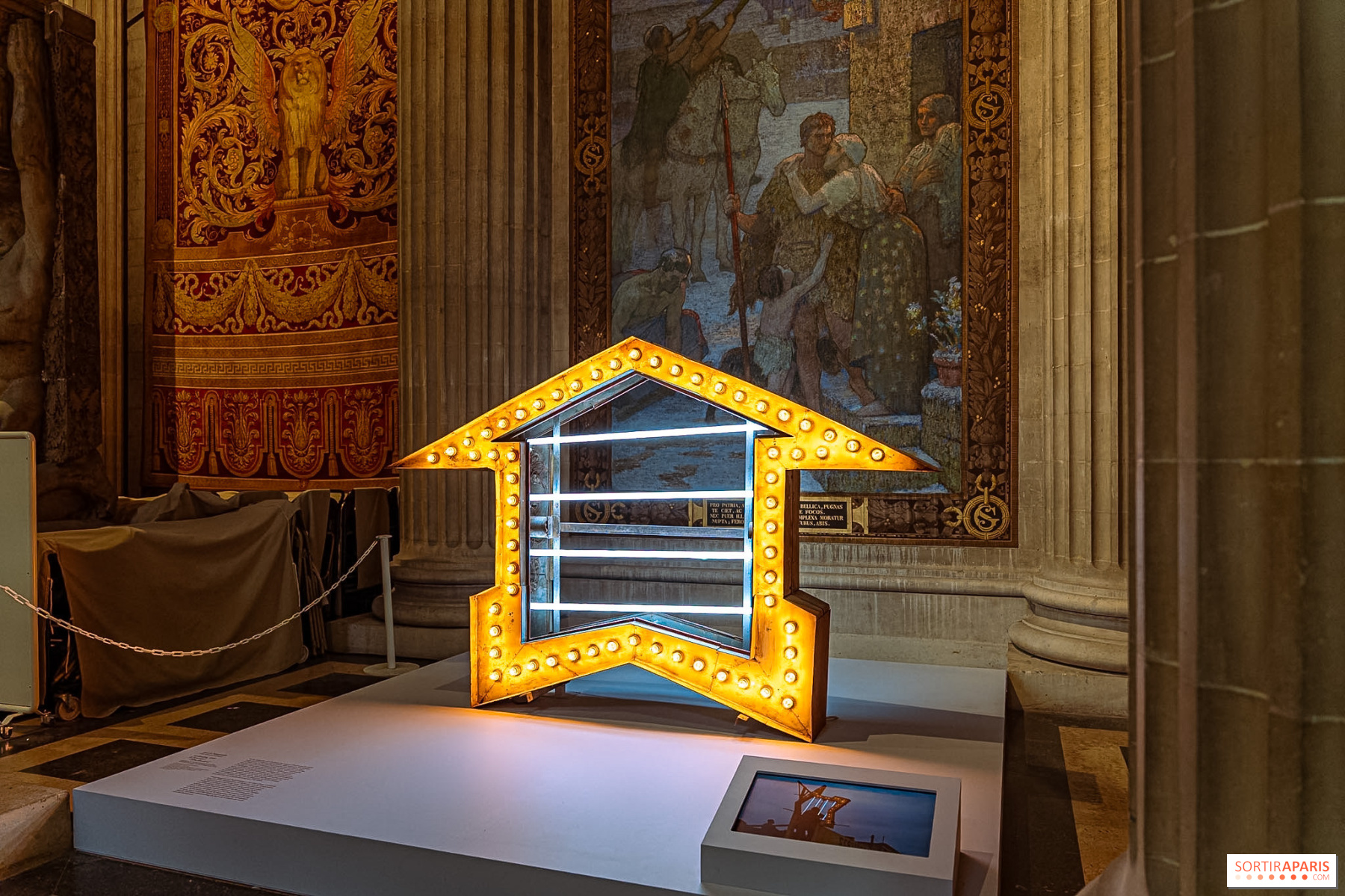
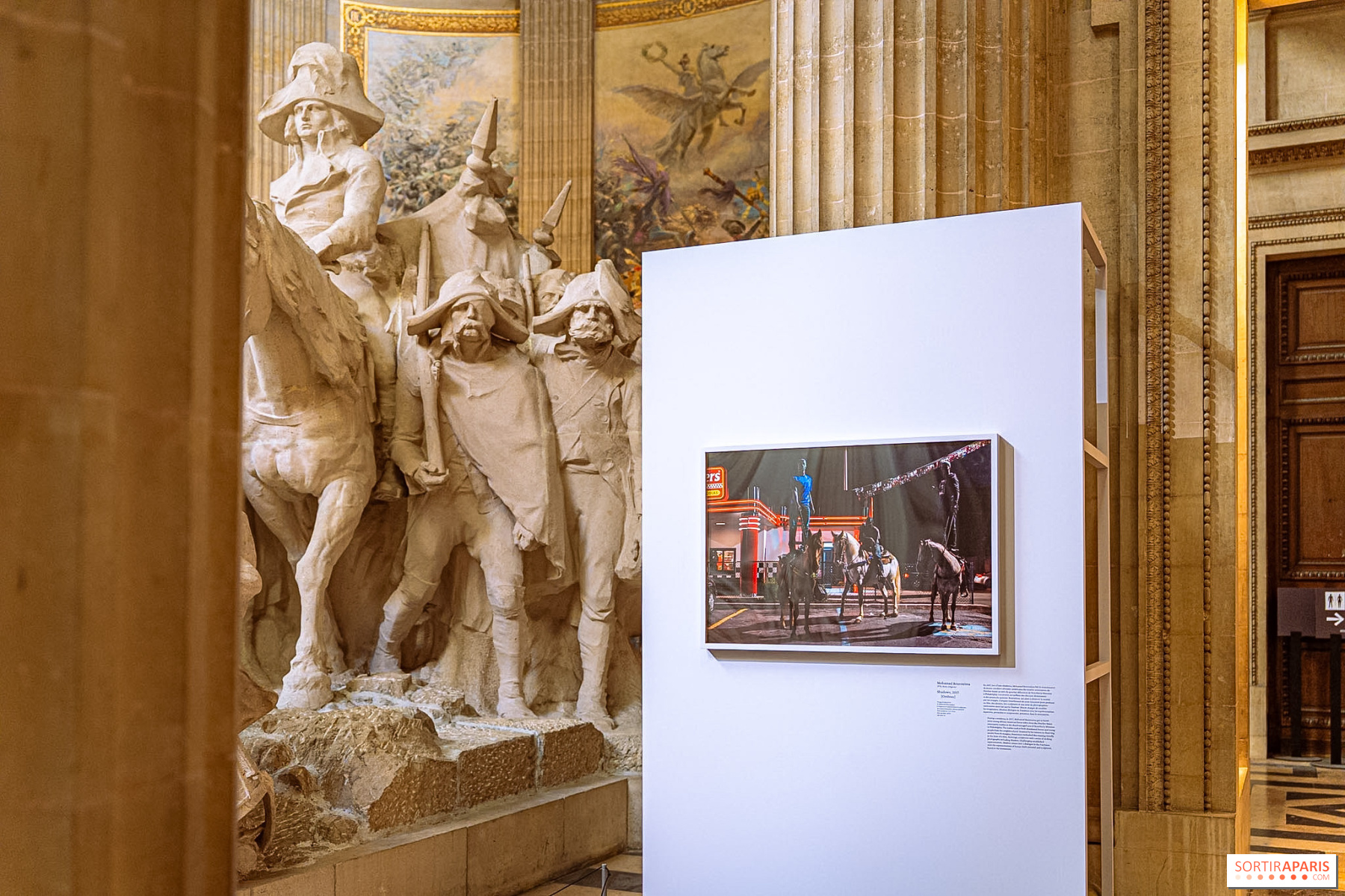
This is what pleased us the most. The Centre Pompidou's works aren’t merely placed in the nave; they engage in dialogue with those of the Panthéon. The horsemen photographed by Mohamed Bourouissa in Philadelphia respond to those in La Convention nationale by François-Léon Sicard. The films of children at play shot by Francis Alÿs echo Bartholomé’s Monument à Rousseau. Paul Marcel Dammann’s medal study of the Unknown Soldier meets the monument Aux héros morts inconnus.
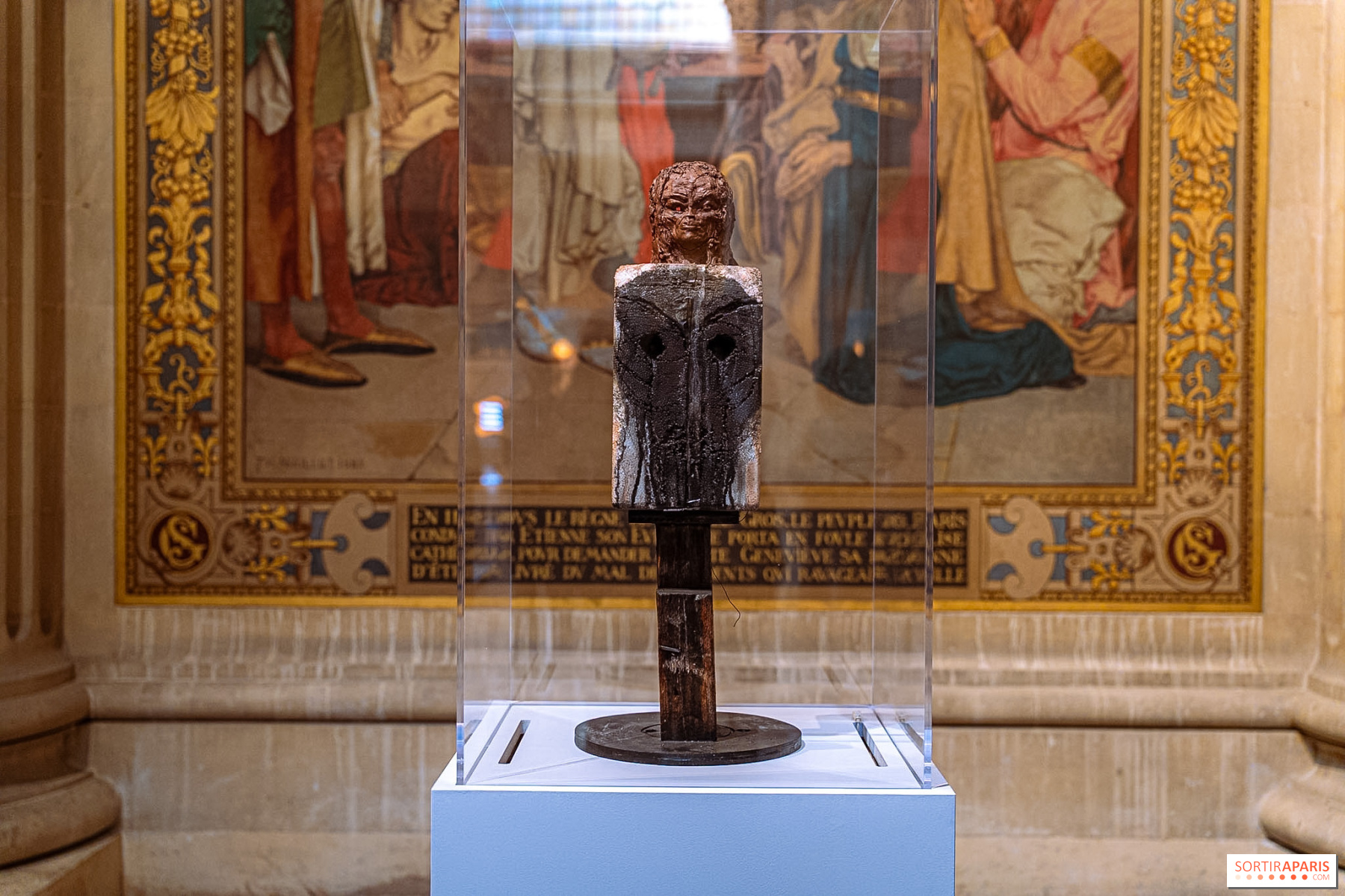
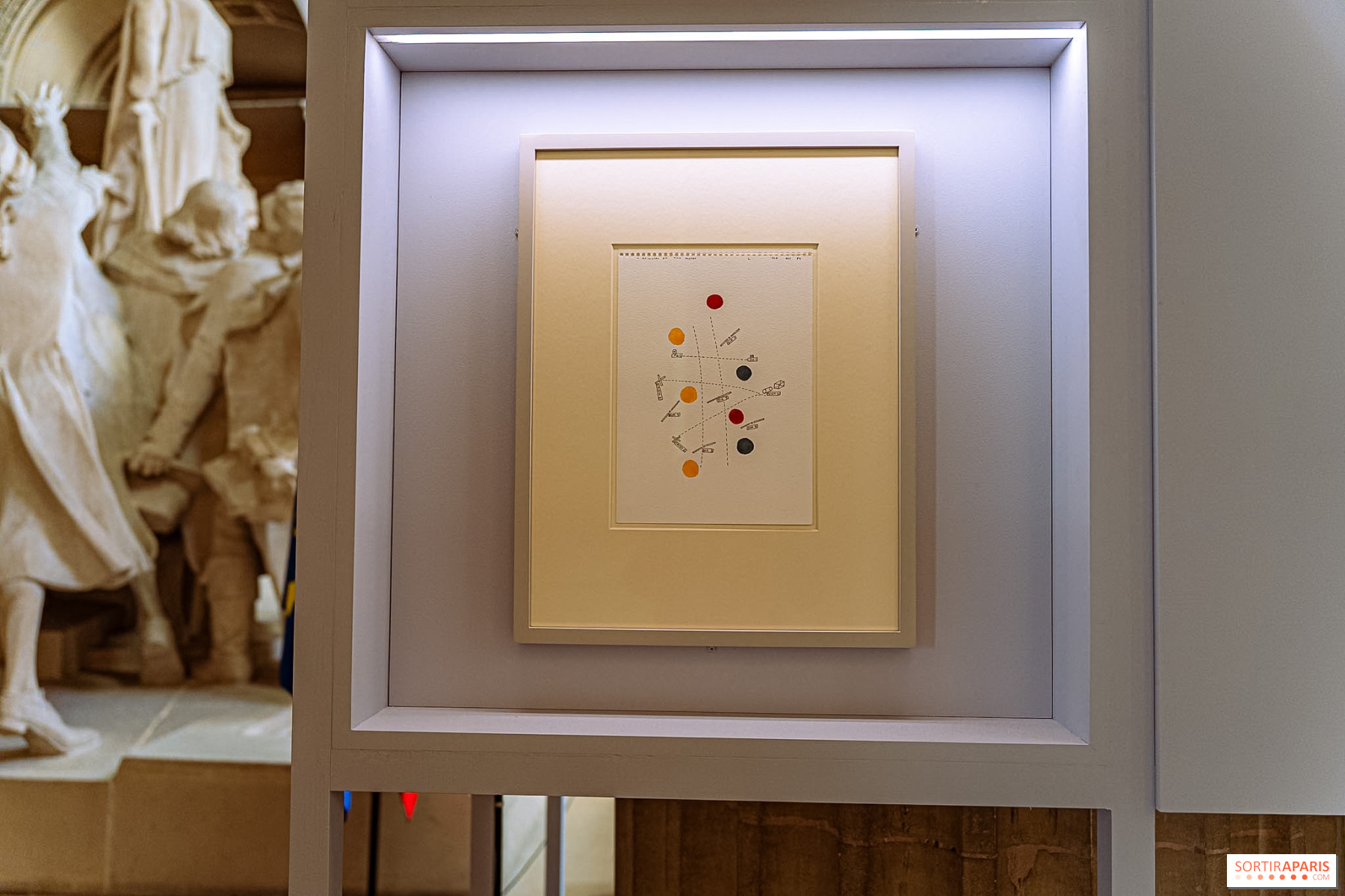
The game of correspondences plays out like a hushed conversation between two centuries. You find yourself glancing up at the frescoes, then drifting back to a small drawing, making connections you’d never notice on your own. What’s already there suddenly looks at itself in a new light.
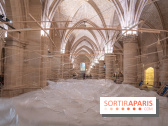
Julie Boidin’s staging plays a major role here. Thirty light-coloured modules, one for each artist, nestle into the architecture without ever masking it. There is no prescribed route: everyone charts their own path through the nave, pauses, and retraces their steps. A free stroll, a bit like wandering through a city you think you know.
The Panthéon supports the exhibition with a dynamic lineup that blends literature, music, dance, theatre, cinema, and performance:
The exhibition is included with the Panthéon admission ticket, which also grants access to the nave and the crypt. It follows the monument’s hours: 10:00–18:30 in September (last entry at 17:45), and 10:00–18:00 from October through January (last entry at 17:15). The individual price is €16 until September 30, then €13 starting October 1. Admission is free for under-16s accompanied by an adult, for EU nationals aged 16–25, for people with disabilities and their companion, and on the first Sundays of November through March. Tickets are available through the official ticketing site, with details on the Panthéon site.
To extend the visit, a jointly edited exhibition journal by the Centre Pompidou and Editions du patrimoine gathers twenty commented works, excerpts from Pierre Michon and Saidiya Hartman, and an exclusive interview with the author, for €7. A free podcast also gives the floor to the curators.
This is an exhibition to be savored slowly, ideally in the late afternoon, as the light drifts softly into the nave. It speaks to both the curious about contemporary art and the lovers of heritage, to readers of Pierre Michon and to teens hungry for topics to debate. All those who enjoy seeing a solemn space willingly unsettled will find plenty to engage with here.
A quick heads-up: the nave is vast, and there are a few handy tips for winter visits. The dome panorama remains closed for renovations. After your visit, Rue Soufflot, the Jardin du Luxembourg, and the bookstores of the Quartier latin are just around the corner.
Want to keep the momentum going? Just across from it, the Musée du Luxembourg reveals the forgotten works of Andy Warhol. At the Paris Museum of Modern Art, the Kerry James Marshall exhibition also tells stories that have long lingered in the shadows. And for more ideas, head to our guide to the Autumn 2026 exhibitions in Paris.
Dates and Opening Time
From September 24, 2026 to January 31, 2027
Location
Paris Pantheon
Place du Panthéon
75005 Paris 5
Route planner
Access
Metro: Luxembourg / Cardinal Lemoine / Maubert Mutualité
Prices
Moins de 25 ans UE: Free
Billet: €13 - €16