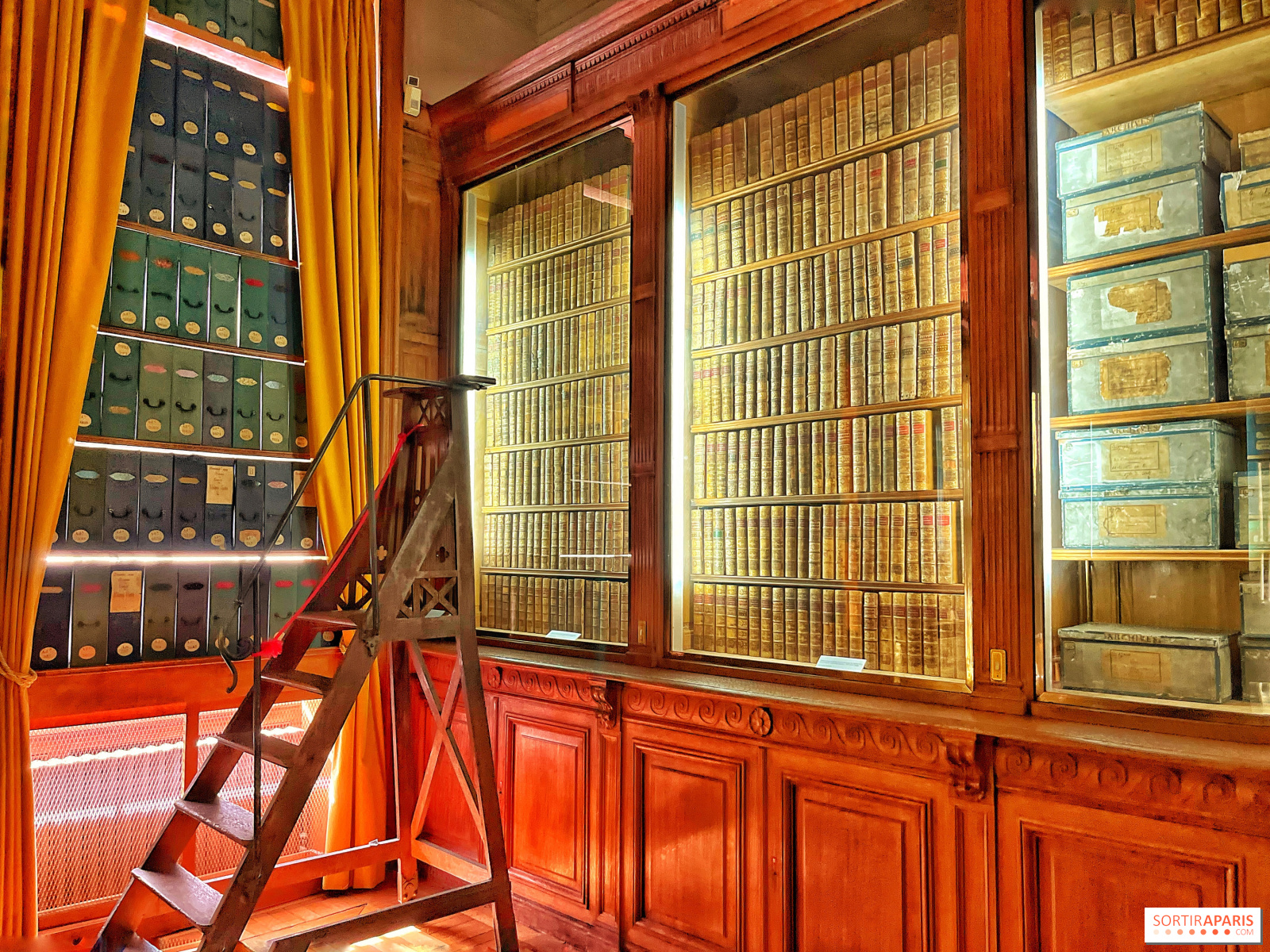
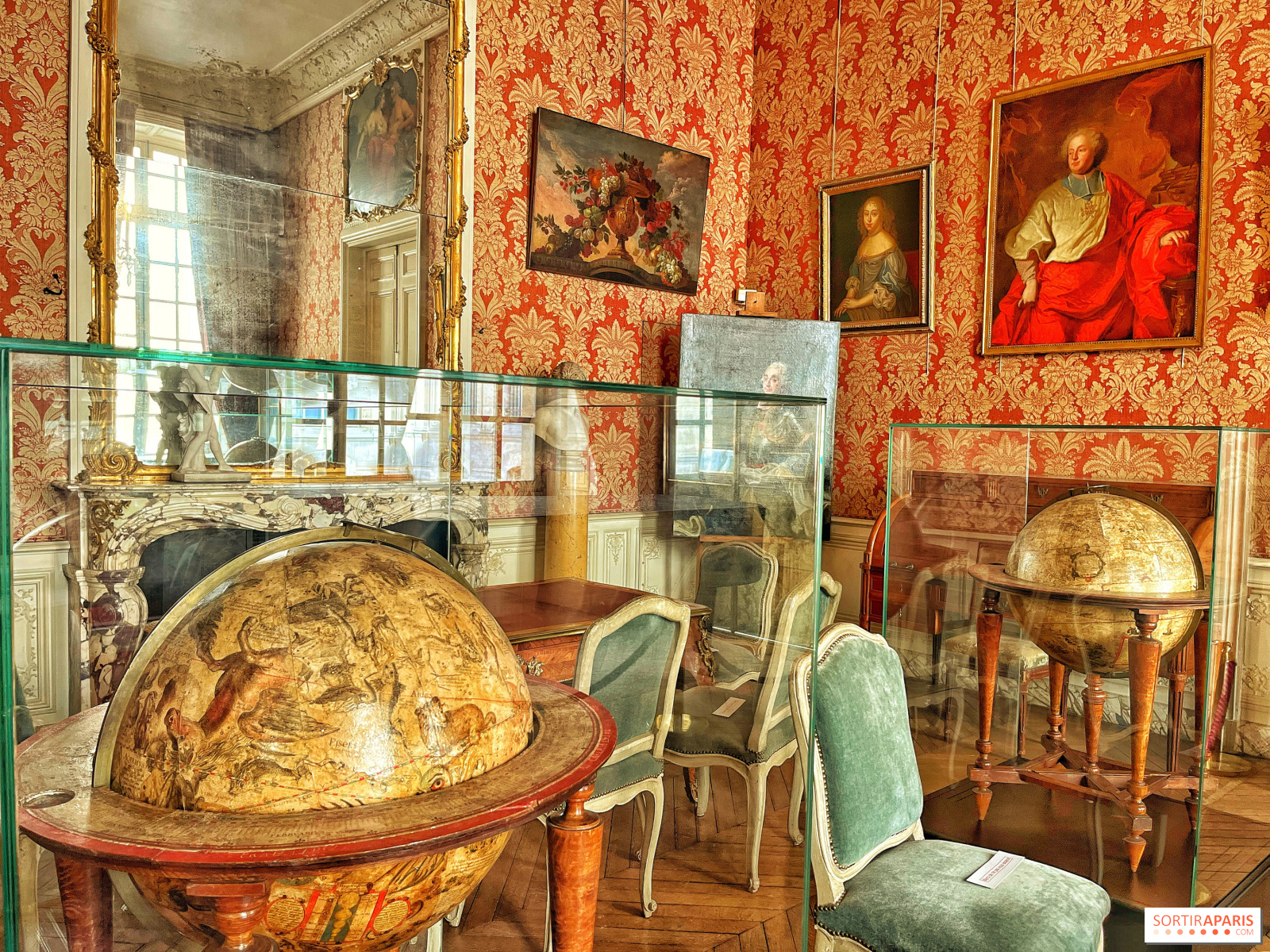
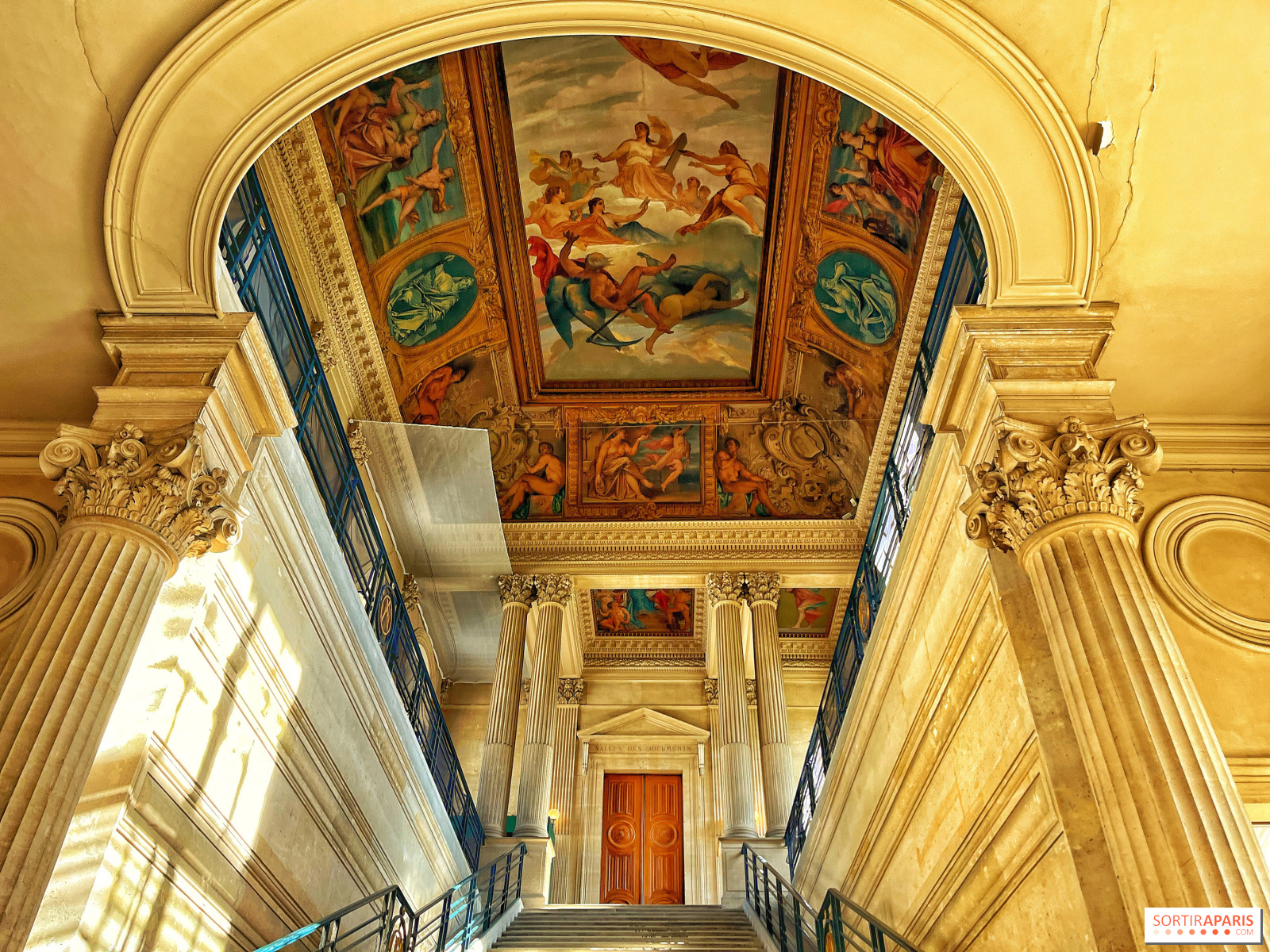
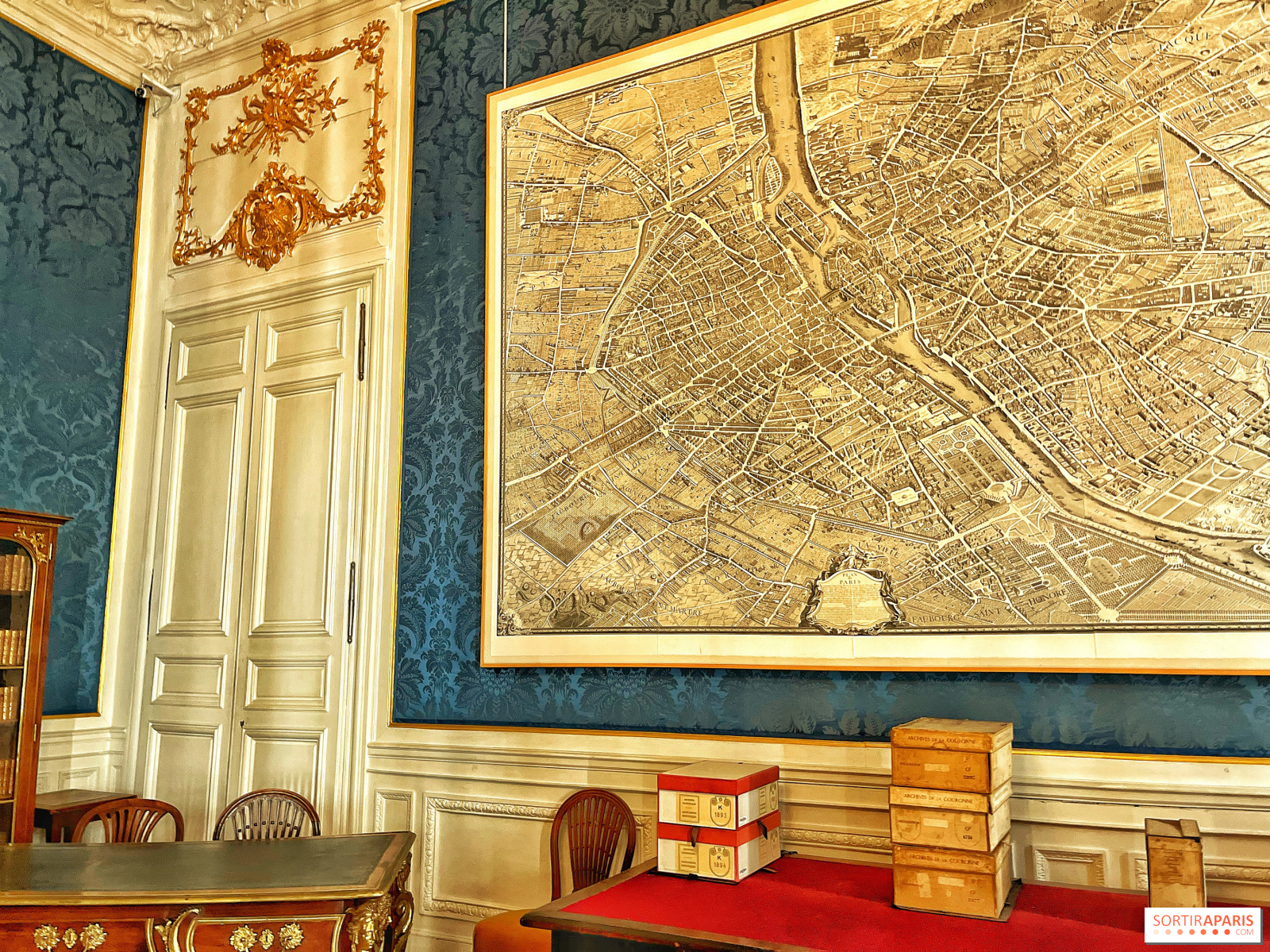
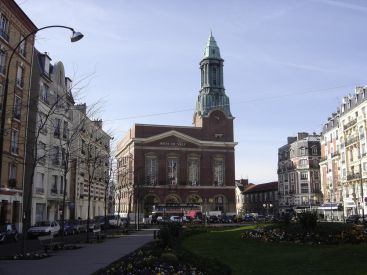
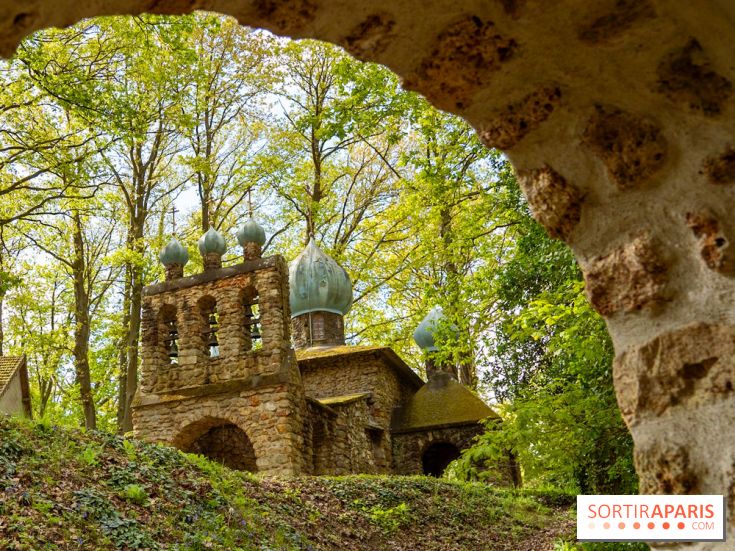
The city of Paris is full of surprises, and the magnificent Hôtel de Soubise is undoubtedly one of the finest to be discovered in the Marais district, rue des Archives. Open to all free of charge, it has been home to the French National Archives for several centuries, in a particularly remarkable and peaceful setting.

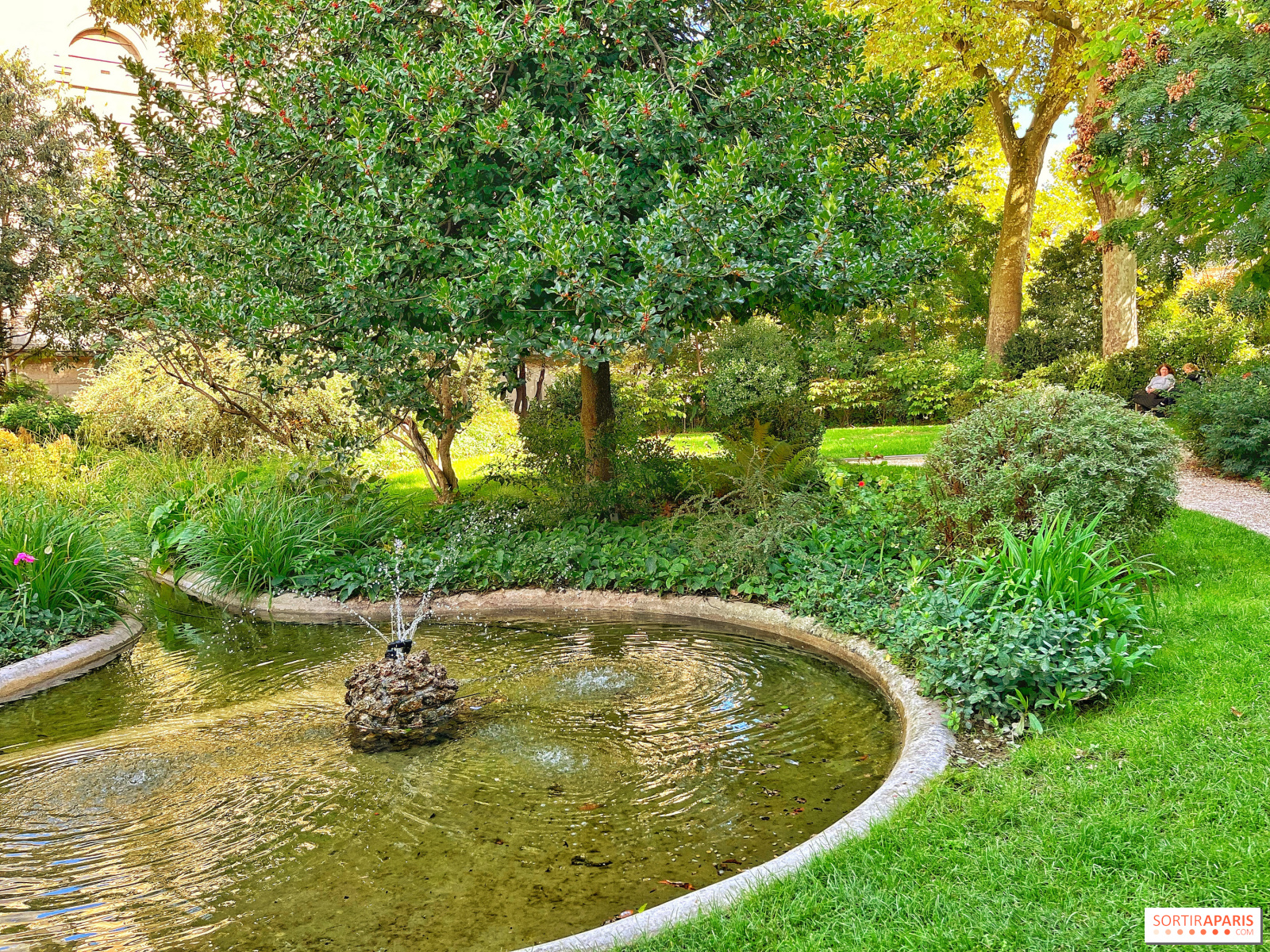
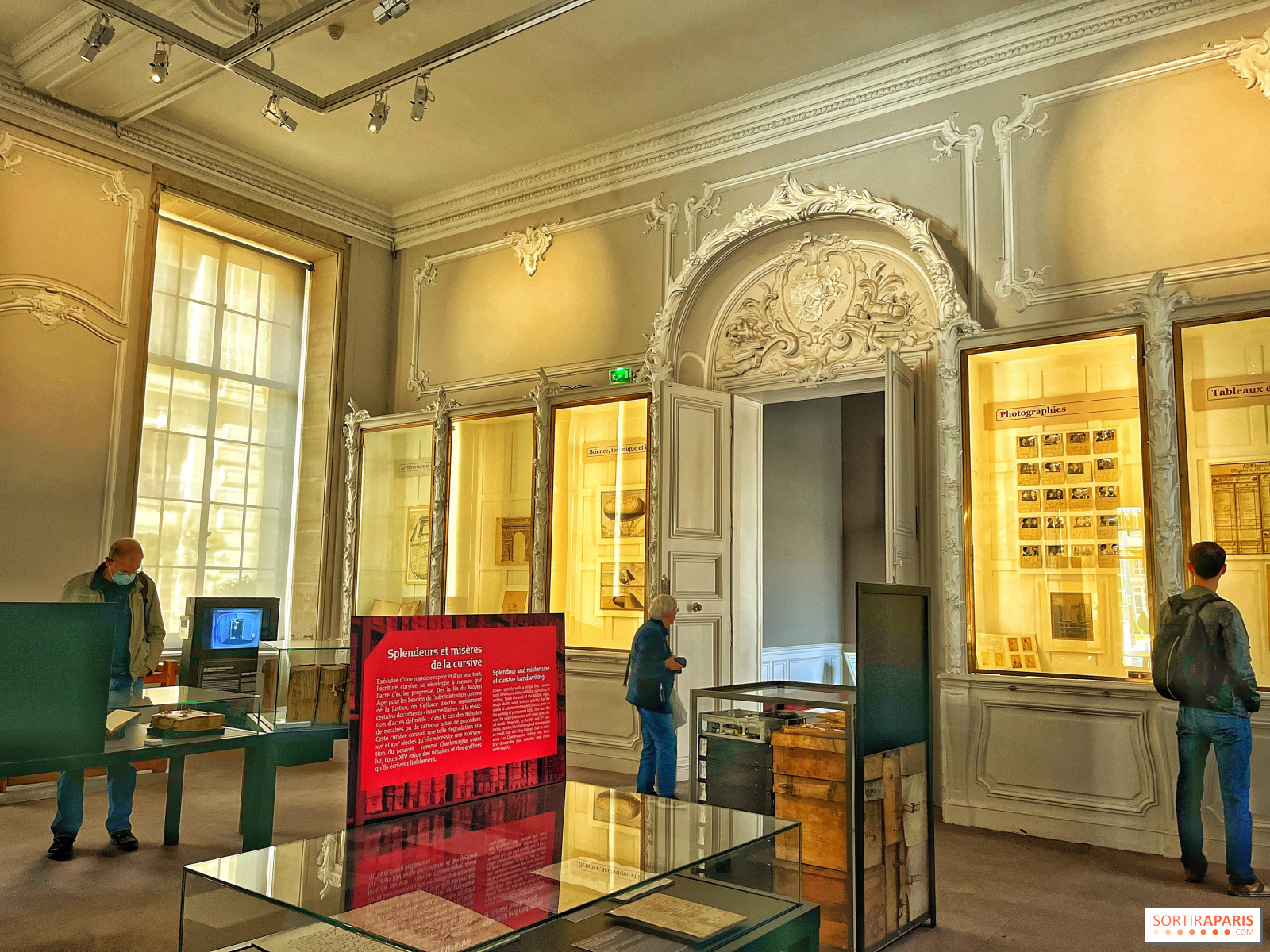
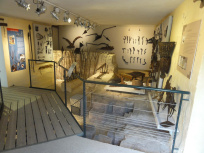
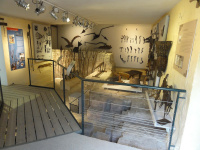
With its superb garden, hidden from local residents, the Hôtel welcomes you for an incredible plunge into the heart ofFrench history, in its museum, to discover the many writings and media that have marked the last few centuries.
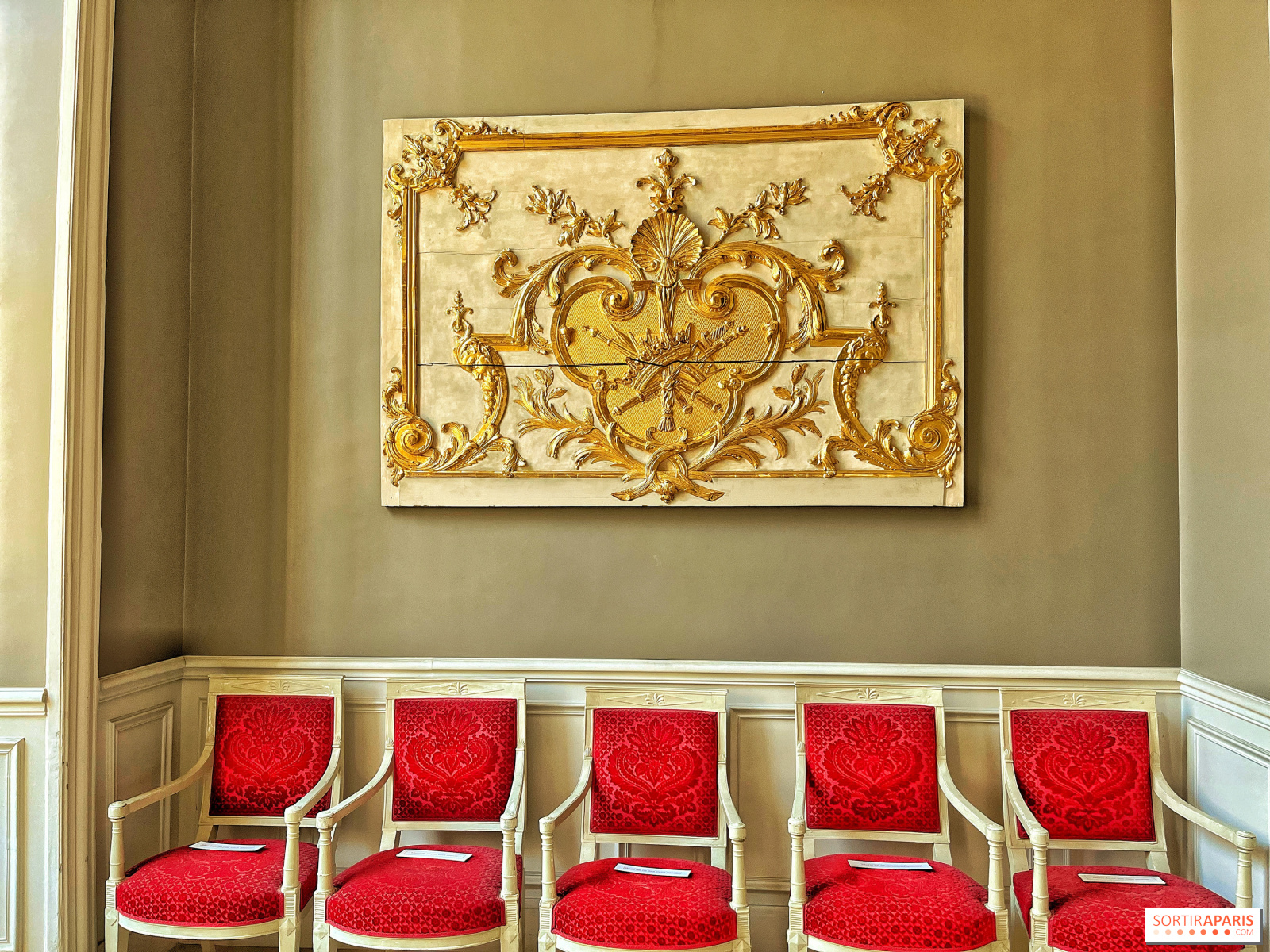
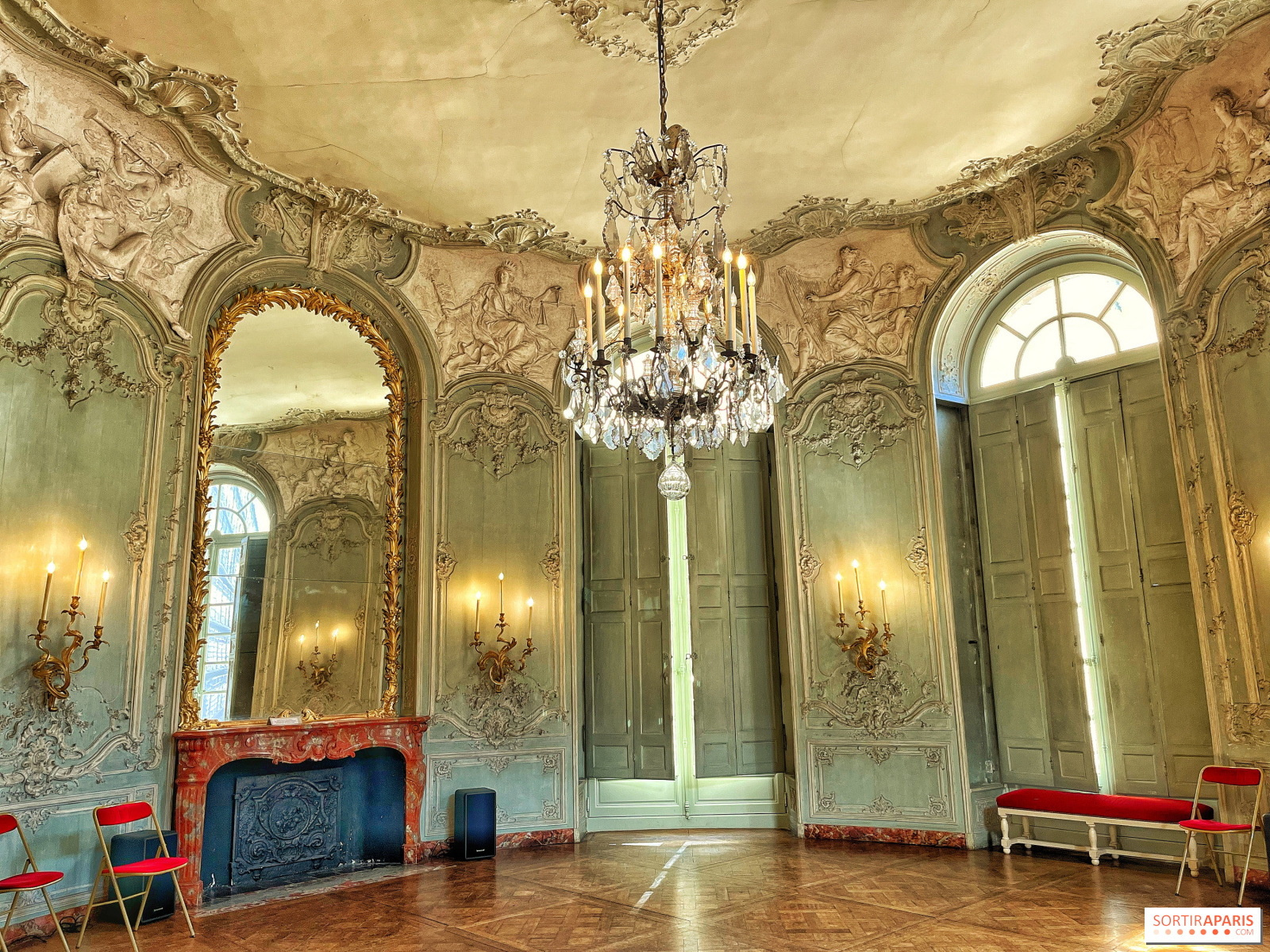
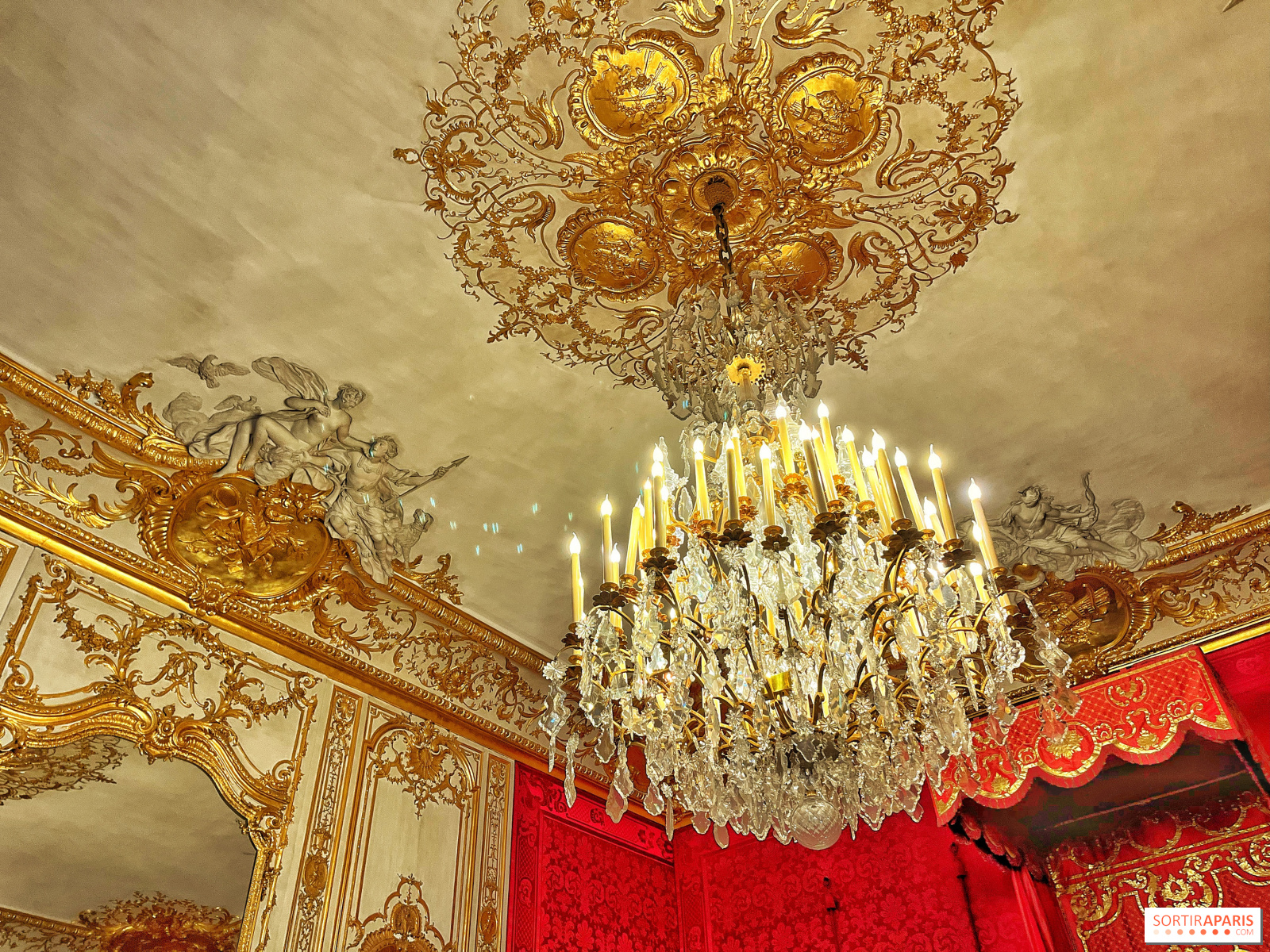
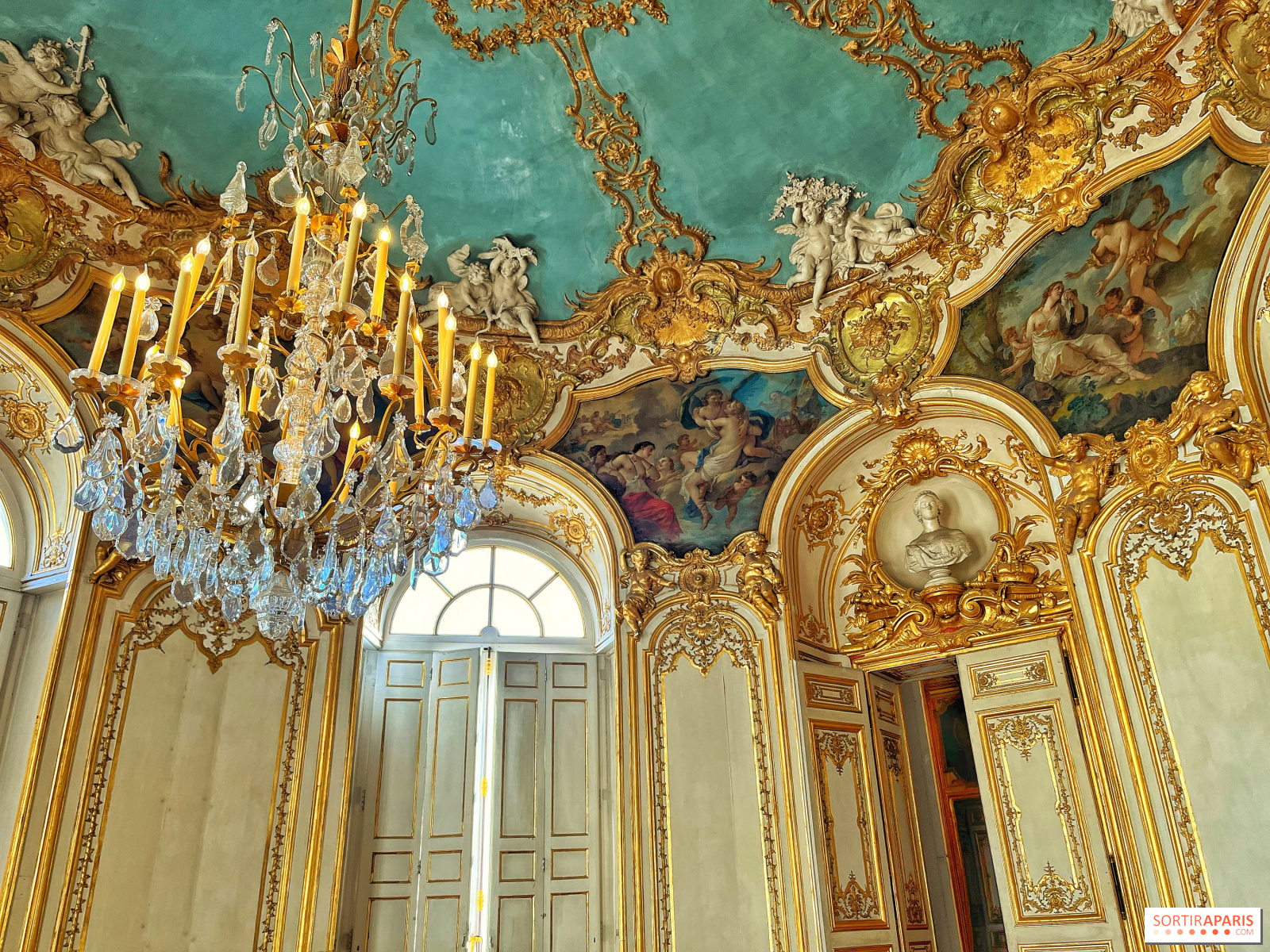
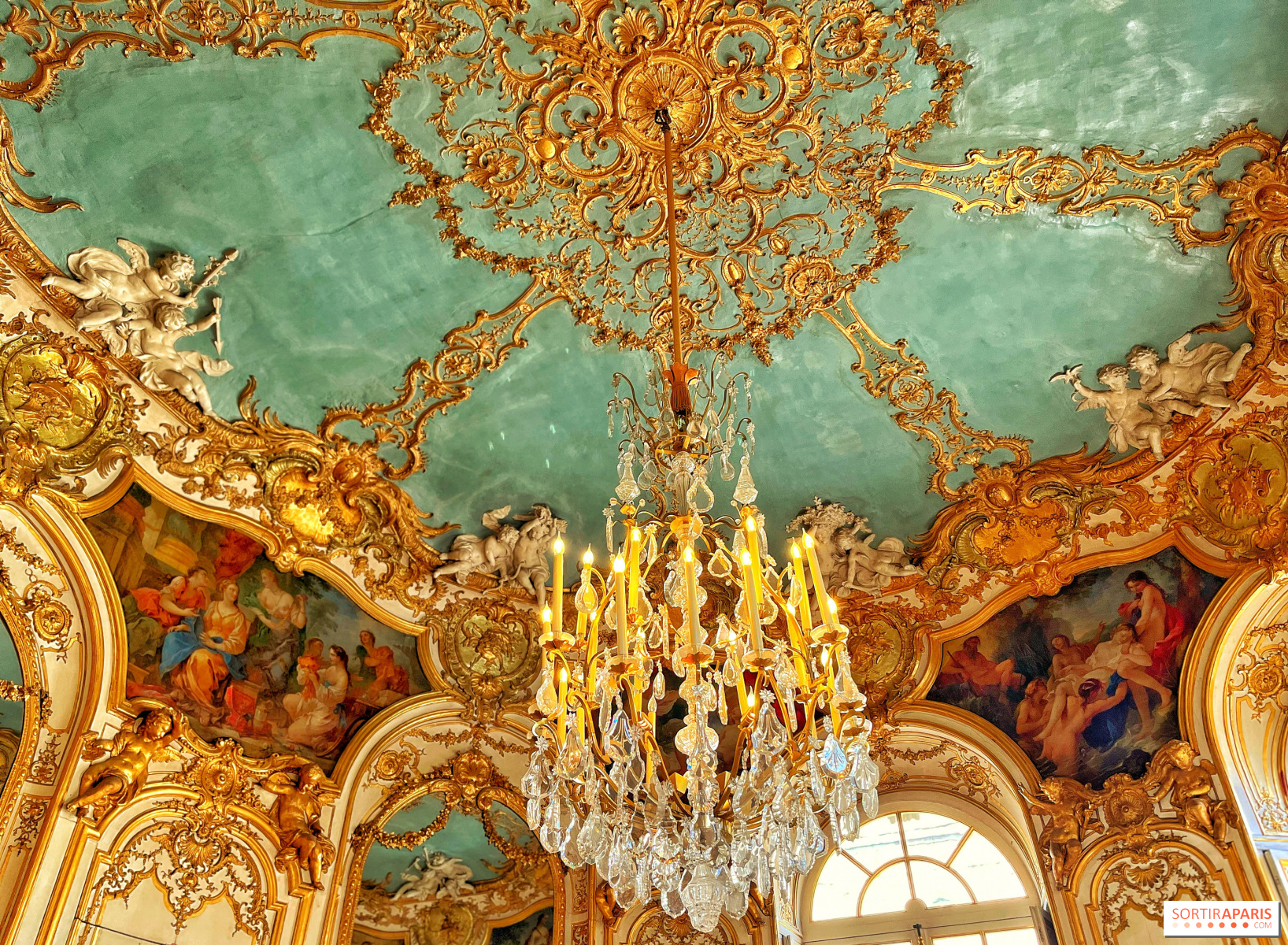
The illustrious De Guise family acquired the hotel in 1553, and actively renovated it. In March 1700, François de Rohan-Soubise and his wife bought the hotel and entrusted their architect, Pierre-Alexis Delamair, with the task of bringing it up to date. From century to century, the hotel changed hands, welcoming princes and princesses in a decor among the most representative of rocaille art. The neighboringHôtel de Rohan, which is currently undergoing renovation, benefits from similar care.
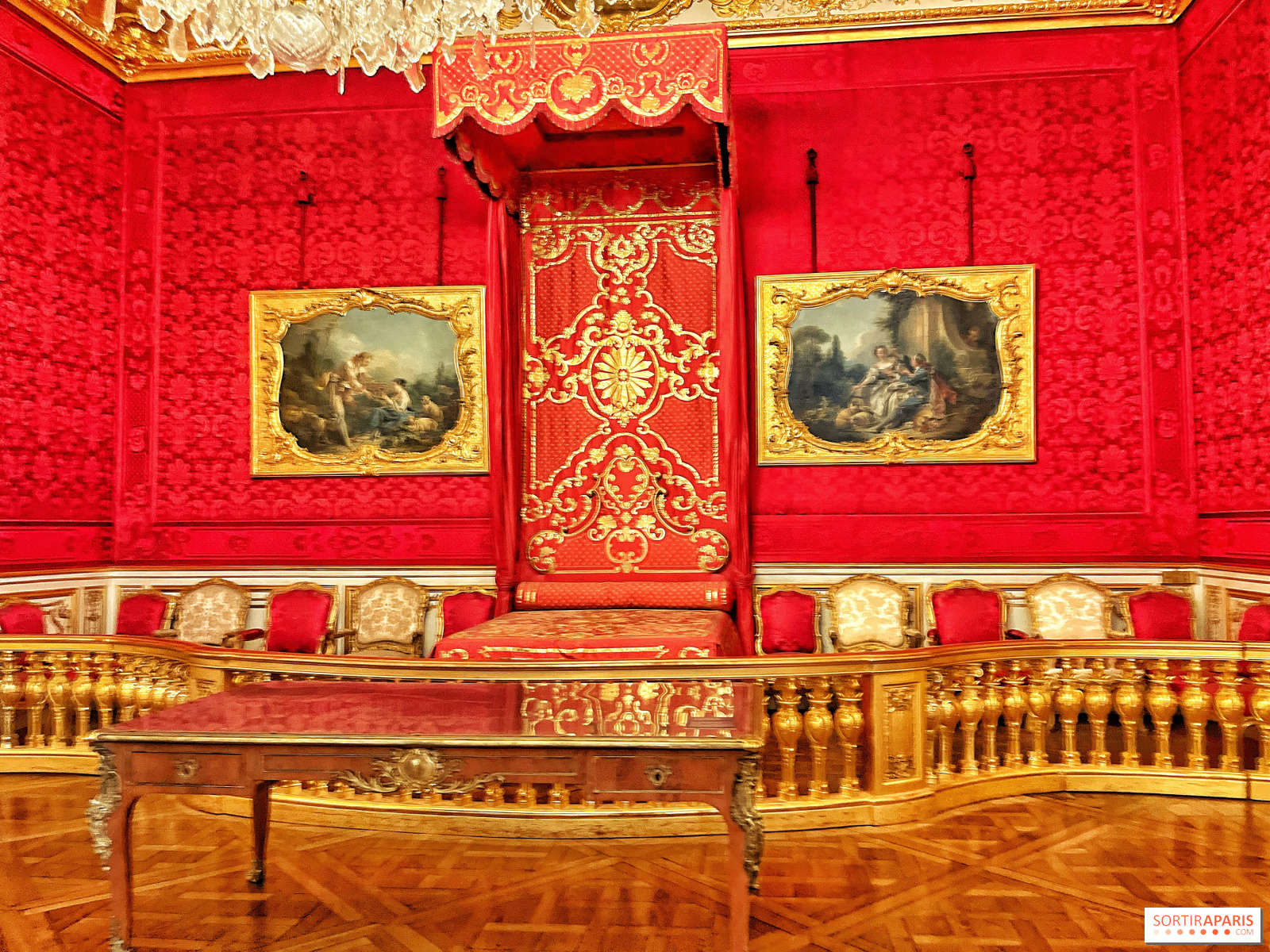
On March 6, 1808, the Hôtel de Soubise was acquired by the State by imperial decree and officially assigned to the Archives de l'Empire: Napoleon I had the archives, which until then had been kept in several Parisian repositories, grouped together. For over eight centuries, this private mansion has been part of the Parisian landscape, and has lived through all the conflicts and social upheavals that have shaped the capital.
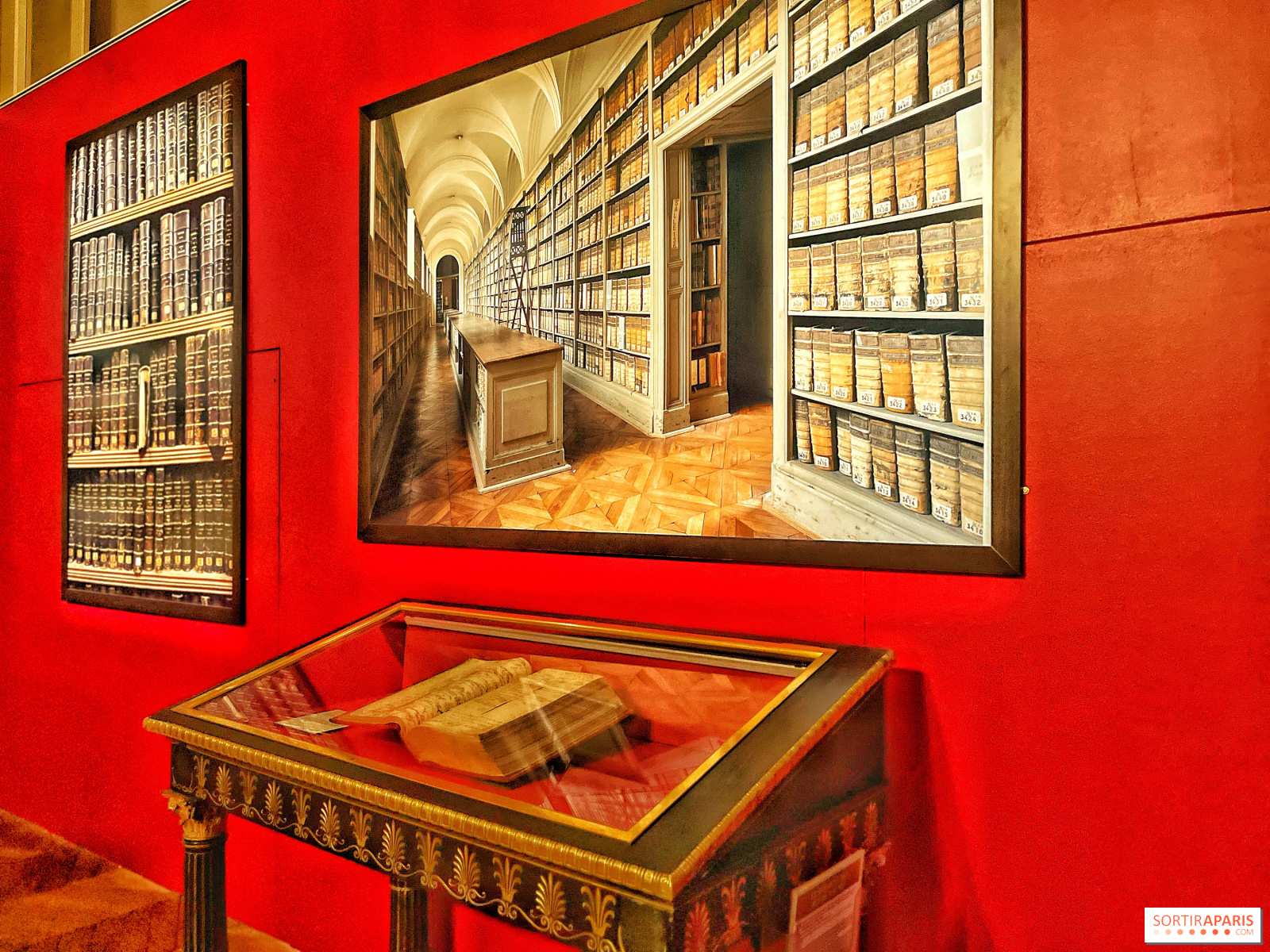
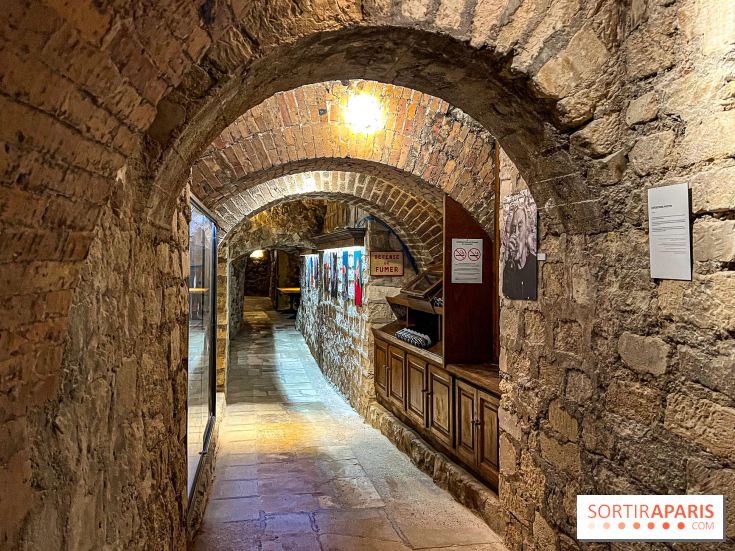
Created at the time of the French Revolution, the National Archives are responsible for collecting, preserving and promoting the State's central archives. Nearly 300 linear kilometers of archives, from the 7th century to the present day, are preserved here. They are currently housed at three sites: Fontainebleau, Paris and Pierrefitte-sur-Seine, the latter having been opened to the public in January 2013.
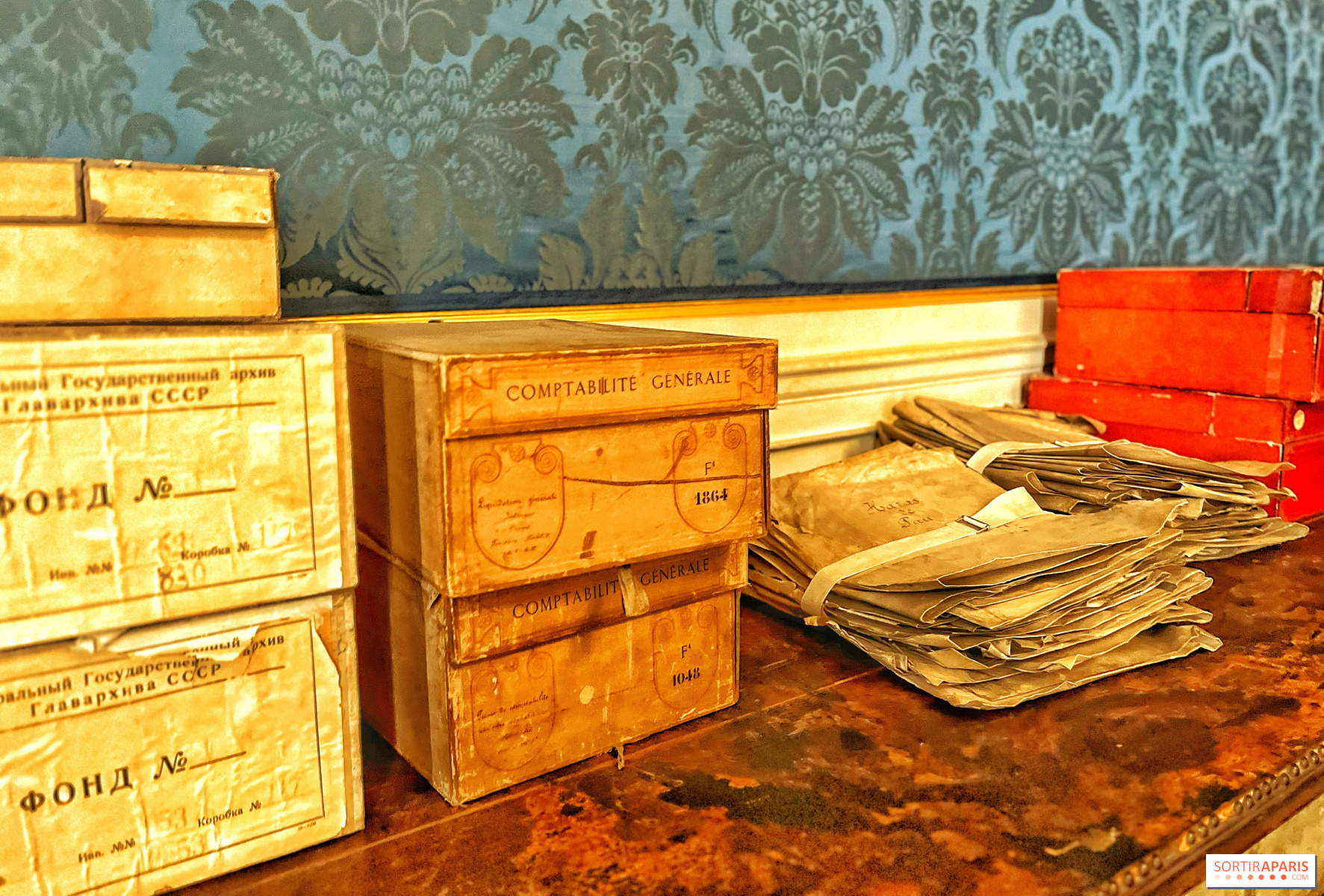
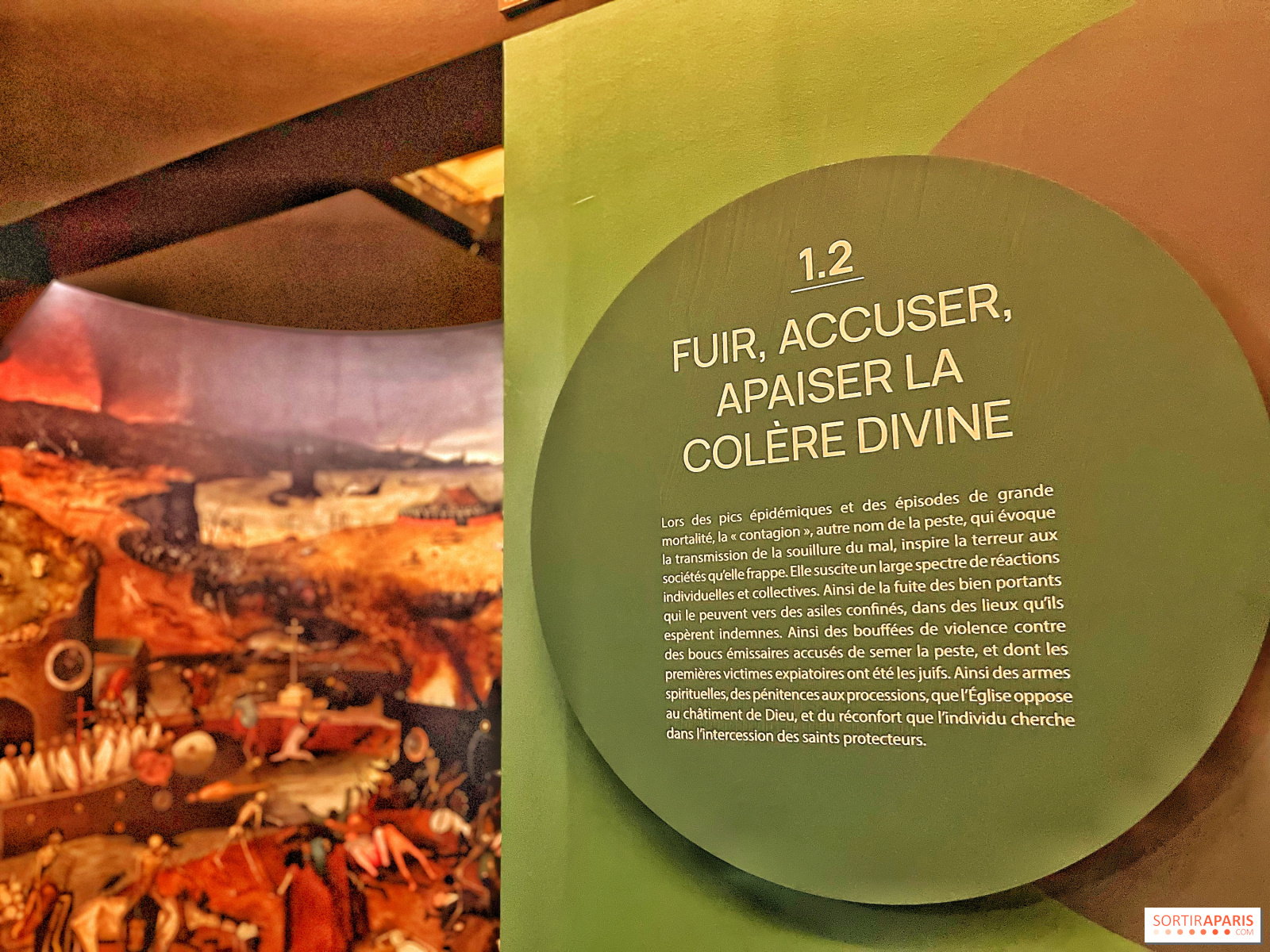
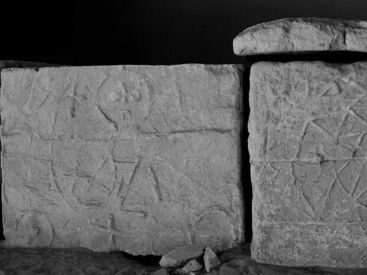
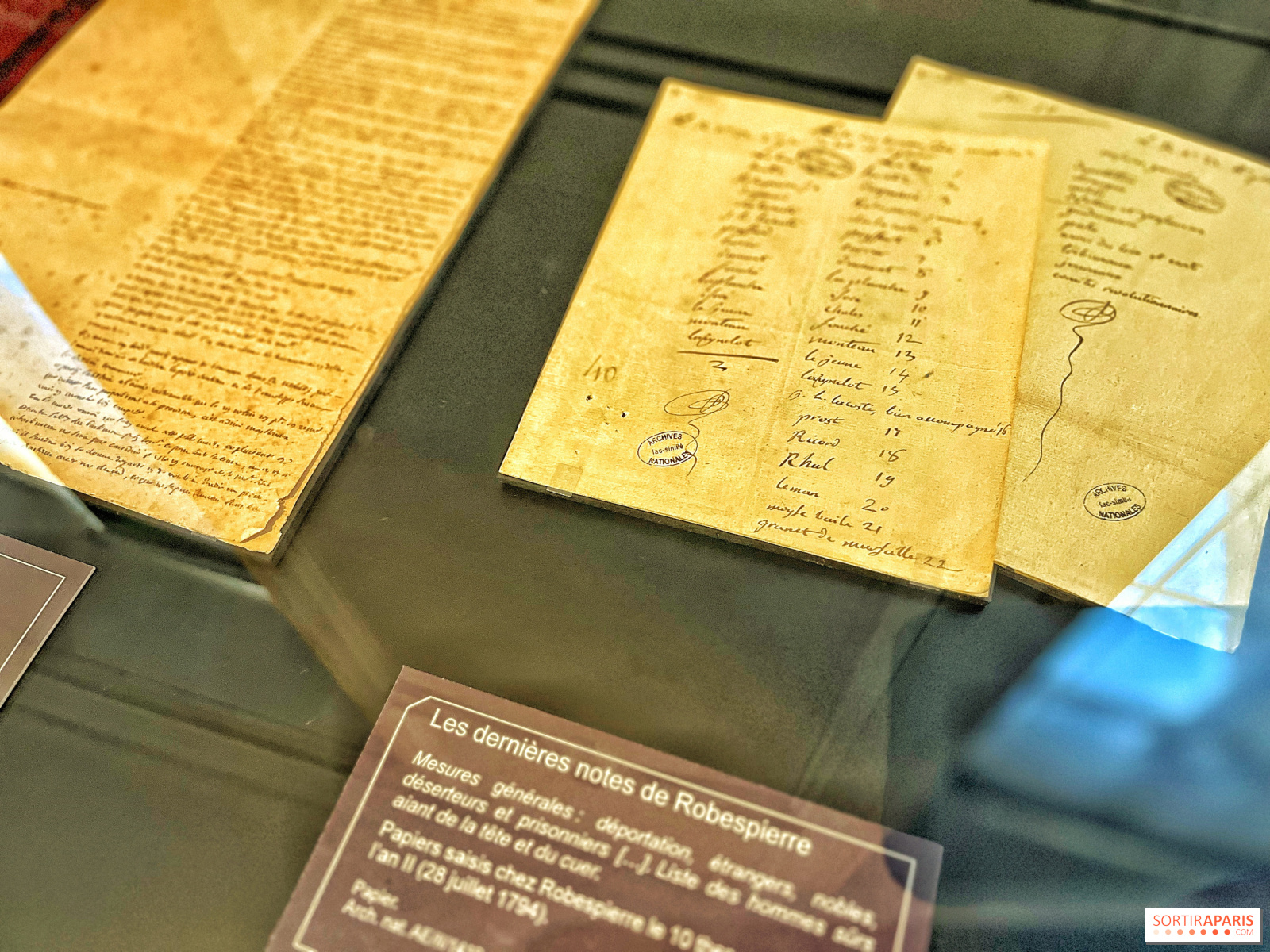
The museum features priceless historical evidence, such as the Constitution of the Fifth Republic, with its seal, the last letter from Marie-Antoinette or Robespierre, and so many other documents, on media that have stood the test of time, including papyrus dating back to the year 625. Several temporary exhibitions are also on offer for the curious, who need the knowledge contained in the National Archives.
It's an extraordinary, free historical experience not to be missed! Open Monday to Sunday, except Tuesdays, from 10am to 5:30pm. To get to the Archives Nationales, take metro line 11 (Rambuteau) or line 1 (Hôtel de Ville).



 Lafayette, bridging France and America: free exhibit on the Marquis at the National Archives
From April 1 to July 14, 2026, the National Archives will host a free exhibition dedicated to Marquis de Lafayette. Featuring rare documents, caricatures, and related artifacts, this exhibition traces the life of the "hero of two worlds" — a figure equally celebrated in the United States and debated within France, against the backdrop of revolutionary upheavals. [Read more]



 A free, immersive exhibit explores the 1867 Universal Exhibition and the evolution of photography in Paris
Dive into the heart of the 1867 World's Fair through the lens of photography, from November 25, 2026, to February 22, 2027. Experience this engaging and free exhibit at the National Archives, offering an immersive journey into this historic event. [Read more]



 Napoleon I’s Last Will: A Special Free Exhibition at the National Archives
This is one of the most legendary documents in French history. Safeguarded under tight security at the National Archives, Napoleon I’s will is being temporarily displayed to the public from March 4th to June 29th, 2026, in Paris. [Read more]
Dates and Opening Time
Next days
Thursday:
from 10:00 a.m. to 05:30 p.m.
Friday:
from 10:00 a.m. to 05:30 p.m.
Saturday:
from 02:00 p.m. to 07:00 p.m.
Sunday:
from 02:00 p.m. to 07:00 p.m.
Monday:
from 10:00 a.m. to 05:30 p.m.
Tuesday:
from 10:00 a.m. to 05:30 p.m.
Wednesday:
from 10:00 a.m. to 05:30 p.m.
Location
Archives Nationales - Paris site
60 Rue des Francs Bourgeois
75003 Paris 3
Prices
Free
Official website
www.archives-nationales.culture.gouv.fr