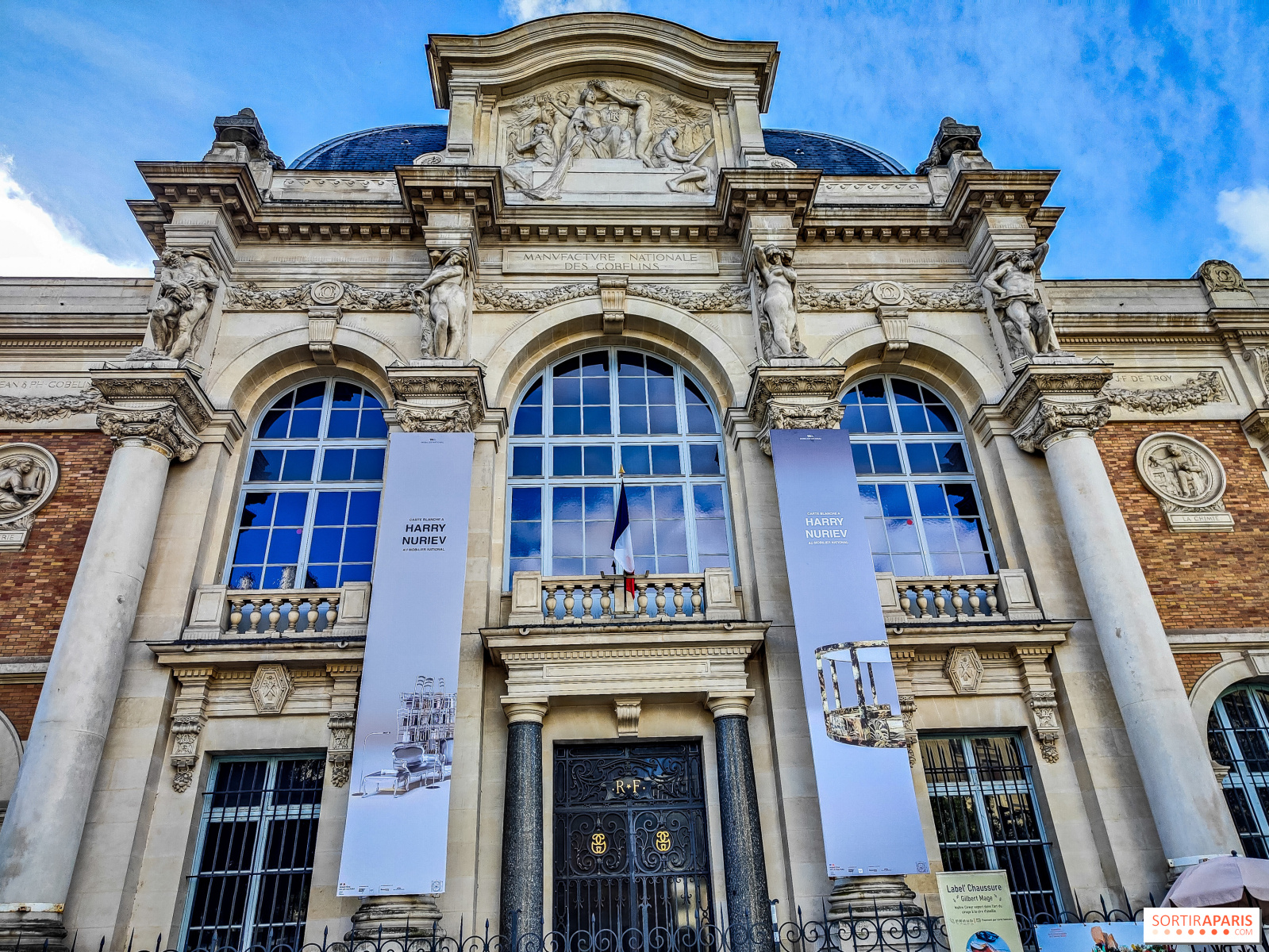
No, the name Gobelins has nothing to do with the little creatures from Harry Potter! And yet, the parallel is not so far-fetched... Because here too, we are talking about virtuoso artisans, magical colors, and expertise passed down for centuries.
A jewel of French craftsmanship in the heart of the 13th arrondissement
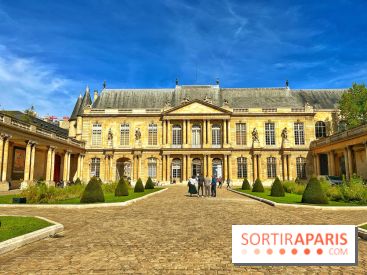
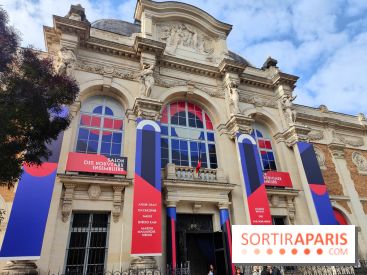
Before delving into the mystery of the name, let's recall what the Manufacture des Gobelins is. Located at 42 Avenue des Gobelins in the 13th arrondissement of Paris, this institution is now part of the Mobilier National. For more than four centuries, it has perpetuated the art of exceptional tapestry, handmade using centuries-old techniques.
Officially founded under Louis XIV and Colbert in the 17th century, the Manufacture was designed to decorate royal palaces, embassies, and state residences. Even today, it produces and restores unique works for France's most prestigious public buildings.
But why does this mecca of state craftsmanship bear such a curious name, evoking mythical little creatures? That's where the story begins...
Admit it: when you hear"Manufacture des Gobelins,"you might imagine a secret workshop where little creatures with pointed noses, worthy of a fantasy novel, are busy at work. In Harry Potter and The Lord of the Rings, goblins are often portrayed as skilled craftsmen, talented goldsmiths, sometimes a little grumpy but formidably dexterous with their hands.
And ultimately, the parallel is not so absurd. For the Goblins of Paris, too, built their reputation on craftsmanship excellence —not in forging or precious metals, but in the art of dyeing and tapestry.
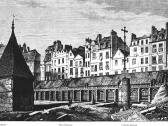
It all began around 1443 with Jehan Gobelin, a dyer from Reims. He settled on the banks of the Bièvre, a small river that has now disappeared under the asphalt ofthe 13th arrondissement's . There, he opened a workshop and quickly made a name for himself thanks to his exceptionally intense scarlet dyes. Legend has it, as later recounted by the chemist Chevreul, that Jehan Gobelin, whose fortune seemed almost magical, had made a pact with the devil.
Its success was such that the place became known as the "Moulin des Gobelins" (Gobelins Mill), and eventually the whole neighborhood adopted this name. In short, "les Gobelins" are first and foremost the descendants and legacy of a daring craftsman whose mastery of color already amazed his contemporaries.
A century later, the site attracted the attention of the kings of France. In 1601, Henry IV brought Flemish tapestry makers Marc de Comans and François de La Planche to the site to develop French tapestry production that could rival that of Flanders.
Under Louis XIV, Minister Colbert bought the estate and founded the Manufacture Royale des Gobelins in 1662, intended to furnish and decorate the royal residences. The Manufacture brought together the best craftsmen in the kingdom: tapestry makers, painters, cabinetmakers, gilders... A melting pot of talent that would spread French taste throughout Europe.
Contrary to what its etymology suggests, the word "Gobelin" does not come from folklore creatures. It is a family name that became a place name and then a symbol of craftsmanship excellence. But the association with the "goblins" of legend remains a happy coincidence: in both cases, we are talking about passionate artisans capable of transforming raw materials into masterpieces.
The building still stands at 42 Avenue des Gobelins in Paris's 13th arrondissement. At this historic site, the craftsmen of the Mobilier National continue to uphold the tradition: wall tapestries, prestigious carpets, and the restoration of textile works of art.
Here, we are not talking about industrial production, but about manual expertise, passed down, refined, and perfected over generations.
The name Manufacture des Gobelins comes from a family of dyers in the 15th century who settled on the banks of the Bièvre River. Their exceptional mastery of colors gave its name to the neighborhood, then to the royal factory founded later on the same site. And if the word now evokes the legendary craftsmen of fantasy, it's ultimately a perfect nod!
This page may contain AI-assisted elements, more information here.