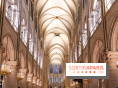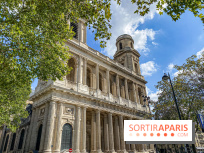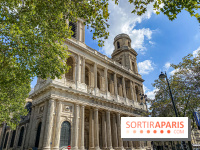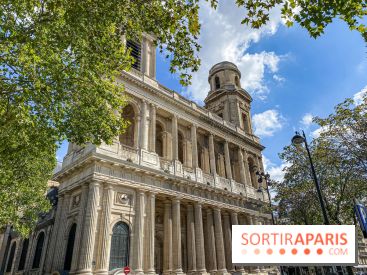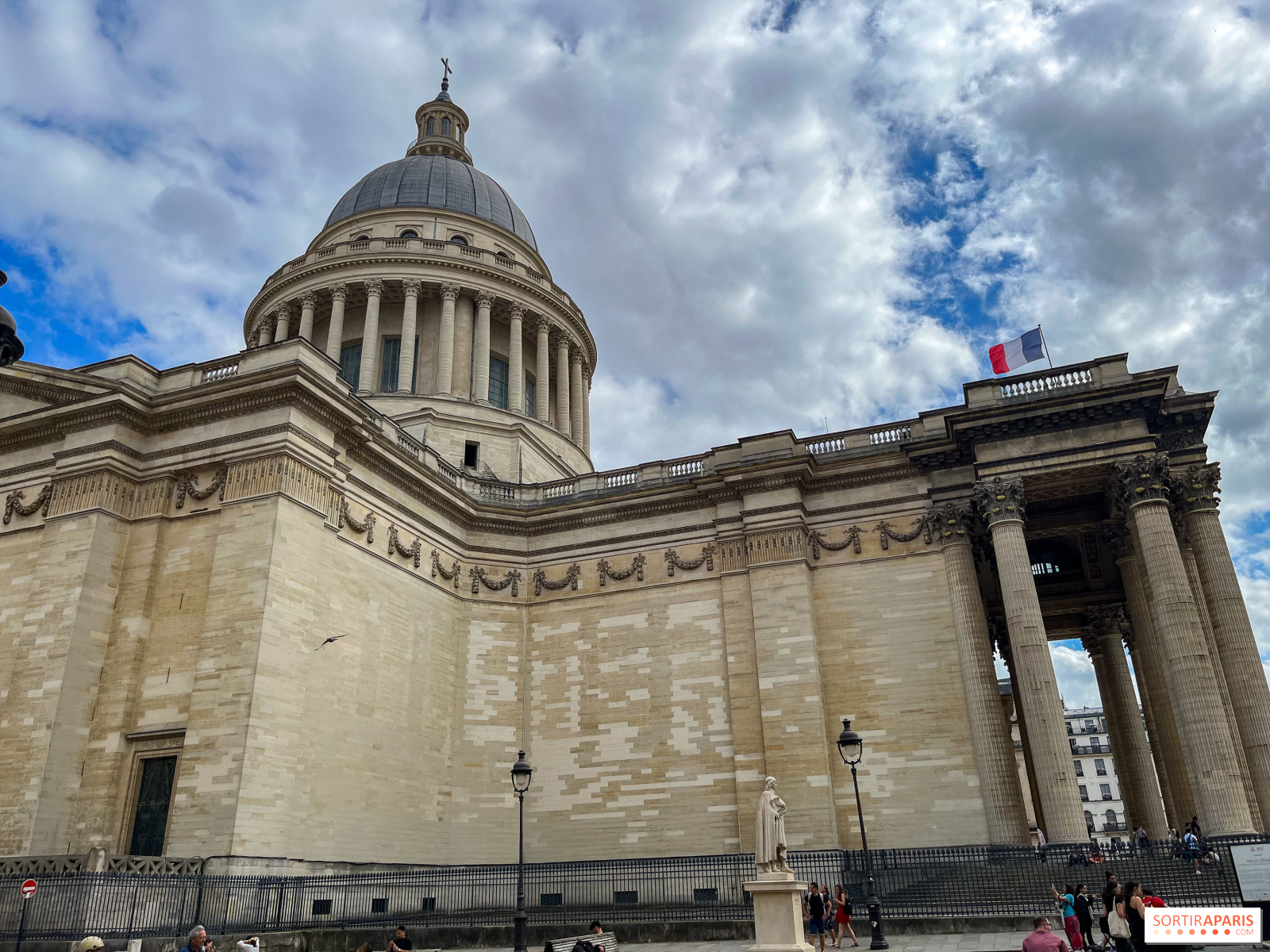
Imagine Paris in the mid-18th century: buildings were modest, monuments did not soar skyward as they do today. The Panthéon project began in 1758 under the direction ofarchitect Jacques-Germain Soufflot, on Montagne Sainte-Geneviève in the5th arrondissement of . According to some sources, the building is approximately 83 meters high (including the dome). Before the advent of the Eiffel Tower in 1889, the Pantheon was recognized as one of the monuments offering a beautiful panoramic view of the capital.
We talk about "viewpoints" or "tall monuments," but not to claim that they were the tallest of all the buildings in Paris—precise measurements are not always available, and other hills or buildings could rival them in height. Some sources even indicate that the true highest point in Paris in terms of natural altitude is not Montagne Sainte-Geneviève but another hill. So, we will refer to the Panthéon as "one of the highest viewpoints accessible within Paris" before the Eiffel Tower redefined the Parisian skyline.
A picturesque anecdote
It is said that 19th-century Parisians, wishing to admire the sunset over the capital, would go to the terrace of the Pantheon or the area around its dome (with permission) to enjoy a panorama that was extremely rare at the time. The silence of the streets, the river, the still relatively low rooftops of Paris: a simple but exceptional sight. Then came the Eiffel Tower—and the perspective changed: a new metal giant rose up, setting a new height record and somewhat eclipsing the old "belvedere."
The Pantheon remains a place steeped in memory: neoclassical, steeped in history, it is home to the nation's great figures. For those who find themselves today on the Place du Panthéon or climb to the top floor, the feeling of being "above" Paris remains, even though it now has to compete with many other viewpoints. And this reminds us that before the metal verticality of the Eiffel Tower, the Parisian landscape had its own symbolic "heights," built of stone, iron—or looking out over the rooftops.
This page may contain AI-assisted elements, more information here.