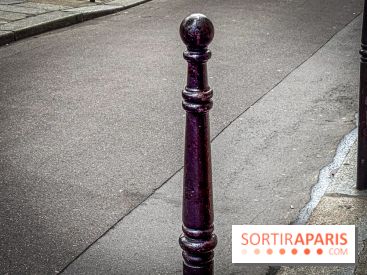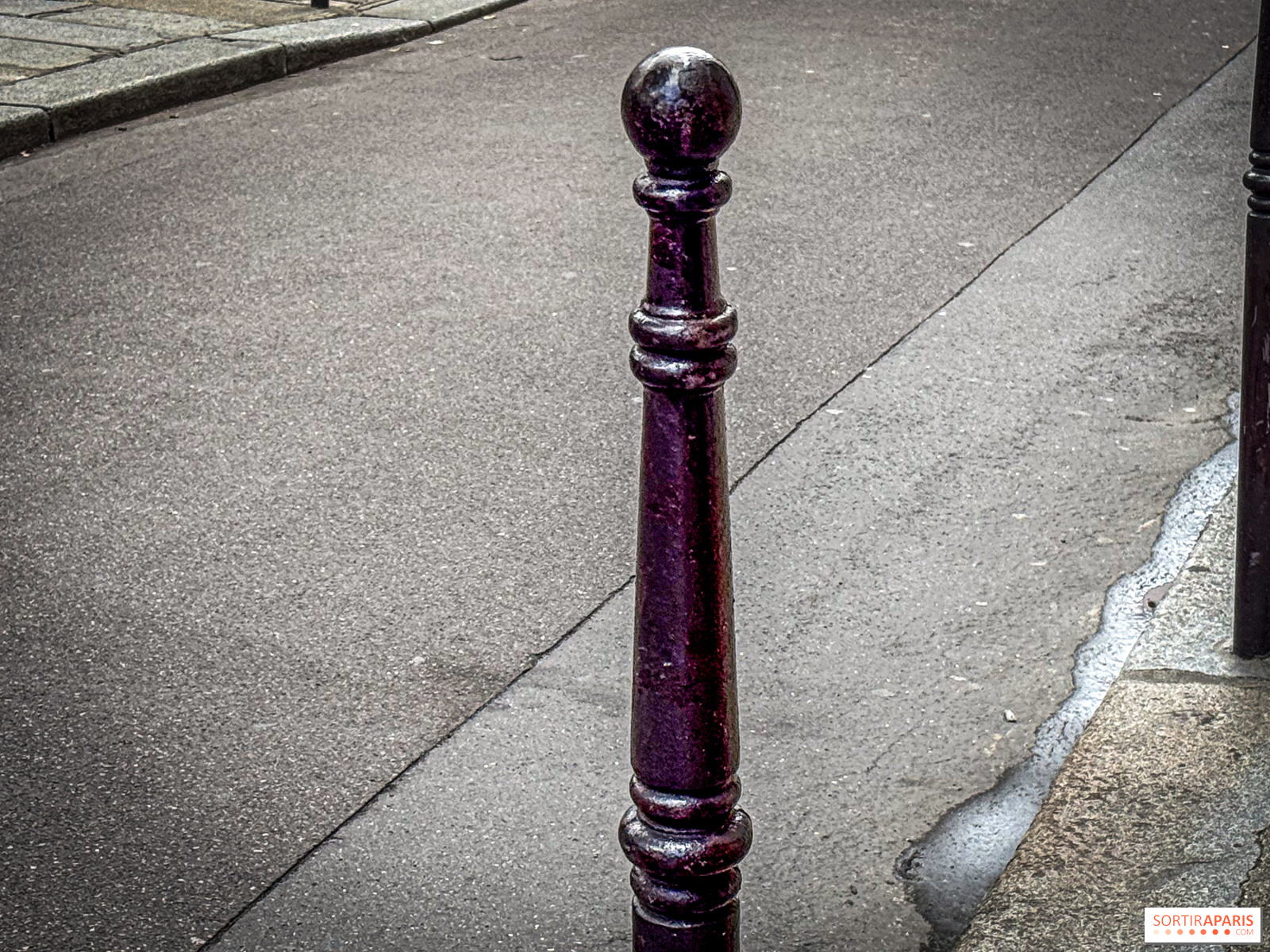
You may have already clipped your shin as you stepped out of a bakery, just as you were proudly lugging your baguette under your arm... But this little plot parisien, this potelet de trottoir, this borne en fonte noire or stone, isn’t merely a sly obstacle meant to test your Sunday-best bearing. No, good sir or madam: it has lineage!
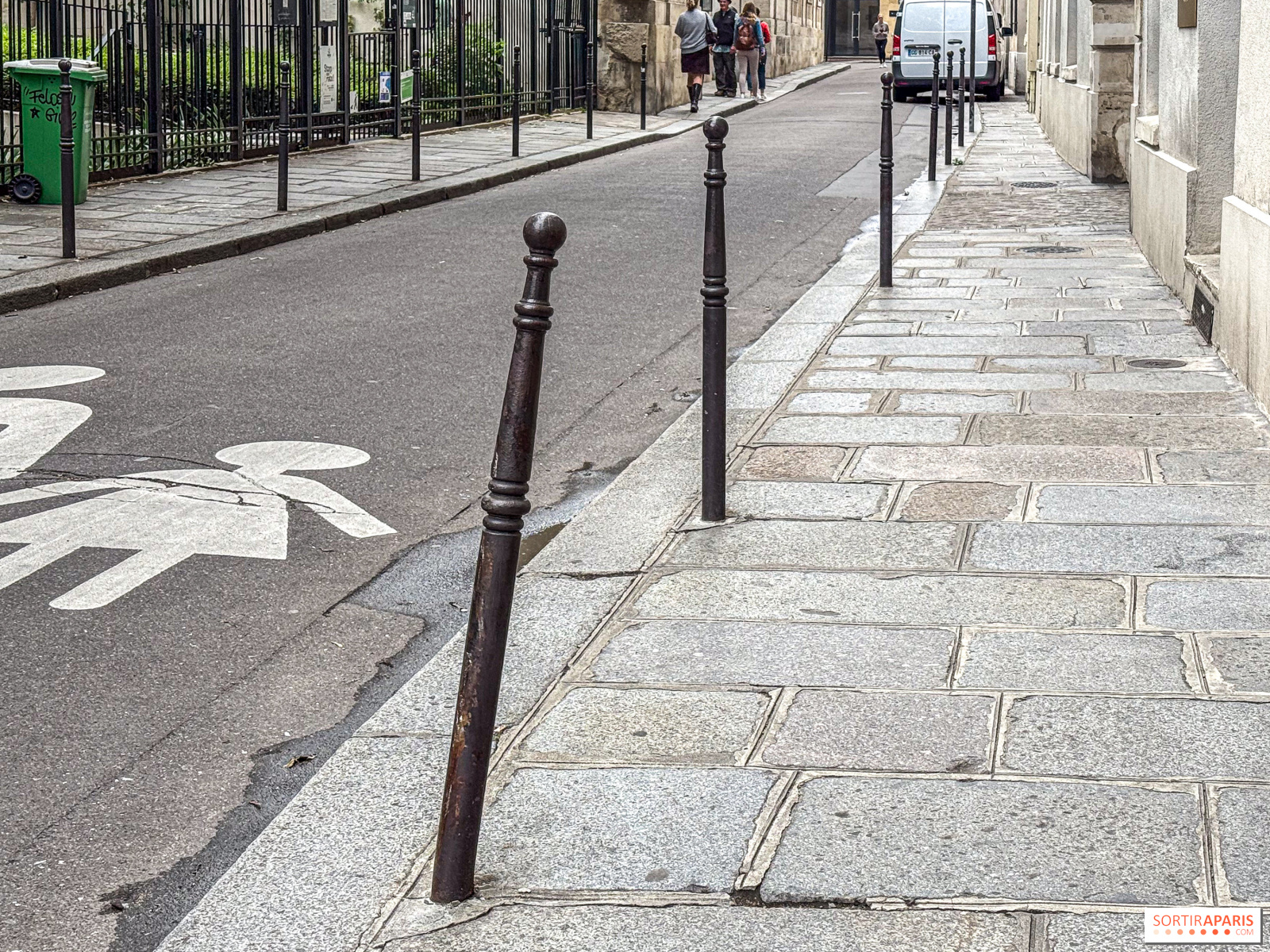
In Paris, these sidewalk bollards are everywhere. In front of cafés, town halls, old buildings, theatres, and carriage entrances. We pass them by without noticing, like pigeons, forgotten metro tickets, and people strolling while scrolling through their phones. Yet they tell an old story of traffic, power, cut stone, and wheels that did as they pleased.
Before the orderly sidewalks, crosswalks, and bike lanes, the Paris street looked more like a free-for-all than a romantic stroll. Pedestrians, horses, wagons, coaches, street vendors — everyone shared the same cobblestones. And in this grand, auto-tamponneuse-style version of the Grand Siècle, the pedestrian didn’t weigh much against a carriage careening by like a diva running late to Versailles.
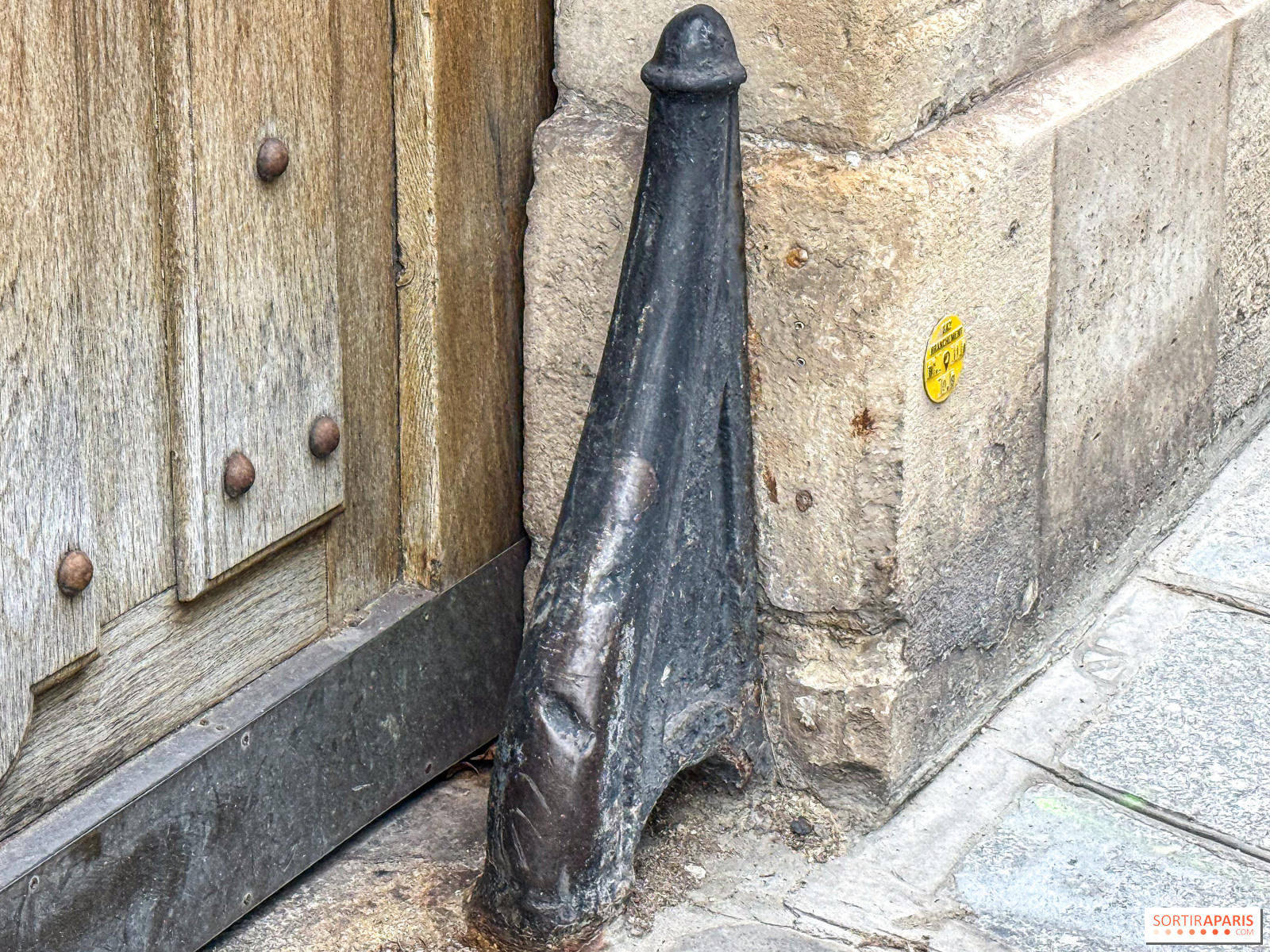
The ancestor of our little posts is the chasse-roue. And its name doesn’t lie about what it does: it was used to divert wheels, to keep them at a distance, to prevent them from brushing too close against a wall. They were installed near the portes cochères, at exposed corners, in narrow passages, or in front of façades we preferred to keep intact.
We like to imagine them taking shape in the age of carriages, when Paris rang with the clatter of hooves, metal on the cobblestones, and coachmen who negotiated turns with more swagger than finesse. And this image isn’t just a pretty postcard: those protections already appear in the urban landscape as far back as the Ancien Régime.
Their job was straightforward: stop the entrances to grand buildings—palatial townhouses and prestigious estates—from getting shaved down by an over-eager, spirited cart. What remains murky, however, is the notion of a sweeping, royal-plot campaign directed straight from Louis XIV. Yet the idea endures. Back then, stone came first. Yes, a little insulting to the common shins: before protecting citizens, the bollard primarily looked after the facade. Heritage before the calves...
For a long time, the sidewalk wasn’t the obvious elevated strip where you stroll with a takeaway coffee. The street was a shared space, often dirty, crowded and frankly a bit of a free-for-all. Then, gradually, cities began carving out safer zones for pedestrians. Paris started to impose a little order on its paved chaos.
And there, in the 19th century, the great stage-manager of the Parisian backdrop makes his entrance: Baron Haussmann. From 1853 onward, Paris is transformed. The boulevards widen, vistas open up, and the sidewalks gain breadth. The capital gets a proper grooming for its urban mane.
In this new Paris, the bollards aren’t just bumpers for priceless façades. They’ve become markers. They say: “This is the sidewalk. Over there is the road.” In short, the post is like a nightclub bouncer for public space: discreet, solid, not much to say, but unequivocal about the boundaries.
In Paris, even an object designed to block a wheel has to carry some heft. Some bollards are stone—massive and ancient. Others are black cast iron, perfectly in tune with the street lamps, the tree grilles, and that little Haussmannian theatre that gives the capital its well-groomed postcard look.
Sometimes they’re more decorative, especially in front of official buildings or heritage sites. There, the bollard puts on its Sunday best. It isn’t just about preventing cars from parking haphazardly: it contributes to the scenery. In Paris, even a no-parking rule can have style.
That’s the difference between a mere obstacle and urban furniture. The potelet parisien doesn’t shout “STOP” in fluorescent yellow. It prefers to murmur: “Please, I beg you, don’t crush this terrace.” An elegance distinctly French, somewhere between public order and a painter’s stroke.
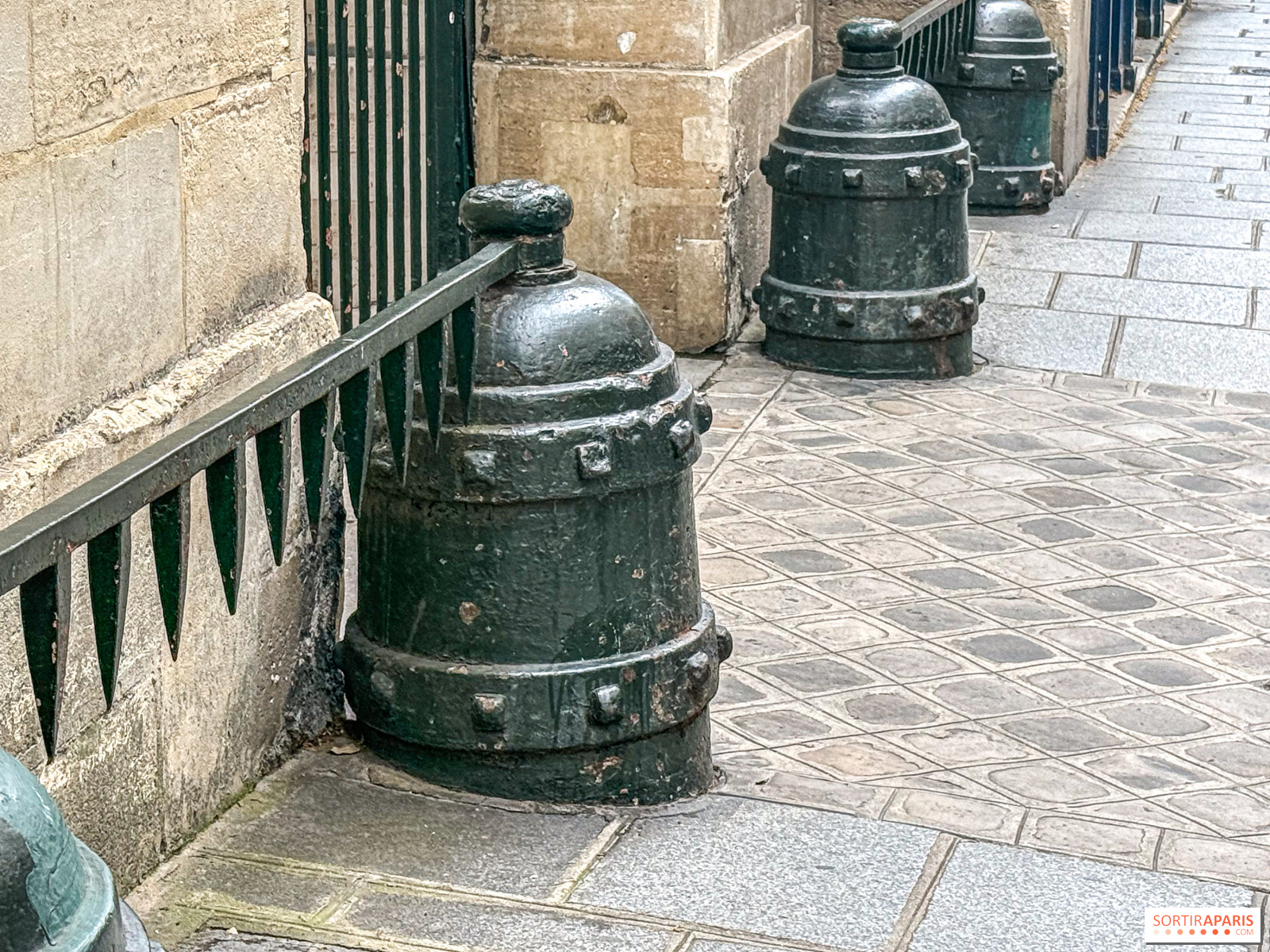
Horses have disappeared, as have the carriages — save for a few tourist or film appearances. But the bollards, on the other hand, haven’t folded their tents. Quite the opposite. Today, they protect the cafe terraces, the pedestrian zones, the schools, the squares, the bike lanes, and public buildings.
Their appearance has changed: cast iron, steel, concrete, resin, removable installations, anti-parking bollards, tougher protections around sensitive sites. But their mission remains the same: to keep vehicles from getting cheeky where they’re not welcome.
In short, the little patch has gone from guarding the façades of royal palaces to the bodyguard of the modern pedestrian. It has swapped Versailles for the neighborhood bakery, the carriage for the SUV, and the Louvre's wall for your favorite café terrace.
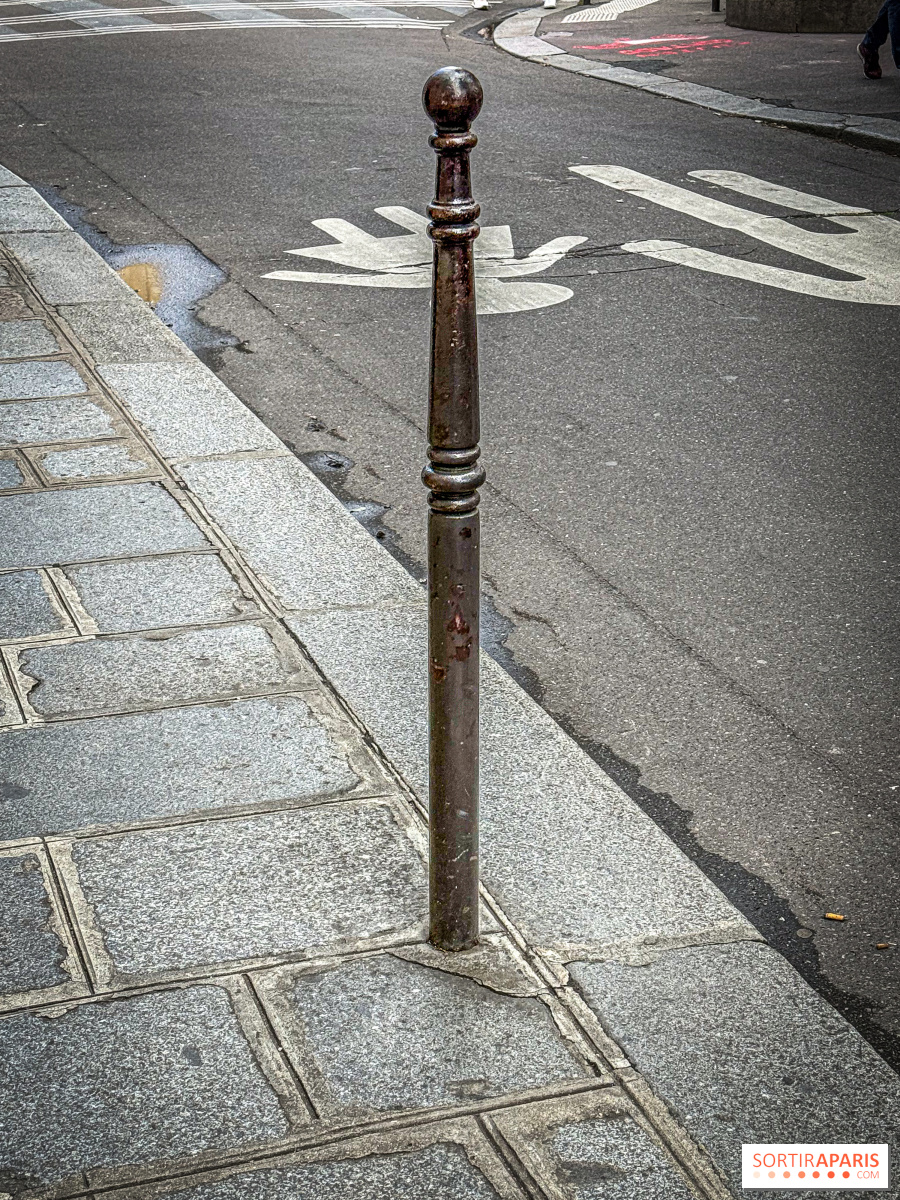
So yes, when you bash into it on a Sunday morning, still half-asleep, a croissant in one hand and dignity in the other, you have every right to mutter. It’s even very Parisian. But now you’ll know that this little bollard isn’t just a metal piece planted there to wreck your stride.
It’s a survivor of urban history. A descendant of the wheel guards. A small sentinel on the curb. An ordinary object that tells the slow, patient march of pedestrians reclaiming the street. Yesterday it shielded the walls of the powerful. Today it protects pedestrians, cafés, children, cyclists and street corners.
In the end, these Parisian blocks are a bit like Paris itself: sometimes irritating, often elegant, always steeped in history. And the next time one of them nudges your shin, you can at least comfort yourself with this thought: you’ve just run into centuries of heritage. It hurts, sure, but it’s a lot more chic.
This page may contain AI-assisted elements, more information here.