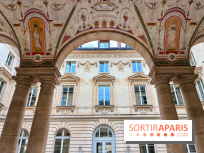
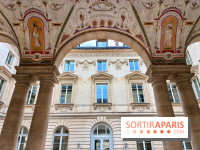
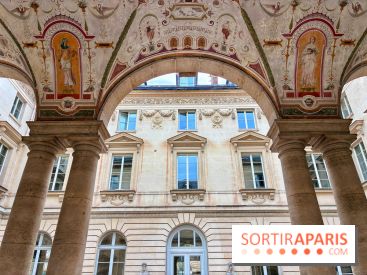
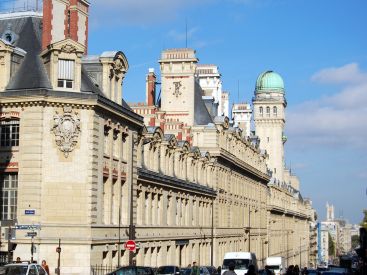
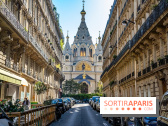
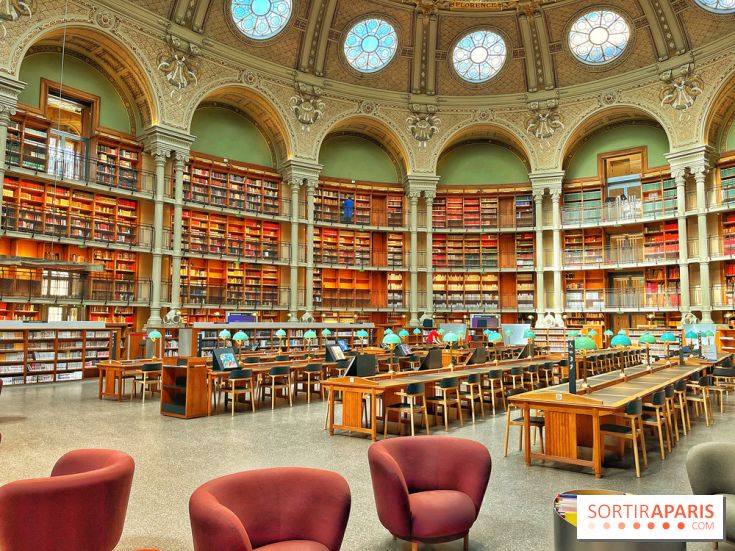
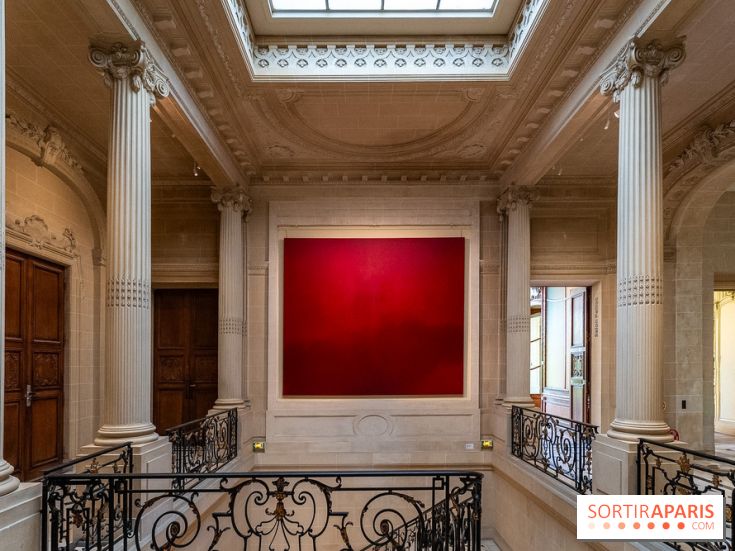
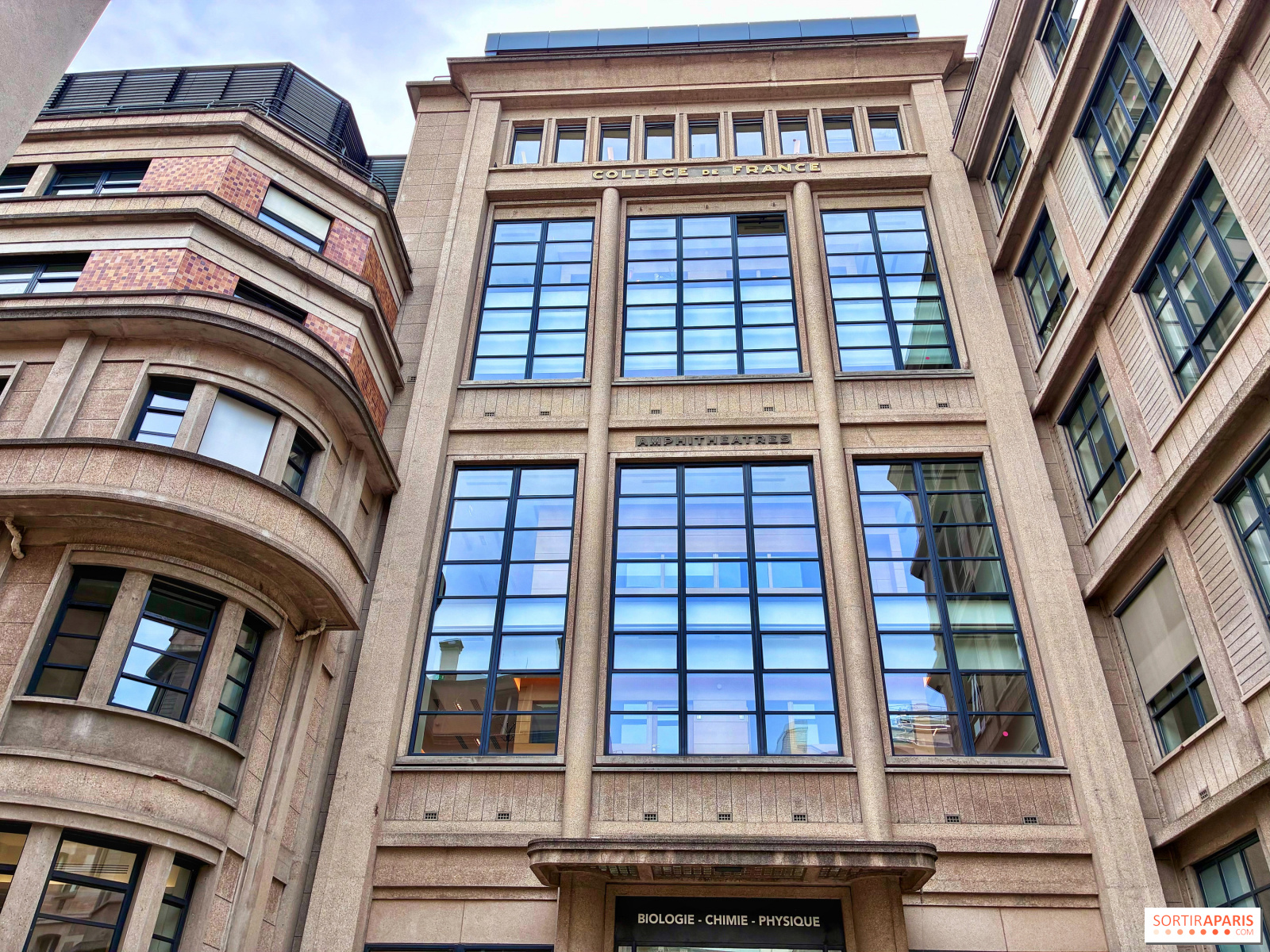
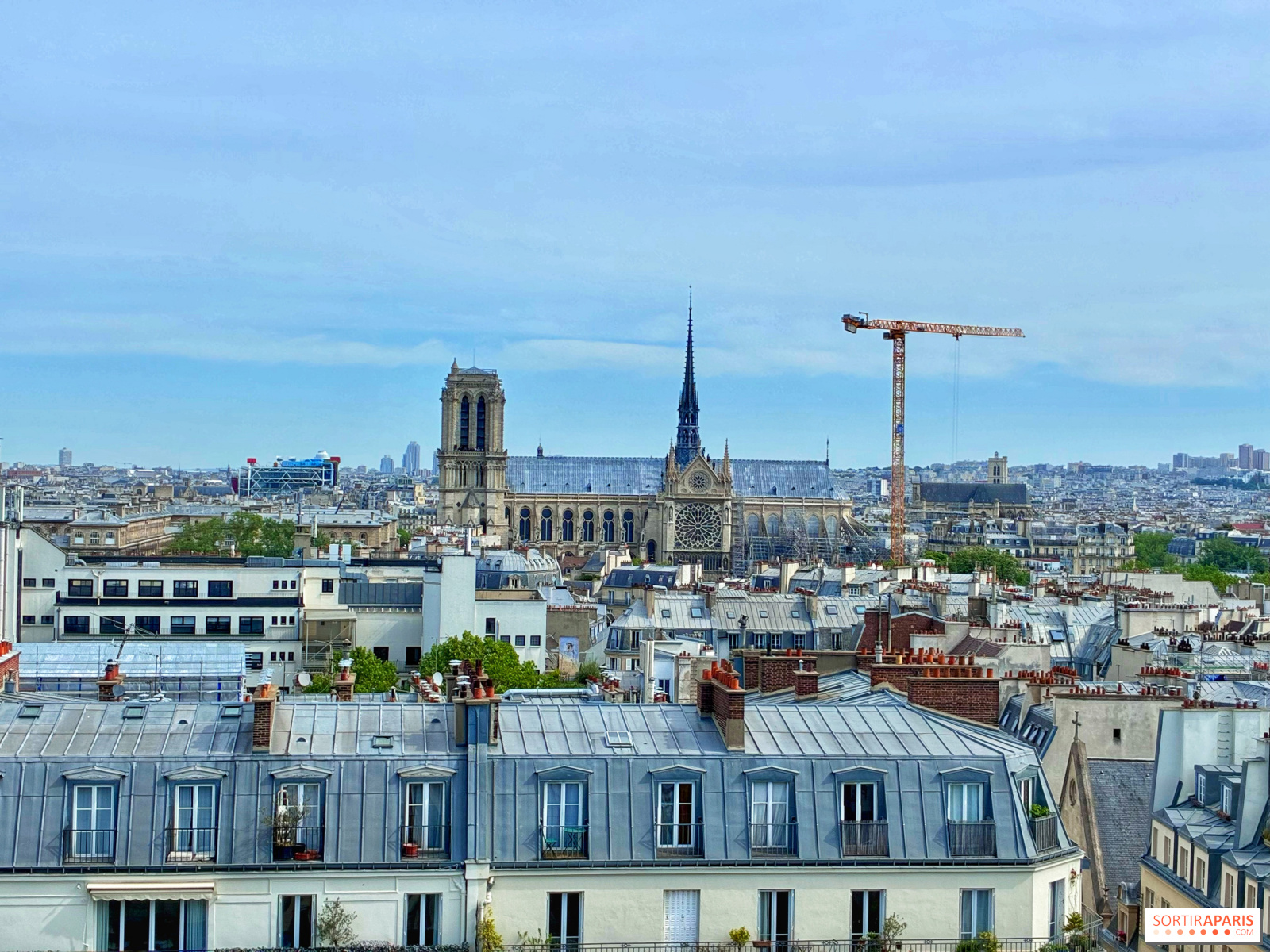
Nestled in the heart of the Quartier Latin in the 5th arrondissement, the Collège de France is one of the capital's grandest temples of knowledge. Founded in the 16th century, this unique institution stands out for a bold motto: "Docet Omnia - He teaches everything". Entirely free and accessible without any diploma requirements, this historic monument deserves to be on the radar of all history and culture enthusiasts passing through Paris.
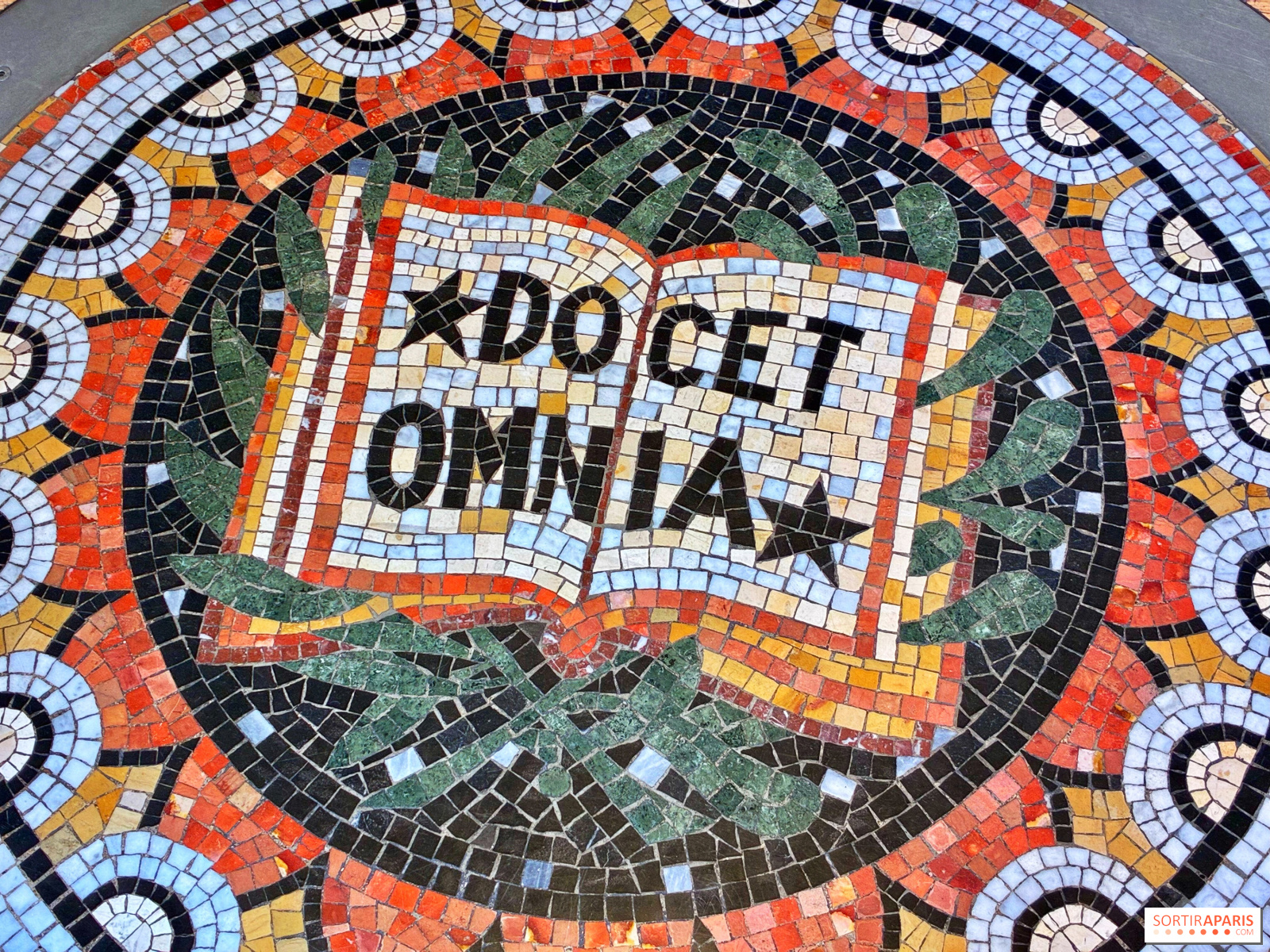
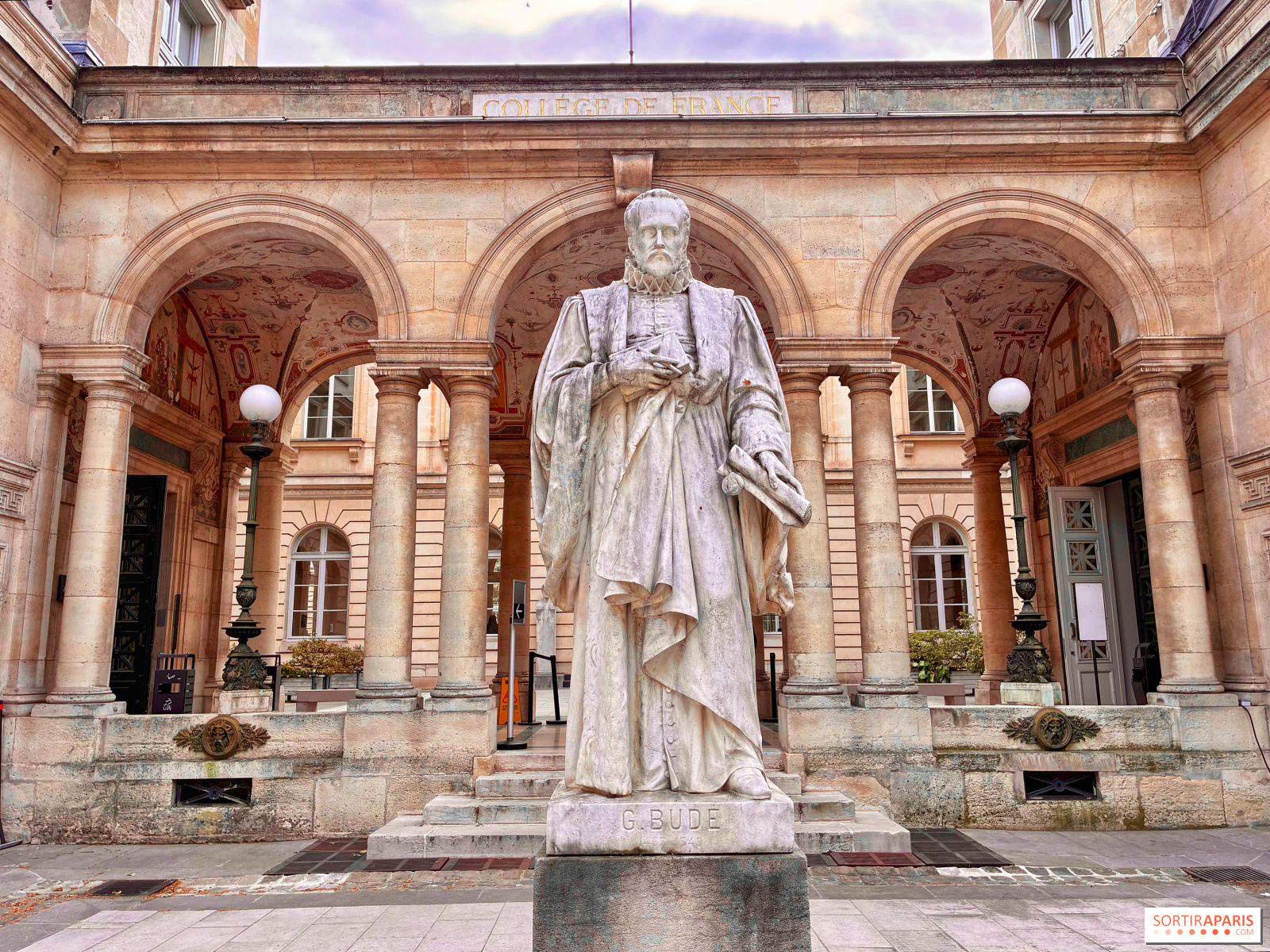
The history of the Collège de France begins in 1530, propelled by King Francis I. Advised by the renowned humanist Guillaume Budé, the monarch decides to establish a corps of “royal readers.” The aim? To counter the influence deemed too rigid and conservative of the neighboring Sorbonne, which at the time taught exclusively in Latin.
Francis I sought to widen access to knowledge worldwide and personally funded courses in disciplines then all but shunned by the official university, starting with ancient Greek, Hebrew and the mathématiques. Through the centuries and across shifting political regimes, the institution has weathered France’s turbulent history, its name evolving several times—from the Royal College to the National College to the Imperial College—before arriving at the Collège de France.
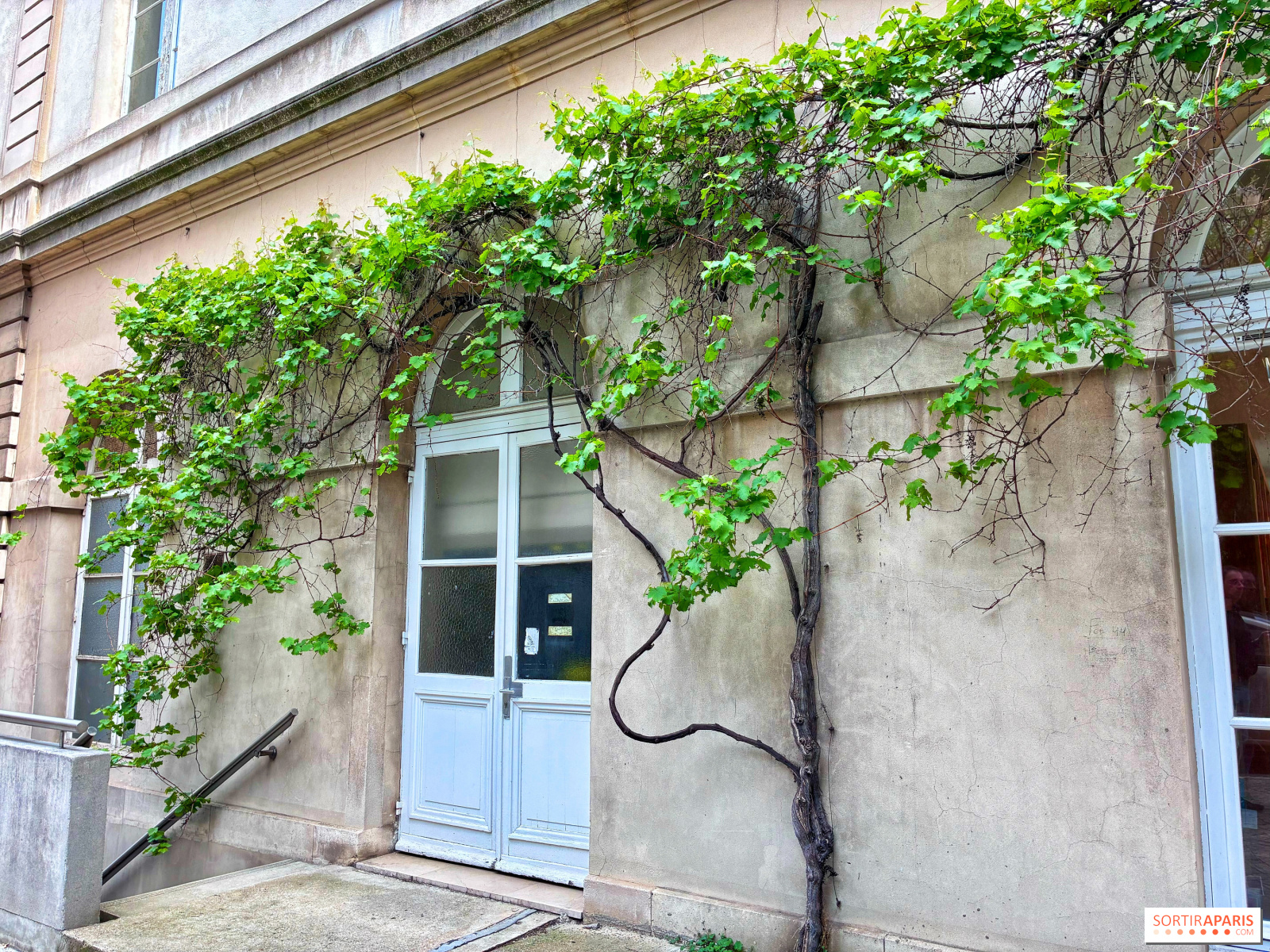
And what if the vineyards of Montmartre weren’t actually the oldest in Paris after all?
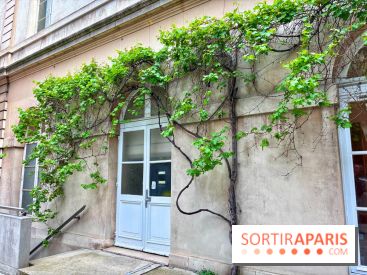
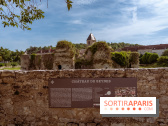
Far from Montmartre, the capital’s true viticultural elder leads a quiet, protected life in the 5th arrondissement. This solitary vine, planted in 1874, holds Paris’s longevity record, tucked away in a courtyard at the Collège de France. Discover its astonishing story! [Read more]
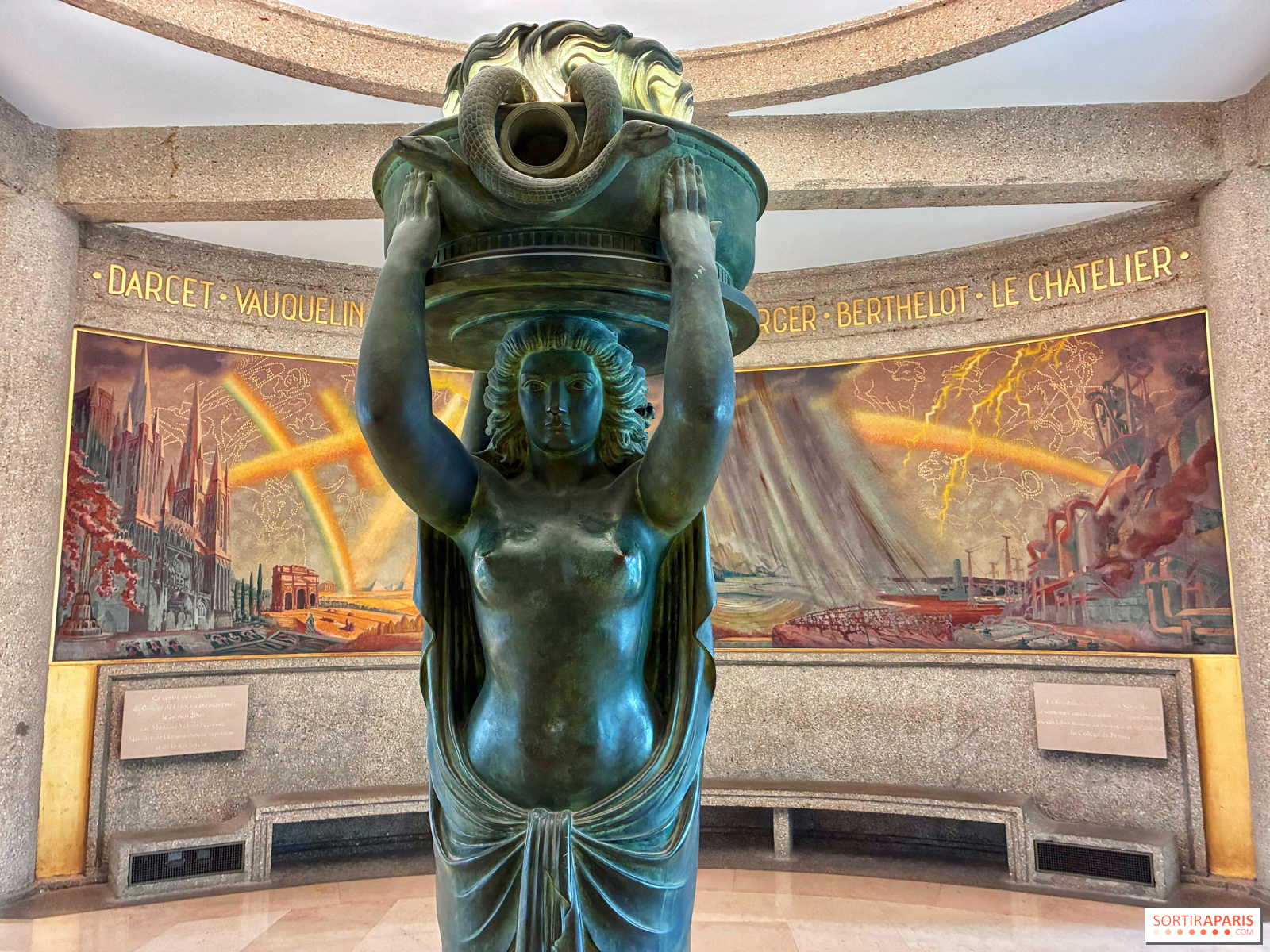
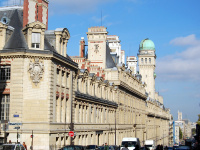
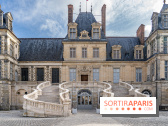
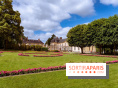
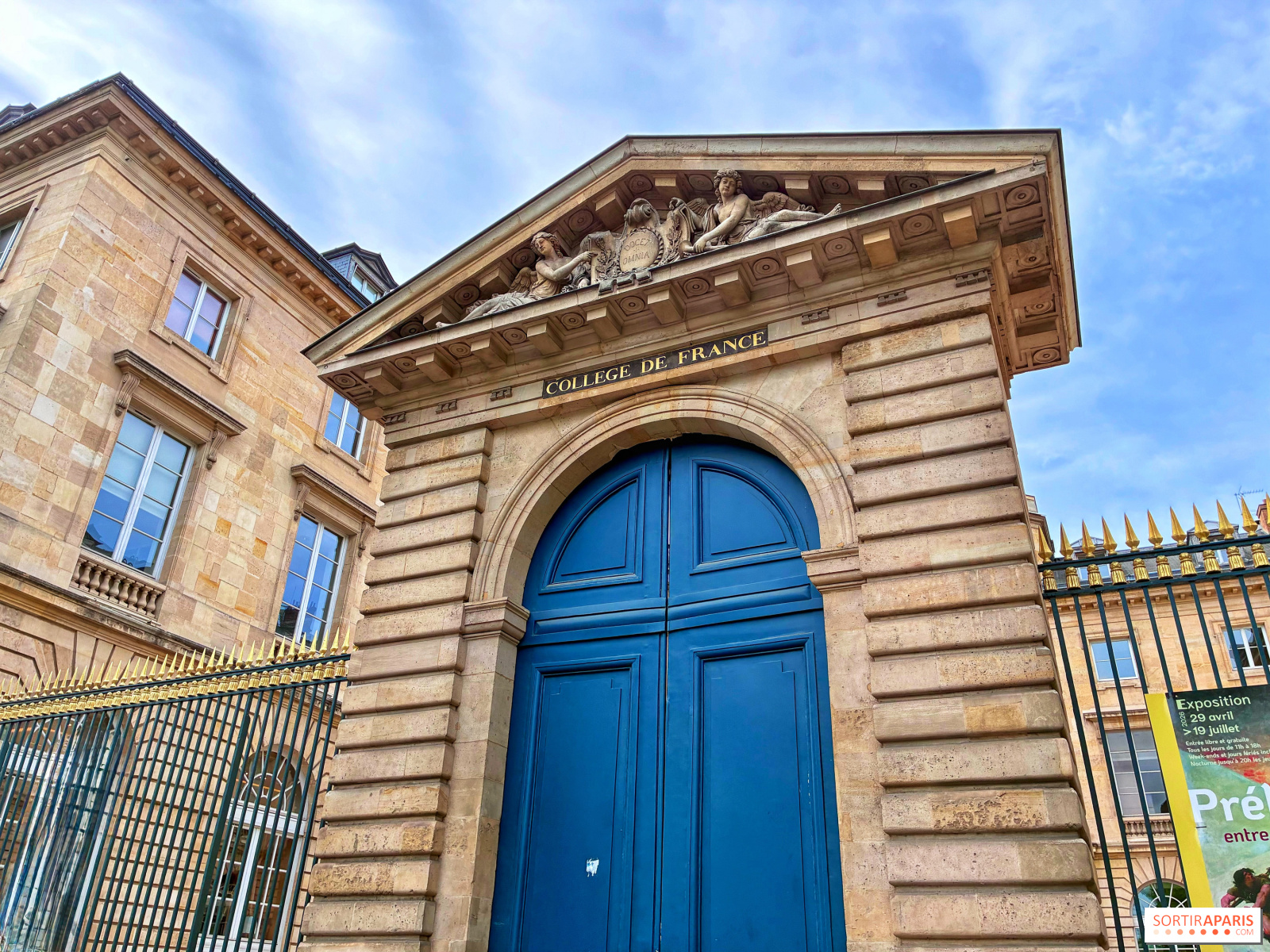
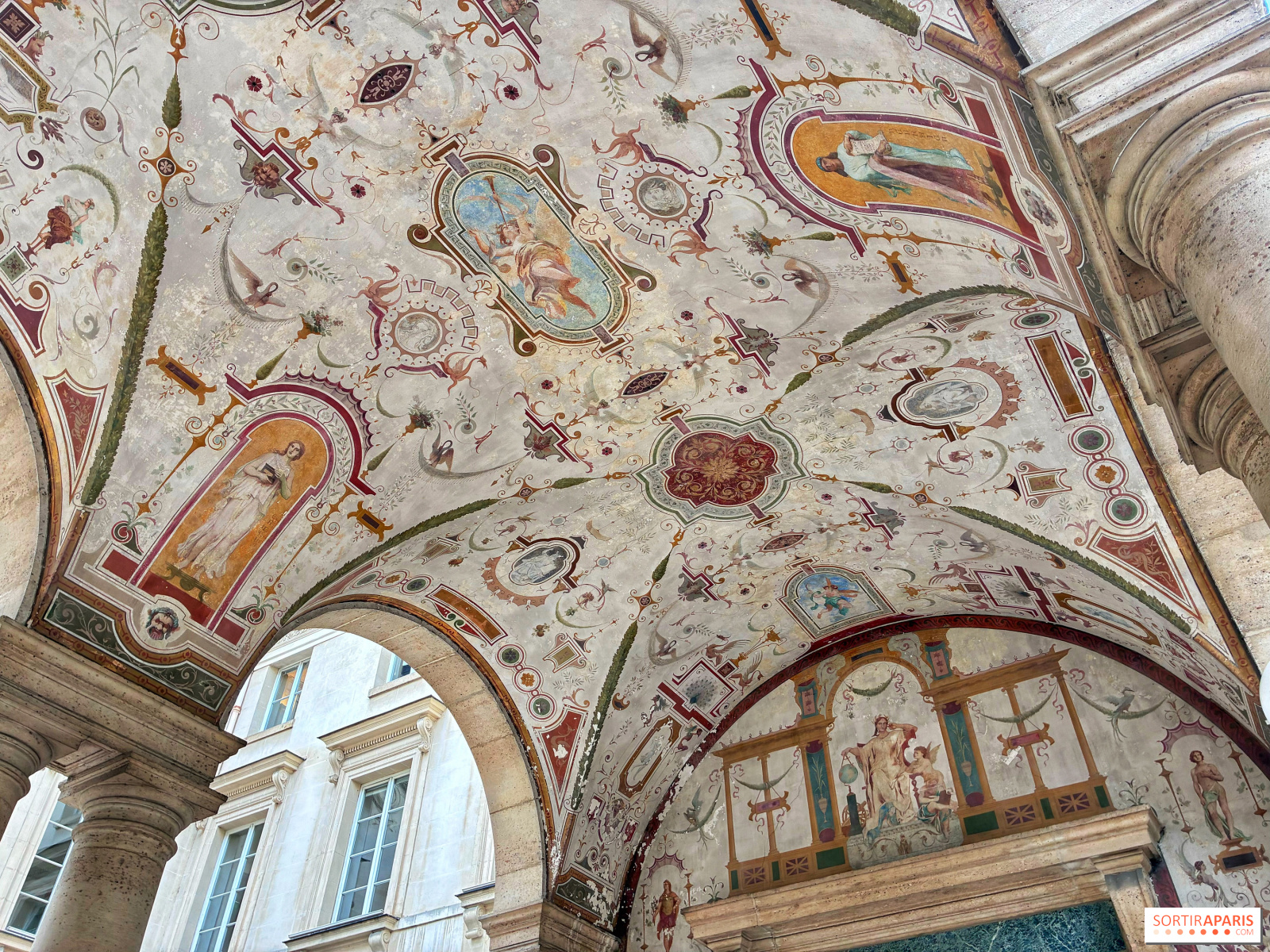
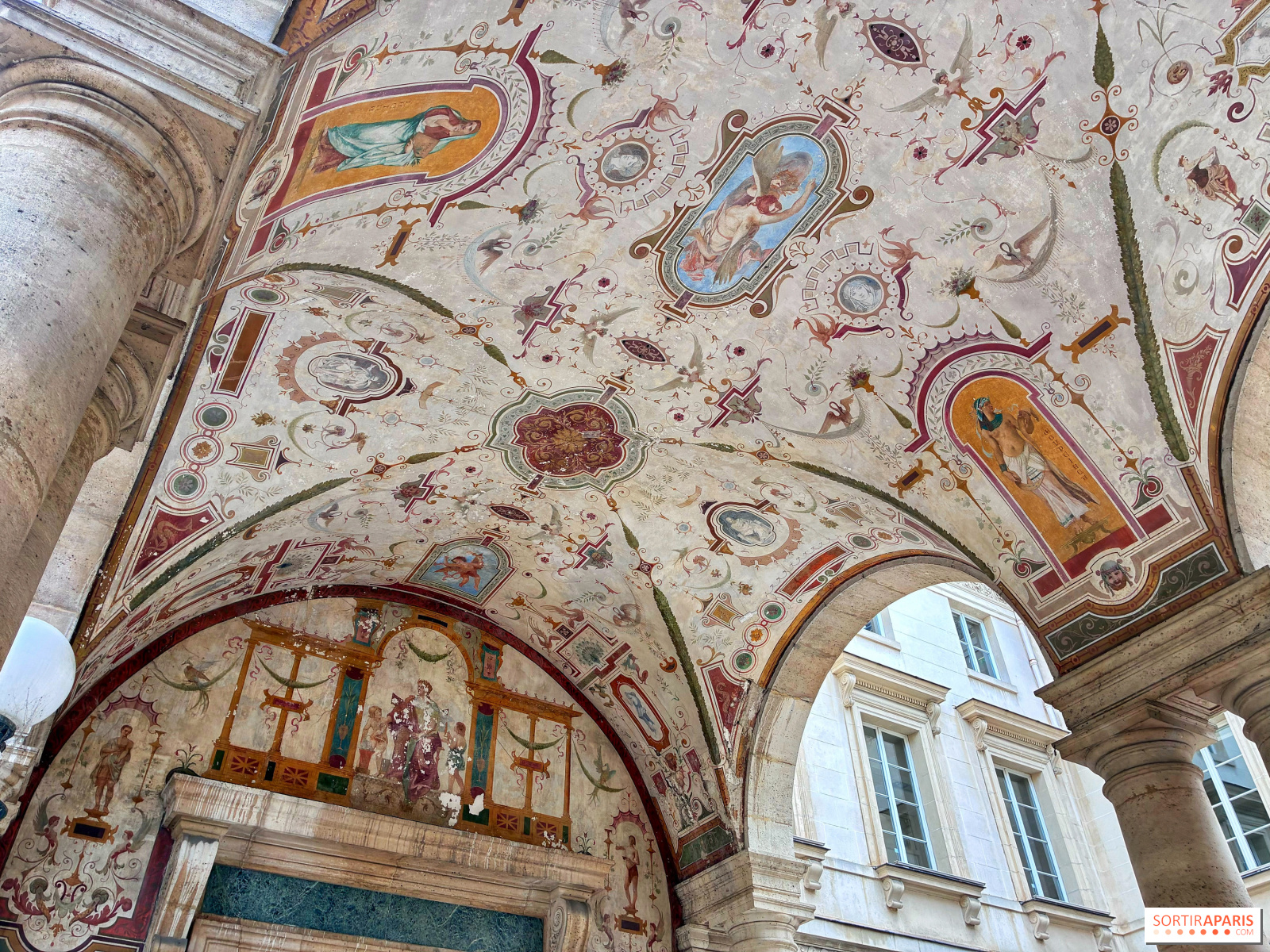
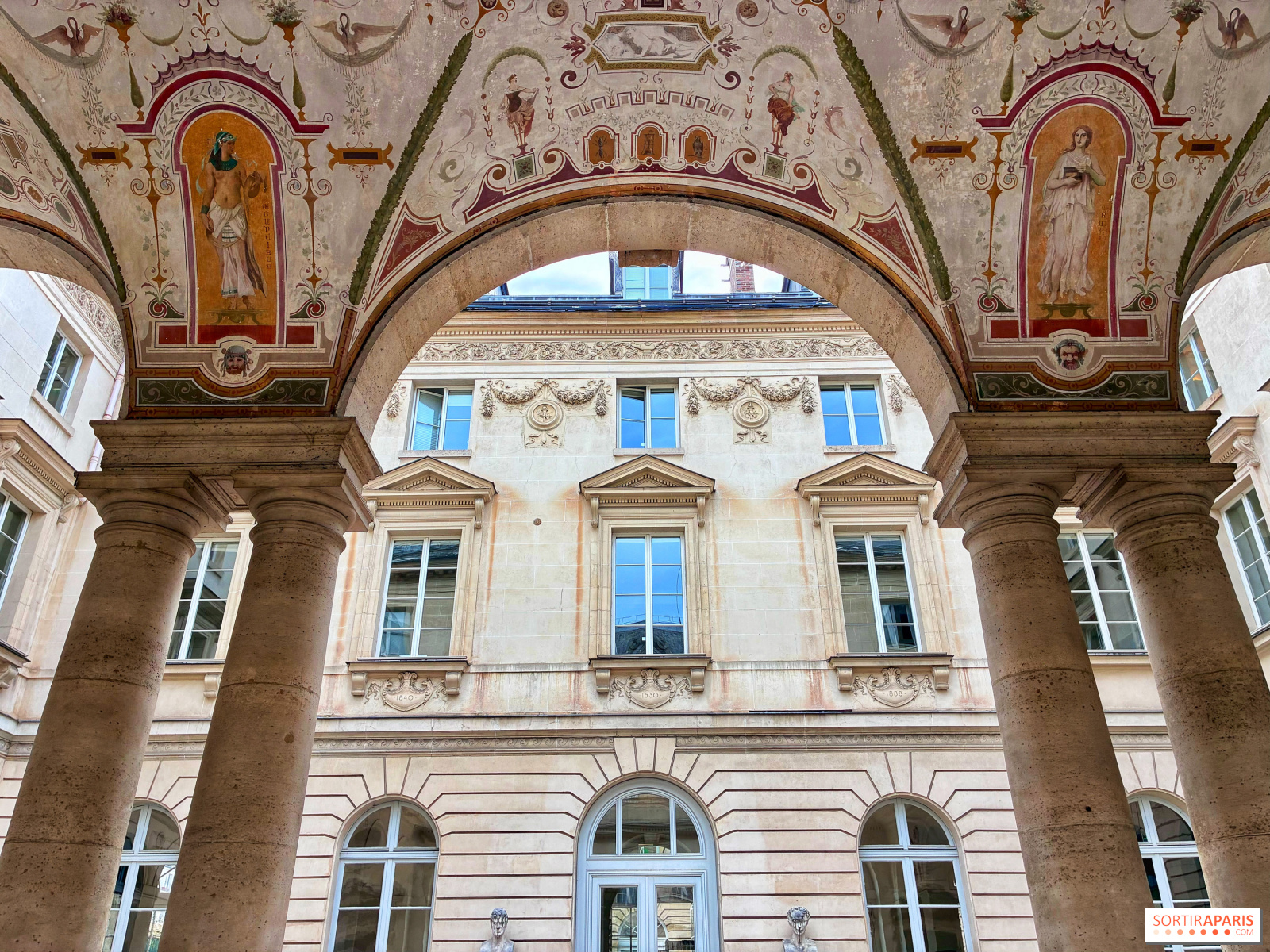
The architectural complex we admire today took shape over the centuries. The institution’s early buildings took root in the 17th century under the direction of architect Jean-François Chalgrin, who gave us, among other features, the grand courtyard. Later, in the 19th century, major expansion work was entrusted to Paul Letarouilly, lending the site its imposing presence and its photogenic neoclassical façades.
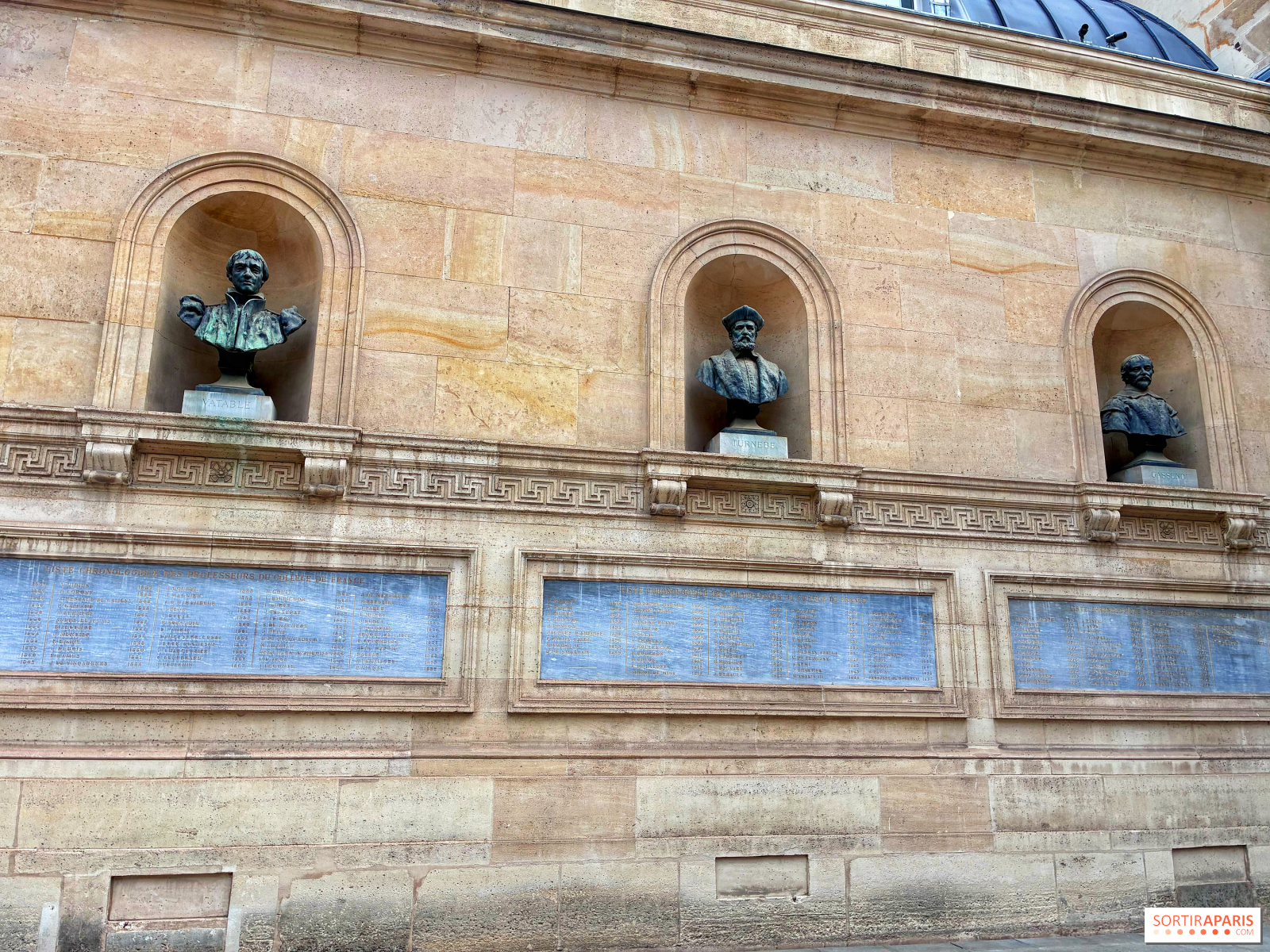
Pushing open the gates, one discovers a place steeped in memory where the greatest minds in science, literature and philosophy taught: from Champollion to Ernest Renan, via Claude Lévi-Strauss, André-Marie Ampère, and Roland Barthes.
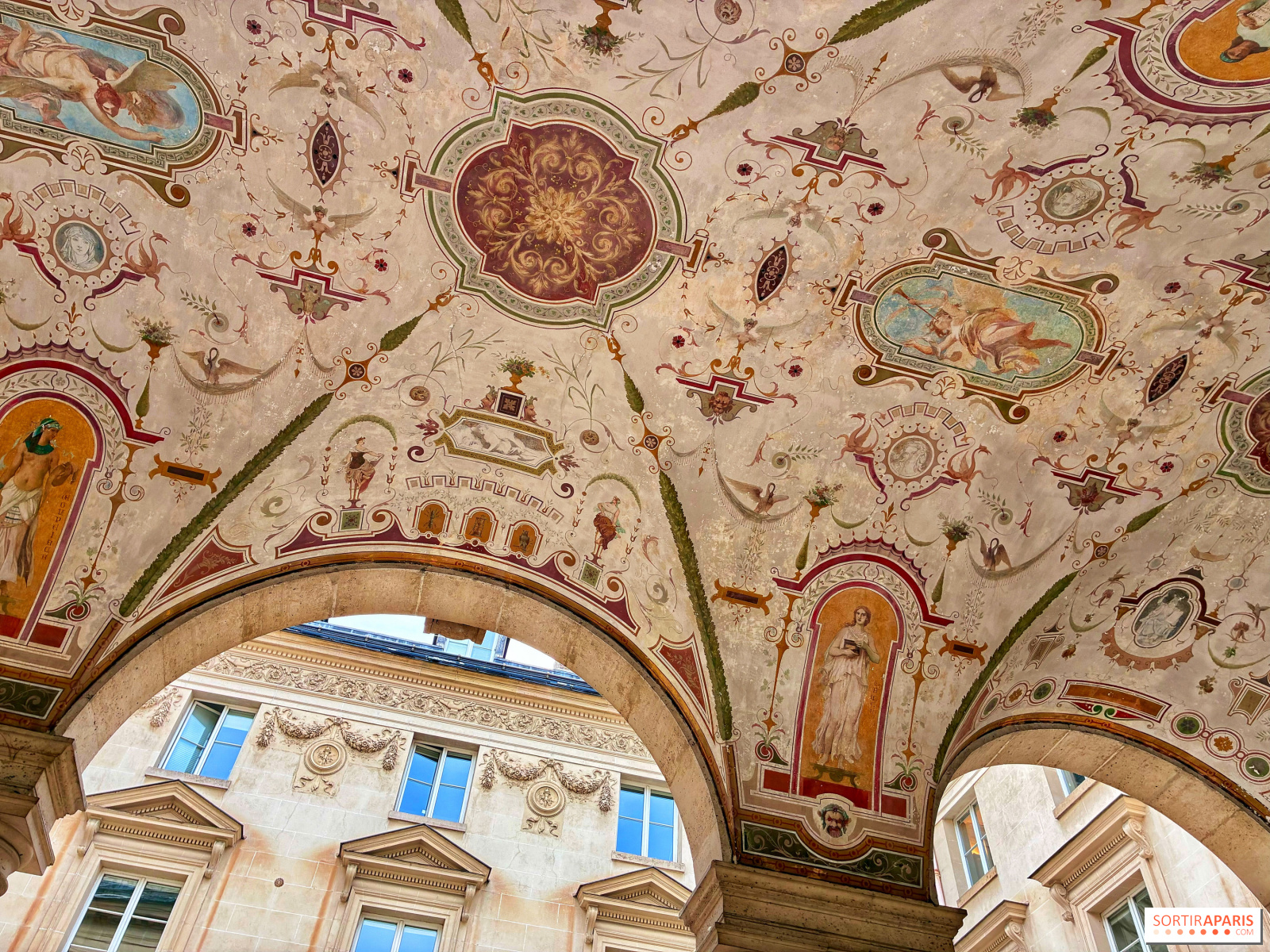
Here there are no enrolled students, no exams, and the institution does not award any degree at all. The professors deliver high-level lectures grounded in the latest developments of their own research, meaning the material can be highly specialized—indeed intimidating for complete newcomers.
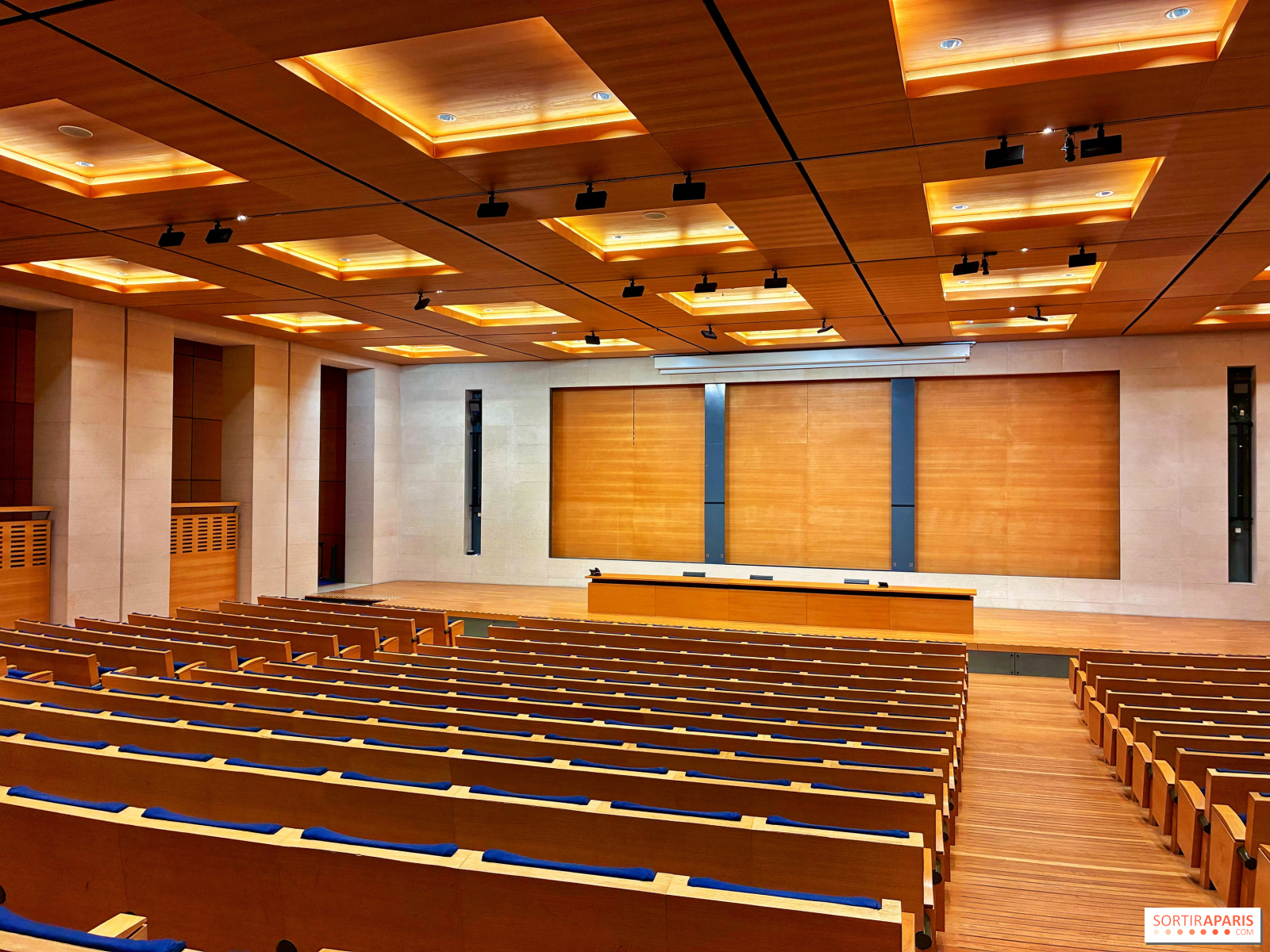
If you suddenly feel like sitting in on a course at the Collège de France, it’s possible! Since 1530, teaching there has been free and open to everyone, making knowledge more accessible. So, ready to explore the mysteries of the atom or the Mesopotamian civilization? [Read more]
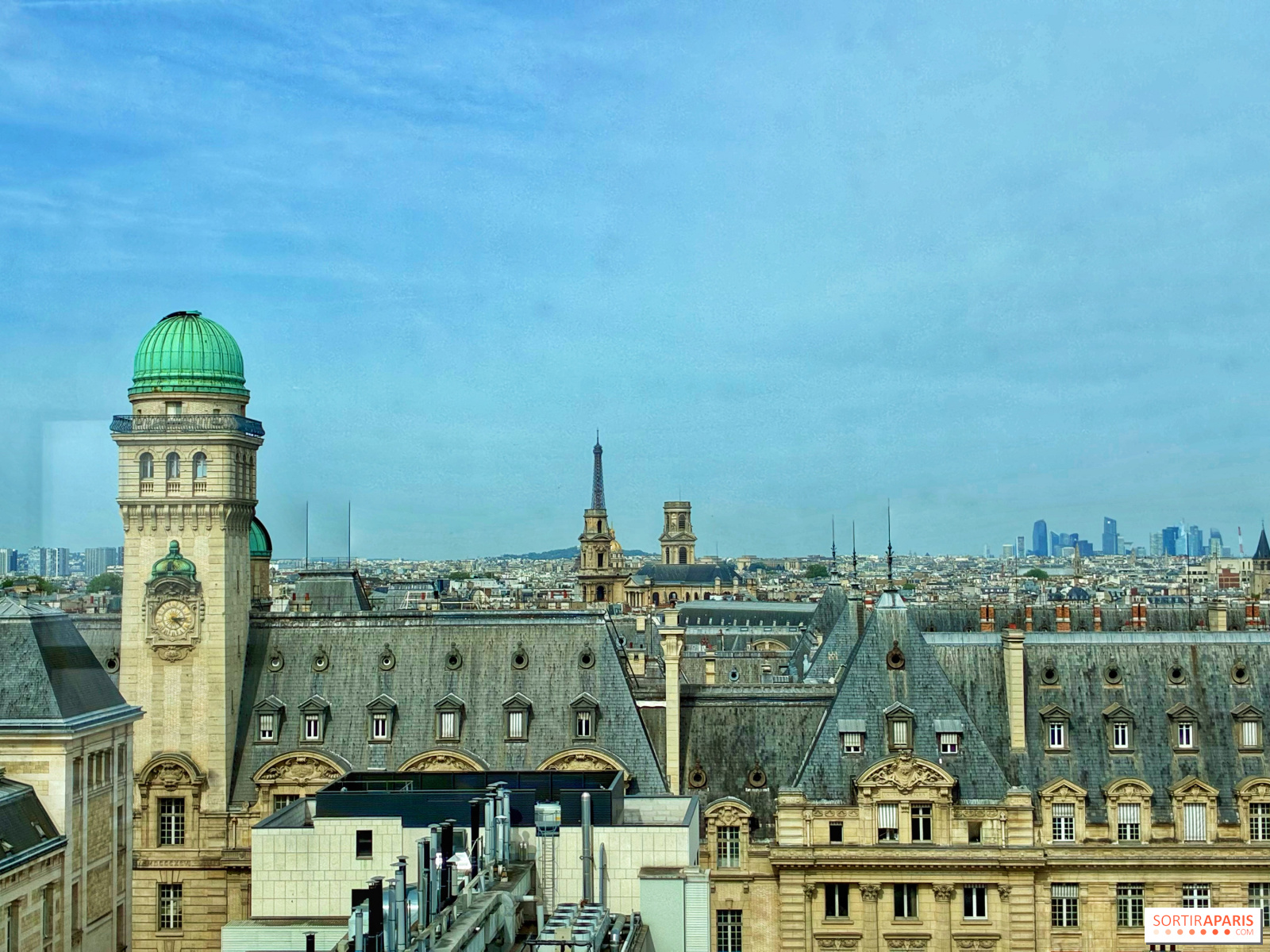
While the general public can freely attend lectures, subject to the amphitheatres’ seating limits, access to the rest of the site is regulated. Some areas remain strictly reserved for researchers and accredited scholars. So don’t expect to wander casually through every corridor on a spontaneous visit! To gain access, board Line 10, at the Cluny - La Sorbonne or Maubert - Mutualité stations.
Location
Collège de France
11 Place Marcelin Berthelot
75005 Paris 5
Access
Metro Maubert-Mutualité (line 10), Odéon (lines 4 and 10)
Official website
www.college-de-france.fr







 And what if the vineyards of Montmartre weren’t actually the oldest in Paris after all?
 Did you know? You can take free courses at the Collège de France, opposite the Sorbonne.