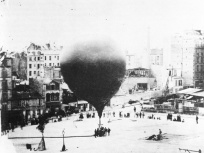
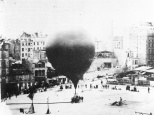
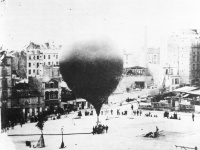
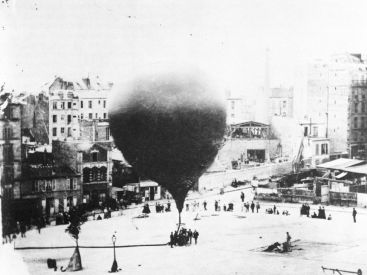
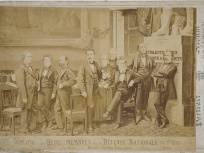
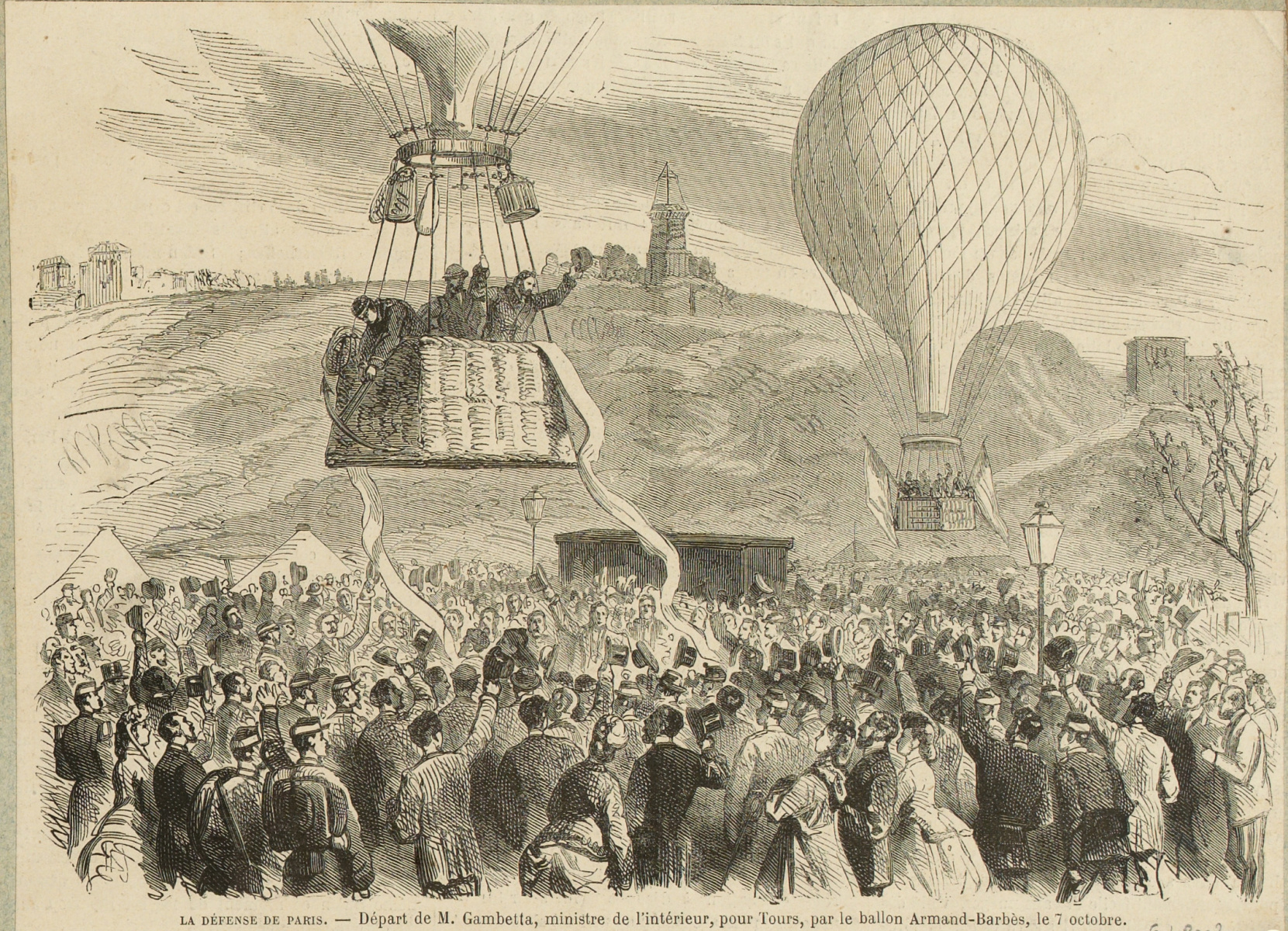
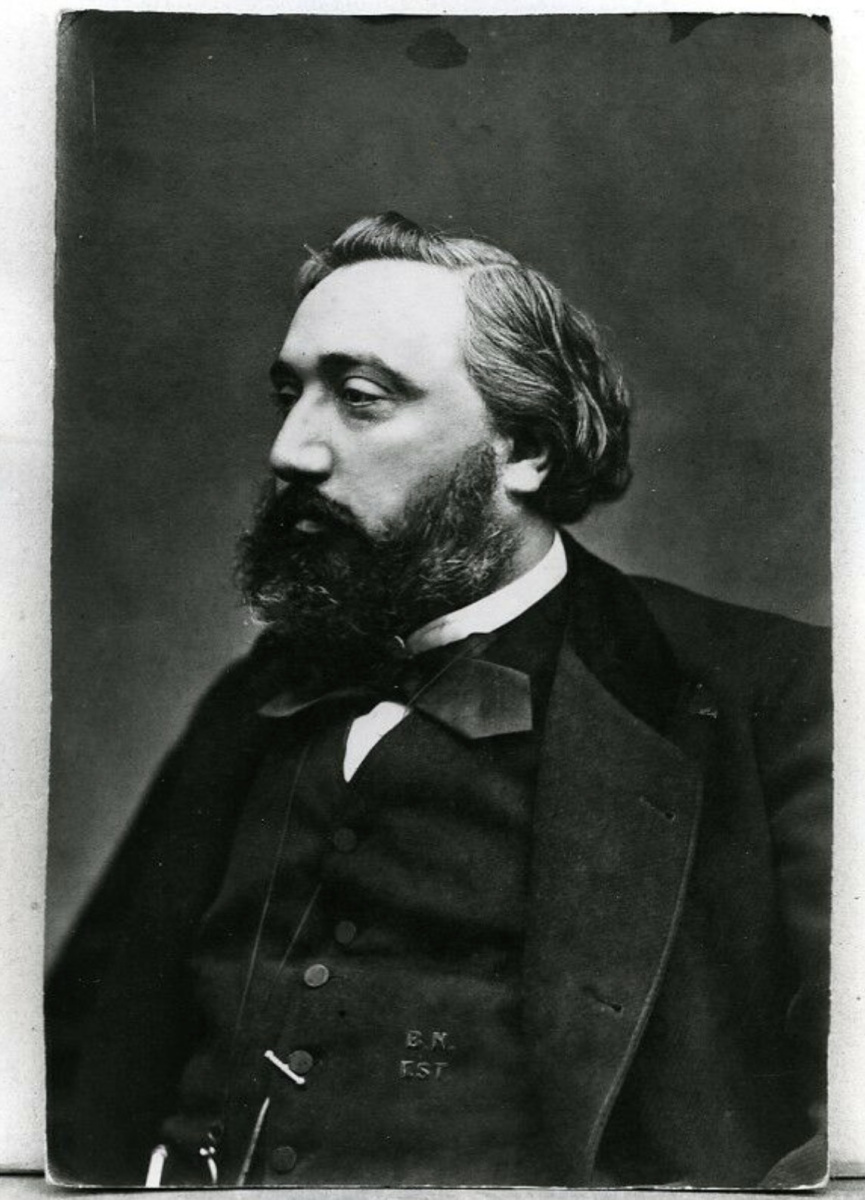
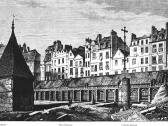
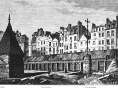
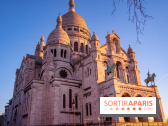
A crowd gathers on the Saint-Pierre square, at the foot of a Montmartre still lacking the Sacré-Cœur, when Léon Gambetta leaves besieged Paris aboard the balloon Armand-Barbès, on October 7, 1870. His destination is Tours, where a delegation of the Government of National Defence aims to administer the country and press on the war against the German armies. With the land route cut off, the young Minister of the Interior chooses the air route.
The military situation explains this unusual step: after the defeat at Sedan and the fall of Napoleon III, the République a été proclamée in Paris on September 4, 1870. Two weeks later, German forces encircle the capital, and the roads, railways, and telegraph lines toward the provinces fall under their control or become unusable. A government delegation was fortunately established in Tours before Paris fell completely under siege, but it remained cut off from the main government members holed up in the capital. Gambetta was then tasked with joining them and giving renewed momentum to the defense.
For several days now, Paris has been testing a dramatic fix to its isolation: mounted balloons. These aerostats carry an aeronaut, sometimes passengers, and sacks of mail above the enemy lines. Le Neptune a inauguré ce service postal aérien on September 23. During the siege, the balloons became one of the few ways to send information to the provinces, while carrier pigeons handled part of the return journey.
Nadar plays a pivotal role in this organization. A longtime devotee of ballooning, the photographer closes his studio during the siege and helps set up a company of balloonists tasked with supplying balloons to the government. Among the first craft to roll off the line are the George Sand, the Louis Blanc, and the Armand-Barbès, named in memory of the republican revolutionary who had died a few months earlier.
Around 11:10 a.m., Léon Gambetta climbs into the nacelle of the Armand-Barbès with his close associate Eugène Spuller. The airship is piloted by Alexandre Trichet. The Musée Postal still preserves a letter carried that day and confirms the departure place and time: Place Saint-Pierre, in Montmartre. A second balloon, the George Sand, rises almost simultaneously, carrying several other travelers.
Contemporary accounts describe a crowd gathered around the balloons, shouting "Vive la République !" as the tethers are released. From the hill, the two balloons rise and drift northward. Unlike the later airships, these balloons were entirely at the mercy of the wind: the pilot could adjust altitude by jettisoning ballast or gas, but he could not truly steer their direction!
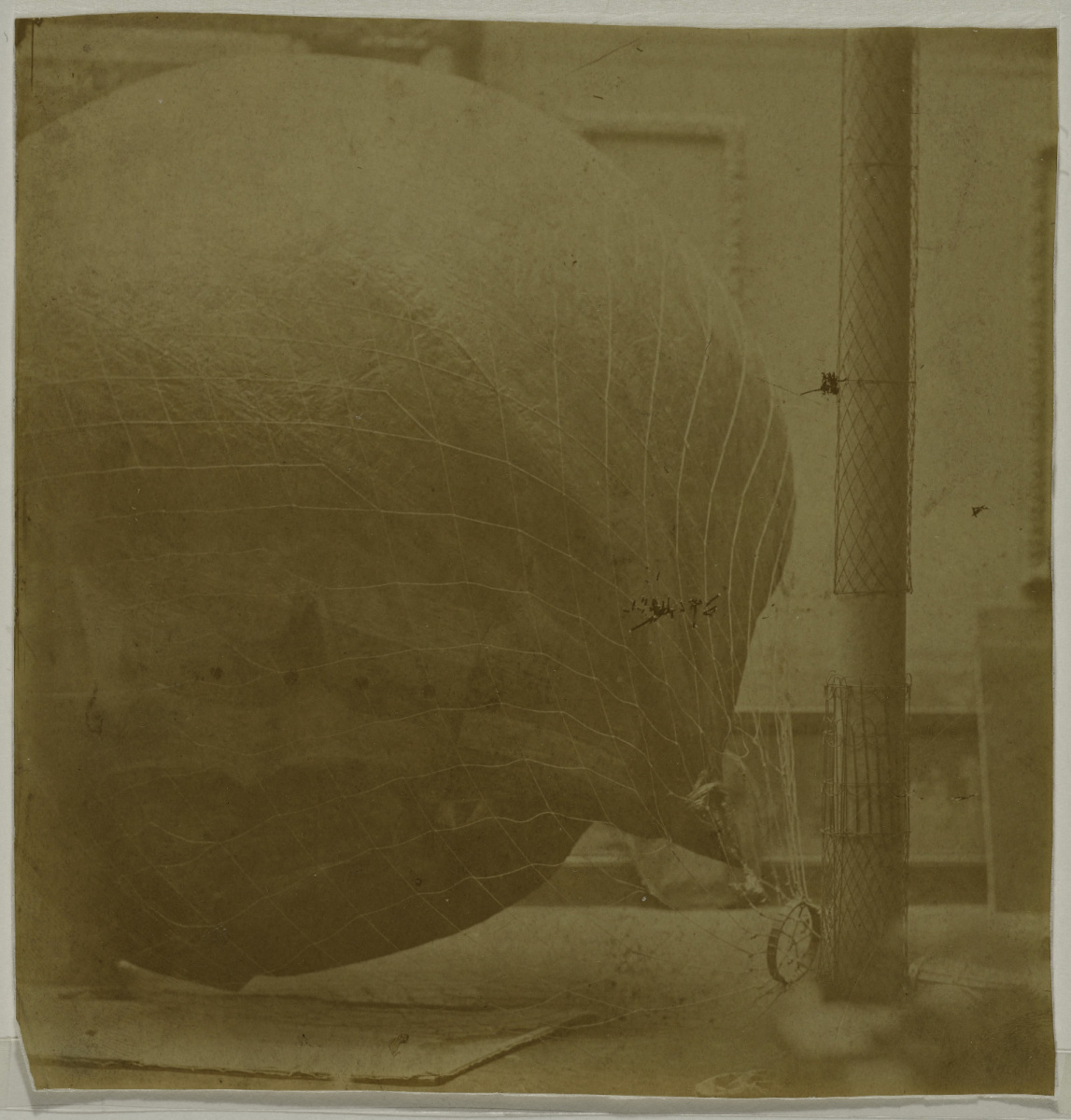
The crossing of the German lines introduces a far more immediate danger. Prussian soldiers open fire on the Armand-Barbès as it passes. The balloon climbs higher to get out of the guns’ reach, then continues its course over the Oise. It covers roughly a hundred kilometers before it lands.
Around 2:45 p.m., a little more than three hours after takeoff, the airship Armand-Barbès ends its voyage in the bois de Favières, near Épineuse in the Oise. The basket and its balloon snag on the branches of a tree; Gambetta, Spuller and Trichet finally touch down on French soil, after crossing the military belt that encircles Paris.
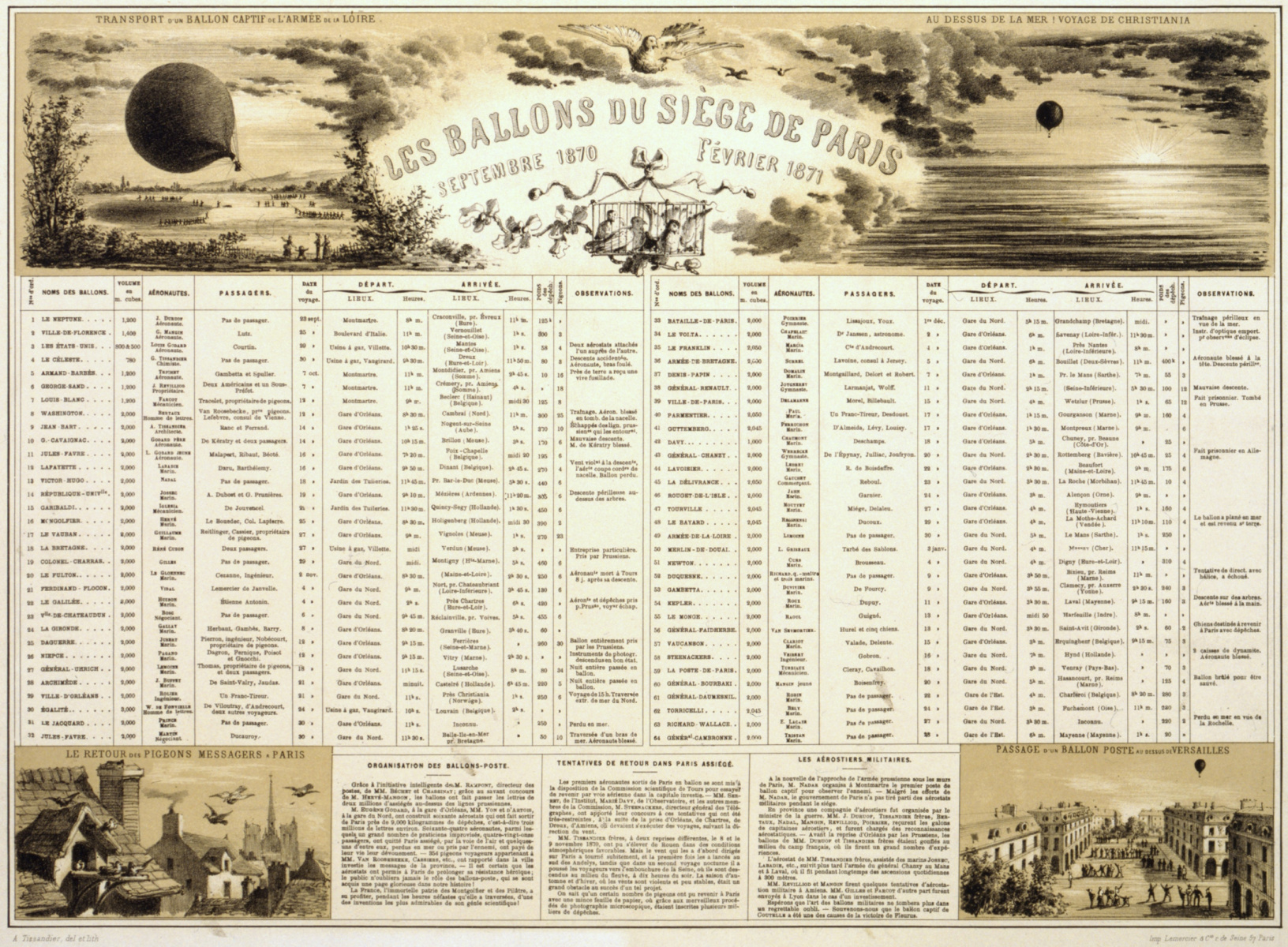
Travelers reach Montdidier, then Amiens and Rouen, skirting the occupied zones, and Gambetta arrives in Tours on October 9. A few hours later, he issues a proclamation to the départements and quickly assumes a leading role within the government delegation. He soon takes on both the Interior and War portfolios and helps raise new armies aimed at lifting Paris from the siege.
Paris learns, too, that the mission succeeded thanks to a device worthy of an adventure novel: a homing pigeon taken out of the capital returns on October 9 with news from Gambetta. A document kept at the Army Museum reminds us that the bird lands in its Paris loft around 2 p.m., allowing the authorities to be reassured about the fate of the travelers.
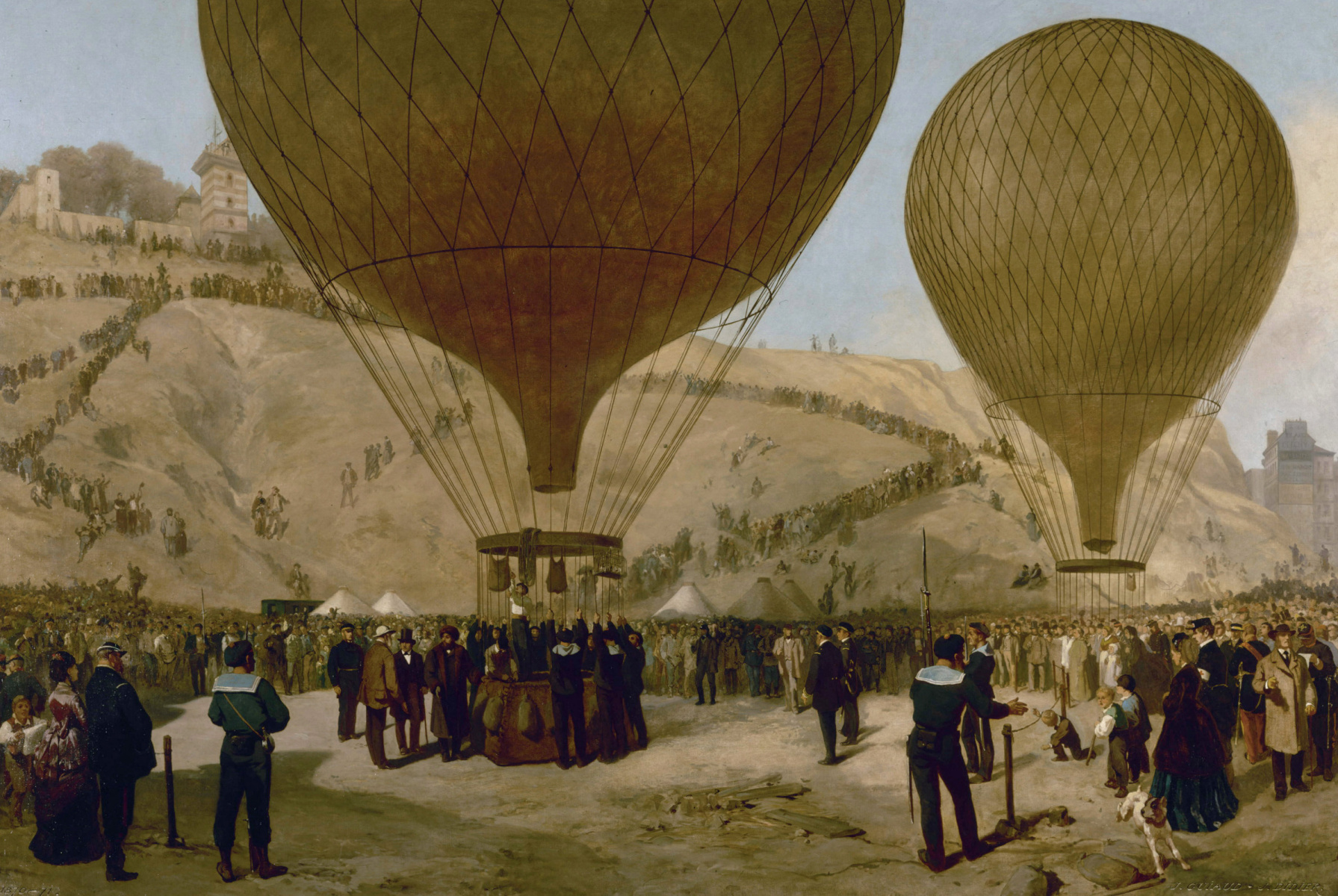
The Gambetta’s daring aerial escape quickly captivates his contemporaries. Paintings, engravings, medals and press illustrations soon depict the balloon rising above Montmartre or suspended from the trees after its landing.
To learn more:
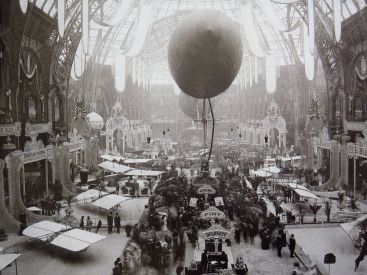
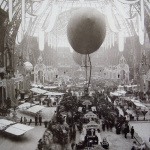
On this day in Paris, September 25: The first aeronautics exhibition at the Grand Palais.
On September 25, 1909, the Grand Palais hosted the First International Exhibition of Aerial Locomotion, regarded as the ancestor of the Bourget International Air and Space Show. A few weeks after Louis Blériot's crossing of the Channel, airplanes, airships and engines took over the Grand Palais' vast nave! [Read more]
This page may contain AI-assisted elements, more information here.
Dates and Opening Time
On October 7, 2026
Location
Place Saint-Pierre
Pl. Saint-Pierre
75018 Paris 18
Route planner





























 On this day in Paris, September 25: The first aeronautics exhibition at the Grand Palais.