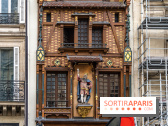
From October 16 to 18, 2026, the Journées nationales de l’architecture return to bring life to the capital and the Île-de-France. This cultural event invites everyone to survey the surrounding urban landscape, to understand the art of building, and to peek behind the doors of lesser-known monuments like the Louvre Belfry. In the heart of the Louvre district, this slender silhouette sparks curiosity among walkers with its unique history.
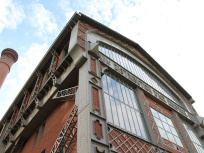
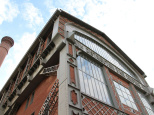
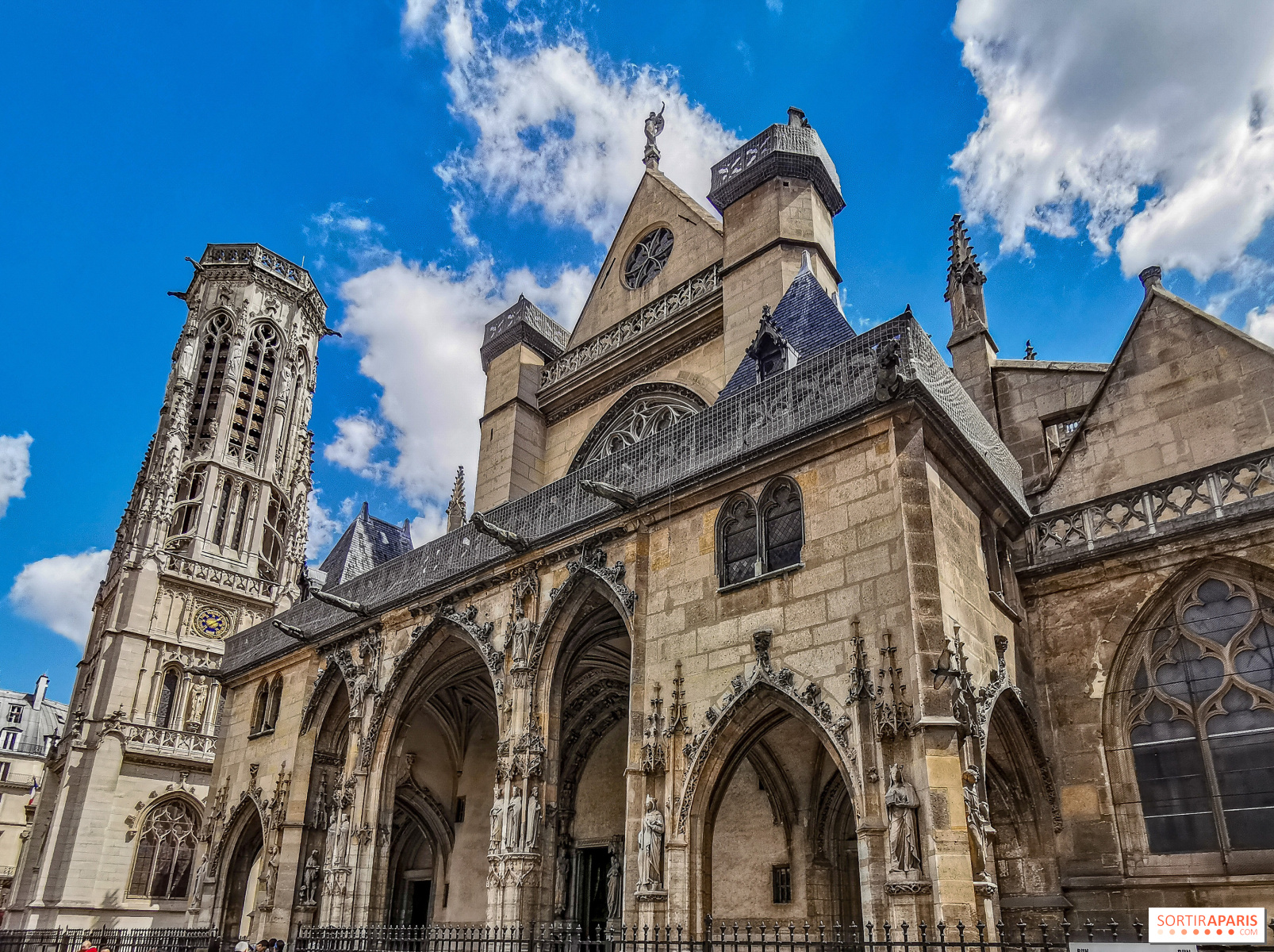
Completed between 1858 and 1860, this 38-meter-high tower was conceived by architect Théodore Ballu during the reign of Napoleon III. At the time, Haussmann’s grand renovations were reshaping Paris. To create a cohesive ensemble that faces the Louvre’s colonnade, Ballu designed the 1st arrondissement town hall by echoing the façade of the nearby Saint-Germain-l’Auxerrois church. The belfry then fills the void between the two façades.
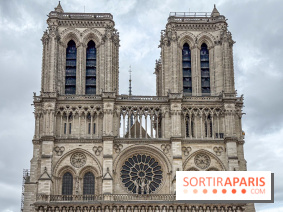
It falls within the neo-Gothic style, a 19th‑century architectural movement that reinterprets medieval forms: pointed arches, slender pinnacles, carved rosettes, expressive gargoyles, and intricate openwork stone detailing. A persistent urban rumor claims that Théodore Ballu designed this bell tower to rival the height of Notre-Dame de Paris, though in reality it was mainly a matter of achieving visual symmetry and urban balance.
The building’s historic mission is to house Paris’s municipal carillon, a collection of several dozen bells designed to pace the district’s civic life. According to some contemporary accounts, the famed bell “Marie,” which rang the alarm during Saint Bartholomew’s Day in 1572, was at one point moved to this new carillon, though historians attribute that tragic toll to the south tower of the adjacent medieval church. Today managed by the City of Paris, the site testifies to the ingenuity of Second Empire builders in reconciling civil architecture with sacred heritage.
Guided Tours: "An Imperfect Timeline of the Louvre Tower"
Why was the little street that once led to the belfry called Rue du Tronc-Saint-Bernard?
From whom did King Philip Augustus have to purchase the land to build the Louvre?
Why was the Hôtel du Petit-Bourbon painted yellow?
What did la grosse Marie, the petits Germain, and Vincent do on the evening of Saint Bartholomew's Day?
Do you know the link between Saint-Germain-l’Auxerrois and the word “translator”?
How high was the fine imposed on the resident of Place du Louvre who refused to light the candles for his five lanterns?
Who performed the striptease on Rue Chilpéric, formerly adjoining the belfry?
To whom did the bones found beneath the belfry belong?
If you don’t know the answers to these questions, join us on Saturday, October 17 (2:30 p.m. and 4:00 p.m.) for a tour of the Louvre’s Belfry and its surroundings with Béatrice Lezaun.
Participation requirements: Free | No reservation required
Schedule: Saturday, October 17, 2026 — 2:30–3:30 PM, 4:00–5:00 PM
This page may contain AI-assisted elements, more information here.
Dates and Opening Time
From October 17, 2026 to October 18, 2026
Location
Saint-Germain l'Auxerrois church
2 Place du Louvre
75001 Paris 1
Route planner
Access
Metro Louvre - Rivoli - Pont Neuf.