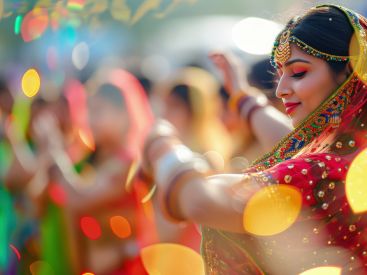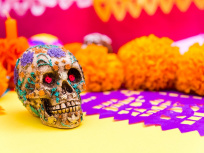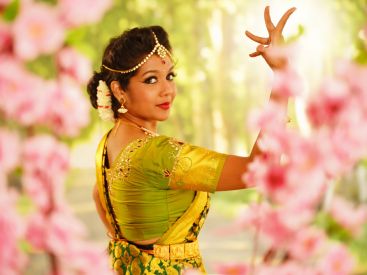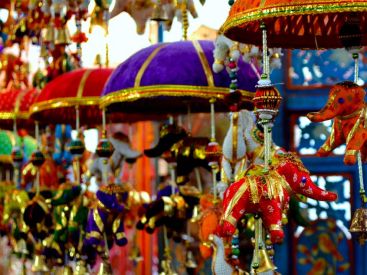
The Diwali 2023 celebrations are fast approaching . On November 12, this great festival of lights observed by the Indian people and Hindus promises to be as colorful as it is grandiose, not only in India but also in cities and countries where the Indian diaspora is present, and Paris is no exception.
While some are already salivating at the mention of traditional specialties that are exchanged and enjoyed with family, others are looking forward to taking advantage of this global celebration to discover or rediscover the Indian heritage and sites of the capital. For although Indian culture is not particularly striking in Paris, it is by no means non-existent, as evidenced by certain neighborhoods,covered passages, and several temples within the city and in the Île-de-France region.
From the arrival in the 19th century of maharajas, artists, and other Indian intellectuals who came to participate in the social and cultural life of Paris, to the arrival in the following century ofgemstone traders in the lower part of the 9th arrondissement, to the Indians from Pondicherry who chose the popular 10th and 18th arrondissements to open shops and restaurants, the Pakistani and Indo-Pakistani families who arrived in the 1970s in the Strasbourg Saint-Denis area, Tamils from Sri Lanka, and Bangladeshis, there are many communities from the Indian subcontinent in Paris, each with their own language—Urdu, Punjabi, Tamil—their own writing system, and their own religion—Hinduism, Sikhism, Buddhism.
Today, the shops have moved, migrating towards the Gare du Nord and La Chapelle, revealing a truly cosmopolitan and colorful neighborhood with the sweet name of Little Jaffna or Little India.
Le Passage Brady
Between 46 Rue du Faubourg-Saint-Denis and 33 Boulevard de Strasbourg
Paris 10
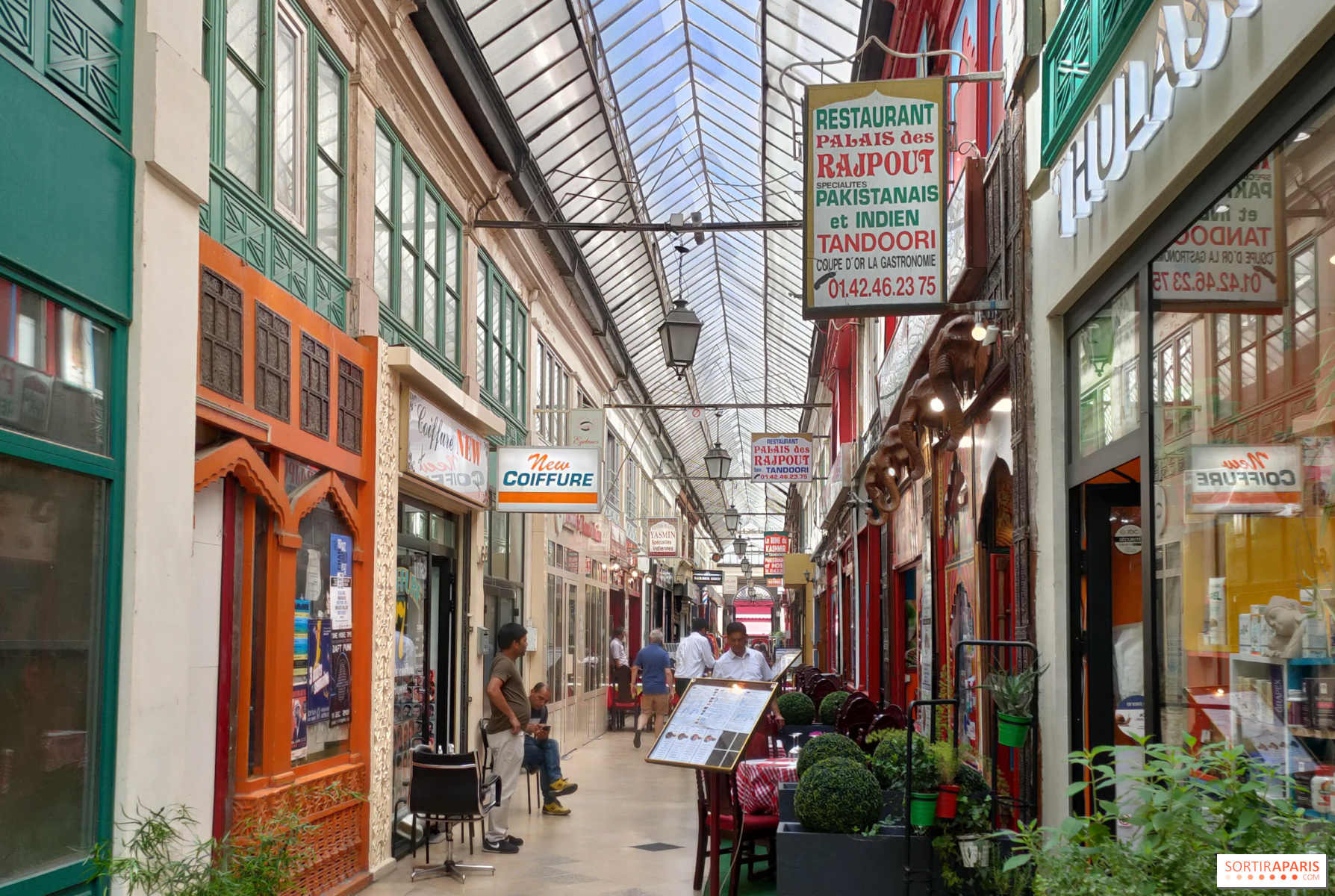
Famous for its hairdressers,Indo-Pakistani restaurants, andgrocery stores selling Indian products, the Brady Passage is the first stop on your walk. This covered gallery, opened in 1828, is home to many shops, some of which date back to the 1970s.
Among these,the Velan grocery storeis a veritable institution in this covered passageway, opened in 1972 by Antoine Ponnoussamy, a native of Pondicherry. Incense, spices, chutney, but also fresh fruit and vegetables, flower necklaces, stoles, statuettes, and jewelry, the grocery store offers all the flavors, scents, and colors of India in one place.
The La Chapelle neighborhood, "Little Jaffna"
Paris 18
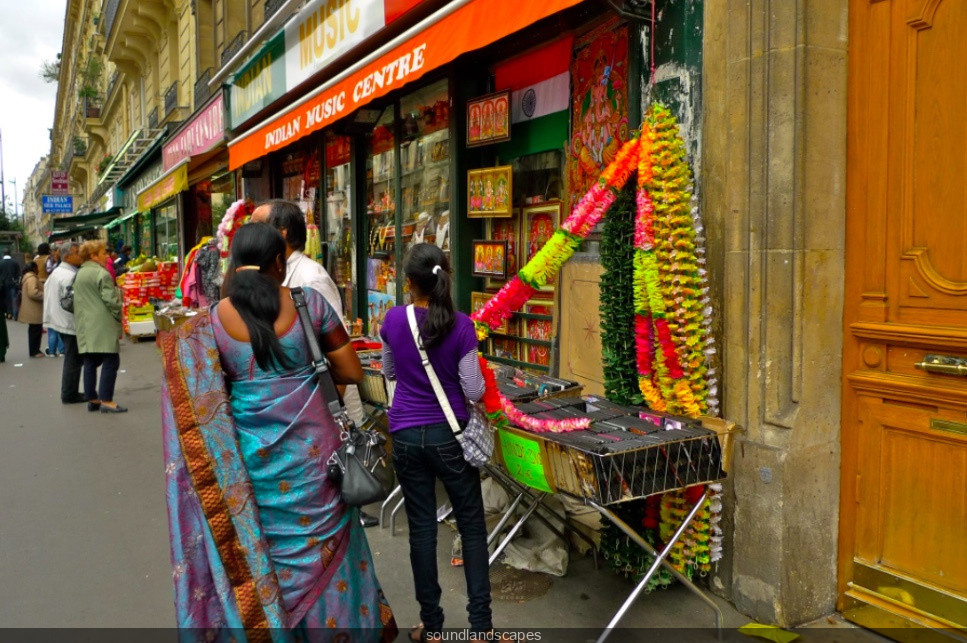
Continuing your walk a little further north, you will come across the La Chapelle neighborhood, commonly known as the Indian quarter of Paris but which is in fact just as much Sri Lankan, nestled between the Gare du Nord and Gare de l'Est train stations. Since the waves of Buddhist Sri Lankan and Hindu Tamil immigration during the civil war in Sri Lanka in the 1980s, the neighborhood has been transformed into a veritable Little India. From the La Chapelle metro station to Rue Louis Blanc, via Rue Perdonnet and Rue Cail, the colorful storefronts are numerous, inviting you to come and explore.
In particular, there are women's boutiques selling clothing, jewelry, beauty products, and textiles, but that's not all. There are also countless grocery stores, as well as bakeries, florists, jewelry stores, and incense shops.
The Sri Manicka Vinayakar Alayam Temple, the "Ganesh Temple"
17 Rue Pajol
Paris 18
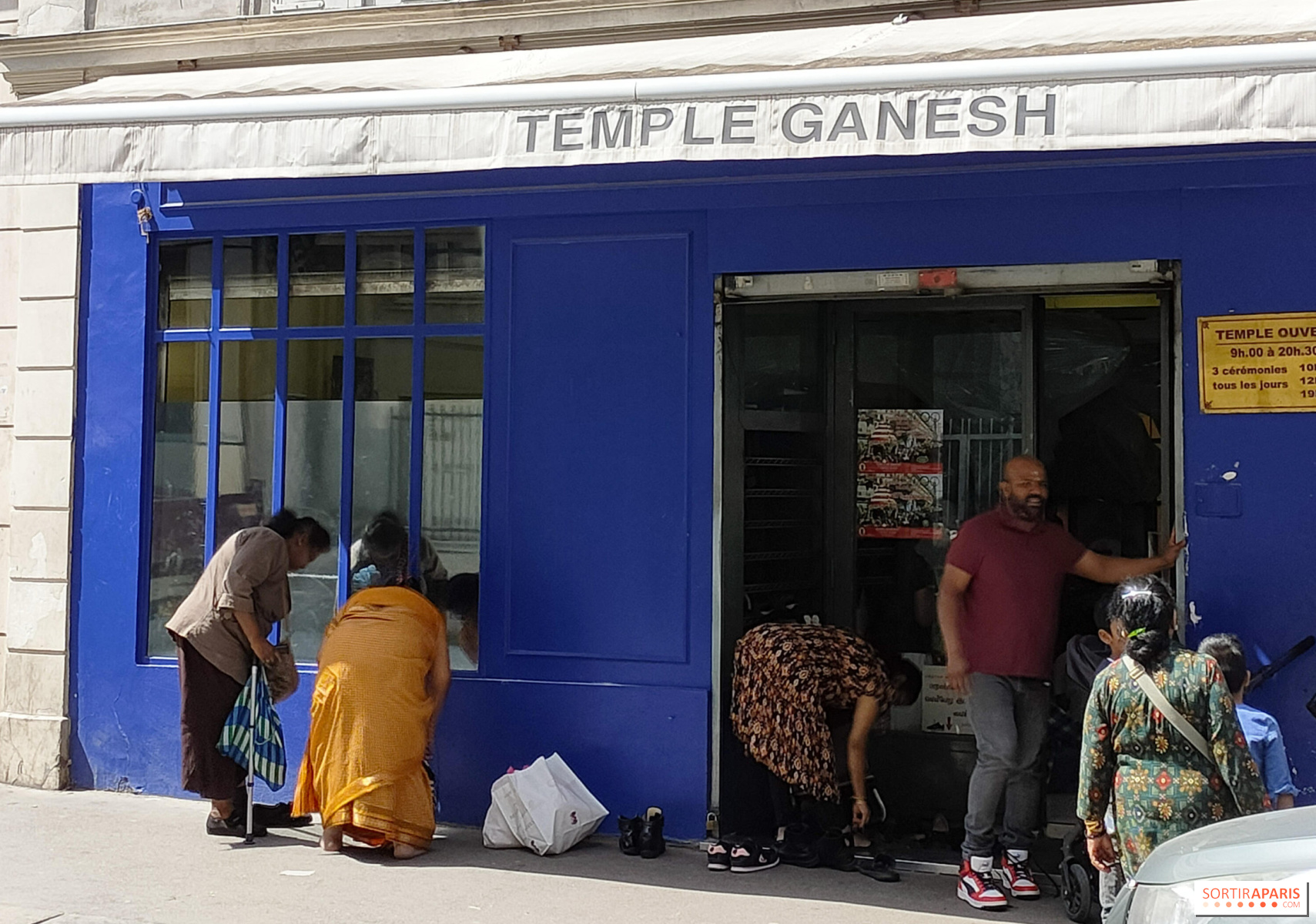
Cross Boulevard de la Chapelle to discover, at 17 Rue Pajol, theSri Manicka Vinayakar Alayam temple, or more simply the Ganesh Temple, dedicated to the elephant-headed deity. A Hindu place of worship with lavish decorations, it was founded in 1985 by Vaithilingam Sanderasekaram at a first address before moving to where it stands today. This Hindu temple, which is the oldest in the capital and also the first in France, is mainly frequented by Hindus from Sri Lanka, the West Indies, Mauritius, and Réunion, but is actually open to everyone, provided they respect the traditions—removing their shoes, showing respect, and not taking photographs inside the temple.
So step inside the Ganesh Temple to discover its many statues, particularly those of the god Ganesh, and share a vegetarian meal with worshippers in the purest tradition of South India and Asia. It is from this place of worship that the Ganesh Festival parade begins every last Sunday in August, before winding its way through the 18th arrondissement.
The Sivan Parvathi Temple
159 avenue Paul Vaillant Couturier
93120 La Courneuve
How about continuing this walk on the other side of the ring road? Head to La Courneuve in Seine-Saint-Denis, home to many communities from the Indian subcontinent, particularly Sri Lankan, Pakistani, and Indian families who settled here in the 1990s—as rents are lower here than in the capital—as well as a few Sikh families from Punjab.
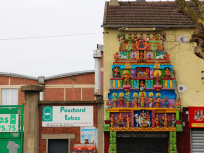
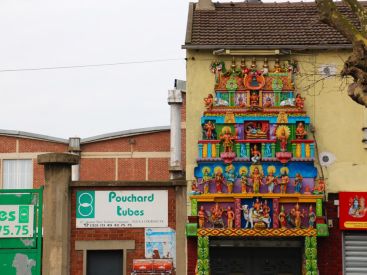
You can’t miss the Sivan Parvathi temple, nestled along the road in the very heart of La Courneuve, with its stunning, colorful façade adorned with figures from Hindu beliefs, particularly Shiva. Once again, you can attend the pooja, the daily religious ceremonies, as long as you follow certain guidelines. It’s also an opportunity to share the moment with the Tamil Hindu community.
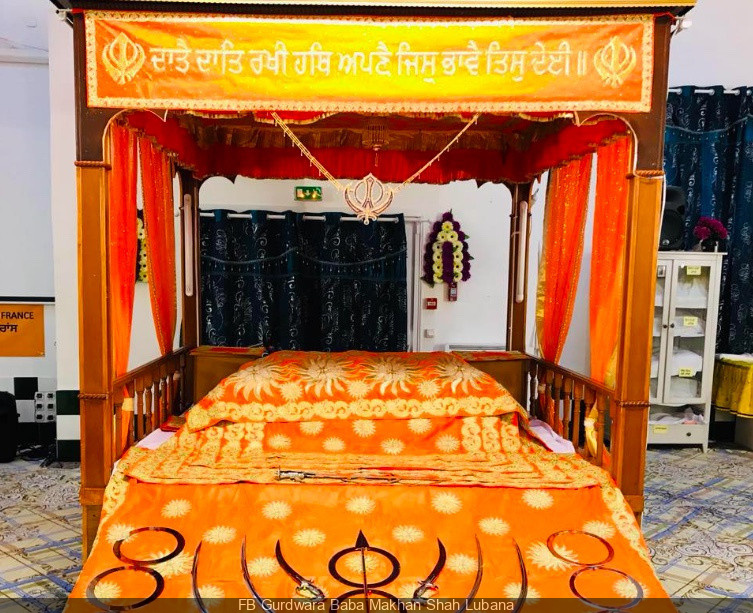
The Gurdwara Baba Makhan Shah Lubana Temple
14, avenue Jean Jaurès
93350 Le Bourget
Another temple, but with a different culture, language, and worship style, can be found at the Sikh temple in Le Bourget, just a 15-minute walk away. Here, Sikhs from northern India welcome visitors to their temple, where traditional songs echo through the gurdwara, a place of worship open to all. In a more sober setting than the two previous Hindu temples, visitors can attend a ceremony and share a meal together.
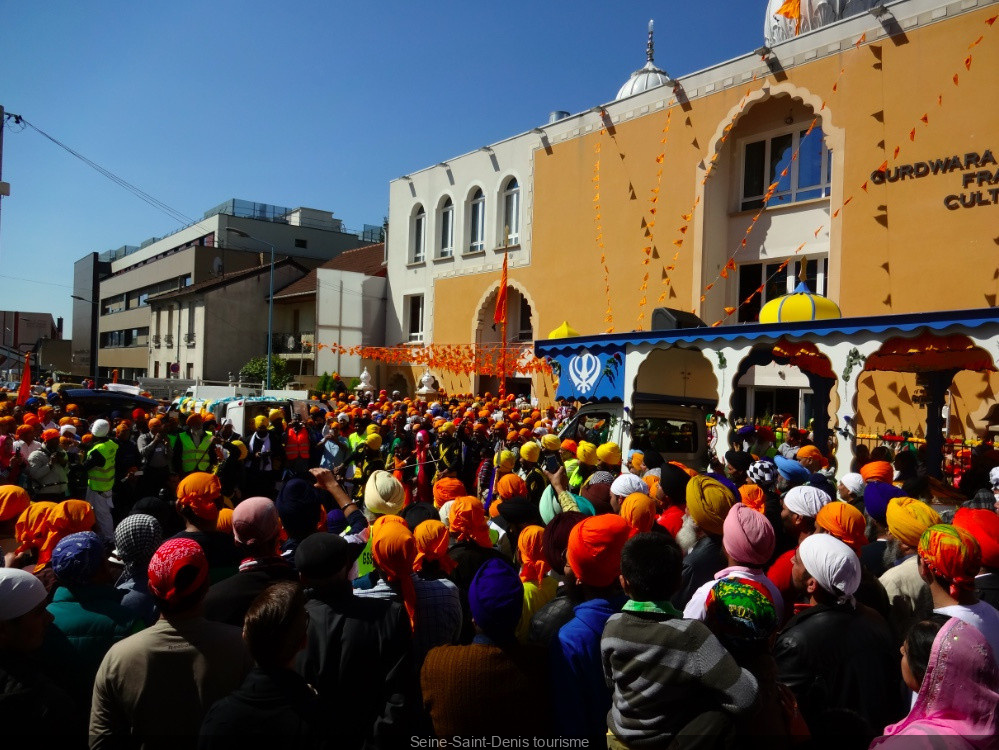
The Gurdwara Singh Sabha Temple
16, rue de la Ferme
93000 Bobigny
It is the largest Sikh temple in Seine-Saint-Denis, but also the first gurdwaratohave opened its doors in France, in the 2000s. With its oriental style and three domes, the Gurdwara Singh Sabha temple is open to all, both worshippers and visitors. Upstairs, you can share a traditional Punjabi meal and pray in the dedicated room where the holy book called Guru Granth Sahib is enshrined. Guided tours to discover the temple and Sikhism are organized during Vasakhi and Heritage Days.
It is from this place of worship that the Vasakhi festival parade begins before continuing through the streets of Bobigny, organized to celebrate the birth of the Khalsa order on April 14, 1699, which institutionalized the rule of the Five Ks—the five sacred attributes of Sikhs. The program includes demonstrations of Sikh martial arts, a singing procession, a parade of the cart carrying the holy book, and a vegetarian meal, in accordance with tradition.
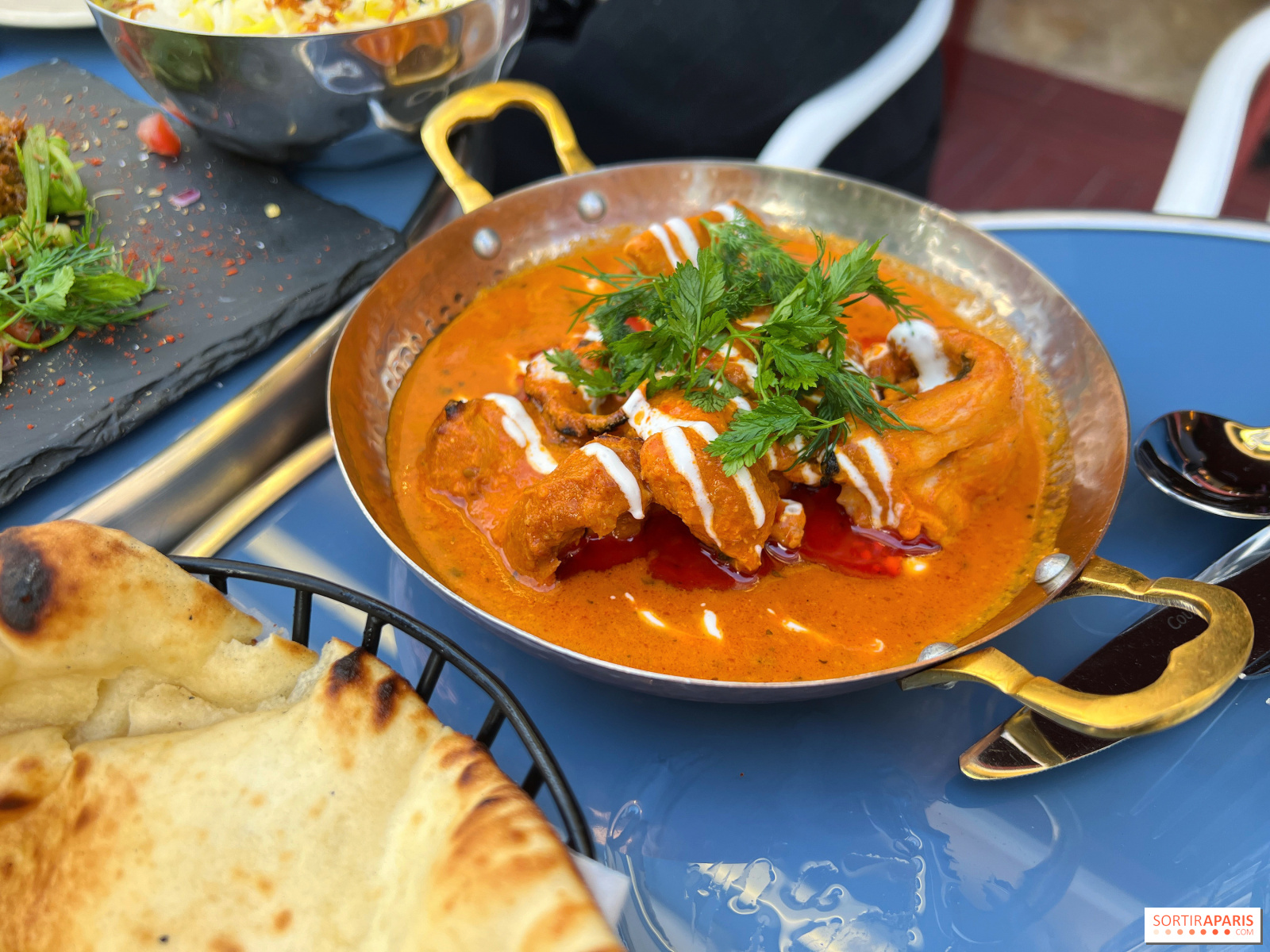
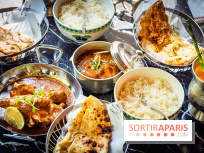
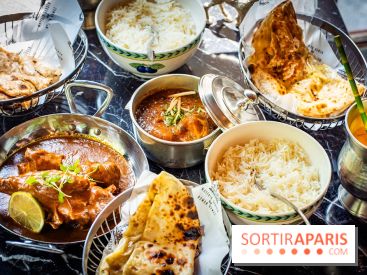
Speaking of meals, walking so much works up an appetite! To stay in the spirit of things, Paris is full of Indian restaurants offering a variety of traditional and authentic dishes, ranging from classics such as chicken curry and biryani to lesser-known regional Indian dishes.
As you can see, although the capital does not really have any major Indian historical monuments, it still offers a rich and varied immersion in Indian culture through its restaurants, places of worship, neighborhoods where different communities from the Indian subcontinentlive side by side , and major celebrations such as Diwali, the festival of Ganesh, and the festival of Vasakhi. A real journey without leaving Paris!