Louis XIV, known as the"Sun King", reigned for more than 72 years, the longest reign in French history, leaving a deep imprint on French history and landscape. An absolute monarch, he made France shine through the arts, architecture and town planning, imposing a grandiose style that left its mark on Paris and the surrounding region. Born in 1638 at the Château de Saint-Germain-en-Laye, he made Versailles the heart of power, remodeling the capital and developing new spaces that today remain major landmarks in the Paris region.
Meet a monarch who, even three centuries after his death, continues to inhabit the stones and nooks and crannies of the capital and the Paris region.
Yvelines (78)
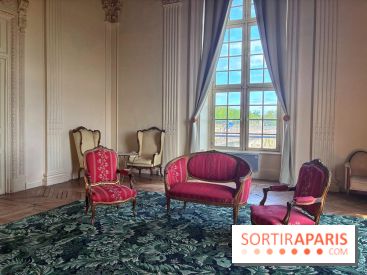
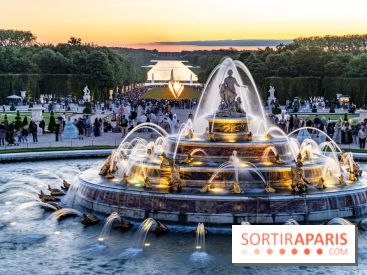
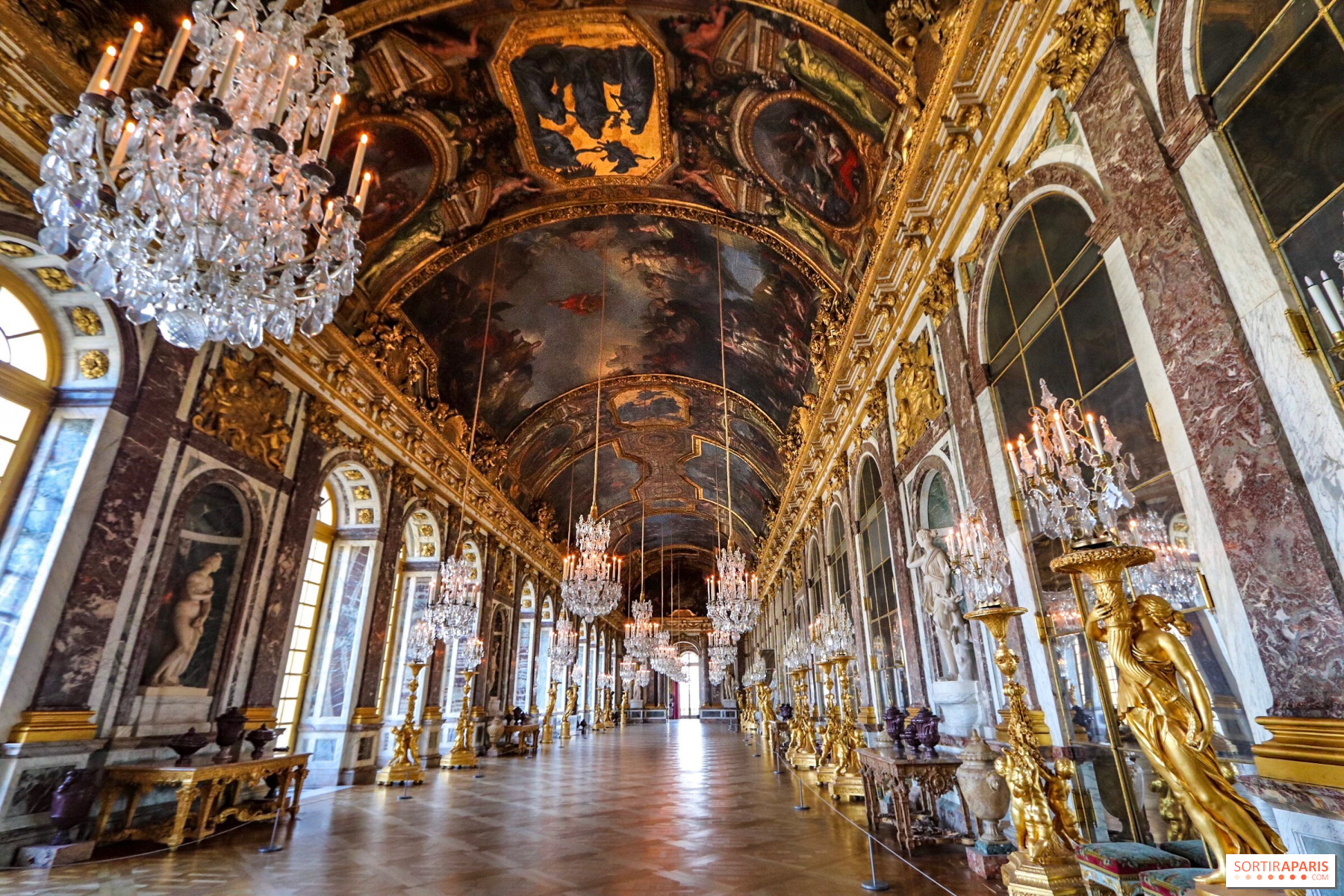
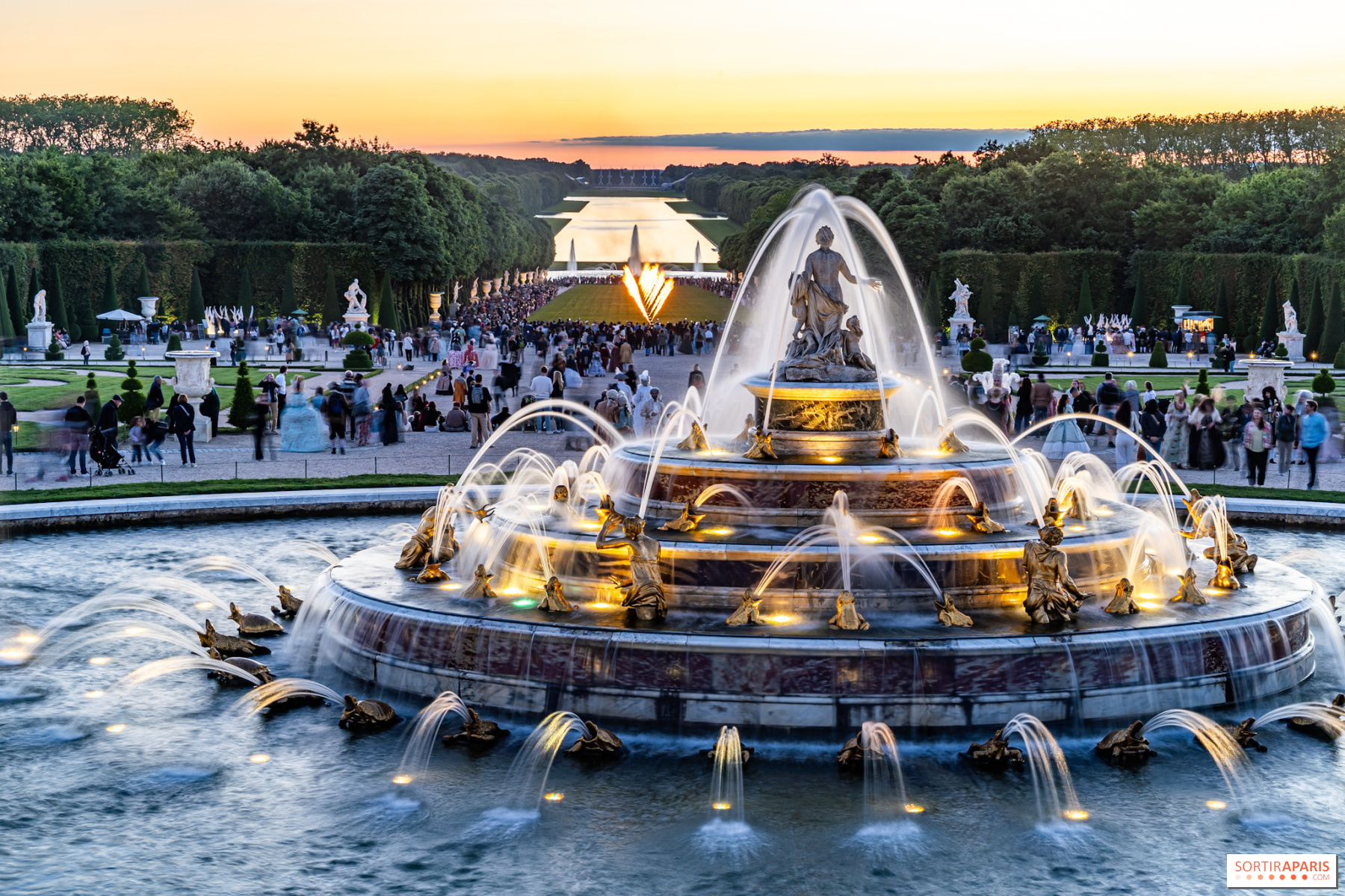
A global symbol of the reign of Louis XIV, the Château de Versailles was transformed from a simple hunting lodge into a monumental palace in 1661. Under the direction of architect Louis Le Vau, landscape architect André Le Nôtre and painter Charles Le Brun, Versailles became the king's official residence in 1682. The gardens, designed to magnify royal power, are a masterpiece of order. The estate, a UNESCO World Heritage site, remains the finest testimony to the French art de vivre desired by the Sun King.
A visit to the Château de Versailles and its program
The Château de Versailles, its gardens and grounds, are a world heritage site. The official residence of the kings of France, the Château de Versailles holds the record as the largest château in the world, and of course the most visited in France. [Read more]
7th district
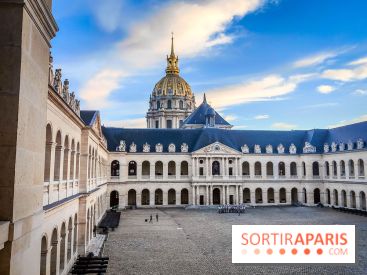
Founded in 1670, the Hôtel des Invalides was designed by Louis XIV to house and care for his invalid soldiers. The building, designed by Liberal Bruant, includes the Saint-Louis-des-Invalides church and its famous golden dome, designed by Jules Hardouin-Mansart, which has become one of the emblems of Paris. This military and religious complex embodies the king's desire to combine architectural grandeur with social function.
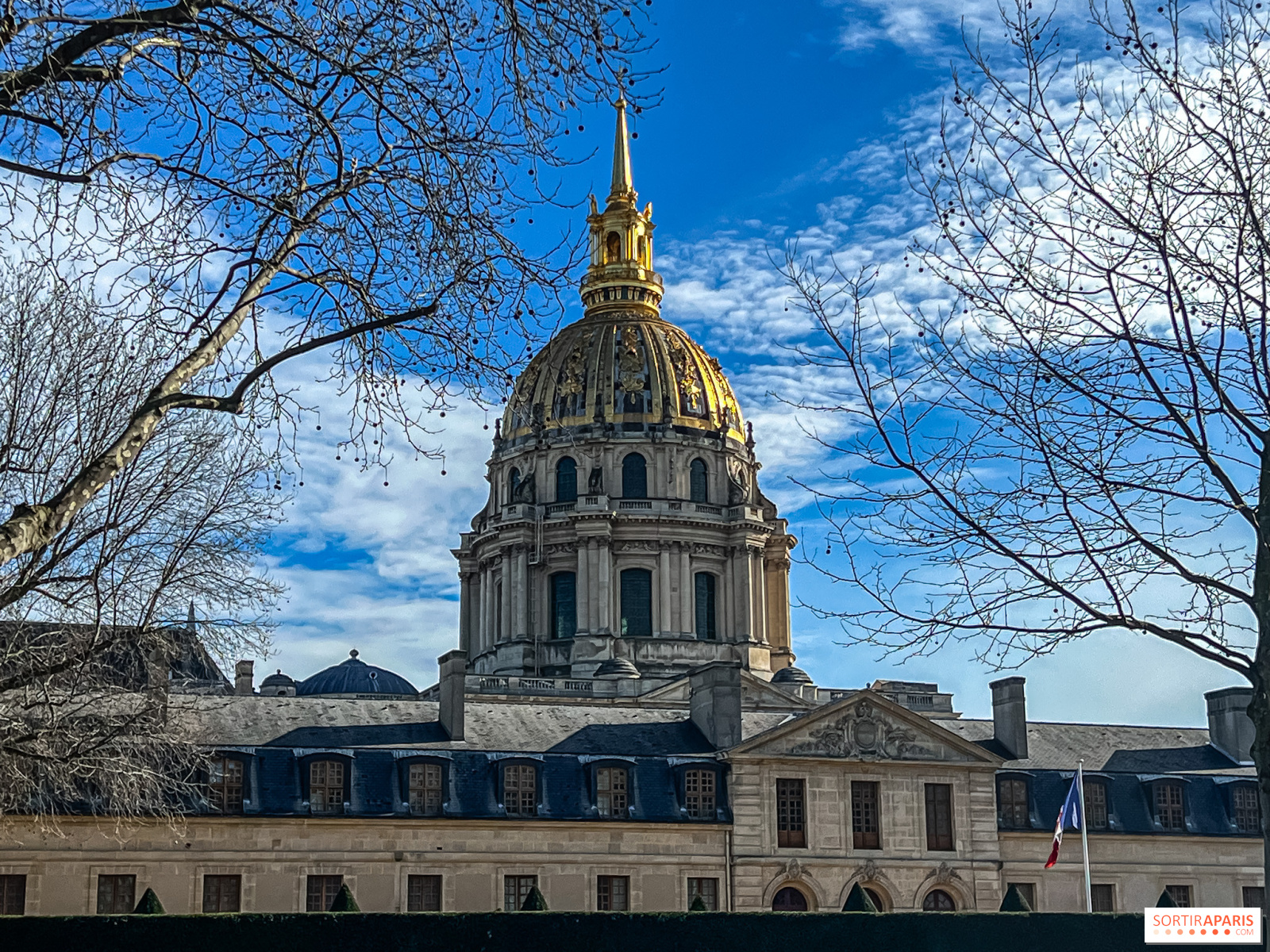
Located in the 7th arrondissement of Paris, the Hôtel des Invalides is an impressive site that plunges us into France's military history. Three museums are housed here: the Museum of the Army, the Museum of the Order of the Liberation and the Museum of the Plans-Reliefs, as well as the tomb of Napoleon 1st, which lies beneath the Invalides dome. [Read more]
Yvelines (78)
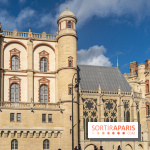
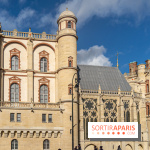
The birthplace of Louis XIV, this château was for many years a royal residence, before the king turned his attention to Versailles. Renaissance in style, it retains a terrace designed by André Le Nôtre, offering panoramic views over the Seine valley. Today, it houses the Musée d'Archéologie Nationale, as well as rooms evoking its royal past.
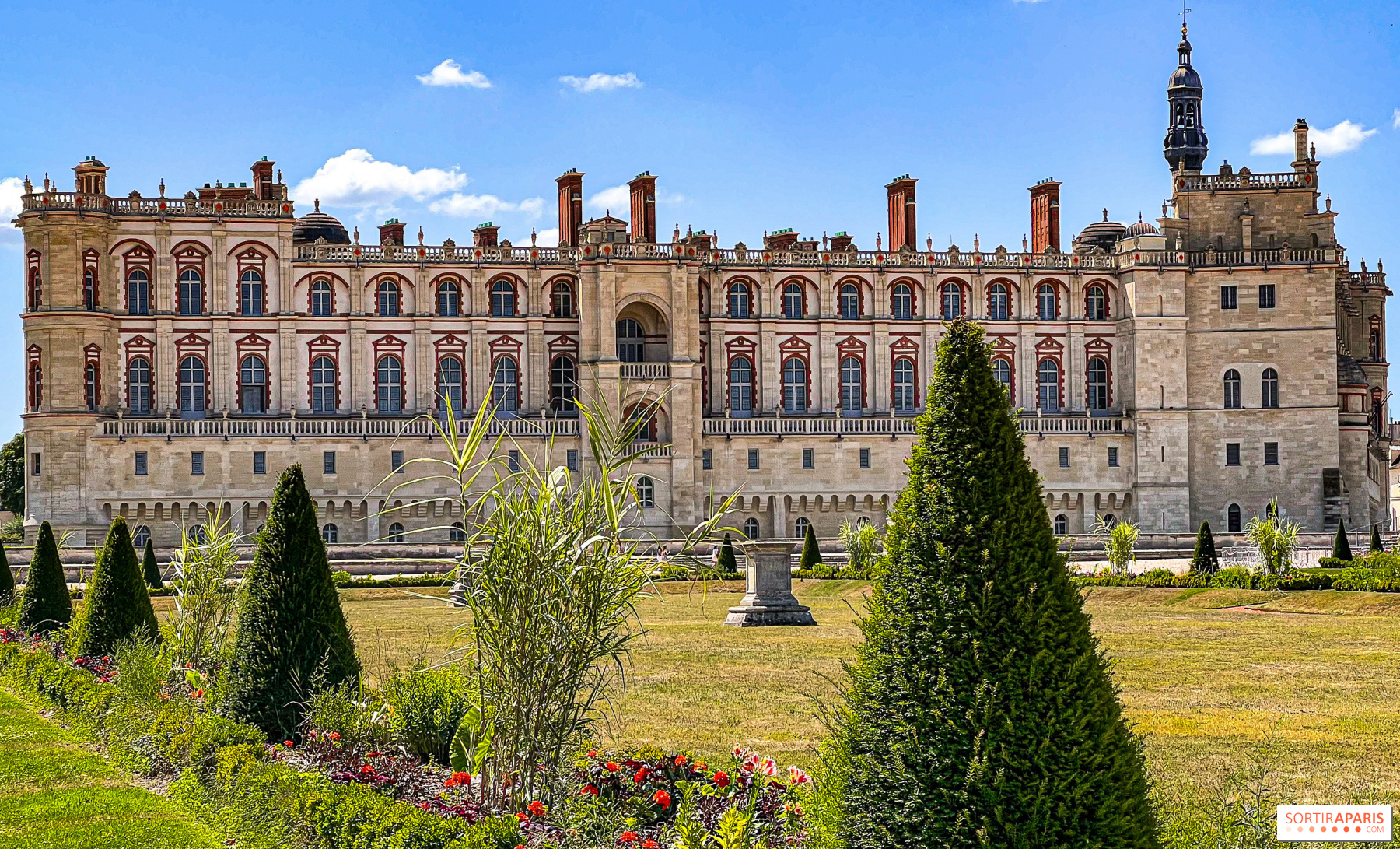
The Château de Saint-Germain-en-Laye, high up in the Yvelines, was one of the royal residences of François I. Today, it houses the national archaeology museum. Today, it houses the Musée d'Archéologie Nationale, with over 29,000 objects on display! [Read more]
Yvelines (78)
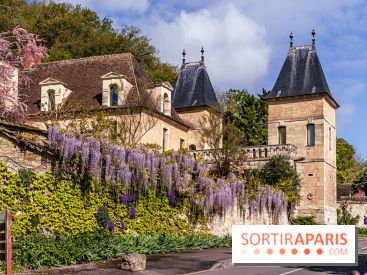
Louis XIV had the Château de Marly built in the late 1670s to break away from the strict etiquette of Versailles. This more intimate setting, reserved for a few privileged courtiers, was destroyed after the French Revolution. What remains are the park, the pavilions and the remains of the "Machine de Marly", a masterpiece of hydraulic engineering designed to power the fountains at Versailles and Marly.
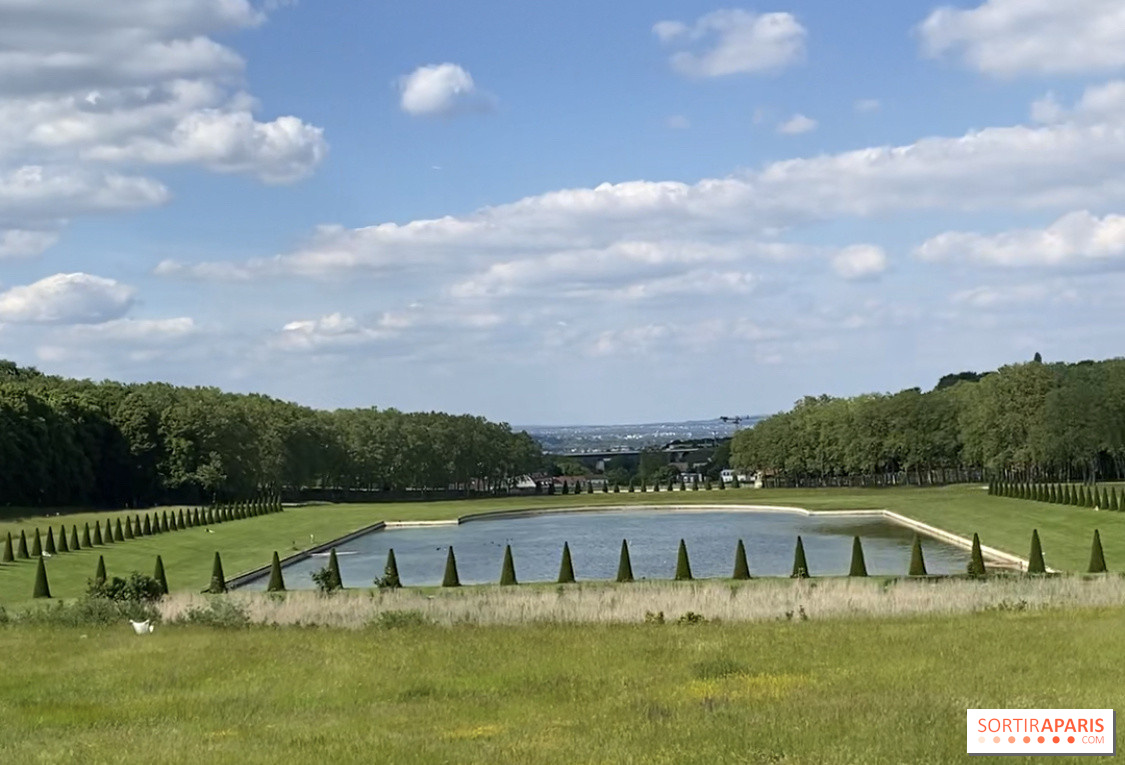
Marly was a pleasure residence of the Sun King, 7 km from Versailles, where only a select few had the privilege of being received. Although the château has now been demolished, the magnificent estate remains open to visitors, and a museum offers a chance to relive the atmosphere of Marly over the years and the kings who frequented it! [Read more]
14th district
Created in 1667 at the request of Louis XIV, the Paris Observatory is one of the world's oldest scientific research centers still in operation. Built by Claude Perrault, it symbolizes the king's interest in science and astronomy, in the service of navigation and French prestige.
5th district
Commissioned by Anne of Austria, mother of Louis XIV, to celebrate the birth of her son, the church of Val-de-Grâce was completed in 1667. This jewel of French Baroque architecture was designed by François Mansart and Jacques Lemercier, and features a majestic dome inspired by St. Peter's in Rome. A former convent turned military hospital, the Val-de-Grâce illustrates the intimate link between the royal family, faith and service to society.
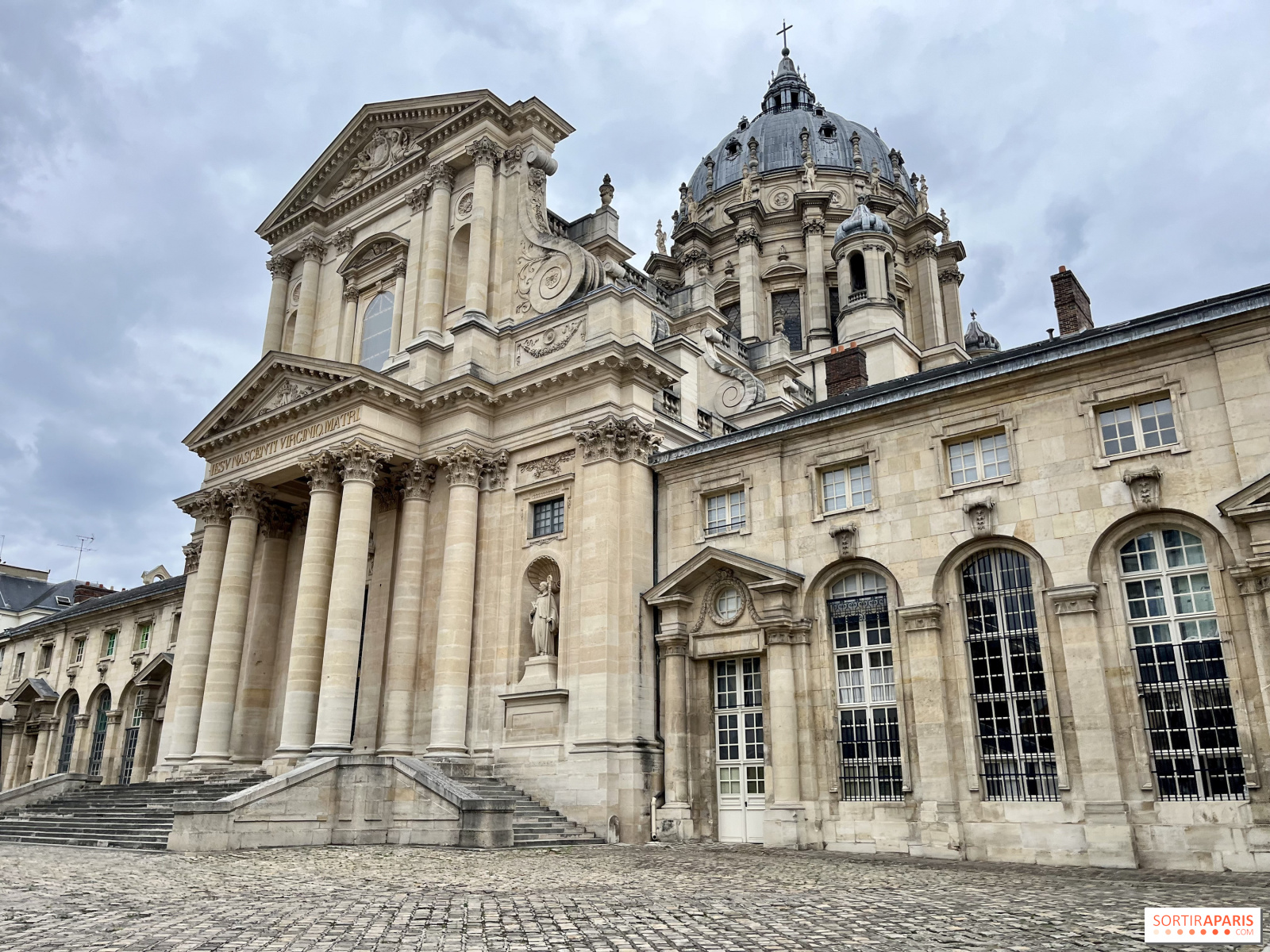
Did you know that the Val-de-Grâce church was built at the request of Queen Anne of Austria, in gratitude for the birth of her son, Louis XIV? A majestic building in the 5th arrondissement, the church can be visited at the same time as the Musée du Service de Santé des Armées. [Read more]
Seine-Saint-Denis (93)
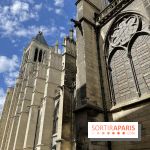
The necropolis of the kings of France, the Basilica of Saint-Denis houses the tomb of Louis XIV alongside those of his ancestors and descendants. Although the edifice predates his reign, the Sun King was instrumental in its preservation and the embellishment of certain decorative elements. This Gothic basilica, Suger's masterpiece, is an important place in France's history, where you can admire the royal recumbents and understand the importance of funeral ceremonies during the Grand Siècle.
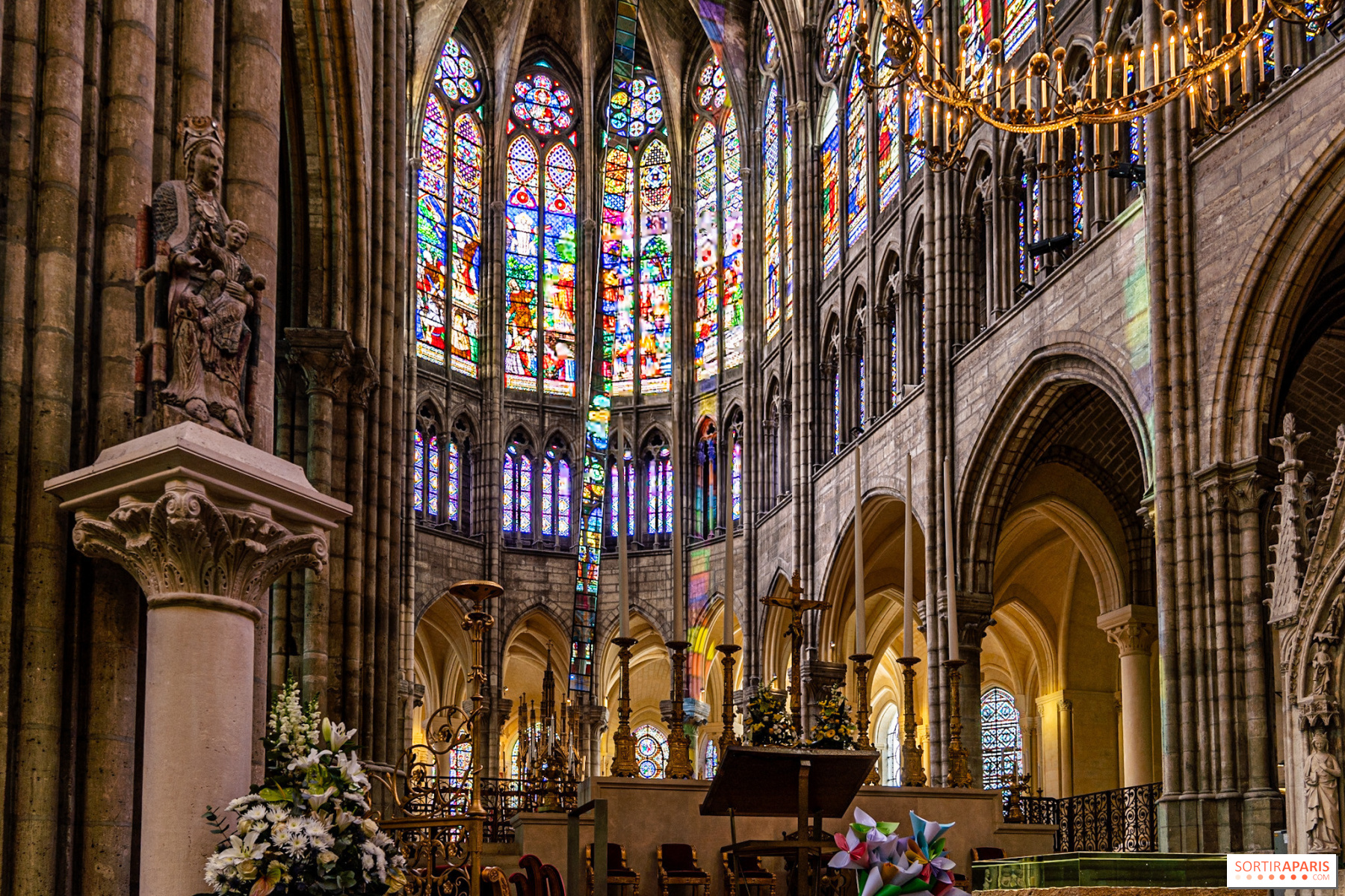
How about (re)discovering the Basilique Saint-Denis? Classified as a historical monument, this religious edifice in Saint-Denis (93) is home to the necropolis of the Kings of France, and is a must-see for history buffs and those curious about the region's heritage. We tell you all about it! [Read more]
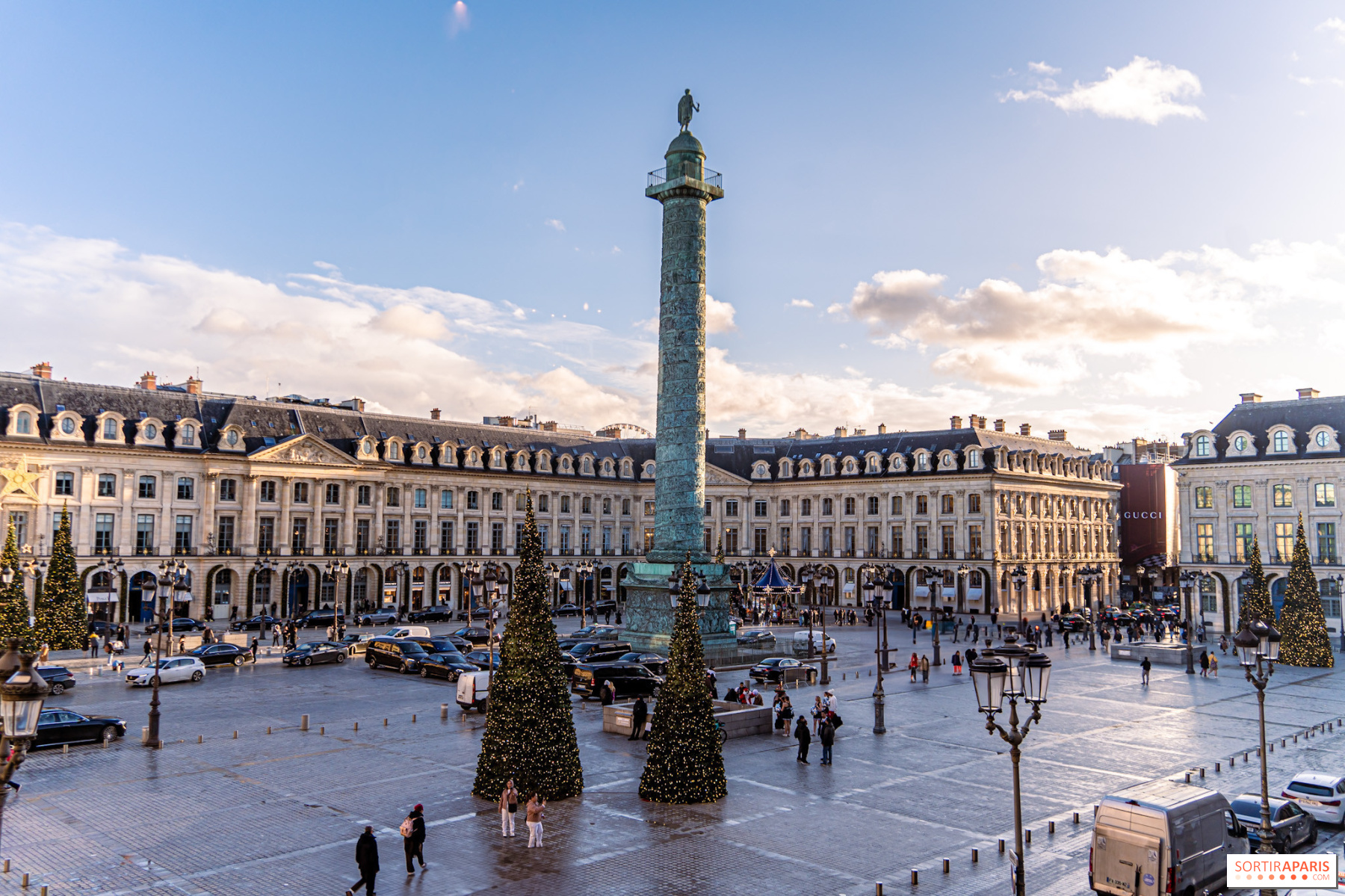
Louis XIV also shaped the urban space of Paris through monumental squares. Commissioned in 1698 and designed by Jules Hardouin-Mansart, Place Vendôme, then known as Place Louis-le-Grand, was intended to symbolize the monarch's glory and authority. At its center stood an equestrian statue of Louis XIV by François Girardon, depicting the king as a Roman emperor. Destroyed during the Revolution, it was replaced in the XIXᵉ century by the Vendôme column.
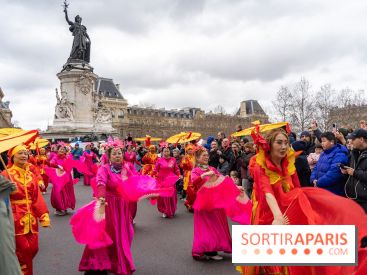
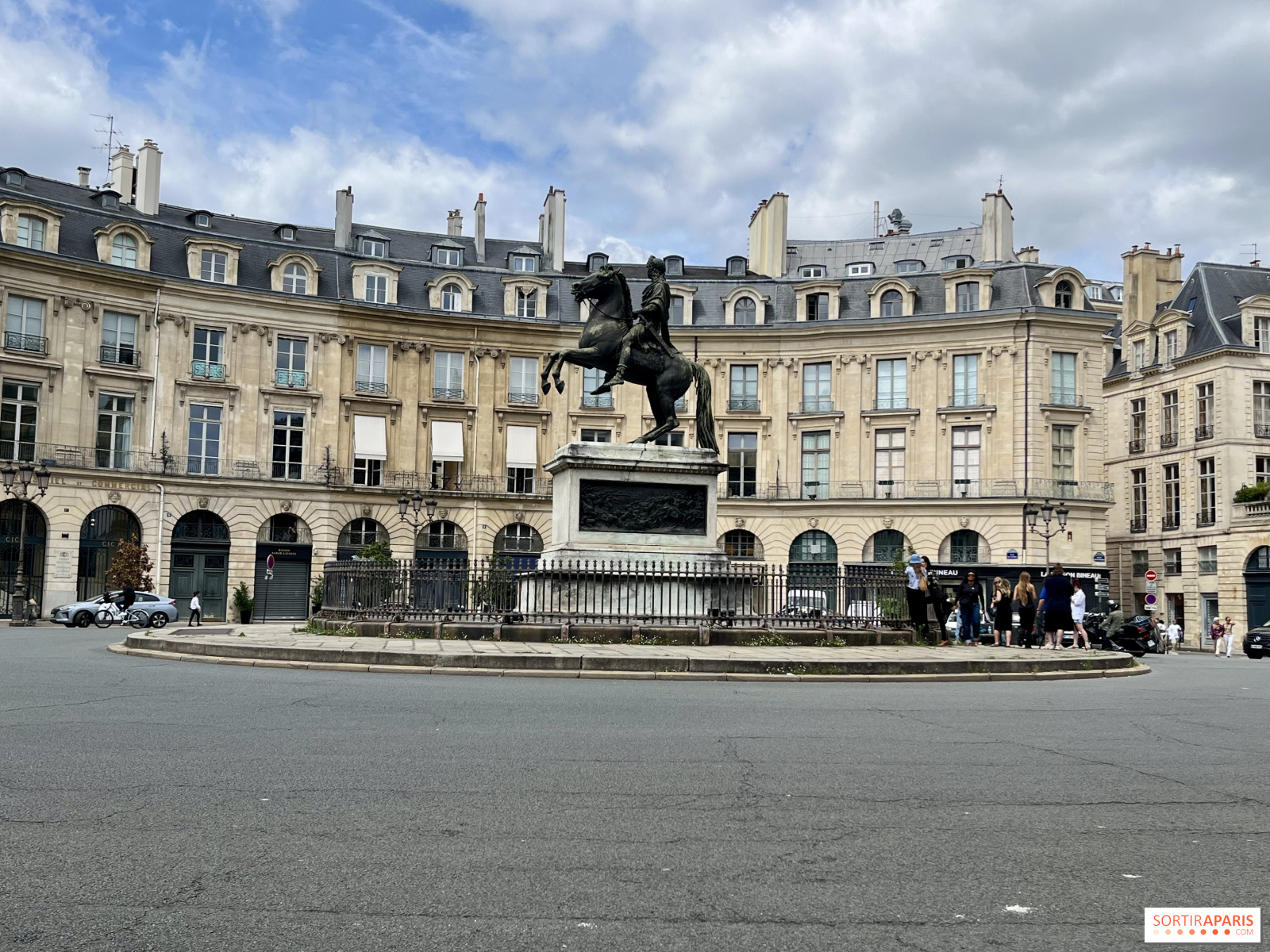
Also designed in 1685 by Hardouin-Mansart, the Place des Victoires was one of the very first royal squares in Paris. It celebrated the military victories of Louis XIV, with at its center an imposing equestrian statue of the king, in Roman armor, sculpted by Martin Desjardins. Destroyed during the Revolution, the current statue dates from the XIXᵉ century, but the square retains the harmonious form and architectural décor intended at the time.
Between the 1st and 7th arrondissements
The only stone bridge built in Paris under Louis XIV, the Pont Royal (1685-1689) linked the Louvre to the Left Bank. It replaced an earlier wooden bridge and was financed in part by the king, who saw it as a means of embellishing the city and facilitating traffic between the districts of power and art.
12th district
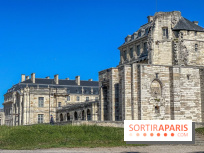
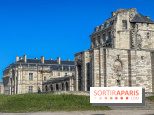
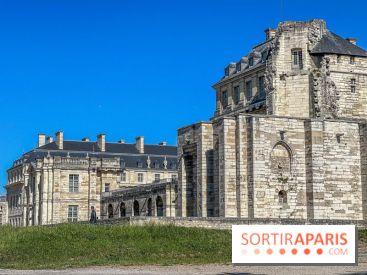
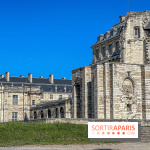
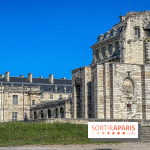
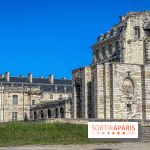
Louis XIV's childhood home, Château de Vincennes boasts the medieval keep and Sainte-Chapelle, as well as the King's Pavilion, built to welcome the young monarch. Even after moving to Versailles, the king continued to stay here for hunting and state business.

Along with the Louvre, the Château de Vincennes is one of the most important castles in French history. It is also one of the largest and best-preserved fortified castles in Europe... [Read more]
1st district
Before Versailles became the absolute center of royal power and the young Louis XIV was shocked by the troubles of the Fronde, he frequently resided at the Palais des Tuileries. Although the palace was destroyed by fire in 1871, the Jardins des Tuileries remain, and today offer a stroll through a setting that the Sun King knew as a child and young man, between pools, symmetrical paths and majestic vistas.

Did you know? The famous Tuileries Gardens once housed a palace. It was the Palais des Tuileries. Remnants of this now defunct royal residence are now scattered around the world. Here's where to find them in Paris. Ready to explore the capital's past? [Read more]



 Halloween 2026 at the Grévin Museum: tours until 9 p.m. during the All Saints’ Day period
From October 26 to 31, 2026, Grévin extends its hours to 9 p.m. A stroll among the wax figures, with Halloween meet-and-greets announced during the holidays. [Read more]
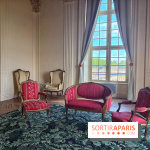
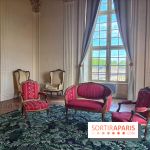 This hotel-restaurant in Saint-Germain-en-Laye hides a secret room—the birthplace of Louis XIV.
A royal cradle tucked away in a hotel-restaurant! In Saint-Germain-en-Laye, the Pavillon Henri IV houses the oratory where Louis XIV was born in 1638. Discover the secrets of this exceptional historic residence and the conditions for visiting its centerpiece. [Read more]
Prices
Free
















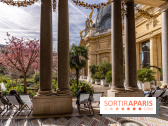



















 A visit to the Château de Versailles and its program


 Hôtel national des Invalides: a landmark in France's military history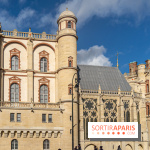
 The Museum of National Archaeology - Château de Saint-Germain-en-Laye


 Visit the royal estate of Marly, the family home of Louis XIV


 Notre-Dame du Val-de-Grâce church, a royal edifice near the hospital in the Latin Quarter


 Saint-Denis Basilica, the necropolis of the Kings of France in Saint-Denis (93), discover its history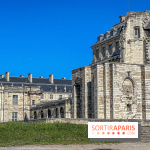
 The Château of Vincennes: A Royal Fortress at the Gates of Paris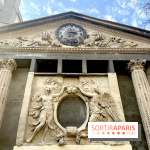
 In the footsteps of vanished monuments: Where can you see the remains of the Tuileries Palace in Paris?