There are buildings we pass by without imagining what they contain. Embassies are among them. Behind their gates and often discreet façades lie places rich in history, rarely accessible to the public. That's the point of the Journées européennes du Patrimoine: for one weekend, they offer a chance to discover addresses typically closed to visitors.
Heritage Days 2026: discover embassies from around the world in Paris
How about a mini trip? During these European Heritage Days, take a world tour by visiting the embassies and consulates that will open their doors to Parisians for free this weekend, September 19–20, 2026. [Read more]
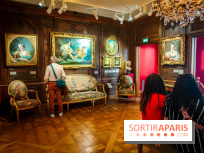
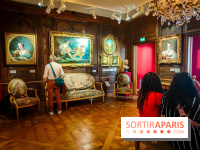
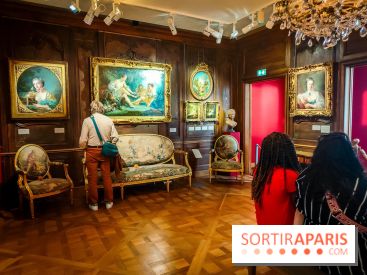
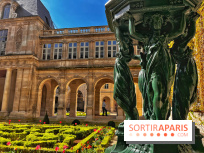
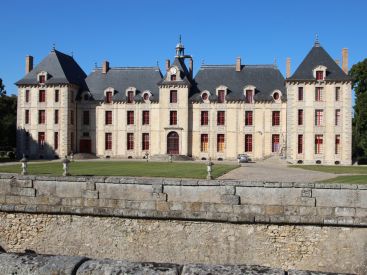
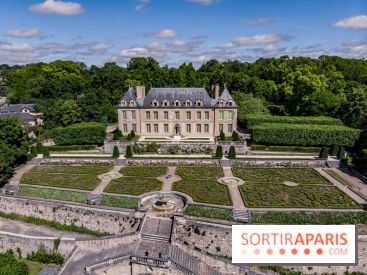
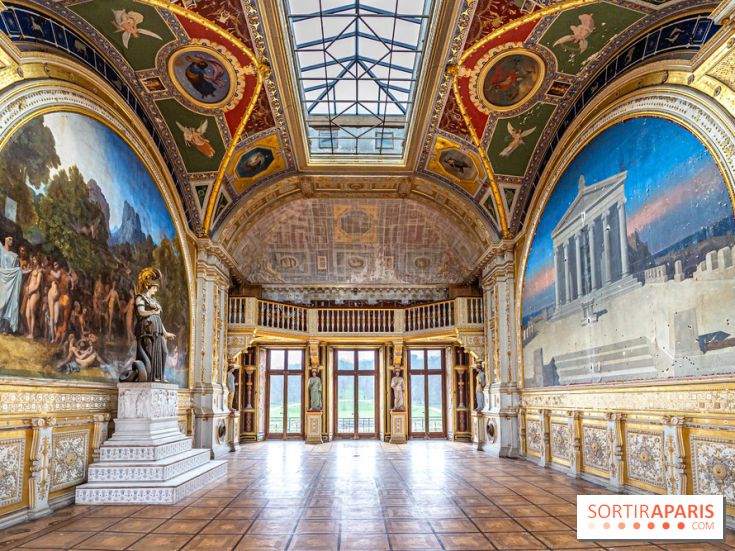
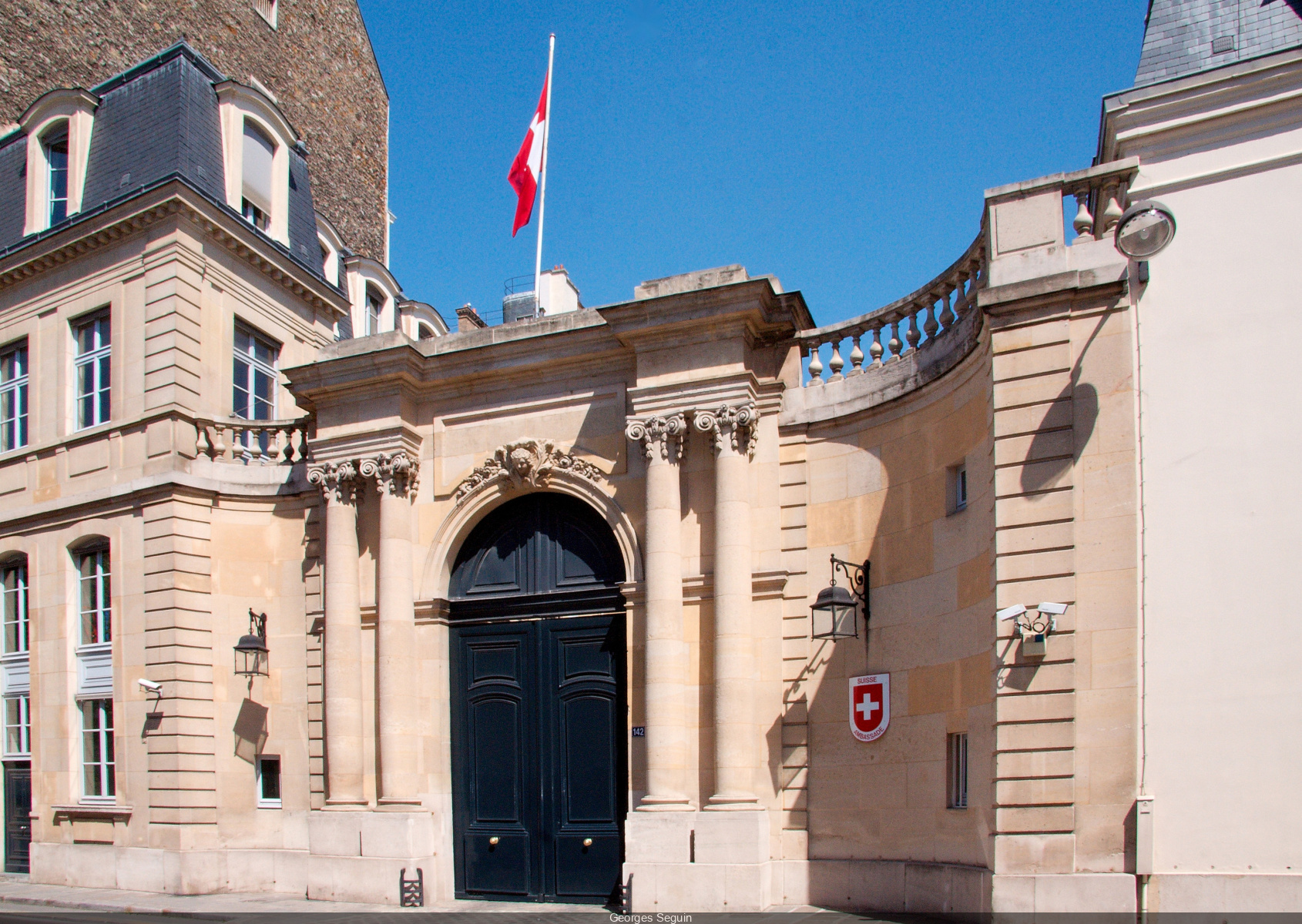
The ambassade de Suisse is one of those places you don't get to explore very often. Tucked along rue de Grenelle, it occupies the Hotel de Besenval, a stunning townhouse built in the 18th century. Its name honors Baron Pierre Victor de Besenval, a Swiss officer who served the King of France and lived here before the Revolution. Centuries later, the building still exudes the charm of Parisian grand homes from its era.
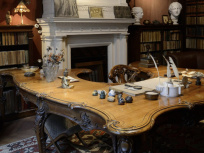
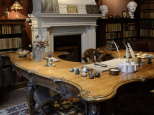
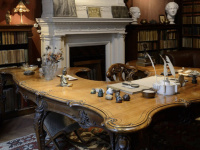
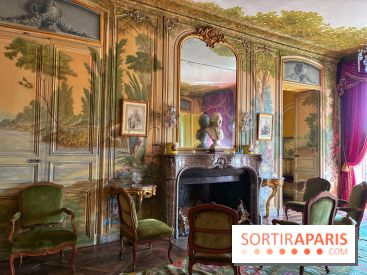
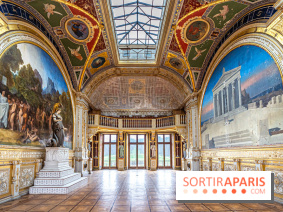
As you step through its doors, you encounter polished salons, period decor, and a garden that stand in contrast to the neighborhood’s bustle. But this place is more than a relic of history. It also serves as the Swiss Embassy in France, where official meetings are arranged, diplomatic exchanges take shape, and a wide array of cultural events strengthens the ties between the two countries.
This exceptional opening offers a new vantage point on an hôtel particulier: that of a historic building that remains very much alive. A tour that blends heritage, architecture and diplomacy, and that reveals a facet of Paris’s embassies that is often little known.
Hôtel de Besenval — Residence of the Swiss Ambassador to France
The current residence of the Swiss Ambassadress began life as a modest ground-floor house, erected in 1704 by the renowned architect Delamair for Abbot Pierre Chanac de Pompadour. In 1767, Baron Pierre-Victor de Besenval, a Swiss nobleman and Lieutenant General of the royal armies, bought the property, enlarging and reconfiguring it. He entrusted the work to the famed architect Brongniart. Besenval died in his hotel in 1791. After housing a succession of tenants, the building was acquired by the Swiss Confederation in 1938. The tapestry, deposited by the National Furniture, depicts the renewal of the Franco-Swiss alliance, celebrated at Notre-Dame Cathedral in Paris on 18 November 1663. This Gobelin weave, produced after 1665 from a drawing by Le Brun, is part of a fourteen-scene sequence illustrating the History of the King. The panel portrays Louis XIV and the ambassadors of the Swiss cantons swearing a mutual oath on the Bible.
Participation requirements: Free | No reservation required
Hours: Saturday, September 19, 2026 — 11:00–17:00
This page may contain AI-assisted elements, more information here.
Dates and Opening Time
From September 19, 2026 to September 20, 2026
Prices
Free




 Heritage Days 2026: discover embassies from around the world in Paris