On Sunday, March 15 and 22, 2026, French citizens will head to the polls to elect new mayors for their cities and towns. By around 8 p.m., you'll find out who will be shaping the daily lives in your area. However, some people have the opportunity to learn the results earlier, during the vote count at the polling stations across the country. Anyone is welcome to observe this process, and here’s what you need to know about this significant event during an election.
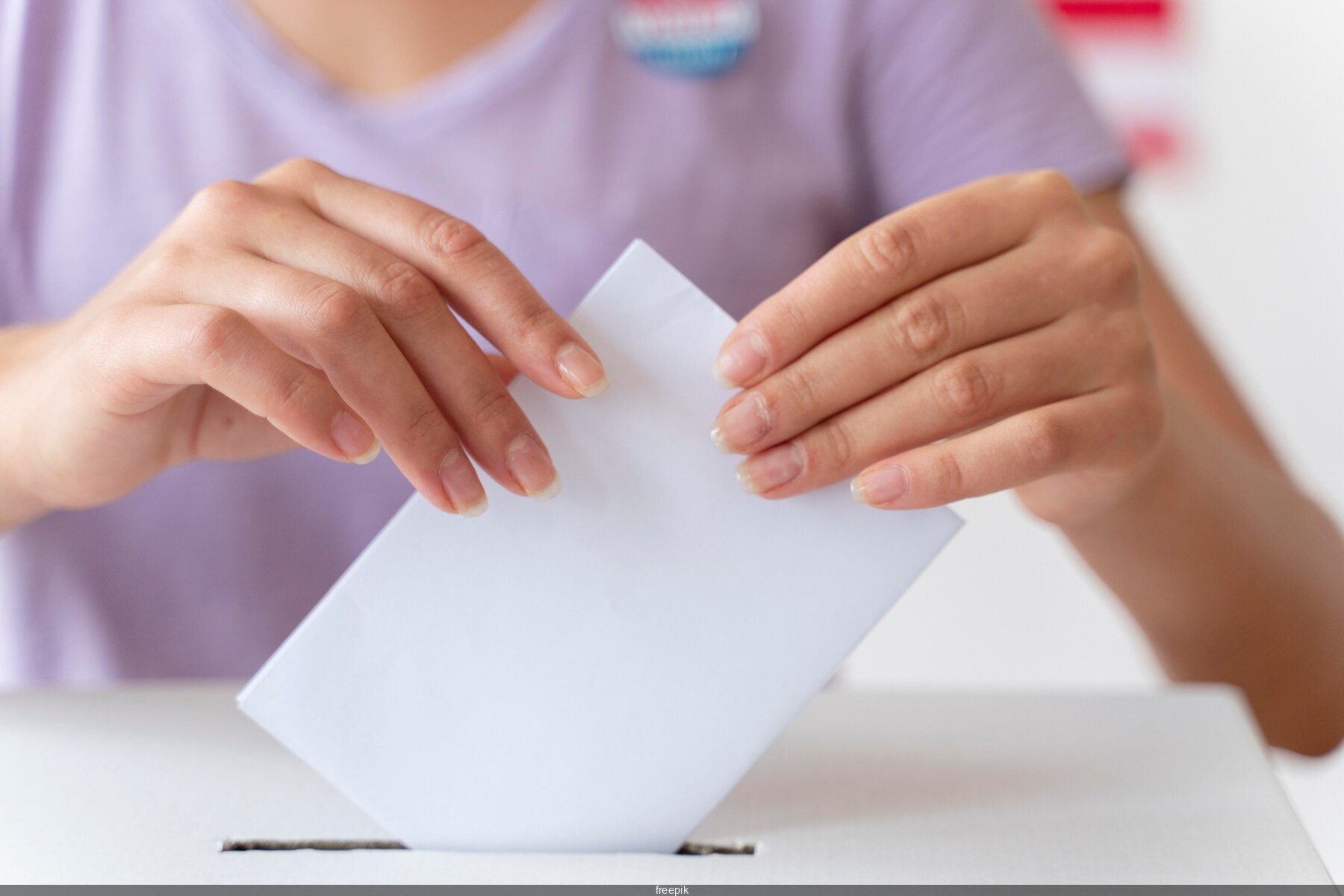
Counting refers to "all the operations carried out in a polling station to count the ballot papers and announce the results of an election". Taking part in the count is therefore a civic act, carried out in public. All voters have the right to attend and take part, as long as they identify themselves to the assessors during or after their vote. They are then called scrutineers and are present alongside the members of the polling station.
The counting rules are strict, to ensure that there is no cheating and that the ballots are counted correctly. This begins with a check on the number of signatures, since the number of signatures must correspond to the number of ballot papers in the ballot box. The envelopes must then be counted and divided into blocks of 100. Finally, the scrutineers open the envelopes in groups of four, and count the votes for each candidate, as well as blank and invalid ballots.