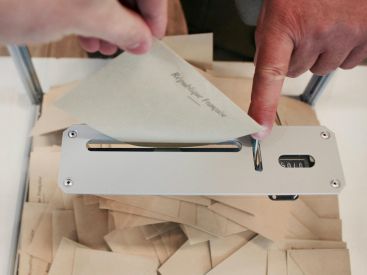
The municipal elections took place in Paris on March 15 and 22, 2026. This year, there was a significant change to the voting system in Paris, stemming from a reform passed by Parliament and validated by the Constitutional Council in August 2025. The law, which updates the electoral framework established by the so-called PLM law of 1982, introduced for the first time in Paris a dual ballot conducted on the same day to elect
In practice, each Parisian voter was now required to cast two ballots at the same polling station: the first to elect the district counselors, who in turn choose the district mayor; the second to elect the Paris City Council members, who sit on the municipal council and participate in electing the Mayor of Paris.
In both cases, the election was conducted as a list system, with gender parity, in two rounds, and organized according to proportional representation with a majority bonus. In the Paris City Council, the leading list was awarded 25% of the seats, with the remaining seats distributed proportionally among those lists surpassing the required threshold. For the arrondissement councils, the majority bonus was set at 50% of the seats.
This new voting system has notably transformed the Parisian electoral process, by clearly distinguishing between the election of district representatives and that of city-wide officials, while also giving voters a more direct influence on the outcome.
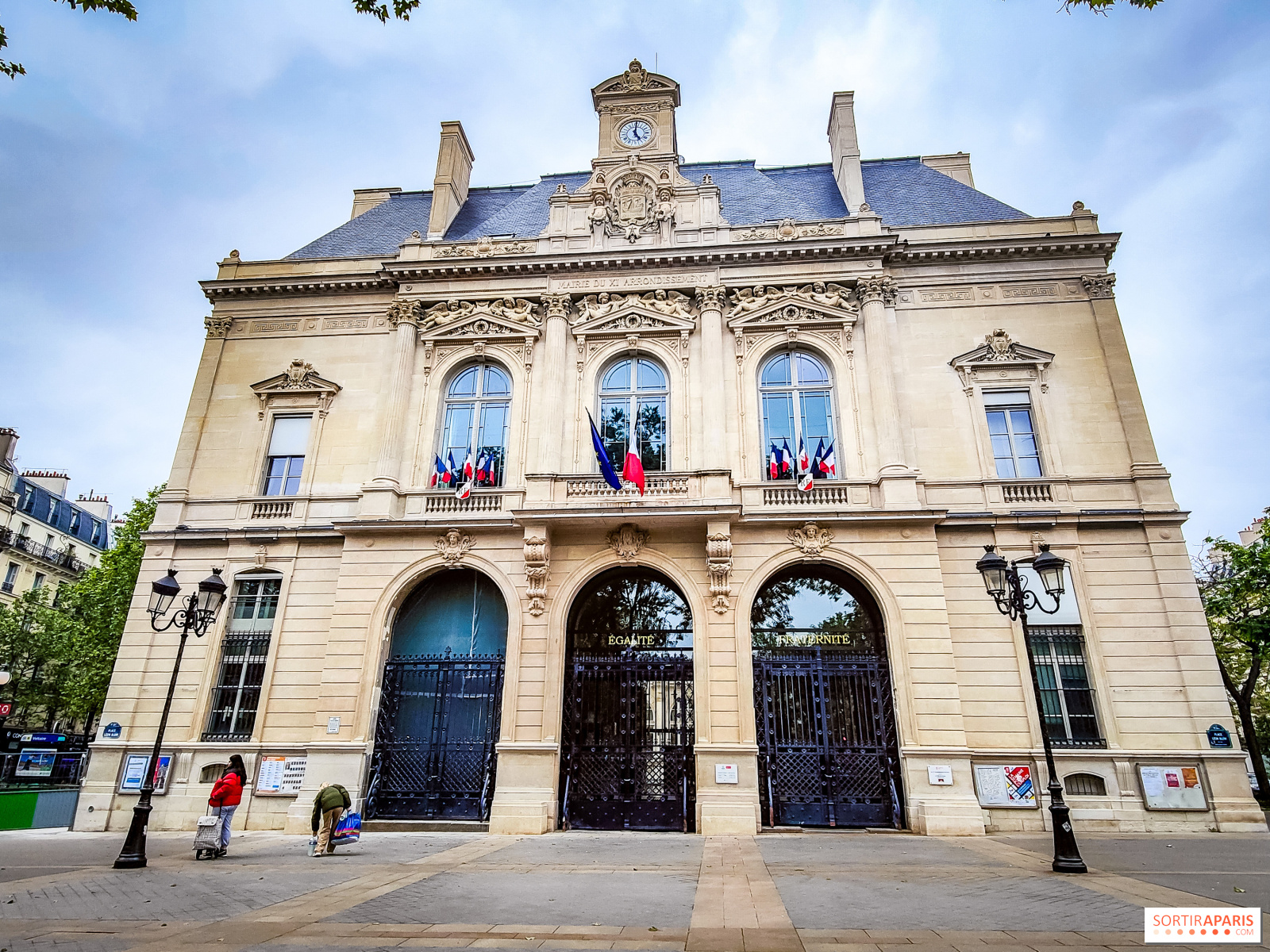
In the 11th arrondissement—as in other districts across Paris—voters have been invited to select local lists offering teams to serve on the district council and to represent Paris.
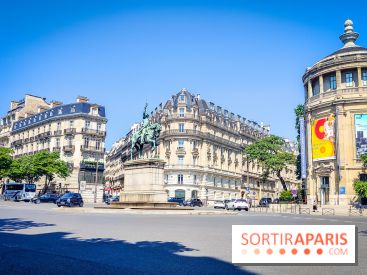
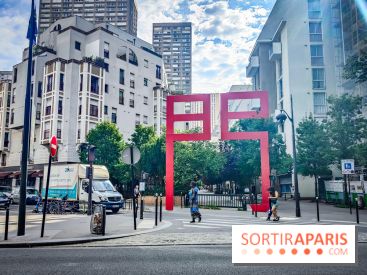
Located on the right bank of the Seine, nestled between the République, Bastille, and Oberkampf, the 11th arrondissement of Paris buzzes with energy. Known for its vibrancy, cultural diversity, and lively atmosphere, it has a rich history rooted in craftsmanship and workshops, particularly in woodworking and metalwork.
Today, it still maintains its vibrant and industrious spirit, but has also become a highly sought-after spot for its cafés and charming independent shops. Visitors can also explore several passageways and courtyards that showcase its industrial past. The neighborhood's population is quite young, with many students, creatives, and entrepreneurs calling it home.
Known for its vibrant nightlife and cultural scene, with numerous concert halls that make it a major hub for the arts, the 11th arrondissement also offers plenty to enjoy during the day. Visitors can explore its bustling neighborhood markets, lively streets, and inviting green spaces. This district perfectly blends working-class history, modern energy, and urban creativity!
In the 11th arrondissement, who will succeed François Vauglin (Socialist Party), the only deputy mayor not seeking re-election? Find out the results below.
Municipal Elections 2026 in Paris: Your FAQs Answered
As the municipal elections rapidly approach, voters are buzzing with questions: when is voting day, how do you arrange for a proxy vote, how are the mayors of Paris and its districts elected, and other practical details — we've got the answers to all your concerns! [Read more]





 Municipal Elections 2026 in Paris: Your FAQs Answered