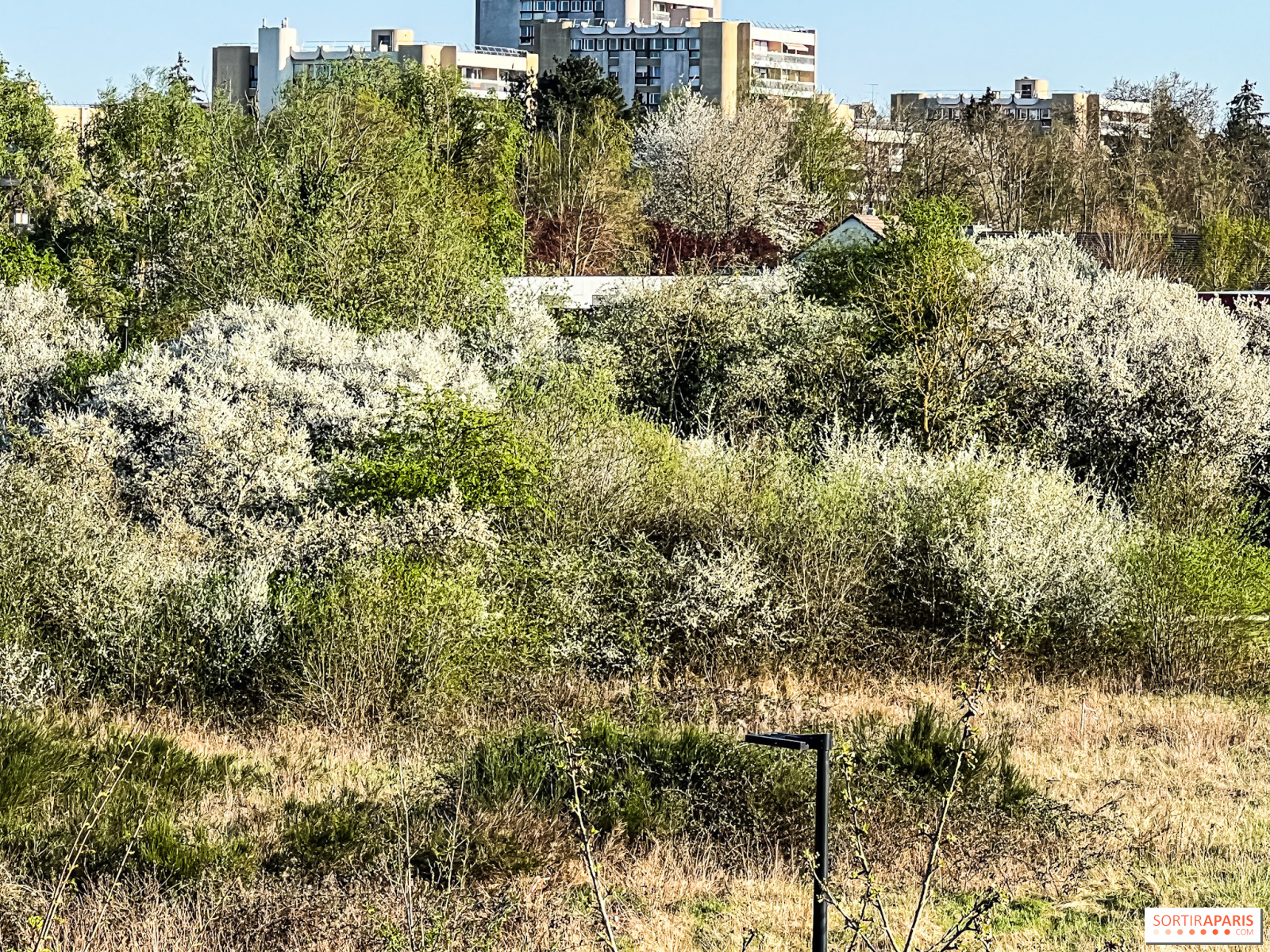
Do you have an itchy nose and sneeze every time you step outside? If you're suffering from a pollen allergy, this is unfortunately normal, given the circulation of these little airborne elements, and it's not over yet, as these blooms will continue throughout April and May. The birch trees will give way to the grasses, which will become stronger at the beginning of May.
pollen
is hitting hard at the start of spring 2026 in Ile-de-France. The Yvelines region, along with much of the Ile-de-France, is now almost entirely under a high risk alert, with significant levels of pollen from grasses,With the return of sunshine and milder temperatures, the 2026 pollen season has arrived earlier than expected. The unusually warm weather in February sped up the blooming of birch trees, which usually flower in April. As a result, the Yvelines now face a high pollen risk across nearly the entire department, and the situation extends to much of Île-de-France. The charme tree, a close relative of the birch, is also experiencing a sharp rise in pollen levels, particularly in Hauts-de-Seine, Yvelines, and Essonne.
Currently, the main culprits are primarily grasses and several tree species: poplar, birch, and oak are the primary sources of allergy symptoms among residents of Île-de-France. Birch pollen is expected to linger in the air until early May, after which grasses will take over until summer. In other words, from Versailles to Mantes-la-Jolie, there's no immediate relief in sight.
What worsens the situation in Île-de-France is the combination of air pollution and pollen. Pollutants like nitrogen dioxide damage the outer shell of pollen grains, making them more allergenic while also weakening the nasal mucous membranes. Pierre Pernault, spokesperson for Airparif, explains it well: pollution attacks the protective coating of pollen, increasing its allergenic potential, and also damages our mucous tissues. Allergist Michaël Adonat adds a striking image: under the influence of pollution, a smooth pollen grain transforms into a spiky ball covered with tiny pointed structures, which can penetrate the respiratory mucosa more easily. Breathing in pollen in the city therefore doesn't have quite the same effect as in the countryside.
Good news for allergy sufferers: it is now possible to predict pollen peaks even before symptoms appear. Airparif releases every morning an interactive pollen index map that covers each municipality, showing forecasts for today, tomorrow, and the day after. The tool relies on European models such as Copernicus and employs machine learning systems. Pierre Pernault emphasizes the value of this resource: by predicting pollen surges in advance, people can take medication beforehand, which helps reduce the severity of allergic reactions. The pollen index tracks six particularly allergenic species: alder, birch, grasses, mugwort, ragweed, and olive trees. Additionally, the Pollin'Air app offers personalized alerts 48 hours in advance based on your location.
Finding a allergist in Île-de-France can sometimes feel like an uphill battle. France is currently facing a shortage of specialists, partly due to the late recognition of the field, which was only officially acknowledged in 2018. While waiting for an appointment, visiting your general practitioner is a helpful first step. Allergist Michaël Adonat emphasizes that treatment should begin as soon as pollen appears and be continued consistently until the season ends — not just during flare-ups. For those with severe allergies, desensitization remains the most effective long-term solution, although it requires a commitment of several years to achieve lasting changes in the immune response.
In case of allergy, remember to follow the recommendations of Sante Publique France and the French Ministry of Health.
Stay strong, especially for those allergic to pollen. Remember to check the latest pollen forecast to stay informed and take appropriate precautions. If you experience a severe reaction, seek medical attention. During this season, it's best to avoid outdoor activities and protect yourself. To monitor real-time pollen levels in your area, visit the Airparif pollen map, updated every morning.
Official website
www.atmo-france.org