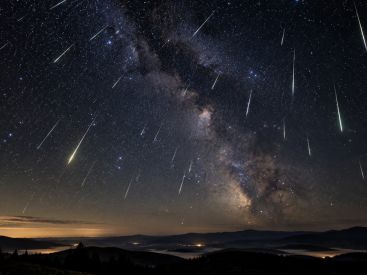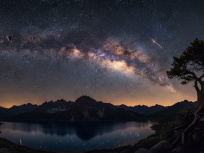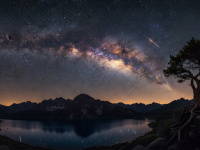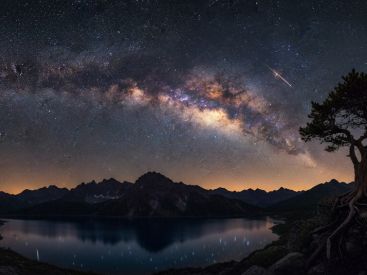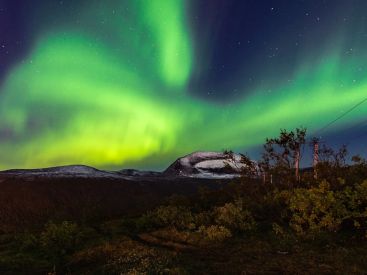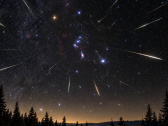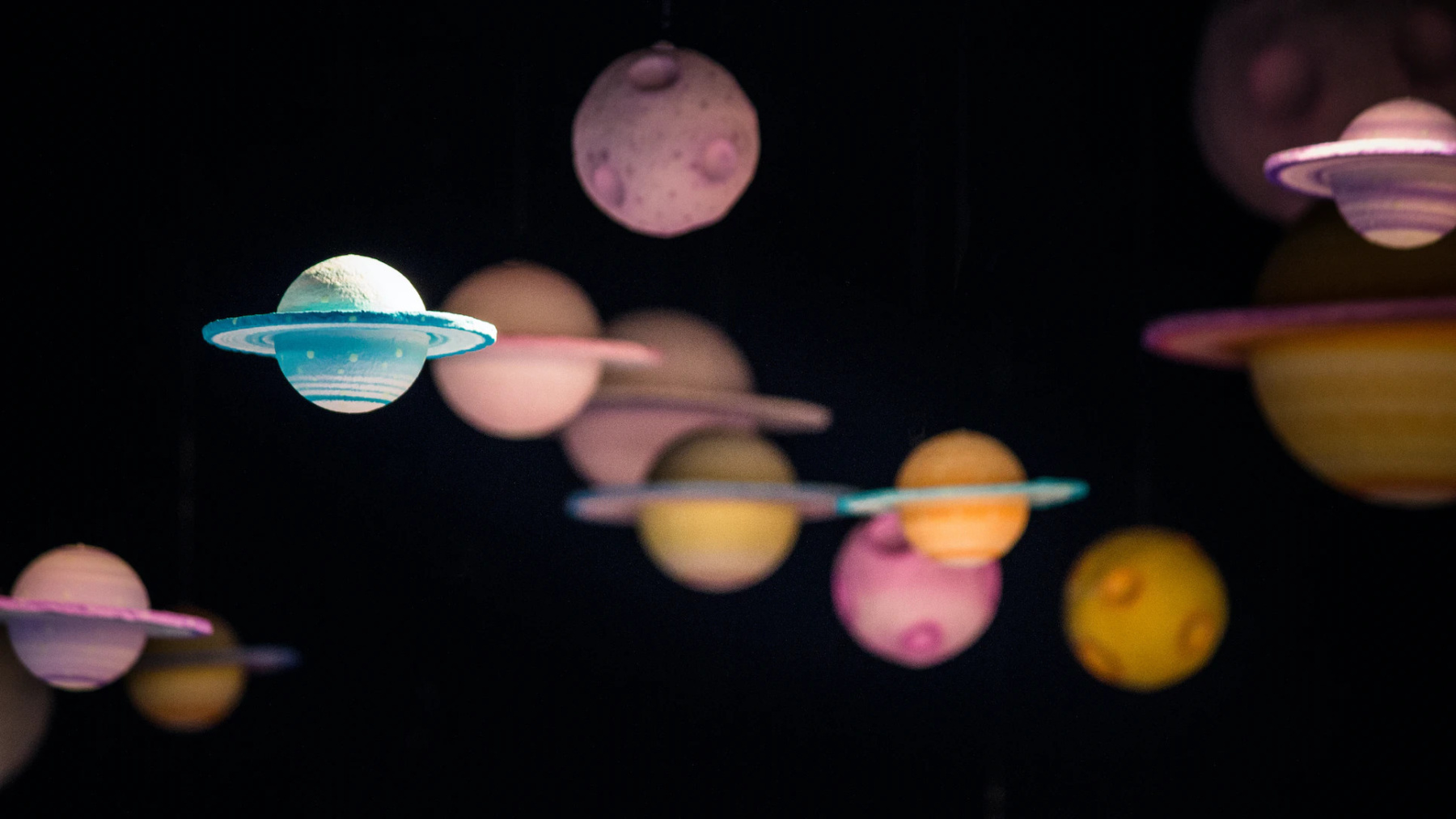
After the aurora borealis at our latitudes, the year 2025 should also bring us some nice surprises, with three eclipses, some superb shooting stars and also a rare alignment of major planets on January 21. Six planets will be grouped together,four of themclearly visible to the naked eye, allowing us to observe them for a few days: Venus, Mars, Jupiter, Saturn, Uranus and Neptune with an instrument.
Such a planetary grouping is not common, as the orbital cycles of the planets in our system are different, with Jupiter taking 12 years to orbit the Sun and Mercury 88 days. In reality, they're not really aligned from our point of view and will be a little scattered in an almost straight line, but they all orbit on a flat plane, which is why they're called aligned.
While it's common to see three planets aligned, it's much rarer to see five, six or seven. And with a little patience, on February 28, Mercury will also be added to the alignment! To observe them correctly, move away from city lights with a clear horizon, justbefore sunrise, and bring binoculars or a small telescope, because while Venus and Jupiter are clearly visible to the naked eye, others are a little less bright in the sky, such as Uranus and Neptune.
The StarWalk and Skyview applications are particularly useful for pinpointing them from your position. You'll be able to contemplate the stars and the universe, and take a family photo of the solar system if the weather decides to get a little more open this winter!
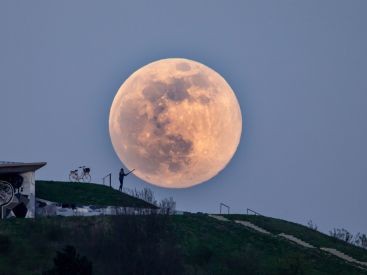
Supermoon, shooting stars, eclipse: what you can't miss in the sky in 2026
Discover all the must-see celestial events of 2026. From supermoons and shooting stars to eclipses, the world of astronomy is set to offer us a year full of surprises and breathtaking spectacles. [Read more]
Dates and Opening Time
From January 21, 2025 to February 28, 2025




































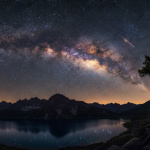
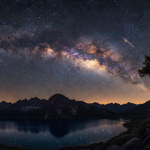
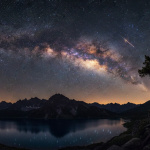
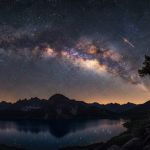 Supermoon, shooting stars, eclipse: what you can't miss in the sky in 2026