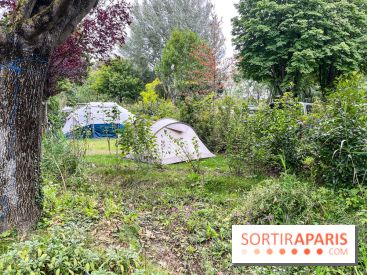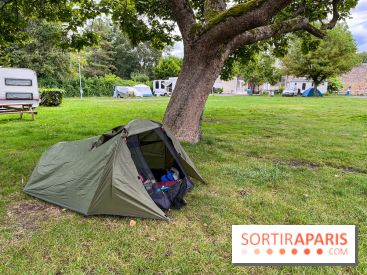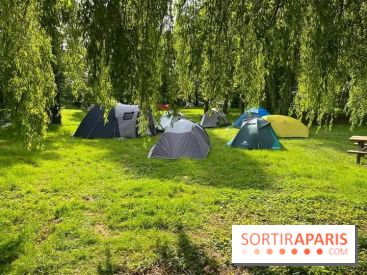
You've got a weekend hiking trip coming up and you're not sure whether you're allowed to camp in the wild? Let's take a look at the regulations in force in the Île-de-France region.
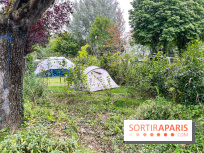
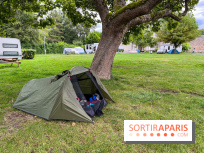
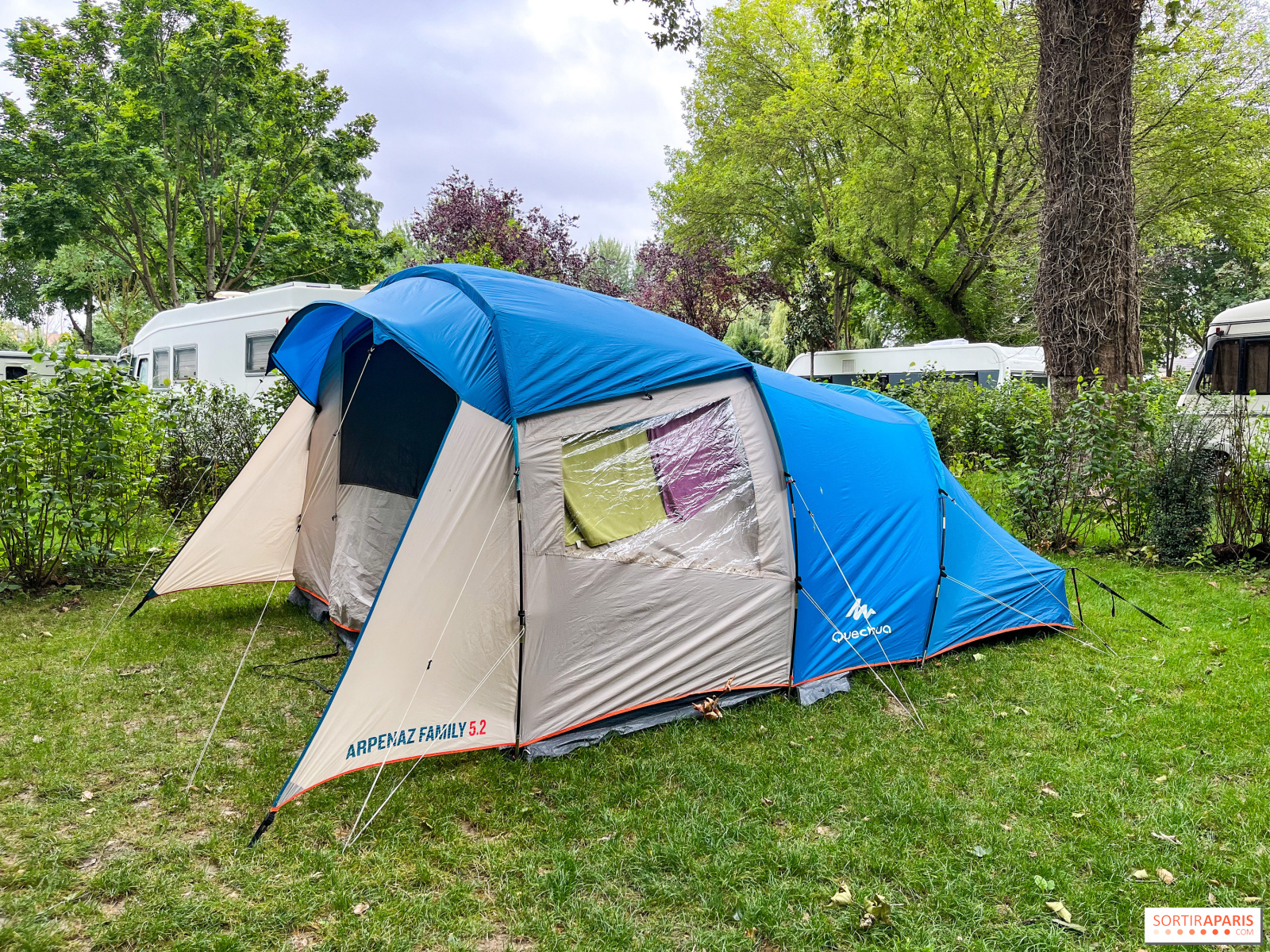
First of all, a point about the difference between bivouac and wilderness camping: where bivouac is for a single night, just long enough to pitch your tent (or sleep under the stars) before setting off again, wilderness camping can be carried out over several days, notably with more extensive logistics, for example with a car, camper van or other motorized vehicle.
According to French legislation (article R111-32), "camping is freely practised outside the right-of-way of roads and public thoroughfares". In itself, therefore, camping is authorized everywhere. However, a series of prohibitions define more precisely the places that are not accessible for wild camping: nature reserves (woods, forests, parks), seashores, public roads and highways, if you are less than 200 meters from a watering place, or less than 500 meters from a historic monument, according to Le Camping Sauvage.fr.
The only exception is national and regional parks, each of which is free to apply its own camping regulations.
Regulations in the various regional parks in the Paris region (according to Camping Sauvage.fr) :
- Haute-Vallée de Chevreuse Regional Nature Park
To find out more about the regulations in force, please contact the relevant commune in the park.
- Parc naturel régional du Vexin Français
Wild camping and bivouacs are prohibited.
- Gâtinais Français Regional Nature Park
Wild camping and bivouacs are subject to the same regulations as in the rest of France.