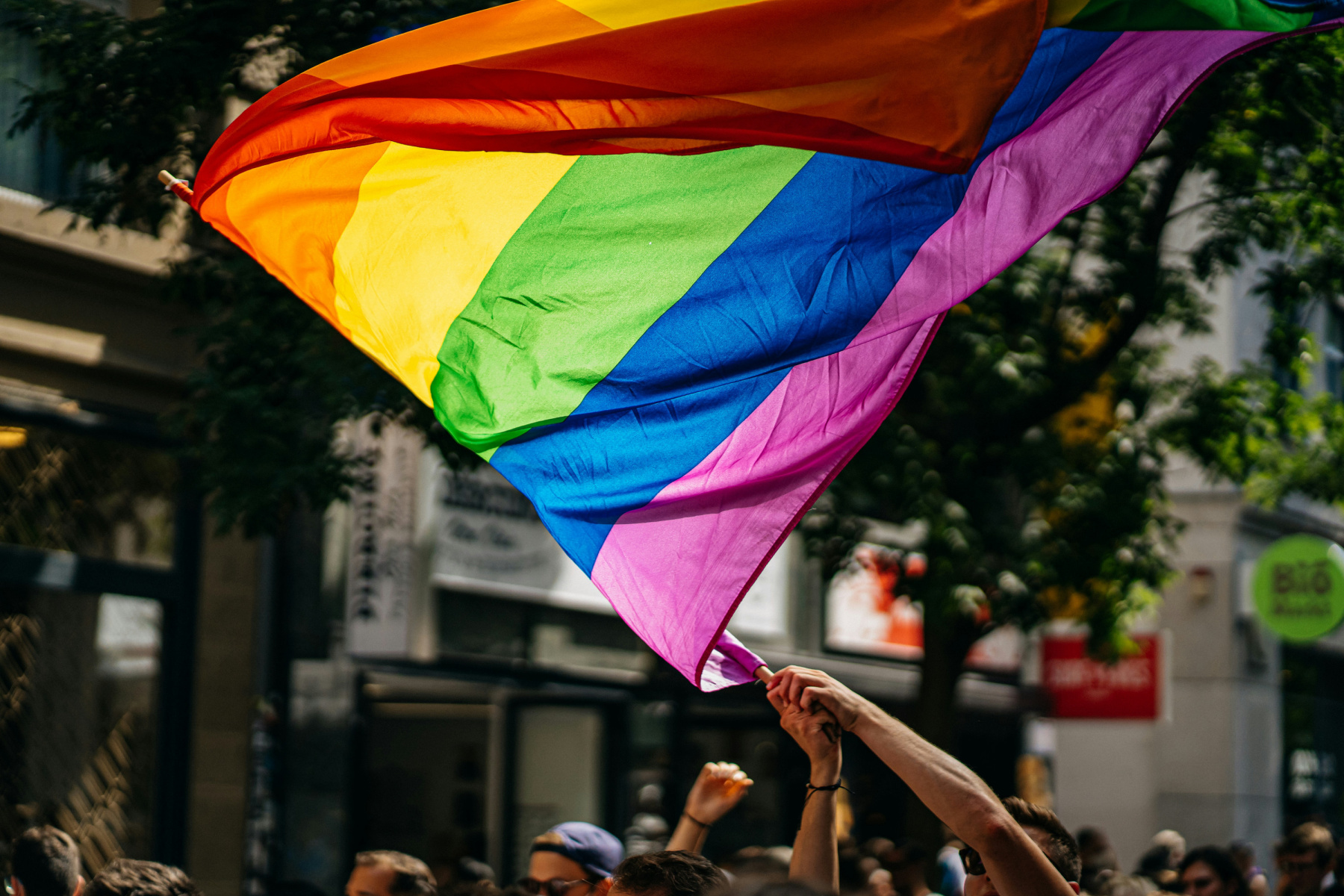
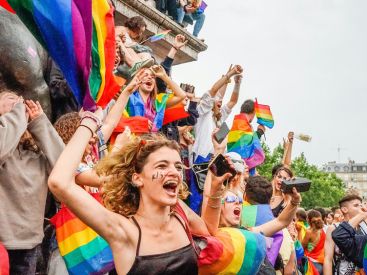
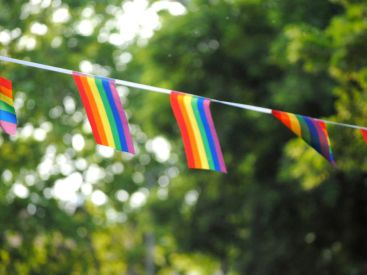
A universal symbol of diversity and pride, the rainbow flag is now inseparable from LGBTQIA+ struggles. But where does it come from, why a rainbow, and what do its colors mean? Let's delve into the history of this colorful flag. The rainbow flag, designed in 1978 by Gilbert Baker, has become the global symbol of the LGBTQIA+ community. Inspired by human diversity, it has evolved over time to include all gender identities and sexual orientations.
The idea of using a rainbow as a symbol of the LGBTQIA+ community was born out of a desire to represent diversity and inclusion. Gilbert Baker, an American artist and activist, was commissioned by Harvey Milk, San Francisco's first openly gay elected official, to create a symbol of pride for the community. Baker chose therainbow for its ability to reflect the diversity of human experience and of gender and sexual identities.
The original 1978 flag featured eight stripes, each with a specific meaning:
Pink: sexuality
Red: life
Orange: healing
Yellow: sunlight
Green: nature
Turquoise: magic/art
Indigo: serenity
Violet: spirit
However, production constraints led to the deletion of pink and turquoise, resulting in the six-stripe version we know today:
Red: life
Orange: healing
Yellow: sunlight
Green: nature
Blue: serenity
Violet: spirit
Each color represents an essential aspect of the human experience and of the LGBTQIA+ community.
Over the years, the rainbow flag has evolved to reflect the growing diversity of the LGBTQIA+ community. In 2017, the "Philadelphia Pride Flag" added black and brown stripes to represent people of color. In 2018, Daniel Quasar's "Progress Pride Flag" incorporated white, pink and blue stripes for transgender people, as well as a yellow triangle with a purple circle for intersex people.
These developments underline the community's commitment to recognizing and celebrating all identities, with a focus on inclusivity and representation.
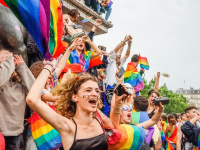
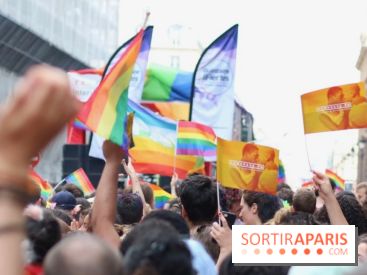
Today, the rainbow flag is a global symbol of LGBTQIA+ pride. It is displayed at pride marches, on public and private buildings, and in digital spaces. It represents not only diversity and inclusion, but also the ongoing struggle for the rights and recognition of all LGBTQIA+ people. As such, it's a living symbol of the human diversity, pride and resilience of the LGBTQIA+ community.
This page may contain AI-assisted elements, more information here.