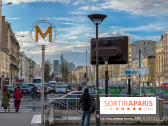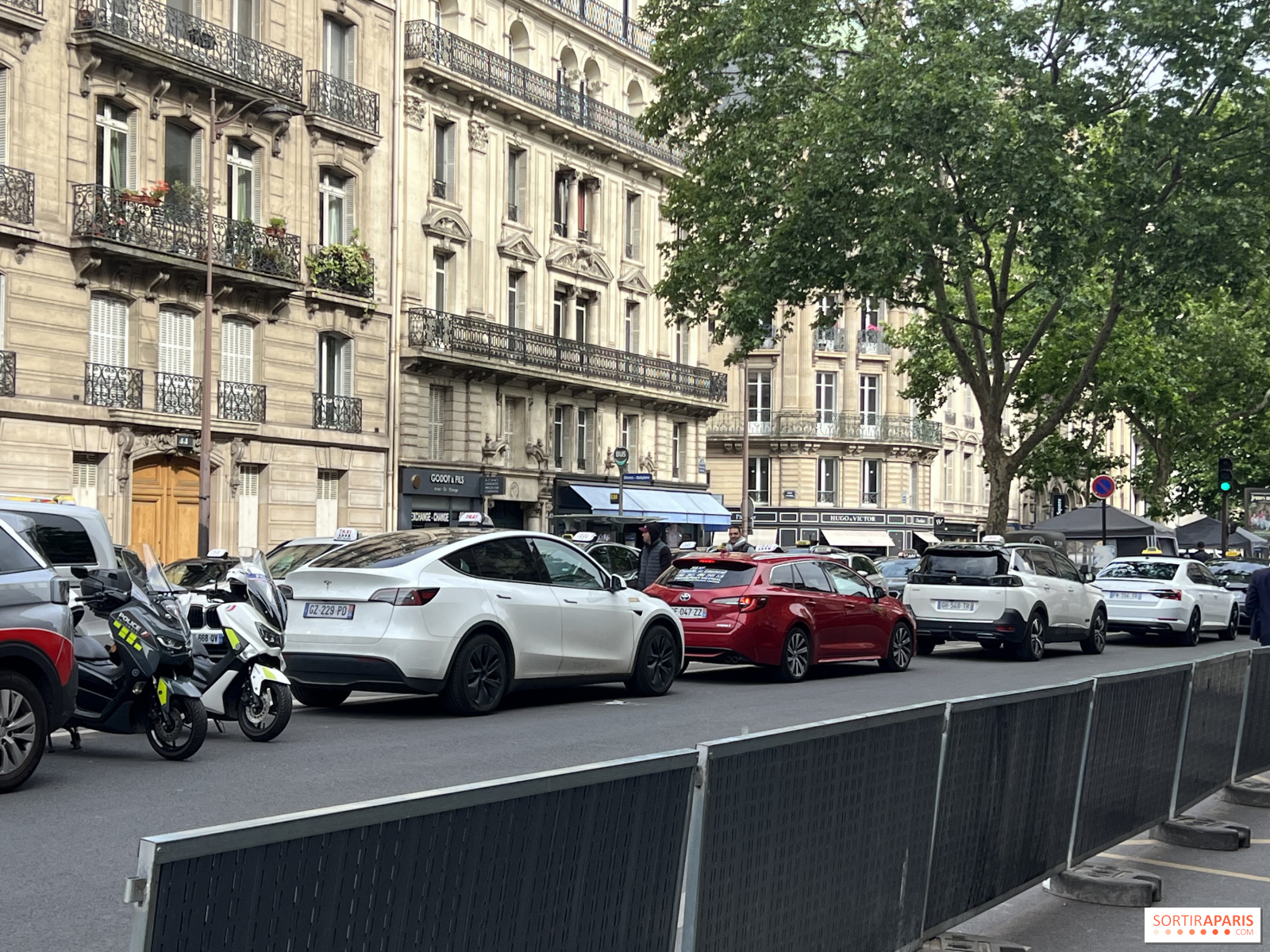
The City of Paris announced on Thursday the postponement of the repressive phase of the limited traffic zone(ZTL) in the Paris hypercentre. Whereas fines were due to start in September 2025, the municipality is extending the educational phase until 2026, enabling motorists to avoid fines for over a year yet. This decision applies to the first four arrondissements of the capital, where through-traffic is now prohibited.
Implemented on November 5, 2024, Paris' ZTL already prohibited the passage of motorized vehicles in the hypercentre without a valid reason. Initially, the mayor's office had planned a six-month training period, until May 2025, before beginning to issue fines. This timeline has already been modified several times, with successive postponements testifying to the complexity of implementing the scheme.
According to the municipality, this extension is intended to"enable all users to take full account of this new system". The first months of experimentation have shown encouraging results, with an 8% drop in traffic in the ZTL, which covers the 1st, 2nd, 3rd and 4th arrondissements of Paris.
The municipal opposition, grouped together in the Changer Paris collective, denounced the decision. In response, the group describes the system as a "Kafkaesque gas factory" that would be "unworkable". This criticism underlines the technical and logistical difficulties encountered in setting up an effective control system.
The limited traffic zone covers around 131 kilometers of lanes in central Paris. The scheme bans through traffic from motor vehicles 24/7. In concrete terms, driving through the zone without stopping is no longer permitted, forcing motorists to bypass the area.
The following are still authorized to circulate in the ZTL:
It should be noted that electric and hybrid vehicles are subject to the same restrictions as combustion vehicles, unlike the low-emission zone (ZFE), which distinguishes between different types of engine.
Once the repressive phase has begun, motorists driving without authorization will be liable to a fourth-class fine of 135 euros. This fine can be reduced to 90 euros for prompt payment, or increased to 375 euros for late payment.
Checks will probably be carried out using automatic number plate recognition (ANPR) systems to monitor compliance with the rules in real time. Paris municipal police officers will also be mobilized to support implementation.
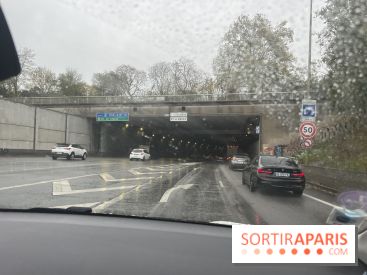
Limited traffic zone" signs are deployed around the zone, accompanied by "Restricted access lanes" and "Except authorized vehicles" indications, on a white background circled in red. This specific signage enables motorists to clearly identify the areas concerned by the restriction.
The Paris ZTL is part of a wider European initiative. According to the Agence de la transition écologique, 238 ZTLs were in operation in eight European countries in 2019. In France, they have been multiplying since the first in Nantes in 2012, followed by Grenoble, Rennes, Paris and Lyon.
This postponement until 2026 gives motorists in the Paris region extra time to adapt to the new regulations, which will transform traffic patterns in the historic heart of the capital for good. The authorities hope that this extended educational period will enable drivers to better assimilate the new rules before the sanctions come into force.
Recommended age
For all