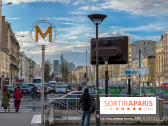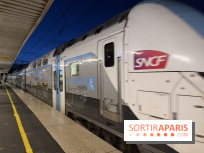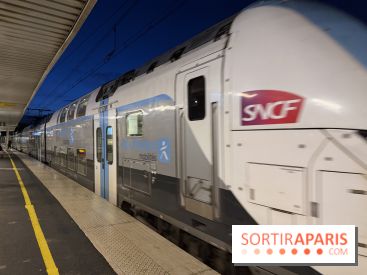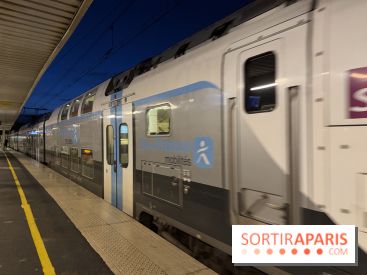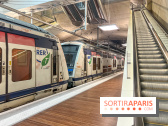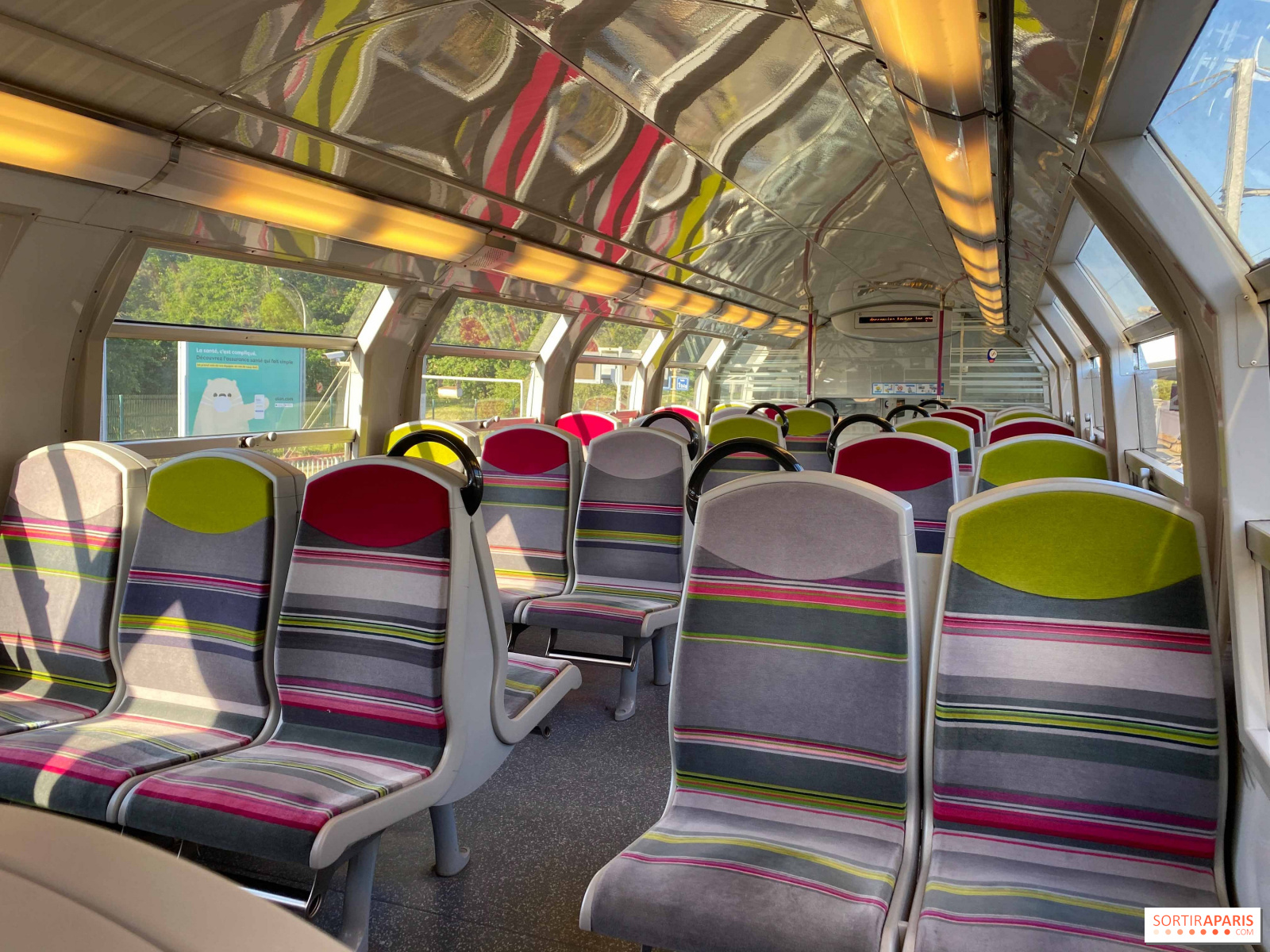
Since 2005, a distinctive and iconic sound has been accompanying our daily journeys through the Île-de-France transit system. This reinvented little jingle, the audio signature of the RATP for over 20 years, is used for station announcements as well as in buses. Meanwhile, the SNCF opted for a four-note jingle, voiced by a female narrator, to add a consistent auditory identity to all the group's communications.
However, there's a catch—by 2026, these iconic jingles will be replaced. This announcement came from Île-de-France Mobilités (IDFM), which revealed the new audio branding for the Île-de-France transport network on January 14, 2026. Described as a "simple, adaptable jingle designed to stand the test of time," this new sound identity will gradually be rolled out across the regional transport system over the course of this year.
To create this new jingle, Île-de-France Mobilités, along with RATP and SNCF Transilien, partnered with Chez Jean, a sound production company founded in 1996 by Jean Dindinaud. Working with Arnaud Biscay, the composer, they crafted a six-note, three-beat signature that blends percussion, piano, marimba, and vibraphone into a fresh, memorable sound.
So, what's the reason behind changing the sounds of public transportation? According to Île-de-France Mobilités, it all comes down to harmonization and simplification. The new sound jingle will be the same across buses, trams, metro lines, and trains to create an "integrated network." As IDFM explains, each operator (RATP or SNCF Transilien) previously used its own unique sound identity. This meant that the audio cues varied depending on the line, station, or mode of transport. "Having a single sound for the entire network makes the travel experience more straightforward," IDFM states.
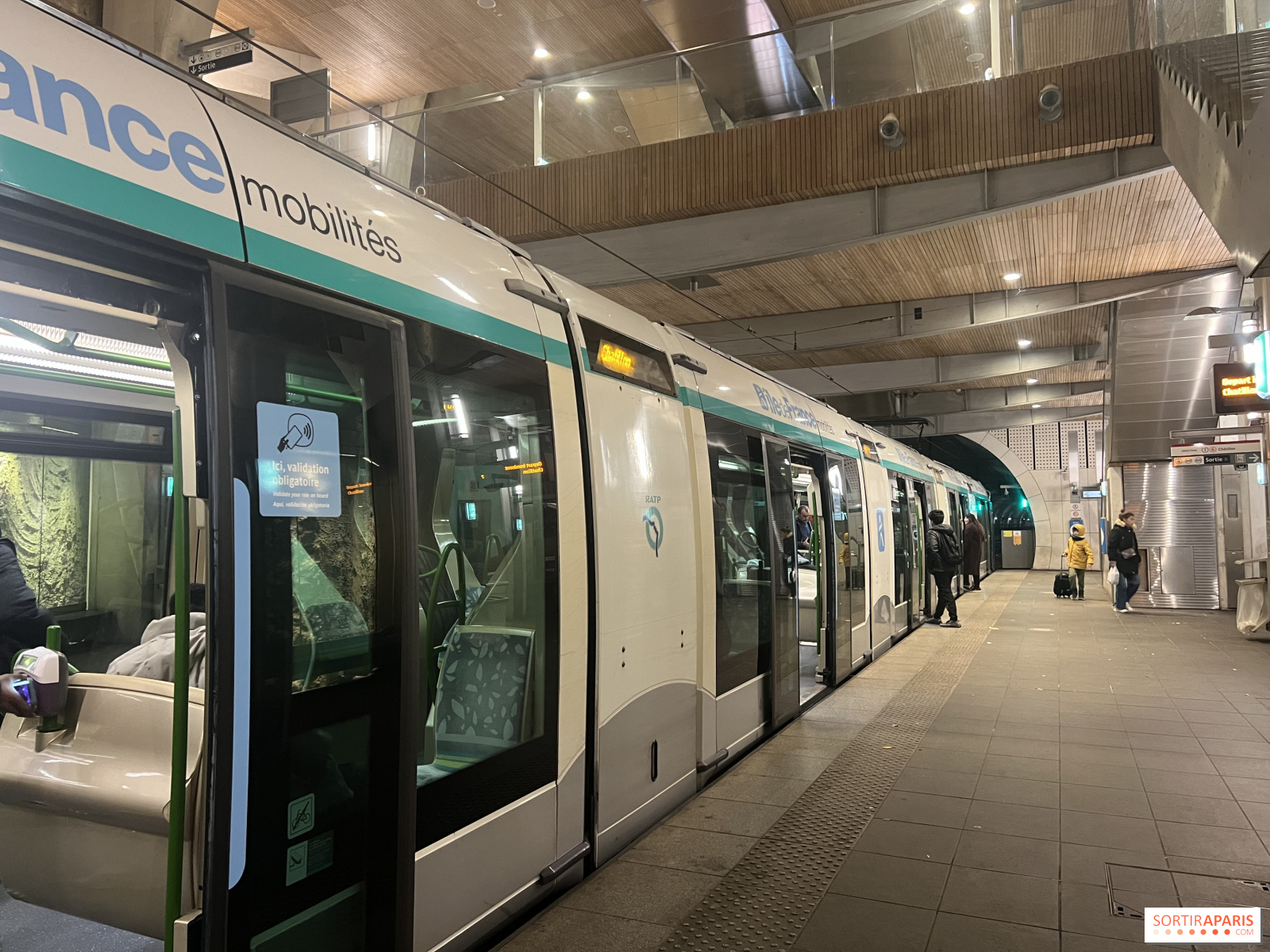
So, what’s the reason behind changing the sound jingle in 2026? This year will see the launch of Line 18, the first of four new metro lines for the Grand Paris Express. "With this new unique sound identity, which will be played across all Île-de-France transportation modes — metro, train, bus, tram, RER, and even the brand-new cable car C1 — Île-de-France Mobilités aims to fulfill its primary goal: to offer travelers a simple, clear, and consistent travel experience throughout the entire network", explains IDFM.
According to Île-de-France Mobilités, this new audio signature will be gradually rolled out across public transportation in Île-de-France in the coming months. "You will hear it first here, then here, along various lines and stations, until it becomes a common feature throughout the entire Île-de-France Mobilités network," the organization clarified.
Official website
www.iledefrance-mobilites.fr