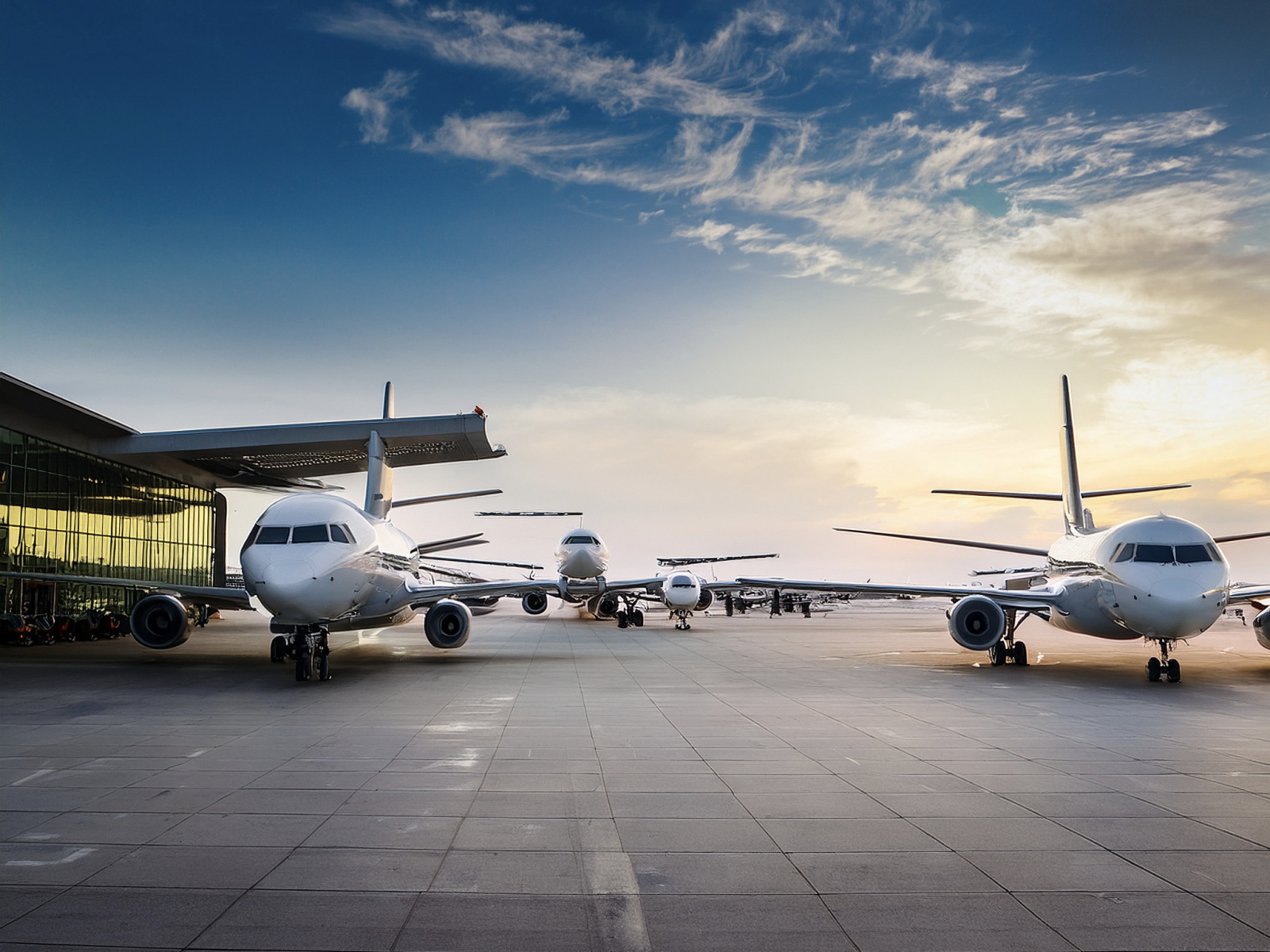
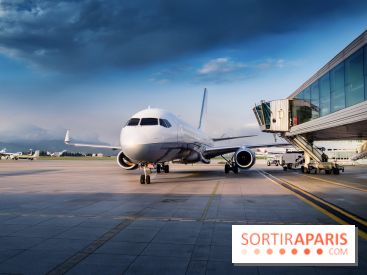
Transavia set the ball rolling, but it may not be the last to follow. Since the Straits of Hormuz were blocked by Iran in late February 2026, European airlines are facing an increasingly tough equation: flying is costing far more, and some routes are simply no longer profitable to operate. If the crisis stretches beyond spring, flight cancellations could pile up and affect many more travelers departing from Île-de-France airports such as Paris-Orly or Roissy Charles-de-Gaulle.
The problem stems from a particularly ill-timed calendar. Europe's peak air travel usually kicks off in mid-May, with long weekends and the first wave of holidays. It’s exactly the moment when kerosene reserves are likely to hit their lowest levels. In other words, demand will surge just as supply becomes most fragile. Willie Walsh, head of the IATA, warned that massive cancellations could strike Europe by the end of May if the crisis endures.
The chiefs executives of Air France-KLM and Ryanair have both publicly warned of sizeable disruptions starting in May 2026. The tone is unusual: airline leaders normally steer clear of alarmist language to avoid alarming passengers. When they speak openly like this, it signals the situation is genuinely troubling.
The routes most at risk starting from France are first the seasonal, low-cost services: Volotea, Transavia, and certain recently launched easyJet routes would be the first to be sacrificed if costs become unsustainable. The long-haul flights via Gulf hubs (Dubai, Doha, Abu Dhabi) are also vulnerable, with uncertain local kerosene supplies.
Worrying sign of fuel stock tensions: at Liège airport, two Boeing 767 freighters were diverted to Brussels-Charleroi mid-March due to insufficient jet fuel reserves. While still isolated, such incidents could become more common if stock levels keep falling. According to the International Energy Agency (IEA), several European countries now have less than twenty days of jet fuel cover. If this drops below 23 days, physical shortages could appear at some airports, triggering a cascade of flight cancellations.
The hedging (financial protection on fuel prices) shields companies from price swings, but not from a physical kerosene shortage at airports. In the bleakest scenario, a prolonged military escalation would trigger sustained supply disruptions, rendering these hedging contracts useless. Even Ryanair, though the most hedge-protected on the market, has warned it could cancel between 5% and 10% of its rotations in May, June and July if the situation worsens. On the Lufthansa side, 20,000 short-haul flights have already been scrapped through October 2026, and the regional subsidiary CityLine has been shut down to save fuel.
The most important reaction: do not cancel the flight yourself. If the airline cancels, you’re entitled to a full refund and may receive compensation under EU Regulation CE 261/2004. Canceling on your own initiative means you lose these rights. In the event of a dispute, the DGAC remains the competent authority in France to defend your passenger rights. Our guide on the recourse in case of a cancelled flight outlines all the steps to follow.
Also read on Sortiraparis: