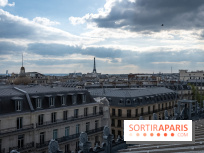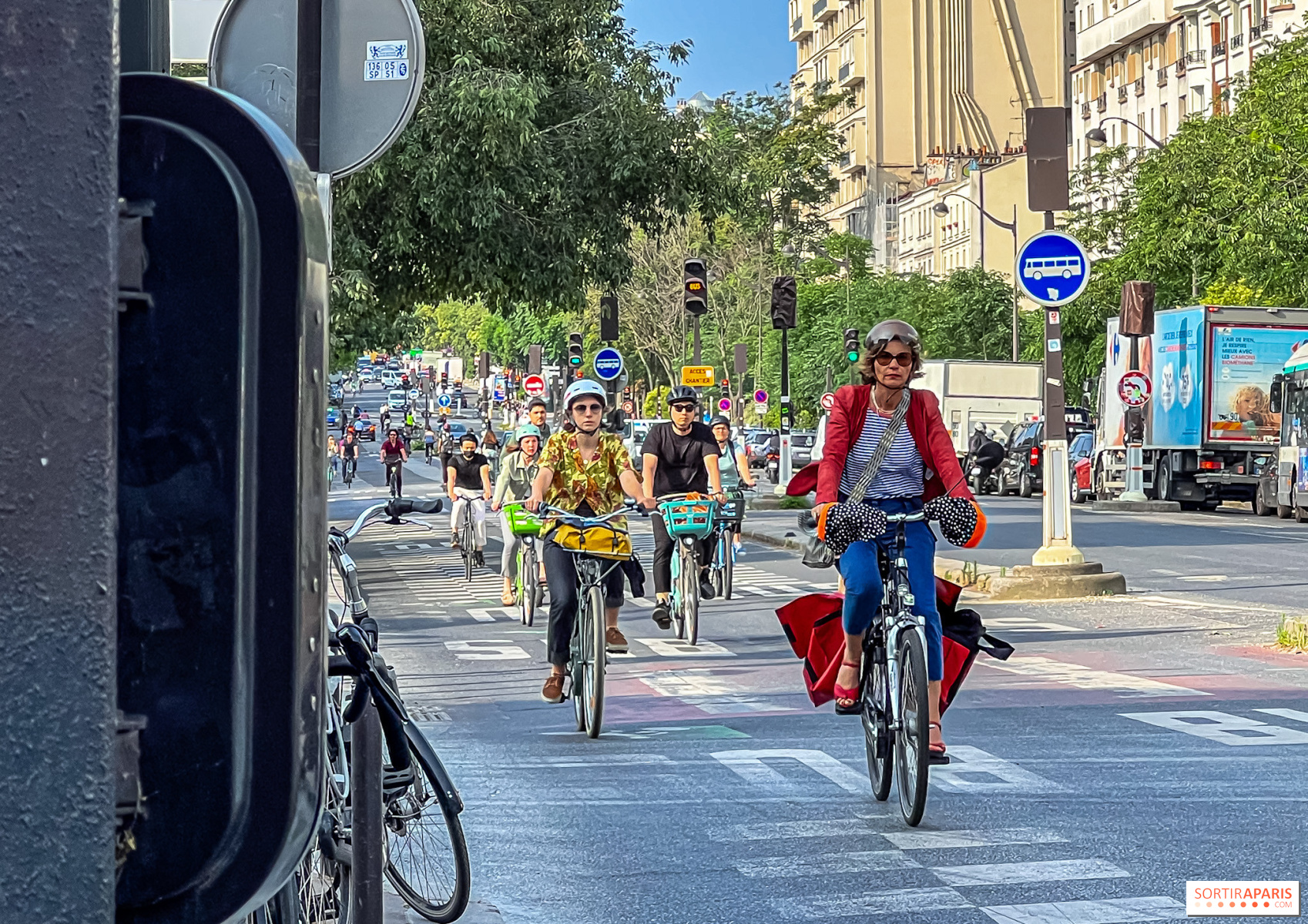
For years, the car and the Mairie de Paris have maintained a complicated relationship. Parking prices on the rise, low-traffic zones, pedestrianised banks of the Seine... the measures piled up under Anne Hidalgo have often annoyed road users. Elected Mayor of Paris on March 22, 2026, his former first deputy Emmanuel Grégoire is continuing this trajectory, with a programme that clearly embraces the reduction of the role of the private car in the capital. But in an interview given to Le Figaro, he sought to nuance his position.
The new mayor puts it this way: "My mantra isn’t to be anti-car; it’s to ensure that everyone who can do without one does, so that those who can’t—artisans, shopkeepers, people with reduced mobility—can use it in good conditions." A statement that marks a break with the image of a town hall that is purely anti-car, even if the policy direction remains the same. The number of parking spaces has almost halved since 2001, dropping from about 235,000 to under 119,000 today, and that trend is not expected to reverse.
Perhaps this is where professional drivers have the most reason to stay vigilant. Emmanuel Grégoire promises a "little revolution in parking": more spaces reserved for tradespeople, healthcare workers, delivery drivers and people with reduced mobility, with the aim that they consistently find a space within 200 meters of their place of intervention. At least 25% of surface parking spots would be safeguarded for them, with tighter enforcement to prevent private individuals from parking there. For others, residential rates in underground car parks could be lowered to encourage freeing up surface space. The SUVs and heavy cars, meanwhile, continue to be charged more: the higher tariff is maintained.
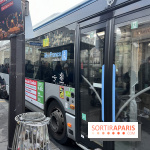
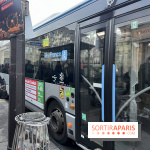
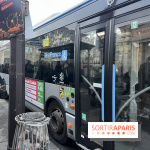
On mobility in general, the program is ambitious. The mayor announced the rollout of 15 express bus routes with priority at junctions, and the reintroduction of a dedicated bus lane on rue de Rivoli. Artificial intelligence algorithms are also set to steer the traffic lights in real time, to smooth traffic and curb the emissions from repeated starts. A measure that, if successful, could also ease congestion for drivers stuck at intersections.
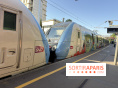
Paris: Emmanuel Grégoire wants to implement 15 express bus lines and three nonstop metro lines.
Freshly elected to lead Paris, Emmanuel Grégoire aims to transform 15 bus corridors into true express routes with dedicated lanes. A bold urban mobility project for the capital in 2026. In his plans, three automated metro lines running 24/7—here’s everything you need to know. [Read more]
On safety, the tone is firm. A specialized unit to combat "motorized violence" will be created, and the municipal police will be deployed more to enforce the traffic code, including for cyclists. The stated objective: zero deaths, zero serious injuries on Paris roads. The fight against noise pollution is also part of the program, a topic often overlooked in mobility debates.
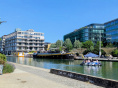
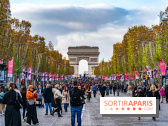
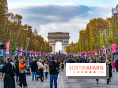
Emmanuel Grégoire unveiled plans to gradually transform the ring road around Paris into an urban boulevard by 2032, with the aim of freeing up space for public transit, carpooling, greenery, and, in the long term, bikes and pedestrians. The banks of the Seine will remain off-limits to automobile traffic, and around 1,000 streets will progressively lose motor vehicle access, starting with areas near schools. It’s a long timetable, but it clearly sketches the Paris of tomorrow.
This page may contain AI-assisted elements, more information here.





















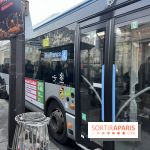 Paris: Emmanuel Grégoire wants to implement 15 express bus lines and three nonstop metro lines.