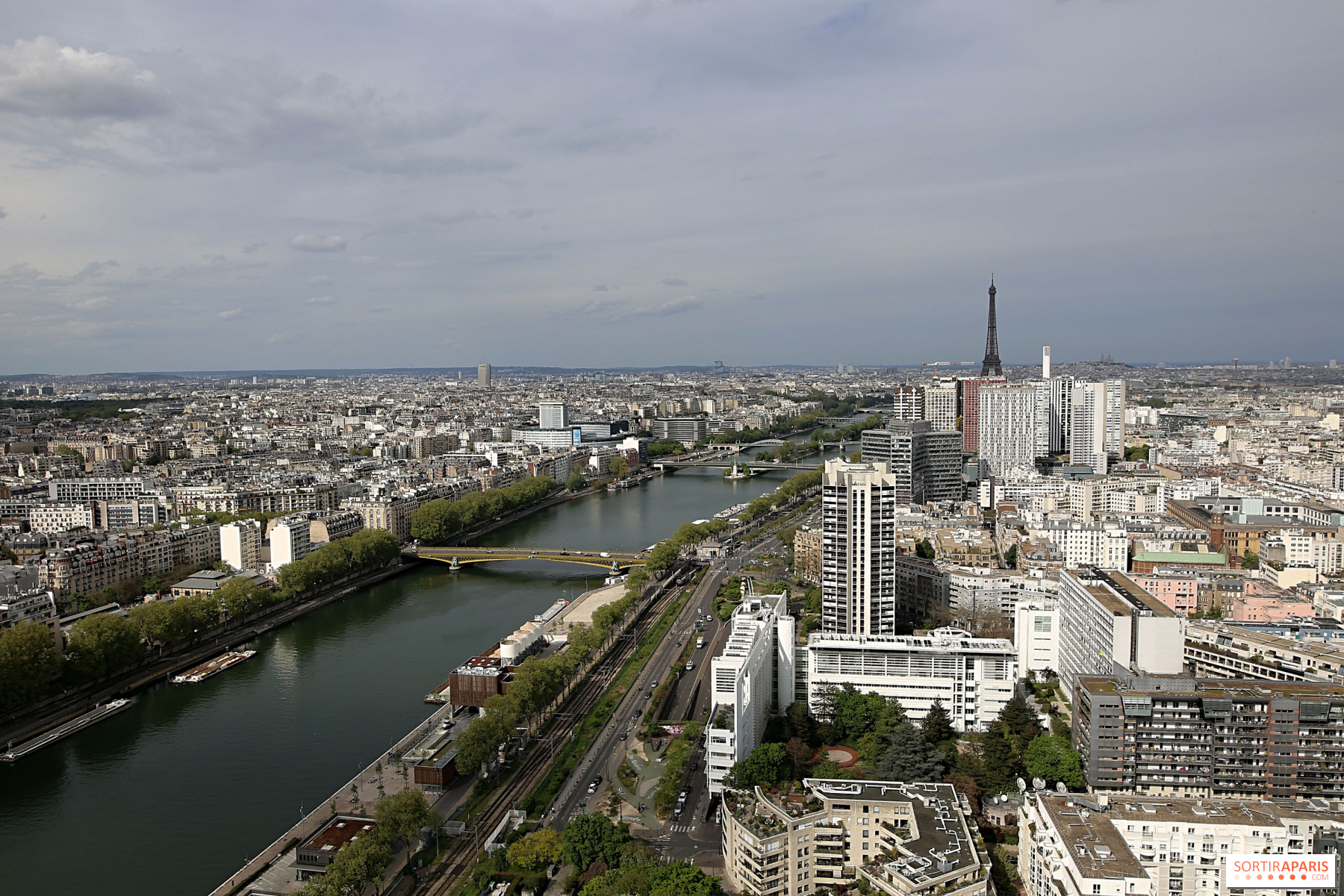
Could Paris stretch beyond the ring road tomorrow? On June 3, 2026, Clément Beaune, the High Commissioner for Strategy and the Plan, revived the debate with a proposal to rethink how Paris and its inner suburbs are organized around around forty districts. It wouldn’t be merely a symbolic expansion of Paris. The aim would be to simplify Greater Paris, better coordinate public policy, and cross the administrative boundary of the ring road. But such a reform would also raise questions about local identity, democracy, and competencies.
These districts would be the tangible centerpiece of the reform, intended to replace—or at least reorganize—a portion of the current structures at the heart of the metropolitan area.
Today, Paris operates with 20 districts. Surrounding them, the inner-ring communes each have their own mayor, their own city council, their budget, their services, and they also belong to the Metropolis of Greater Paris. This metropolis brings together Paris, the municipalities of Hauts-de-Seine, Seine-Saint-Denis and Val-de-Marne, along with a handful of communes in Essonne and Val-d’Oise. It is home to roughly 7.2 million people.
With 40 districts, the plan is to create an intermediate network: bigger than a municipality or borough, but more local than a centralized mega-city. Each district could bring together several neighborhoods or neighboring towns within a yet-to-be-defined perimeter. As of today, the precise map of the 40 districts has not been finalized.

The areas affected would first include Paris and the three inner-suburban departments: the Hauts-de-Seine, the Seine-Saint-Denis and the Val-de-Marne.
The municipalities on the city’s outer edge would be the most directly affected: Saint-Ouen, Clichy, Levallois-Perret, Neuilly-sur-Seine, Boulogne-Billancourt, Issy-les-Moulineaux, Vanves, Malakoff, Montrouge, Gentilly, Le Kremlin-Bicêtre, Ivry-sur-Seine, Charenton-le-Pont, Saint-Mandé, Montreuil, Bagnolet, Les Lilas, Pantin, Aubervilliers, or Saint-Denis.
Lala’s reform could go further if it encompassed the entire remit of the Metropolis of Greater Paris. Today, that includes Paris, the 122 communes of the three inner-ring departments, and seven communes located in Essonne and Val-d’Oise (Athis-Mons, Juvisy-sur-Orge, Morangis, Paray-Vieille-Poste, Savigny-sur-Orge, Viry-Châtillon, and Argenteuil).

For local residents, any change would depend on how far-reaching the reform is:
In a limited version, municipalities would retain most of their powers, but certain issues would be coordinated more at the metropolitan level: housing, urban planning, major facilities, mobility, ecological transition, structuring road networks, and economic development.
In a more ambitious vision, districts could become real local centers of decision-making. They could reclaim some of the powers now exercised by Paris’s arrondissements, by certain municipalities, by territorial public establishments, or even by departments.
The tangible effects could therefore include:
That’s where the debate hits a sensitive nerve. Supporters of the reform would see it as a way to better govern a territory that already serves as a metropolitan hub of daily life. Critics—or the cautious—might view it as risking democratic distance, the dilution of communes, and the erasure of local identities.

This proposal taps into a long-held Paris memory. In 1860, Paris had already absorbed neighboring communes and villages such as Belleville, Grenelle, Vaugirard, Passy, Auteuil, Montmartre, La Villette, Charonne, and Bercy. These areas, now fully integrated into the capital, once ran their own local life. The Archives de Paris even preserve the records related to these annexed communes.
The inner suburbs around Paris in 2026 are not the villages of the 19th century. They are sizable towns, sometimes densely populated, with a strong political, social, and urban identity.

The proposition of the 40 districts is not a done deal. It must first be transmitted to the Prime Minister, so that Matignon decides whether to pursue this avenue, tweak it, or drop it. This is a pivotal moment: Clément Beaune can put forward a strategic proposal, but he cannot, on his own, commit to a territorial reform of such magnitude.
If the Prime Minister deems the proposal pertinent, he could then commission supplementary work: a detailed report, a prefiguration mission, or an impact assessment. This phase would clarify the scope involved, lay out the district map, define the competencies to be transferred, outline the role of municipalities, address the future of the inner-ring departments, and spell out how the reform would be funded.

What would follow is a phase of consultation with local elected officials: the City of Paris, the mayors of the affected communes, the presidents of Hauts-de-Seine, Seine-Saint-Denis and Val-de-Marne, the Île-de-France region, the Grand Paris Metropolis, and territorial public bodies. This step would be politically pivotal, as a reform perceived as being imposed from Paris or Matignon could trigger strong opposition.
If the government decided to go further, it would probably require a bill. Reorganizing the governance of Paris, creating around forty districts, redistributing competencies, or tweaking municipal and departmental boundaries could not be done by a mere announcement. In the event of changes to municipal borders, the law specifically provides for a public inquiry in the affected communes.
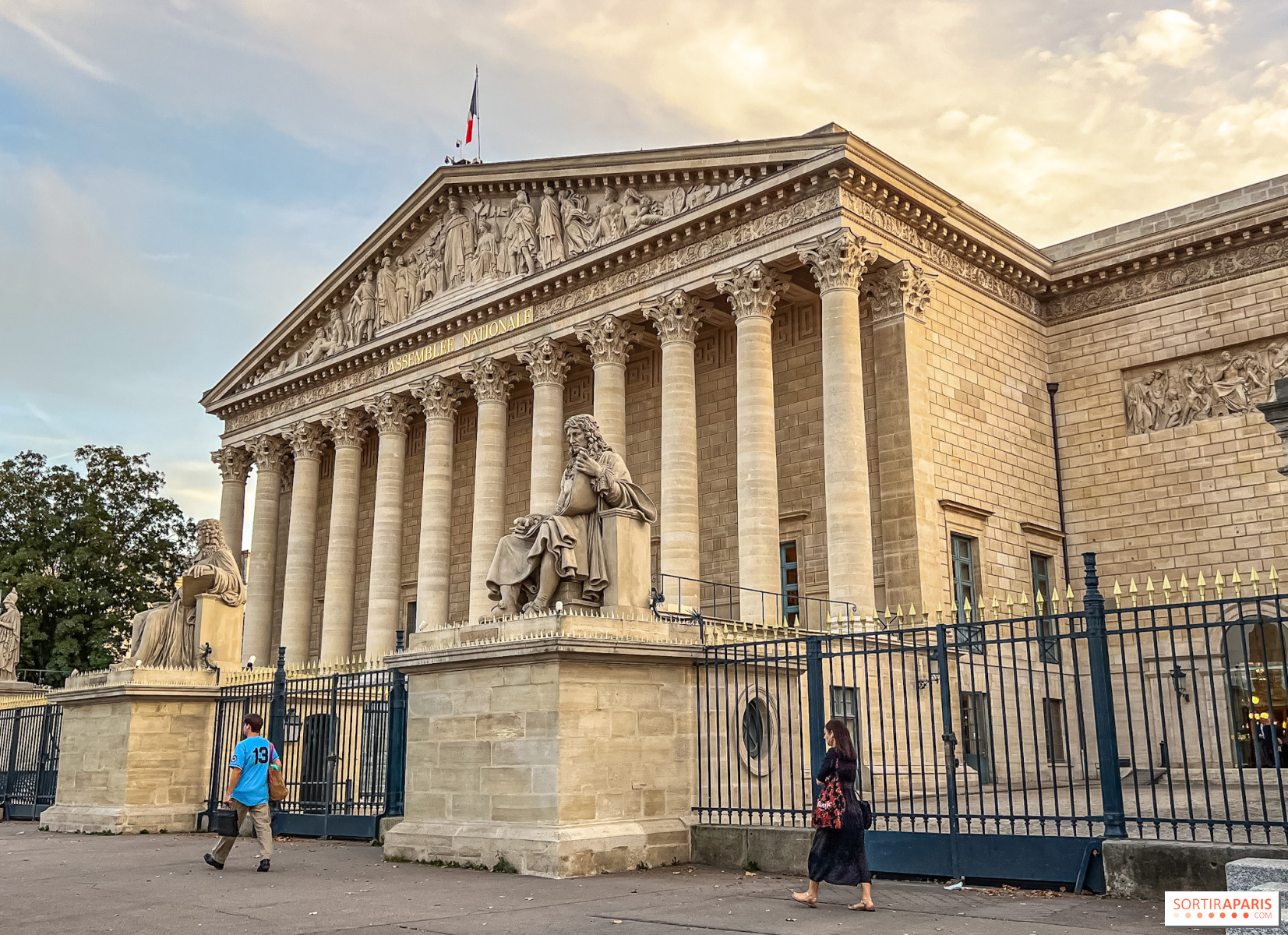
The text would then be reviewed by Parliament. Members of parliament and senators would have to decide on several sensitive questions: would communes keep their status? would districts have their own elected representatives? what would become of the inner-ring departments? would the Metropolis of Greater Paris be strengthened, transformed, or replaced?
Finally, should the law be adopted, a transition period would be necessary to transfer staff, align budgets, organize public services, redraw any electoral districts, and prepare the first elections under the new framework.
This page may contain AI-assisted elements, more information here.
Official website
www.strategie-plan.gouv.fr