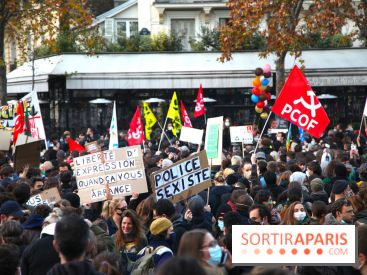
On Thursday, October 8, 2026, the early childhood strike makes its mark in the already turbulent social landscape of Paris and the Île-de-France. Nurseries, daycare centers, and infant care services are affected, with a demonstration planned in the 14th arrondissement. On the same day, the CGT calls TotalEnergies workers to take the day off, as high school protests enter their second week.
This Thursday is worth planning a little in advance, especially if you have a child in daycare or a gas fill-up to take care of.
That's the question on the minds of many Parisian parents this week. The CGT Public Services Federation has filed a 24-hour strike notice, running from midnight to midnight. It covers all staff at early childhood facilities—both collective and individual settings—under the territorial civil service, i.e., municipal daycares.
The movement is backed by the collective Pas de bébés à la consigne, which brings together professionals, unions, and family associations over the years. Parents are also invited to join the day of action.
There’s no way to know in advance which facilities will shut down. It all depends on how many workers are on strike in each team. In the private sector, employees can declare a strike on the day itself, leaving little time to organize, as the specialist site Quelle Crèche notes. The safest course is to check directly with the nursery management and to have a backup plan (grandparents, telework, swapping child care between parents).
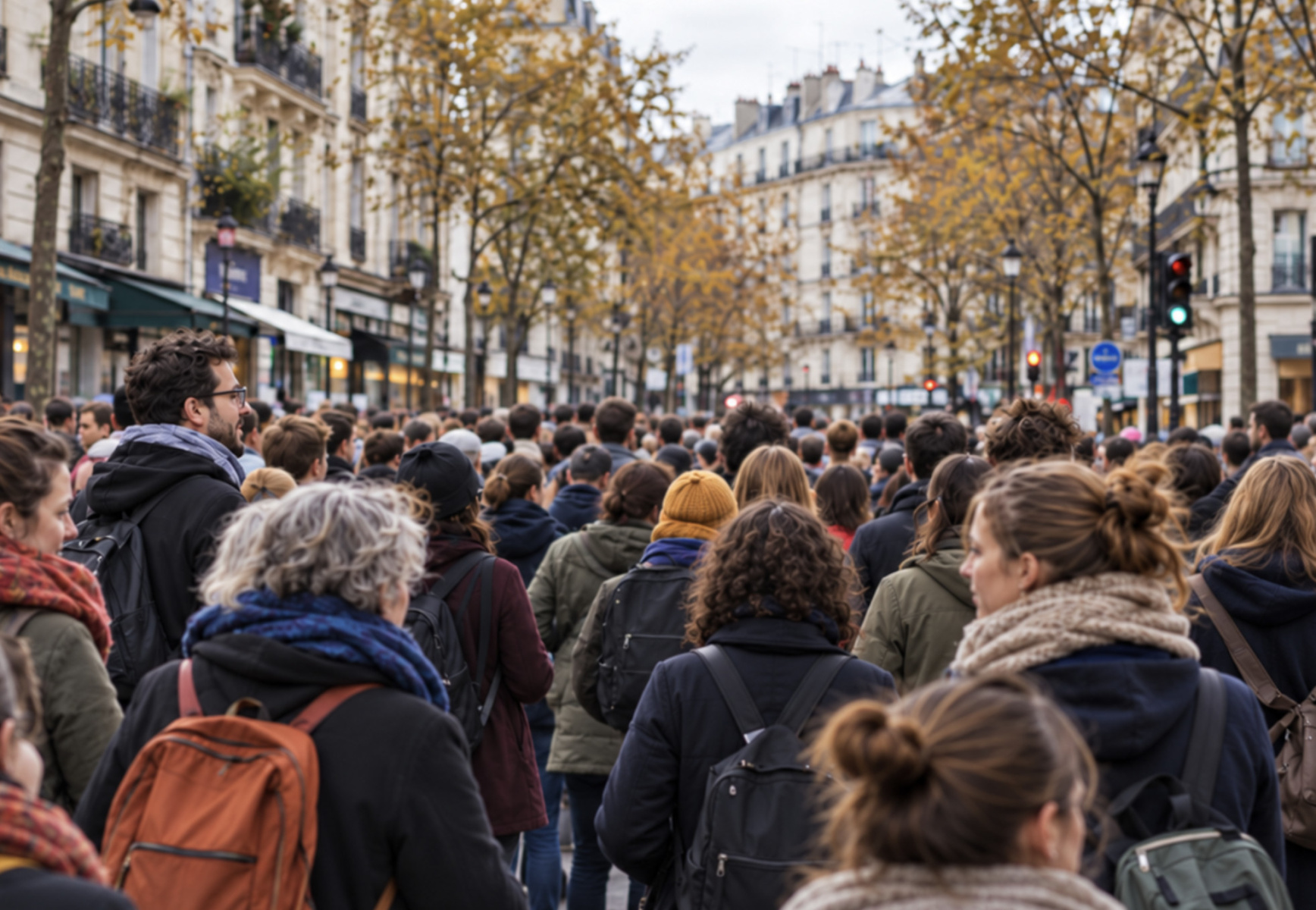
The Paris gathering is slated for the 14th arrondissement, at Place des Droits-de-l'Enfant, at the corner of Rue de la Tombe-Issoire and Rue d'Alésia. The procession will get moving in late morning, from 10 a.m.. The location was clearly chosen for a reason, just a few steps from Parc Montsouris and the Alésia station (Line 4).
The childcare sector has been sounding the alarm for years, and this isn’t the first day of action. As detailed by Dijon Actualités, the CGT is highlighting several demands:
The Pas de bébés à la consigne collective is pushing for a ratio of one adult for four babies and one adult for five children by 2030. Behind this goal lies a staffing shortage that is weighing on daily care.
Another front opens this Thursday, and not necessarily the one we were expecting amid the high school protests. The CGT is calling on TotalEnergies workers to stage a 24-hour strike across the group's refineries and stations-service.
According to CGT coordinator Éric Sellini, fuel shipments could be blocked or slowed, depending on the level of mobilization at each site.
Here, the issue isn't about the funding for public education. The union is defending jobs and wages, while management announced a hike in the dividend paid to shareholders. In the second quarter, the group doubled its net profit year over year, to $5.4 billion, driven by high hydrocarbon prices linked to the Middle East conflict.
Don't panic at the pump just yet. A one-day strike won't drain the tanks overnight, but if your tank is almost empty, it's wiser to fill up before Thursday rather than risk running dry in the evening.
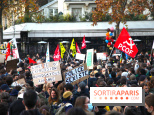
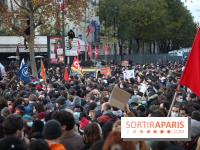
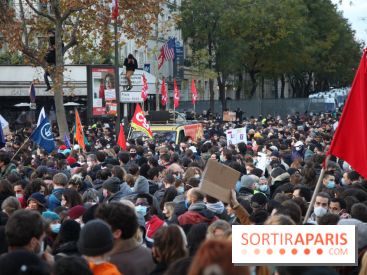
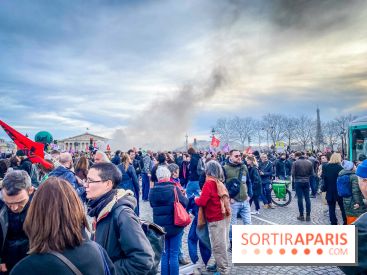
The high‑school protests began in Île-de-France before sweeping the country. With teachers not being replaced, aging school buildings, overcrowded classrooms, and the pressure of Parcoursup, the grievances are plentiful. On Tuesday, October 6, the third act of the mobilization drew thousands of students once again, with a march in Paris from République to Nation.
Students have joined the movement, just as several unions and workers did. On Monday, between 400 and 500 institutions closed their doors and switched to remote learning. There is no major national date set for Thursday, but sporadic blockades in front of certain high schools in Paris and the Île-de-France region remain possible.
On the education front, a rally for education is also announced Thursday late afternoon in Bobigny, in Seine-Saint-Denis.
A word of caution: violence flared at the edges of several rallies in recent days. The police prefecture has already banned gatherings near a number of Parisian high schools, and in other departments, such as Val-de-Marne, similar orders have been issued. If you’re near a school that’s mobilized, it’s wise to keep your distance.
Thursday, October 8 is only a milestone. Several events are already on the calendar:
The date October 17 initially circulated among young people on social media, before being picked up by unions. It follows the September 29 strike, which drew more than 300,000 protesters. Some even plan to dust off their yellow vests, eight years after the movement of the same name.
As of November 5, the inter-union coalition is calling public- and private-sector workers, retirees, and young people to take to the streets for higher wages, better public services, stronger employment, and a revived industry, according to their joint statement published on October 6. It marks a first since the new term began, since the appeal targets both the public and private sectors.
For parents, the natural instinct is to contact their child's crèche starting Wednesday and to check the City of Paris information for municipal facilities. Public transport isn’t directly targeted by the Thursday strikes, but temporary station closures can be ordered if demonstrations take place, as happened on Tuesday. A quick check of the Île-de-France Mobilités site before you head out helps avoid surprises. Also view our daily traffic update [LIEN SORTIRAPARIS À COMPLÉTER] and our ongoing coverage of strikes and demonstrations in Paris [LIEN SORTIRAPARIS À COMPLÉTER].
This page may contain AI-assisted elements, more information here.