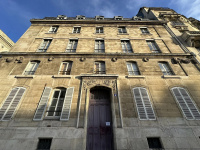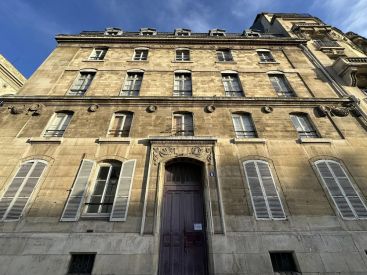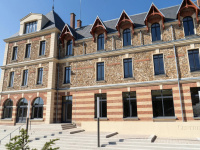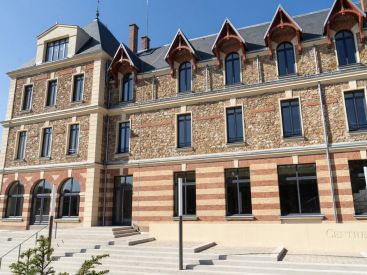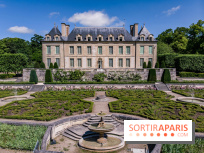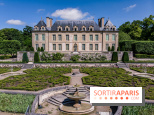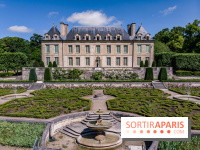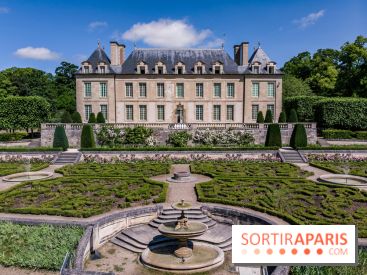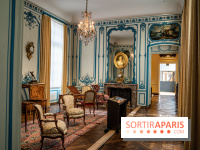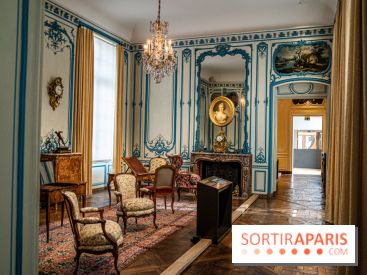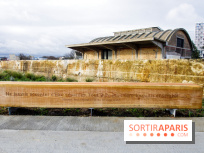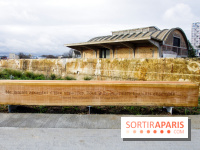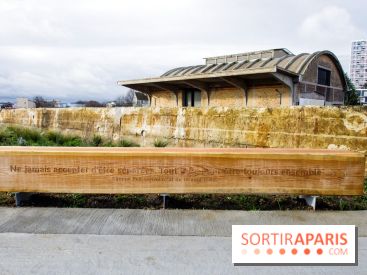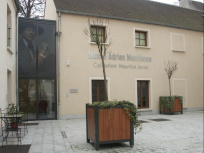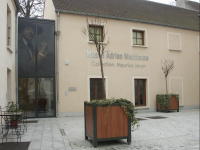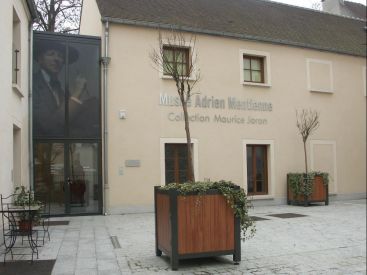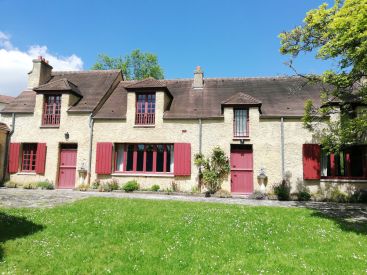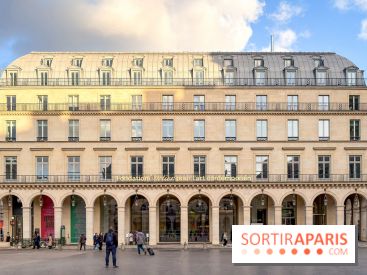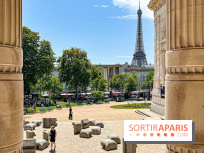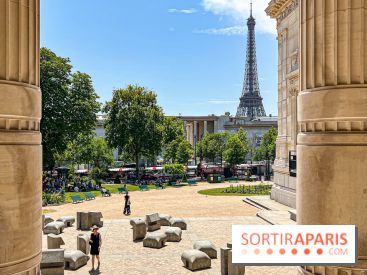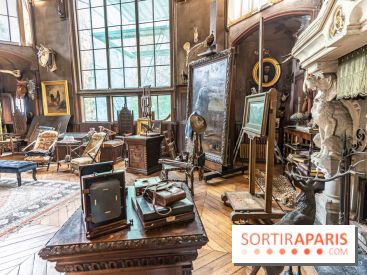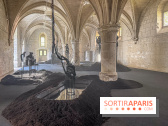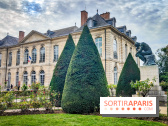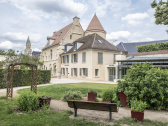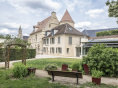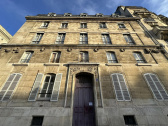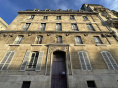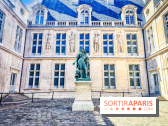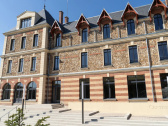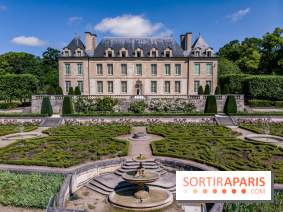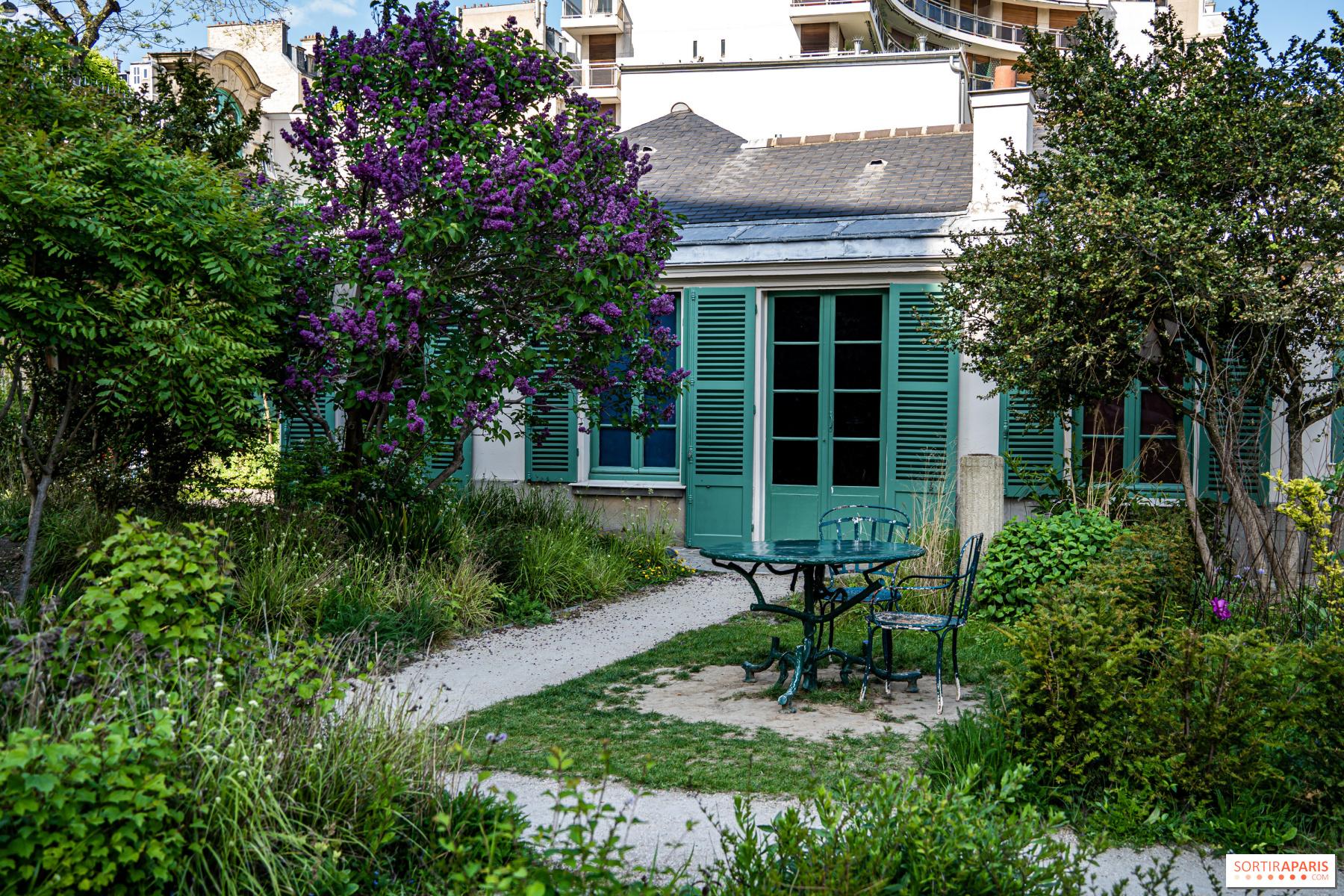
Tucked away in a magnificent garden in Paris's 16th arrondissement, opposite the Eiffel Tower, the Maison de Balzac is one of the capital's little-known treasures. There's no better way to discover the writer's only Parisian home, still visible today, than during the Nuit des Musées! This cultural event takes place every year in spring, and offers a program of free nocturnal visits, often accompanied by special events. An unusual way to immerse yourself in the heart of our heritage.
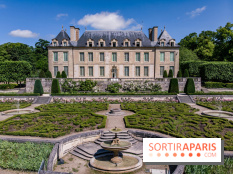
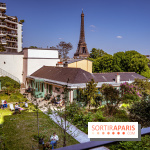
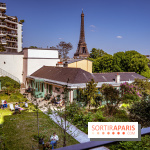
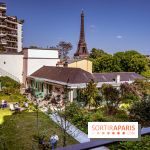
The Maison de Balzac, home of the famous writer, and its secret garden overlooking the Eiffel Tower
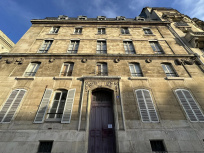
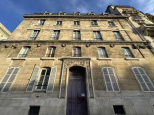
The Maison de Balzac, one of the famous writer's homes, is one of the capital's literary gems, located in the 16th arrondissement of Paris. This house-museum also boasts an incredible garden overlooking the Eiffel Tower, as well as a café. [Read more]
On Saturday, May 23, 2026, the Balzac Museum invites us to join the 22nd edition of the Nuit des Musées in Paris. Come and admire the house where the entire Comédie humaine was completed, and let yourself be carried away by the spirit of one of France's greatest writers.
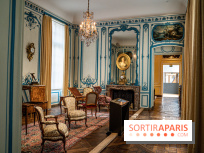
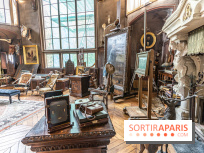
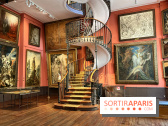
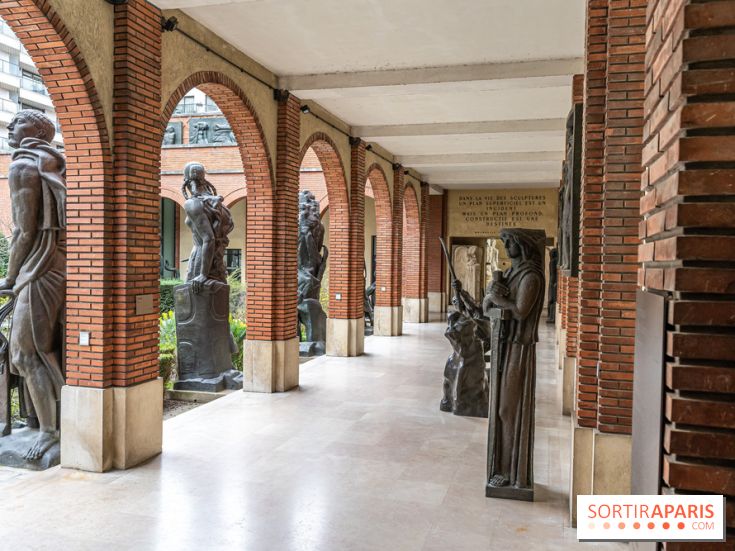
The Maison de Balzac houses numerous portraits of the artist and his characters, as well as paintings, engravings and drawings. The museum offers us a fresh look at Balzac's masterpieces, making us want to link up all his novels!
As part of Museums Night 2026, the Maison de Balzac will host a special late-night opening until 10 p.m.
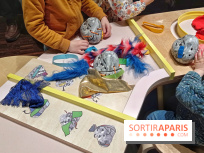
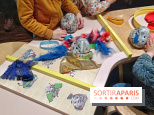
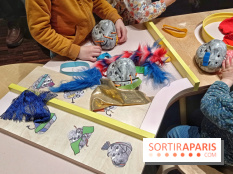
Blurring the lines between literature and science: thanks to the joint efforts of a researcher and a writer, not to mention the encounter with Balzac’s universe. A reflection on science and, in particular, the image of the scientist today. The project aims to develop theater-off debates, which we have dubbed the "vocation ping-pong," with scent as the through-line.
Since October, a second-year class at Lycée Rabelais in Meudon has been working with their literature and science teachers on this project. They will have read Balzac’s novel, Honorine, in which perfume plays a leading role. They will have been welcomed by Olivier David, a chemistry teacher at the Institut Lavoisier in Versailles. Under his guidance and in his laboratory, they will have conducted odor-extraction experiments.
Finally, they will have been prepared for the big day, the Night of Museums, by writer Julie Abécassis.
Come witness these verbal duels!
“A misfortune that a well-mannered man or a fashionable woman cannot escape is to attend a salon reading” ([Balzac], La Mode, November 20, 1830)
In the 19th century, salons occupied a central place in the diffusion of ideas. Heirs to the sociability of the eighteenth century, they evolved to give more prominence to literature and art than to frivolous society, while not entirely discarding the latter. They were rebaptized as “cénacle,” a term invented by Sainte-Beuve and later popularized by Hugo. Balzac himself imagines a cénacle in Lost Illusions, around Daniel d’Arthez.
There you talk, you sing, you dance, you declaim; most of all, you test your works. A venue for readings and debates, the salon offers the writer an initial audience before publication: a curated public, drawn from Paris’s intellectual elite, capable of ensuring dissemination and influence.
During this new Night of Museums, you will be invited to journey with Balzac, in literature and in music, through four salons that defined the Romantic era: Juliette Récamier’s salon at the Abbaye-aux-Bois, Charles Nodier’s salon at the Arsenal, Victor Hugo’s cénacle on Rue Notre-Dame-des-Champs, and Delphine de Girardin’s salon. Samantha Caretti, reader, and Florence Hennequin, cellist, will strive to bring each of these Romantic-era salons back to life and to evoke Balzac’s presence at the heart of these literary and artistic circles that were also crucibles for lasting friendships.
Samantha CARETTI
A scholar of French literature and a certified high-school lecturer, Samantha CARETTI devoted her doctoral work to Romantic literature in France during the Restoration and has written extensively on the era’s writers, including Balzac in L’Année balzacienne, 2002 (“The Great Union: Balzac, Collaborator in the Romantic Project”).
A staunch advocate for the knowledge and dissemination of 19th‑century literature, she chairs the Société des amis de Custine, serves as vice‑president of the Société Chateaubriand, and is the secretary general of CL19 (the Liaison Committee of 19th‑century associations). She organizes numerous literary and artistic events and participates in concert-readings.
Florence HENNEQUIN
After a brilliant finish at the Conservatoire National de Paris, Florence Hennequin joined the Regional Orchestra of Brittany. Six years of symphonic work later, she returned to Paris to explore new musical horizons. She has performed at the Opéra National de Paris, as well as with several national and international orchestras and ensembles.
Her eclectic tastes lead her to specialize simultaneously in musical theatre (at the Palais de Chaillot, the Châtelet, the Opéra-Comique, the Mogador, the Marigny, and the Comédie-Française). She frequently performs in chamber music with musicians from the National Orchestra of France. Currently touring with “Les Misérables,” she appears on stage at the Montparnasse Theatre in “La ballade de Souchon” with the Comédie-Française, a production directed by Françoise Gillard.
19h15-19h45 : Salon of Madame de Récamier
20h-20h30 : Salon of Charles Nodier
20h45-21h15 : Salon of Victor Hugo
21h30-22h00 : Salon of Delphine de Girardin
“A misfortune that any well-bred man or fashionable woman cannot escape is that of attending a salon reading” ([Balzac], La Mode, November 20, 1830)
In the 19th century, salons played a central role in circulating thought. Descendants of 18th‑century sociability, they evolved to give literature and art pride of place while never entirely discarding social gaiety. They were rechristened as “cénacle,” a term coined by Sainte-Beuve and later taken up by Hugo. Balzac himself envisions a cénacle in Lost Illusions, centered on Daniel d’Arthez.
There people converse, sing, dance, and declaim; most importantly, they test new works. A place for readings and debates, the salon offers a writer a first audience before publication: a curated public, drawn from Paris’s intellectual elite, capable of spreading and radiating the work.
On this new Night of Museums, you will be invited to revisit four salons that defined the Romantic era through Balzac, in both literature and music: Juliette Récamier’s salon at the Abbaye-aux-Bois, Charles Nodier’s salon at the Arsenal, the Victor Hugo cénacle on Rue Notre-Dame-des-Champs, and Delphine de Girardin’s salon. Samantha Caretti, reader, and Florence Hennequin, cellist, will endeavor to revive each of these Romantic-era salons and to recall Balzac’s presence at the heart of these literary and artistic circles that also fostered enduring friendships.
Samantha CARETTI
A doctor of French literature and an agrégée in modern letters, Samantha CARETTI devoted her doctoral thesis to Romantic-era literature in Restoration France and has written numerous articles on writers of the period, including Balzac in L’Année balzacienne, 2002 (« “L’union fait la force”: Balzac, collaborator in the Romantic project »).
A tireless advocate for the knowledge and diffusion of 19th-century literature, she serves as president of the Society of Custine’s Friends, vice-president of the Chateaubriand Society, and secretary-general of CL19 (Committee of Liaison among 19th‑century associations), organizing numerous literary and artistic events and participating in concert-readings.
Florence HENNEQUIN
After completing her studies with distinction at the Conservatoire de Paris, Florence Hennequin joined the Regional Orchestra of Brittany. Six years of symphonic work later, she returned to Paris to explore new musical horizons. She has performed at the Paris Opera and with several national and international orchestras and ensembles.
Her eclectic tastes have led her to specialize, in parallel, in musical theatre (at the Palais de Chaillot, the Châtelet, the Opéra-Comique, the Mogador theatre, the Marigny, and the Comédie‑Française). She regularly appears in chamber music with players from the Orchestre National de France. Currently touring with “Les Misérables,” she appears on stage at the Montparnasse Theatre in “La ballade de Souchon” with the Comédie‑Française, a show directed by Françoise Gillard.
19:15-19:45: Madame de Récamier’s Salon
20:00-20:30: Charles Nodier’s Salon
20:45-21:15: Victor Hugo’s Salon
21:30-22:00: Delphine de Girardin’s Salon
“A misfortune that a well-bred man or a fashionable woman cannot escape is to attend a salon reading in the drawing room” ([Balzac], La Mode, November 20, 1830)
In the 19th century, salons played a central role in the diffusion of ideas. Migrating from the sociability formats of the 18th century, they evolved to give literature and art more prominence than mere frivolity, without discounting the social sparkle entirely. They would later be rebaptized “cénacle,” a term coined by Sainte-Beuve and popularized by Hugo. Balzac himself imagined a cénacle in Lost Illusions, around Daniel d’Arthez.
There, conversation, singing, dancing, and declamation went hand in hand; most importantly, works were subjected to scrutiny. As venues for readings and debate, salons offered writers a first audience before publication: a select public, drawn from Paris’s intellectual elite, capable of ensuring their作品 reach and influence.
For this year’s edition of the Nuit des musées, you are invited to journey with Balzac through four salons that defined the Romantic era in literature and music: Juliette Récamier’s salon at the Abbey of the Bois, Charles Nodier’s salon at the Arsenal, the Victor Hugo cénacle on Rue Notre-Dame-des-Champs, and Delphine de Girardin’s salon. Samantha Caretti, reader, and Florence Hennequin, cellist, will strive to revive each of these Romantic-era salons and to evoke Balzac’s presence at the heart of these literary and artistic circles that also fostered lasting friendships.
Samantha CARETTI
A doctor of French literature and agrégé professor of modern literature, Samantha CARETTI devoted her doctoral thesis to Romantic literature in France during the Restoration and has written extensively on writers of the period, including Balzac in L’Année balzacienne, 2002 (““Strength in unity”: Balzac, collaborator in the Romantic enterprise”).
A staunch advocate for the knowledge and dissemination of 19th-century literature, she serves as president of the Société des amis de Custine, vice-president of the Société Chateaubriand, and secretary-general of CL19 (Committee for Liaison of Nineteenth-Century Associations). She organizes numerous literary and artistic events and participates in concert-readings.
Florence HENNEQUIN
After triumphantly completing her studies at the Conservatoire de Paris, Florence Hennequin joined the Regional Orchestra of Brittany. Six years of symphonic work later, she returned to Paris to explore new musical horizons. She has performed at the Opéra National de Paris and with several national and international orchestras and ensembles.
Her eclectic tastes lead her to specialize in musical theater as well (at the Palais de Chaillot, Le Châtelet, Opéra-Comique, Théâtre Mogador, Marigny, and the Comédie-Française). She regularly appears in chamber music with players from the Orchestre National de France. Currently touring with “Les Misérables,” she appears on stage at the Montparnasse Theatre in “La ballade de Souchon” with the Comédie-Française, directed by Françoise Gillard.
19:15–19:45: Madame Récamier’s Salon
20:00–20:30: Charles Nodier’s Salon
20:45–21:15: Victor Hugo’s Salon
21:30–22:00: Delphine de Girardin’s Salon
“A misfortune that a well-bred man or a fashionable woman cannot escape is to attend a reading in the salon” ([Balzac], La Mode, November 20, 1830)
In the 19th century, the salons played a pivotal role in spreading ideas. Heirs to the sociability of the Enlightenment, they evolved to give literature and art more prominence than mere socializing, without neglecting the latter. They were rechristened cenacle, a term coined by Sainte-Beuve and popularized by Hugo. Balzac himself imagines a cenacle in Lost Illusions, around Daniel d’Arthez.
There you talk, sing, dance, and declaim; above all, you put works to the test. A place for readings and debates, the salon offered the writer an initial audience before publication: a curated public, drawn from Paris’s intellectual elite, capable of spreading and amplifying the work.
During this new Night of Museums, you will be invited to explore with Balzac, in both literature and music, four salons that defined the Romantic era: Juliette Récamier’s salon at the Abbaye-aux-Bois, Charles Nodier’s salon at the Arsenal, Victor Hugo’s cenacle on Rue Notre-Dame-des-Champs, and Delphine de Girardin’s salon. Samantha Caretti, reader, and Florence Hennequin, cellist, will work to revive each of these Romantic-era salons and recall Balzac’s presence at the heart of these literary and artistic circles that were also venues for enduring friendships.
Samantha CARETTI
PhD in French literature and senior lecturer in modern letters, Samantha CARETTI devoted her thesis to Romantic-era literature in France during the Restoration and has written extensively on the period’s writers, including Balzac in L’Année balzacienne, 2002 (““Unity makes strength”: Balzac, collaborator in the Romantic project”).
Committed to the knowledge and dissemination of 19th-century literature, she serves as president of the Society of Friends of Custine, vice-president of the Chateaubriand Society, and secretary-general of CL19 (Liaison Committee of Nineteenth-Century Associations). She organizes numerous literary and artistic events and participates in concert-readings.
Florence HENNEQUIN
After brilliantly completing her studies at the Conservatoire de Paris, Florence Hennequin joined the Brittany Regional Orchestra. Six years of symphonic work later, she returned to Paris to explore new musical horizons. She has performed at the Paris National Opera and with several national and international orchestras and ensembles.
With eclectic tastes, she also specialized in musical theater (at the Palais de Chaillot, the Châtelet, the Opéra-Comique, the Mogador, the Marigny, and the Comédie-Française). She regularly performs in chamber music with players from the Orchestre National de France. Currently touring with “Les Misérables,” she appears on stage at the Montparnasse Theatre in “La Ballade de Souchon” with the Comédie-Française, a production directed by Françoise Gillard.
7:15–7:45 p.m.: Madame de Récamier’s Salon
8:00–8:30 p.m.: Charles Nodier’s Salon
8:45–9:15 p.m.: Victor Hugo’s Salon
9:30–10:00 p.m.: Delphine de Girardin’s Salon
Whether you're an unconditional fan of the writer, or curious to discover this French author, we encourage you to come and visit the Maison de Balzac during this Nuit des Musées! Shall we go, friends?
Dates and Opening Time
On May 23, 2026
Location
House of Balzac
47, rue Raynouard
75116 Paris 16
Prices
Free
Official website
www.maisondebalzac.paris.fr




 The Maison de Balzac, home of the famous writer, and its secret garden overlooking the Eiffel Tower