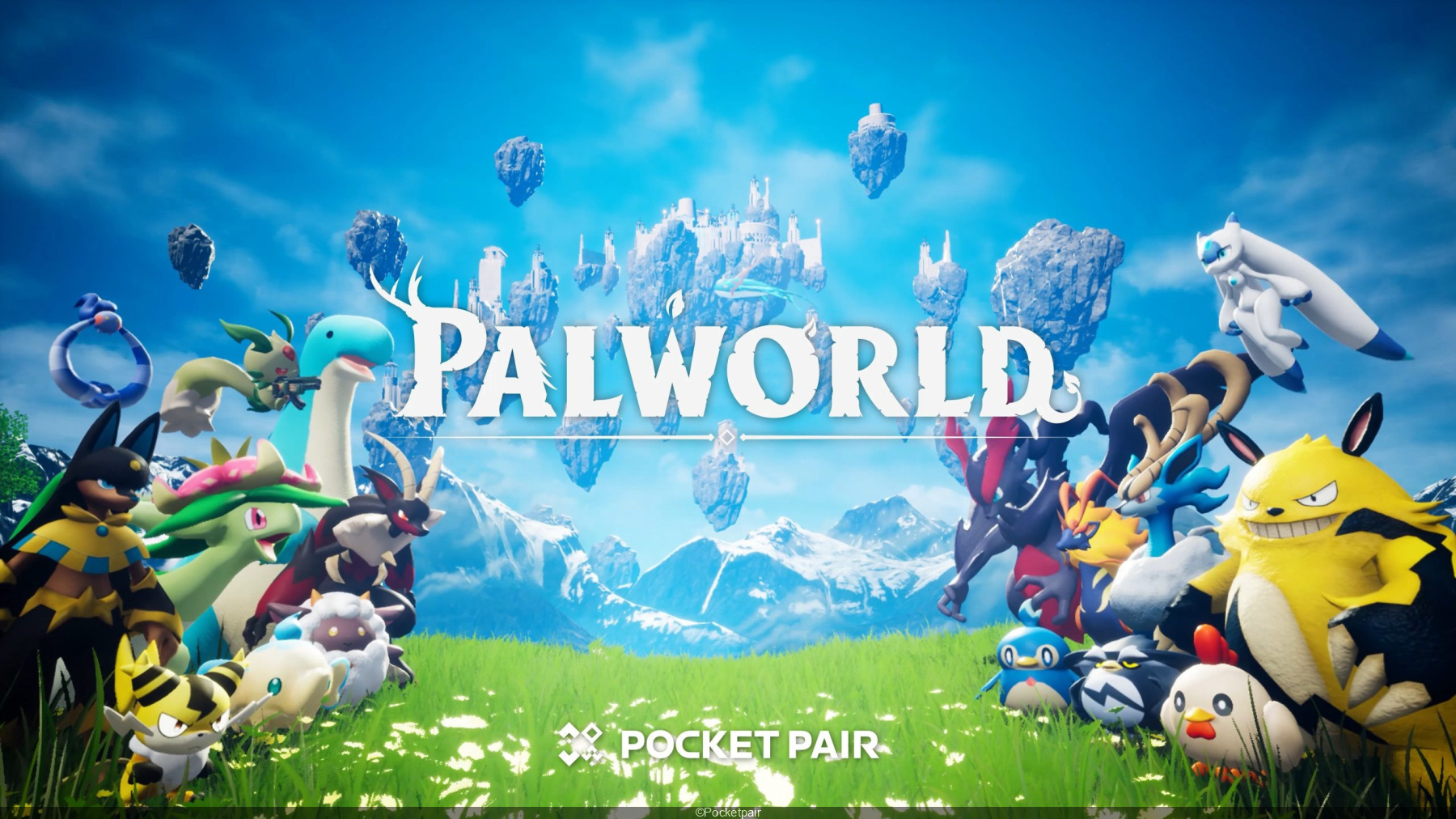
It's impossible to miss the latest phenomenon in the world of video games! Palworld has been the talk of the town since its early release on January 19 on PC and Xbox. A game that made waves over the weekend, claiming two million sales in just 24 hours.
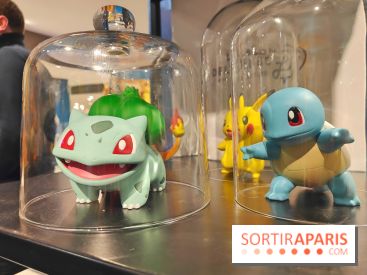
But beyond its success, Palworld quickly became the center of a major controversy. Accused of plagiarism towards the hugely popular Pokémon universe, the software sparked intense debate in the gaming community. On the one hand, its striking resemblance to Nintendo' s franchise cannot be denied, and on the other, its unique approach mixing survival and combat with creatures, nicknamed "Pals", is strangely reminiscent of the famous Pokémon.
Palworld has a complex history. Developed by Japanese studio Pocketpair, the game has been dogged by criticism over its design similarities to Pokémon. It's not just the character design that raises questions, but also the studio's history with generative artificial intelligence.
Pocketpair is no stranger to usingAI in its projects, as demonstrated by their previous game, AI: Art Impostor. This practice, while innovative, has raised concerns about the originality and authenticity of the content created. Indeed, the use ofgenerative AI tools in game creation is a hot topic in the industry, raising ethical questions about the role and recognition of professional artists.
Despite these controversies, Palworld has received an overwhelmingly positive response from players on Steam. However, public opinion remains divided. On the one hand, as our VGC colleagues point out, some players criticize the game for its apparent lack of originality, and even suggest that existing Pokémon have been reused. These includeonion_mu and byo on X :
On the other, according to Gameblog, industry voices such asArkane Studios' Dinga Bakaba are defending Palworld, underlining its success in targeting a varied audience: Pokémon fans and fans of survival games. What about Nintendo? For the moment, Big N, known for its vigilance when it comes to copyright, remains silent on the issue. A video game giant that is likely to come forward soon.
Palworld thus finds itself at the intersection of commercial success and ethical controversy. The game has undeniably captured the attention of the video game world, but it remains to be seen how it will evolve in the face of current debates on intellectual property and the use ofAI in artistic creation.
David Hansel, a lawyer specializing in intellectual property and digital media at Hansel Henson, told VGC that if it were possible to prove that elements of the 3D models were identical, it would be"a flagrant misdemeanor" and would make The Pokémon Company's day.
"It's up to Nintendo to absolutely prove copying, not just influence," he continues. He goes on to explain the nuance between confirmed copying and simple inspiration, which is not legally condemnable:"It has to be an obvious copy: you look at one image, then you look at the other next to it. The industry would have ended years ago if people weren't allowed to be inspired by a work. You can't have a monopoly on a certain artistic style. It literally has to be copying.
Richard Hoeg, a lawyer with Hoeg Law, adds:"Simply being 'inspired by' existing designs, even if it means using certain design rules (proportions, coloring, use of curves, eye size, etc.), is hardly convincing in this kind of case".
For his part, Pocketpair CEO Takuro Mizobe told the Automaton website that Palworld had been carefully scrutinized by their legal team, and that to date, no action had been taken against him by other companies. "We take the creation of our games very seriously, and we have absolutely no intention of infringing other companies' intellectual property", he explained.
With a growing fan base and mixed reviews, Palworld could either become a staple of the genre, or be swept away by the storm of controversy. Only time will tell how this phenomenon develops! In the meantime, let's make up our own minds by discovering the game?