WARNING: This exhibition was halted before its originally scheduled closing date. It is now permanently closed.
In 1763, France loses the Seven Years' War to Great Britain, and its colonial empire is deeply shaken. To restore its power, the French kingdom decides to launch great expeditions around the world. The Army Museum examines the history and purpose behind these expeditions, and those that followed, from the 18th century to the present day. In an exhibition that is unprecedented, the museum looks at what lies behind these journeys, and the army's role in these official explorations.
From April 15, the exhibition Explorations: a State Affair? opens to the public. It brings together a vast array of historical documents, scientific and technical objects, maps, paintings, drawings and illustrations, and testimonies from different eras.

A fascinating examination of three centuries of French exploration history. Depending on the era, economic interests, and political climates, these global voyages took on very different forms and significance.
In the 18th century, national rivalries and ambitions for wealth drove European monarchs and leaders to send armies across the globe. Explorers set out in search of new, unknown lands, especially those rumored to be rich in treasures to trade. At the same time, countries aimed to expand their territories and seize strategic regions to boost trade and strengthen their military presence.
But traders and soldiers aren't the only ones embarking on daring journeys: many scientists also take advantage of these expeditions to expand their understanding, and perhaps make groundbreaking discoveries that could push humanity’s progress forward.

In the 19th century, the focus was primarily on scientific expeditions and territorial conquests, which brought about significant changes. After World War II, France’s goal was to reclaim its lost power following the Nazi occupation. This effort was evident, for example, in the space race, driven at a breakneck pace by the United States and the Soviet Union. Meanwhile, tourism grew increasingly popular, and ordinary people began to venture out to explore this new world for themselves.
In the 21st century, France's organized expeditions have taken on a new purpose: to seek solutions to climate crises, prevent emerging conflicts, or secure control over endangered ecosystems and scarce resources.
Science, trade, power, war: throughout history, armies have played a crucial role in these endeavors. The Parisian museum explores the military's part in these historic expeditions.

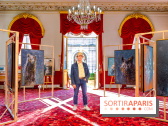
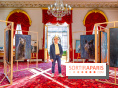
The Army Museum lays out the various missions and the competencies the army brings to bear to carry out these expeditions. Visitors encounter major historical figures, specialized equipment, contemporary or historical accounts, military uniforms, weapons...
The route is complemented by paintings, old maps, scientific instruments, period newspapers, posters and drawings... Some works may shock or surprise: these expeditions into foreign lands were often accompanied by fights and violent encounters with local populations. Some pieces on display document these acts of violence, and the racism of the era, which can still jar today.

The topic is compelling, and the variety of works on display offers a highly engaging journey for history enthusiasts and for those who love the military world. The exhibition lacks a bit of depth: the museum does not challenge these expeditions, their consequences, or how they shaped society across different eras. We would have appreciated a more thorough analysis of the discourse, addressing both the negative and positive aspects of these expeditions.
Starting April 2026, embark on a journey through this exclusive new exhibition at the Army Museum.
This test was conducted as part of a professional invitation. If your experience differs from ours, please let us know.
Location
Army Museum
129 Rue de Grenelle
75007 Paris 7
Route planner
Accessibility info
Prices
Tarif réduit: €12
Plein tarif: €17
Official website
www.musee-armee.fr