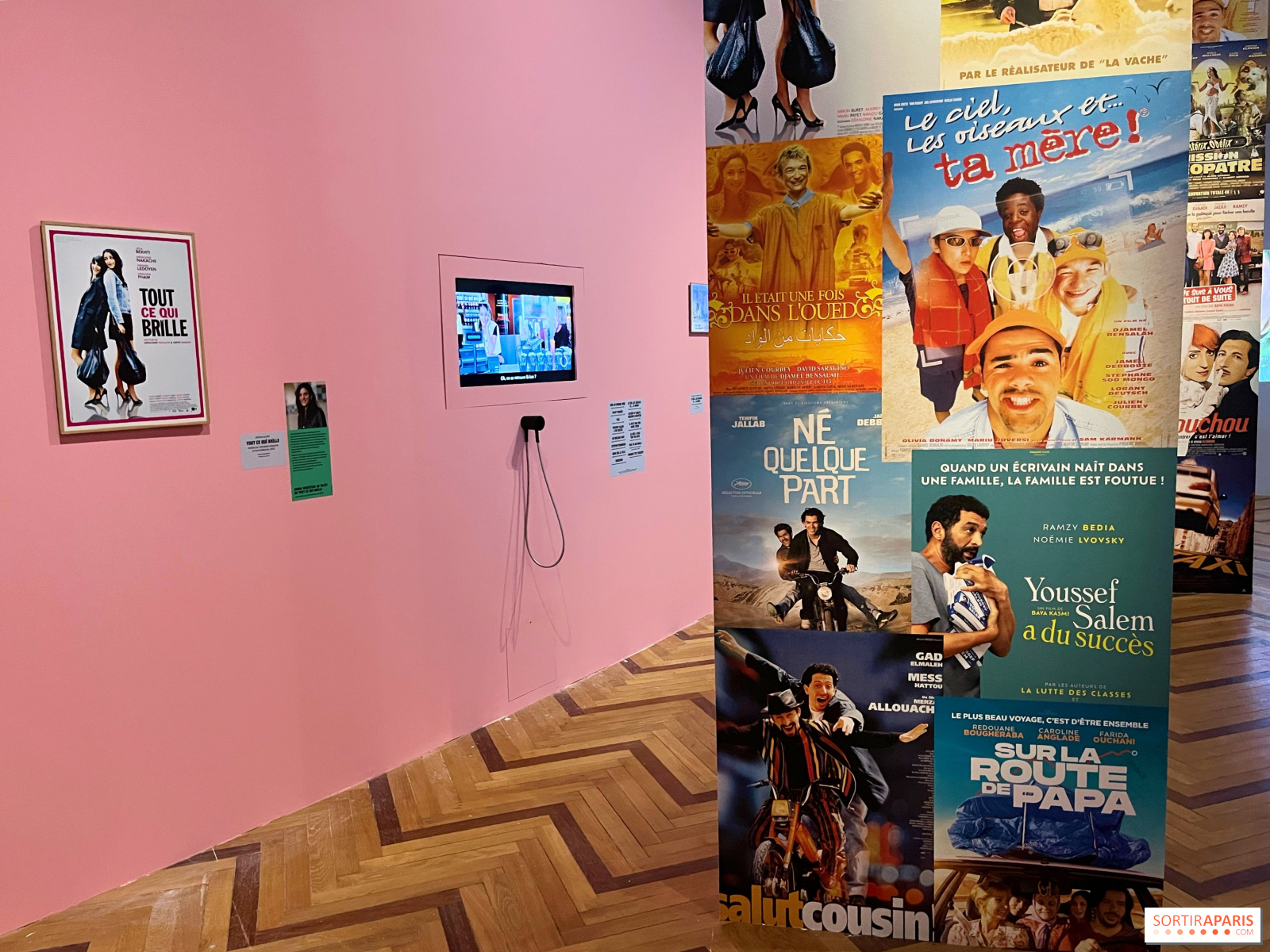
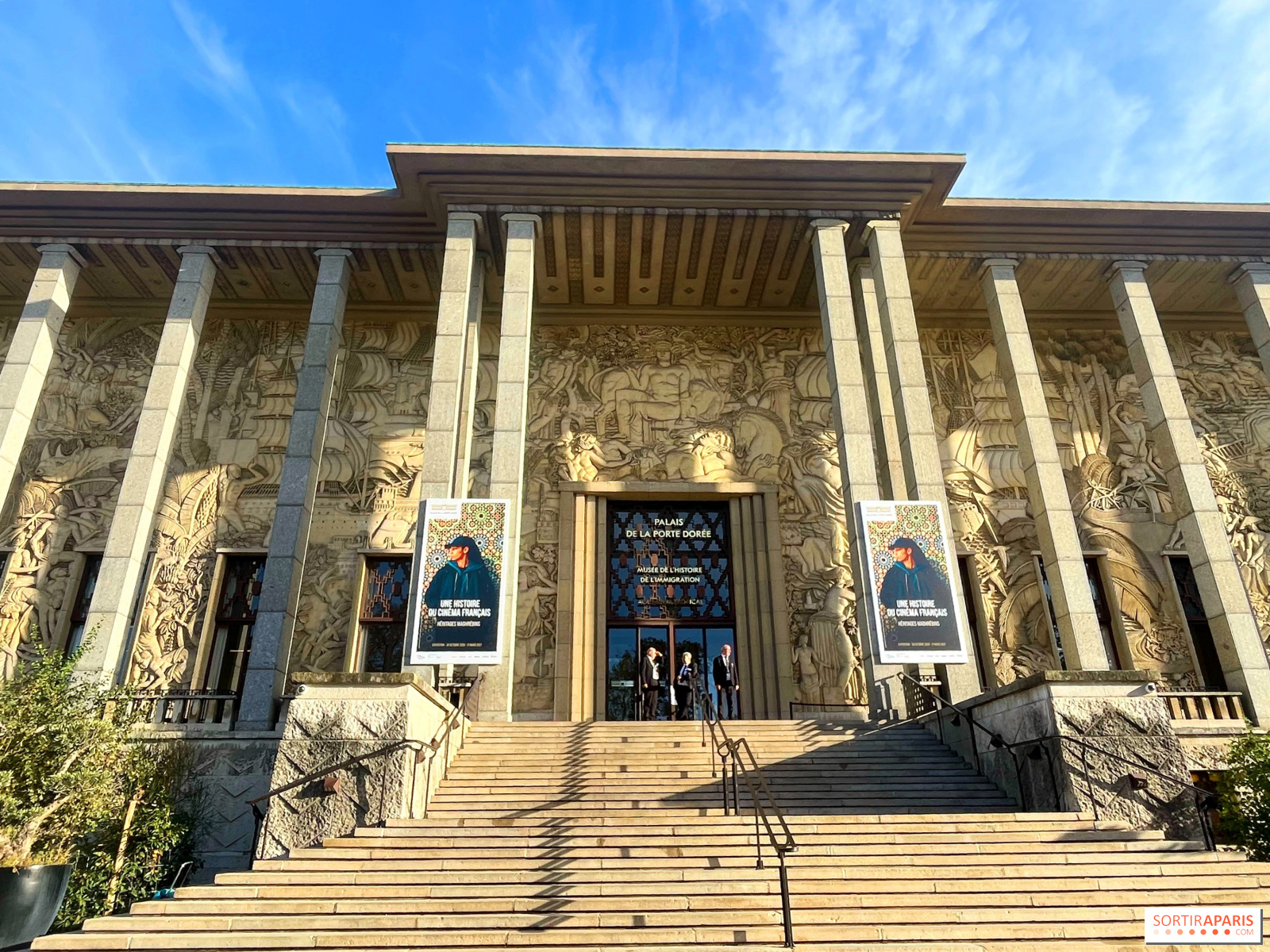
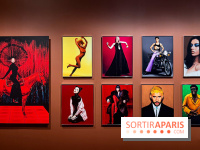
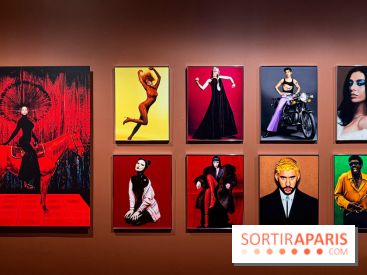
“This exhibition traces a gentle story that has never been told,” explains Clémentine Deroudille, one of the exhibition’s three curators, alongside Lucile Humbert Beldjoudi and Chloé Dupont. It is the story of Algerians, Tunisians and Moroccans who came to France, temporarily or for good, as early as 1960. Following the independence of these three Maghreb countries, some filmmakers came to study in France, while others settled there. In short, the first generation of Maghrebi immigrants made its home in France.
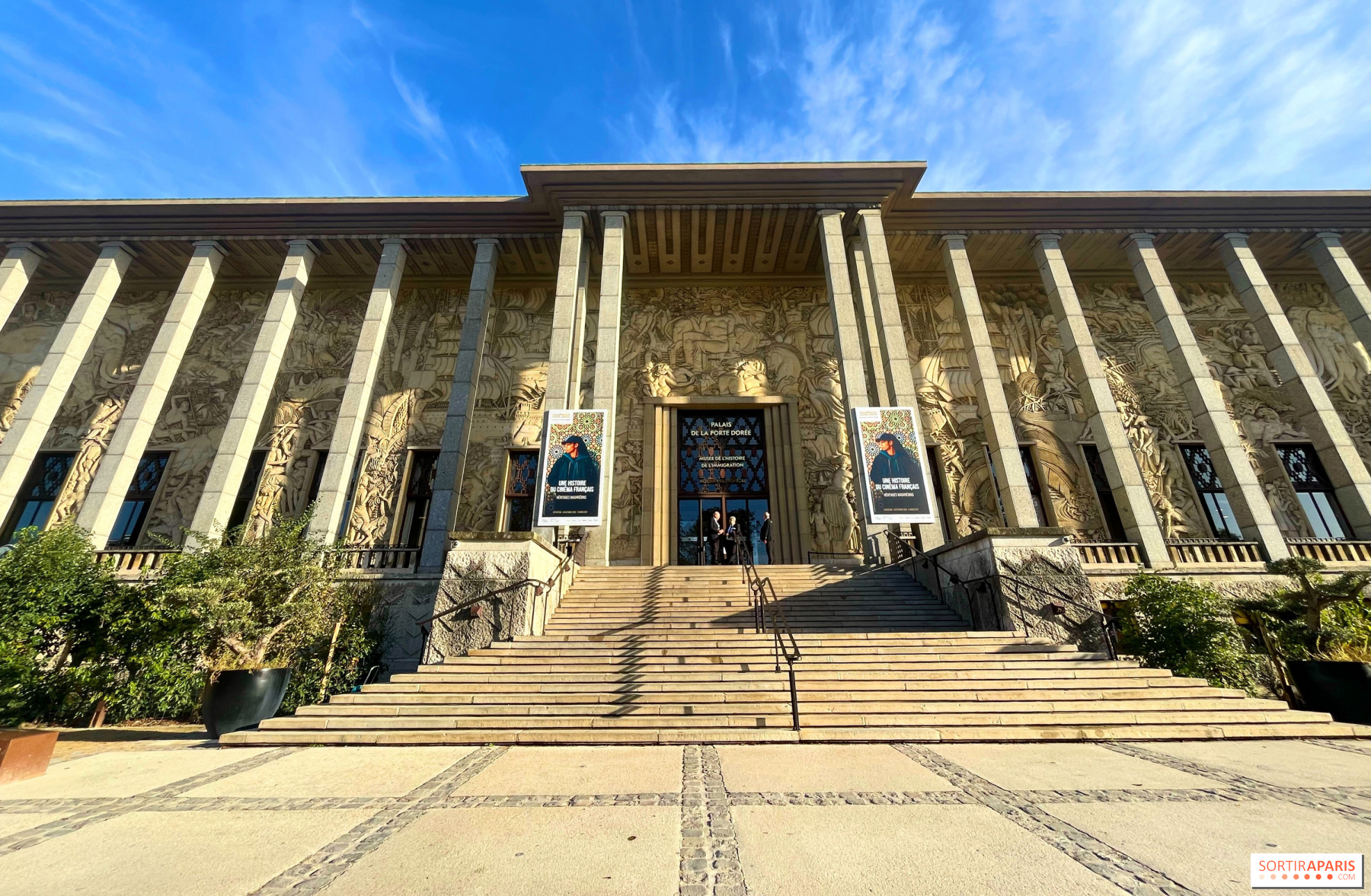
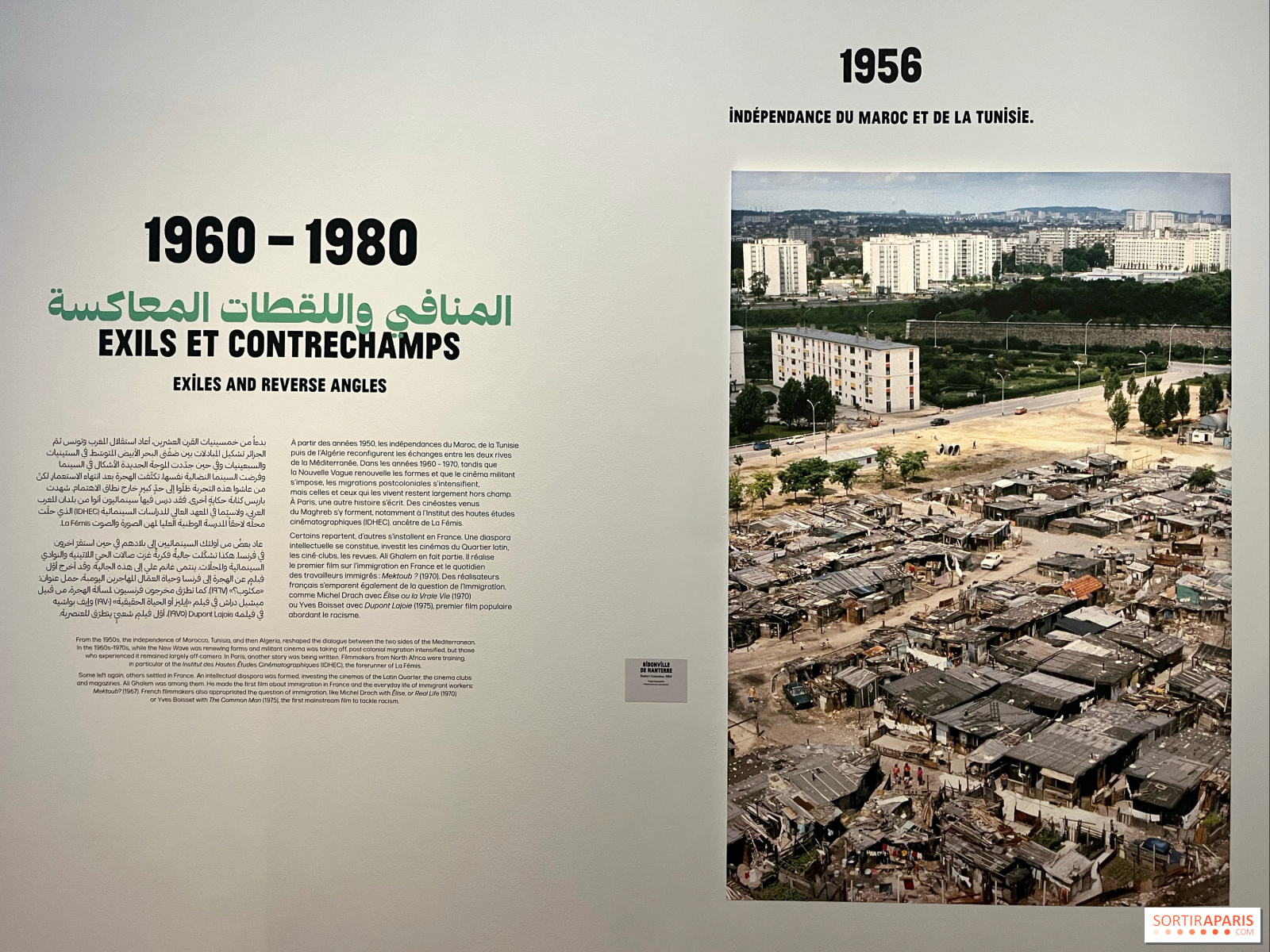
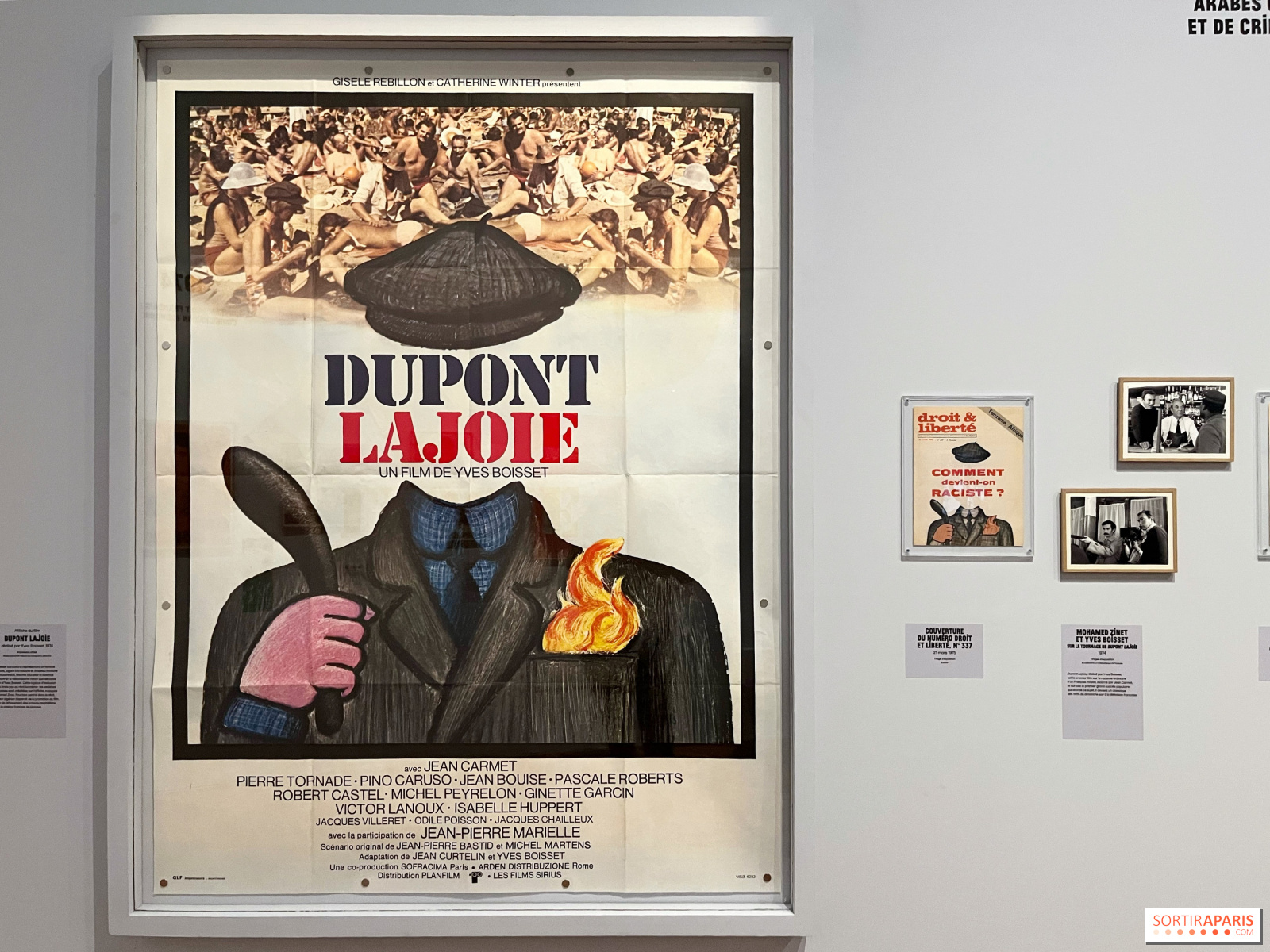
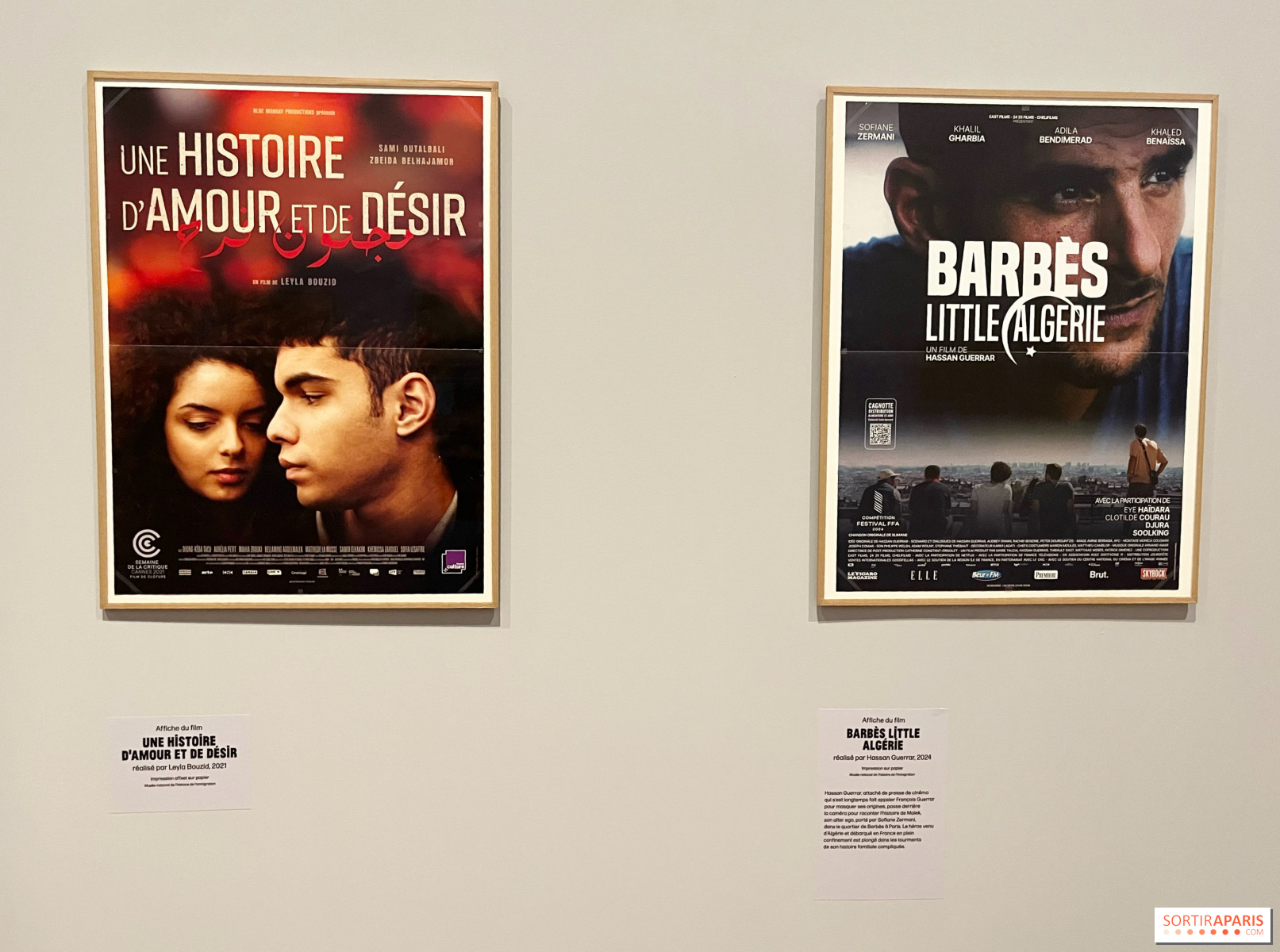
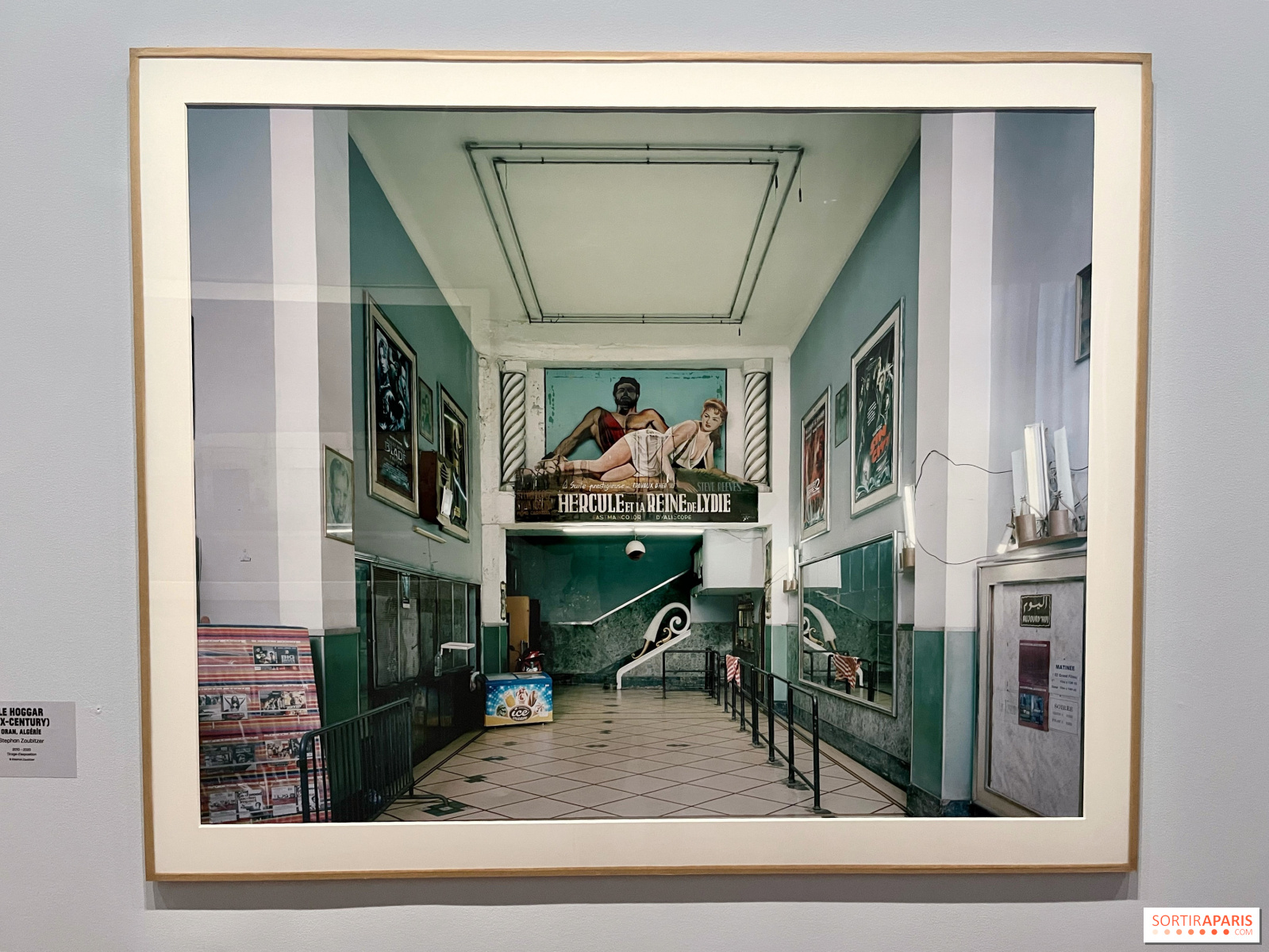
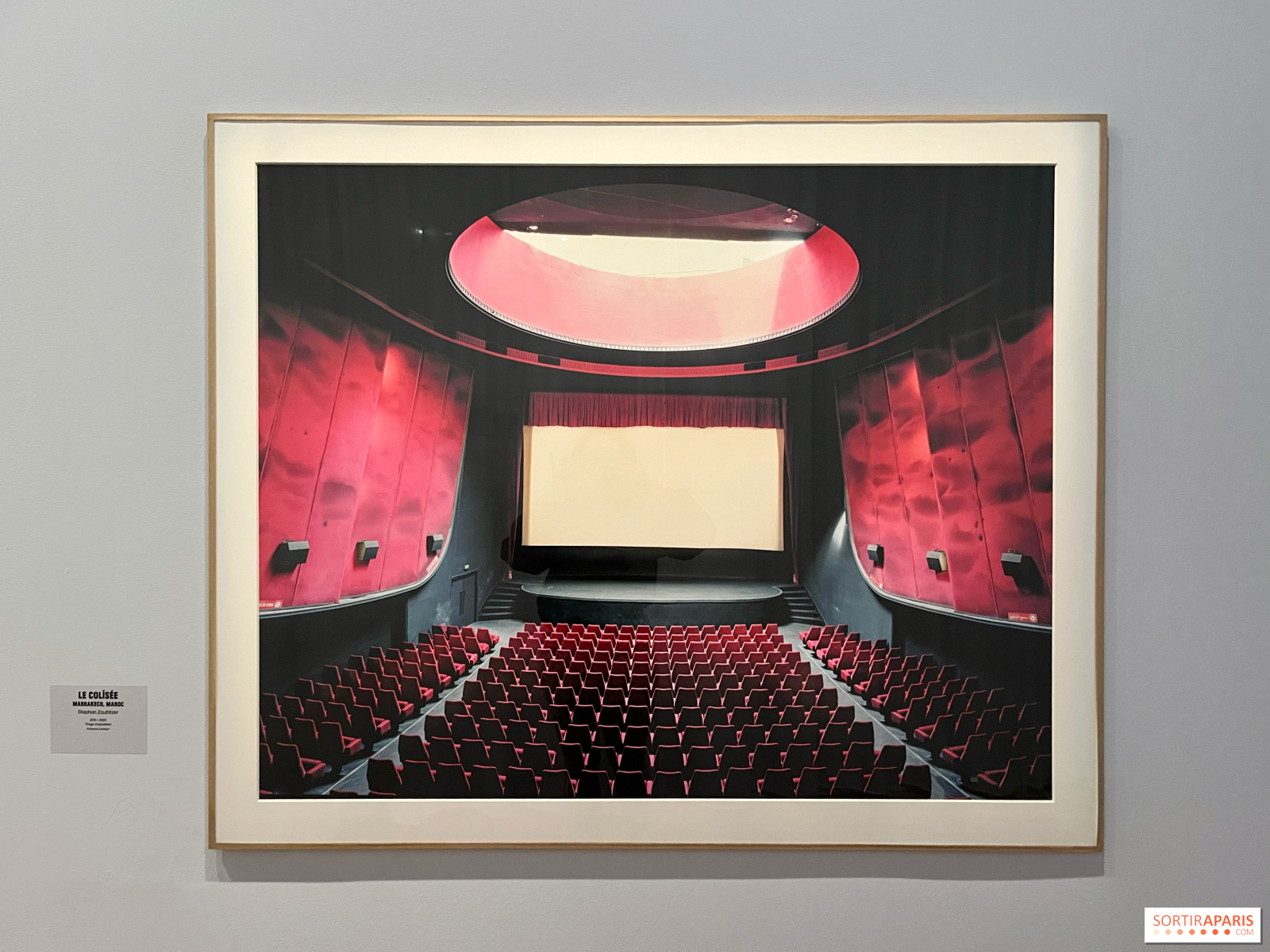
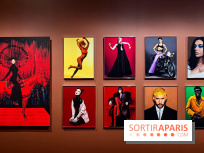
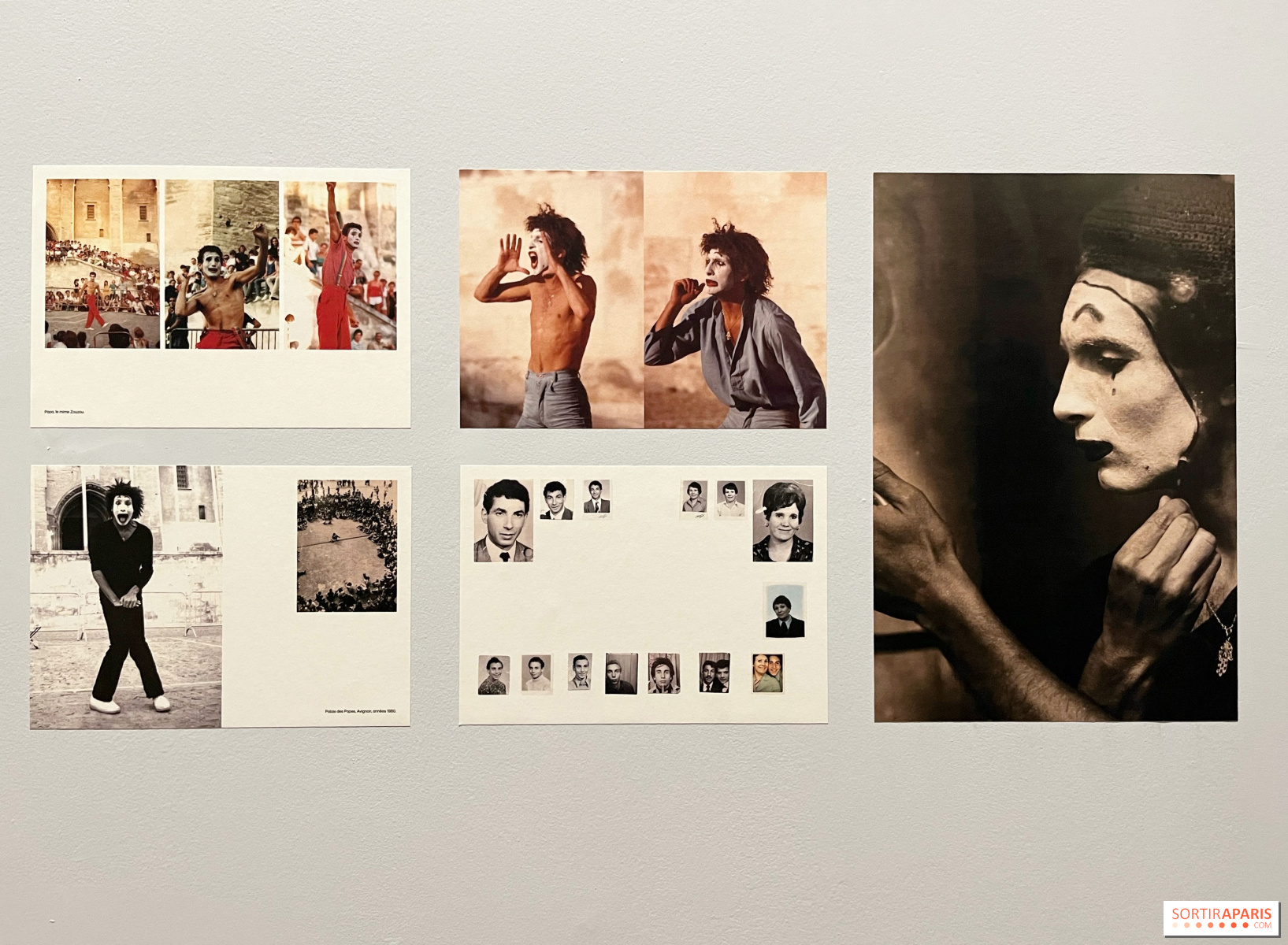
From Samy Naceri to Jamel Debbouze, including Isabelle Adjani, Rachid Bouchareb, Camélia Jordana... The exhibition revisits this history of French cinema through the lens of Maghrebi heritage, exploring segregation, racism and colonial history. It places audiovisual material front and center, with around thirty film clips, numerous posters and movie posters, as well as photographs taken during filming.

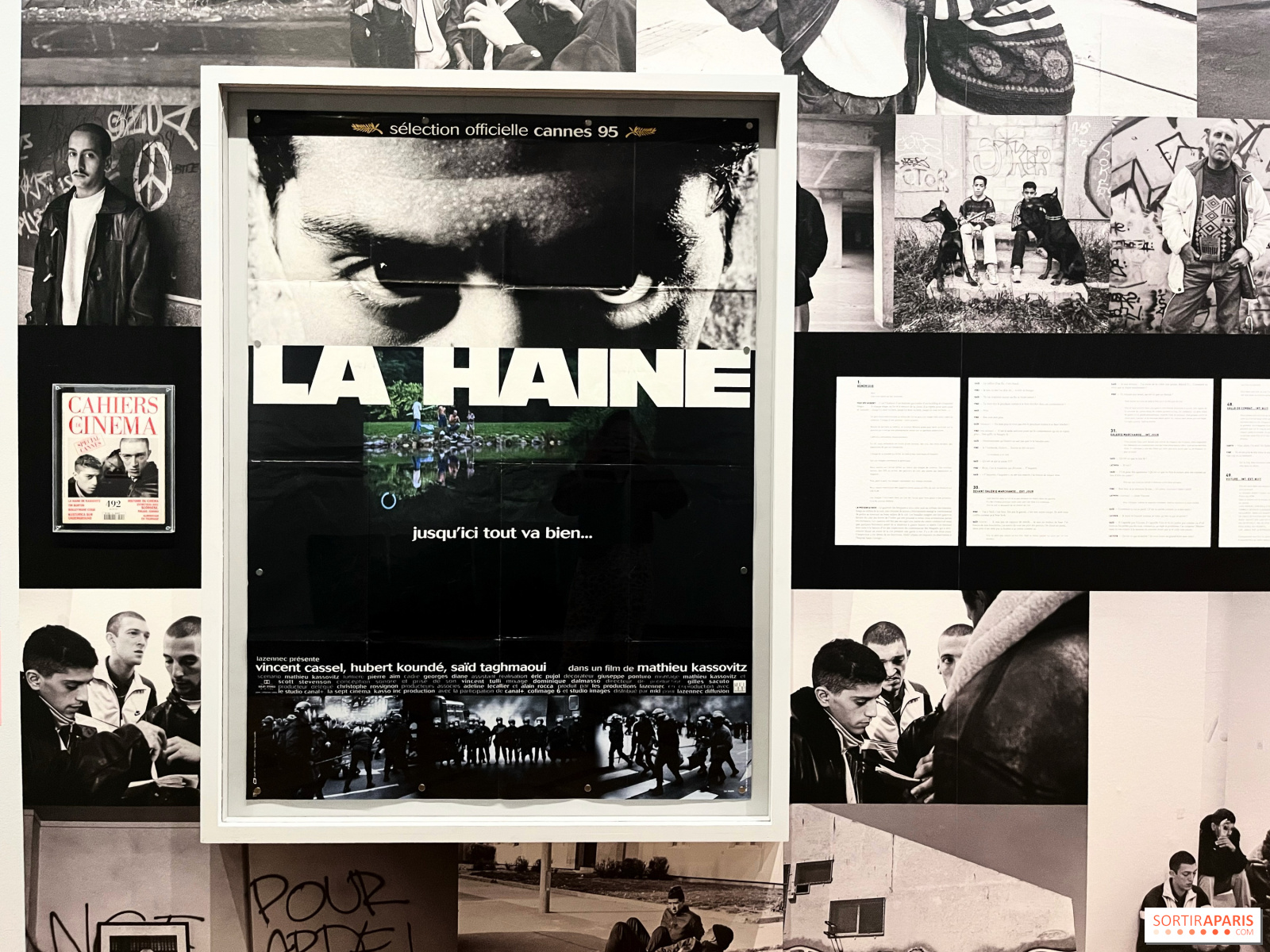
This is an opportunity to (re)watch clips from Days of Glory (directed by Rachid Bouchareb), the film that shone a light on the anonymous North African soldiers who took part in the liberation of France from Nazi occupation in 1943. Screened at the 2006 Cannes Film Festival, the film would win the Best Actor Award for its four leading men, played onscreen by Jamel Debbouze, Roschdy Zem, Samy Naceri and Sami Bouajila. Or to take a closer look at the phenomenon of La Haine, directed by Mathieu Kassovitz, about life in the banlieues and the visibility the feature film brought to them.
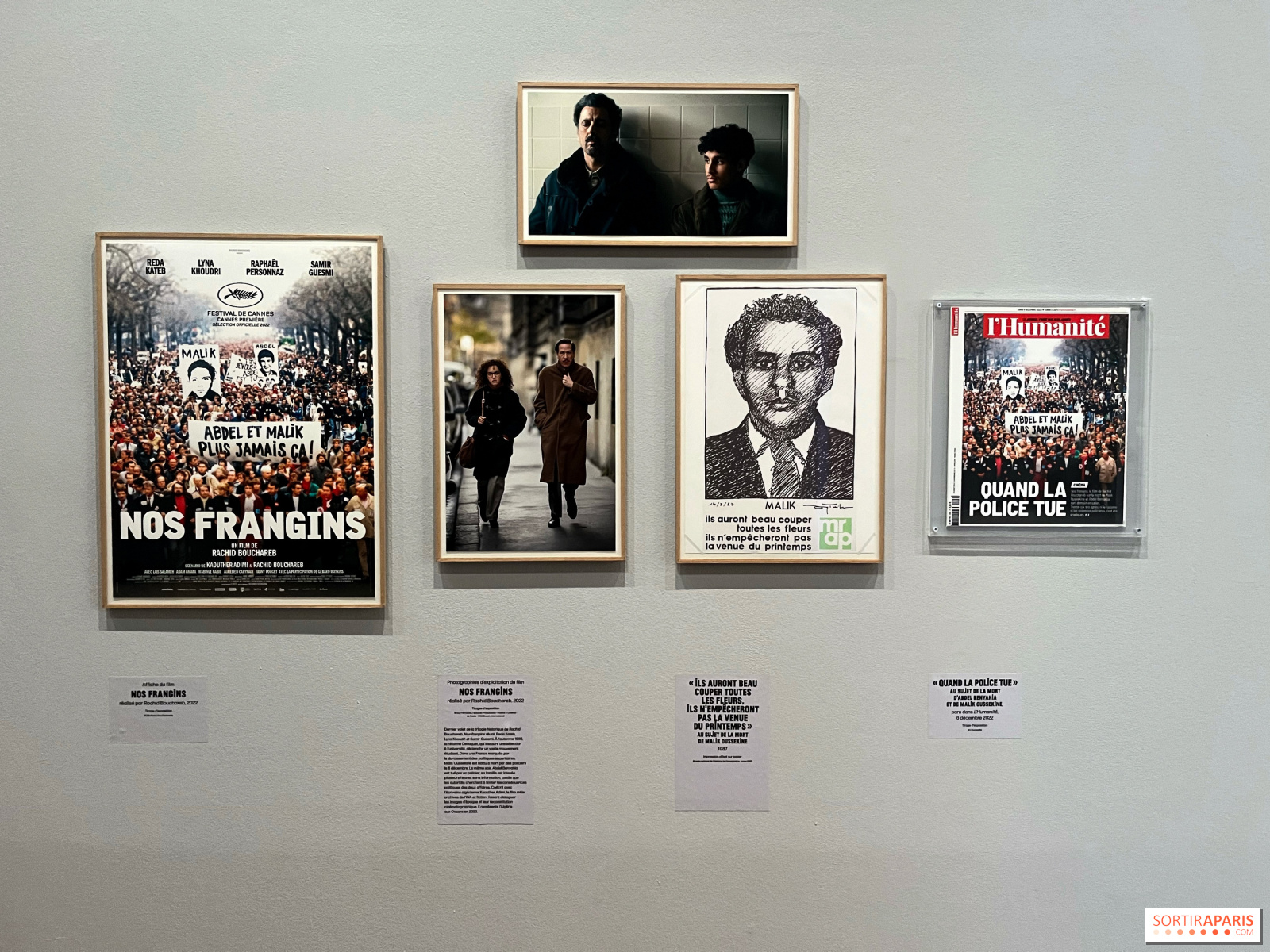

Visitors also learn about police violence, the dark days for this population of immigrants and descendants of immigrants, including October 17, 1961, when Algerians who had come to Paris to protest a very strict curfew were brutally repressed, as well as high-profile cases such as the “Omar m’a tuer” case and the death of Malik Oussekine, among others.
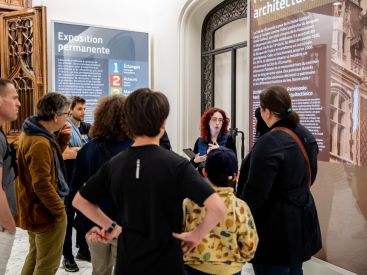
The exhibition also includes a children’s trail, with pink labels aimed at younger visitors. All the exhibition’s curatorial text is in French, English and Arabic. Allow at least 1 hour and 30 minutes for your visit; real cinema seats have been installed for every excerpt screened, offering you a complete experience. One room, the cine club, offers a more playful approach to the exhibition, as well as a space for discussion or simply taking a break during your visit.


The exhibition runs from October 30, 2026, to March 21, 2027. Admission is €12 at the standard rate and €9 at the reduced rate. Admission is free for visitors under 18 and those under 25 who are EU citizens. The museum is closed to the public every Monday. An interesting exhibition, rich in historical detail, with cinematic references that invite reflection even after the exhibition has ended.
It isn't necessarily recommended for children, as it is quite difficult to understand, but for teenagers or adults of any age, this exhibition is essential to understand the history of Maghrebi immigrants in France since 1960, through the lens of cinema.
This test was conducted as part of a professional invitation. If your experience differs from ours, please let us know.
Dates and Opening Time
From October 30, 2026 to March 21, 2027
Location
Museum of Immigration History
293 Avenue Daumesnil
75012 Paris 12
Route planner
Accessibility info
Prices
Moins de 26 ans: Free
Tarif réduit: €9
Plein tarif: €12
Official website
www.histoire-immigration.fr