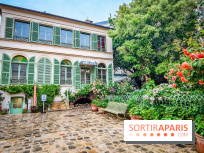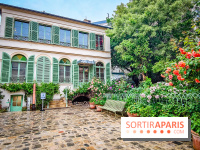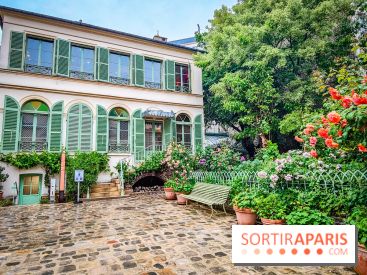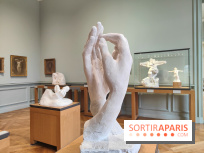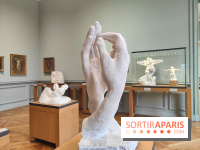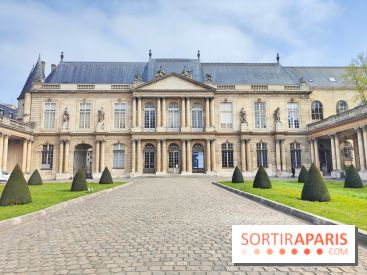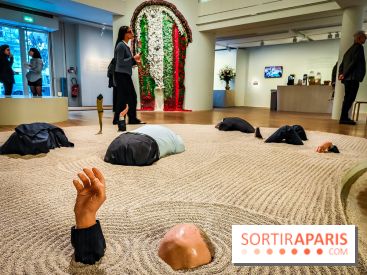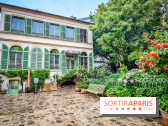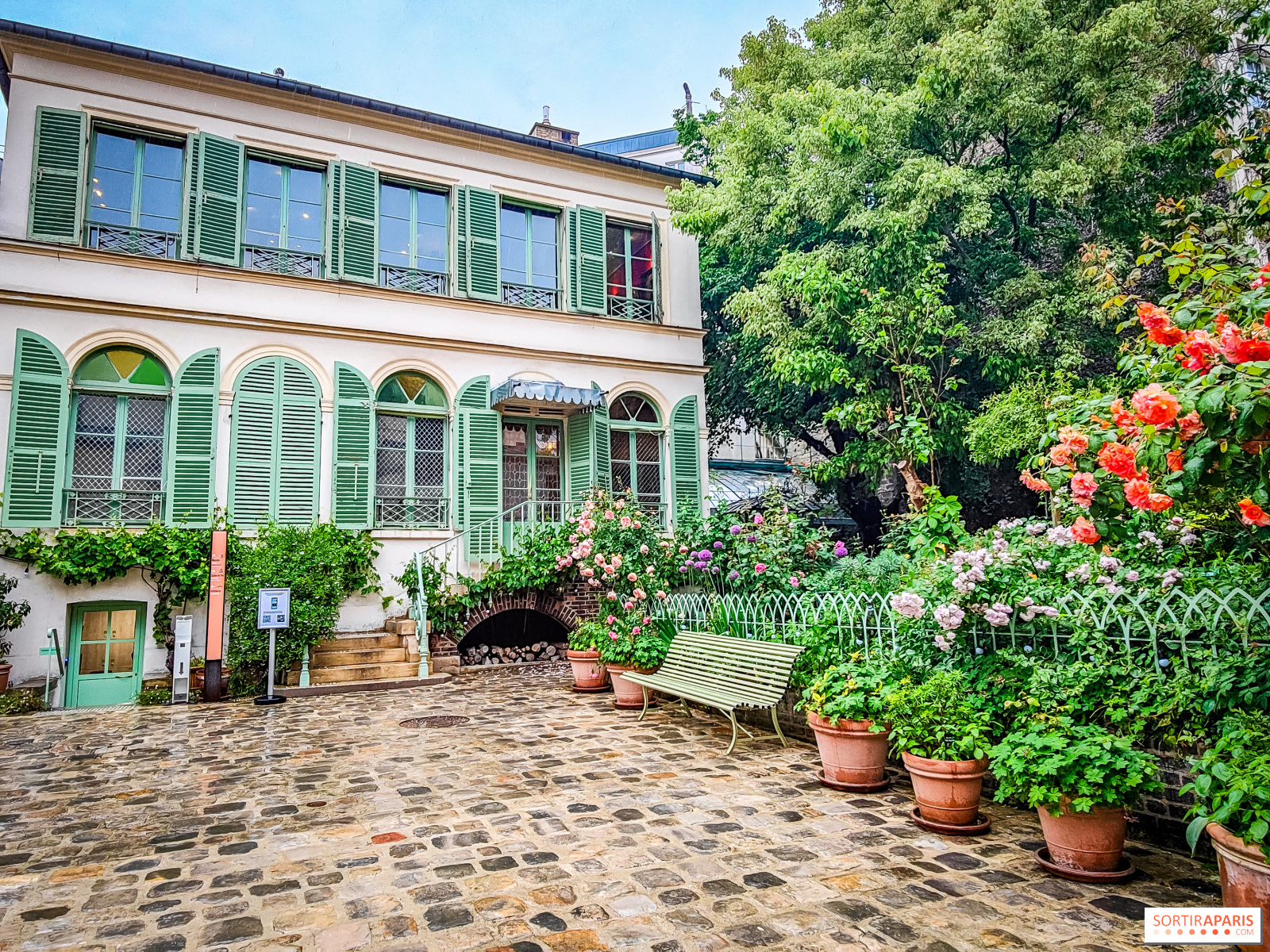
The Musée de la Vie Romantique has undergone a facelift: after more than a year of renovation, the Parisian museum reopens its doors to art enthusiasts. Often dubbed "the George Sand Museum," it has traditionally showcased a significant collection dedicated to the renowned French novelist, playwright, and painter. Visitors on the ground floor could admire numerous artworks and personal items once owned by the artist. However, George Sand never actually lived in this house.
The owner of the property was Ary Scheffer, a French painter of Dutch descent. This artist, renowned for his portraits, settled in this house on Rue Chaptal in 1830. He lived there until his death, creating numerous works of art in the studio, and hosting fellow artists and writers such as Delacroix, Chopin, Dickens... and a certain George Sand.
Ary Scheffer was indeed the driving force behind the life of this building, now transformed into a museum, and it was he who established it as a hub for artists in the 1830s, during the height of romanticism. To honor this legacy, the Museum of Romantic Life has decided to dedicate greater space to his influence within its permanent collections.
The exhibition journey has been redesigned to highlight the life and work of this renowned artist. While his name may now be less familiar than that of George Sand, Ary Scheffer was a major painter of his time, and several of his artworks still remain influential references today.
He is notably credited with works such as The Death of Géricault, The Souliote Women, Napoleon at Saint Helena... He distinguished himself with portraits of Louis XVIII, Chopin, Lafayette, and Lamartine... A deeply devout man, he also created numerous paintings centered around religious themes, drawing inspiration from the Bible, Dante's works, and the life of Saint Louis. His close connections to the royal family occasionally landed him in trouble during this century marked by political upheaval.
His talent, extensive body of work, and the diversity of his subjects establish him as one of the leading figures in 19th-century painting, as well as a key player in the Romantic movement. Some of his most notable pieces can be seen at the Louvre Museum, the Palace of Versailles, the Petit Palais, the Musée Carnavalet, and of course, the Museum of Romantic Life.
Location
Museum of Romantic Life
16, rue Chaptal
75009 Paris 9
Access
M°2 - Blanche