From April 29 to July 19, 2026, the Collège de France invites us on a journey through time with its grand exhibition “Prehistory: between utopia and reality.” Free and open to everyone, this installation pits major archaeological discoveries against the imaginative narratives that have shaped our view of the Stone Age. A face-off between scientific rigor and artistic dreams, to understand what our ancestors reveal about our own humanity.
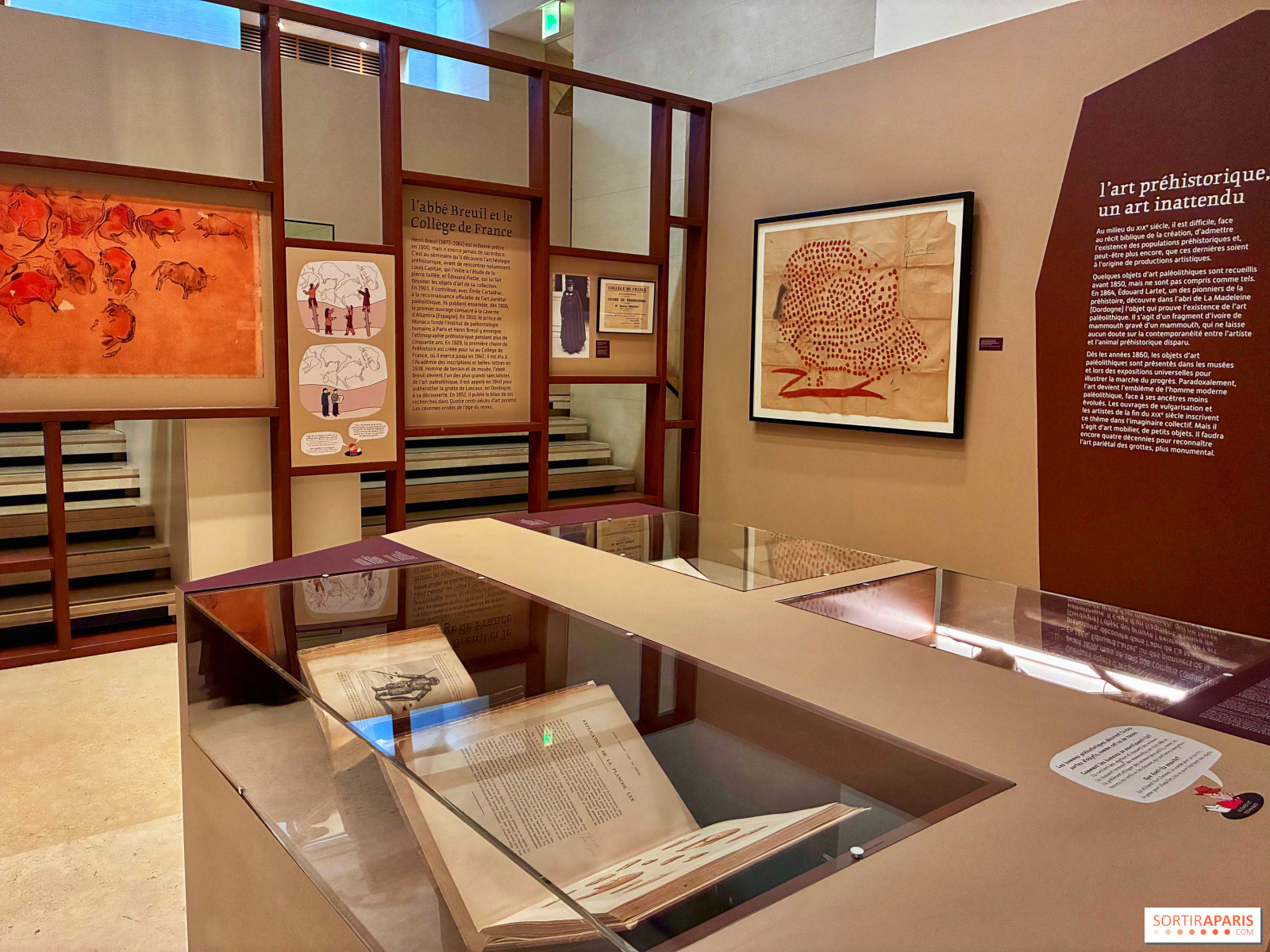
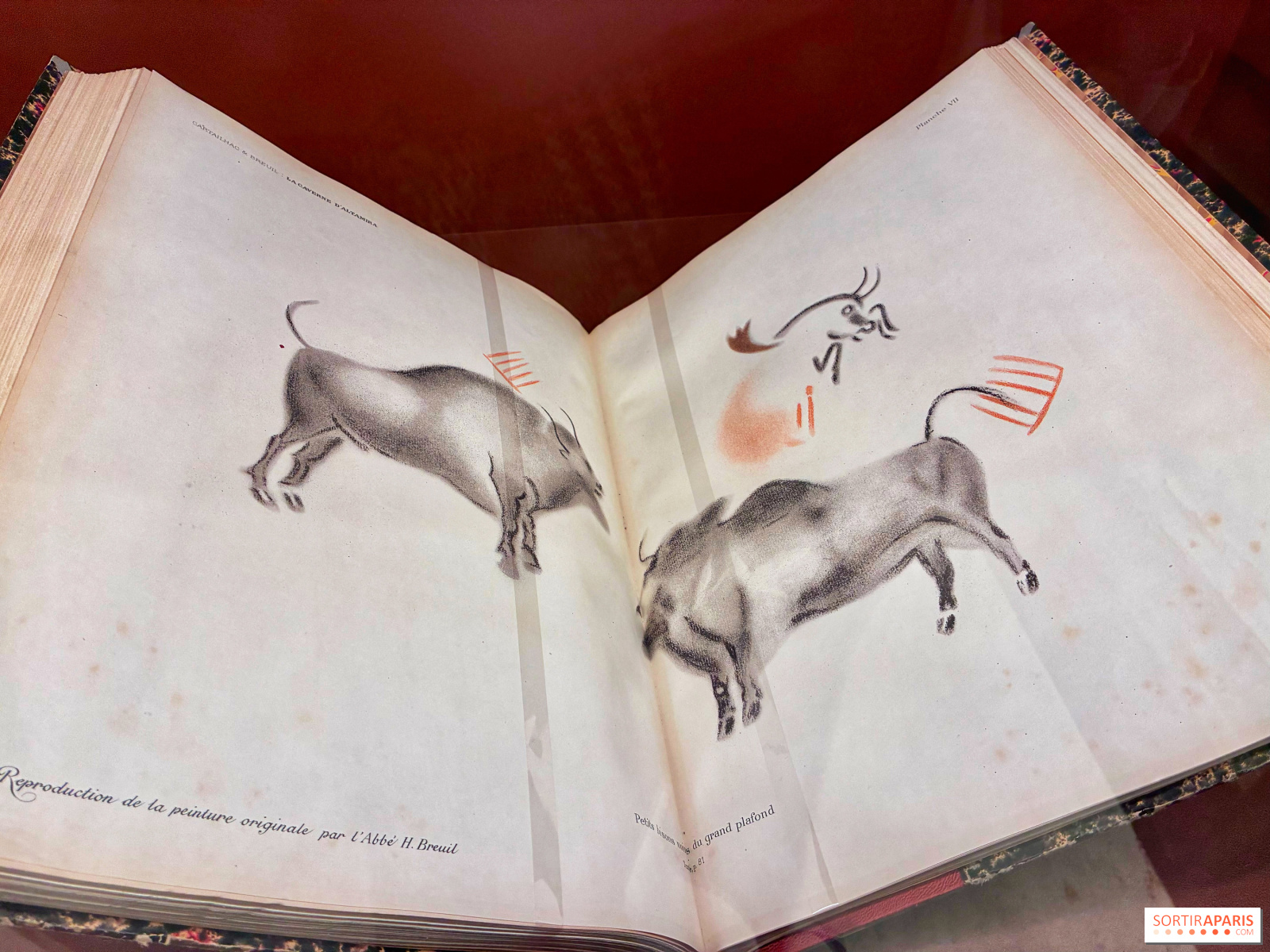
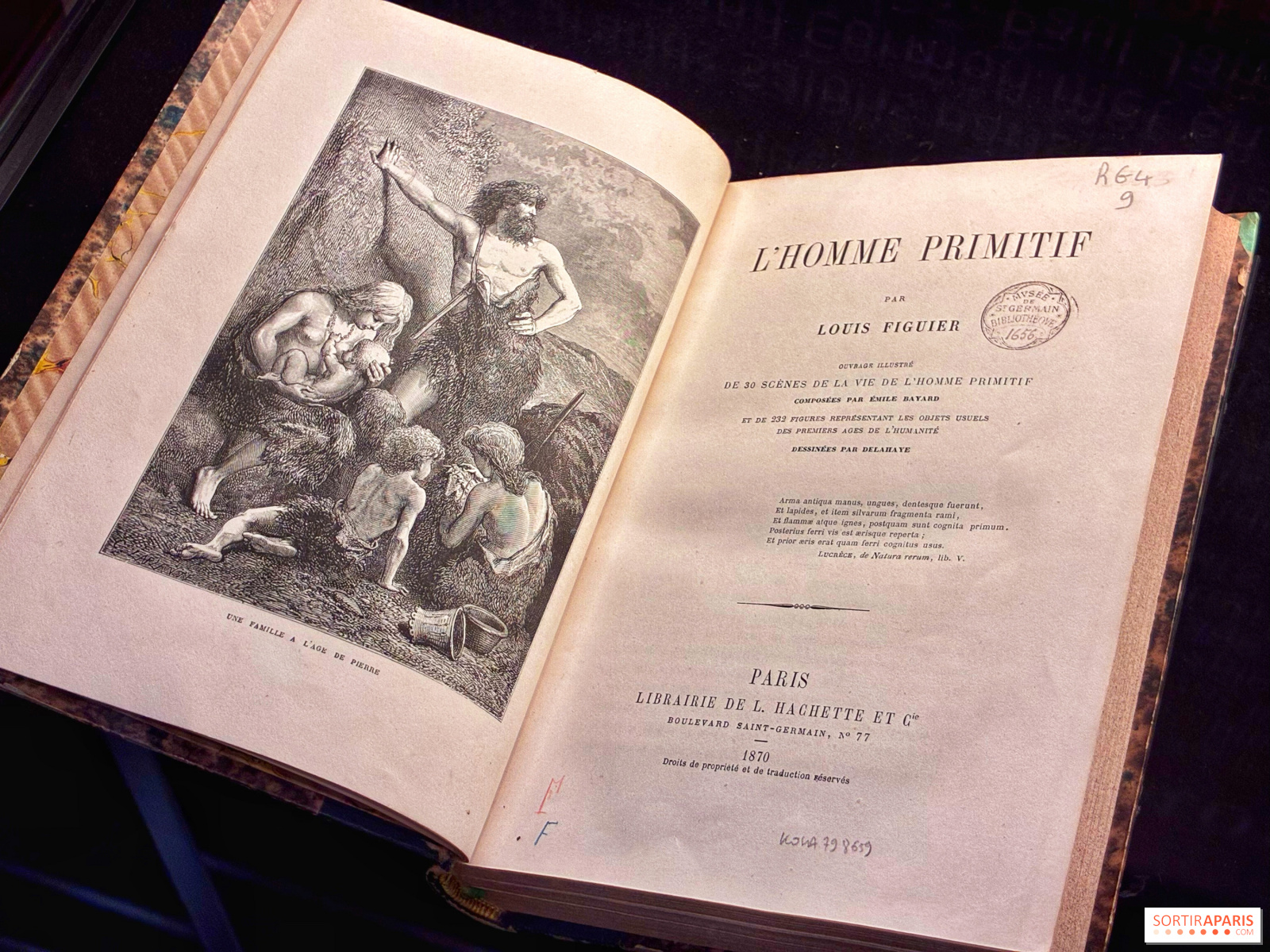
The Paleolithic has fascinated us since the 19th century, but what do we really know about it? The exhibition lifts the curtain on this "lost world" that has been defined as much by scholars as it has been imagined by artists. Here you’ll discover unique pieces of Paleolithic art or life-size reconstructions of paintings rupestrian paintings by the abbé Breuil, with a route that also reveals the state and progress of research through excavation photographs, evolutionary trees, and television archives.
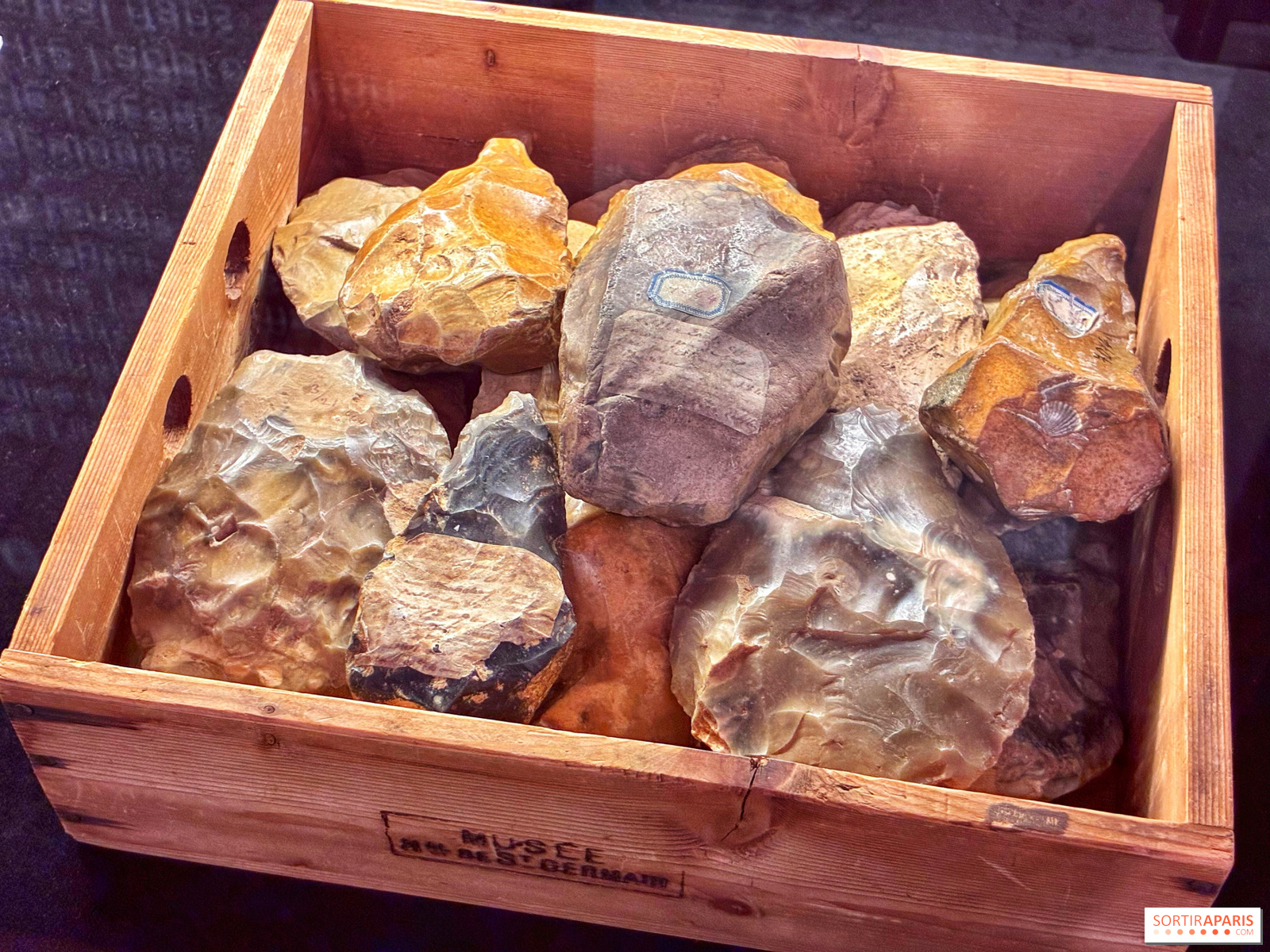
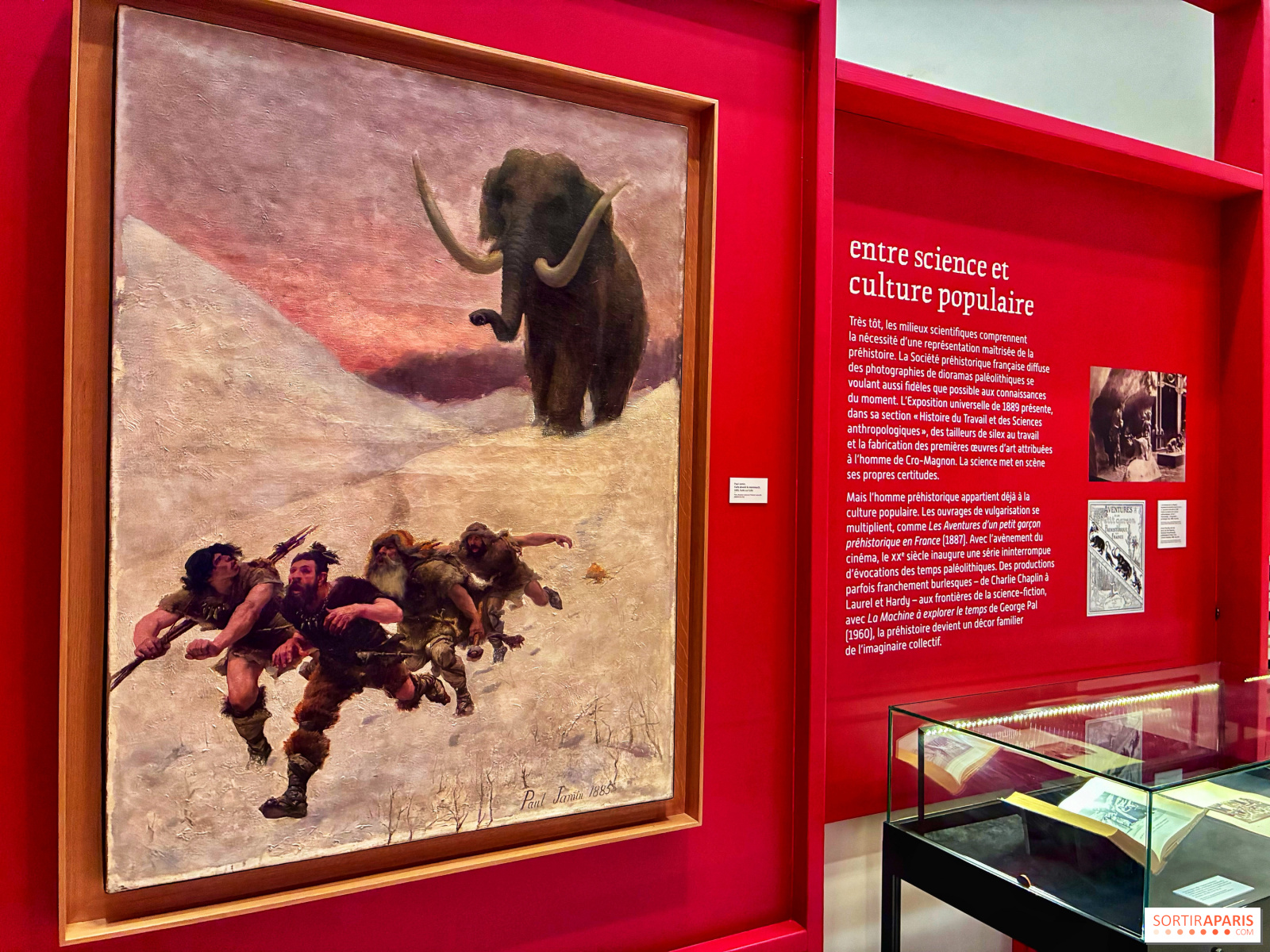
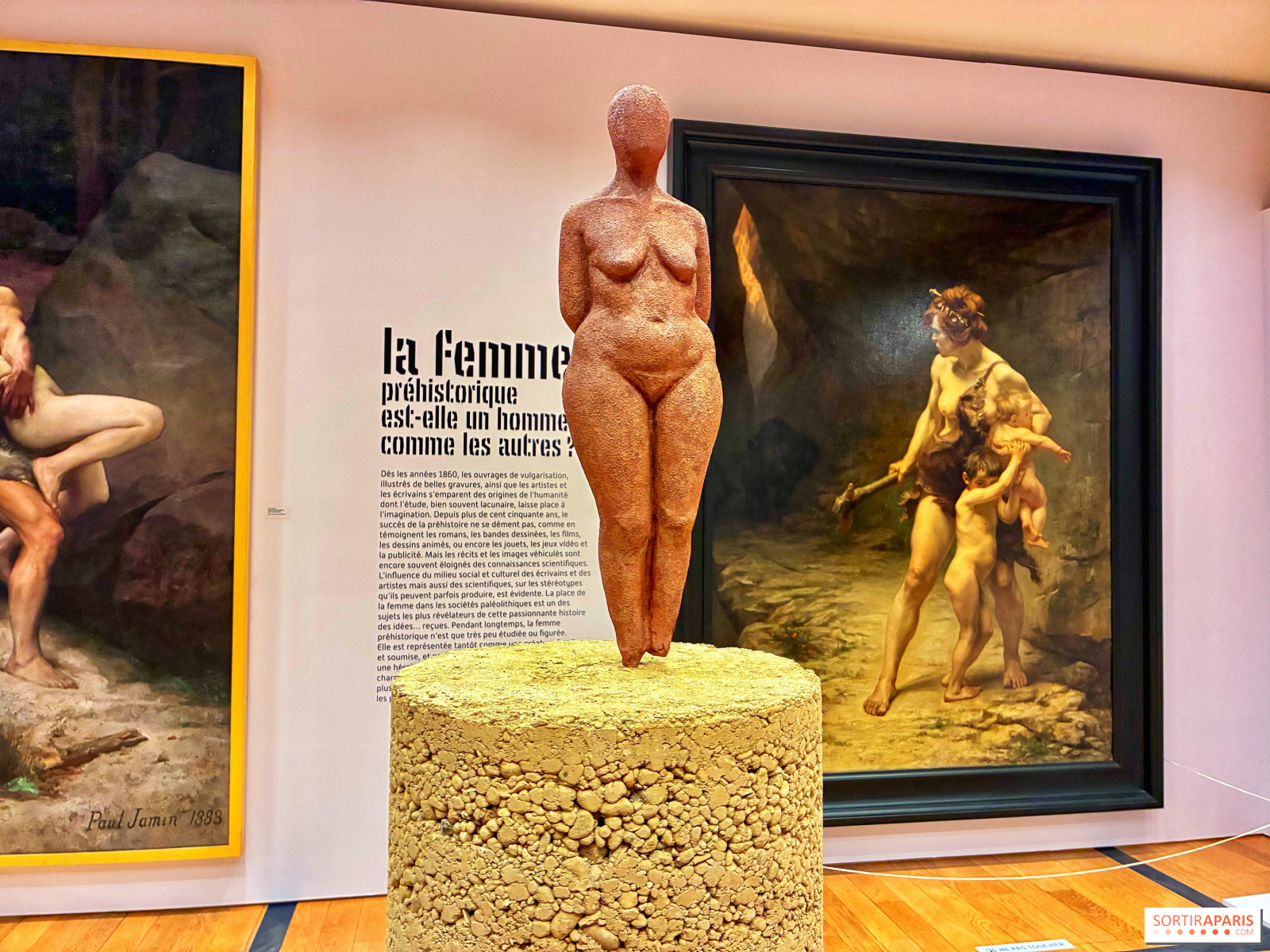
The exhibition also mines the dialogue between monumental academic art and popular culture to showcase the period’s varied depictions. We move from Paul Jamin’s paintings to Raquel Welch’s iconic silhouette in One Million Years BC, while not forgetting cult references such as The Quest for Fire, Rahan, or even Charlie Chaplin.
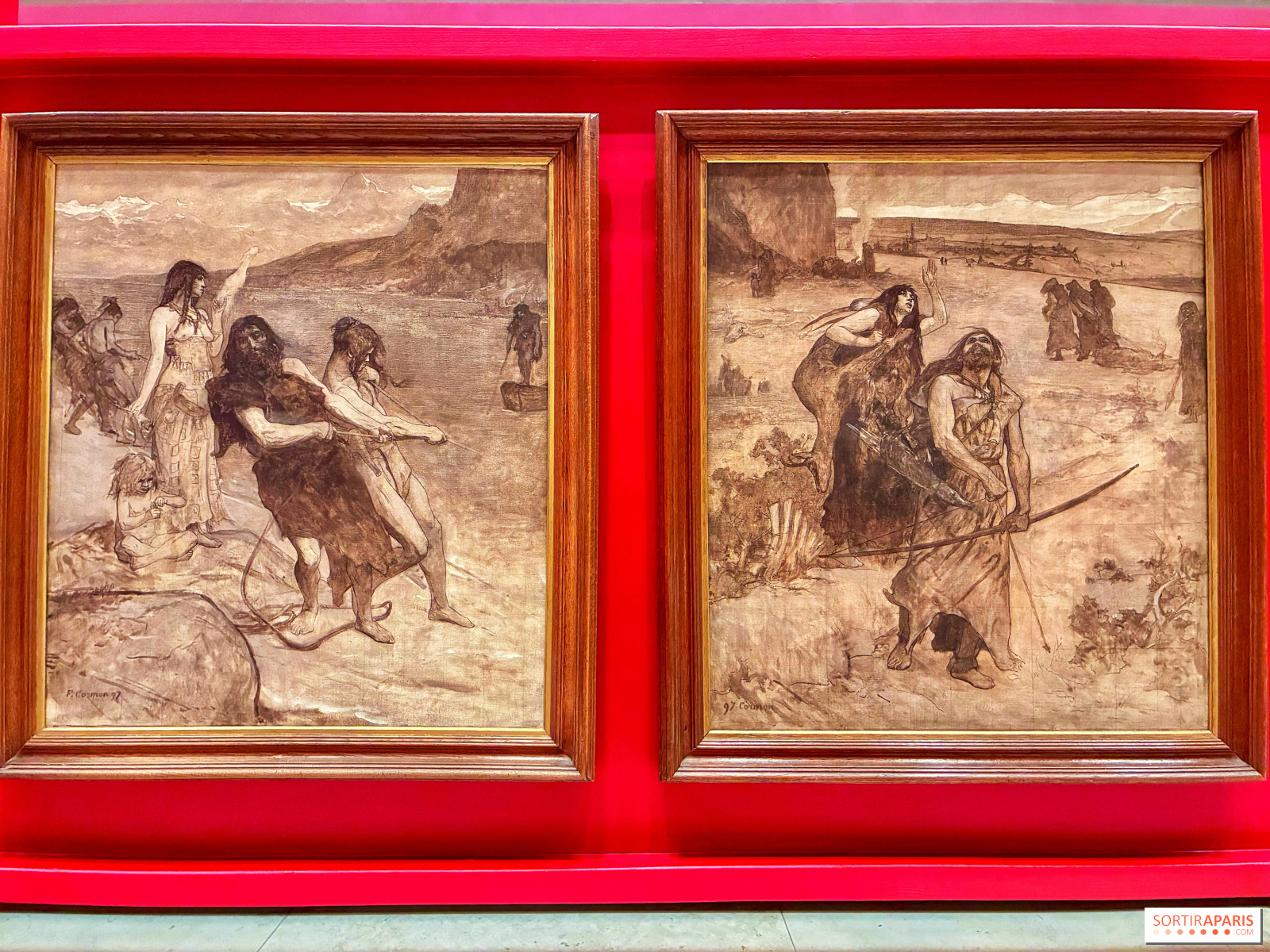
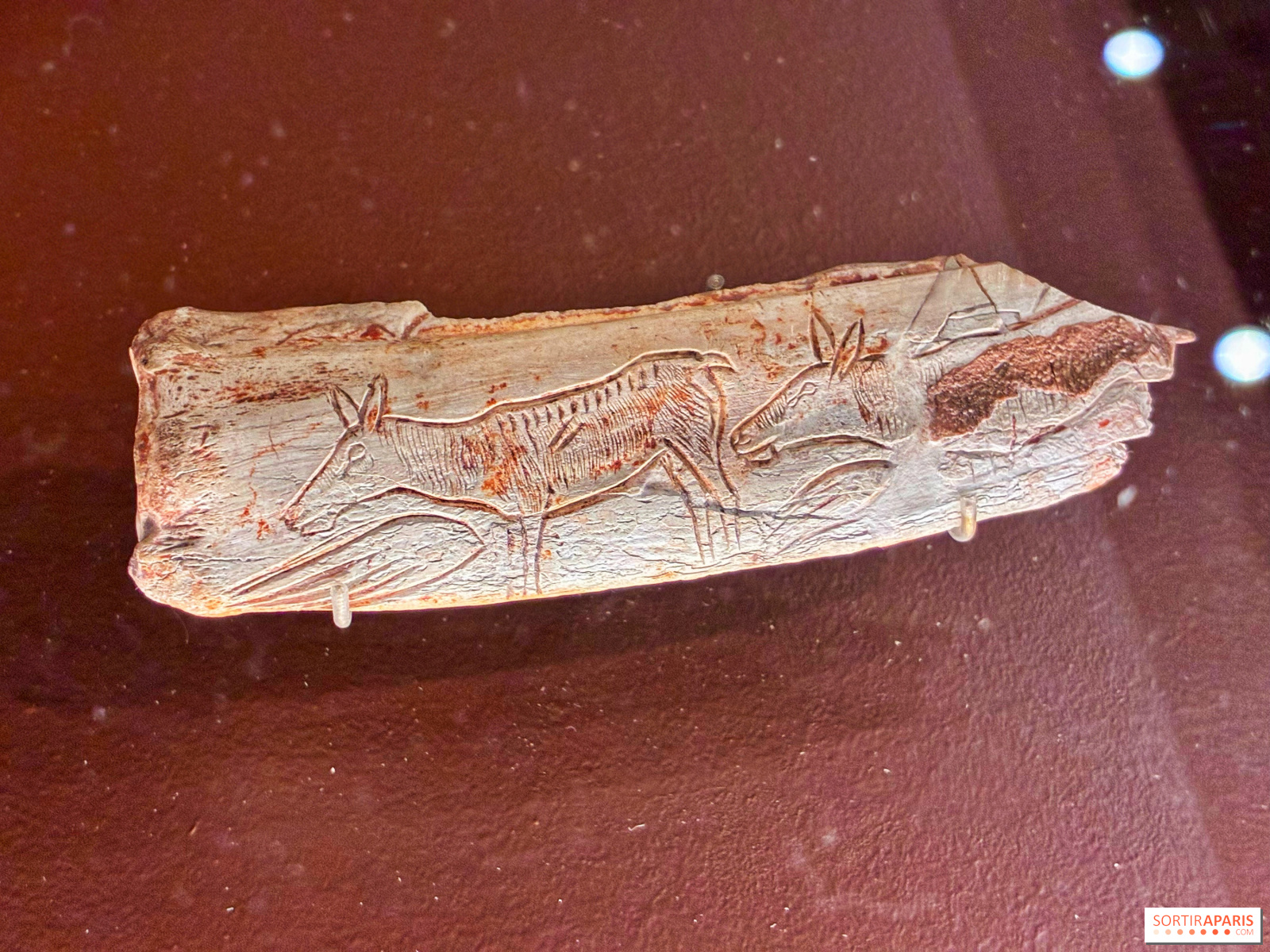
Far from a dusty itinerary, the exhibition invites us to travel back in time through a variety of media—artworks, documents, videos, and even interactive elements. We see tools and paintings that reflect how artists have imagined Prehistory across the centuries, as well as decorated objects that show humanity was already using art long ago.
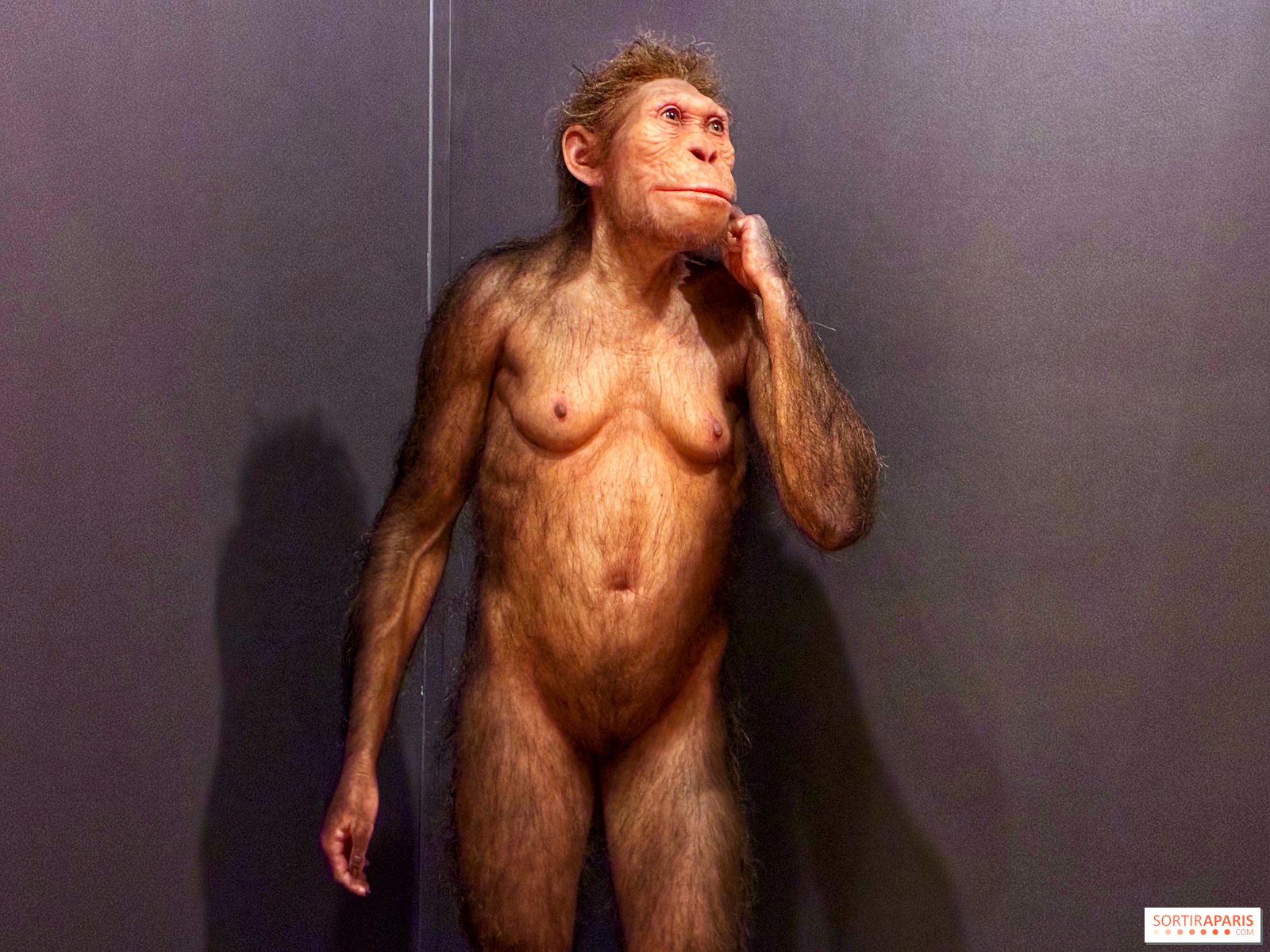
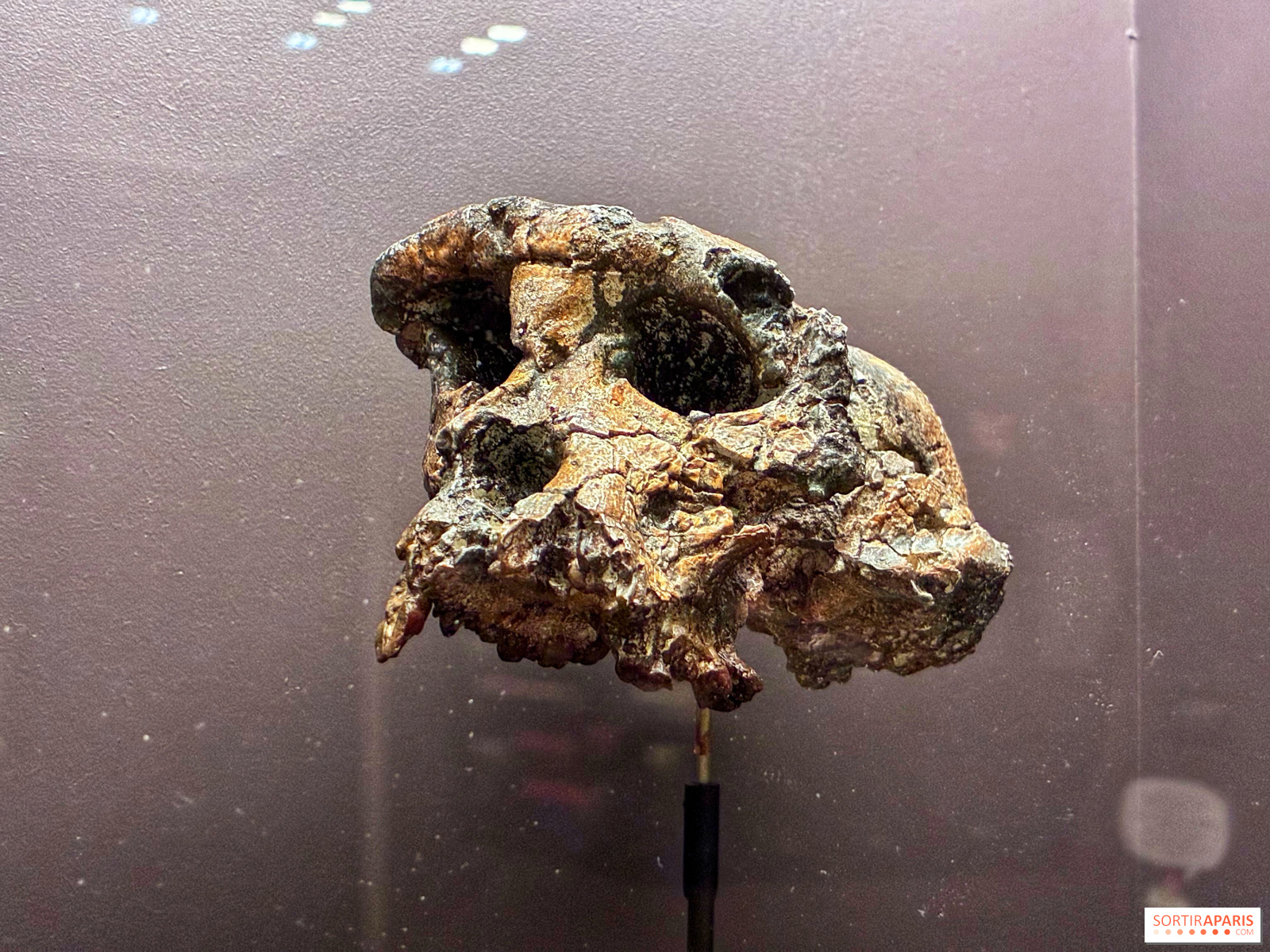
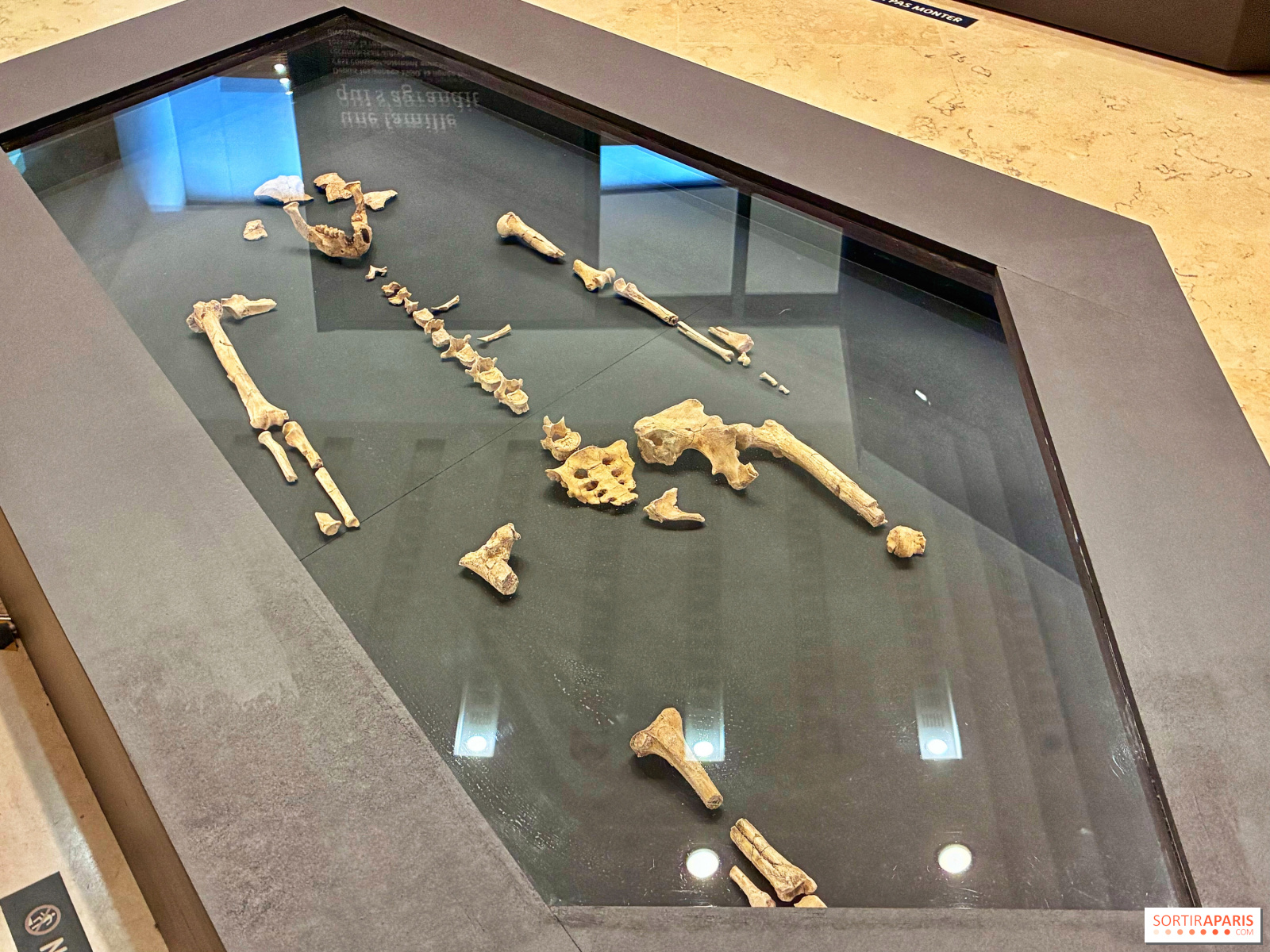
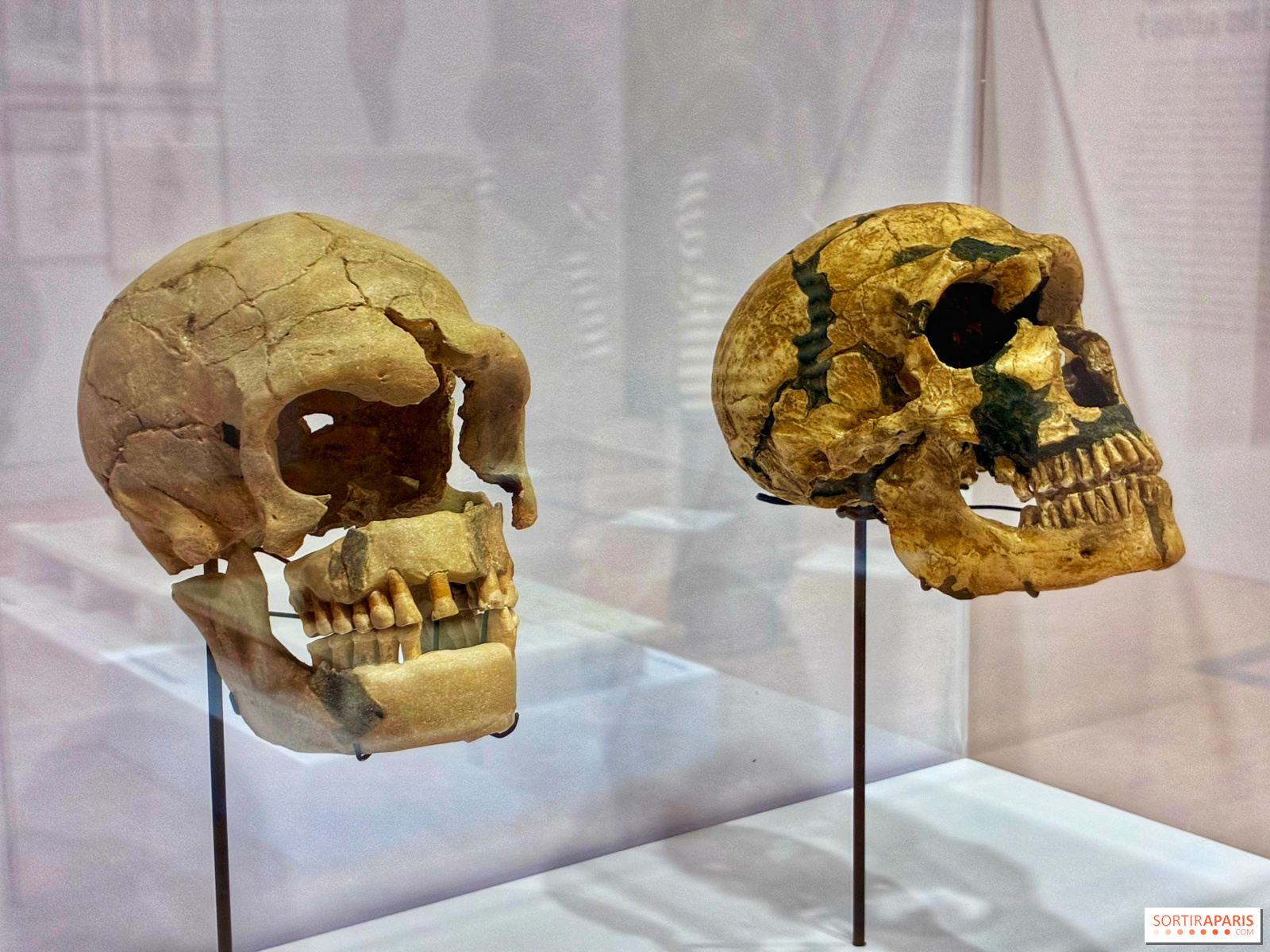
We have the chance to encounter two lifelike Neanderthal reconstructions by Elisabeth Daynès, giving a sense of the size and appearance of our ancestors, one of them dressed in modern clothes. While Lucy is the best known, others are revealed by their skulls, offering a clear view of our evolution, which science helps us understand as well.

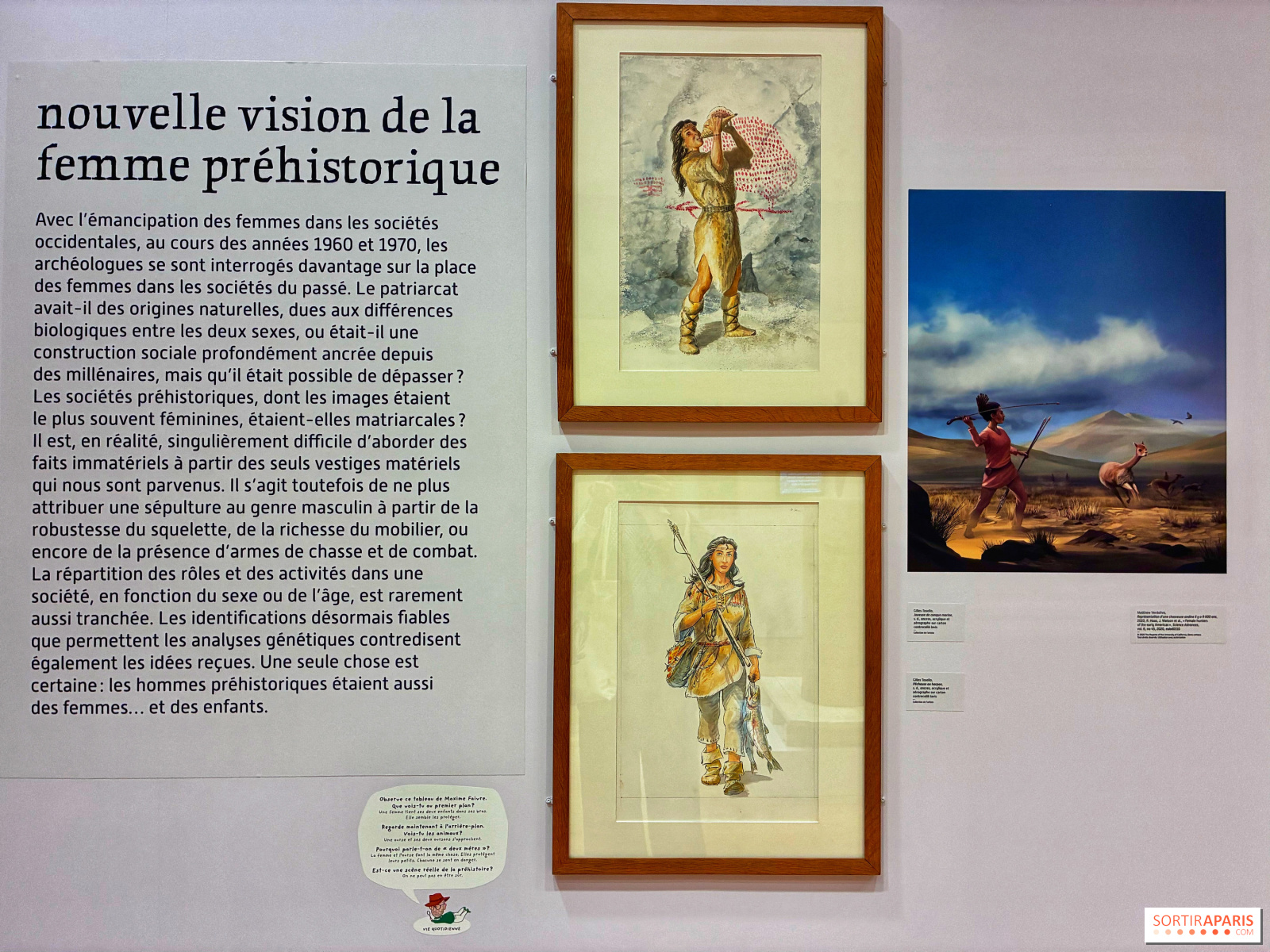
The Place of Women and their image in the collective imagination is explored through comics, films, and pop culture, which for a long time plunged into stereotypes shaped by society, revealing more about the misogyny of our nearer ancestors than of distant ones. Moreover, this exhibition leaves visitors with a new perspective on that era, as several anecdotes are sure to surprise us.
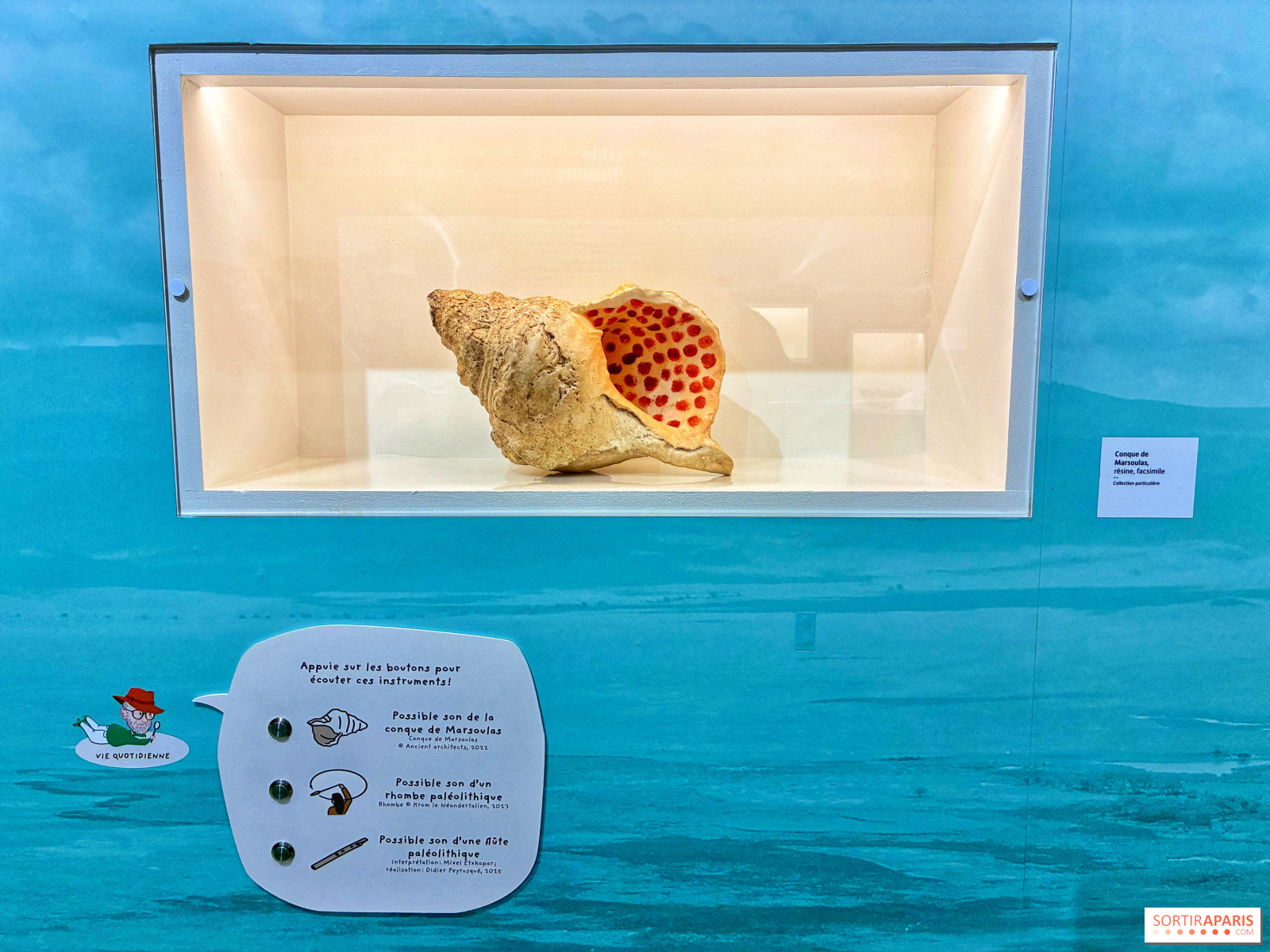
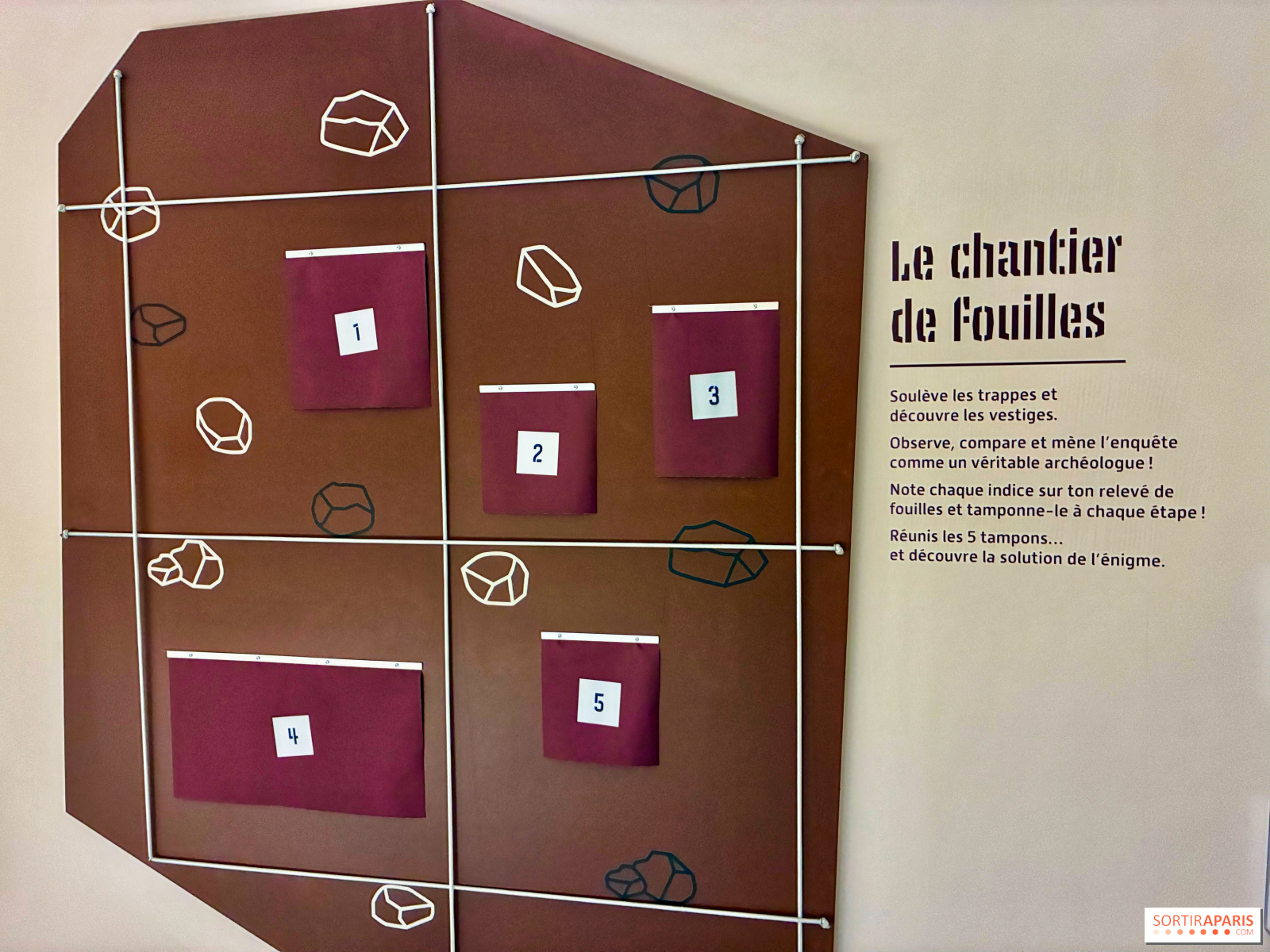
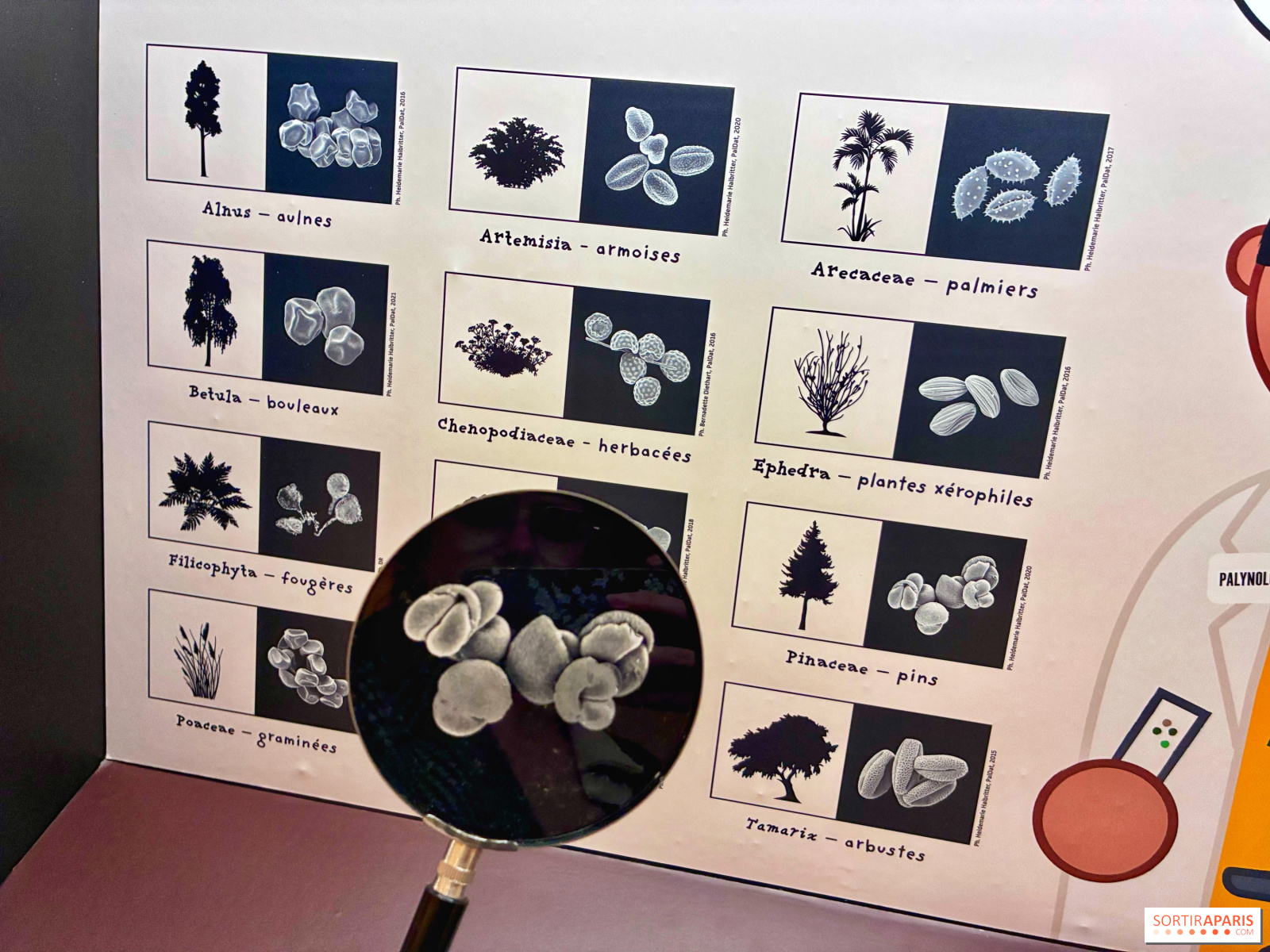
We particularly value the outreach aimed at the youngest visitors, with small placards in the galleries, a reading corner that invites guests to browse on-site comics about the topic, and interactive buttons you press to trigger short films or sounds. A playful element, fully embraced in the final section of the exhibition, featuring a stampable excavation log to be stamped at each stage, which adults willingly join in as well.
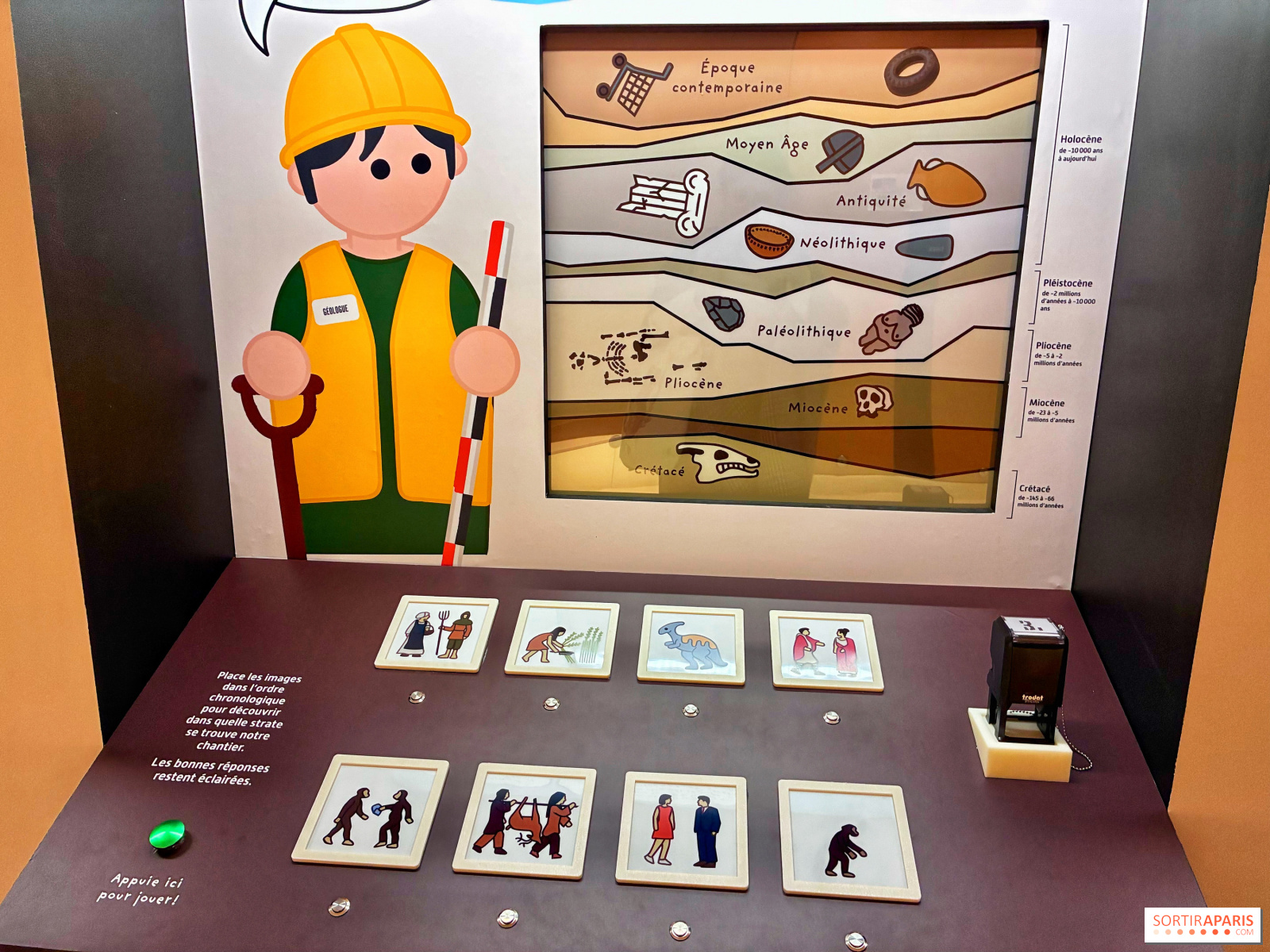
Several small interactive stations invite visitors to think, and it quickly becomes clear the meticulous care that went into them, all of it of the highest quality. This should easily engage children and teens alike with this long-ago era, and all with free entry!
Note that the gate is likely closed when you arrive in front of the Collège de France, and that’s normal. To get in, you simply ring the bell and wait for someone to open the door, on the right side of the courtyard. Then head to the basement, facing the venue’s largest amphitheater, to discover the exhibition. It’s open daily from 11:00 to 18:00, with late hours until 20:00 on Thursdays.
Dates and Opening Time
From April 29, 2026 to July 19, 2026
Location
Collège de France
11 Place Marcelin Berthelot
75005 Paris 5
Route planner
Accessibility info
Access
Metro Maubert-Mutualité (line 10), Odéon (lines 4 and 10)
Prices
Free
Official website
www.college-de-france.fr